May 1, 2026
If you’re researching plane price in 2026, this article provides detailed information and real numbers—not vague marketing claims. This guide is for prospective private aircraft buyers, business travelers, and anyone comparing ownership models. Knowing the true cost of plane ownership helps you avoid costly surprises and make smarter financial decisions. Whether you’re considering full aircraft ownership or exploring fractional jet ownership (a model where multiple owners share usage and costs of a single aircraft), understanding the true cost of flying privately starts with concrete data.
Let’s cut to the chase. In 2026, small used piston aircraft range from $30,000 to $150,000, while new pistons like a well-equipped Cirrus SR22 G6 can approach $900,000. Light jets run $3–$9 million new and $2–$6 million pre-owned. Super-midsize jets push into the low-to-mid $20 millions. Prices increase with aircraft size, with narrow-body jets costing over $100 million and wide-body, long-haul aircraft priced between $300 million and $400 million.
Behind these figures are key industry dynamics. The two dominant aircraft manufacturers, Boeing and Airbus, maintain highly competitive pricing, balancing market share and innovation. However, airplanes are not mass-produced like cars; even a popular model such as the Boeing 737 sells only a few hundred units annually, which affects economies of scale and pricing strategies. Limited suppliers for critical components like engines, avionics, and seats allow third-party companies to charge premiums, contributing to the overall cost.
Materials such as carbon fiber and aluminum, combined with complex avionics, represent significant cost drivers in aircraft production. Additional features, interior configurations, and specific engine options can further increase the price of an aircraft. Moreover, manufacturers invest billions into research and development to enhance fuel efficiency through advanced engines, aerodynamics, and lightweight composite materials, reflecting in the pricing.
Stringent safety regulations require millions of hours of testing and rigorous certification processes before a plane can be sold, adding to development costs. Developing new aircraft can run into hundreds of millions or even billions in engineering and testing expenses before manufacturing begins. Well-known manufacturers like Boeing and Airbus hold premium value due to their reliability, safety standards, and comprehensive support services.
New aircraft also undergo extreme depreciation; for example, a new Boeing 777 can cost hundreds of millions, while a used version might sell for under $20 million. Competition between manufacturers can influence price adjustments based on market share strategies, which buyers should consider when evaluating plane prices.
This article will provide a detailed breakdown of plane prices and ownership costs, so you can make an informed decision.
But here’s what many aircraft owners discover too late: the initial purchase price is just the beginning. Annual operating costs can reach $500,000–$1,000,000+ for a light jet. Fuel efficiency, range, payload capacity, and speed significantly impact the value of an aircraft.
That’s why alternatives like BlackJet Fractional Jet Ownership exist. Instead of committing millions to buy a whole airplane, clients can access the same cabins through equity shares (Equity Fleet—a program where you purchase a legal share of a specific aircraft and receive guaranteed access based on your share size) or Reserve Fleet memberships (Reserve Fleet—a pay-as-you-go program offering access to a fleet of aircraft without equity ownership)—flying 25–150 hours per year without the full ownership burden while leveraging a complete guide to the cost of fractional jet ownership to understand the full financial picture.
Quick comparison:
Full ownership: $3–$10M+ capital, full operating responsibility
Fractional ownership: Mid-six-figure buy-in, predictable monthly/hourly fees
Membership/Reserve Fleet: Pay-as-you-go, no capital required
When considering these options, it’s important to choose the ownership structure that best fits your travel needs, budget, and desired level of responsibility.
Aircraft pricing is shaped by far more than size alone. The year of manufacture, aircraft hours, engine time since overhaul, avionics suite, and maintenance history all significantly affect market value.
Consider the difference between a 2006 Cessna 172 with basic gauges versus a 2022 model with glass-panel avionics. The age and condition gap can mean $80,000 versus $450,000. A Pilatus PC-12 NGX with low airframe hours commands premium pricing, while higher-time examples sell for considerably less.
Post-pandemic demand has kept high-quality pre-owned aircraft prices elevated through 2024–2026. This same market research applies when evaluating fractional share pricing—fleet aircraft with modern features and lower hours typically command higher program costs, and understanding the total cost of fractional jet ownership is essential before you commit.
Readers often compare plane price across very different aircraft types. Here’s what the 2026 market looks like across categories.
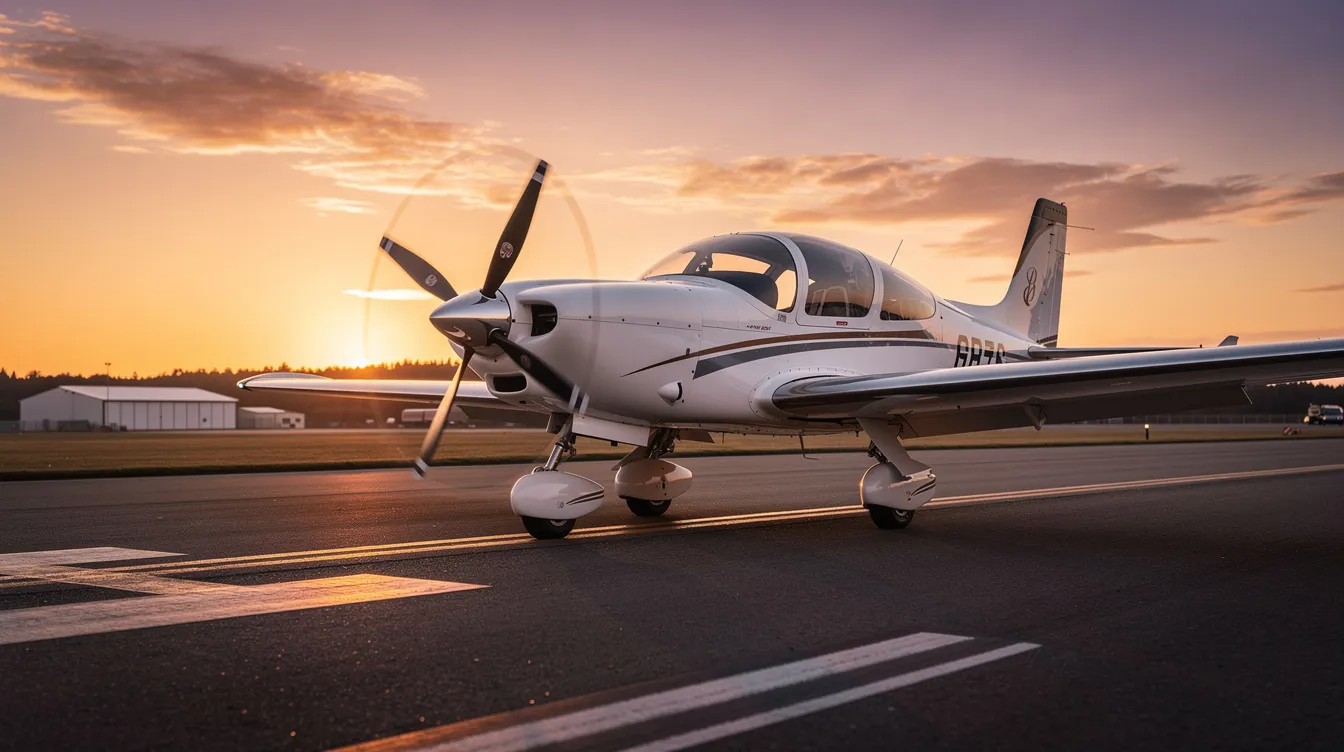
Used training aircraft like the Cessna 150 trade for $30,000–$60,000. The popular Cessna 172 ranges from $80,000–$450,000 depending on year and upgrades. A newer Cirrus SR22 G6 pushes toward $900,000+ when fully equipped with advanced avionics.
The Beechcraft King Air 200 series typically sells for $1.5–$4 million pre-owned. The versatile Pilatus PC-12 NG/NGX commands $3–$7 million depending on configuration and hours.
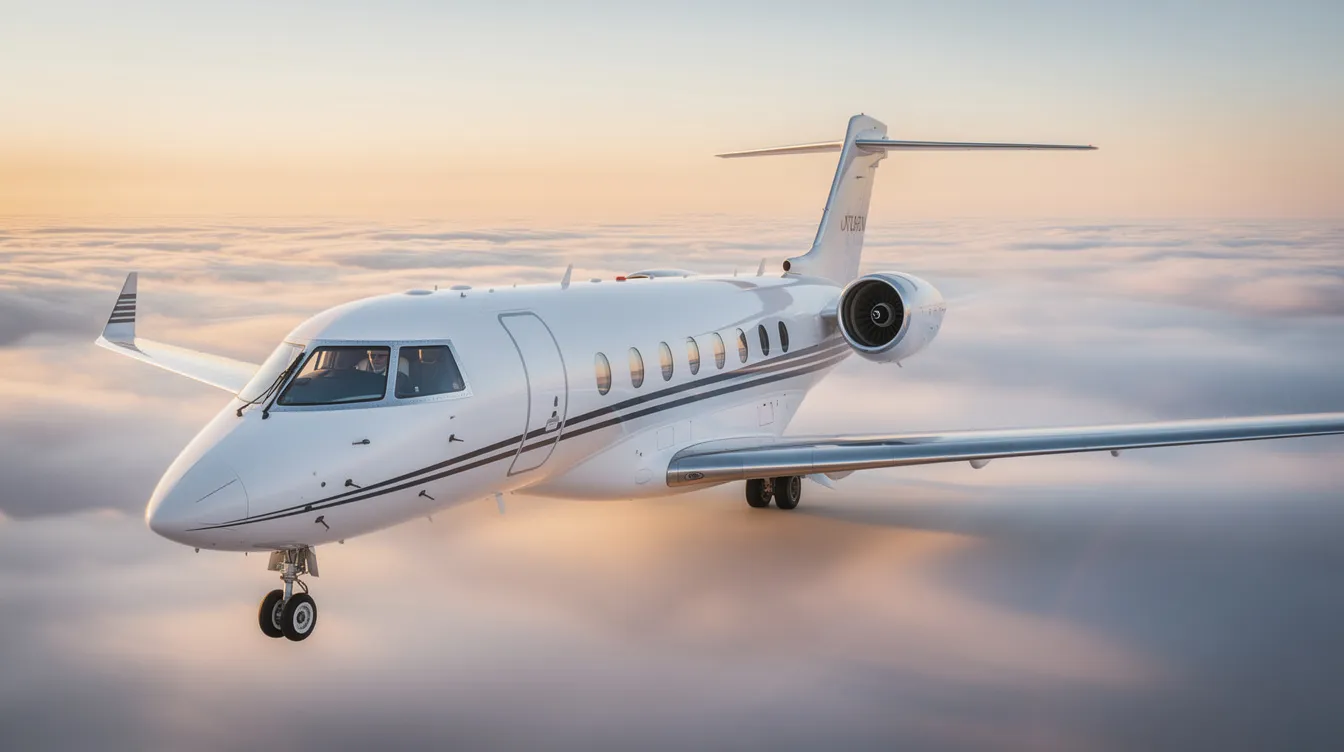
A pre-owned Cessna Citation CJ3+ runs approximately $7–$10 million. The Embraer Phenom 300E trades in the $8–$12 million range. Larger super-mids like the Challenger 350 reach the low-to-mid $20 millions new.
These figures represent whole-aircraft purchase prices. Fractional jet ownership as a cost-effective investment provides access to these same cabins at a fraction of the capital—a critical distinction for buyers flying under 200 hours annually.
Acquisition is only one element of what a plane really costs over 5–10 years. Many owners underestimate the ongoing expense of keeping an aircraft ready to fly. This section provides content with a detailed breakdown of the major ongoing costs you should expect.
For a small piston flown 100 hours annually, expect fuel costs around $2,500–$5,000 per year, plus hangar fees of $3,000+ in most U.S. regions. Fuel is often the largest variable expense in aircraft ownership, potentially accounting for up to 70 percent of variable operational costs, with typical small single-engine planes burning between 5 and 10 gallons of fuel per hour. Annual inspection costs can range from $750 to $2,000, depending on the aircraft, and annual maintenance costs for small planes can range from 10 to 45 percent of total yearly operating expenses. Aircraft insurance for a light jet typically runs 1.2%–1.8% of insured value—that’s $84,000–$126,000 annually on a $7 million airplane. The cost of financing should also be included in your long-term budget, as financing a small plane will result in interest costs over the life of the loan.
For light jets with professional pilots and highly trained crews undergoing regular training, total annual operating costs reach $500,000–$1,000,000+, including crew, maintenance, and fuel. Many owners don’t account for regulatory compliance, tie-down or hangar rental, and the reserve needed for major overhauls.
Fuel (highly variable by aircraft type and measured in gallons per hour)
Maintenance and annual inspections (see breakdown above)
Hangar or tie-down fees
Aircraft insurance
Crew salaries and training
Regulatory fees and taxes
Under fractional ownership, these expenses are bundled into predictable monthly and hourly fees—eliminating surprise maintenance bills.
Consider a business owner flying 75 hours annually between New York, Chicago, and Dallas. Should they buy a $7 million light jet outright?
Ownership Model | Upfront Capital Required | Annual Operating Costs | Hourly Cost (est.) | Responsibilities | Flexibility/Access |
|---|---|---|---|---|---|
Full Ownership | $3–$10M+ | $700,000+ | $9,000+ | Crew, hangar, maintenance, value | Highest flexibility, all owner responsibilities |
Fractional Ownership | Mid-six-figure buy-in | Monthly/hourly fees | Lower than full | Operator handles ops & maintenance | Guaranteed access, share-based |
Membership/Reserve Fleet | None | Pay-as-you-go | $2,500–$3,450 | None | Flexible, no equity ownership |
Buying the whole aircraft requires millions in capital plus $700,000+ annually in operating costs. At 75 hours per year, that’s over $9,000 per flight hour before depreciation. You’re also responsible for crew management, hangar coordination, and protecting the aircraft’s residual value. When it comes to storage, you can choose between outdoor tiedowns or enclosed hangars, and the course you choose will impact your long-term expenses and the condition of your aircraft.
If you’re new to the terminology, a fractional jet ownership glossary and term guide can help you decode key concepts before running the numbers.
Through BlackJet’s Equity Fleet (a program where you purchase a legal share of a specific aircraft and receive guaranteed access based on your share size), that same executive could invest a mid-six-figure amount for a 1/8 share, plus predictable monthly management fees and an all-inclusive hourly rate. Total effective cost per hour drops significantly, and BlackJet handles scheduling, crew, and maintenance. Exploring what 1/8 fractional jet ownership entails can clarify whether that specific share size aligns with your expected annual hours. It’s important to choose the ownership model that best fits your usage patterns and budget to maximize value.
For travelers testing private aviation or needing flexibility, Reserve Fleet membership (a pay-as-you-go program offering access to a fleet of aircraft without equity ownership) offers pay-as-you-go flight hours with no equity stake. Hourly rates for light jets typically run $2,500–$3,450, covering fuel, crew, and most fees.

Non-monetary factors matter too: guaranteed availability versus hunting for ad-hoc charter, consistent service from pilots with more certifications and regular training, and the ability to scale usage up or down annually.
BlackJet Fractional Jet Ownership offers two primary models: Equity Fleet (a program where you purchase a legal share of a specific aircraft and receive guaranteed access based on your share size) and Reserve Fleet (a pay-as-you-go program offering access to a fleet of aircraft without equity ownership).
With Equity Fleet, instead of paying $3–$20+ million for a whole aircraft, clients invest in a legally structured share aligned with expected usage. A 1/16 share might suit someone flying approximately 25 hours annually; a 1/8 share works for 50 hours.
The cost structure includes:
Initial equity buy-in (fraction of full aircraft price)
Monthly management fees (covering insurance, hangar, crew coordination)
Hourly occupied rate (bundling fuel, catering, landing fees)
Some clients may choose to finance their fractional share, so it’s important to factor in financing costs—such as loan interest rates—when budgeting for your plane price and overall investment; reviewing fractional jet ownership financing costs and benefits can help you model different scenarios.
For example, an executive who would otherwise need a $7 million jet instead invests a mid-six-figure amount in an Equity Fleet share. Monthly fees provide predictability, and hourly rates cover actual flight time. BlackJet handles aircraft management, maintenance, obtaining necessary permits, and crew scheduling.
Some fractional ownership structures may offer U.S. tax advantages such as accelerated depreciation on the ownership portion—consult a tax advisor for specifics relevant to your situation, and study key tax implications for fractional jet owners so you know which questions to ask.
Corporate flight departments and private individuals evaluate plane prices through different filters, even for the same type of jet, and they may reach different conclusions about whether a local solution, such as fractional jet ownership in Atlanta, is the most efficient way to meet their travel needs.
Companies value budgeting predictability, reduced traveler downtime versus commercial airlines, and the ability to support multi-city trips in a single day. Fractional ownership aligns with capital expenditure planning and may offer tax benefits. State taxes can increase the overall purchase cost, and aircraft registration requirements vary by state, requiring owners to comply with local regulations. A well-drafted aircraft fractional ownership sample contract should clearly address how these obligations are shared. A team flying 100–150 hours annually between field offices often finds fractional economics compelling.
Leisure travelers based in fast-growing hubs like Austin may find that fractional jet ownership in Austin delivers the right mix of convenience, aircraft choice, and total cost compared with whole ownership.
High-net-worth individuals prioritize time savings, privacy, safety, and direct access to secondary airports near vacation homes. Flying 25–75 hours annually, they can avoid the complexity of owning and staffing a whole aircraft while still enjoying comfort and flexibility, often through aircraft-specific options such as owning a fractional share of the Honda Jet for efficient regional travel.
Both B2C and B2B clients can blend Equity Fleet shares with Reserve Fleet access to handle seasonal peaks—choosing the structure that fits their experience and travel patterns, or using a tool to compare fractional jet ownership programs like Reserve Fleet, Equity Fleet, and leasing options side by side.
Plane prices and operating costs vary by geography, even for identical aircraft models. For example, a traveler frequently flying in and out of Arizona might compare full ownership with fractional jet ownership in Phoenix to see which structure best matches their routes and budget.
U.S.-based aircraft typically have more transparent market data and competitive pricing due to high supply and demand. European aircraft may differ in price due to currency fluctuations (EUR/USD), EASA versus FAA certification differences, and higher local maintenance costs, while specific U.S. metro areas—such as programs offering fractional jet ownership in Pittsburgh—will each have their own pricing dynamics.
Fuel prices fluctuate globally but are tied to crude oil. Current 2026 geopolitical tensions have pushed jet fuel higher, affecting operating costs across the air travel industry. Hangar costs in major U.S. hubs like New York or Los Angeles can reach $10,000+ monthly, while secondary markets in Utah or similar states may offer $2,000–$5,000. Choosing the right airport for aircraft storage, maintenance, and operational needs is crucial, as airport selection can significantly impact both convenience and ongoing expenses. For some travelers, programs that use floating fleet options in fractional ownership can further optimize aircraft positioning and how efficiently they’re utilized. Researching airport options and available aviation services can be facilitated by visiting the operator's website for more detailed information.
Global clients using BlackJet-style programs often prefer U.S.-based fleets for standardized service and cost predictability across international trips.
Once you know rough price ranges, the next question is how to judge whether a specific plane or program offers good value. Here’s a practical checklist—a breakdown of key evaluation steps to help you assess plane price and value.
Verify maintenance records and compliance with ads b mandates
Compare the asking price with similar aircraft for sale on the U.S. market
Review engine times and upcoming major inspections
Inspect avionics age and required upgrades
Request quotes from independent pre-buy inspectors
Confirm aircraft age, type, and condition in the fleet
Understand guaranteed availability terms and peak-day rules
Check for repositioning fees and transparency in hourly/monthly costs
Evaluate how the operator handles scheduling and crew
Factor in your realistic annual flight hours. If you’d fly 50 hours per year, compare the average cost per hour across full ownership, fractional, and membership. Many owners find the break-even point favors fractional when flying under 200 hours annually, but you should also compare fractional jet ownership vs membership programs to see which structure best matches your flying habits. Consult aviation and tax professionals before committing to account for all elements of the decision.
Not necessarily. A used piston aircraft can cost $30,000–$100,000, making it accessible for pilots with a private pilot license who want to fly recreationally. However, ongoing maintenance, fuel, and insurance add thousands annually, and understanding the total cost structure of fractional jet ownership can provide a useful comparison point even if you start with a small aircraft.
Most fractional programs target clients flying 25–150 hours annually. Below 25 hours, Reserve Fleet or charter often makes more sense; above 200 hours, full ownership economics may improve.
Typically both. Monthly management fees are fixed, while hourly occupied rates vary by actual flight time. This structure helps owners save money by avoiding unpredictable maintenance bills.
Aircraft depreciate significantly in the first 5–7 years. Under fractional ownership, the operator typically bears residual value risk, not the fractional owner—a key advantage.
Jet cards offer prepaid flight hours without equity; fractional ownership involves purchasing a legal share of an aircraft with potential tax benefits and guaranteed availability, and many travelers review the best fractional jet ownership programs for smart investors before deciding which model to pursue.
Plane price is more than the sticker on an aircraft for sale. The smartest approach aligns your access model—full ownership, fractional, or membership—with your actual usage and priorities.
For high-net-worth individuals and companies flying 25–150 hours annually, fractional jet ownership often delivers better value than buying a whole aircraft. You gain access to the same cabins, professional crews, and flexibility without the capital burden and operational complexity.
Consider your next 12–24 months of travel patterns: routes, frequency, and passengers. Use that as a starting point for cost analysis. Ready to reclaim time, increase flexibility, and bring predictability to your private aviation costs?
Visit FractionalJetOwnership.com to explore BlackJet Fractional Jet Ownership’s Equity Fleet and Reserve Fleet options, request a personalized cost comparison, or schedule a consultation with our aviation advisors.
