May 2, 2026
England remains one of Europe’s most active markets for private pilots and corporate travelers seeking aircraft, supported by a thriving general aviation market that offers a diverse selection of aircraft types for buyers, including options for aviation enthusiasts. As you begin searching listings at Biggin Hill or browse a marketplace page for your perfect turboprop, it’s important to understand the aircraft type—its design, purpose, and characteristics—when evaluating planes for sale. Consider whether full ownership truly fits your flying profile while continuing to explore flexible alternatives.
For those asking how to access planes for sale in England immediately, the answer depends on your annual flight hours and mission requirements.
Buyers in England typically choose between purchasing a pre-owned aircraft outright, joining a syndicate, chartering on-demand, or using fractional jet ownership through programs like BlackJet Fractional Jet Ownership.
For 25–150 flight hours per year, fractional aircraft ownership often delivers better value than purchasing a whole aircraft on the UK market.
England-based travelers can access modern light jets (Embraer Phenom 300, Cessna Citation CJ3+, HondaJet fractional ownership options) through fractional programs without having to search individual planes, negotiate hangarage, or manage maintenance.
This article compares outright plane purchases with fractional ownership, including 2024–2025 price ranges and operational considerations, and explains how aircraft prices in England reflect current market trends and value.
England stands as a dynamic hub for general aviation and business aviation, with aircraft trading through specialist brokers, online marketplaces like AFORS—which has been the premier destination to buy and sell aircraft in the UK and Europe since 1999, connecting private pilots and commercial operators with a wide range of aircraft listings—and private deals at airfields from Shoreham to Cambridge. AvPay is a major marketplace with over 100 active listings for G-registered aircraft, including private jets and helicopters. AeroClassifieds is a curated marketplace where listings are typically submitted by registered brokers and dealers. Aircraft for Sale UK is a public community Facebook group where owners post private listings for plane shares, project aircraft, and used models. Controller.com (UK) is a high-end global marketplace featuring listings from major aircraft manufacturers like Cessna, Piper, and Beechcraft. ControllerEMEA.co.uk is an online platform that features listings for all types of aircraft, including jets, turboprop aircraft, and helicopters, catering to buyers and sellers across Europe, the Middle East, and Africa. Many buyers also find aircraft by visiting regional aerodromes where local brokers list their current inventory.
Ensuring regulatory compliance is critical; aircraft must be registered on the UK 'G-Reg' or plans made for re-registration with the Civil Aviation Authority (CAA). This step is essential for legal operation and resale.
Aircraft categories available include well-known single-engine aircraft (such as the Cessna 172S and Piper PA-28), multi-engine aircraft (Beechcraft Baron), turboprops (Pilatus PC-12, King Air 200), and light jets (Citation XLS+, Learjet 75). The UK offers a wide variety of single-engine piston planes for sale within its thriving general aviation market. Pre-owned single-engine pistons often list between £80,000 and £300,000, while modern light jets range from £2.5M to £7M, depending on avionics and hours.

Supply remains tight across Europe, with well-maintained aircraft selling within weeks. Many buyers now compare total lifecycle costs of ownership—including annual maintenance, insurance, and hangarage—against fractional jet ownership and private jet membership programs.
Cessna 172S Skyhawk
Price: £180,000–£250,000 for early 2000s model
Features: Versatile, reliable, widely used for training and personal flying
Benefits: Adaptable for different flying experiences, suitable for pilots seeking both performance and flexibility in a variety of flight conditions
Piper PA-28 Series (Cherokee, Warrior, Archer)
Features: Highly common four-seater aircraft, extensively used for training
Benefits: Reliability, versatility, and adaptability
Ikarus C42 and SkyRanger
Features: Popular microlights in the UK
Benefits: Lower maintenance costs under permit-to-fly regulations
Cirrus SR20/SR22
Features: Modern composite aircraft equipped with safety features like the CAPS parachute system
General Aviation Manufacturers
Cessna, Piper, Beechcraft, and Mooney are prominent manufacturers in General Aviation
General Characteristics
Single-engine aircraft are known for their agility and fuel efficiency, making them a popular choice among pilots for both personal and business use
Annual maintenance costs typically range from £2,000 to £5,000, with fixed costs like insurance and hangarage adding to total ownership expenses
Beechcraft Baron 58
Features: Ideal for IFR touring
Pilatus PC-12 NG
Features: Popular turboprop for business and personal use
TBM 850
Fractional turboprop ownership available
King Air 200/250
Features: Connects London to European cities
Citation CJ2/CJ3+
Features: Suitable for routes like London–Geneva
Phenom 300
Features: Modern light jet for business and leisure travel
Bombardier Challenger 350
Features: Larger jet for trans-European missions
Dassault Falcon 2000EX
Fractional shares available
Before purchasing, a thorough technical inspection of the airframe and engine is critical, alongside careful review of Airworthiness Directives (ADs) and logbooks. Many UK pilots use group ownership (syndicates) to share fixed costs, with shares starting from about £5,000 to £22,000.
While individual aircraft for sale exist at airports like Oxford or Leeds Bradford, many business travelers achieve similar access through fractional programs without tying capital to one airframe.
This comparison focuses on cost, complexity, and flexibility for those flying 25–150 hours annually, a range that often aligns with 1/8 fractional jet ownership structures.
Factor | Full Ownership | Fractional (BlackJet) |
|---|---|---|
Upfront Cost | £3M–£5M | £300k–£625k (share) |
Annual Fixed Costs | £400k–£600k | Included in the monthly fee |
Fleet Access | Single aircraft | Multiple aircraft types |
Management | Owner’s responsibility | BlackJet handles all |
For England-based executives flying 2–8 trips monthly within Europe, analyzing the total cost of fractional ownership shows that fractional ownership can reduce capital outlay by millions. Fractional owners avoid aircraft downtime through fleet access and can request different aircraft sizes—a smaller jet for London–Dublin, a midsize for London–Athens.
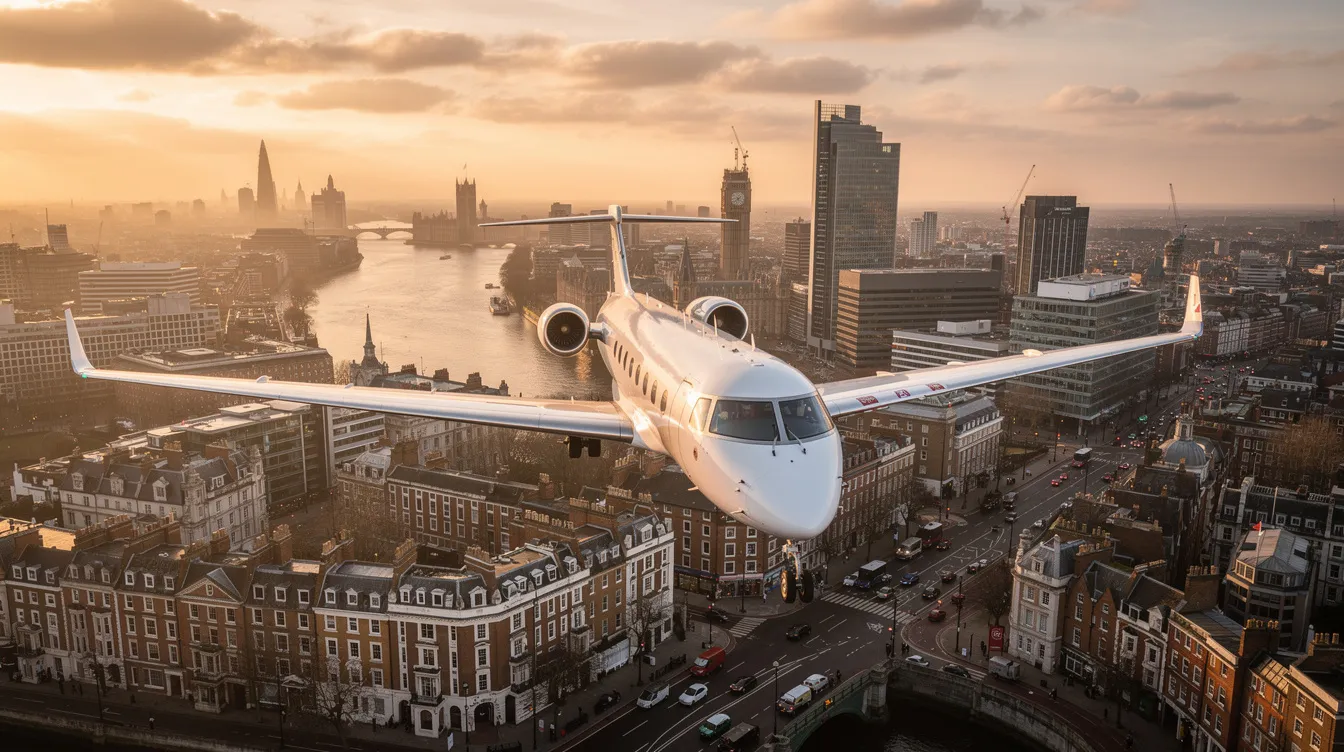
Consider a London-based business owner in 2025 evaluating a 2014 Embraer Phenom 300 purchase versus BlackJet’s programs.
Purchase option: £5M acquisition, annual fixed costs in mid-six figures (insurance, hangar at Farnborough, crew, maintenance), plus variable costs for 120 flight hours.
Fractional option: Acquire a share in BlackJet’s Equity Fleet, gaining 75–100 guaranteed hours with lower upfront cash and no flight department setup. Reserve Fleet hours cover peak periods like summer holidays, reflecting BlackJet’s broader Reserve Fleet, Equity Fleet, and Lease Program options.
BlackJet handles flight planning, crew vetting, professional pilot standards, and maintenance slots. For flyers not exceeding 150 hours annually, fractional jet ownership typically delivers a better cost-to-access balance than buying a single used jet.
Traditional aircraft purchases involve specialist brokers, online marketplaces, and word-of-mouth in the aviation community. Buyers search UK classifieds, speak with sellers at airports like Biggin Hill and Bournemouth, and attend airfield events.
The process requires due diligence: pre-purchase inspections, logbook audits, and negotiations over engine times, plus careful review of fractional aircraft co-ownership contract structures where relevant. Corporate customers increasingly conduct “dual-track” reviews—examining hard listings while evaluating fractional programs as simpler paths to secure lift and often referencing fractional jet ownership terminology guides to clarify structures and costs.
BlackJet Fractional Jet Ownership helps these buyers interpret market trends and decide whether full ownership, fractional shares, or a combination best fits their profile, while highlighting essential contract terms in fractional agreements that affect flexibility and exit options, and comparing top fractional jet ownership programs for smart investors.
Clients purchase equity shares in aircraft types like Phenom 300 or Citation CJ3+, gaining predictable hours, priority access, and potential tax advantages.
Pay-as-you-go access is ideal for variable or seasonal demand with guaranteed availability.
BlackJet manages scheduling, maintenance, and crew selection; clients depart from Farnborough, Luton, or regional airports.
Example: A Manchester family uses Reserve Fleet hours for school holiday trips to Italy and Spain, while a London hedge fund partner uses Equity Fleet shares for frequent London–Zurich travel.
Usage: 25–150 hours often aligns best with fractional programs.
Mission profile: Routes, passengers, multi-leg itineraries.
Financial impact: Capital tied up versus predictable monthly rates, plus available fractional jet ownership financing options and appropriate liability and insurance coverage in fractional jet ownership.
Regulatory complexity: UK CAA requirements, pilot recruitment challenges, and tax implications for fractional jet owners.
Many high-net-worth individuals choose blended approaches: occasional charter plus fractional jet ownership as a long-term investment rather than sole ownership.
At 50–150 hours annually, the total cost of fractional jet ownership often compares favorably to full ownership once fixed costs are included.
Phenom 300, Citation CJ3+, and midsize jets for longer European flights.
Advance booking windows of 10–90 days
24–48 hour short-notice options from major UK airports
Often supported by floating fleet fractional ownership models
Equity-based fractional ownership may offer depreciation advantages
Consult professional advisors and resources on tax implications for fractional owners
Typical timeline from consultation to first flight: 2–4 weeks
Longer horizons if you also plan an eventual sale of a fractional jet ownership share
England-based travelers now have more sophisticated choices than simply scanning aircraft listings on a website. Map your last 12–24 months of flying, estimate hours and routes, then model different scenarios.
Schedule a consultation with BlackJet Fractional Jet Ownership to compare full ownership against fractional and Reserve Fleet access, whether you’re based near London or considering models similar to fractional jet ownership solutions in Atlanta or regional fractional programs in Pittsburgh. Visit fractionaljetownership.com for deeper guides and tailored proposals.
Whether you ultimately purchase an aircraft based in England or choose a fractional solution, understanding all options upfront is the smartest step toward reliable access to the skies while continuing to benefit from flexible private aviation solutions.
