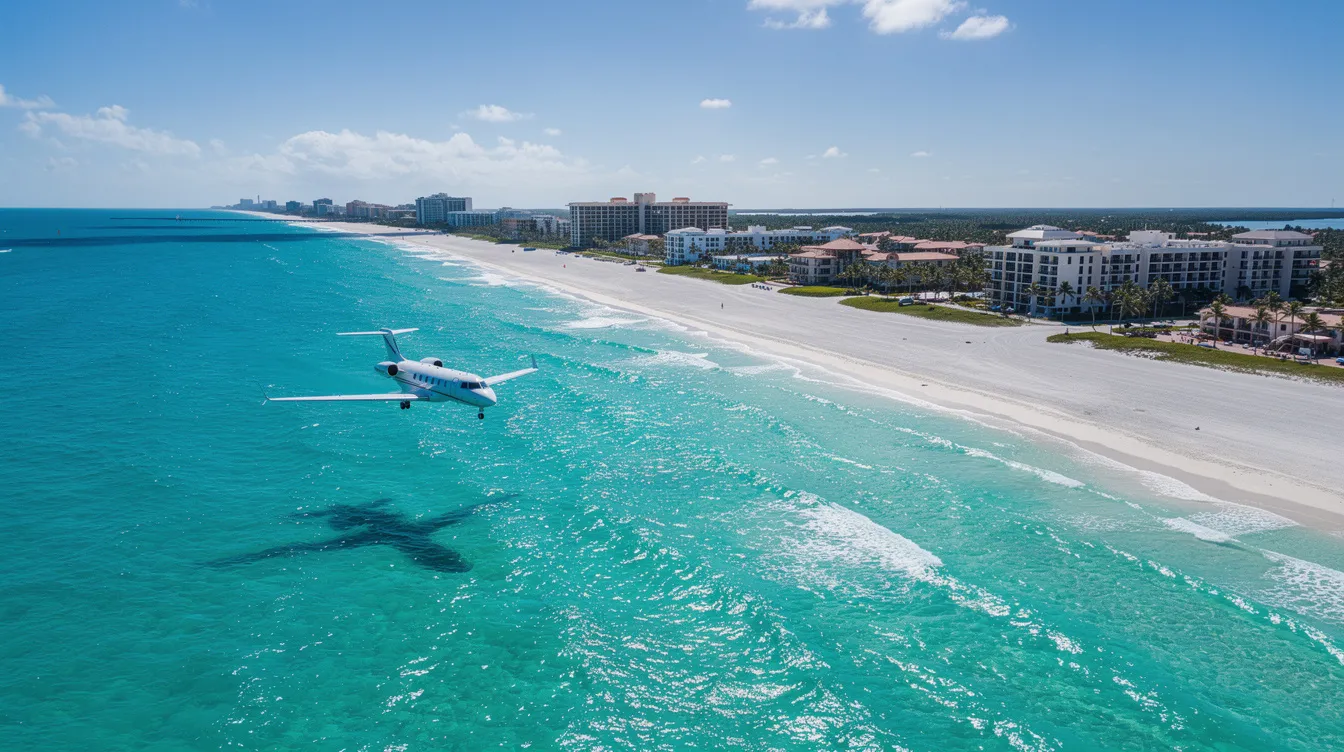
June 16, 2026
Florida ranks among the most active private aviation markets in the United States, with hundreds of aircraft changing hands every quarter. For buyers evaluating planes for sale in Florida, the decisions go well beyond picking a model and writing a check. This guide breaks down the current market, walks through the acquisition process, and explains why fractional jet ownership may be the smarter move for many Florida-based travelers.
Florida currently has 481 aircraft listings available for sale, with an average aircraft price of $1,060,497 and a range spanning from $1,504 to $19,800,000. The state is one of the most active private aviation hubs in the country, with strong markets around Miami, Fort Lauderdale, Orlando, Tampa, Naples, and Palm Beach.
Trade-A-Plane lists thousands of aircraft for sale nationwide, including jets, turboprops, and helicopters, providing a broad selection for Florida buyers.
For travelers flying 25–150 flight hours per year, BlackJet Fractional Jet Ownership offers a capital-efficient alternative to purchasing an entire aircraft, with both Equity Fleet and Reserve Fleet models tailored to different usage levels.
Serious buyers should expect security verification and verification successful confirmation steps when accessing premium listings, virtual data rooms, or hangars at Florida airports.
Aircraft prices in Florida have decreased by 13% compared to the 12-month average of $1,219,521, creating opportunities—but also requiring careful due diligence on airframe condition, corrosion history, and logbook compliance.
=
What planes are for sale in Florida right now? The state typically has 450–500+ active listings at any given time, spread across platforms like Controller.com, Trade-A-Plane, GlobalAir, and broker websites. As of mid-2026, Florida has 481 aircraft listings available for sale. Prices displayed across these platforms reflect the full spectrum of private aviation.
<table> <thead> <tr> <th>Category</th> <th>Example Models</th> <th>Price Range</th> </tr> </thead> <tbody> <tr> <td><h3 id="entry-level-pistons">Entry-Level Pistons</h3></td> <td>Older Cessna 150/172 trainers, project aircraft</td> <td>$1,504–$150,000</td> </tr> <tr> <td><h3 id="high-performance-singles">High-Performance Singles</h3></td> <td>Cirrus SR22, Piper M350, Bonanza G36</td> <td>$200,000–$900,000</td> </tr> <tr> <td><h3 id="turboprops">Turboprops</h3></td> <td>Pilatus PC-12, TBM 900, King Air 200</td> <td>$1.5 million–$5 million</td> </tr> <tr> <td><h3 id="light-midsize-jets">Light/Midsize Jets</h3></td> <td>Citation CJ3+, Learjet 75, Hawker 900XP</td> <td>$2 million–$8 million</td> </tr> <tr> <td><h3 id="large-cabin-ultra-long-range-jets">Large-Cabin/Ultra-Long-Range Jets</h3></td> <td>Gulfstream G550, Global 6500, Falcon 7X</td> <td>$5 million–$19.8 million+</td> </tr> <tr> <td><h3 id="helicopters-specialty">Helicopters & Specialty</h3></td> <td>Various helicopters and specialty aircraft</td> <td>$100,000–$4 million</td> </tr> </tbody> </table>
The average aircraft price in Florida is $1,060,497, while the 12-month average was $1,219,521—meaning current prices have decreased by roughly 13%. Listings include both broker-listed and owner-listed aircraft based at busy FL airports like Opa-locka Executive (KOPF), Fort Lauderdale Executive (KFXE), Tampa (KTPA), Palm Beach (KPBI), Sarasota (KSRQ), and Orlando Executive (KORL). Many Florida-based aircraft advertise fresh inspections, upgraded avionics, new paint, and new interior refurbishments to stand out in a competitive market, with waiting periods for desirable models still stretching beyond 400 days on average nationally.
This section provides illustrative examples of the types of aircraft commonly for sale in Florida, using concrete model years, hours, and price bands rather than an exhaustive inventory list.
Late-model Cirrus SR22 and SR20 G6/G7 aircraft with Perspective+ avionics and Spinner-to-Tail warranties regularly appear in Florida, typically in the $450,000–$900,000 range. A 2024 Cirrus SR22 G7 is priced at $1,189,900. The 2005 Diamond DA40-180 is known for its high efficiency, making it a popular choice among owner-pilots.
Models like the 2015 Pilatus PC-12 NG, featuring a 6+2 seat configuration, TBM 850/900 series, and King Air C90/200 are often advertised with fresh phase inspections, new paint, and updated interior appointments, typically priced from $1.5 million to $5 million.
Citation CJ3+/CJ4 Gen2, Learjet 60XR/75, Hawker 800XP/900XP, and Falcon 2000 series jets appear frequently, with engines on MSP, ESP Gold, or JSSI programs and total airframe time between 3,000–9,000 hours. A 2006 Citation Sovereign is listed for $6,750,000, illustrating how well-maintained midsize jets hold value.
Gulfstream G300/G550, Global 6500/7500, Challenger 601/650, and Falcon 7X move through Florida regularly, with prices from $5–$40 million depending on year, program enrollment, and avionics such as FANS 1/A, CPDLC, and Ka-band Wi-Fi.
Cessna 172N/182T, Diamond DA40/DA62, and Piper M350/M600 models are often presented as "turn-key" with recent annuals and avionics upgrades—supporting Florida's active flight-school and owner-pilot community. The 2023 Diamond DA62, with a 7-seat configuration and only 225 hours total time, is a standout multi-engine platform. The 2021 Bell 407 GXI helicopter is also available, with factory warranty coverage until November 2026.
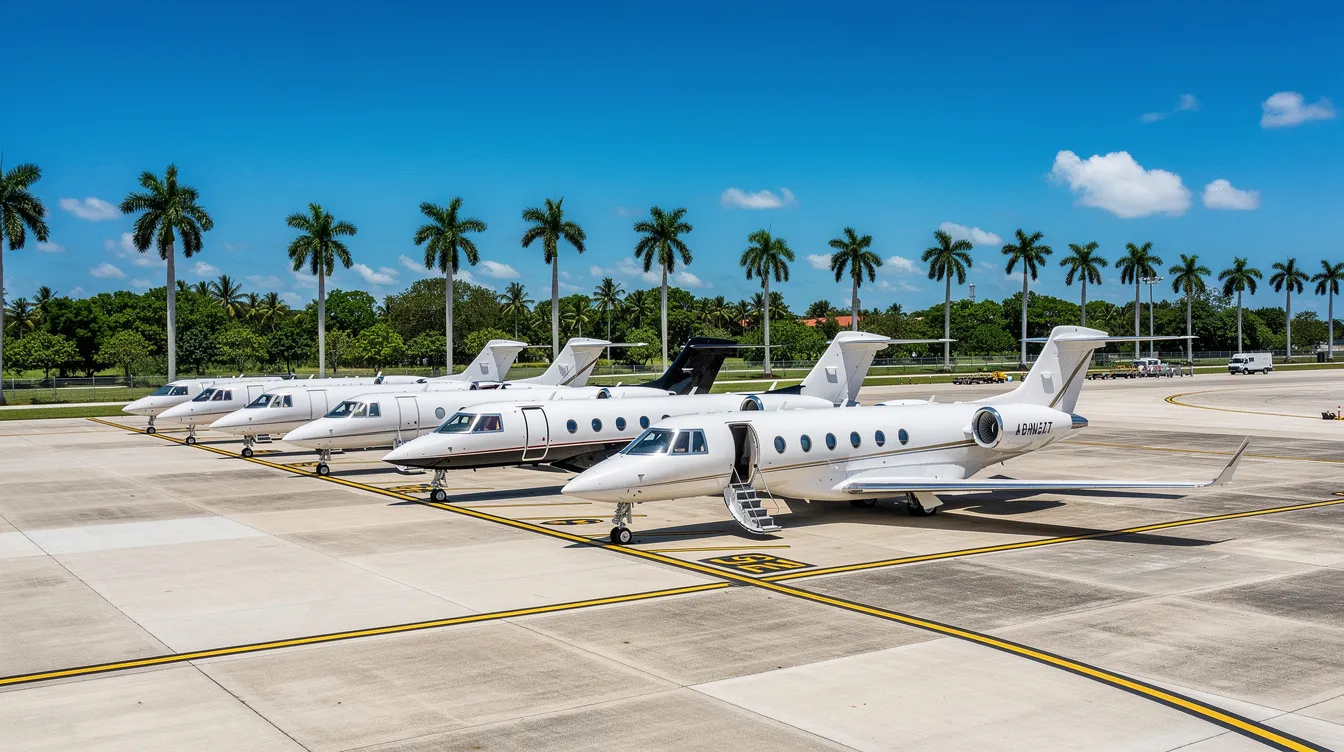
Florida consistently ranks among the top U.S. states for aircraft registrations and sales volume. With approximately 21,100 active aircraft registered statewide and over 384,080 business aircraft flights logged in 2025, the state's aviation infrastructure is among the deepest in the nation.
Climate: Year-round flying weather, high VFR days, and coastal routes make Florida attractive for based aircraft. However, Florida's high humidity and salty air increase the risk of corrosion in aircraft, making storage history a critical factor in any purchase evaluation. Thorough inspections of critical parts are essential to prevent corrosion, and buyers should insist on reviewing detailed maintenance logs.
Airport density: A concentration of GA and business aviation airports—including KOPF, KFXE, KPBI, KORL, KSRQ, and KRSW—supports robust maintenance, brokerage, and FBO operations within short driving distances of major population centers.
Demographics: Florida's mix of high-net-worth residents, retirees, corporate offices, and tourism traffic fuels demand for both owner-flown pistons and professionally managed jets.
Tax and regulatory environment: Florida imposes a 6% state sales/use tax on aircraft purchases, though common strategies exist, especially when comparing traditional ownership with the distinct tax implications for fractional jet owners. Nonresident purchasers can avoid Florida tax by removing the plane within 20 days of purchase. Owners often use an LLC or an aviation trust for aircraft ownership to protect and shield personal assets. Buyers should discuss structuring with qualified tax advisors.
Part 135 considerations: Buyers who intend to charter their Florida-based jet under Part 135 should factor in local operator networks, airport slots during peak season, and maintenance provider availability.
The typical acquisition workflow for a Florida-based aircraft involves several clear stages: search, shortlist, pre-purchase inspection, negotiation, contract, closing, and delivery or ferry. Each step requires preparation, and shortcuts often lead to expensive surprises.
Starting the search: Serious buyers typically begin on major listing platforms. Trade-A-Plane lists thousands of aircraft for sale nationwide, including jets, turboprops, and helicopters. GlobalAir features aircraft listings specifically in Florida. Controller.com lists aircraft for sale in Orlando, Florida, and other metro areas. From there, buyers move to direct contact with Florida brokers or owners who can provide additional information not shown on a public page.
Pre-purchase inspections: Florida maintenance facilities handle full logbook review, engine trend monitoring, borescope inspections, and airframe corrosion checks. Logbooks must be complete and comply with FAA regulations. Thorough inspections of critical parts are essential to prevent corrosion issues that Florida's coastal environment can accelerate. Lead time at popular MROs currently runs 4–8 weeks, so booking early is critical.
Security verification online: Reputable sale platforms, virtual data rooms, and escrow agents may require identity checks, proof of funds, and security verification steps. Many use a security service layer that verifies buyer credentials and filters out malicious bots before granting access. Once complete, the website will display a successful verification confirmation—sometimes with a response ray ID reference—allowing buyers to view full records, photos, and contracts. Any bot or automated request that fails these checks is blocked.
On-site access: Base visits at Florida airports typically require security badging, escort protocols, and sometimes TSA coordination before a buyer can physically inspect the aircraft.
Professional support: Working with aviation counsel, an escrow company that verifies funds and title, and tax advisors familiar with Florida transactions protects both buyer and seller, just as understanding essential contract terms in fractional jet ownership protects those choosing shared aircraft structures. Logbooks must be complete and comply with FAA regulations, and an FAA registration title search should confirm clean ownership rights before closing, just as reviewing an aircraft fractional ownership sample contract clarifies rights and responsibilities when multiple owners share an asset.
The price tag on planes for sale in Florida is only the first chapter of the cost story. Ongoing fixed and variable expenses can easily exceed the purchase price over a typical five-to-ten-year ownership period.
Cost Category | Full Ownership (Midsize Jet) | Fractional Share (1/16 Midsize) |
|---|---|---|
Upfront capital | $6–$8 million | $800,000–$1.5 million |
Monthly fixed costs | $40,000–$80,000 (hangar, crew, insurance, training, management) | $12,000–$16,000 |
Hourly variable costs | $3,000–$5,500 (fuel, reserves, landing fees) | $3,500–$5,000 per occupied hour |
Residual value risk | 100% on owner | Shared across owners |
Hurricane-prone areas affect private aviation insurance rates and terms, adding another variable for Florida-based owners, much like essential liability coverage in fractional jet ownership shapes risk management for shared-aircraft users. Crew training costs, hangar rent at South Florida airports, and Jet-A fuel prices all contribute to annual operating expenses that can exceed $500,000 for a midsize jet. Major repairs can significantly reduce an aircraft's resale value, making maintenance history a decisive factor at the time you sell—paralleling the importance of timing and documentation when selling your fractional je
Low rates and flexible term financing are available in the Florida market, and owner financing options sometimes exist, including loans and payment plans, making acquisition more accessible for qualified buyers—and paralleling the specialized fractional jet ownership financing structures available to those considering shares instead of whole aircraft purchases.
For a high-net-worth individual flying 75 hours per year between Florida and the Northeast, a fractional aircraft ownership share converts those unpredictable fixed costs into predictable hourly rates—eliminating the need to manage crews, maintenance schedules, and residual value risk, especially when you understand the total cost of fractional jet ownership. For many Florida-centric flyers using 25–150 hours annually, fractional ownership or a reserve-hours program is more capital-efficient than purchasing outright once they understand the full cost of fractional jet ownership relative to whole-aircraft expenses.

BlackJet Fractional Jet Ownership is a specialized provider for individuals and businesses that want private jet access without the complexity of full ownership. Fractional ownership allows shared use of private jets, and private aviation services include fractional ownership and membership programs designed to match actual usage patterns. Private aviation services also manage aircraft scheduling and availability, removing administrative burdens from clients.
Equity Fleet: Fractional aircraft ownership shares provide priority access to specific aircraft types, potential depreciation and tax benefits under U.S. law, and tailored sourcing for missions such as Miami–New York or Naples–Dallas. The Equity Fleet offers fractional ownership with tax benefits and ownership rights in a real asset.
Reserve Fleet: A flexible, pay-as-you-go private aviation model designed for Florida travelers who need guaranteed access without tying up capital, similar in spirit to fractional ownership programs built around floating fleet options. The Reserve Fleet provides pay-as-you-go hours without ownership costs—ideal for clients flying fewer than 100 hours annually.
Complementing ownership: BlackJet can back up an owner's aircraft during maintenance downtime or peak seasonal demand, providing lift when a Florida-based jet is in the shop or during snowbird season.
Florida-specific advantages: Optimized scheduling for snowbird traffic, frequent Bahamas and Caribbean missions, access to smaller airports on Florida's Gulf and Atlantic coasts, and consistent service standards across the program.
Operational relief: BlackJet handles aircraft management, crew scheduling, regulatory compliance, and maintenance oversight. Clients avoid the day-to-day burdens of operating a Florida-based plane themselves. Fractional ownership offers predictable aircraft access matched to how clients actually fly.
The "right" choice depends on annual flight hours, mission profile, desire for control, and capital strategy—not emotion. Here is a simplified decision framework:
Annual Hours | Recommended Model |
|---|---|
Under ~25 hours/year | On-demand charter |
25–150 hours/year | |
Above 200–250 hours/year | Full ownership (if managed properly) |
Corporate use cases are especially compelling: Florida-based companies that shuttle executives between Orlando, Tampa, Miami, and regional hubs often value the predictable access and fixed costs that a fractional program delivers. Before committing to a Florida aircraft purchase, run a 5–10-year total cost of ownership comparison that includes acquisition, operating costs, and eventual resale or residual value.
For those actively reviewing planes for sale in Florida, a few deliberate actions can prevent costly missteps.
Clarify the mission profile. Define passenger count, range requirements, runway lengths, and typical Florida and out-of-state destinations before getting attached to specific listings.
Build a short list. Identify 3–5 aircraft types that fit those missions—Cirrus SR22 for regional hops, Pilatus PC-12 for flexible runways, Citation Latitude for coast-to-coast trips, or Global 6500 for long-range international travel—and consider whether a 1/8th fractional jet ownership structure around similar aircraft might better match your actual hours flown.
Get both perspectives. Speak with a local Florida broker and a fractional jet ownership advisor to compare total lifetime costs and operational flexibility side by side, and review independent guides to the best fractional jet ownership programs to benchmark options.
Request a comparison. Visit www.fractionaljetownership.com to request a detailed comparison between buying a Florida-based aircraft and joining BlackJet's Equity Fleet or Reserve Fleet programs. A straightforward conversation can clarify which model best fits your time, budget, and travel patterns.
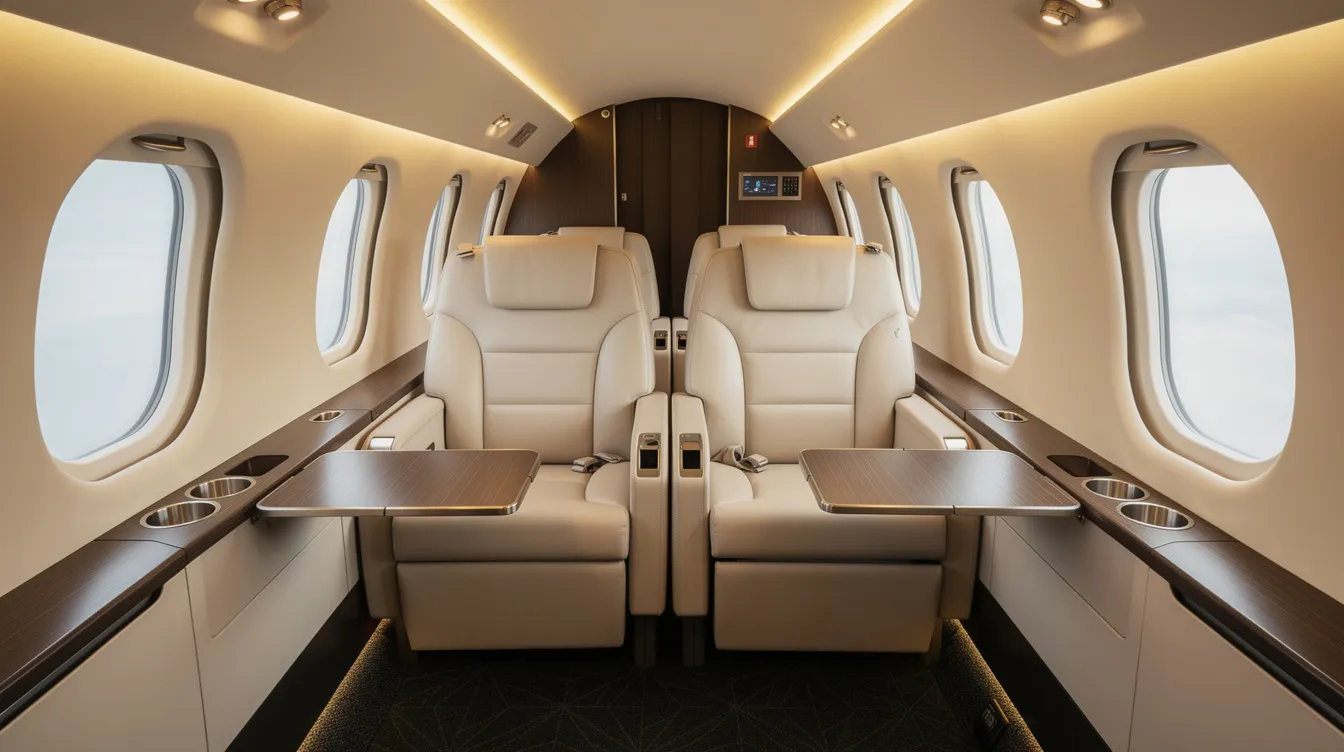
Florida's listings are dominated by single-engine pistons (Cessna, Cirrus, Piper), turboprops (Pilatus PC-12, TBM, King Air), light and midsize jets (Citation, Learjet, Hawker), and a healthy number of large-cabin business jets (Gulfstream, Global, Falcon). This diversity reflects the state's broad mix of business, leisure, and training flight activity.
Yes. Coastal humidity and salt air can accelerate corrosion on airframes and components, which is why buyers should prioritize hangar-kept aircraft with documented storage history. Insist on detailed corrosion inspections and carefully review maintenance logs from Florida operators before committing to a purchase.
Reputable sales platforms and brokers may require basic identity information, multi-factor authentication, and security verification prompts before granting full access to logbooks, maintenance histories, or virtual data rooms. These measures protect sensitive data from unauthorized access. Once checks are complete, the page displays a clear verification successful confirmation, sometimes accompanied by a response ray id for reference.
Absolutely. Many owners blend strategies—they may own an aircraft outright but also hold a fractional jet ownership share or membership for backup lift during maintenance, peak seasonal demand, or longer-range missions not suited to their primary aircraft. Understanding how fractional jet ownership works can help determine the right balance.
Simple piston transactions can close in a few weeks if financing and inspections proceed smoothly. Complex turbine and jet deals with extensive due diligence, import/export considerations, or Part 135 readiness can take 60–90 days or more from offer to final delivery—especially given current MRO lead times of 4–8 weeks for pre-purchase inspections.
The Florida aircraft market offers a dynamic and diverse selection of planes for sale, supported by a robust aviation infrastructure and favorable climate. However, the complexities of ownership—ranging from maintenance and storage concerns to fluctuating prices and tax implications—make fractional jet ownership an increasingly attractive alternative for many buyers. BlackJet Fractional Jet Ownership provides Florida-based travelers with flexible, cost-effective private aviation solutions that deliver predictable access, operational ease, and shared financial risk. Whether you are considering purchasing a whole aircraft or exploring fractional ownership, understanding your travel needs and total cost of ownership is essential. To learn more about how fractional ownership can elevate your private flying experience in Florida, visit FractionalJetOwnership.com and connect with our experts for a personalized consultation.
