
May 2, 2026
This guide is for executives and high-net-worth individuals considering private airline companies and fractional jet ownership. Learn how to choose the best private aviation solution for your travel needs, compare leading companies, and understand the benefits of each model. Whether you fly for business or leisure, understanding the differences between private aviation service options—such as fractional ownership, jet cards, and charter flights—will help you make an informed decision and maximize the value of your private travel experience.
In 2025, the 30 largest U.S. private airline companies accounted for 1,725,728 total flight hours, reflecting an 8% year-over-year increase from 2024. The Top 30 private jet companies captured 30.84% of all flight hours across Part 135, Part 91K, and Part 91 operations in 2025, up from 30.61% in 2024. NetJets and Flexjet have consistently ranked as the first and second largest private jet operators by flight hours over the past five years, with Wheels Up being the third largest. Fractional operators like NetJets (719,086 hours) and Flexjet (284,533 hours) captured more than half of all year-over-year gains. This data signals sustained demand for private aviation solutions beyond traditional whole-aircraft ownership.
For high-net-worth individuals and corporations flying 25–150 hours annually, the question is no longer whether to fly private—it’s how. This article breaks down what private airline companies actually offer, how fractional jet ownership compares to charter and membership programs, and how BlackJet Fractional Jet Ownership helps clients access the right model for their unique needs. More details and data sources are available for those seeking further insights.
Private airline companies provide private aviation services that include various options such as fractional ownership, jet cards, and charter flights, allowing travelers to choose based on their specific needs and preferences. Private aviation means on-demand, scheduled-at-your-convenience flying—a stark contrast to fixed-route commercial airlines with rigid timetables and crowded terminals. The private aviation market has seen significant growth, driven by the demand for secure, efficient, and convenient travel solutions for both business and leisure, with a diverse range of aircraft available.
Privacy: Closed cabin with only invited passengers and professional crew
Time savings: Arrive 20–30 minutes before departure, not 2–3 hours
Airport access: Over 5,000 airports in the U.S.—including regional and smaller airports not served by commercial carriers—versus ~500 served by commercial carriers
Schedule control: Flights depart when you’re ready, not when the airline decides
Flexible baggage policies: Bring large or specialty items that might be prohibited on commercial flights
Reduced exposure to crowds: Fewer people and advanced HEPA air filtration systems significantly lower the risk of contracting illnesses
Smoother rides: Private jets typically cruise at altitudes of 40,000–51,000 feet, resulting in less turbulence
Fractional Ownership: This model enables individuals or companies to buy a share of an aircraft, granting them a specific number of flight hours annually. Owners enjoy guaranteed access, equity in the aircraft, and potential tax benefits.
Owners benefit from guaranteed access, equity in the aircraft, and potential tax advantages.
Jet Cards: Jet cards are prepaid programs that provide a set number of flight hours on a specific aircraft type or across a company’s fleet. They offer fixed hourly rates, flexibility, and simplicity without the need for ownership.
Charter Flights: Charter flights are booked on a trip-by-trip basis, offering maximum flexibility with no long-term commitment. Pricing and aircraft availability can vary, making this option ideal for occasional flyers.
Private airline companies span Part 91K fractional operators, Part 135 charter operators, and membership platforms aggregating fleets across the world. Industry leaders like NetJets, Flexjet, and Vista Global helped pioneer fractional jet ownership, while providers like BlackJet Fractional Jet Ownership refine these models for modern business and leisure travelers across the U.S., Europe, the Caribbean, Canada, and Hawaii. Private aviation offers efficient point-to-point air transportation, bypassing congested hubs for direct routes. The interiors of private jets are designed with personalized style and luxury, featuring high-end amenities and customizable features that enhance comfort and the overall exclusive experience.
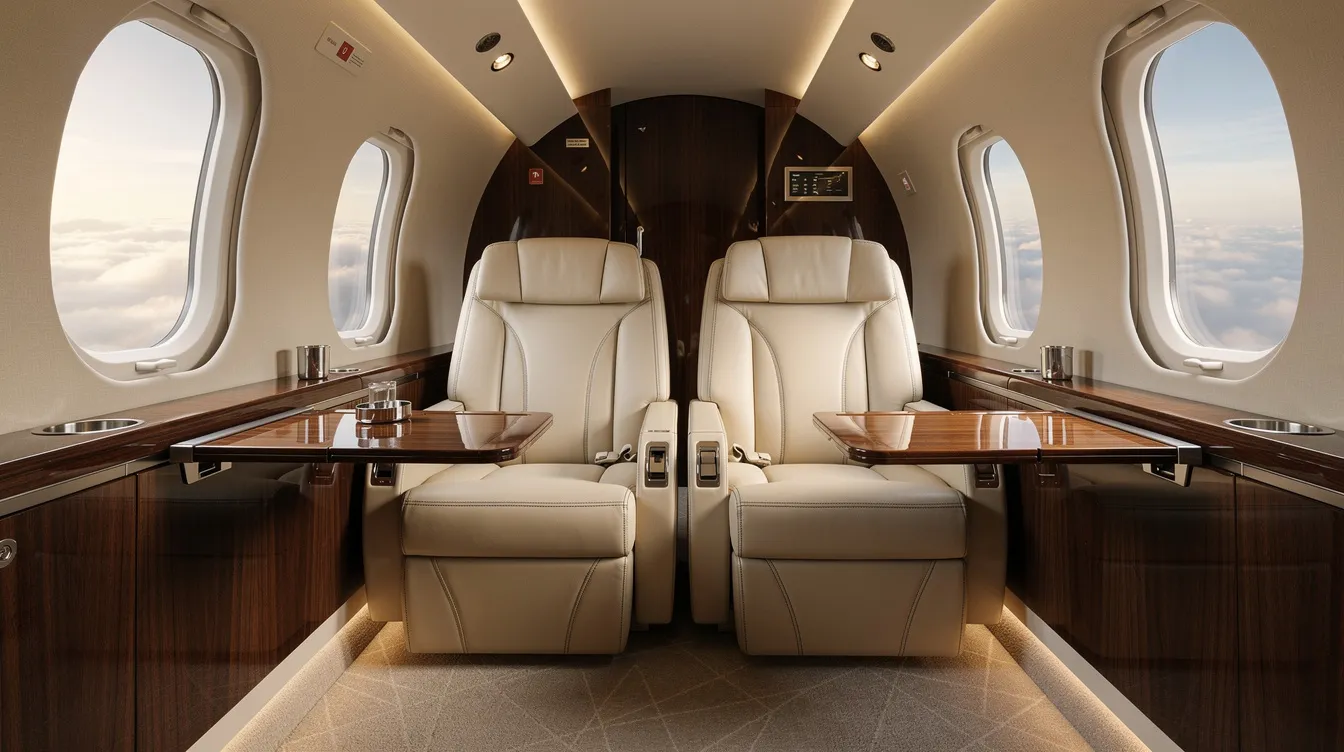
The term “private airline companies” covers several business models serving similar client needs through different structures.
Charter Operators: Charter airlines, such as Solairus Aviation and Talon Air, are key providers of private jet and air taxi services. These companies own or manage aircraft and sell flights trip-by-trip, often through brokers. This suits occasional flyers but offers less predictability.
Fractional Jet Ownership Companies: Operators sell shares in aircraft (e.g., 1/16 share ≈ 50 hours/year) with guaranteed access. NetJets and Flexjet are established examples. BlackJet’s Equity Fleet model offers focused, ownership-based solutions with priority scheduling.
Membership and Jet Card Programs: Platforms like XO and Wheels Up offer prepaid hours without equity—fixed hourly rates and service guarantees appeal to clients flying 25–75 hours annually who value simplicity.
Technology Aggregators: Online platforms list thousands of aircraft globally, while BlackJet Fractional Jet Ownership specializes in curated, professionally managed fleets rather than mass aggregation.
Matching the right aircraft type to each mission profile is essential for cost efficiency, as private airline companies strive to match travelers with the most suitable jet for their needs.
Light jets (Embraer Phenom 300, Citation CJ3+): 2–3 hour range, 4–6 passengers, lower hourly costs—ideal for regional trips
Midsize jets (Praetor 600, Citation Latitude, Challenger 3500): 5–6 hour range, 6–9 passengers, stand-up cabins—the “sweet spot” for executives flying between major U.S. business hubs
Heavy jets (Gulfstream G550, Global 6000): 8–14+ hour range, 10–16 passengers with full galleys—used by Vista Global and similar operators for transatlantic missions
Turboprops (Pilatus PC-12, King Air 350): Short regional hops, though fractional programs typically center on jets for comfort and consistency, while light jets such as the HondaJet fractional ownership model appeal to travelers seeking efficiency and lower operating costs.
Choosing between on-demand charter, membership, and fractional aircraft ownership is the core decision for most private aviation users. Many start by reviewing the best fractional jet ownership programs before comparing them with alternative access models.
The following table lists private jet operators and their programs, helping you compare key features, including price and access models:
Model | Best For | Pros | Cons |
|---|---|---|---|
Charter | Under 25 hours/year | Flexibility, no commitment | Variable pricing, inconsistent aircraft |
Jet Cards/Memberships | 25–75 hours/year | Fixed rates, simplicity, cost savings, flexibility | Hours may expire, peak-day premiums |
Fractional Ownership | 75–150+ hours/year | Guaranteed access, tax benefits, equity | Capital commitment, long-term contracts |
Jet cards are a popular entry point for many travelers, offering a set number of flight hours on a specific aircraft or across a company's fleet, providing cost savings and flexibility, which makes them a natural comparison point in any analysis of fractional jet ownership vs. membership programs. When reviewing private airline companies, price is a key factor—private jet costs vary significantly based on aircraft size, route, and services. Light jets typically cost between $2,000 and $3,500 per hour, midsize jets range from $4,000 to $6,000 per hour, and heavy jets cost $7,000 to $15,000 or more per hour. In addition to hourly rates, private jet travel may incur additional costs such as landing fees, crew overnight costs, fuel surcharges, and catering expenses.
Equity Fleet: Fractional ownership with equity in specific aircraft, priority scheduling, custom sourcing, and potential U.S. tax benefits for qualifying business use
Reserve Fleet: Non-equity, pay-as-you-go access ideal for 25–75 hours annually with predictable rates but no ownership outlay
Fractional ownership is a structured way to access private jet travel, offering a blend of ownership benefits and operational convenience.
Share sizes: 1/16 share ≈ 50 hours/year; 1/8 fractional jet ownership ≈ 100 hours
Contract terms: Typically 3–5 years with major U.S. operators, defined in essential fractional ownership contract agreements
Initial acquisition: Capital for shares
Fixed monthly management fees: Crew, maintenance, insurance
Hourly occupied costs: Fuel, catering—ranges vary from $4,500–$6,500/hour for midsize jets, and shape how fractional jet ownership financing is structured
Operations: Guaranteed aircraft availability with 24–48 hour notice, interchange options within fleet, standardized cabin experience, and clients specify their preferred departure date when booking.
For example, a private jet broker may arrange a third-party charter for a client using off-fleet aircraft, while an operator provides direct access to their managed fleet—two approaches clearly differentiated in fractional jet ownership terminology and program structures.
BlackJet’s Equity Fleet streamlines share selection, handles all aircraft management and scheduling, and allows clients to share their preferences for flight details and amenities. Prospective owners can compare BlackJet’s private aviation programs to align Equity Fleet, floating fleet options in fractional ownership, Reserve Fleet, or leasing choices with their travel profiles. It also leverages the Reserve Fleet for overflow and peak-day support.
One advantage of fractional aircraft ownership for U.S.-based business users is potential tax efficiency, subject to IRS rules, which requires understanding key tax implications for fractional jet owners.
Depreciation of ownership interest using MACRS and bonus depreciation, where applicable
Personal or mixed-use flights require careful expense allocation
Professional aviation experts recommend consulting tax advisors before purchasing
Fractional ownership is more capital-efficient than whole ownership for clients flying 25–150 hours per year, avoiding idle capital in underutilized aircraft, which makes fractional jet ownership as an investment attractive for many high-net-worth individuals and businesses. BlackJet helps clients model the cost of fractional jet ownership versus charter and jet cards with transparency across acquisition, fixed, and variable costs.
For private aviation companies, safety and regulatory oversight matter as much as convenience.
Part 91: Owner-operated non-commercial flights
Part 91K: Fractional programs with enhanced crew and maintenance standards
Part 135: Charter operations with rigorous federal oversight
Industry benchmarks like ARGUS and Wyvern ratings evaluate pilot training, maintenance practices, and safety culture. Leading fractional operators exceed minimum requirements by employing highly trained pilots and flight crews who follow rigorous, ongoing training and medical evaluation standards.
BlackJet partners with vetted operators who meet or exceed all safety and regulatory standards, combining disciplined operation control with personalized service and careful attention to liability coverage in fractional ownership arrangements.
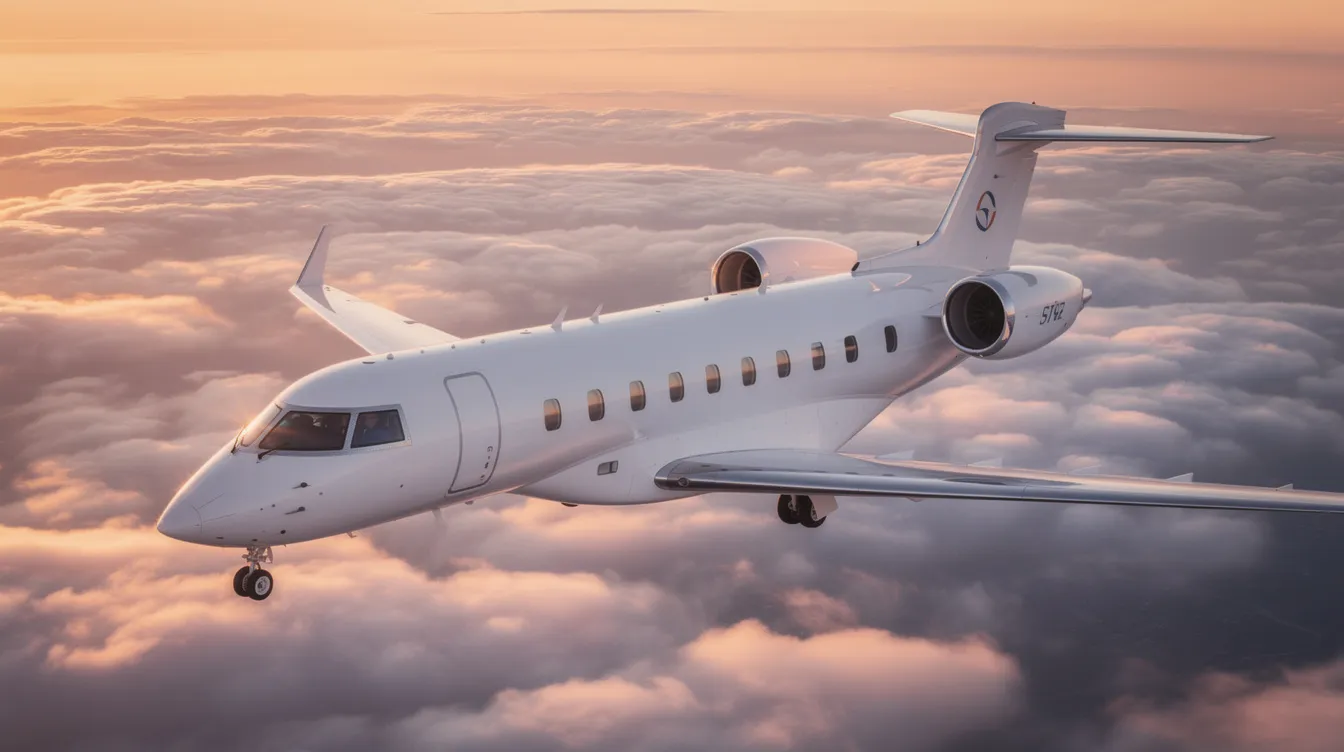
Many executives fall in the 25–150 flight-hours-per-year range, where the decision between charter, jet cards, and fractional ownership matters most.
Average trip length (New York–Miami vs. Atlanta-centered regional routes)
Typical passenger count
Business, personal, or blended use from key locations such as Orlando-based fractional jet hubs
Years in operation, annual flight hours, safety record on core routes like Pittsburgh regional fractional operations
Direct operator vs. broker-based platform
Ability to search for private jets or charter services by aircraft type, route, or other criteria using online platforms for added convenience
Fixed vs. dynamic hourly rates
Peak-day premiums and repositioning fees
When considering membership and jet card programs, note that members often receive exclusive benefits such as premium fleet access and special perks.
BlackJet Fractional Jet Ownership fits clients flying 25–150 hours who want predictable aircraft access and ownership benefits without full-aircraft complexity.
A private equity partner flying 80–100 hours annually between New York, Chicago, Dallas, and Miami finds that inconsistent charter pricing averages 15–20% higher than a 1/8 fractional share on a super midsize jet via BlackJet’s Equity Fleet.
A public company executive team needing 40–60 hours for investor meetings discovers that Reserve Fleet membership, combined with limited fractional ownership, offers better budgeting than ad-hoc charter.
A family splitting time between Los Angeles and a mountain destination avoids seasonal availability crunches through fractional access versus high-demand charter markets in Florida or Oceania.
The private aviation market has grown significantly, driven by the demand for secure, efficient, and convenient travel solutions that commercial airlines cannot match. The market demonstrates consolidation: Vista Global integrates multiple brands (VistaJet, XO, Jet Edge, Air Hamburg, Talon Air) while fractional providers expand to Europe, the UK, and beyond. Top 30 U.S. operators surpassed 1.7 million hours in 2025 with mid-single-digit growth forecast for 2026.
Evolving customer expectations include app-based booking powered by easy-to-use platforms, transparent pricing, and carbon-offset options. Passengers benefit from a streamlined process to board private jets, allowing for quick and hassle-free boarding procedures on the day of the flight. BlackJet positions itself as a nimble specialist offering tailored solutions for North American business travel corridors.
Light jets range $3,500–$4,500/hour; midsize $4,500–$6,500; heavy jets $6,500–$10,000+, subject to operator and program specifics.
For this range, BlackJet’s Reserve Fleet or jet card programs often deliver better value. Above 75 hours, Equity Fleet typically offers superior economics, subject to individual usage and program terms, and owners who later decide to exit should understand how selling a fractional jet ownership share works.
Most fractional programs guarantee a 24–48-hour notice. Peak-day travel may require 5–7 days' booking. Private travelers typically arrive at the airport only 15–30 minutes before departure, bypassing the standard two-hour requirement for commercial flights.
Fractional programs handle all crew employment, training, and aircraft management according to fractional aircraft co-ownership agreements—clients simply book and fly.
Private airline companies offer multiple ways to access private jets, but the optimal choice depends on hours flown, routes, and appetite for ownership versus flexibility.
For high-net-worth individuals and corporations flying 25–150 hours annually, fractional jet ownership and structured memberships deliver better predictability, service consistency, and potential cost savings than ad-hoc charter. BlackJet Fractional Jet Ownership simplifies complex aviation decisions through its Equity Fleet and Reserve Fleet solutions.
Ready to discover the smarter way to fly private? Visit FractionalJetOwnership.com to request a consultation and receive a personalized cost comparison. Reclaim your travel hours for business, family, and life.
