January 25, 2026
Private airplane charter has moved from a niche luxury to a practical travel solution for executives, entrepreneurs, and families who value time, privacy, and flexibility. As demand for private aviation continues to grow in the United States and across the global private jet market, understanding how private airplane charter prices work has become essential for making informed decisions.
Unlike commercial airline tickets, private jet pricing is not standardized. Costs vary widely based on aircraft type, distance, timing, and operational factors. Without a clear framework, it can be difficult to understand what drives the final price of a private flight—and whether chartering, fractional jet ownership, or another access model makes the most sense.
This comprehensive guide explains how private jet charter pricing works, what influences private jet costs, and how travelers can evaluate their options with clarity and confidence. The goal is not to promote luxury hype, but to provide a grounded, expert overview of how private aviation pricing truly functions.
Private jet charter offers a flexible way to travel, with access to thousands of airports worldwide that are not served by commercial airlines. This expanded access allows travelers to fly closer to their final destination, often reducing total travel time by hours.
Understanding private jet rental prices is a critical step in planning a seamless and cost-effective private flight experience. Pricing structures differ significantly from commercial airfare, and costs reflect the operational realities of flying an entire aircraft rather than purchasing a seat.
Private aviation delivers measurable benefits beyond comfort. These include schedule control, privacy for sensitive conversations, reduced exposure to crowded terminals, and the ability to maximize productivity while traveling. For both business and leisure travelers, these advantages often justify the investment.
With multiple private jet charter options available, it is essential to carefully research pricing models and compare them with alternatives such as jet cards, fractional aircraft ownership, and full private jet ownership. Each option offers different levels of commitment, flexibility, and cost predictability.
Private jet travel ultimately allows passengers to fly on their own schedule, bypass long security lines, and avoid delays caused by commercial airline networks. For those who value time as a strategic asset, private aviation can deliver tangible returns.
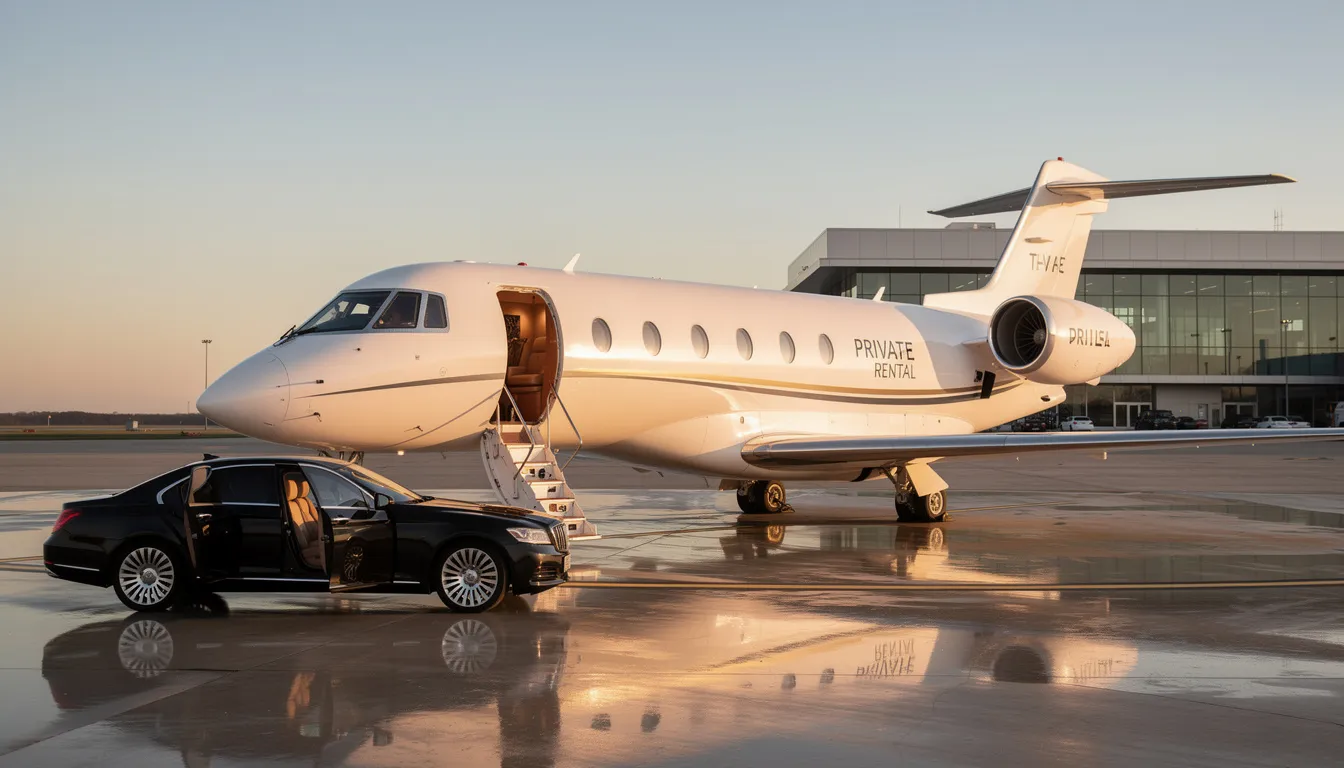
The cost of a private jet charter is influenced by a combination of aircraft characteristics, operational expenses, and trip-specific details. Understanding these factors is key to accurately estimating pricing.
Aircraft category is the single most significant factor in determining private jet rental prices. Light jets typically serve short regional routes and accommodate fewer passengers, while midsize and heavy jets are designed for longer distances and larger groups.
Hourly rates for light jets range from $3,000 to $4,250+ per hour, making them a popular choice for short trips. Midsize and super midsize jets typically range from $3,500 to $6,500+ per hour, offering increased cabin space and range. Large and ultra-long-range jets command higher rates, typically between $5,550 and $12,000+ per hour, reflecting their capability for long-haul and international flights.
Larger aircraft come with higher operating costs, including increased fuel burn, maintenance requirements, and crew expenses. As a result, hourly rates rise as aircraft size and capability increase.
Newer aircraft often command higher charter rates due to advanced avionics, improved fuel efficiency, and modern cabin interiors. Enhanced amenities, such as high-speed internet, fully enclosed lavatories, and increased baggage capacity, can also influence pricing.
In-flight services like custom catering and Wi-Fi add to the overall cost of chartering a jet, enhancing the travel experience but requiring budget consideration.
Older aircraft may offer lower hourly rates but may lack certain features that frequent private travelers consider essential. The balance between cost and onboard experience is a personal decision that varies by mission profile.
Private jet charter pricing is heavily influenced by total flight time. Longer flights increase fuel consumption and crew duty hours, directly affecting the final cost.
In addition to airborne time, positioning flights—when an aircraft must travel empty to reach the departure airport—can also factor into pricing, particularly for one-way charters. Industry trends in 2026 indicate an increase in pricing for one-way flights, where customers only pay for the occupied leg, reflecting operational realities.
Short leg fees are sometimes applied to offset the additional fuel burn and maintenance needs associated with shorter flights.
The number of passengers determines aircraft selection. Choosing an aircraft that comfortably accommodates all travelers without unnecessary excess capacity helps optimize cost efficiency.
Selecting a jet that is too large for the group may result in paying for unused capacity, while selecting one that is too small can compromise comfort and safety margins.
Fuel prices significantly impact private jet charter costs, with fuel surcharges accounting for 30% to 50% of total operational expenses depending on market prices.
Airport fees and taxes vary by airport, with major hubs typically costing more. Landing fees typically range from $100 to $1,500 per flight based on airport authority and aircraft size. Additional fees such as ramp charges, hangar fees, and handling fees also contribute to the final cost.
Variable costs associated with private jet charters can include de-icing fees during winter months, ranging from $1,500 to $15,000 depending on aircraft size and weather conditions.
Crew expenses may include charges for overnight stays and per diem allowances, which vary depending on flight duration and location.
Aircraft positioning fees are based on the amount of flight time required to position the aircraft to pick up passengers and return to base, adding to the overall charter cost.
Optional services such as in-flight catering, premium ground transportation, international handling, and concierge coordination add to the overall charter cost. While these services enhance the travel experience, they should be factored into budget planning from the outset.
Private jet prices are most commonly calculated using the billable flight hour. This rate encompasses aircraft operation, fuel, routine maintenance, crew compensation, and insurance.
Hourly charter rates typically range from approximately $1,800 to $18,000 per billable flight hour, depending on the aircraft category and onboard configuration. The most economical private jets, such as turboprops, cost around $2,000 to $4,000 per flight hour, offering a cost-effective option for shorter regional flights.
To estimate the cost of a private jet charter, travelers can multiply the hourly rate by the total billable flight hours, then add additional expenses. These may include taxes, airport fees, and international handling charges.
The federal excise tax applies to most domestic private jet charters in the United States at a rate of 7.5%. International flights introduce additional considerations such as landing permits, customs handling, foreign airport fees, and international taxes.
A detailed cost breakdown provided by an experienced private aviation advisor helps ensure transparency and prevents unexpected charges. Clear communication around pricing components is a hallmark of reputable private aviation companies.
On-demand charters are priced based on dynamic market rates, which fluctuate with availability and season, making early booking and flexibility advantageous.
Discounts of up to 75% can be found on empty leg flights, which occur when an aircraft must reposition without passengers. These flights offer cost savings but are subject to availability and schedule changes.
Jet cards allow frequent flyers to purchase blocks of hours at fixed or capped rates, making private jet travel more cost-effective and predictable.
Private jet charter offers several access models, each suited to different travel patterns and budgets.
Light jets are ideal for short trips and regional travel, typically seating four to seven passengers. They offer efficient point-to-point service and lower hourly rates, making them a popular entry point into private aviation.
Midsize jets provide increased cabin space, longer range, and improved baggage capacity. These aircraft often include enclosed lavatories and enhanced comfort for flights lasting several hours. Hourly rates for midsize and super midsize jets generally range from $3,500 to $6,500+ per hour.
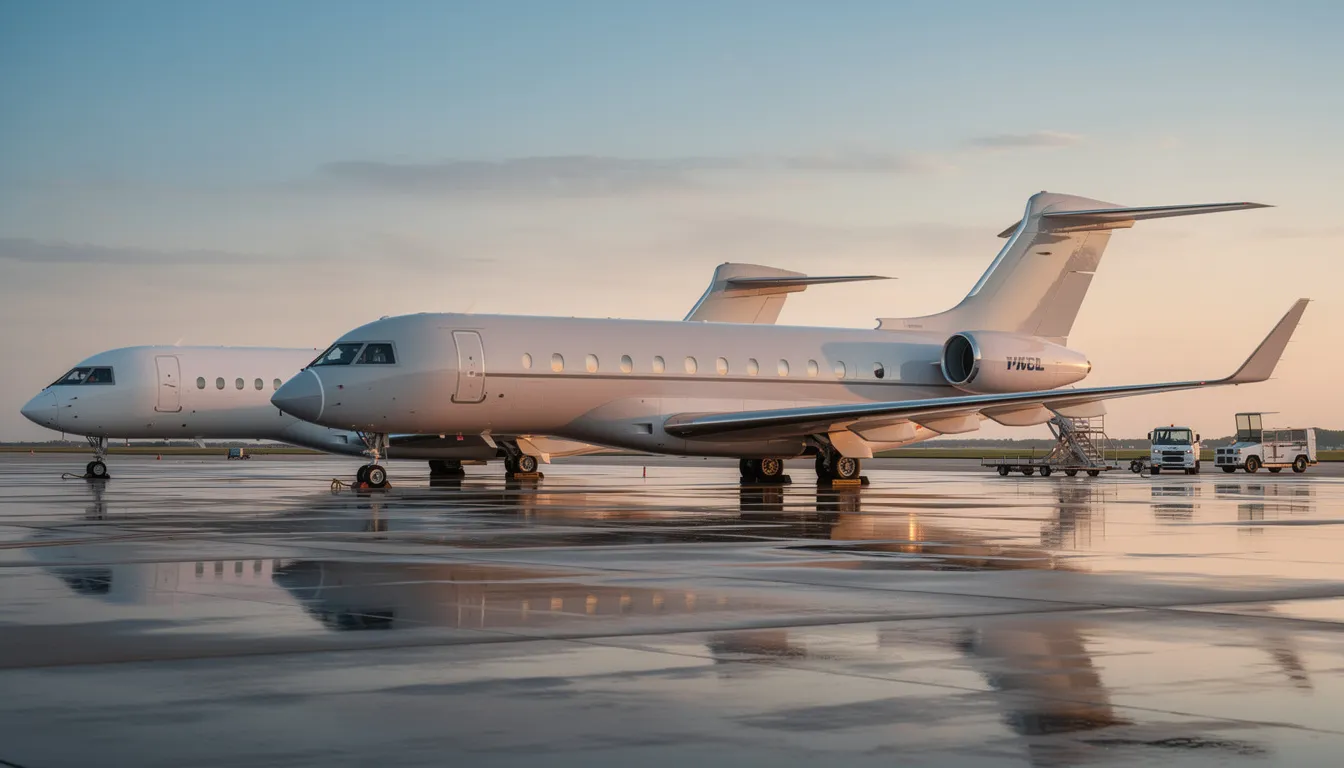
Heavy jets and ultra-long-range aircraft are designed for transcontinental and international travel. They accommodate larger groups, offer stand-up cabins, and support nonstop flights across continents. Hourly rates for large and ultra-long-range jets range from $5,550 to $12,000+ per hour.
Empty leg flights occur when an aircraft must reposition without passengers. These flights can sometimes be booked at a reduced rate, offering cost savings for travelers with flexible schedules.
While empty legs can be economical, they are subject to availability and schedule changes, making them less reliable for time-sensitive travel.
Chartering offers flexibility without a long-term commitment, while private jet ownership entails significant capital and operating expenses. Fractional aircraft ownership offers a middle ground, allowing access to specific aircraft types with predictable costs and shared ownership responsibilities.
Choosing the right option depends on annual flight hours, budget priorities, and desired consistency of access.
Beyond hourly flight costs, private jet charter pricing includes several additional fees and taxes.
Fuel surcharges may apply during periods of market volatility. Landing and ramp fees are assessed by airports and vary by location and aircraft size. Hangar fees may be charged for overnight stays, particularly in congested airports.
Federal excise tax applies to most domestic charter flights in the United States. International travel may incur customs fees, handling charges, and foreign taxes, which vary by country.
As of April 1, 2026, Air Passenger Duty (APD) on private flights in the UK will significantly increase, with potential rates of £1,141 per passenger for long-haul flights, affecting the final charter cost for flights involving the UK.
Working with a private aviation provider that offers transparent pricing and clear explanations of these charges is essential. A comprehensive understanding of fees ensures accurate budgeting and avoids last-minute surprises.
The cost to rent a private jet varies widely based on aircraft category, trip length, and operational considerations.
On average, private jet rental prices range from approximately $2,000 to $14,000 per billable flight hour. Light jets typically occupy the lower end of this range, while heavy and ultra-long-range jets can reach $12,000 to $18,000 per hour.
Ultra-long-range aircraft are designed for intercontinental travel and include advanced cabin amenities, increased crew requirements, and higher fuel consumption. These factors contribute to their premium pricing.
For accurate estimates, consulting a private aviation expert or using a flight cost calculator provides clarity. Factoring in flight hours, routing, and airport fees yields a realistic projection of total cost.
Private jet charters offer advantages that extend beyond convenience.
Travelers avoid long security lines, crowded terminals, and rigid airline schedules. Flights depart on the traveler’s timeline, not the airline’s.
Privacy allows confidential discussions and uninterrupted work, transforming travel time into productive time. For families, private jets offer comfort and control over the travel environment.
When traveling as a group, private jet charters can offer cost efficiencies compared to multiple first-class commercial tickets, especially when factoring in time savings and reduced overnight stays.
Selecting the right private jet charter company is as important as selecting the right aircraft.
Safety should be the top priority. Reputable providers adhere to rigorous maintenance standards, employ experienced crews, and maintain strong safety records.
Transparent pricing, detailed cost breakdowns, and clear communication indicate professionalism and reliability. A wide range of aircraft options ensures that each mission is matched with the appropriate solution.
Customer service and operational expertise play a critical role in ensuring a smooth travel experience. From flight planning to post-flight support, attention to detail matters.
By working with a trusted private aviation advisor, travelers gain access to objective guidance and tailored recommendations.
Understanding private airplane charter prices requires more than comparing hourly rates. Aircraft selection, operational costs, taxes, and long-term travel patterns all influence the true cost of private aviation.
For frequent travelers, evaluating alternatives such as fractional jet ownership can offer greater cost predictability, consistent access, and strategic value. Fractional ownership bridges the gap between charter flexibility and full ownership control.
Private aviation is ultimately about efficiency, reliability, and informed decision-making. With the right guidance, it becomes a powerful tool rather than an opaque expense.
Ready to explore the smarter way to access private aviation? Visit https://www.fractionaljetownership.com/ to learn how fractional jet ownership and tailored private aviation solutions can align with your travel goals.
