January 18, 2026
Private jet charter has evolved from a niche luxury into a practical aviation solution for executives, business owners, and high-net-worth individuals who value time, control, and flexibility. The private aviation market has grown significantly, with increased diversification in services such as aircraft leasing, charters, and fractional ownership, making private flying more accessible than ever. Yet one of the most common questions remains: How much does it actually cost to charter a private plane? Many travelers want to know, "How much does it cost?"—and with access to aircraft worldwide, the answer depends on several key factors.
The price of a private charter plane is not a single number. It is shaped by aircraft type, distance, timing, and a range of operational variables. Understanding these cost drivers is essential for planning trips, comparing options, and deciding whether chartering, fractional jet ownership, or other private aviation solutions make the most sense. With a global fleet of aircraft worldwide, private jets provide access to thousands of airports, many of which are not served by commercial airlines. Private aviation is increasingly accessible, appealing to business travelers and families who value time, comfort, and flexibility.
This guide provides a clear, authoritative breakdown of private jet charter pricing—what influences it, what to expect, and how to budget wisely when exploring private aviation.
Private jet charter services offer a highly personalized travel experience, tailored to the passenger’s schedule rather than airline timetables. Unlike commercial flights, chartering a private aircraft allows travelers to choose departure times, access smaller regional airports, and fly directly without layovers. A key benefit of private jet travel is the use of private terminals, which provide exclusive, secure, and efficient facilities separate from commercial airport terminals.
Private jet rental prices typically range from $1,800 to $18,000 per billable flight hour, depending on the aircraft type. There is a wide variety of aircraft options and aircraft categories available, from light jets and turboprops to heavy and ultra-long-range jets, each suited for different travel needs. Private jet pricing is influenced by the chosen aircraft category, mission profile, and additional preferences.
Understanding jet charter costs and how they are structured is critical for effective planning and budgeting. Private jet pricing includes not only hourly rates but also factors such as fuel surcharges, landing fees, crew expenses, and ground transportation. Market conditions—such as aircraft availability and seasonal demand—can also influence pricing, which is why working with a reputable private aviation advisor matters.
The cost of chartering a private jet is determined by several interconnected factors. Each plays a role in shaping the final quote. Billable flight time is a key cost component, making up the bulk of any private jet charter cost. It includes airborne time and any additional repositioning fees, but does not include taxi or ground time.
Aircraft selection is the most significant cost driver, especially when considering larger aircraft and heavy jets such as the Bombardier Challenger 850. Larger jets with more range and amenities generally cost more per hour than smaller light jets. The larger the private jet, the more expensive it is to charter due to increased fuel needs and passenger capacity. Larger jets cost more to operate due to fuel burn, maintenance requirements, and crew staffing.
Charter pricing is based on billable flight hours, not just time in the air. When planning your trip, it's important to consider the aircraft's flight range and estimated flight times, as these factors can impact both your travel flexibility and the overall private charter plane price. Taxi time, positioning flights, and return legs may be included depending on the itinerary. Longer flights tend to be more expensive due to increased fuel consumption and operational costs, while shorter flights generally cost less.
The number of passengers influences aircraft choice. A jet with more seats and cabin space will generally cost more per hour.
Peak travel periods, last-minute bookings, and high-demand routes can increase private jet charter prices due to limited aircraft availability.
In-flight catering, ground transportation, concierge support, and special requests all contribute to the total cost of a private jet rental.
Federal excise tax in the United States is charged at a rate of 7.5% on all domestic flights within the US and must be factored into the total cost. Additionally, international overflight fees, landing permits, and customs charges apply.
Landing fees are set and collected by the airport authority and can vary from $100 to $1,500 per flight, depending on the airport and aircraft size. These fees are typically higher at major airports and for larger aircraft.
When considering private jet charter, understanding hourly rates is essential for budgeting and planning your next private flight. Private jet hourly rates represent the core of private jet rental prices, reflecting the cost to operate an aircraft for each billable flight hour. These rates can vary widely, typically ranging from $2,000 for a turboprop or light jet to $14,000 or more for ultra-long-range jets, depending on the aircraft’s size, performance, and onboard amenities.
The total charter flight cost is shaped by more than just the hourly rate. Factors such as flight distance, aircraft availability, number of passengers, and the level of in-flight amenities all play a role. For example, a charter flight from Los Angeles to New York might cost anywhere from $10,000 to $50,000 or more, depending on whether you select a midsize jet or an ultra-long-range aircraft, and whether you require additional services like gourmet in-flight catering or ground transportation upon arrival.
Private jet charter services offer a variety of options to suit different travel needs. Leading private aviation companies provide on-demand charter, jet cards, and even fractional ownership, giving travelers the flexibility to choose the right solution for their specific trip. For those with flexible schedules, empty leg flights—where an aircraft is repositioning without passengers—can offer significant savings, making flying private more accessible.
To help estimate your private jet flight cost, many charter companies provide a charter flight cost calculator on their websites. These tools allow you to input details such as flight distance, aircraft type, and passenger count to receive a tailored quote, factoring in variables like landing fees, fuel surcharges, and any additional services you may require.
Flying private means enjoying a host of in-flight amenities, from Wi-Fi and entertainment systems to spacious seating and personalized catering. These features, combined with the ability to access regional airports and avoid the hassles of commercial air travel, make private jet travel a uniquely convenient and luxurious experience.
In summary, private jet hourly rates are a key component of private jet rental costs, but the total price of a charter flight depends on a range of factors. By leveraging tools like charter flight cost calculators and exploring options such as empty leg flights, travelers can make informed decisions and enjoy the many benefits of private aviation. Whether for business or leisure, private jet charter services deliver unmatched flexibility, comfort, and efficiency compared to commercial airline options.
Private jet hourly rates form the foundation of charter pricing. These rates vary by aircraft category and operational complexity.
Light jets typically cost $2,000 to $4,000 per hour. They are well-suited for short trips, usually accommodating up to six passengers, with limited baggage space and range.
Midsize jets generally cost between $4,000 and $7,000 per hour. They offer greater cabin comfort, more baggage capacity, and longer nonstop range.
Heavy jets range from $8,000 to $14,000 per hour, depending on model and age. These aircraft provide stand-up cabins, transcontinental capability, and enhanced amenities.
Ultra-long-range jets command premium rates due to their ability to fly nonstop intercontinental routes. These aircraft are designed for maximum range, speed, and comfort.
Hourly rates are influenced by aircraft age, maintenance programs, crew salaries, and operational standards. Understanding these variables helps accurately estimate total charter costs.
Private jet travel offers benefits that commercial airlines cannot match, but it comes at a higher price point.
Compared to commercial flying, which involves scheduled flights, crowded airports, and longer security procedures, private jet charter provides unmatched convenience, flexibility, and privacy. Private aviation also supports specialized needs, such as transporting sports teams or medical evacuations, while prioritizing safety and sustainability initiatives.
Commercial air travel is often more economical for infrequent travelers or those with flexible schedules. However, it involves fixed routes, crowded terminals, and unpredictable delays.
Private jet charter becomes cost-effective when factoring in time savings, productivity, and flexibility. For executives who travel frequently or manage tight schedules, the value of direct routing and reduced travel friction can outweigh the higher upfront costs.
Full private jet ownership entails significant fixed expenses—maintenance, crew, insurance, and hangar fees—that can exceed millions of dollars annually. Chartering offers access to private aviation without these long-term obligations, while fractional jet ownership bridges the gap by providing predictable access with shared costs.
Private jet charter clients can choose from a wide range of aircraft types, each designed for specific travel needs. Private jet charter services offer a range of aircraft types, from turboprops to ultra-long-range jets, categorized into different aircraft categories based on size, capabilities, and typical use cases. Understanding the available aircraft options helps travelers compare and select the most suitable jet for their trip, optimizing comfort, cost, and travel flexibility.
Turboprops are cost-efficient for short regional flights and smaller airports. A turboprop flight typically starts around $2,000 an hour, making it a more affordable option compared to other aircraft types, such as heavy jets, which can cost closer to $10,000 an hour. They offer lower hourly rates while maintaining the flexibility of private aviation.
These categories provide increasing cabin space, range, and onboard amenities. Selecting the right aircraft ensures cost efficiency and passenger comfort.
Chartering the entire aircraft offers complete privacy and schedule control, with pricing based on total flight time and services.
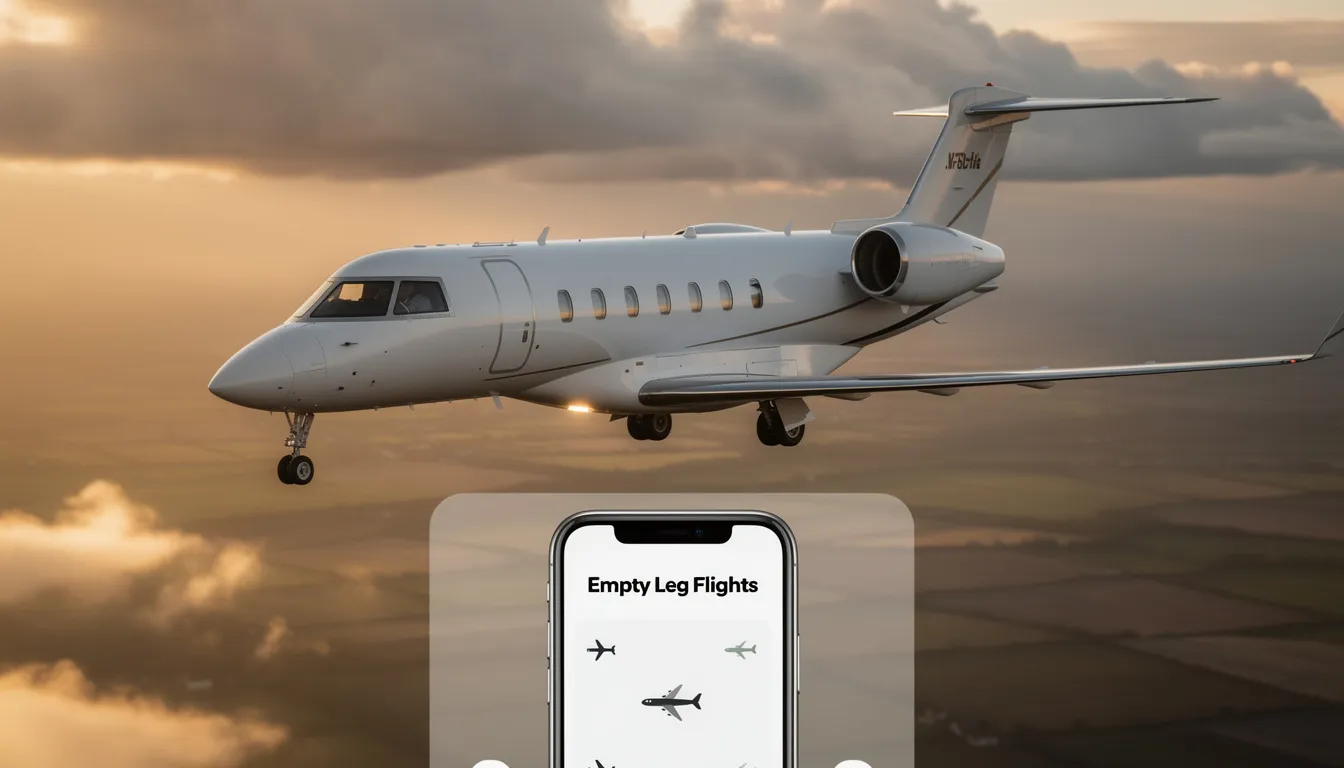
Empty-leg flights occur when an aircraft needs to be repositioned. These flights can offer significant savings but require flexible scheduling.
One-way charters eliminate return flight costs in some scenarios, depending on aircraft availability and routing.
A knowledgeable aviation advisor helps match mission requirements with the most appropriate aircraft and pricing structure.
Choosing the right charter company is as important as selecting the aircraft. Reputable charter providers offer transparent pricing, safety oversight, and personalized service.
Professional charter services manage operator vetting, regulatory compliance, and aircraft availability across a global network. Aircraft operators play a key role in setting operational standards, daily flight hour minimums, and fees for services such as Wi-Fi. Aircraft owners can generate revenue by listing their aircraft with licensed operators, and professional management ensures safety and compliance while allowing owners to monetize their assets.
Additional services such as customized catering, chauffeured ground transportation, and concierge planning enhance the overall experience. While these services may add cost, they contribute to a seamless, end-to-end travel experience. Many private jet services offer membership options, such as jet cards, which provide fixed hourly rates and guaranteed availability for frequent users.
Advanced charter providers also offer real-time flight tracking, proactive communication, and dedicated support teams—key elements for travelers who value reliability and discretion.
Private jet charter quotes often include more than just flight hours. Understanding additional fees prevents surprises.
Landing fees vary by airport and aircraft size. Hangar fees can range from $500 to $1,500 per day, typically incurred during winter to protect aircraft from ice and snow. Aircraft positioning fees are based on the amount of flight time needed to position the aircraft to pick up passengers and return to its home base. Deicing fees can vary from $1,500 to $15,000 depending on the size of the aircraft and the amount of deicing required. Crew overnight accommodation fees can range from $200 to $600 per crew member and are added to the private jet charter cost. Short leg fees are often charged for flights under a specified duration to help offset fuel burn and maintenance costs. Rental cost is influenced by factors such as flight distance, aircraft type, and additional fees. Fuel surcharges may apply when fuel prices increase, starting at around $300 per hour.
International flights introduce further costs, including customs handling, immigration fees, overflight permits, and landing permits. Ground transportation and in-flight catering are typically itemized separately.
Clarity around these charges allows travelers to compare quotes accurately and budget effectively.
Accurate budgeting begins with understanding the full scope of private jet costs. Hourly rates provide a baseline, but total trip cost reflects all operational variables.
Working with a trusted aviation advisor or charter company simplifies cost estimation and ensures transparency. Many clients also use private jet cost calculators to model different scenarios, though these tools should be paired with expert guidance.
For frequent travelers, comparing charter costs against jet card programs or fractional jet ownership can reveal long-term savings and greater predictability. It's important to note that private jet ownership costs include the initial purchase price, annual operating expenses, and long-term financial commitments. Strategic planning ensures that private aviation remains both efficient and financially aligned with travel goals.
Private charter plane price varies widely, shaped by aircraft type, distance, timing, and service level. Understanding these factors empowers travelers to make informed decisions and avoid unexpected expenses.
Private jet charter offers unmatched flexibility, privacy, and efficiency compared to commercial travel. For many, it serves as an entry point into private aviation—while others transition to fractional jet ownership for greater consistency and value.
By working with an experienced private aviation advisor and evaluating all cost components, travelers can enjoy the benefits of private flight while maintaining financial clarity.
Discover a smarter approach to private flying by visiting https://www.fractionaljetownership.com/. Learn how fractional ownership and customized private aviation options can revolutionize your travel experience.
