
January 22, 2026
Private aviation offers a highly personalized alternative to commercial air travel, allowing travelers to fly on their own schedules, access smaller airports, and maintain privacy from departure to arrival. For high-net-worth individuals and business leaders, private flights are less about luxury and more about time efficiency, flexibility, and control.
However, understanding the pricing structures of private flights is essential before booking a charter or exploring longer-term solutions such as fractional jet ownership. Costs can vary significantly depending on aircraft type, distance, flight hours, and operational fees. Without clarity, budgeting for private aviation can feel opaque or unpredictable.
This guide explains how private jet pricing works, what factors influence overall cost, and how travelers can budget effectively—while also understanding when fractional jet ownership may offer long-term value compared to ad hoc chartering.
Private jet pricing is not fixed. It is influenced by multiple operational and logistical variables that collectively determine the final flight cost.
Aircraft selection is one of the most significant cost drivers. Turboprops are the most economical private jets, typically costing around $2,000 to $4,000 per flight hour. Light jets, suitable for four to eight passengers and flights up to 1,500 miles, generally have hourly rates ranging from $3,000 to $6,500. Midsize jets, capable of flying approximately 2,450 miles, are ideal for coast-to-coast flights in the U.S. Heavy jets, designed for longer distances up to 7,000 miles and mainly used for international travel, command higher hourly rates. VIP airliners, offering ultra-luxury transportation, can exceed $16,000 to $23,000 per hour.
Newer aircraft tend to have higher hourly rental rates due to updated avionics, improved fuel efficiency, and enhanced cabin comfort. Larger aircraft incur higher operating expenses related to fuel consumption, crew requirements, maintenance reserves, and insurance. The size and type of the aircraft are the single biggest factor influencing the cost of a private flight.
Private jet rental costs increase with distance and total flight time. Longer flights require more fuel, increased crew duty time, and sometimes additional crew rotations to meet regulatory requirements. Even short trips can become more expensive if repositioning flights are required to bring the aircraft to the departure airport.
Billable flight time typically includes airborne time and repositioning fees but does not include taxi time. Weather conditions, air traffic control routing, and international airspace restrictions can also influence actual flight time and cost.
Airports charge landing and handling fees, which vary widely between busy international airports and smaller regional airports. Landing fees typically range from $150 to $500 depending on the airport and aircraft size. Ramp and handling fees, charged by fixed-base operators to handle and park the aircraft, can range from $100 to $500 per visit.
Crew overnight fees usually range between $200 and $600 per crew member per night. Fuel surcharges can add $600 to $900 per hour or more depending on the size of the aircraft. Short leg fees, applied to flights under a specified duration, help offset additional fuel burn and maintenance costs. International fees, including landing permits, customs, and overflight permits, can add anywhere from $500 to $5,000 or more to the total cost of chartering a private jet.
Federal Excise Tax is charged on all U.S. domestic flight legs at a rate of 7.5%. These additional fees and taxes can materially affect the total trip cost and should be considered when budgeting.

Private jet rental offers flexibility without the long-term financial commitment of ownership. Chartering provides pay-per-trip options covering hourly rates plus all variable and fixed fees, allowing travelers to pay only for what they use.
Light jets are well-suited for short regional trips with fewer passengers. They offer efficient point-to-point travel and access to smaller airports, making them popular for business day trips. Their lower hourly rates make them attractive for cost-conscious travelers flying under three hours.
Midsize jets balance range, cabin comfort, and baggage capacity. They are often chosen for cross-country trips or flights requiring additional space without moving into heavy jet pricing. These aircraft support longer flight times and improved onboard amenities.
Heavy jets accommodate larger groups and extended nonstop flights. They provide stand-up cabins, full galleys, and advanced entertainment systems. While their costs are higher, they eliminate layovers and the inefficiencies of commercial airlines for long-distance travel.
VIP airliners represent the peak of luxury in private aviation, with hourly rates exceeding $16,000 to $23,000. These ultra-luxury aircraft are designed for exceptional comfort, space, and amenities, often used for high-profile international travel.
Empty leg flights occur when an aircraft returns to base without passengers. These flights can be offered at reduced rates, but they require flexibility in timing and routing. While cost-effective, they are less reliable for travelers with fixed schedules.
Booking a private jet involves more than selecting an aircraft. The process typically begins with contacting a charter service and discussing your travel needs with a dedicated charter consultant. After inquiring about a charter jet, you will be assigned a personal charter specialist who will provide you with quotes and options.
Your dedicated account manager will help you choose the best aircraft for your trip based on your specific needs and preferences. Private jet charters provide access to thousands of airports, many of which are not served by commercial airlines, enhancing travel flexibility.
Booking a private jet can often be done with minimal notice, allowing for quick and convenient travel arrangements. Passengers can often check in much closer to departure time when flying privately, sometimes as little as 15 minutes before takeoff.
In the United States, private jet charters are subject to a federal excise tax on domestic charter flights. This tax is calculated as 7.5% of the base flight cost and is collected by the operator.
Additional fees may include landing fees, hangar charges, fuel surcharges, international handling fees, short leg fees, and crew expenses for overnight stays. These charges vary by airport and region and can materially affect total trip cost.
Understanding these fees upfront is essential for accurate budgeting and avoiding post-flight billing surprises.
Comparing commercial flights and private aviation highlights why cost alone should not be the only decision factor.
Commercial flights may be less expensive per seat, but they involve security delays, rigid schedules, and indirect routing. Private aviation offers flexibility, access to thousands of airports, and complete control over departure times.
For frequent travelers, the time saved and productivity gained often justify the higher upfront cost of private flights. Flying privately allows travelers to work or relax in a comfortable environment during the flight.
Selecting the right charter company significantly impacts both cost and experience. Safety records, aircraft access, pricing transparency, and service quality should guide decision-making.
Reputable providers prioritize third-party safety audits, experienced crews, and clear contracts. Comparing multiple providers helps identify consistent pricing and avoid unnecessary fees.
Long-term travelers may benefit from working with a single trusted advisor rather than booking individual charters independently.
Budgeting for private jet travel requires understanding both fixed and variable costs. Aircraft size, distance, crew requirements, and optional services all contribute to the final price.
Travelers who fly frequently may find that ad hoc chartering leads to unpredictable expenses. Structured solutions such as jet cards, which involve pre-paying for flight hours at a fixed hourly rate for specific aircraft types, or fractional jet ownership can offer cost stability, guaranteed availability, and reduced hourly rates over time.
Planning ahead and aligning travel patterns with the right access model ensures financial efficiency.
Private aviation delivers benefits beyond convenience. Travelers gain control over their schedule, privacy, and a tailored onboard environment. Flights depart closer to final destinations, reducing ground travel time.
Charter aviation also supports complex itineraries and last-minute changes that commercial airlines cannot accommodate. These advantages make private aviation a strategic tool for both business and personal travel.
Safety remains a top priority in private aviation. Aircraft maintenance programs, pilot training standards, and operational oversight contribute to a robust safety framework.
Reputable operators adhere to strict maintenance schedules and utilize experienced crews with extensive flight hours. Security screening is discreet yet thorough, ensuring passenger safety without commercial airport congestion.
Understanding these protocols helps travelers feel confident in private aviation decisions.
Many private jet travelers choose to fly with pets, benefiting from reduced stress and personalized care. Pet policies vary by aircraft and operator, often depending on cabin size and safety considerations.
Clear communication regarding pet size, health documentation, and onboard arrangements ensures a smooth experience. Reputable providers guide clients through these requirements and recommend suitable aircraft.
The future of private aviation is focused on sustainability and efficiency. Developments include sustainable aviation fuels, lighter composite materials, and more fuel-efficient engines.
Manufacturers are also exploring hybrid and electric propulsion concepts for short-range aircraft. These innovations strive to minimize environmental impact while ensuring consistent performance and reliability.
Understanding these trends helps travelers plan long-term aviation strategies.
The global private aviation market continues to evolve, driven by demand for flexible travel solutions and increased awareness of time efficiency. Market growth has expanded fleet availability while also increasing competition among providers.
Demand fluctuations, economic conditions, and technological innovation all influence pricing and access models. Staying informed about these trends enables travelers to make timely, cost-effective decisions.
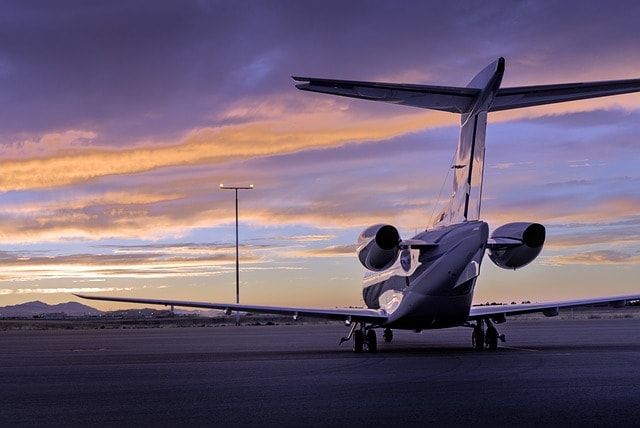
Industry reports and market analysis offer valuable insight into cost structures, fleet utilization, and emerging access models. Fractional aircraft ownership has gained traction as a balanced alternative between charter and full ownership.
By sharing ownership responsibilities while retaining guaranteed access, fractional programs address cost predictability and availability concerns common in charter-only strategies.
Several factors affect private flights' price, including the aircraft type and size, flight distance and duration, age of the aircraft, additional services such as catering and ground transportation, landing and handling fees, fuel prices, and taxes like the Federal Excise Tax. Seasonal demand and last-minute bookings can also impact pricing.
A billable flight hour typically includes the time from wheels up to wheels down during the flight. Some operators may also include repositioning flights—when the aircraft travels empty to or from the departure airport. Taxi time is usually not included, but policies vary by aircraft operators.
Private jet rental prices vary widely based on aircraft categories. Turboprop flights start around $2,000 to $4,000 per hour, light jets range from $3,000 to $6,500, midsize and super midsize jets cost between $6,000 and $10,000, heavy jets range from $8,000 to $15,000, and ultra-long-range jets or VIP airliners can exceed $20,000 per hour.
Yes. Additional fees can include landing permits, hangar fees, ramp and handling charges, fuel surcharges, crew salaries and overnight fees, international fees, short leg fees, and taxes such as federal excise tax and segment fees. These fees vary depending on the airport authority and flight specifics.
Flying privately offers significant advantages such as avoiding long security lines, flexible scheduling, access to regional airports not served by commercial airlines, and personalized service. While commercial flights may be less expensive per seat, private aviation provides time savings, privacy, and comfort that many travelers find valuable.
Chartering a private jet allows you to rent the entire aircraft for specific trips without long-term commitments. Fractional jet ownership involves purchasing a share of an aircraft, sharing ownership costs, and gaining guaranteed access with professional management. Fractional ownership can offer cost savings and predictability for frequent flyers.
Yes, many private jet operators allow pets on board, often with fewer restrictions than commercial airlines. Pet policies vary by aircraft and operator, so it is important to communicate your needs in advance to ensure a comfortable and safe flight for your companion.
Flight range varies by aircraft category. Light jets typically fly up to 1,500 miles, midsize jets around 2,450 miles, heavy jets up to 7,000 miles, and ultra-long-range jets can exceed 8,000 miles, enabling nonstop intercontinental flights.
An empty leg flight occurs when a private jet is repositioning without passengers, often offered at a discounted rate. While empty leg flights can offer cost savings, they require flexibility in travel dates and destinations.
Many charter companies and online platforms provide instant pricing tools where you can enter your preferred travel dates, departure and arrival airports, and aircraft options to receive an approximate private jet charter cost for your specific trip.
Understanding the pricing structures of private flights empowers travelers to budget confidently and choose the right access model. While charter flights offer flexibility, frequent flyers often benefit from structured solutions that reduce variability and improve long-term value.
Fractional jet ownership provides a strategic middle ground—offering predictable costs, guaranteed availability, and professional management without the full burden of ownership.
Ready to explore the smarter way to fly private? Visit https://www.fractionaljetownership.com/ to learn how fractional ownership can transform your travel experience and align private aviation with your long-term goals.
