May 4, 2026
Understanding private jet charter costs before booking can mean the difference between a smart travel decision and an unwelcome surprise. Whether you fly a few times per year or manage a corporate travel program, knowing how pricing works empowers you to evaluate options—from on-demand charter to fractional jet ownership.
BlackJet Fractional Jet Ownership offers a straightforward online private jet charter cost estimator designed for both U.S. domestic flights and international routes, supported by a comprehensive fractional jet ownership glossary that explains key terms for new buyers. A private jet charter cost estimator can provide a preliminary calculation of flight costs using several parameters such as flight distance, aircraft type, number of passengers, and additional fees, helping users gauge potential expenses before booking.
The tool delivers an instant ballpark cost range based on your inputs and is designed to provide clients with tailored cost information for their specific needs. For example, a New York to Miami charter flight on a light jet typically falls between $12,000 and $18,000 one way in 2025 dollars. The Los Angeles to Las Vegas trip runs approximately $11,000 to $25,000, depending on aircraft category.
To generate your estimate, you will need to provide:
Departure and arrival destinations (airport codes preferred)
Departure date and return flight timing, if applicable
Number of passengers
Preferred aircraft category (turboprop, light, midsize, super-midsize, or large cabin)
The estimator also helps users select the best business jet for their itinerary and preferences.
The charter flight cost calculator factors in flight time, aircraft category, and typical operating costs. Some fees and applicable taxes are finalised at booking. For frequent flyers logging 25 to 150 hours per year, BlackJet can run a side-by-side comparison showing on-demand charter versus fractional jet ownership versus membership through the Reserve or Equity Fleet programs.
Ready to see your numbers? Use the estimator, then schedule a no-obligation cost review with a BlackJet aviation advisor.
Private jet charter costs can vary significantly based on factors such as flight distance, aircraft type, and additional services requested, with prices typically ranging from $1,800 to $18,000 per hour. Depending on your choices, private jet charter costs can easily reach into the tens or even hundreds of thousands of dollars, especially for longer flights or when selecting larger aircraft and premium services. Estimating the cost of a private jet charter starts with the base hourly rate, which generally ranges from $2,000 to over $20,000 depending on the aircraft’s size and range.
Hourly rates vary drastically based on aircraft size. Here are typical 2025 ranges by class:
Aircraft Category | Typical Hourly Rate (USD) | Passenger Capacity | Typical Use Case |
|---|---|---|---|
Turboprops | $2,000 – $3,000 | 4–6 | Short regional trips |
Light Jets | $2,600 – $4,000 | 6–9 | Short to medium-haul flights |
Midsize Jets | $3,500 – $9,800 | 7–9 | Medium to longer-range flights |
Large/Heavy Jets | $12,000+ | 9–16 | Long-range, luxury travel |
Larger aircraft often have higher minimum flight hour requirements and are more suited for longer flights, reflecting their increased fuel and passenger capacity needs.
To illustrate real-world totals: a Los Angeles to Las Vegas trip covers roughly one flying hour each way and typically runs $11,000 to $25,000 on a light or midsize jet, including standard fees. A New York to Miami private jet flight of approximately 2.5 to 3 hours falls in the $30,000 to $50,000 range. For longer flights like New York to London, at 6 to 7 hours on a large cabin jet, expect $80,000 to $150,000 or more one way.
These figures represent charter cost only. Full aircraft ownership would add fixed costs, including crew salaries, hangar fees, maintenance, and financing. Once your trip frequency approaches 100 to 150 hours annually, fractional aircraft ownership costs with BlackJet can often reduce your effective hourly rate compared to pure charter, making it essential to understand key contract terms in fractional jet ownership before committing.
Every charter quote is built from a few core variables that the private jet charter cost estimator evaluates in seconds. The estimator provides an estimate of the final cost or overall price for your private jet charter flight, factoring in not only flight time and hourly rates but also additional fees such as handling, catering, repositioning, and special requests. Understanding this pricing logic helps you interpret your estimate accurately.
The estimator converts your route into an estimated flight time using typical cruise speeds and winds for your chosen aircraft class. Private jet charter costs are estimated by multiplying flight hours by an hourly rate, and then adding variable expenses. The total flying time calculation includes taxi time, which is usually at least 12 minutes. Quotes often include a standard allowance for ground movement, commonly 12 minutes.
Pricing is based on “billable hours,” which include air time, daily minimums, and taxi time. The tool multiplies this by class-specific average hourly operating rates, plus estimated repositioning time where relevant.
For U.S. domestic flights, the estimator layers in standard assumptions: 7.5% federal excise tax, segment fees, and typical landing fees for major and regional airports. International flights to Europe or the Caribbean automatically assume additional permit, customs, and overflight fees, with exact amounts finalised by a human advisor.
The estimator displays a likely range. A detailed quote from BlackJet’s team can tighten this into a firm offer with specific aircraft options and exact timing.
Four primary factors drive almost all private jet cost estimates: aircraft type, flight distance and time, schedule, and extras. The type of jet is the most significant factor in pricing, with larger jets commanding higher rates.
The estimator asks for trip basics, but BlackJet advisors also consider operational realities like crew duty limits, airport operating hours, and aircraft availability when confirming your charter price. Understanding these factors helps travellers decide whether on-demand charter, jet cards, or fractional ownership vs membership programs provide the best long-term value.
Aircraft type plays a crucial role in determining charter costs, with larger and more luxurious jets generally commanding higher hourly rates compared to smaller aircraft.
Very Light Jets (VLJs) are compact aircraft designed for shorter trips, accommodating four to seven passengers, and ideal for regional travel.Light Jets accommodate six to nine passengers and are ideal for both short and medium-haul flights, providing improved speed and range capabilities. Midsize and super-midsize jets, such as those available when you own a fractional share of the Falcon 2000EX, provide a balance between cabin space and range capabilities, typically seating seven to nine passengers, and are suitable for longer flights.
Large Cabin Jets are designed for long-range travel, accommodating nine to sixteen passengers with spacious and luxurious interiors. Ultra-Long-Range Jets can carry passengers on nonstop flights over vast distances, typically seating ten to nineteen passengers and offering luxurious amenities.
BlackJet’s team will often recommend a smaller, more efficient jet when your passenger count and luggage allow, such as programs that let you own a fractional share of the TBM 850 turboprop for regional trips. Newer, more efficient models may cost more per hour but can lower total cost by flying faster and reducing fuel consumption on long legs.
Private jet charter pricing can fluctuate widely based on variables such as flight duration, distance travelled, aircraft category, and demand during peak times. The cost of chartering a private jet is typically calculated by multiplying the hourly rate by the number of flight hours, with additional fees for services like catering and landing fees.
A 300 to 500 nautical miles regional hop—Dallas to Houston, for instance—is considered a short flight, which is often more affordable and well-suited for small aircraft. Such short flights typically require 1 to 1.5 hours of private jet flight time. U.S. coast-to-coast routes like Teterboro to Van Nuys can be 5 to 6+ hours, depending on winds. High-altitude routings and air traffic constraints can add block time beyond straight-line flight distance.
Multi-leg itineraries (New York to Chicago to Denver to New York over two days) increase both total hours and the need for crew overnights, adding to the overall cost.
When and how you fly can change jet charter cost even on the same route. Flights on Tuesdays and Wednesdays often cost 15 to 20% less than peak weekend slots.
Peak periods in the U.S. market include Thanksgiving week, Christmas through New Year (December 20 to January 3), and major events like the Super Bowl or Art Basel Miami. Same-day round trips, very early or late departures, and short-notice bookings inside 24 to 48 hours may carry premium pricing.
Fractional ownership or membership programs with BlackJet can secure more predictable access and rates during these high-demand windows, especially when they use floating fleet options in fractional ownership.
The hourly rate is not the whole story. Several variables can increase the final bill by 40% to 60%. The final quote for chartering a private jet will include variable expenses beyond the base hourly rate, as well as additional costs such as repositioning fees, crew overnight expenses, airport handling charges, and taxes, which can significantly increase the overall trip price.
Typical extras include:
In-flight catering (from simple snacks to bespoke menus)
In-flight Wi-Fi (sometimes billed per megabyte on international routes)
Ground transportation at departure and arrival destinations
Hangar charges at snow-belt airports
Pets onboard accommodations
In winter, de-icing can cost between $1,500 and $10,000+, depending on the aircraft size and conditions. BlackJet’s cost estimator uses typical averages for these elements, and an advisor can tailor them to your expectations.
Fractional owners in BlackJet’s Equity Fleet may see a different total cost structure of fractional jet ownership, with certain additional services bundled into management and monthly fees rather than per-trip surcharges.
U.S. and international regulations require several government-imposed charges that appear on every legitimate private jet quote. BlackJet’s estimator includes standard assumptions for these items, so clients are not surprised later in the booking process. For cross-border private jet charters, international fees—such as landing permits, overflight permits, customs, and immigration fees—are additional costs that can vary depending on the route and destination country.
Exact amounts can vary by airport, routing, and passenger count, and are finalised on the written charter or fractional usage agreement, which also outlines required liability coverage in fractional jet ownership and other provisions typically found in an aircraft fractional ownership sample contract.
A 7.5% Federal Excise Tax is applied to all domestic flights within the United States. For example, a $20,000 base fare plus 7.5% FET equals $21,500 before other fees.
Per-passenger segment fees run around $4 to $5 per person per leg and multiply on multi-stop flight itineraries. Head taxes apply to U.S. international arrivals and departures and to specific routes such as Alaska or Hawaii. The estimator assumes current IRS-published rates.
Fractional ownership structures may involve distinct tax implications for fractional jet owners compared to on-demand charter. BlackJet can coordinate with a client’s tax advisor for optimised planning.
Each airport sets its own landing, ramp, and parking fees, which typically scale with aircraft weight and traffic level.
Airport fees vary by location and can include landing fees of $150 to $1,500 and handling fees of $100 to $800 at Fixed-Base Operators (FBOs).Airport landing fees generally range from $100 to $1,500 per flight, varying by airport and aircraft size. Ramp and handling fees charged by fixed-base operators can range from $100 to $500 per flight, and may be waived under certain conditions.
Choosing regional airports instead of major hubs can significantly reduce landing and handling fees. Smaller regional airports may charge a few hundred dollars per movement, while major hubs in New York, South Florida, or Los Angeles can run over $1,000 per landing plus handling.
BlackJet’s charter cost estimator includes typical seasonal assumptions for popular business and leisure destinations, so your initial quote remains realistic.
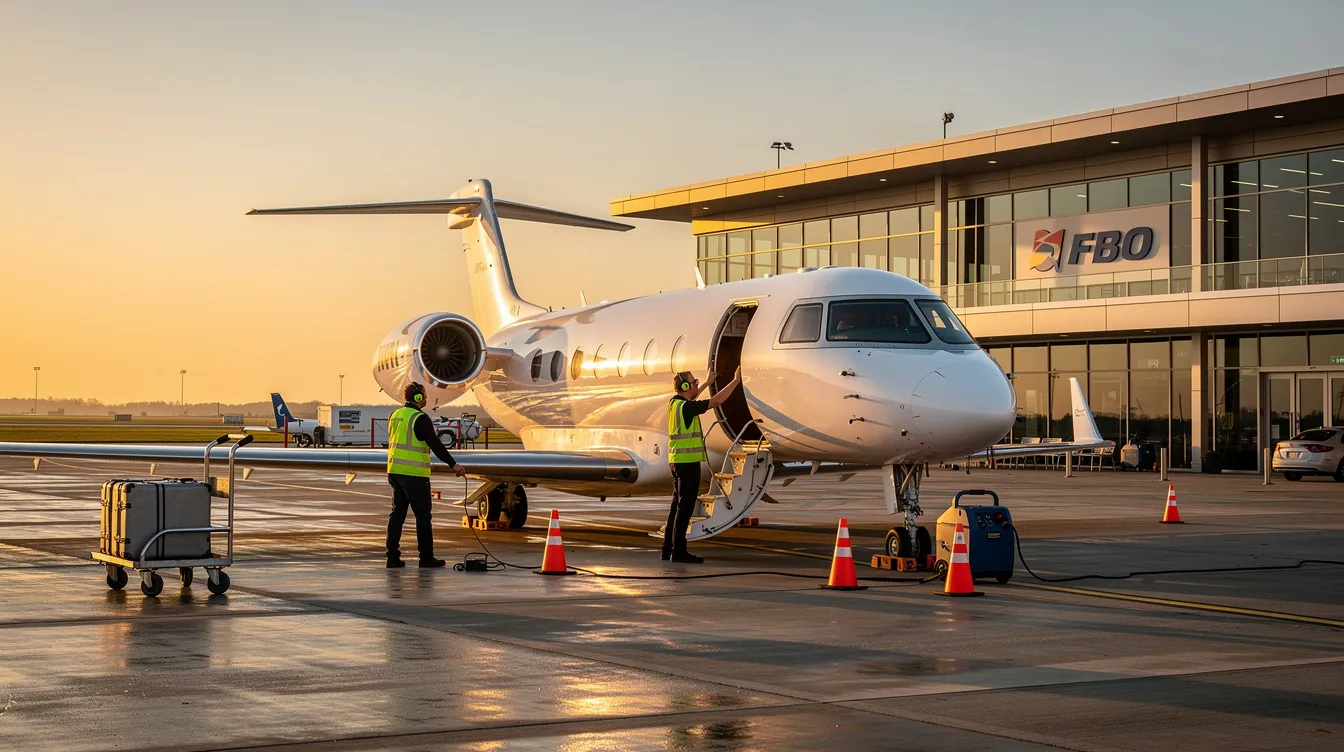
Multi-day itineraries may incur crew overnight charges for pilots and crews, daily minimum hour requirements, and sometimes fuel surcharges.
Crew overnight accommodation fees can add between $200 and $600 per crew member to the total charter cost. Crew expenses for multi-day trips typically include hotel costs of approximately $200 to $400 per night and per diems of $75 to $150 per day.
Most operators require a minimum of 1.5 to 2.5 billable hours per day, even if the flight is shorter. A very light flying day on a long-stay trip may still be billed at the minimum.
Fuel surcharges are often 10 to 15% of the base rate to account for fluctuating fuel prices. The estimator can be updated quickly to reflect these market changes.
BlackJet Fractional Jet Ownership specialises in helping clients move from ad-hoc charter into more structured, cost-efficient solutions once their flying reaches 25 to 150 hours per year through its three private aviation programs. The same cost data behind the jet charter cost estimator can model annual spend under three approaches, whether you are based in major hubs like Atlanta, fractional jet ownership, or flying from other regions.
On-demand charter: Entirely variable, pay-per-trip, no long-term commitment. Best for infrequent flyers under 25 hours annually.
Reserve Fleet membership: Pay-as-you-go hours with preferred access and predictable hourly rates. Ideal for clients wanting flexibility without ownership, including flyers in emerging markets such as Pittsburgh, and fractional jet ownership.
Equity Fleet fractional ownership: Upfront capital plus monthly management and low, predictable occupied-hour rates. Potential depreciation and tax advantages in the U.S. Studies show fractional jet ownership as an investment can save 25 to 50% versus charter at 100 hours annually.
Empty leg flights, which occur when a private jet is returning to its base without passengers, can offer discounted rates for travellers seeking private jet services and are often discussed alongside the best fractional jet ownership programs as alternative ways to save on private aviation. However, these require flexible schedules, and their availability depends on the travel plans of other customers, as they are scheduled based on the needs of previous or returning clients and may not always align with your preferences.
Clients who regularly charter routes like New York to South Florida, Los Angeles to Aspen, or Chicago to Toronto can often lower their effective hourly costs with an appropriately sized 1/8th fractional jet ownership share. BlackJet’s advisors can run example scenarios for specific patterns and show the 5-year total cost of ownership versus pure charter, which is especially helpful if you may eventually sell your fractional jet ownership share or transition to a different program.
The online estimator is a powerful starting point, but a quick conversation with BlackJet’s team can refine numbers based on specific airports, exact dates, catering level, and preferred aircraft models.
Have these details ready:
City pairs or ICAO airport codes
Approximate departure windows
Passenger list and luggage needs (ski gear, golf clubs)
Whether pets are onboard or medical equipment will be required
International flights may incur additional fees ranging from $500 to $5,000, which cover landing permits, customs, and immigration fees. BlackJet advisors finalise these amounts based on your specific trip requirements.
BlackJet’s team can also check for empty legs and back-to-base opportunities that the automated estimator may not surface, potentially lowering a one-way trip charter quote by 30 to 70%.
For corporate travel departments, BlackJet can review 6 to 12 months of historical travel data to design a blended solution. All estimates are transparent and itemised, with no hidden fees—clients see hourly rates, estimated taxes, and line-item services before committing.
A private jet cost estimator is an online tool that provides a preliminary calculation of the cost to charter a private jet. It factors in variables such as flight distance, aircraft type, number of passengers, and additional fees to give users an estimated price range before booking.
Yes, most private jet operators allow pets onboard. However, policies vary by operator and aircraft type, so it’s important to confirm any restrictions or additional fees with your charter provider before booking.
The Bombardier Challenger series is a popular large cabin jet with hourly charter rates generally starting around $12,000 or more, depending on the model and trip specifics. This makes it suitable for longer flights requiring spacious cabins and luxury amenities.
Yes, additional fees can include airport landing and handling charges, crew overnight accommodations, catering, ground transportation, taxes, and seasonal costs such as de-icing. These can add 40% to 60% to the base hourly charter cost.
Empty leg flights occur when a private jet is returning empty to its base or repositioning. These flights are often offered at significant discounts, providing a cost-effective option for travelers with flexible schedules.
A private jet charter cost estimator is an essential planning tool, but its real value grows when combined with expert guidance and long-term strategy. Tens of thousands of dollars separate smart aviation decisions from reactive ones.
BlackJet Fractional Jet Ownership helps high-net-worth individuals and companies understand not just what a specific trip costs, but how fractional jet ownership financing and other structures shape what their private aviation strategy should cost over the next 3 to 5 years. For further assistance evaluating your options, the team provides clients with detailed comparisons tailored to actual travel patterns.
Ready to explore the smarter way to fly private? Visit FractionalJetOwnership.com to use the estimator, download example pricing scenarios, and request a personalised consultation. BlackJet stands ready as a trusted aviation advisor—focused on efficiency, predictability, and smart ownership structures rather than one-off transactions—to help you choose the right balance of charter, membership, and fractional ownership.
