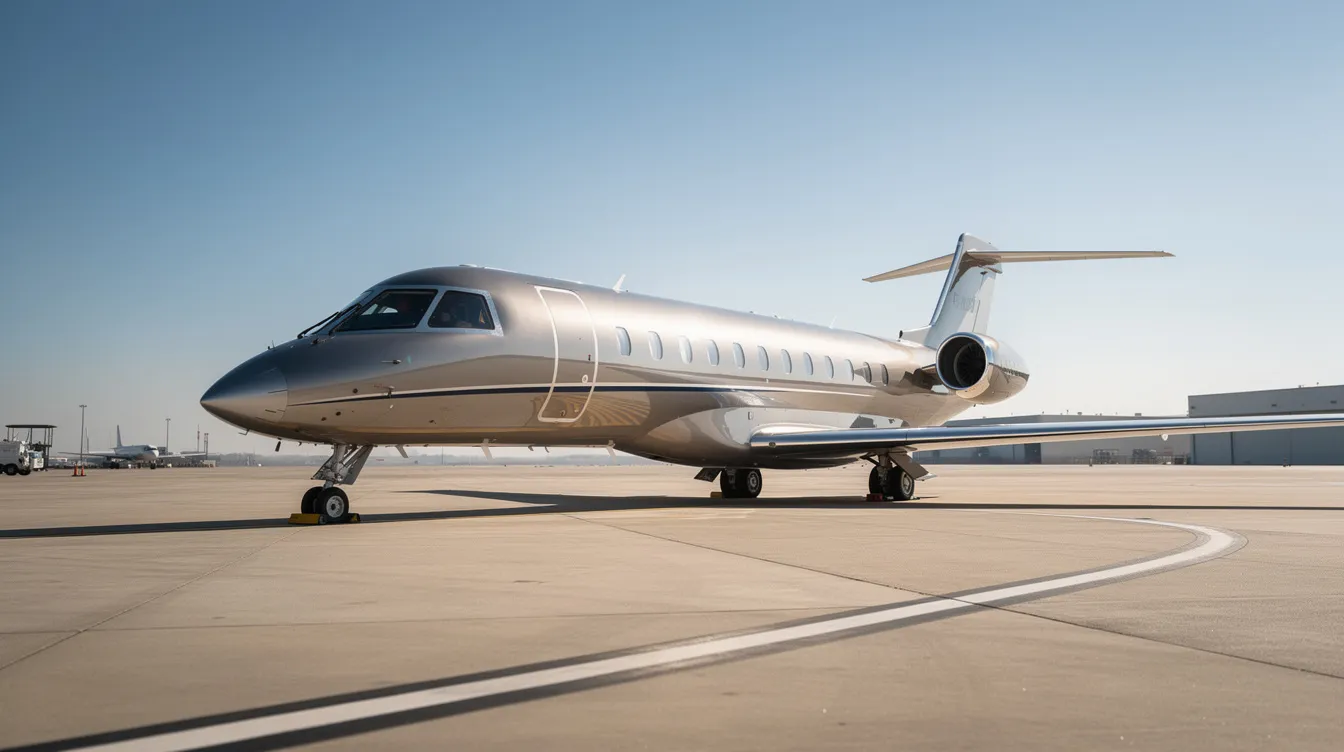
August 22, 2026
Chartering a private jet in the United States typically costs between $1,500 and $18,000+ per flight hour, depending mainly on the aircraft type and route, with total trip cost also shaped by taxes, landing and handling fees, catering, and ground transportation. That range is wide for a reason: a turboprop shuttle from Dallas to Austin and a transatlantic crossing on a Gulfstream G650ER are different missions with different cost structures.
For travelers and companies flying roughly 25 to 150 hours a year, understanding private jet charter pricing is how you avoid surprise charges, choose the right aircraft and access model, and match cost to actual travel needs. This guide breaks down hourly rates by jet category, the taxes and operational fees behind your quote, when charter, jet cards, membership, or fractional ownership make the most financial sense, and how BlackJet’s programs can deliver more predictable private aviation costs and access.
Private jet charter pricing in the U.S. market clusters around these hourly rates by aircraft category:
Turboprops (Pilatus PC-12, King Air 250): roughly $2,000–$3,000 per flight hour. Turboprop charters start at around $2,000 per hour and work well for regional hops under two hours.
Very light jets and light jets (Eclipse 500, Phenom 100, Citation CJ3+): about $3,000–$5,000 per flight hour. Light jets are ideal for 2-to-4-hour regional flights with up to 6–7 passengers.
Midsize jets (Citation XLS+, Hawker 800XP): about $5,000–$7,000 per flight hour. Midsize jets are suitable for transcontinental travel with stand-up cabins and room for 7–9 passengers.
Super-midsize jets (Challenger 350, Citation X): $7,000–$9,500 per flight hour, offering coast-to-coast range and larger cabin volume.
Heavy jet charter and ultra-long-range jets (Gulfstream G450, Global 6000, G650ER): $9,500–$18,000+ per flight hour. Heavy jet charters can cost closer to $10,000 per hour at the entry point; newer ultra-range models push well above that.
These private jet cost ranges exclude the 7.5% federal excise tax on domestic flights, airport landing fees, optional catering ($230–$2,000 per leg), ground transportation ($180–$1,000+), and other services. Charter costs range from $2,300 to $17,000 per flight hour when measured across the full spectrum of private aircraft types.
BlackJet Fractional Jet Ownership works with clients flying approximately 25–150 flight hours per year, for whom fractional ownership or a membership program often delivers more predictable pricing than repeated ad hoc private jet rental. For travelers at this level, understanding the full cost of fractional jet ownership alongside charter helps frame a realistic budget. Later sections explain when charter, jet cards, or fractional jet ownership make the most financial sense.
Private jet charters are priced per entire aircraft, not per seat. You are renting the plane, crew, fuel, and insurance for a defined mission. This is the opposite of how commercial airlines operate, where carriers sell individual seats on a scheduled flight.
The headline hourly rate typically covers the aircraft, crew salaries, standard insurance, and normal operating costs. Private jet charters include aircraft, crew, fuel, and insurance in that base number.
Total private jet travel cost for any trip follows this formula: (billable flight hours × hourly rate) + taxes + airport fees + crew logistics + extras (catering, Wi-Fi, deicing, ground transportation).
Extras and fees commonly add 20–40% on top of the base aircraft cost for a domestic round trip, according to industry pricing analysis.
On-demand private jet rental is transactional; you pay per trip with no long-term commitment. BlackJet's Reserve Fleet and Equity Fleet convert that variability into predictable access with more stable hourly rates, reducing the budgeting uncertainty that comes with one-off private charters.
Seven primary variables drive private jet charter pricing on any given trip:
Aircraft category and specific model. Aircraft size and category are the primary drivers of the base hourly rate. A turboprop at $2,000/hr versus a heavy jet at $10,000+/hr can represent a 5x difference before any other cost is calculated.
Total billable flight time and routing. Flight time, distance, and routing are key factors in pricing. Flight distance also affects fuel burn, crew duty limits, and whether a fuel stop is needed.
Number of passengers and luggage constraints. More passengers and heavy luggage may require a larger aircraft, which raises the hourly rate. Passenger count also determines per-segment government taxes.
Seasonal demand and peak dates. High-demand travel periods can increase charter prices due to the scarcity of aircraft. Thanksgiving, Christmas through New Year, and events like the Super Bowl or Davos push rates up and tighten availability. Flying from New York to Miami in February costs more than the same route in mid-September.
Airport selection. Major hubs (Teterboro, Van Nuys, LAX) carry higher landing fees, ramp fees, and FBO handling costs than smaller airports. Choosing a secondary field can reduce both fees and surface-side transit time.
International vs. domestic flights. International routes add permits, customs handling, overflight fees, and sometimes local luxury taxes.
Lead time and schedule flexibility. Booking weeks ahead and allowing flexibility by a few hours or a day enables better aircraft positioning and lower overall cost. Very short-notice bookings command premiums.
Hourly rates vary widely based on aircraft type, including turboprops, light jets, and heavy jets. Each variable above can push your charter flight cost up or down by thousands of dollars per leg.
Aircraft category is the single biggest driver of base private jet charter pricing. Here are 2026 U.S. hourly rate ranges by category, with representative models:
Turboprops (Pilatus PC-12, King Air 250): ~$2,000–$3,000 per flight hour. Turboprop charters start at around $2,000 per hour and serve short regional routes of 1–2 hours with 4–8 passengers. These are efficient aircraft for missions where speed is secondary to access and cost control.
Very light jets (Eclipse 500, Phenom 100): ~$2,800–$3,800 per hour. Best for short city trips with 3–4 passengers and limited luggage.
Light jets (Citation CJ3+, Learjet 45XR): ~$3,500–$5,000 per hour. Light aircraft in this category handle 2-to-4-hour regional flights and seat up to 7 passengers. They are the workhorses of domestic private aviation.
Midsize jets (Citation XLS+, Hawker 800XP): ~$5,000–$7,000 per hour. Stand-up cabins, coast-to-coast range, and room for 7–9 passengers make these a common choice for business and leisure travel.
Super-midsize jets (Challenger 350, Citation X): ~$7,000–$9,500 per hour. Transcontinental performance with larger cabins, better baggage capacity, and higher cruise speeds.
Heavy / ultra-long-range jets (Gulfstream G450, Global 6000, G650ER): ~$9,500–$18,000+ per hour. Heavy jet charters can cost closer to $10,000 per hour at the entry level. These cover non-stop international routes and long-haul flights. At the top of the private aircraft range, VIP airliners can seat up to 50 passengers, pushing hourly rates well beyond $18,000.
Newer interiors, high-speed Wi-Fi, and factory-fresh cabins place a jet at the upper end of its category. Larger aircraft require more fuel, maintenance, and higher crew costs, which is why the gap between a light aircraft and a heavy jet is so wide. BlackJet helps clients match the right aircraft category to their typical missions, so they avoid overpaying for unused range or capacity.
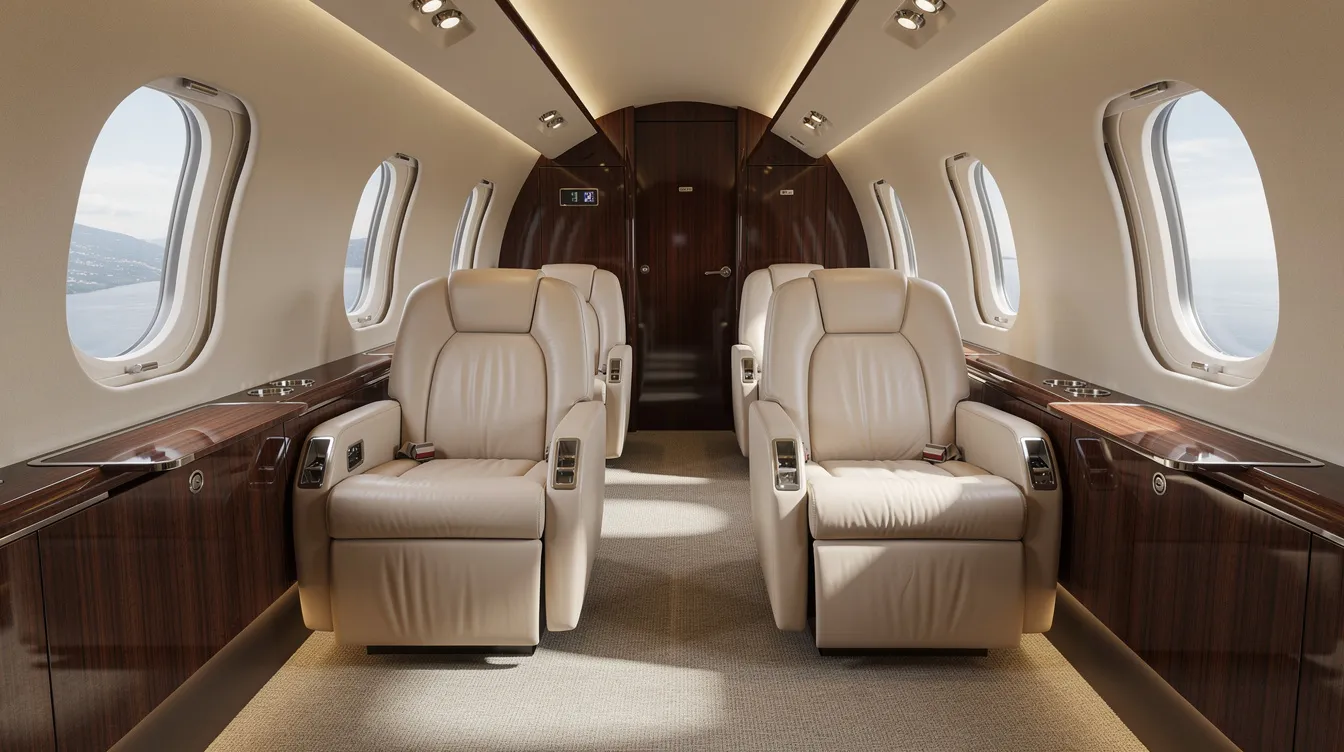
The billable flight hour is not the same as wheels-up to wheels-down. Understanding the difference prevents bill shock.
Billable flight time usually includes taxi-out time at the departure airport and taxi-in at arrival. On a busy field like Teterboro, a taxi can add 10–15 minutes per leg.
Aircraft positioning or repositioning flights count as billable hours. Ferry fees may apply if an aircraft is repositioned to a different airport to pick you up or return to its home base after drop-off. These added hours are charged at the full hourly rate.
Many operators impose daily minimums of 1.5–2 billable flight hours even on very short hops. A 45-minute flight on a heavy jet may still be billed at 2.0 hours.
Concrete example: a 1.2-hour New York to Boston leg might be billed as 1.5 hours after taxi time. If the aircraft starts in Teterboro but must return to a base in White Plains, that repositioning leg adds another 0.3–0.5 billable hours.
A two-hour private jet flight can cost between $8,000 and $37,000 depending on aircraft category and whether repositioning is involved.
One-way vs. round-trip itineraries and multi-city schedules change billable flight hours. A same-day round trip often costs less per hour than two separate one-way charters because repositioning is eliminated.
BlackJet's programs reduce unpredictable repositioning exposure by leveraging fleet planning and home-base optimization, keeping billable flight time closer to actual time in the air.
Most U.S. domestic private jet charters carry mandatory government taxes and fees:
A 7.5% federal excise tax applies to all domestic flights. This is calculated on the base transportation amount and collected per IRS regulations. On a $34,000 base charter, FET adds approximately $2,550.
The domestic segment fee is about $5.30 per passenger per leg in 2026. A round trip with 6 passengers generates $63.60 in segment fees alone.
International head tax: about $23.40 per passenger for flights arriving in or departing from the United States.
Alaska/Hawaii head tax: about $9.90–$19.70 per passenger depending on the route.
For international private jets, additional fees include overflight permits, customs and immigration handling, and local aviation taxes. These international fees can add $500 to $5,000 to charter costs depending on route complexity.
Reputable operators and providers like BlackJet show these as separate line items so clients see the true cost to charter a private jet. Government taxes are non-negotiable, but knowing them in advance prevents surprises on the final invoice.
Airports and FBOs (Fixed Base Operators) charge landing fees, ramp fees, and handling fees that vary by location, congestion, and aircraft weight.
Airport landing fees typically range from $100 to $1,500 per flight. Major hubs like Teterboro or LAX sit at the upper end; smaller airports with lighter traffic charge less.
Ramp, parking, and handling fees run $100–$500+ per stop. Some FBOs waive ramp fees with a minimum fuel purchase, which can offset the cost.
Choosing secondary airports near your destination reduces fees and surface-side travel time. Van Nuys instead of LAX, White Plains instead of JFK, or Centennial instead of Denver International are common examples.
Operational fees such as airport landing fees and crew expenses can increase total pricing by $500–$3,000 on a domestic round trip depending on how many stops are involved.
These costs may appear in an "all-in" quote or be itemized separately. BlackJet encourages clients to request full itemization so that airport facility costs are visible and comparable across providers.
Fuel is a variable cost that fluctuates with commodity markets, and operators handle it in different ways:
When jet fuel prices spike, operators apply fuel surcharges, often 10–15% above the base hourly rate. With FBO retail fuel prices running $7–$9 per gallon in U.S. markets through early 2026, surcharges on larger aircraft can add $300+ per flight hour.
On longer legs (New York to London, Los Angeles to Honolulu), fuel is one of the largest single inputs into the private jet charter cost. A transatlantic crossing on a heavy jet can burn 3,000–4,000 gallons of fuel.
Sustainable Aviation Fuel (SAF) mandates are emerging. Europe's ReFuelEU regulation requires a 2% SAF blend starting in 2026 for flights departing EU airports. SAF currently costs 2–4x more than conventional jet fuel, which introduces environmental surcharges on international itineraries to Europe.
Fuel prices affect every aircraft category, but the impact scales with aircraft size. A turboprop burning 60 gallons per hour feels fuel price swings less than a heavy jet burning 300+ gallons per hour.
BlackJet tracks fuel trends and SAF availability, advising clients on where environmental surcharges will affect their trip details.
Crew costs are embedded in the hourly rate, but multi-day trips generate additional charges:
Crew overnight per diem typically runs $200–$600 per crew member per night in the U.S. Premium winter destinations like Aspen in January or resort locations during high season push crew hotel costs higher.
A typical two-pilot crew staying two nights adds $800–$2,400 to the trip. Nighttime crew stays can add to the overall charter cost in ways first-time charter clients do not expect.
Extended ground time in cold climates may require hangar parking ($500–$1,500 per day) to avoid deicing on the ramp before departure.
A flight attendant is optional on most charter flights but is standard on heavy jets for long-haul flights. Adding cabin crew increases the daily per diem and overnight line items.
Concierge services, trip coordination, and 24/7 scheduling support vary by provider; some fold them into overhead, others charge a flat fee per trip.
BlackJet communicates expected crew and logistics costs up front so there are no last-minute additions to the invoice.
These items often surprise first-time private jet travelers. They are legitimate operational costs, but they should be disclosed and estimated in advance for accurate private jet charter pricing.
Deicing: $1,500–$15,000+ per event depending on aircraft size and weather severity. A light jet in light frost might cost $1,500; a heavy jet in a February nor'easter can exceed $10,000.
Short-leg or minimum-usage fees: Very short hops on larger jets get billed at daily minimums (often 2 hours), even if actual flight time is 30 minutes.
Catering: Catering services can cost between $230 and $2,000 per leg. A basic snack-and-beverage setup sits near $230; a full multi-course meal for 8 passengers runs $1,500–$2,000. Catering and Wi-Fi requests can incur additional charges for charter flights.
In-flight connectivity: Wi-Fi charges on some international aircraft run $2–$9 per MB; domestic jets increasingly offer flat-rate packages.
Pet fees and extra cleaning: Often $250+ when applicable.
After-hours FBO fees: Late-night or early-morning departures from smaller airports may require airport opening charges of $200–$500.
Ground transportation: Ground transportation can range from $180 to $1,000 or more depending on vehicle type and destination distance.
BlackJet advocates fully itemized quotes and helps clients structure trips to minimize unnecessary ancillary costs. Asking for a detailed breakdown before signing eliminates most hidden fees.
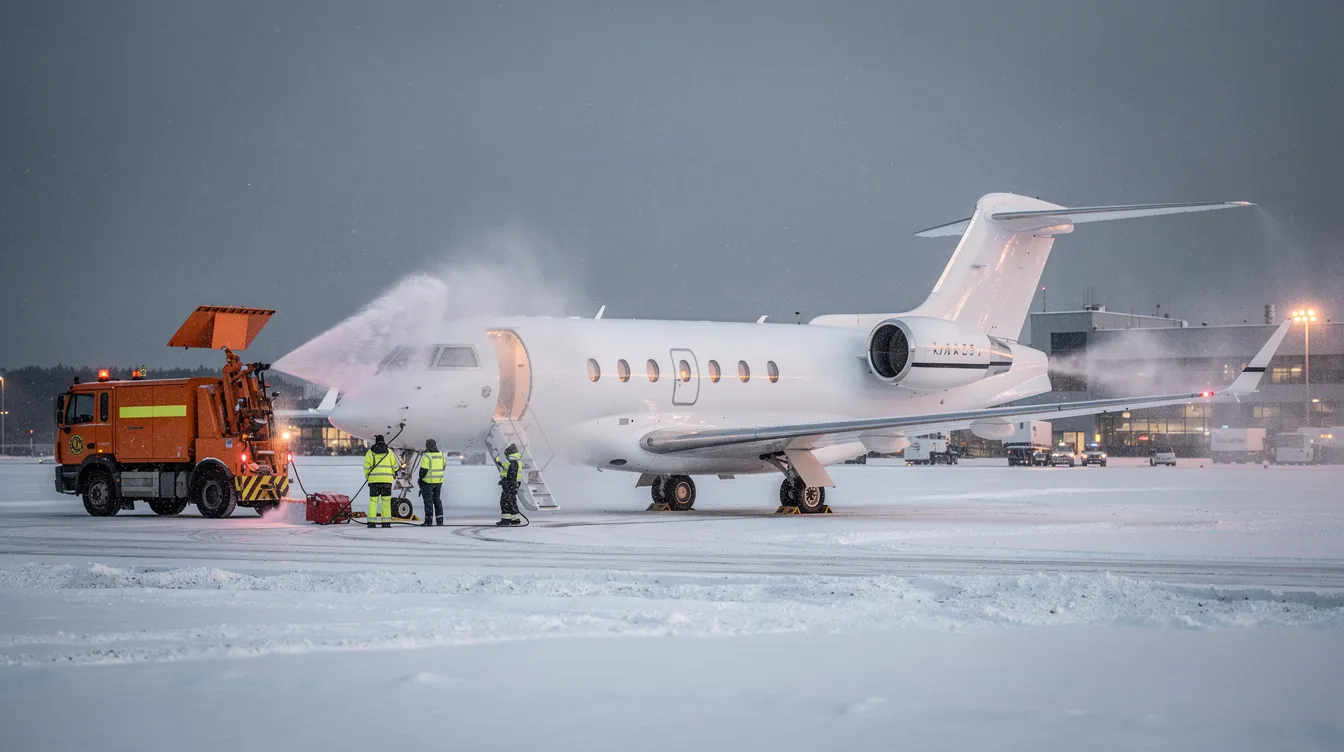
Consider a three-day round trip from Los Angeles (Van Nuys, VNY) to Aspen (ASE) in February on a super-midsize jet, such as a Challenger 350.
Billable flight hours: 2.0 hours each way × 2 legs = 4.0 billable hours at approximately $8,500 per hour = ~$34,000 base aircraft cost.
Federal excise tax at 7.5% on the transportation amount: about $2,550.
Landing and handling fees at VNY and ASE: estimated $800–$1,200 total.
Crew overnights for 2 nights in Aspen (2 crew members): roughly $800–$1,600.
Deicing at Aspen in winter conditions: estimate $2,000–$6,000 depending on snowfall intensity and aircraft size.
Catering (light service, both legs): $500–$1,000.
Total estimated private jet cost for this trip: roughly $40,000 to just under $50,000, depending on weather and additional services selected.
For comparison, a New York-to-Miami round trip on a midsize jet for a long weekend (about 2.5 hours each way) typically costs $25,000–$35,000 all-in during peak winter season. The same route in September, with lower seasonal demand, can come in 15–20% below that range.
One-way private jet charters often cost more than half of a round trip because the jet must reposition back to its base or fly empty to its next mission. That repositioning is a real operating cost, and it gets passed to the client.
Multi-city and "out-and-back" day trips change billable flight hours. A Chicago-to-New York one-way on a midsize jet may cost $18,000–$25,000, while a same-day round trip might only be $30,000–$38,000 because the repositioning leg is eliminated.
Daily minimums matter: even if only 1 hour is flown on a given day, a 2-hour minimum may apply, particularly with heavy jets.
Empty-leg flights are discounted repositioning segments. Empty-leg flights can save up to 75% off standard private jet rental rates for travelers with flexible schedules. A $25,000 one-way leg might be available for $6,000–$12,000 as an empty leg, depending on timing.
BlackJet specializes in fractional ownership and membership rather than one-off empty legs, but its team may leverage smart back-to-back scheduling and fleet optimization to reduce members' effective costs. Booking a private jet can take as little as four hours when availability aligns.
Domestic flights within the U.S. (Dallas to New York, Los Angeles to Bozeman) are operationally simpler than international routes. Here is how international charters differ:
International flights require landing permits, overflight authorizations, and advance diplomatic or regulatory clearances in many countries. These add planning time and processing fees.
Customs and immigration handling at arrival and departure airports generates fees ranging from a few hundred to several thousand dollars per stop, depending on the country and airport facilities.
International fees can add $500 to $5,000 to total charter costs, especially for transatlantic missions or multi-country European itineraries. International charter fees can add $500 to $5,000 to charter costs.
Some countries impose their own luxury taxes or air passenger duties on private flights. The U.K.'s Air Passenger Duty, for example, applies to all departing private aircraft.
Charter flights allow access to over 10,000 airports worldwide, many of them unavailable to commercial airlines. That access is a core advantage of private air travel, but it comes with location-specific fees and regulations.
BlackJet's operations team assists with route planning, border formalities, and estimating international surcharges in advance for owners and members flying abroad. For a deeper look at transatlantic pricing, see this guide on understanding the cost to fly private to Europe.
The private aviation industry offers several access models, each suited to different usage levels:
On-demand private jet charters (pay per trip). Chartering a private jet is typically on-demand and pay-per-trip. Chartering requires no long-term financial commitment or ownership costs. This makes sense for infrequent flyers or unpredictable schedules, while travelers with higher usage can compare this pay-per-trip model to fractional jet ownership as an investment. You can book a private jet charter online or by phone without taking on ownership-related maintenance costs.
Jet card programs (prepaid hours at a fixed hourly rate). Jet cards lock in an hourly rate and guarantee availability within defined lead times. No ownership equity or residual value. Good for 25–50 hours per year where rate predictability matters. Learn more about the best private jet memberships.
Fractional aircraft ownership (buying a share for a set number of annual flight hours). Frequent flyers may benefit from jet cards or fractional ownership. Fractional ownership gives you equity in a specific aircraft, priority scheduling, and potential tax benefits, but owners also take on ongoing maintenance costs through the ownership structure rather than using a pay-per-use model. Prospective buyers often evaluate fractional jet ownership financing, costs, and benefits alongside these operational considerations. The cost per hour drops as fixed costs are spread over more hours.
Full aircraft ownership. Owning a private jet incurs maintenance, fuel, and staffing costs year-round, whether or not the aircraft flies. This path generally requires 200+ hours per year to justify the fixed expense. Travelers considering this step often start by comparing leading fractional jet ownership programs for smart investors as an intermediate option. Chartering is often cheaper than owning a private jet below that threshold.
When each model tends to work best:
Under ~25 flight hours per year, ad hoc charter or occasional empty-leg flights can be the most cost-effective approach for occasional private flights.
About 25–150 hours per year: jet card programs or fractional jet ownership with providers like BlackJet offer better predictability and lower effective cost per flight hour.
200+ hours per year: full ownership may be considered, but management complexity is substantial. A personal aircraft at this level still requires professional oversight.
BlackJet offers two distinct programs, and choosing between them mirrors the broader decision many travelers face when weighing fractional jet ownership vs. membership programs and evaluating floating fleet options in fractional ownership:
Reserve Fleet: pay-as-you-go with predictable access and no ownership capital outlay. This functions similarly to a jet card but with BlackJet's fleet optimization and scheduling.
Equity Fleet: fractional ownership with priority scheduling, custom aircraft sourcing, and potential aviation tax benefits. Owners hold equity in the aircraft and benefit from residual value at term end.
Both options convert the unpredictability of ad hoc charter into a structured private travel program. The choice between them depends on annual hours, capital preference, and whether ownership benefits (depreciation, equity) matter to the client.

Fractional jet ownership means purchasing a share (often 1/16th or 1/8th fractional jet ownership) of a specific aircraft in exchange for a guaranteed number of flight hours per year. For a deeper grasp of the terminology and mechanics behind this model, many buyers start with a fractional jet ownership glossary of key terms. The cost structure has three layers and is formalized in detailed co-ownership agreements similar to those described in an aircraft fractional ownership sample contract guide:
Initial acquisition cost: the price of buying the fractional share. Published 2026 data from PlaneSense shows a 1/16 share of a PC-12 turboprop at approximately $354,000; a 1/16 share of a PC-24 light jet at roughly $705,000.
Monthly management fee: covers crew, maintenance, insurance, hangar, and scheduling, whether or not you fly. For the PC-12, that runs about $6,450/month; for the PC-24, about $9,534/month. These obligations are usually defined in detail within fractional jet ownership contract terms and agreements.
Occupied flight hourly rate: the variable cost when you actually fly, covering fuel and direct operating expenses. The PC-12 occupied rate is about $1,189/hr; the PC-24 about $2,405/hr.
Residual value: at the end of the ownership term, the share is sold, or the owner receives a buyout based on the aircraft's market value. This return of capital is a feature that jet cards and charters lack entirely, and understanding how to sell a fractional jet ownership share helps owners plan their eventual exit.
When you blend acquisition, management fees, and variable costs, the effective per-hour rate for a fractional owner flying their allocated hours is lower than chartering the same aircraft ad hoc. Owners who model the total cost of a fractional jet share against their expected hours can see where the real break-even lies. One industry analysis found that a NetJets Phenom 300 fractional share at a 50-hour tier has a blended all-in cost near $8,900 per hour. That number competes directly with jet card rates in the same category.
The crossover point is roughly 50+ flight hours per year: below that, the fixed costs of ownership do not spread over enough hours to beat charter economics. Above 50 hours, the math tilts toward the fractional. BlackJet's Equity Fleet is designed to give owners predictable aircraft access, potential tax advantages under U.S. rules (such as depreciation for qualifying business use) that are explored in depth in this guide to tax implications for fractional jet owners, and exceptional service without the full ownership burden.
Thinking in terms of an annual private aviation budget, rather than per-trip charter flight cost, gives a clearer picture of how access models compare:
A family flying 20–30 flight hours per year for vacations and events might spend $80,000–$200,000 annually on on-demand private jet rental, depending on aircraft type and routes. At this level, a charter or a small jet card balance works; fractional ownership may not spread costs enough.
A regional CEO flying 75–100 hours yearly for U.S. domestic flights and the occasional international trip sees more predictable costs by moving to a fractional ownership or jet membership model with locked-in hourly rates. The annual budget might range from $300,000–$600,000 depending on aircraft category, but the per-hour rate stabilizes, and repositioning costs shrink.
A multinational executive team flying 150+ hours per year could justify a larger fractional share or a dedicated aircraft. Cost per hour drops further, and control over your own schedule and aircraft specification increases.
Additional services like ground transportation ($180–$1,000+ per trip), catering, and Wi-Fi add to the annual total. BlackJet consults with clients to map their last 12–24 months of travel, then models different access strategies (charter, card, fractional) to find the most efficient blend for their next trip and beyond.
Be flexible by a few hours or a day. Even small schedule shifts can match you to better-positioned aircraft and lower repositioning costs. Booking a private jet can take as little as four hours when fleet availability aligns.
Use secondary airports. Smaller airports near your destination reduce landing fees and ground transit time. Van Nuys instead of LAX, Teterboro instead of JFK, Naples instead of Fort Myers.
Consolidate short segments. Fewer legs reduce short-leg penalties, daily minimum charges, and segment fees. A direct flight is almost always cheaper than a multi-stop itinerary of the same total flight distance.
Avoid peak holiday periods when possible. If your schedule allows, flying a day before or after major holidays can cut costs. When peak travel is unavoidable, book 4–6 weeks in advance.
Confirm catering and ground transportation early. Bundling these additional services at booking avoids last-minute premium pricing.
Right-size the aircraft. Choosing the right aircraft for the mission (distance, passengers, luggage) avoids paying for unused capacity. BlackJet advisors match the aircraft category to your actual trip parameters. You can book a private jet charter online or by phone.
Not all private jet charter services are priced or operated the same. A low quote can hide compromises in safety, maintenance, or undisclosed extras.
Safety standards and audits: Look for operators with third-party safety audits (ARGUS, Wyvern). These audits verify maintenance programs, pilot training, and operational control.
Aircraft maintenance quality: Newer, well-maintained aircraft reduce mechanical delays and cancellations. For context on how fleet age affects safety and cost, see this analysis of aging aircraft vs. modern jets. For fractional programs specifically, review how liability and insurance coverage in fractional jet ownership protect you if something goes wrong.
Contract clarity: Reputable providers present fully itemized fee schedules. Vague language like "plus extras" or "additional charges may apply" is a red flag.
24/7 scheduling support: Plans change. Weather disrupts. A provider with proactive communication and real-time scheduling adjustments protects your time.
No per-commercial-flight comparison shortcuts: Private charters and commercial flights operate under different regulatory frameworks (Part 135 vs. Part 121). Comparing them on ticket price alone misses the access, privacy, and efficiency advantages of private air travel.
BlackJet Fractional Jet Ownership operates in line with top U.S. private aviation best practices, combining predictable pricing with rigorous aircraft and crew standards. Request itemized proposals from any provider you evaluate and compare not only the hourly rate but also what is and is not included.
Here are direct answers to the questions clients ask most often when evaluating private jet charter costs.
For most travelers, chartering or fractional ownership is more cost-effective below roughly 200 flight hours per year. Owning a private jet incurs maintenance, fuel, and staffing costs whether or not the aircraft flies. Chartering requires no long-term financial commitment or ownership costs; fractional ownership offers a middle path with equity and guaranteed hours. Industry data consistently shows the break-even between fractional and charter at about 50 hours per year.
A one-way private jet flight on this route typically ranges from $30,000 to $60,000 depending on aircraft category and season. A light jet at the low end; a heavy jet or ultra-long-range jet at the upper end. Private jet charter costs range from $2,300 to $17,000 per flight hour, and the NY-to-LA mission runs about 4.5–5.5 hours of billable flight time depending on aircraft speed and routing.
Yes. Flexibility on timing, choosing smaller airports, right-sizing the aircraft type, and considering fractional ownership or jet card programs all reduce cost without compromising safety. Empty leg flights offer discounts for flexible travelers. Consolidating legs and avoiding peak seasonal demand windows also help.
The base charter price covers the aircraft, crew, fuel, and insurance. Extras that are typically quoted separately include catering, Wi-Fi, deicing, ground transportation, special handling, and crew overnight fees. The 7.5% federal excise tax on domestic flights and per-segment passenger fees are added on top. Always request a fully itemized quote before committing to any charter flight.
Booking a private jet can take as little as four hours for domestic flights when aircraft are available. International flights require more lead time for permits and customs coordination. You can book a private jet charter online or by phone through most operators and providers.
Private jet charter pricing depends on aircraft category, route, timing, taxes, and dozens of operational variables. With the right partner, those variables become predictable line items rather than surprises. Travelers flying approximately 25–150 hours annually can often reduce their effective private jet cost and gain better access through BlackJet's Reserve Fleet and Equity Fleet programs compared with repeated ad hoc charters.
Review your past year of private jet travel or map out your expected upcoming trips. Then compare what you spent (or would spend) on an ad hoc charter against what a structured fractional or membership program would cost for the same missions.
Ready to explore the smarter way to fly private? Visit FractionalJetOwnership.com to compare program options, model your annual costs, or request a confidential consultation with BlackJet's advisory team.
