May 4, 2026
Private jets represent the pinnacle of personalized air travel, offering a level of flexibility, privacy, and comfort that commercial flights simply can’t match. Whether you’re a business executive needing to maximize productivity or a family seeking a seamless travel experience, private jet charter opens up a world of possibilities. Unlike commercial airlines, private jet flights allow you to set your own schedule, access smaller regional airports, and enjoy direct routes that save valuable time.
When considering private jet charter, it’s important to understand the factors that influence private jet charter costs. The price of a private jet flight is determined by several variables, including the aircraft type (such as light jet, midsize jets, or heavy jet), the flight distance, and any additional services you may require—like in-flight catering, ground transportation, or special onboard amenities. Private jet charter prices typically range from $2,000 to over $14,000 per hour, depending on the size and category of the aircraft, as well as the complexity of your itinerary.
Charter costs are also affected by operational details such as landing fees, aircraft positioning, and the number of flight hours required for your trip. For example, a short hop in a light jet may be more cost-effective for regional travel, while longer journeys or larger groups might necessitate a heavy jet or even a Boeing Business Jet, increasing the total charter cost. Understanding these variables helps you make informed decisions about whether to charter a private jet, join a membership program, or explore fractional ownership options.
Ultimately, private jet travel is about more than just luxury—it’s about efficiency, control, and the ability to tailor every aspect of your journey. By familiarizing yourself with the different aircraft types, the structure of private jet charter prices, and the key factors that drive charter costs, you’ll be better equipped to choose the private aviation solution that best fits your needs.
This guide is designed for business travelers, executives, and families considering private jet charter or ownership options. Understanding these rates helps you make informed decisions about private aviation solutions that fit your needs and budget.
Private jet charter rates in 2026 typically range from about $2,000 to $14,000+ per flight hour, depending on aircraft size, route complexity, and seasonal demand. Light jet charters on common U.S. routes often price around $8,000–$15,000 per trip, while transatlantic heavy jet missions can exceed $150,000 all-in when factoring in taxes, positioning, and crew logistics.
For travelers flying roughly 25–150 hours per year, these variable private jet charter rates present a recurring challenge. Each booking becomes a negotiation, with prices fluctuating based on aircraft availability, peak travel periods, and one-off positioning requirements. Every private jet booking is governed by a charter contract, which clearly outlines the terms, conditions, and responsibilities for both the client and the operator, including safety standards, fees, cancellation policies, and service guarantees—much like the essential contract terms in fractional jet ownership that prospective owners must understand. BlackJet Fractional Jet Ownership offers a smarter alternative for this usage profile—structured programs that deliver predictable rates and guaranteed access instead of ad-hoc charter volatility.
This guide provides a comprehensive breakdown of private jet charter prices in 2026, examining hourly rates by aircraft category, the hidden costs that inflate final invoices, and the factors that cause pricing to swing by thousands of dollars between similar trips. More importantly, it compares on-demand charter rates to fractional aircraft ownership, jet card memberships, and BlackJet’s Equity Fleet and Reserve Fleet models. The focus throughout is on practical decision-making: time savings, cost predictability, and operational control rather than generic luxury positioning.

Most private jet charter invoices start with a billable hourly rate—typically $2,000–$14,000+ per hour depending on the aircraft category—multiplied by actual flight time, plus applicable taxes and fees. Total cost for private jet charters is calculated by multiplying billable flight hours (including taxi time) by the hourly rate, with additional charges layered on top. The 'billable flight hour' is the standard unit for calculating private jet charter rates, encompassing the aircraft, crew, insurance, and operational expenses.
2-hour 2026 domestic U.S. light jet leg (e.g., New York to Miami): $12,000–$18,000 total, including base rate, federal excise tax, landing fees, and basic handling.
5-hour round trip on a super midsize jet (Dallas to San Francisco): $30,000–$45,000, with the range reflecting operator differences, aircraft age, and demand timing.
Coast-to-coast transcontinental flight (New York to Los Angeles) on a super midsize jet: $28,000–$40,000 one-way, with eastbound legs often running higher due to headwind factors extending billable flight time.
Charter becomes financially competitive with ownership only beyond roughly 150–200 flight hours per year. At that volume, the lack of fixed costs—no crew salaries, no hangar fees, no depreciation—offsets the premium pricing of on-demand access. However, most frequent flyers fall well below that threshold.
Most reputable U.S. charter operators under FAR Part 135 regulations apply minimums of 1.0–2.0 billable hours per day or per leg. These minimums establish a cost floor even on short routes: a 30-minute hop might still bill 1.5 hours, pushing that brief private flight to $5,000–$8,000 before fees. For travelers repeatedly paying these charter minimums across multiple trips per year, fractional jet ownership and membership programs—like BlackJet’s Equity Fleet and Reserve Fleet—deliver more predictable economics.
Private jet charter rates are influenced by four primary drivers:
Aircraft category
Flight distance and time
Schedule and seasonality
Mission logistics (including airports, crew overnights, and special requests)
Understanding these drivers allows travelers to compare charter quotes accurately against fixed-rate structures such as jet cards and fractional aircraft ownership. Factors such as aircraft type, route distance, and operational expenses all contribute to the total flight cost for private jet travel.
Private jet charter costs can vary significantly based on factors such as flight time, distance, aircraft type, and additional services requested, with hourly rates ranging from $2,000 to over $14,000. Online cost estimators are available to provide ballpark figures based on route and aircraft type, but actual 2026 invoices frequently diverge by 15–30% due to unmodeled variables like aircraft positioning, crew constraints, and fuel surcharges.
The single biggest factor in pricing is the category of aircraft selected. Larger aircraft with greater range and luxury amenities have higher hourly rates compared to smaller jets. Private jet charter rates are primarily determined by a base hourly rate for the aircraft, which typically ranges from $1,500 to $18,000+ per hour depending on the jet’s size and capability.
Aircraft Category | Typical Hourly Rate (2026) | Passenger Capacity | Typical Range (nm) |
|---|---|---|---|
Turboprops | $1,800–$2,800 | 6–9 | up to 1,500 |
Very light jets | $2,200–$3,000 | 4–5 | ~1,200 |
Light jets | $2,800–$3,800 | 6–8 | up to 2,000 |
Midsize jets | $3,800–$5,500 | 7–9 | 2,500–3,000 |
Super midsize jets | $5,500–$7,500 | 8–10 | 3,200–4,000 |
Heavy/long-range jets | $8,000–$14,000+ | 10–16 | 4,000–6,500 |
Large cabin jets | $8,000–$14,000+ | 10–16 | 4,000–6,500 |
VIP airliners | $16,000–$25,000+ | 15–50+ | Multi-stop global |
Hourly charter rates usually include the entire aircraft, crew, basic insurance, and standard fuel at typical burn rates. However, they generally exclude airport fees, taxes, premium catering, and other services that can add significantly to the total charter cost.
For clients flying 25–150 hours per year, BlackJet can lock in effectively lower per-hour costs on comparable aircraft through its Equity Fleet, Reserve Fleet, and lease program options, avoiding the rate volatility inherent in ad-hoc charter markets.
Flight duration and distance are critical factors influencing the overall cost of chartering a jet. Charter pricing is fundamentally time-based: the longer the block time from engine start to shutdown, the higher the total. Longer missions may also require larger, higher-cost aircraft categories to achieve the necessary range.
Boston to Washington D.C. (~500 miles): 1.5 hours, totaling $5,000–$7,000 before federal taxes and airport charges.
New York to Los Angeles (~2,500 miles): Requires a super midsize jet for comfortable non-stop travel, billing approximately 5 hours at $5,500–$7,500/hr for a one-way total of $28,000–$40,000.
Indirect routings, ATC delays, and weather diversions can increase billable flight time compared to “headline” distance calculations. A flight that should theoretically take 4.5 hours might bill 5 or more due to holding patterns, ground delays, or routing around weather systems—each additional hour adding thousands to the final invoice.
Fractional ownership programs can sometimes optimize routing and aircraft selection across a managed network, stabilizing the cost per mile versus ad-hoc charter, where each trip is priced independently, especially when structured around floating fleet options in fractional ownership.
Aircraft positioning fees apply when an aircraft must travel empty to reach the departure airport, and these costs are typically billed to the charter client. A “positioning” or “repositioning” flight refers to the empty leg the aircraft must fly to reach the passenger’s origin or return to its base after drop-off.
Teterboro (TEB) to White Plains (HPN): Adds approximately 0.5–1 hour of billable time, potentially $3,000–$5,000 extra on a light jet charter.
Van Nuys (VNY) to Las Vegas (LAS): Adds a full hour of cost—$5,000–$7,500 on a super midsize jet.
Congested or slot-controlled airports such as JFK, LAX, or London Luton may require extended taxi times or holding, plus premium handling fees from fixed base operators. These logistics translate directly to higher total charter costs.
Empty leg flights are a cost-effective option for private jet travel, offering discounted rates for one-way trips where the aircraft is returning to its base without passengers. However, they require flexibility in timing and routing that doesn’t work for all missions.
BlackJet’s managed fleets and network planning can reduce or eliminate many of these repositioning charges for owners and members compared to one-off charters, particularly when aircraft are strategically positioned across common routing patterns.
Peak demand periods, including holidays and major events, can drive private jet charter prices up by 20-40% due to increased demand and limited aircraft availability. In 2026, anticipate rate increases during:
Thanksgiving week in the U.S.
Christmas through New Year’s
Super Bowl weekend
World Economic Forum in Davos
Monaco Grand Prix
Spring break and school holiday periods
Booking private jet flights during off-peak times can lead to lower rates, as demand influences pricing significantly during peak travel seasons. Peak travel times can cause increased prices for private jet charters, with potential spikes by as much as 30% above standard rates.
Last-minute departures, late-night turns, and tight duty-time windows can further increase the effective hourly rate. Federal Aviation Administration regulations cap crew duty time at 10–14 hours per day, meaning complex itineraries may require additional crew positioning or overnight rest, both of which add cost.
For ad-hoc charter clients, booking 2–4 weeks early for peak holidays can improve both availability and pricing. Slightly flexible departure windows—say, ±3–6 hours—can significantly improve aircraft options and reduce quoted rates by accessing better-positioned aircraft.
Fractional jet ownership and membership programs often offer contracted, more predictable pricing even during peak periods, providing a meaningful advantage for travelers with recurring holiday or event-related travel needs.
Bespoke services add incremental costs on top of the base charter rate. While a standard private jet flight includes basic amenities, upgraded experiences require additional line items.
Custom catering: $250–$2,000+ per le,g depending on menu complexity
In-flight catering for gourmet meals or specialty items: Higher end of the range
In-flight Wi-Fi: Sometimes included, but often billed at $2–$9 per MB or $500–$3,000 as a flat package
Pet transport: $250+ cleaning fee if deep cleaning is required post-flight
Flight attendants: Required on larger aircraft, optional on smaller jets with additional crew member costs
Medical equipment or specialized configurations: Priced per mission
Certain missions—such as last-minute international routing changes or VIP security requests—can trigger premium coordination or concierge fees beyond standard ground transportation arrangements.
BlackJet can standardize many of these service expectations within ownership agreements, building preferences into owner profiles to reduce per-trip negotiation and surprise line items.
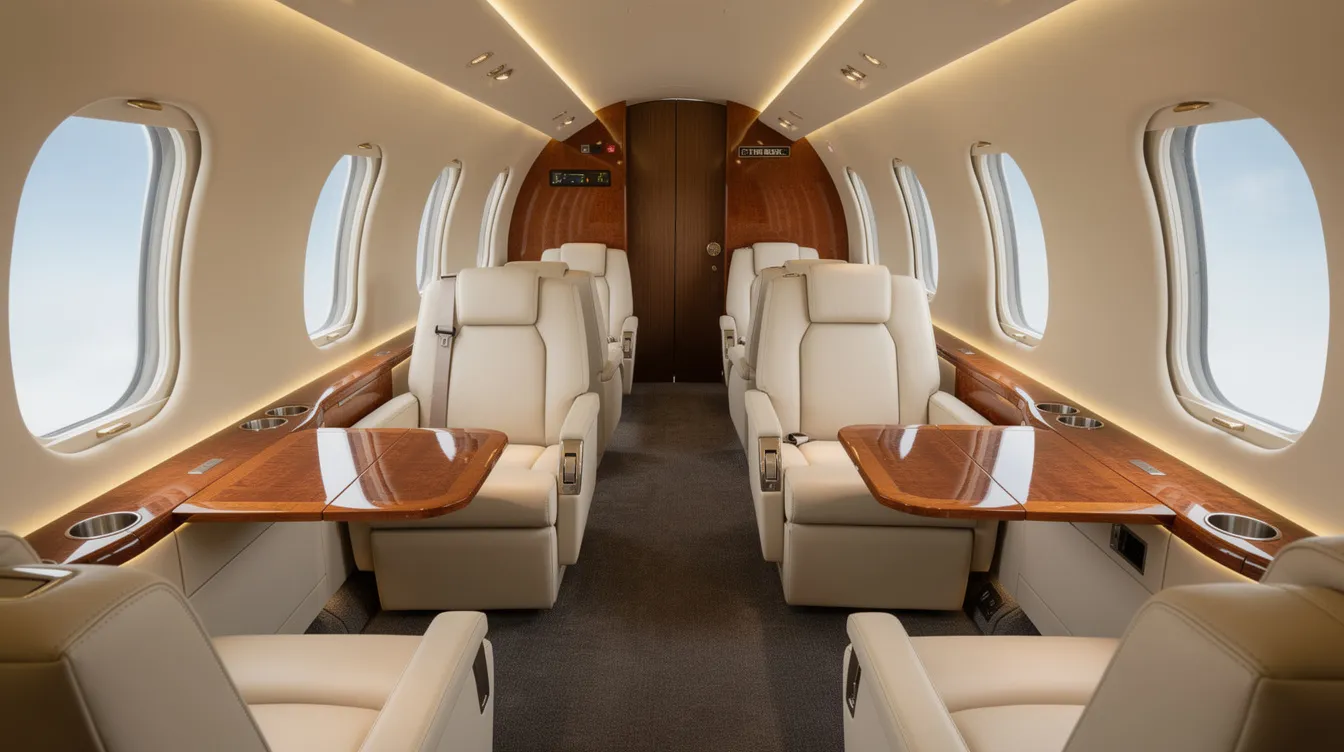
Base hourly rates rarely tell the complete story. The total cost of a private jet charter includes not only the hourly rate but also additional fees such as landing fees, crew expenses, fuel surcharges, and applicable taxes, which can add 20-40% to the base rate. Additional fees can add 20% to 50% to the final bill of a private jet charter, depending on the specific mission requirements.
In the United States, federal excise tax and segment fees are mandated by law and apply equally to major charter brands and small aircraft operators holding an air carrier certificate under FAR Part 135. International missions layer on additional head taxes and handling requirements.
Fractional ownership and reserve-fleet style programs often present these components more predictably, bundling or capping some items for frequent flyers rather than repricing each trip from scratch, and tools that explain the total cost of fractional jet ownership can help benchmark these structures against ad-hoc charter.
Federal Excise Tax (FET): 7.5% applied to all domestic flights within the US on the base fare.
Segment fees: Approximately $4.50 per passenger per leg (around $4.80 in 2025–2026).
Round-trips and multi-leg itineraries multiply these charges. International flights trigger additional charges:
International head taxes on flights departing or arriving in the U.S.
Specific levies on routes involving Alaska or Hawaii
Per-passenger charges typically ranging $10–$25
Additional costs associated with chartering jets may include international handling fees for customs clearance, overflight permits, and landing authorizations at foreign airports.
Travelers should ensure quotes clearly itemize these taxes to compare charter offers and ownership models on a like-for-like basis. A quote that appears lower may simply be excluding mandatory charges.
Each airport sets its own landing fee schedule, usually based on aircraft weight and type.
Fee Type | Typical Range (2026) |
|---|---|
Airport landing fees | $100–$1,500 per flight |
FBO ramp/handling fees | $150–$500 per visit |
Small regional airports may charge under $200 per landing, while major hubs can exceed $1,500. FBOs may waive or reduce handling charges if the charter operator purchases a minimum fuel quantity—often 200–500 gallons.
Regional airports often provide more favorable fee structures than congested hubs, making them attractive alternatives for private charter when they serve the same market area. Smaller airports also typically offer faster processing and shorter taxi times, which is part of the appeal behind regionally focused fractional jet ownership in Atlanta and fractional jet ownership in Pittsburgh for local businesses and frequent travelers.
BlackJet’s operations and partner agreements can help optimize these costs for fractional owners, who benefit from consistent usage patterns and negotiated terms developed over time.
If a mission requires the crew to remain overnight away from their base, charter clients are billed accordingly.
Fee Type | Typical Range (2026) |
|---|---|
Crew overnight fees | $200–$600 per crew member |
Hangar fees | $500–$1,500 per day |
De-icing | $1,500–$15,000 per event |
A two-pilot crew staying overnight in Manhattan might add $800–$1,200 to the trip cost. Hangar fees are particularly relevant during the winter months. De-icing costs depend on aircraft size, fluid type, and local weather conditions.
BlackJet can help owners plan around seasonal weather patterns and select home bases that balance hangar fees, deicing requirements, availability, and convenience—considerations that ad-hoc charter clients address on a trip-by-trip basis—while relying on highly trained pilots and crews to execute flights safely and consistently.
Many charter contracts incorporate fuel adjustment clauses. Fuel surcharges may apply when fuel prices exceed a certain threshold, typically starting at around $300 per hour above a baseline Jet-A price.
Fee Type | Typical Range (2026) |
|---|---|
Fuel surcharges | $600–$1,000+ per hour |
Short leg minimums | 1.0–1.5 billable hours/leg |
Daily minimums | 2–3+ billable hours/day |
Short leg fees exist because takeoff and landing cycles drive disproportionate fuel burn and maintenance costs regardless of flight duration. Daily minimum usage requirements further impact short business trips.
BlackJet’s fractional ownership model defines contracted hourly usage and costs upfront, giving clients clearer cost per hour across the year and eliminating many of these per-trip minimum calculations.
Beyond mandatory costs, optional services add convenience at additional expense:
Custom catering: $250–$2,000+ per leg, depending on menu (basic continental to multi-course gourmet)
Ground transportation: Chauffeured vehicles at $200–$1,000+ per transfer,r depending on vehicle type and market
Hotel arrangements: Coordinated through charter operator or FBO concierge
Special event coordination: Custom logistics for business meetings, family events, or VIP arrivals
These services are usually quoted in advance but can change with last-minute requests. Travelers should always confirm whether concierge support is included in the base quote or billed separately.
BlackJet can integrate preferred hotel brands, car services, and catering standards into an owner’s profile, streamlining trip planning and reducing per-flight friction. The emphasis is on reliability and professional coordination rather than endless upselling.
This section provides a high-level “rate card” overview. Actual quotes vary by charter operator, specific aircraft, and timing, but these ranges reflect typical 2026 U.S. and transatlantic charter markets. For travelers seeking to understand private jet prices, online cost estimators and comparison tools can provide a comprehensive look at market rates across various aircraft types.
Each category below describes mission profiles, seat counts, approximate hourly rates, and example city-pair costs. This breakdown also helps readers compare charter pricing to the effective hourly cost of fractional jet ownership through BlackJet’s programs.
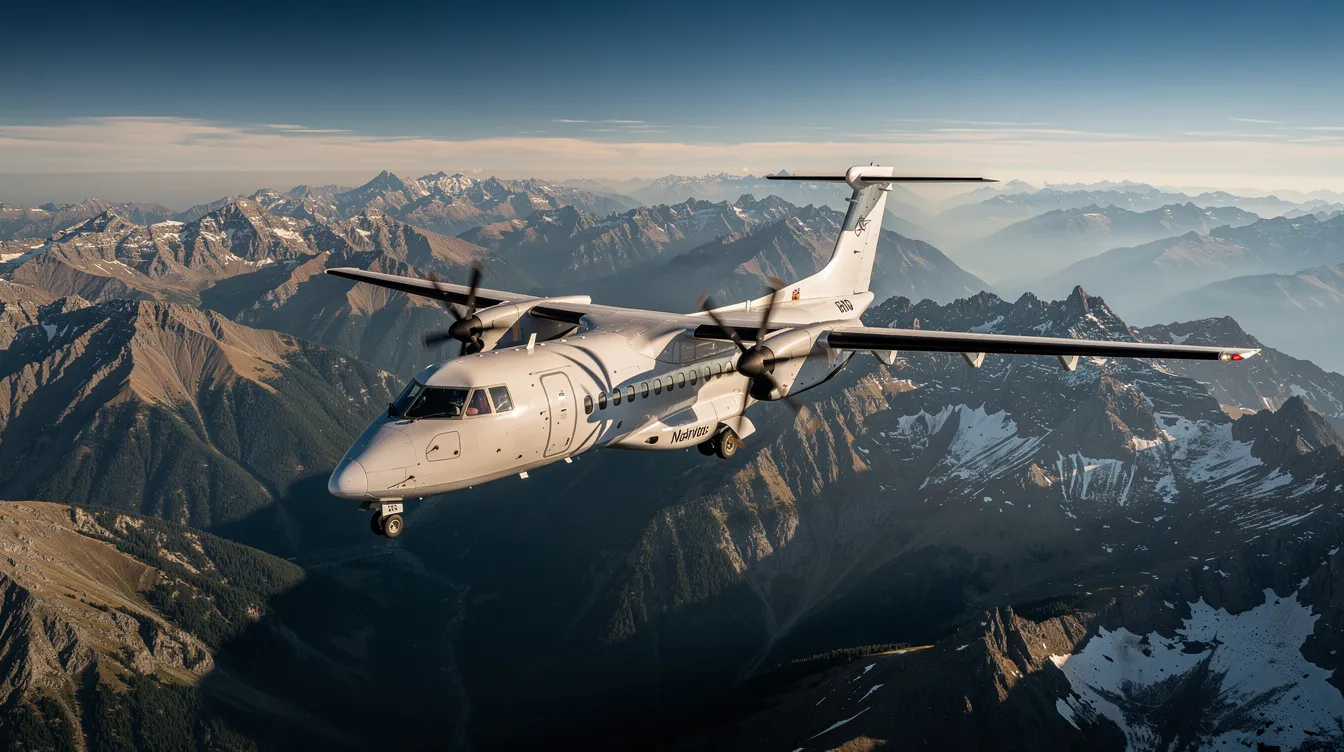
Turboprops and Very Light Jets (VLJs) represent the most affordable entry point into private aviation, with hourly rates running from $1,200 to $2,500 for turboprops and $2,200–$3,000 for VLJs.
Turboprops like the Pilatus PC-12 and King Air 350 seat 6–9 passengers with ranges up to 1,500 nautical miles. They excel at regional missions, particularly to smaller airports with shorter runways that can’t accommodate jets. Cruise speeds around 280 knots make them slower than jets, but highly efficient for distances under 500 miles.
Very light jets like the Embraer Phenom 100 and HondaJet offer jet speed in a compact 4–5 seat package, with ranges around 1,200 nm and hourly rates of $2,200–$3,000.
A 2-hour flight from Los Angeles to Napa Valley in a PC-12 costs approximately $4,000–$6,000 before taxes and fees—ideal for wine country getaways, regional business visits, or site inspections at secondary market locations.
This category suits family trips, executive site visits, and regional corporate hops where speed is less critical than access and economy. Fractional ownership can secure similar aircraft on predictable terms for clients with recurring regional travel needs, particularly in high-performance turboprops like the TBM 850 fractional ownership programs.
Light jets are the most popular charter category for domestic trips under three hours, with hourly rates ranging from $2,600 to $3,500. Popular models include:
Cessna Citation CJ3+ (6–7 seats, ~2,000 nm range)
Embraer Phenom 300 (7–8 seats, ~2,000 nm range)
Learjet 75 (8 seats, ~2,000 nm range)
These aircraft balance cabin comfort, runway flexibility, and operating costs effectively for most domestic U.S. missions.
A New York–Miami trip (~2.5 hours) costs approximately $9,000–$13,000 one-way before federal taxes and airport charges. Flying commercial on the same route might cost $500–$1,500 per person, but a light jet carrying 4–6 passengers offers significant time savings and convenience.
Light jet costs make this category accessible for business travelers, families, and small groups flying mission distances between 00–1,500 miles. For clients flying this type of mission monthly, a fractional share in a comparable light jet may offer a lower effective cost per hour and guaranteed availability versus repeated charter bookings.
Midsize jets, including models like the Hawker 800XP and Citation XLS, seat 8 to 10 passengers and can handle routes over 2,500 nautical miles, with hourly rates running from $3,500 to $5,500. These aircraft serve as the workhorses for transcontinental U.S. travel and medium-haul international trips.
Super midsize jets like the Citation Latitude, Challenger 3500, and Praetor 500 extend range to 3,200–4,000 nm with 8–10 seat configurations and hourly rates of $5,500–$7,500. They offer stand-up cabins, enhanced baggage capacity, and improved amenities for longer missions, similar in role to fractional shares of the Falcon 2000EX for travelers seeking super midsize capability.
Dallas–San Francisco round trip (approximately 5 hours total flight time): $30,000–$45,000 on a midsize jet
New York–Los Angeles one-way (approximately 5 hours): $28,000–$40,000 on a super midsize jet, with pricing varying by demand and exact aircraft type
The average cost to charter a private jet in the United States falls between $5,000 and $10,000 for a typical 2-hour domestic flight on a midsize jet, including base hourly rates and additional fees.
Many BlackJet Equity Fleet clients choose fractional shares in this category for 25–100 hours per year of predictable business travel, valuing the same aircraft consistency and guaranteed availability over charter variability.
Heavy jets, such as the Gulfstream G450 and Challenger 605, can carry 10 to 16 passengers and have hourly rates that span from $8,000 to $14,000. These aircraft offer true long-range capability with luxurious cabins featuring full galleys, private lavatories, and sleeping accommodations.
Ultra-long-range jets are capable of flying non-stop on intercontinental routes, typically accommodating 10 to 16 passengers and offering luxurious amenities. Models like the Gulfstream G650, G700, and Bombardier Global 7500 can fly New York to Dubai or Los Angeles to Tokyo without fuel stops.
Transatlantic New York–London on a long-range heavy jet (6–7 hours): $120,000–$160,000 all-in
Multi-stop Europe–Middle East itinerary on a Boeing Business Jet: $350,000+
VIP airliners convert commercial aircraft (BBJ, ACJ) into ultra-premium private configurations with hourly rates exceeding $16,000–$25,000. These serve heads of state, major corporations, and ultra-high-net-worth families requiring extensive delegation capacity and a global, non-stop range.
For organizations or families with recurring intercontinental itineraries, BlackJet can structure custom fractional or partnership solutions delivering more control, consistency, and potential tax efficiency than repeatedly chartering heavy jets on the open market.
On-demand charter is ideal for occasional travelers who need private jet service a few times per year without an ongoing commitment. However, frequent flyers booking 25–150 hours annually often benefit from structured programs that provide rate stability, guaranteed availability, and operational consistency. When considering private jet charter rates, travelers should weigh the flexibility and cost considerations of chartering versus owning a personal aircraft for business or leisure travel, as chartering often provides access to a wider range of aircraft models without the long-term financial and operational responsibilities of ownership.
This section compares on-demand charter, jet cards, and fractional aircraft ownership, with emphasis on BlackJet’s Equity Fleet and Reserve Fleet offerings. Key decision factors include:
Price per hour and total annual cost
Predictability and rate protection
Tax treatment and depreciation benefits
Capital commitment and liquidity
Operational control (scheduling, aircraft type, upgrade options)
Sharing the cost of a private jet charter with fellow passengers can reduce expenses significantly, with savings of 40-70% compared to flying solo—but this only works when co-travelers share the same itinerary, which limits practical application for most business travel.
On-demand charter provides pay-per-trip access to the open market. Each booking is priced independently based on aircraft availability, positioning requirements, and seasonal demand. Many providers now offer on-demand flights through digital platforms, allowing travelers to instantly book private and charter flights with real-time pricing and availability. Benefits include:
Zero long-term commitment
Flexibility to select different aircraft categories per trip
No capital investment or monthly fees
Drawbacks include rate volatility, availability uncertainty during peak periods, and the cumulative burden of positioning fees, taxes, and surcharges that must be negotiated trip by trip.
Jet cards function as pre-paid blocks of hours, typically requiring deposits of $50,000–$500,000. Utilizing membership programs or jet cards can provide fixed hourly rates and guaranteed availability, making private jet travel more predictable and potentially more economical for frequent flyers.
Jet cards reduce rate volatility and blackout risks compared to pure on-demand private charter, but most programs still lack the ownership benefits—such as potential bonus depreciation—available through fractional aircraft shares. Cards also typically require committing capital upfront without equity in an asset, which is why many travelers compare fractional jet ownership vs membership programs before committing.
BlackJet positions its Reserve Fleet as a flexible solution that offers many of the predictability advantages of jet cards without the same level of upfront capital lock-in, creating a bridge between pure charter and full ownership.
Fractional jet ownership involves buying a share of a specific aircraft—commonly 1/16th or 1/8th interest—which entitles the owner to a set number of hours per year, typically between 25 and 150 hours depending on share size.
BlackJet’s Equity Fleet model sources and manages aircraft on behalf of owners, delivering financing structures that can be aligned with the costs and benefits of fractional jet ownership financing:
Priority access and guaranteed availability
Consistent aircraft quality and cabin configuration
Potential U.S. tax advantages, including accelerated depreciation when structured appropriately with qualified tax advisors
Professional management handling crew, maintenance, regulatory compliance, and scheduling
The typical cost structure includes, alongside potential tax implications for fractional jet owners:
Acquisition cost for the fractional share (e.g., $500,000–$2,000,00,0+ depending on aircraft category and share size)
Fixed monthly management fees covering overhead, crew, insurance, and administration (typically $10,000–$30,000/month)
Occupied hourly rate for actual flight time (often 20–40% below equivalent peak charter rates)
When comparing fractional ownership to chartering, it is important to consider all factors that contribute to the total private jet cost, including acquisition, management, and operational expenses, to ensure a transparent understanding of the overall investment, ideally using a framework that breaks down the complete cost of fractional jet ownership.
Key benefits over repeated charter include guaranteed or priority availability, consistent aircraft quality, predictable budgeting over 3–5 year horizons, and avoidance of many repositioning fees and short-leg penalties common in ad-hoc flying private scenarios; a solid grasp of the key terms in fractional jet ownership and how providers calculate the total cost of fractional jet ownership is essential to evaluating these advantages accurately.
For executives and business owners flying 40–60 hours per year on recurring city pairs, the effective cost per hour through fractional ownership often represents meaningful savings—potentially $100,000–$300,000 annually—compared to equivalent charter spend, especially when they treat fractional jet ownership as an investment with both financial and operational returns.
BlackJet’s Reserve Fleet concept provides shared-use access with no equity purchase, designed for travelers who want the efficiency and reliability of a managed fleet without full ownership commitments.
Under this model, BlackJet offers:
Defined hourly rates for specific aircraft categories
Service standards and scheduling rules
Predictable trip budgets compared to pure on-demand charter
Professional coordination without the capital and administrative requirements of ownership
Ideal use cases include:
Businesses are consolidating corporate travel onto a single program
Entrepreneurs with variable annual flight hours
Families testing private aviation before committing to an equity share
Organizations needing backup capacity beyond their owned fleet hours
A client currently spending $300,000+ per year on repeated private jet rental could potentially reduce their effective hourly cost and increase trip-to-trip certainty through a BlackJet Reserve or Equity Fleet solution, depending on usage patterns and priorities, and should also understand both the sample contracts that govern aircraft fractional ownership and the process for selling a fractional jet ownership share if their needs change over time.
Once a traveler crosses roughly 25–50 flight hours per year, pure charter often ceases to be the most efficient approach. Usage thresholds provide helpful guidance:
Below ~25 hours/year: Charter typically makes sense. Fixed costs of ownership would exceed variable charter spend.
25–150 hours/year: Fractional ownership or structured membership programs often provide stronger value, particularly for consistent routing patterns.
Above 150 hours/year: Larger equity stakes or whole aircraft ownership may warrant evaluation, depending on mission complexity.
Unpredictable charter rates, peak-season surcharges, and frequent aircraft positioning fees cause “rate shock” that fractional programs are specifically designed to minimize, particularly when you understand the cost of fractional jet ownership over a multi-year horizon. A business owner chartering a light jet for monthly New York–Miami trips might pay $12,000–$18,000 per flight during normal periods but $16,000–$24,000 during Thanksgiving week. Over a year, that volatility compounds significantly.
Fractional ownership provides:
Rate stability regardless of market demand
Priority booking during peak periods
Consistent aircraft—same cabin, same configuration, same standards
No repositioning fees within normal operating areas
Potential tax benefits (depreciation, business use deductions when appropriately structured)
When evaluating the decision, think in multi-year horizons. A 3–5 year comparison of projected charter invoices versus planned BlackJet fractional costs often reveals break-even points earlier than expected, particularly when factoring in time savings from simplified booking and guaranteed availability; for many, a 1/8th fractional jet ownership share offers an attractive middle ground of roughly 100 hours per year.
The goal is not simply to rent a private jet at the lowest possible cost but to establish a sustainable private aviation strategy that balances cost efficiency with operational reliability, including appropriate liability coverage for fractional jet ownership when shared aircraft solutions are part of that strategy.
Not all charter quotes are formatted identically, making direct comparisons difficult without a consistent framework. Operators may present all-inclusive pricing, itemized breakdowns, or something in between.
Request fully itemized quotes showing:
Base hourly rate and aircraft type
Estimated flight hours (including taxi time)
Positioning legs and associated costs
Federal excise tax and segment fees
Airport landing fees and handling charges
Fuel surcharges, if applicable
Crew overnight costs if required
Optional services quoted separately
Compare at least two or three different operators or brokers for significant trips. Benchmark those offers against a projected fractional or Reserve Fleet cost per hour to understand the relative value of each option.
Verify safety and regulatory compliance:
Confirm a valid FAR Part 135 or applicable international air carrier certificate
Check third-party safety ratings (ARGUS, Wyvern, IS-BAO)
Ensure operator insurance meets industry standards
Verify that the same aircraft quoted will actually operate the flight
Watch for hidden costs: A quote that appears $2,000 lower than a competitor might exclude FET, use aggressive flight time estimates, or assume no positioning—all of which change the final invoice substantially.
Document 12 months of actual charter spending—including all taxes, fees, and add-ons—to provide the baseline for an accurate comparison with BlackJet’s structured programs.

The private jet charter industry is poised for continued growth and transformation in 2026, fueled by evolving traveler expectations and technological innovation. One of the most significant trends is the increasing popularity of empty leg flights, which allow savvy travelers to access private jet travel at a fraction of the standard private jet charter costs. These discounted flights, available when an aircraft is repositioning without passengers, offer a cost-effective way to experience the benefits of flying private—provided you have flexibility in your schedule.
Digitalization is also reshaping the private aviation landscape. Online marketplaces and booking platforms now make it easier than ever to compare private jet charter prices, check aircraft availability, and secure charter flights with just a few clicks. This transparency empowers customers to make smarter choices, whether they’re looking to charter a private jet for a single trip or considering longer-term solutions like jet membership programs or fractional ownership.
Looking ahead, the industry faces both opportunities and challenges. Rising fuel surcharges and increased regulatory oversight—such as stricter federal aviation administration requirements and environmental standards—are likely to impact private jet rental prices and operational costs. At the same time, competition among charter operators and aircraft operators is intensifying, driving innovation in service offerings and pricing models.
Sustainability is becoming a central focus, with more operators investing in eco-friendly aircraft, carbon offset programs, and greener operational practices. The adoption of artificial intelligence and advanced data analytics is set to further optimize flight scheduling, aircraft positioning, and maintenance, reducing hidden costs and improving the overall customer experience.
For frequent flyers and businesses, these trends mean greater access to a wider range of aircraft types, more competitive private jet rental cost structures, and enhanced flexibility in how they charter a private jet. As the market matures, expect to see continued emphasis on personalized service, transparent charter costs, and innovative solutions that make private jet travel more accessible and efficient than ever before.
The primary factors include the aircraft category, flight distance and duration, scheduling demand and seasonality, and mission logistics such as airport fees, crew overnight stays, and special service requests.
Additional fees such as landing charges, fuel surcharges, crew expenses, and taxes typically add 20% to 50% on top of the hourly base rate, depending on the mission specifics.
Yes, empty leg flights offer discounted rates for one-way repositioning flights, sometimes reducing costs by 25% to 75%. However, they require flexibility in timing and routing.
Fractional ownership generally becomes more economical for travelers flying between 25 and 150 hours annually, offering rate stability, guaranteed availability, and potential tax benefits.
Hourly rates range from $1,800–$2,800 for turboprops, $2,800–$3,800 for light jets, $3,800–$5,500 for midsize jets, up to $8,000–$14,000+ for heavy and long-range jets, with VIP airliners commanding even higher rates.
Booking 2–4 weeks ahead of peak holiday periods and major events can help secure better pricing and availability, reducing the likelihood of 20%–40% seasonal surcharges.
Yes, custom catering, in-flight Wi-Fi, pet transport, and other special services are available but add incremental costs ranging from a few hundred to several thousand dollars per flight.
The base hourly rate usually covers the aircraft, crew salaries, insurance, and standard fuel consumption but excludes taxes, airport fees, repositioning charges, and optional services.
If the aircraft must fly empty to your departure airport, repositioning fees apply, potentially adding several thousand dollars depending on distance and aircraft type.
Fractional ownership can offer accelerated depreciation and business use deductions when structured properly, which are not available with on-demand charter flights.
Private jet charter rates in 2026 are highly variable, reflecting market conditions, aircraft availability, and mission-specific factors that create pricing uncertainty from trip to trip. Understanding aircraft categories, fee structures, and usage patterns allows travelers to make informed decisions about when ad-hoc charter makes sense and when structured ownership becomes the more efficient path forward.
For those flying 25–150 hours annually, the predictability and potential savings of fractional ownership often outweigh the flexibility of on-demand private jet rental prices, especially when evaluated against the best fractional jet ownership programs for smart investors. BlackJet Fractional Jet Ownership specializes in helping clients convert unpredictable charter spend into a structured, efficient ownership or shared-use strategy through its Equity Fleet and Reserve Fleet programs.
The right private aviation approach depends on your specific usage patterns, budget priorities, and need for consistency. Rather than navigating charter costs trip by trip, a fractional solution provides the control and reliability that frequent flyers value most, and tools that help you compare fractional jet ownership programs can clarify which structure best fits your needs.
Ready to explore the smarter way to fly private? Visit FractionalJetOwnership.com to request a personalized cost comparison between your current charter usage and a BlackJet Equity Fleet or Reserve Fleet program. Schedule a confidential consultation where BlackJet can model your real-world itineraries, estimate effective hourly costs, and outline potential tax benefits in collaboration with your financial advisors.
