
May 2, 2026
The purchase price of a private jet can range from $2 million to over $110 million, depending on factors such as size, model, and features. Add annual operating costs of $500,000 to well over $2 million, and it becomes clear that owning a private jet is a serious financial commitment. Owning your own private jet allows for extensive customization—such as adding a kitchen, office, or workout space—and provides unmatched privacy and confidentiality, making it especially appealing for high-profile individuals seeking security and exclusivity. For those flying fewer than 200 hours annually, chartering or fractional ownership may be more appropriate than full ownership due to lower costs and commitments. This guide breaks down exactly what it costs to buy and operate a private jet in 2026—and explains why fractional jet ownership through BlackJet often delivers the same benefits at a fraction of the total cost.
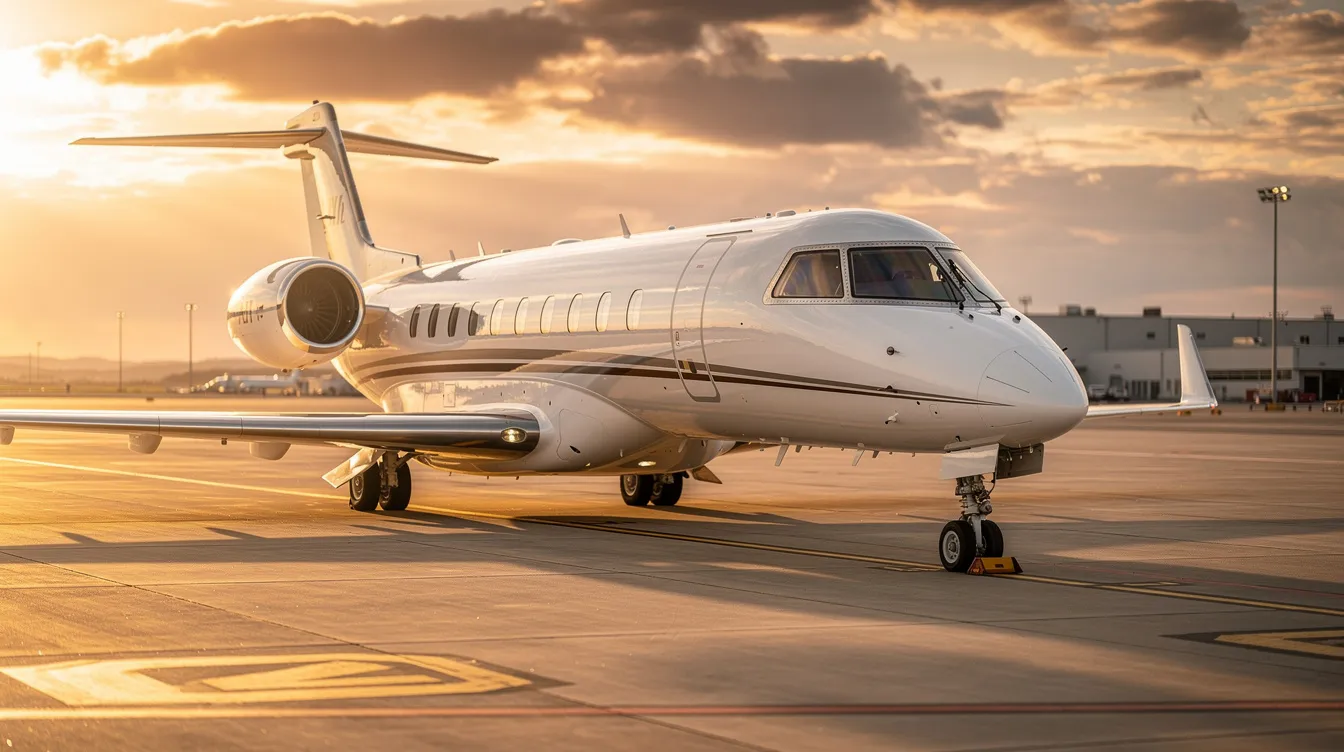
Jet purchase prices vary dramatically based on aircraft type, range capability, manufacturer brand, and whether the aircraft is new or pre-owned. Here are the current market ranges:
Very Light Jets (VLJs) Very Light Jets are the most affordable entry point into jet ownership, with prices typically ranging from $2 million to $5 million for new models. The Cirrus Vision Jet SF50 represents the entry-level option for private jet owners seeking to own their own jet.
Light Jets Light jets, such as the Cessna Citation Mustang and Embraer Phenom 100, offer a balance of luxury, comfort, and affordability, with prices ranging from $3 million to $9 million for new models. A new light jet like the Embraer Phenom 300E or Cessna Citation CJ4 Gen2 lists around $7–$10 million.
Midsize Jets Midsize jets, which include models like the Learjet 75 and Citation Longitude, typically range from $5 million to $30 million, providing more space and intercontinental range compared to light jets. Mid-size jets generally range from $10M to $25M.
Large and Ultra-Long-Range Jets Large jets, such as the Gulfstream G650 and Bombardier Global 7500, can cost between $25 million and $100 million or more, offering advanced technology and spacious cabins for long-distance travel. Heavy/Ultra-Long-Range Jets cost between $25M and $100M+. New light jets typically cost between $3 million and $9 million, while new large jets can range from $25 million to over $100 million.
Pre-owned aircraft typically sell for 20–50% less than new models, but the purchase price is only the entry ticket—the total cost of ownership over five to ten years often equals several million dollars beyond acquisition.
Choosing between new and used aircraft can change acquisition cost by millions and significantly affect long-term economics.
Factory warranties covering the first 5–7 years
Latest avionics and safety systems (Garmin G5000, Honeywell Primus Epic)
Better fuel efficiency from modern jet engine technology
Lower immediate maintenance exposure
Pre-Owned Trade-offs: Pre-owned private jets can be significantly cheaper, often costing 20-50% less than new models, making them a viable option for budget-conscious buyers. Pre-owned private jets generally sell for 20% to 50% less than their new counterparts, but still command several million dollars depending on age and condition.
However, older jets often require:
Cabin refurbishment ($250,000–$2 million+)
Avionics upgrades for regulatory compliance
Engine program enrollment or hot-section inspections
Older aircraft models may require upgrades to meet modern regulations and comfort standards. A pre-buy inspection is essential before purchasing any pre-owned aircraft.
Depreciation Reality: Private jets typically depreciate 10% in the first year and 5% annually thereafter. After 8–10 years, depreciation slows if the aircraft is well-maintained and enrolled in recognized engine programs. This depreciation pattern is one reason many clients choose fractional ownership—they avoid capital depreciation risk entirely.
Two business jets of the same age can vary by millions due to configuration, history, and market timing. Key factors include:
Aircraft size and range: Cabin volume (seating 6 vs. 14+ passengers) and design range (1,500 vs. 7,500+ nautical miles) directly affect pricing. A private aircraft that can fly longer distances commands higher prices.
Manufacturer and model: Brand reputation affects resale values. Gulfstream typically lists 5–15% higher than comparable Bombardier or Embraer offerings.
Age, flight hours, and cycles: Lower total time commands premiums. Each additional 1,000 hours typically corresponds to 2–4% depreciation.
Avionics and cabin configuration: Modern flight decks and spacious cabin interiors with connectivity raise value significantly.
Engine programs: Enrollment in JSSI or manufacturer programs improves resale by 10–25% and makes ongoing costs more predictable.
Market demand: Long OEM backlogs push up prices for late-model aircraft.
Other factors, such as ongoing maintenance, fuel costs, crew expenses, insurance, and hangarage,e also play a significant role in determining the total cost of private jet ownership, and many buyers compare these to the overall cost of fractional jet ownership.
Acquisition costs also include additional expenses like legal fees, pre-purchase inspections, and brokerage fees—often adding hundreds of thousands to the final transaction.
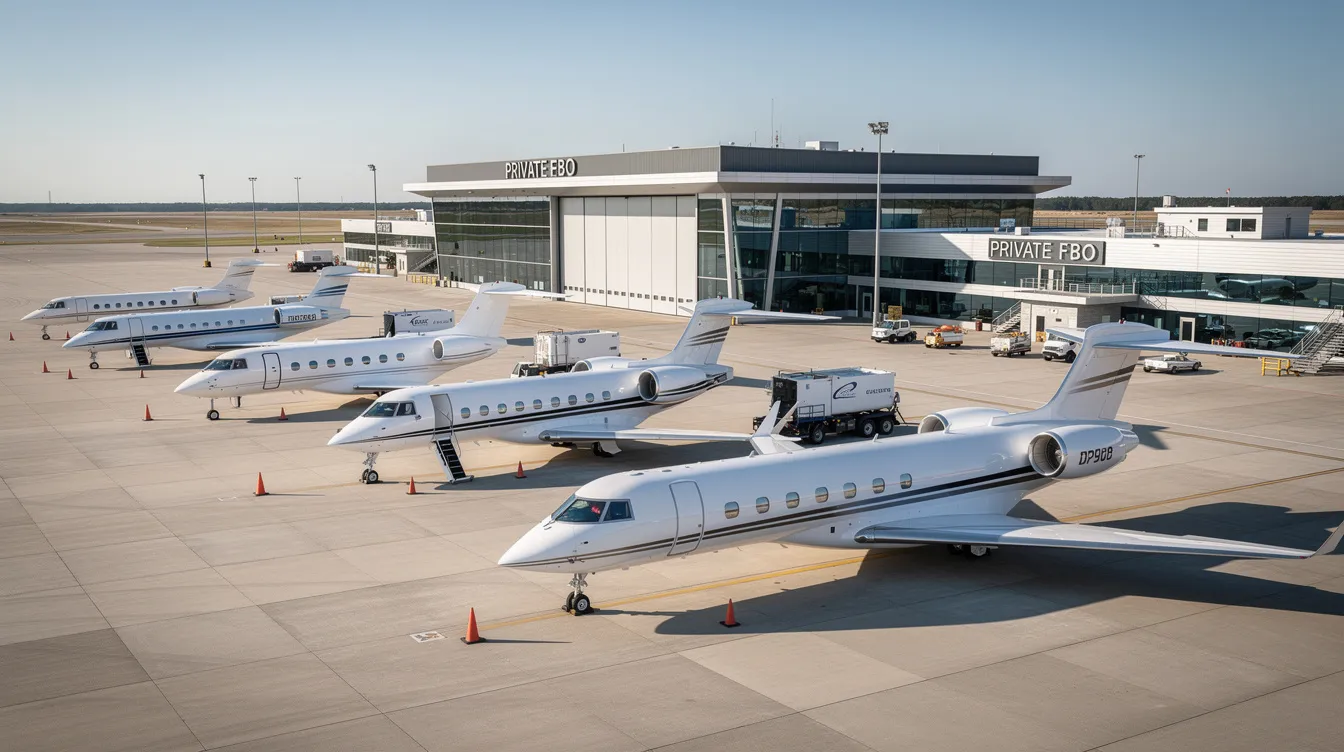
Beyond the purchase price, private jet owners must budget from roughly $500,000 to over $3 million per year, ar depending on aircraft type and usage. Annual recurring costs for private jet operations typically range from $500,000 to $1,000,000, depending on the aircraft type and age.
Fixed costs for ownership include salaries for crew, hangar storage, and insurance, regardless of flight time:
Expense Category | Annual Range |
|---|---|
Hangar/Storage | $15,000–$200,000+ |
Crew Salaries | $150,000–$600,000+ |
Insurance | 1–3% of hull value |
Management/Subscriptions | $20,000–$100,000 |
Annual hangar fees range from $15,000 to $200,000+, depending on jet size and airport location. Storage costs in major markets like New York or Los Angeles regularly exceed $75,000 annually.
Crew salaries are the highest fixed cost, typically ranging from $150,000 to $600,000+ per year for pilots and attendants. Crew costs for a midsize jet with a captain and a first officer commonly reach $300,000–$500,000 annually, making crew expense a significant line item.
Insurance typically costs 1% to 3% of the aircraft’s hull value, which can range from $10,000 to $500,000 annually. Private jet insurance for a $15 million midsize jet might run $150,000–$450,000 per year.
Operating costs fluctuate based on usage and include expenses for fuel, maintenance, landing fees, and handling charges. Hourly cost bands by aircraft category:
Light jets: $1,200–$2,000 per flight hour
Midsize jets: $2,000–$3,500 per hour
Large cabin jets: $3,500–$6,000+ per hour
Fuel expenses are the highest variable costs, accounting for often 25% to 35% of operating costs, with rates ranging from $300 to $3,500+ per hour. Jet fuel prices fluctuate based on location and global markets. Fuel costs represent a significant portion of operating expenses, with prices fluctuating based on local market conditions; for example, a light jet can cost up to $275,000 per year if flown 250 hours at a fuel price of $5.00 per gallon.
Maintenance should budget approximately 2% to 10% of the aircraft’s value annually for inspections and repairs. An engine overhaul alone can cost $1–$2 million per engine. Maintenance costs for private jets can escalate to between $500,000 and $1,000,000 annually, particularly for older pre-owned aircraft that may require more frequent repairs. Unplanned maintenance events can create budget shocks, which is why many owners establish maintenance reserves accrued on an hourly basis.
In the U.S., a 7.5% Federal Excise Tax applies to domestic flights, along with potential state-specific property taxes, and other expenses that add to ownership costs.
The economic sweet spot for owning a private jet depends on annual flight hours, aircraft size, and capital preferences.
Light and midsize jets: Full ownership becomes economical at roughly 200–250+ flight hours annually
Large cabin jets: More often make sense at 300+ hours, especially for intercontinental missions
It is advised to own a private jet only if flying at least 150 to 200 hours per year. Below these thresholds, alternatives like fractional ownership, jet cards, or charter typically deliver lower all-in costs with less risk.
Example Scenario: A business owner flying 80–100 hours annually would likely benefit from fractional ownership or a Reserve-style membership. The fixed costs of full ownership would make each flight hour prohibitively expensive. Conversely, a corporation flying 350+ hours might find full private jet ownership more economical—though operational complexity remains significant.
Buying a private jet has higher upfront costs and ongoing maintenance costs, while chartering allows users to pay an hourly fee for usage without the responsibilities of ownership; many high-net-worth individuals therefore view fractional jet ownership as an investment that balances capital outlay and flexibility.
First-time buyers often underestimate indirect ownership costs:
Refurbishment and customization: Cabin reconfigurations, new seating, and connectivity packages rufrom $250,00000 to several million dollars
Regulatory upgrades: Avionics compliance (ADS-B, FANS, CPDLC for international operations) adds six-figure sums over the aircraft’s life
Downtime and replacement lift: Heavy checks require 1–4 weeks, often necessitating supplemental charter at $10,000–$30,000 per flight
Depreciation and opportunity cost: Capital tied up in a jet losing 20–30% in five years could otherwise generate investment returns
Organizational overhead: Managing crews, scheduling, and regulatory compliance requires dedicated resources or management company fees of $100,000–$300,000+ annually
These ownership costs extend far beyond the original aircraft price and explain why many factors influence the true cost of owning a private jet, prompting some travelers to analyze the total cost of fractional jet ownership as an alternative.
Many individuals want the benefits of flying private without assuming 100% of the capital and operational burden. Options include:
On-Demand Charter Chartering a private jet can eliminate the congestion and delays associated with commercial flight terminals, providing a more convenient travel experience. Charter is ideal for frequent flyers under 50–75 hours annually who value flexibility, including those based in major hubs such as Atlanta, fractional ownership, and charter markets.
Jet Cards and Memberships Charter flight memberships provide an alternative to ownership, allowing individuals to access a fleet of private jets for a fee, which includes flight booking assistance and flexible travel options. Jet cards offer prepaid hours at fixed rates, typically starting at 25 hours annually, and are especially popular in leisure and business markets like Orlando’s fractional and membership ecosystem.
Leasing a private jet is a popular option for those who fly 50 hours or more annually, allowing users to enjoy ownership benefits without the long-term financial commitment of purchasing a jet. Many lenders, including traditional banks and aviation lenders, offer personal loans for private jet financing, with terms and interest rates influenced by factors such as the aircraft’s age, make/model, and down payment, and regional markets like Pittsburgh’s fractional ownership offerings often combine leasing and shared-ownership solutions.
Fractional Ownership: Buying a share of an aircraft fleet provides guaranteed availability while sharing capital, crew, maintenance, and hangar expenses. For users flying 25–150 hours annually, fractional aircraft ownership often proves significantly more economical than purchasing a whole private plane, especially when structured as 1/8 fractional jet ownership or similar share size,s and when you understand the full cost structure of fractional programs.
Fractional ownership allows clients to “own just the part they actually use,” and understanding key fractional jet ownership terms helps clarify how these programs are structured. Here’s how it compares:
Factor | Full Ownership | Fractional Ownership | |
|---|---|---|---|
Capital Outlay | 100% ($8M–$70M+) | Proportional share (1/16–1/4) | |
Operating Costs | Variable, unpredictable | Predictable monthly fees + hourly rates | |
Maintenance Risk | The owner absorbs all costs | The operator | or manages and absorbs |
Access | Unlimited (single tail) | Guaranteed hours across fleet | |
Fleet Flexibility | One aircraft type | Multiple sizes available |
Fractional owners avoid variable costs surprises and landing fees complexity while gaining access to private aviation without managing their own flight department. They can access smaller airports, just like full owners, while the operator handles crew, scheduling, and other maintenance requirements, often through flexible, floating-fleet fractional ownership models.
BlackJet’s Two Models
Reserve Fleet: Pay-as-you-go hours with no ownership stake—ideal for flexibility and lower commitment
Equity Fleet: True fractional shares with priority access, predictable scheduling, and potential tax advantages for fractional jet owners
Both options eliminate the thousand dollars annually spent on management overhead and provide high-performance aircraft access without full ownership burden, and many clients use dedicated fractional jet ownership financing structures to further optimize cash flow.
BlackJet Fractional Jet Ownership serves as a strategic advisor, helping clients balance cost, control, and convenience through its suite of comparable fractional ownership, lease, and reserve programs:
Consultative evaluation: Analyzing historic and projected flight hours, mission profile requirements (domestic U.S. vs. transatlantic), and corporate or family usage patterns
Custom program design: Recommending Equity Fleet participation or Reserve Fleet access based on budget and flying needs
Scheduling and availability: Managing flight planning, aircraft allocation, and crew so clients don’t need internal flight departments, while BlackJet’s highly trained pilots and crews maintain safety and service standards
Integration with travel strategy: Supplementing existing commercial travel for executives or complementing limited full ownership
For clients flying shorter distances domestically or longer distances internationally, BlackJet matches aircraft capability to actual use—ensuring no one pays for capacity they don’t need, much like other top fractional jet ownership programs in the market.
How much does a small private jet cost to buy? A very light jet like the Cirrus Vision Jet costs $2–$4 million, while light jets range from $3–$9 million new. Pre-owned options in the pre-owned market can reduce costs by 20–50%, and some buyers instead opt for fractional ownership of a HondaJet or similar aircraft to lower capital requirements.
What is the cheapest private jet I can buy today? Entry-level options include the Cirrus Vision Jet ($2M+ n )o, lder pre-owned light jets like the Eclipse 500, available under $2 million, with higher prices for lower-time examples.
How much does it cost each year to own a private jet? Depending on aircraft type, expect $500,000–$1,000,000+ annually in fixed costs (hangar, insurance, crew) plus $1,000–$5,000+ per flight hour in fuel cost and variable operating costs, along with appropriate liability and insurance coverage considerations.
Is it cheaper to charter or to buy? Under approximately 200 flight hours annually, charter or fractional typically costs less per hour than full ownership when all fixed and variable costs are included, and comparing fractional ownership vs. membership programs can clarify which model best fits your flying profile.
When does fractional jet ownership make more sense than buying a whole jet? For those flying 25–150 hours annually, fractional ownership delivers guaranteed access with lower capital outlay, predictable costs, and no direct management burden—making it ideal for most high-net-worth individuals and corporations, provided the fractional ownership contract terms align with your exit, usage, and cost expectations.
Buying a private jet in 2026 requires not just the acquisition budget—from a few million to over $100 million—but also a clear plan for annual operating costs and utilization. The ongoing costs of owning a private jet, from crew salaries to fuel prices to maintenance reserves, quickly add up.
For many high-net-worth individuals and businesses flying 25–150 hours annually, fractional aircraft ownership or membership programs deliver a better balance of cost, flexibility, and predictability than full ownership. Rather than tying up several million dollars in a depreciating asset, fractional participants can operate efficiently while BlackJet handles the complexity.
Consider private aviation as an investment in time and productivity—then match the solution to actual flight needs, reviewing a sample fractional ownership contract in advance and planning how you might eventually sell a fractional jet ownership share if your travel patterns change.
Ready to explore the smarter way to fly private? Visit FractionalJetOwnership.com to learn how BlackJet’s Reserve Fleet and Equity Fleet options can transform your travel experience without the burden of full ownership.
