
May 1, 2026
Picture this: a Los Angeles-based founder needs reliable access to private jets for quarterly board meetings in Denver and investor visits in Austin. She’s tired of last-minute charter hassles and begins her search on Google for a permanent solution. Within hours, she discovers multiple paths forward—each with dramatically different capital requirements, operational complexity, and long-term commitment.
This guide is designed for business leaders, entrepreneurs, and high-net-worth individuals considering private jet ownership or alternative access models.
A private jet dealership specializes in sourcing, evaluating, negotiating, and closing transactions for both new and pre-owned business aircraft. These firms assist with acquisitions, including buying, trading, and facilitating like-kind exchanges as part of their comprehensive transaction services. With extensive experience in the industry, private jet dealerships provide clients with efficient processes, trusted transactions, and informed decision-making throughout the entire acquisition journey. BlackJet Fractional Jet Ownership works alongside traditional dealerships by offering fractional aircraft ownership and membership-style access for those who don’t need—or want—to operate an entire aircraft.
How private jet dealerships actually operate in 2026 market conditions
Which aircraft categories match different missions and passenger requirements
When full ownership makes sense versus fractional or membership programs
Key financial and tax considerations for business aviation decisions
How BlackJet’s Equity Fleet and Reserve Fleet complement dealership options
Private jet dealerships handle several core functions: inventory listings, aircraft sourcing from global networks, pre-purchase inspection coordination, pricing analysis based on market comparables, contract negotiation, and closing support. The best dealers maintain relationships with both manufacturers and independent sellers to access jets for sale across the world’s markets.
Accredited dealers in the private jet market must meet specific accreditation standards set by the International Aircraft Dealers Association (IADA), which includes sponsorship from current accredited dealers and undergoing a formal review process. IADA-accredited dealers adhere to a code of ethics, ensuring fully transparent transactions between dealer and buyer. The AircraftExchange platform exclusively lists aircraft by IADA-affiliated dealers, giving buyers confidence they’re working with verified professionals. As a trusted site for verified aircraft listings, AircraftExchange stands out for its authority, rigorous verification process, and unique features that differentiate it from other general listing sites.
Manufacturer-authorized dealers representing Gulfstream, Bombardier, or Textron Aviation often have priority access to inventory and factory support. Independent broker/dealers like Jetcraft offer a broader selection across all manufacturers. The dealer and broker network brings about successful aircraft sales by facilitating efficient transactions and maximizing value for both sellers and buyers. Brokers typically earn a commission on the final sale price, aligning their interests with completing a successful transaction. The aircraft sales process typically involves several key steps, including initial research, competitor analysis, and due diligence before finalizing a purchase or sale. Effective marketing strategies can reduce the average time to sell an aircraft to less than 90 days in some cases. Typical transaction timelines run 3–6 months from inquiry to delivery for pre-owned jets in 2025–2026 conditions.
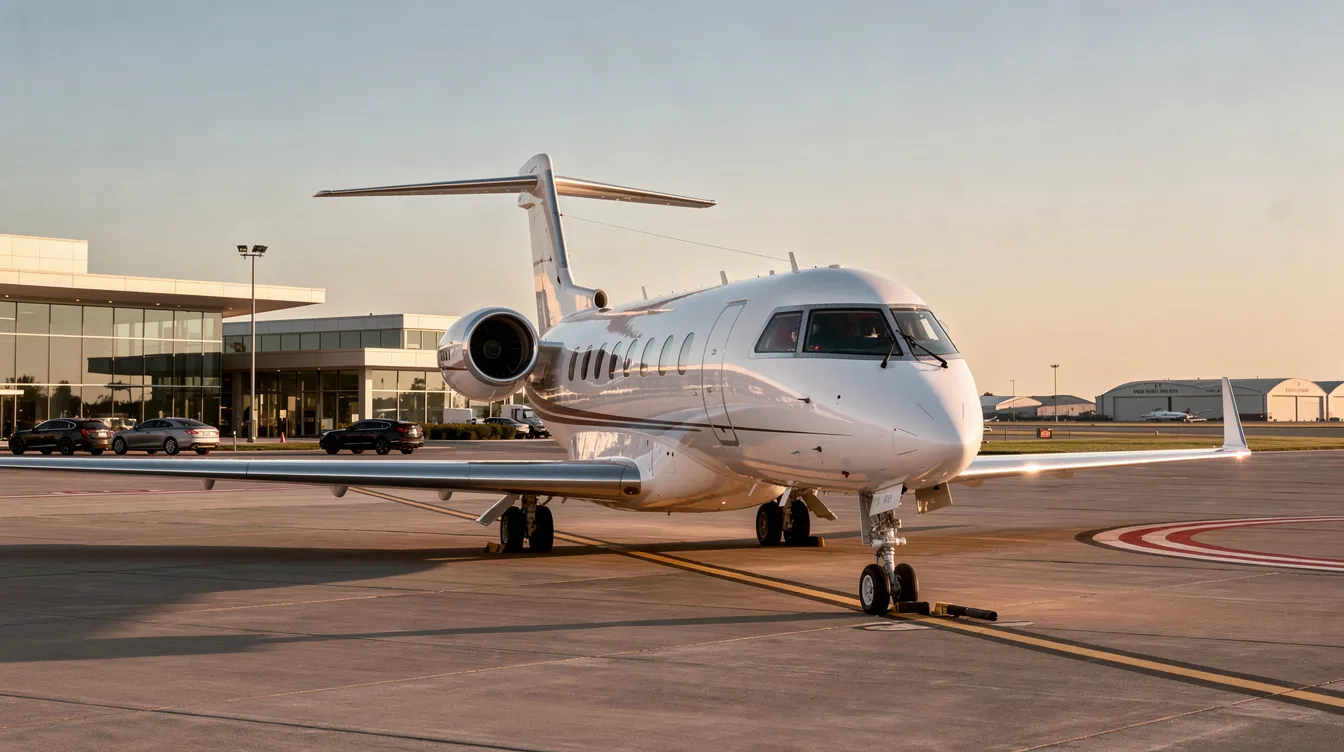
Aircraft selection is the first critical decision any dealership or aviation advisor will guide you through. The goal: match your mission profile, passenger count, and typical routes to the right aircraft class. Private jets are classified into several categories based on their size and range, including Very Light Jets, Light Jets, Mid-size Jets, and Large Jets.
Turboprops like the Pilatus PC-12 offer 4–6 seats with 1,500–2,000 nm range at lower operating costs—ideal for regional corporate travel under 500 miles. Very Light Jets (VLJ,s), including the HondaJet Elite II, accommodate 2 to 4 passengers and are designed for short-range flights, making them ideal for personal use or small business trips. Features like emergency autoland add safety margins for owner-operators. For those needing longer-range capability with more seats, BlackJet offersBlackJet offers fractional shares of super-midsize jets such as the Falcon 2000EX, which combine extended range capabilities with efficient operating costs., combining extended range with efficient operating economics.
Light jets such as the Cessna Citation CJ4 provide 4–7 seats with 2,000–2,500 nm range—sufficient for most U.S. transcontinental missions. Midsize aircraft like the Embraer Praetor 500 carry 8–10 passengers with 3,000–4,500 nm range, suitable for New York–London routes. Engines enrolled in programs like Rolls-Royce CorporateCare can offer predictable maintenance costs. Large Jets, also known as Heavy Jets, can carry up to 19 passengers and are equipped for long-range travel, often featuring luxurious cabins and APU-engined systems—think Gulfstream G650ER or Bombardier Global 7500.
Aircraft lifespan is measured in pressurization cycles rather than mileage, and high cycles can indicate major upcoming maintenance costs. Additionally, depreciation of a jet typically involves a loss of roughly 10% of its value in the first year and 5% annually thereafter.
BlackJet’s Equity Fleet and Reserve Fleet options serve clients who only need 25–150 hours annually and may not require a dedicated aircraft in every category, making solutions likeBlackJet’s Equity Fleet and Reserve Fleet options cater to clients needing 25–150 flight hours annually who may not require a dedicated aircraft in every category, making solutions like an appealing choice for regionally focused business users. attractive for regionally focused business users.
Consider a company flying 50 hours per year. They could buy a 2018 light jet through a dealer for $10–15 million, acquire a fractional share for $1.5–3 million, or join a jet card program with zero capital investment. Each path offers dramatically different economics.
Full private jet ownership through a dealership means complete operational control but also total responsibility for crew, maintenance, insurance, and hangar costs. Fractional jet ownership (like BlackJet’s Equity Fleet) involves purchasing a share in a specific aircraft type with professional management handling operations. Non-ownership access through Reserve Fleet memberships or jet cards offers pay-as-you-go flexibility without capital commitment.
When structuring financing for private jet purchases or fractional shares, BlackJet leverages relationships with the world's leading financial institutions to provide clients with tailored solutions, and prospective buyers should understand fractional jet ownership financing costs and benefits before committing to a program.
Capital outlay: Full ownership requires $8–70M; fractional rownership requires $1.5–10M; membership requires zero
Private jet cost annually: Owners face $800K–$3M+ fixed costs; fractional scales with usage
Scheduling control: Owners have complete control; fractional provides priority access; cards offer guaranteed availability
Tax benefits: Both ownership and fractional aircraft ownership may qualify for bonus depreciation on qualifying business travel. Engaging aviation tax experts can help identify tax benefits for aircraft ownership, such as bonus depreciation.
Exit flexibility: Cards offer month-to-month; fractional typically 12–24 months, with specific procedures for selling a fractional jet ownership share; ownership requires a sale process
Fractional aircraft ownership can offer depreciation benefits when used for qualified business travel—consult your tax advisor for specifics and review key tax implications for fractional jet owners to structure usage and documentation appropriately.

The typical client journey with a private jet dealership unfolds across six stages, with expert guidance from the start of the acquisition process: discovery, search, evaluation, negotiation, closing, and entry into service.
During discovery (weeks 1–2), you should prepare flight profile data, budget range, preferred home base, and corporate entity structure. The dealer conducts market analysis and presents initial options. In the search phase (weeks 3–4), dealers present 3–5 candidate aircraft with maintenance histories, pricing justification, and competitive positioning.
Evaluation (weeks 5–8) involves pre-buy inspections and detailed due diligence. Skipping the pre-purchase inspection can lead to significant unexpected repair costs. The Pre-Purchase Inspection (PPI) identifies hidden damage or maintenance issues using independent facilities. Due diligence in the aircraft sales process includes verifying the aircraft's history, maintenance records, and compliance with regulatory standards to ensure a transparent transaction. Due diligence in the aircraft sales process includes verifying the aircraft’s history, maintenance records, and compliance with FAA regulatory standards to ensure a transparent transaction. Thoroughly auditing logbooks, maintenance records, and engine health is crucial in assessing an aircraft's condition before purchase. In fractional arrangements, understanding how these responsibilities are allocated in the aircraft fractional ownership contract is equally important. A Letter of Intent formalizes an offer and secures exclusivity during the pre-purchase inspection process.
Negotiation (weeks 9–12) covers final pricing, contingencies, and contract execution with escrow opening. Negotiation and closing involve submitting Letters of Intent and managing the complexities of the Purchase Agreement and title transfer.
Closing (weeks 13–16) involves title transfer, financing finalization, and regulatory compliance verification. Aviation attorneys handle the Aircraft Purchase Agreement and ensure compliance with international and local regulations.
Finally, entry into service (weeks 17–24) covers delivery logistics, crew training, and ongoing support setup.
In 2025–2026 market conditions, pre-owned inventory levels have stabilized with popular light and midsize models seeing reasonable selection. BlackJet can be engaged during this process to provide side-by-side analysis comparing whole aircraft purchase versus fractional participation for clients in the 25–150 hour range.
A jet purchase through a dealership involves several financial components: acquisition price, financing or cash purchase decision, inspection costs ($15,000–$50,000), closing costs, and setup expenses, including avionics upgrades or refurbishments. By contrast, evaluating the full cost structure of fractional jet ownership requires analyzing share acquisition, monthly management fees, and hourly charges instead of full capital outlay.
Fixed annual (light jet): Crew salaries ($250K–$400K), hangar ($36K–$72K), insurance ($450K–$600K), management fees ($50K–$150K)
Variable costs: Fuel ($450–$1,080 per flight hour), maintenance reserves ($1,000–$3,000 per hour), landing and handling fees
U.S. tax concepts relevant to business aviation include potential accelerated or bonus depreciation on qualifying aircraft, deductibility of operating costs, and limitations under IRS personal use rules. When structuring acquisitions, it is important to create structures that maximize legitimate business use and tax benefits, along with appropriate liability and insurance coverage for fractional ownership structures when shared assets are involved.
Fractional aircraft ownership through an Equity Fleet program involves lower capital commitment and shared cost structure—potentially reducing annual exposure from $2M+ to $600K–$1M for equivalent access. Prospective owners should understand how to calculate the total cost of a fractional share, including acquisition, management, and hourly fees over the full term. BlackJet does not provide tax or legal advice; the company coordinates seamlessly with client tax and legal teams to begin proper structuring.
Full aircraft ownership via a dealer may be excessive when annual usage falls below 200 hours, travel patterns remain uncertain, or business needs evolve quickly. For a founder flying 40 hours annually between Los Angeles, Denver, and Austin, dealership ownership would cost $40,000–$64,000 per flight hour all-in—versus $5,000–$8,000 through membership programs.
Similarly, a small private equity firm flying 80–100 hours annually for U.S. and Canada deal work would find fractional or Reserve Fleet access 40–60% more economical than full ownership,p while giving the firm predictable pricing and guaranteed availability, which also makes it compelling for regional investment teams. For many such users, a 1/8th fractional jet ownership structure delivering around 100 flight hours per year can align closely with their travel profile.
A trusted aviation advisor should be model-agnostic—proud to recommend charter, jet cards, fractional, or dealership purchase based solely on actual flying profile. For some travelers, floating fleet fractional ownership structures offer additional flexibility by sourcing aircraft from a network rather than a single tail number. The decision should be driven by data, not emotion or brand prestige.
BlackJet specializes in fractional aircraft ownership and private jet membership solutions that serve as alternatives—or stepping stones—to full ownership. Buyers evaluating their options often compare leading fractional jet ownership programs for smart investors before deciding how BlackJet’s model fits their needs.
Equity Fleet: Clients purchase a fractional share in a specific aircraft type, gain priority access, and may capture tax advantages while BlackJet manages operations and scheduling; understanding core fractional jet ownership terminology helps clarify how share size, hours, and management fees work in practice
Reserve Fleet: Pay-as-you-go private aviation access with no capital investment—ideal for flexible travelers wanting predictable pricing and guaranteed availability; it’s helpful to compare fractional jet ownership versus membership programs to see which access model best fits your flying frequency
Dealer collaboration: BlackJet provides comparative analysis on effective hourly rates, risk exposure, and long-term flexibility for clients simultaneously shopping traditional dealers, often referencing its own to illustrate program tradeoffs
Service network: Both U.S.-based and international clients who frequently travel within the United States receive consistent, professionally managed solutions. Both U.S.-based and international clients who frequently travel within the United States benefit from consistently managed, professional solutions supported by highly trained private jet pilots and crews focused on safety and service. focused on safety and service
Realistic timelines span 3–6 months from initial inquiry to delivery for pre-owned aircraft. Well-qualified buyers with clear requirements can compress this to 8–12 weeks.
For 50-hour operators, fractional or membership programs typically cost $250,000–$600,000 annually versus $2M+ for full ownership. Reviewing a complete guide to fractional ownership costs can clarify the long-term economics, and detailed cost analysis almost always favors fractional for sub-150-hour profiles.
Comprehensive pre-buy inspection, complete maintenance history verification, engine condition reports, avionics certification, title verification, and review by qualified aviation legal counsel, along with careful review of essential fractional ownership contract terms if you are purchasing a share instead of an entire aircraft.
Membership offers zero capital commitment, month-to-month flexibility, and transparent hourly pricing. Ownership provides complete control but requires a multi-year commitment through depreciation cycles, while fractional jet ownership as an investment can balance asset exposure with lower capital outlay for frequent flyers.
A private jet dealership is a powerful tool for buyers who truly need full ownership—those flying 600+ hours annually with committed long-term plans. However, many high-net-worth individuals and companies optimize through fractional jet ownership or membership solutions that align aircraft access with actual flying requirements.
Review your last 12–24 months of travel data. That history provides the foundation for a structured conversation with an aviation advisor about which model—dealership purchase, fractional ownership, or membership—delivers the best combination of access, economics, and flexibility.
Ready to find the smarter way to fly private? Visit FractionalJetOwnership.com to request a personalized analysis comparing full ownership via dealership, fractional aircraft ownership, and BlackJet’s Reserve Fleet for your specific travel profile.
