
February 26, 2026
Private jets emitted approximately 15.6–17.2 million tonnes of CO2 in 2023, representing about 1.7–1.8% of civil aviation emissions, with private jet emissions rising roughly 46% between 2019 and 2023.
Around 250,000 ultra-high net worth individuals (about 0.003% of the global adult population) are responsible for most private aviation emissions, creating a stark climate justice and inequality crisis.
Private jets typically emit more CO2 per passenger than commercial airliners due to lower occupancy rates, and are up to 50 times more polluting than trains on a per-passenger basis.
A single hour on a large long-range business jet can match or exceed the annual carbon footprint of an average person worldwide, with the highest emitting private jet user tracked emitting 2,645 tons of CO2 annually—over 500 times the global average of 5.2 tons per person.
Nearly half of all private flights cover less than 500 km, highlighting the dominance of short-haul flights in private jet usage.
Policy gaps, including tax exemptions, weak carbon pricing, and limited regulation, allow private jet usage to grow faster than fuel efficiency improvements, undermining Paris Agreement goals.
Meaningful emission reductions require a combination of behavior change (flying less, shifting to rail and commercial planes), operational improvements, stronger regulation, and careful use of sustainable aviation fuel and high-quality offsets.
Private aviation has become a lightning rod in climate debates—and for good reason. While private jets represent a tiny fraction of global air transport, their emissions per passenger dwarf those of commercial airliners, trains, and electric vehicles. Understanding the scale of private jet pollution, who’s responsible for it, and what can be done about it is essential for anyone following the climate crisis.
In this guide, we’ll break down the numbers, explore the equity implications, and outline practical steps toward reducing emissions from this controversial corner of the aviation industry.
When we talk about private jet emissions, we’re primarily referring to carbon dioxide and other climate-warming gases released when business jets and private aircraft burn jet fuel. But the story doesn’t end with CO2. These flights also produce nitrogen oxides, particulate matter, and contrails at cruising altitudes—often above 30,000 feet—that further amplify their climate impact.
Private aviation encompasses several categories:
Business jets owned by corporations or individuals
Corporate shuttles for executive travel
Charter flights booked on-demand
Owner-operated jets (privately owned planes)
Fractional ownership programs where multiple owners share aircraft access
These services mainly cater to ultra-high-net-worth individuals, corporate executives, celebrities, and political elites, many of whom rely on fractional jet ownership financing to structure access. While commercial aviation carried billions of passengers in 2019 and emitted roughly 892–936 million tonnes of CO2 (responsible for about 4% of net anthropogenic radiative forcing), private jets serve a vastly smaller user base with disproportionately high per-person emissions.
In 2023, private jets emitted approximately 15.6–17.2 million tonnes of CO2. That’s roughly 1.7–1.8% of commercial aviation’s total output—but serving a tiny fraction of its passengers. This disparity translates to emissions per passenger kilometre that can be 5 to 14 times higher than those of economy-class commercial flights. For example, a private jet trip from London to Paris is six times more polluting per passenger than a commercial flight on the same route.
Beyond CO2, the non-CO2 effects of high-altitude flying (contrails, NOx, water vapor) further increase the total climate impact. However, most policy frameworks still focus primarily on carbon dioxide, leaving these additional effects largely unaddressed.

The rapid growth of private aviation since 2019 has been well-documented, thanks largely to detailed ADS-B data tracking that captures the majority of flight numbers worldwide. This transparency has enabled researchers to quantify just how much this sector contributes to global emissions.
Active private aircraft: approximately 25,993
Total flights: approximately 4.3 million
Total flight hours: approximately 6.47 million
CO2 emissions: approximately 15.62 million tonnes
Average CO2 per flight: approximately 3.6 tonnes
Private jet emissions grew by approximately 46% between 2019 and 2023. During this period, fleet size rose about 28% and total distance flown increased roughly 53.5%. Even the COVID-19 dip in 2020 proved temporary—private aviation bounced back faster than commercial carriers.
What makes private aviation the most energy-intensive form of air travel? A typical mid-size or large business jet emits around 2 tonnes of CO2 per flight hour. That means a single intercontinental journey can rival the multi-year carbon footprint of an average human in many countries. In fact, a typical private jet emits as much greenhouse gas in a year as 177 passenger cars.
Perhaps most concerning: emissions per kilometre have largely stagnated rather than fallen. Technological efficiency gains (averaging about 1.25% annually) are being outpaced by more flying, larger jets, and operational inefficiencies like empty repositioning legs. The average fuel consumption improvements that commercial airliners have achieved simply aren’t materializing at the same rate for business jets.
The private jet market includes at least 72 common aircraft models, each with distinct fuel burn characteristics, and a range of fractional jet ownership programs that determine how different users access these aircraft. Understanding this variety helps explain why jet emissions vary so dramatically between flights.
Very light jets and turboprops typically burn between 48 and 100 gallons of fuel per hour, resulting in approximately 0.4 to 0.9 tonnes of CO2 emissions per hour.
Light jets consume about 100 to 180 gallons per hour, producing roughly 0.9 to 1.6 tonnes of CO2 per hour.
Mid-size jets have fuel burns ranging from 180 to 280 gallons per hour, emitting approximately 1.6 to 2.5 tonnes of CO2 each hour.
Large and ultra-long-range jets can burn over 350 to 500 gallons per hour, with CO2 emissions exceeding 3.1 to 4.5 tonnes per hour.
Some large long-range business jets burn over 500 gallons per hour. At those rates, a single hour of flight can emit more CO2 than the average person produces in an entire year.
Private aviation is heavily concentrated geographically:
United States: 68–69% of fleet and flights, accounting for 6.3% of total commercial plus private aviation emissions in the USA in 2019.
Brazil, Canada, Germany, Mexico, UK: Notable secondary markets
Malta: Among the highest private aircraft densities per capita (due to registration and tax advantages)
According to the International Council on Clean Transportation, 18 of the 20 largest airports by private jet fuel use and emissions are U.S.-based. Van Nuys Airport in Los Angeles ranks among the world’s most polluting for private jets—serving high-profile clients while located in a majority Hispanic, lower-income neighborhood, raising significant environmental justice concerns.
The flight tracking data reveals striking patterns:
Nearly half of all private jet flights cover less than 500 km, underscoring the dominance of short-haul flights in private aviation.
Only about 29% exceed 1,000 km
Many flights are under 100 km, including extremely short flights of 13–72 km, often for repositioning
These very short flights represent a particularly inefficient use of aviation resources. Many could easily be replaced by car travel, high-speed rail, or, in some cases, simply better trip planning.
A small, affluent slice of the world’s population drives these emissions. Estimates suggest approximately 250,000 people—roughly 0.003% of the global adult population—were behind about 17.2 million tonnes of CO2 from private jets in 2023, often choosing between fractional jet ownership and membership programs to structure their flying. To put this in perspective, their annual emissions match the combined output of tens of millions of people living in low-income countries.
Approximately 1% of the global population accounts for around 50% of all aviation emissions, with private jet users occupying the highest tier within this group.. This stark disparity highlights the climate justice dimension of private aviation emissions.

Public outrage over celebrity jets—from Taylor Swift to other top entertainers—reflects a deeper structural problem with luxury emissions. The visibility of these flights has turned private aviation into a symbol of climate hypocrisy among the wealthy.
Major global events consistently trigger dramatic increases in private jet traffic:
World Economic Forum (Davos): Hundreds of arrivals over a few days
Super Bowl: Significant spike in private landings
Cannes Film Festival: High-profile arrivals throughout the week
FIFA World Cup 2022 (Qatar): Tens of thousands of tonnes of CO2 emitted
COP28 climate conference (Dubai, 2023): Substantial private jet traffic despite climate focus
The irony of climate conference attendees arriving by private aircraft has not been lost on critics. These events, meant to address climate change, become showcases for the very emissions disparity that fuels public frustration.
Flight tracking projects using public ADS-B data have revealed uncomfortable patterns: repeated very short flights by the same owners, numerous empty legs between destinations, and travel choices that seem to prioritize convenience over any environmental consideration.
High-profile legal battles over publishing celebrity flight data—such as the widely-cited estimate of 8,300 tonnes of CO2 for Taylor Swift’s 2022 private jet use—illustrate growing tensions between privacy concerns and climate accountability. The communications, earth, and environment community has increasingly focused on documenting these inequities.
The core message from Sweden’s Linnaeus University researchers and others studying this space: a tiny elite imposes climate impacts that fall disproportionately on the global poor who contribute least to the problem and have the fewest resources to adapt.
The fairest way to compare transport emissions is through CO2 per passenger kilometre rather than total trip emissions alone. This metric accounts for how many people share the environmental footprint of a journey.
Private jet (2-4 passengers): emits approximately 300–1,200+ grams of CO2 per passenger kilometre, which is 5 to 14 times higher than economy-class commercial flights.
Business class (commercial): emits about 200–400 grams of CO2 per passenger kilometre, 3 to 5 times lower than private jets.
Economy class (commercial): emits roughly 80–150 grams of CO2 per passenger kilometre.
Car (single occupancy, gasoline): emits around 150–250 grams of CO2 per passenger kilometre.
Car (shared, electric): emits approximately 20–50 grams of CO2 per passenger kilometre.
High-speed rail: emits about 5–20 grams of CO2 per passenger kilometre, making private jets up to 50 times more polluting than trains on a per-passenger basis.
Public transportation: emits roughly 30–80 grams of CO2 per passenger kilometre.
A private jet emits significantly more CO2 per passenger kilometre than commercial airliners and other modes of transport, mainly due to lower occupancy rates and smaller aircraft sizes.
Consider some typical private jet routes:
Toronto–Montréal (~500–550 km by air): Even a fully loaded turboprop rarely beats well-occupied cars on a per-person emissions basis. The high-speed rail option has a dramatically smaller carbon footprint.
Calgary–Vancouver (~650–700 km): Electric vehicles or trains typically achieve far lower lifecycle emissions than any private aircraft configuration.
While edge cases exist—a fully loaded, efficient turboprop versus many single-occupancy gasoline cars—most real-world scenarios show shared vehicles, electric vehicles, and trains substantially outperforming private jets on climate impact.
The bottom line: choosing to fly private almost always means accepting a significantly larger environmental footprint than alternative transport modes.
Private aviation benefits from a web of regulatory loopholes and tax arrangements that keep effective carbon prices far below what the climate impact would justify. Understanding these gaps helps explain why the sector continues growing despite mounting climate concerns.
International aviation emissions fall under the International Civil Aviation Organisation (ICAO) and its CORSIA (Carbon Offsetting and Reduction Scheme for International Aviation) program. However, critics note several fundamental problems:
Heavy reliance on offsets rather than actual emission reductions
Weak baseline years that don’t drive meaningful cuts
Limited scope that excludes many flight categories
Voluntary participation for many countries through 2027
These limitations make CORSIA inadequate for aligning aviation with the Paris Agreement’s 1.5°C pathway.
In the European Union, the Emissions Trading System (EU ETS) theoretically covers aviation emissions. In practice:
Many international flights (including private jet journeys) fall partially or entirely outside EU ETS coverage
Non-CO2 effects are not properly priced
Light jets under 5,700 kg maximum takeoff mass often escape the system entirely
According to analysis by clean transportation researchers, about 67% of EU private jet emissions evade the ETS due to these weight thresholds.
Private jets benefit from generous tax treatment:
Exemption from many national fuel taxes that apply to road transport
No carbon price on international jet fuel in most jurisdictions
Value-added tax exemptions on international tickets
Registration in favorable jurisdictions like Malta or the Isle of Man
The International Energy Agency and World Bank have both noted that these arrangements effectively subsidize high-carbon luxury travel relative to lower-income transport modes.
Several jurisdictions are considering or implementing stronger measures:
• Jet fuel taxes: Under discussion in the EU and several countries
• Short-route bans: France banned some routes with rail alternatives
• Emissions-based landing fees: Piloted at select airports
• Mandatory SAF blending: EU mandate starting 2025 (2%, scaling to 70% by 2050)
• Frequent flyer levies: Proposed in some countries
Whether these measures gain traction depends on the political will to confront wealthy constituencies who benefit from current arrangements.

The aviation industry typically points to three main levers for reducing emissions: carbon offsets, sustainable aviation fuel, and emerging low-carbon aircraft technologies. Each comes with significant limitations.
Many private jet operators advertise “carbon-neutral” flights through voluntary offset purchases. The reality is more complicated:
Research shows numerous offset projects overestimate their climate benefits
Additionality (whether the carbon savings would have happened anyway) is often questionable
Permanence concerns plague nature-based schemes (forests can burn or be logged)
Verification standards vary widely in rigor
High-quality offsets with strong verification, long-term carbon storage, and transparent methodologies can play a supporting role. However, they cannot fully neutralize the warming from frequent luxury flying and should never substitute for reducing actual fuel burn.
Sustainable aviation fuel represents a genuine technological pathway to lower emissions. These fuels—derived from waste oils, advanced biofuels, or synthetic e-fuels—can reduce lifecycle CO2 by roughly 60–80% compared to conventional jet fuel.
Current limitations are substantial:
SAF supplies well under 1% of global jet fuel demand
Production capacity remains constrained
Costs are 2–5x higher than conventional jet fuel
Geographic availability is limited to certain airports
The EU has mandated SAF blending at 2% from 2025, scaling to 70% by 2050. ICAO targets 5% globally by 2030. These mandates will drive production growth, but near-term availability for private aviation remains limited.
New aircraft technologies offer longer-term possibilities:
Hybrid-electric aircraft: Suitable for very short-haul flights with small passenger numbers; some models expected in commercial service by the late 2020s
Fully electric aircraft: Range-limited to under 500 km with current battery technology
Hydrogen propulsion: Early-stage development; major infrastructure challenges
These technologies may help decarbonize regional and commuter segments in the 2030s–2040s. They will not quickly solve emissions from long-range business jets, which will likely depend on conventional jet fuel or SAF for decades.
The fastest and most reliable way to cut private jet emissions is simply to fly less—especially on short-haul and discretionary routes. But when private aviation remains necessary, several practical measures can minimize climate impact.
Replace short flights (under 500–750 km) with high-speed rail or commercial flights where available, instead of relying on options like fractional jet ownership in Orlando
Consolidate trips: Combine multiple meetings into fewer journeys, particularly when using services such as fractional jet ownership in Pittsburgh
Plan ahead: Avoid last-minute itineraries that require extra repositioning legs when arranging travel through fractional jet ownership in Virginia Beach
Question necessity: Ask whether video conferencing could substitute for in-person meetings
Choose smaller, more fuel-efficient aircraft for a 30–50% reduction in emissions compared to large jets
Optimize cruising altitudes and speeds to achieve 5–15% fuel savings
Minimize empty positioning flights, which can have a variable but significant impact
Reduce ground holding and taxi time for a 5–10% reduction in fuel burn
Operators who prioritize fuel efficiency can achieve meaningful reductions without sacrificing core functionality.
Empty seats are wasted emissions. Strategies to improve utilization include:
Ride-sharing models: Services that match travelers with similar itineraries, including those built around fractional aircraft ownership and private charter services
Group charters: Sharing aircraft among multiple parties, supported by highly trained pilots and crews in fractional jet operations
Empty leg services: Using pre-scheduled repositioning flights rather than creating new ones, which are often marketed alongside fractional jet ownership in Atlanta
Filling seats on an existing empty leg improves per-person emissions substantially compared to generating a new flight.
Climate-conscious users should:
Request transparent emissions estimates from operators before booking
Actively seek SAF blends where available
Use offsets only after all feasible reductions in flight frequency, routing, and aircraft choice have been made
Choose high-quality, verified offset programs focused on durable carbon removal
The hierarchy should always be: reduce first, then optimize, then offset residual emissions.
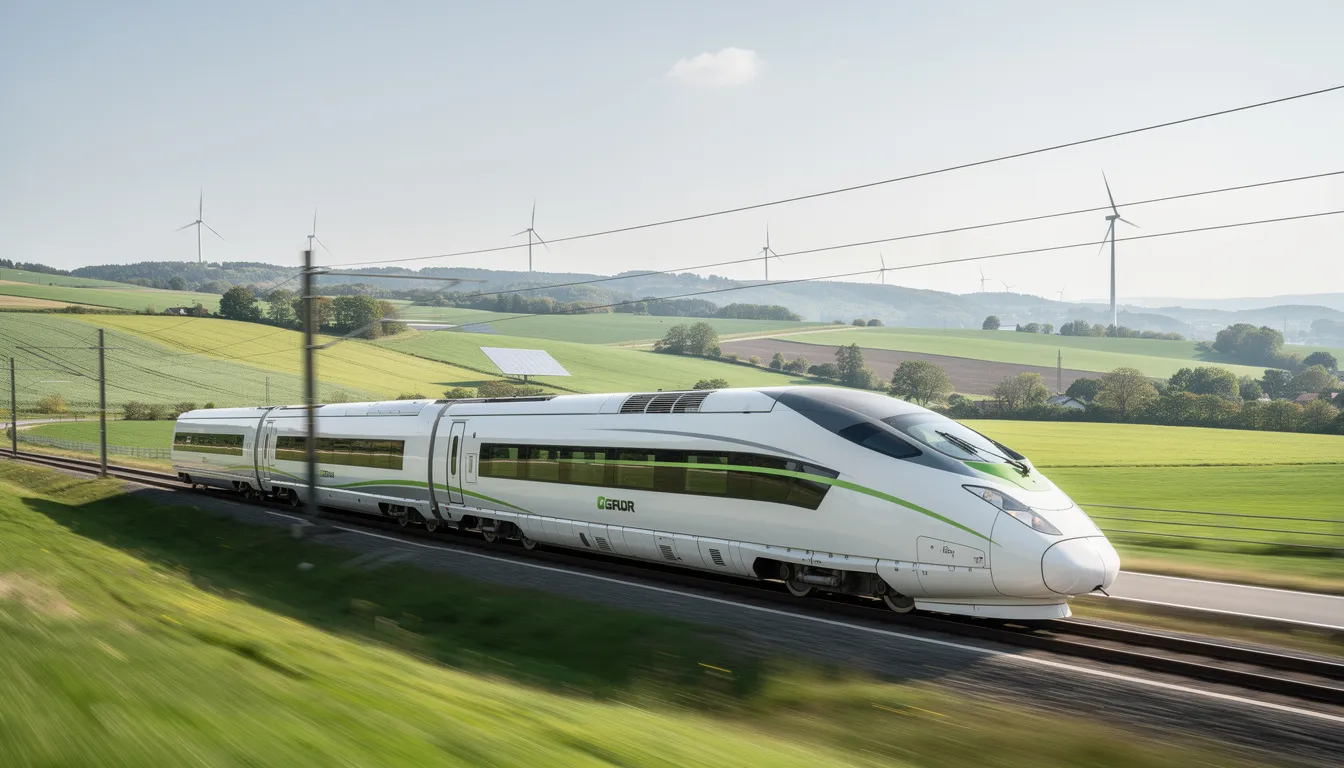
Understanding how researchers track private jet emissions helps evaluate the reliability of the numbers cited throughout this article.
Researchers use ADS-B (Automatic Dependent Surveillance–Broadcast) transponder data from providers like ADS-B Exchange. This technology captures:
Flight departures and arrivals
Altitudes and routes
Aircraft identification
Flight duration
Large open datasets track millions of flight legs, covering the majority of private flights that don’t use privacy-enhancing measures.
The basic calculation approach:
Match each flight to a specific aircraft model
Multiply flight time by typical fuel burn rates (gallons per hour) for that model
Convert total fuel to CO2 using standard emission factors (~9.57 kg CO2 per gallon of jet fuel)
Most calculations exclude ground emissions from taxiing and support vehicles, meaning actual total emissions are somewhat higher.
Several factors introduce uncertainty:
• Privacy ICAO Addresses (PIA): Some flights are anonymized, which affects tracking accuracy.
• Fuel consumption variability: Actual fuel burn varies due to factors like aircraft weight, weather conditions, and flying style.
• Flight path vs. great-circle distance: Real flight paths are on average about 10% longer than the shortest great-circle distance.
• Ground operations exclusion: Fuel use during ground operations, such as taxiing, is not included, leading to an underestimation of total fuel burn.
However, bootstrapping and sensitivity analyses suggest overall error margins are modest—typically ±10–15%. These uncertainties don’t change the fundamental conclusion that private jets have extremely high per-passenger basis emissions.
Standardized, transparent reporting across operators and regulators would enable:
Better customer comparisons between services
More accurate policy targeting
Clearer progress tracking on reducing emissions
Increased accountability for high-emitters
As tracking technology improves and public pressure grows, greater transparency seems inevitable.
When measured in CO2 per passenger kilometre, private jets typically emit 5–14 times more than an economy-class seat on a commercial flight. The main reason is occupancy: a private jet might carry 2–4 passengers while burning fuel that would move dozens on a commercial aircraft.
Business and first-class seats on commercial planes have higher per-seat footprints than economy due to space allocation. However, they’re still generally less emission-intensive than traveling in a small group on a private jet of similar range. The average American flying economy contributes far less per mile than the same person would on a chartered business jet.
Edge cases exist—a fully loaded, efficient turboprop on a short route can approach car-level emissions. But these scenarios don’t change the broader conclusion that private jets rank among the most carbon-intensive ways to travel for the average person.
Empty legs are repositioning flights that would operate without passengers, regardless, the aircraft needs to return to its base or reach the next customer’s departure point. Filling seats on these legs improves emissions per passenger by using capacity that would otherwise produce pure waste.
However, the “best” climate choice remains avoiding unnecessary trips or using lower-carbon modes when feasible. Using an empty leg is better than creating a new flight, but it’s not equivalent to taking the train or staying home. A car typically beats flying private even when sharing an empty leg, depending on the distance.
If you’re considering an empty leg, ensure it truly aligns with your itinerary. Bookings that trigger additional positioning flights—moving the aircraft to a convenient airport for you, then repositioning again afterward—can offset or even reverse any benefit.
Many experts view offsets as a limited and often unreliable tool for addressing total emissions from luxury flying. Numerous projects have overstated their climate benefits or failed to guarantee long-term carbon storage. Some nature-based offsets face permanence risks—forests can burn, be logged, or otherwise release stored carbon.
If you use offsets, prioritize those that are:
Independently verified by rigorous standards
Focused on durable carbon removal (not just avoided emissions)
Transparent about methodology and monitoring
Most importantly, offsets should complement genuine reductions—not replace them. Scaling back the most carbon-intensive travel has a more certain and immediate impact than relying on offset markets of variable quality.
While some aircraft are relatively more efficient—new-generation light jets, advanced turboprops, or those flying on higher SAF blends—no current private jet qualifies as truly “green” when compared with trains or electric vehicles on a per-passenger basis.
Emerging electric and hybrid aircraft could substantially reduce emissions on short regional routes. However, range and capacity limitations mean they’re unlikely to replace long-range business jets anytime soon. The physics of battery energy density poses fundamental challenges for aviation that ground transport doesn’t face.
The most meaningful steps toward greener private aviation today involve flying less, choosing smaller and more efficient aircraft, sharing flights, and supporting policy changes that properly price luxury emissions.
Private jets represent a textbook case of “luxury emissions”—very high per-person climate impacts for non-essential travel by a tiny, wealthy minority. This makes them an obvious and symbolically powerful target for equitable climate policy.
Addressing highly unequal emissions through taxes, restrictions, or behavior change can cut significant CO2 at relatively low social cost. Asking ultra high net worth individuals to fly commercial or take fewer trips imposes far less hardship than measures affecting basic mobility for billions of people who depend on affordable transport.
Serious action on climate change requires reductions across all sectors—from industry to agriculture to residential energy. But curbing the fastest-growing and most inefficient forms of travel, like private jets, represents an important and politically visible step toward a transition that doesn’t ask the poor to sacrifice while the wealthy continue emitting without consequence.
Reducing private jet emissions starts with acknowledging their outsized impact and taking concrete steps—whether as travelers, policymakers, or advocates for a more equitable response to climate change. The numbers are clear: a tiny fraction of the world’s population is responsible for a disproportionate share of aviation’s climate burden.
The path forward requires both individual accountability and systemic policy change. Whether you’re evaluating your own travel choices, advocating for stronger regulation, or simply trying to understand the climate inequality built into our current systems, the evidence points in one direction: meaningful action on private aviation is both necessary and achievable. For more information, see fractional ownership.
