May 3, 2026
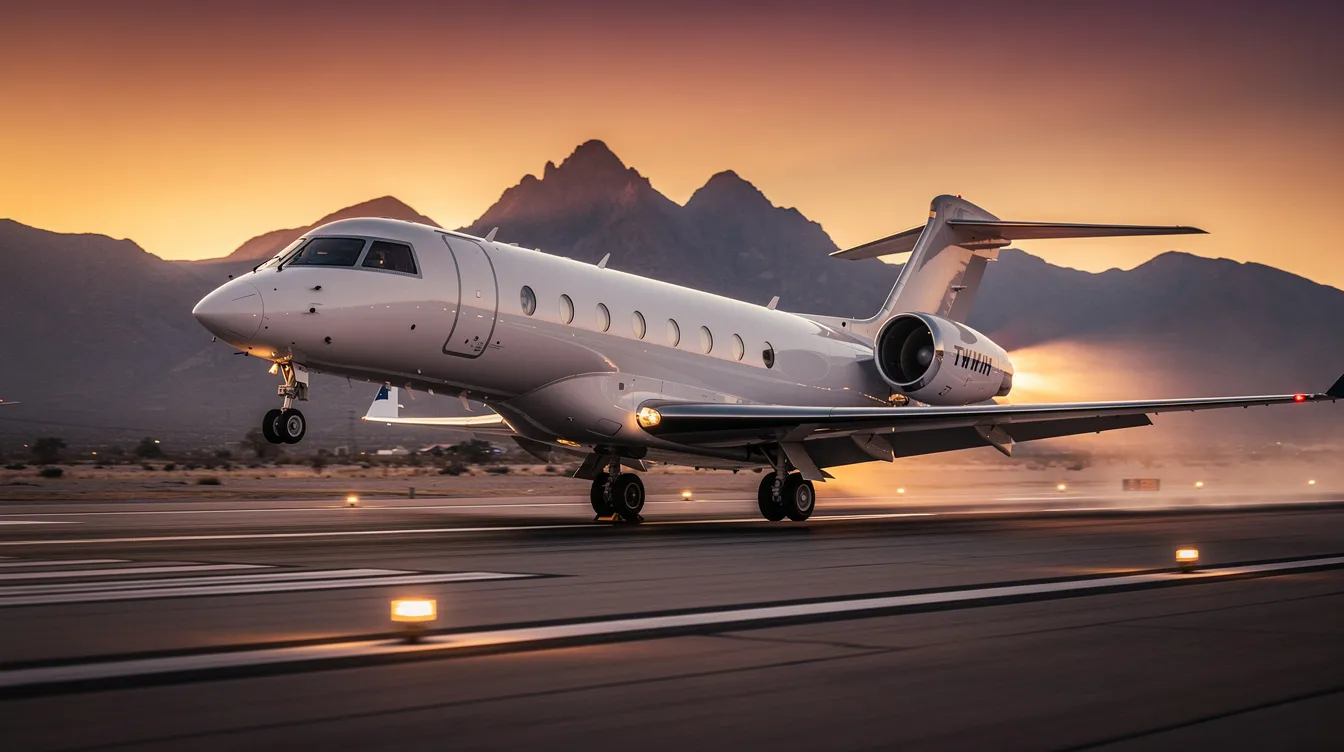
The calculus of business travel is shifting. In 2026, executives across the United States and Europe are reconsidering how they access private jet flights—not simply whether to fly private, but how to structure that access for maximum efficiency. Industry reports indicate private jet departures in the U.S. rose over 20% year-over-year in 2025, driven by professionals who recognize that time savings of 90–180 minutes on many business routes translate directly into competitive advantage.
This article focuses on structured access models—fractional jet ownership, membership programs, and shared-use arrangements—rather than one-off charter alone. Air charter, meanwhile, remains a flexible, on-demand alternative for private jet rentals, offering both leisure and business travelers premium, tailored experiences without long-term commitments. For individuals and corporations flying 25–150 hours annually, these models offer predictability that pure on-demand charter cannot match. BlackJet Fractional Jet Ownership specializes in precisely this segment, providing Equity Fleet and Reserve Fleet solutions designed for clients who need consistent, on-demand private aviation without the complexity of whole aircraft ownership.
What follows covers the practical mechanics of private jet travel: what it costs, how the process works from booking to landing, and when fractional aircraft ownership becomes more efficient than repeated chartering or prepaid jet card programs.
Private jets can access over 5,000 airports in the U.S., compared to roughly 500 serviced by commercial airlines, dramatically expanding where you can land
Structured programs (fractional ownership, memberships) typically reduce costs 20-40% versus repeated charter for clients flying 25-150 hours per year
Arriving just 15-30 minutes before departure at a private terminal eliminates the friction of flying commercial
Aircraft categories range from turboprops for 600-mile regional hops to ultra-long-range jets capable of 6,000+ mile nonstop flights
Tax advantages—including potential Section 179 and bonus depreciation—may apply to equity share purchases used for business, and understanding the tax implications for fractional jet owners is essential for optimizing these benefits

Consider this scenario: A CEO based in New York needs to attend a board meeting in Chicago at 10 AM, followed by a client dinner in Dallas the same evening. In May 2026, she contacts her BlackJet advisor at 7 PM the night before. By 8 PM, a midsize jet is confirmed for a Teterboro (TEB) departure at 6:30 AM, with the aircraft waiting on the ramp in Chicago while she meets with board members, then continuing to Dallas Love Field (DAL) by 5 PM local time.
This type of same-day, multi-city itinerary illustrates why private jet travel exists: eliminating the layovers and common commercial delays that make such schedules impossible on commercial flights. Private jets fly point-to-point, which means the aircraft goes exactly where you need it, when you need it.
Aircraft: Ranges from light jets (4-8 passengers, regional missions) through midsize jets, super midsize jets, heavy jets, and ultra long-range aircraft for intercontinental travel
Crew: Pilots in private aviation typically have 3,000–5,000 flight hours and undergo simulator training every six months, often holding additional certifications from safety organizations like ARGUS or Wyvern
Operator: The Part 135 certificate holder responsible for aircraft maintenance, crew training, and regulatory compliance
Scheduling platform or program provider: The interface between client and operator—whether a broker, app, or fractional program like BlackJet
Request submitted via advisor, app, or program portal with passenger count, timing, airports, and luggage requirements
Aircraft assigned from the available fleet based on the mission profile
Confirmation sent with flight details, including departure instructions, FBO information, aircraft information, and crew names
Arrival at Fixed Base Operator (FBO) terminal 15-30 minutes before departure—private jet passengers often utilize Fixed Base Operators for a quicker airport experience compared to public terminals
Brief identity check (REAL ID compliant), then direct walk to aircraft parked steps away
Departure often within minutes of boarding; flight at 40,000+ feet for smoother conditions
Arrival at private terminals with expedited customs processing for international routes
Pure on-demand charter: Maximum flexibility, but variable pricing, inconsistent aircraft quality, and the need to vet operators each time
Jet card: Prepaid hours offer fixed or capped rates and defined notice requirements, but may include expiration clauses and deadhead fees
Fractional ownership or membership (BlackJet’s Equity Fleet and Reserve Fleet): Priority access with 6-24 hour booking windows, consistent aircraft and crews, multi-leg efficiency without repositioning surcharges, and predictable annual costs
The process of chartering a private jet generally includes four key steps: specifying trip details, choosing the appropriate aircraft, confirming safety credentials, and finalizing the booking. Fractional and membership programs streamline this by handling operator vetting and fleet matching in advance.
Aircraft category fundamentally shapes your private flight experience. Range, cabin comfort, runway requirements, and cost all vary significantly—selecting the right aircraft for your mission prevents both overspending and operational limitations. In addition to ownership and membership models, a wide variety of charter options are available, offering flexibility and tailored solutions to meet diverse travel needs and preferences across different aircraft fleets.
Private jets are categorized by size and range into several classes: light jets, midsize jets, super midsize jets, heavy jets, and ultra-long-range jets. Each category offers distinct capabilities and features tailored to different travel needs.
Used for shorter flights, accommodating 6 to 8 passengers
Efficient for regional travel, with a range of 600 to 1,000 miles
Operate from shorter runways, opening access to smaller airports
Accommodate 4 to 8 passengers
Ideal for short to medium-haul flights, with a range of up to 1,500 miles
Seat 7-9 passengers comfortably with stand-up cabins, enclosed lavatories
Range of approximately 2,000 nautical miles for coast-to-coast U.S. flights
Seat 8 to 10 passengers
Capable of flying distances of around 3,000 miles
Designed for long-distance travel, accommodating larger groups
Can typically fly up to 7,000 miles non-stop
Offer 6,000+ mile nonstop capability with full amenities
1-2 hour regional flights (Dallas-Houston, Paris-Geneva): Turboprops or light jets, saving 30-50% versus larger aircraft
3-4 hour transcontinental (New York-Los Angeles, Miami-Seattle): Midsize or super midsize jets
5+ hour long-haul (New York-London, Los Angeles-Honolulu): Heavy or ultra long-range jets
Multi-leg business day (Boston-Toronto-Detroit-Boston): Midsize jets optimized for ground time between stops
Smaller jets can fly at altitudes up to 51,000 feet, avoiding bad weather and commercial traffic—a practical advantage that reduces turbulence and improves fuel efficiency.
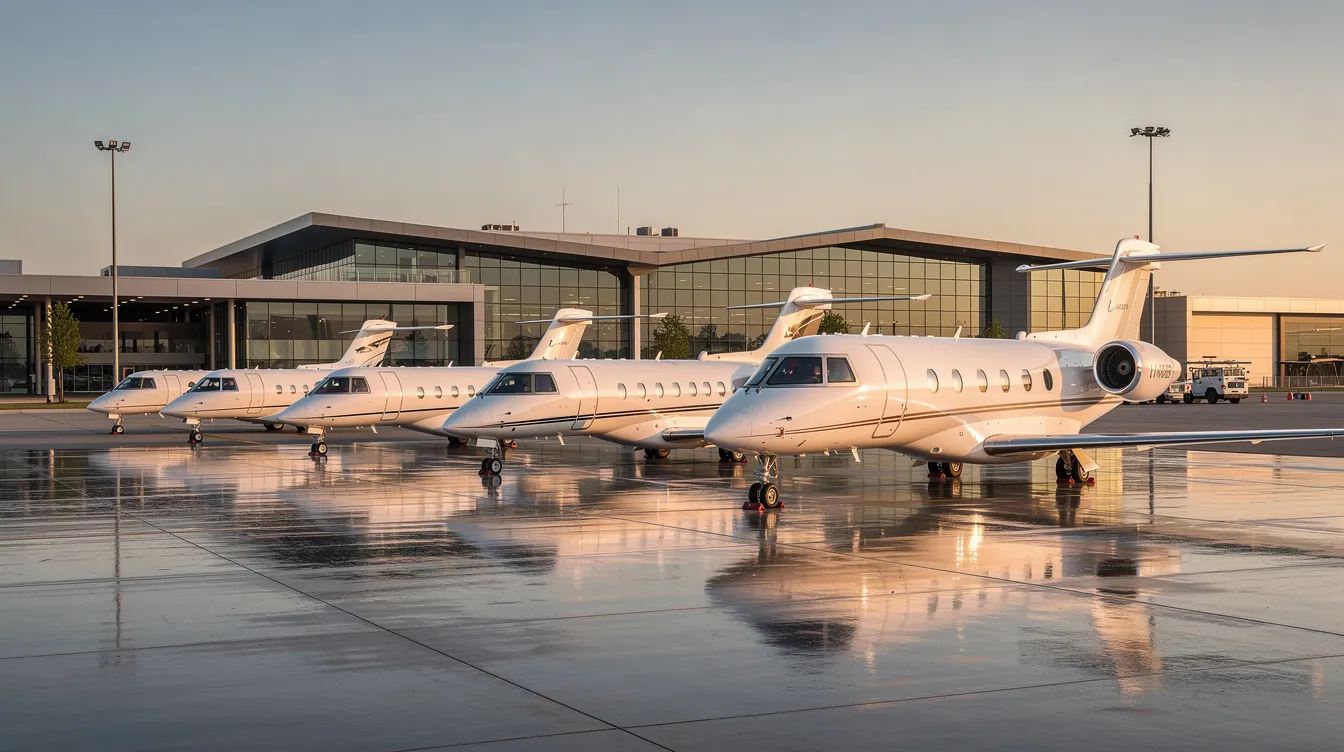
This guidance focuses on practical matching rather than technical specifications. Most first-time private flyers benefit from expert advice rather than aircraft shopping.
Miami (OPF) → Nassau (NAS): Turboprop or light jet ideal—under 200 miles, no need to pay for midsize capability; similar short-haul profiles make fractional jet ownership in Atlanta attractive for Southeast-based travelers
New York (TEB) → Aspen (ASE): Super midsize recommended—Aspen’s high-altitude runway and winter weather favor larger aircraft with better climb performance
Los Angeles (VNY) → Jackson Hole (JAC): Light or midsize jet for 2-3 passengers; super midsize if carrying ski equipment for a larger group, much like the family and leisure patterns that drive interest in fractional jet ownership in Orlando for Florida-based owners
Los Angeles (VNY) → Honolulu (HNL): Heavy or ultra long range required—2,500+ miles over open ocean, whereas shorter regional patterns can be well served by options such as fractional jet ownership in Pittsburgh.
Passenger count: Light jets comfortable for 4; heavy jets accommodate 12-16
Runway length: Turboprops and light jets access strips under 4,000 feet; larger jets need 5,000+ feet
Luggage volume: Golf bags, skis, and instruments require specific cargo configurations—a Pilatus PC-12 handles 8 golf bags easily
Weather conditions: Heavier aircraft handle icing and crosswinds more capably
Flight distance: Matching aircraft range to mission prevents costly fuel stops
BlackJet advisors help new private flyers match their “mission set” to the right fleet. A common pitfall is over-speccing—chartering a heavy jet for four passengers inflates costs 50% or more versus an appropriately sized midsize.
“How much does a private jet flight from New York to Miami cost?”
This question arrives in nearly every initial consultation, and the honest answer depends on model and usage pattern—not a single hourly rate. Private jet charter costs typically range from $2,000 to over $16,000 per flight hour, depending on aircraft type, size, and additional fees such as taxes and positioning charges. The private jet charter cost is a key factor for most travelers, and tools like a charter flight cost calculator can help estimate tailored pricing for each trip based on route, aircraft, and the availability of empty legs.
Turboprop: From approximately $2,000/hour
Light jet: $3,000–$4,500/hour
Midsize jet: $4,500–$6,000/hour
Super midsize jet: $6,000–$8,000/hour
Heavy and ultra long range: $8,000–$12,000+/hour
New York (TEB) → Miami (OPF), super midsize jet (~1,000 nm, 2.5 hours): $15,000–$25,000 total
Los Angeles (VNY) → Jackson Hole (JAC), light jet (~700 nm, 2 hours): $8,000–$12,000 total
Chicago (MDW) → Dallas (DAL), midsize jet (~800 nm, 2.2 hours): $10,000–$15,000 total
Charter suits occasional use—under 25 hours per year—where flexibility matters more than cost predictability. However, for clients flying 50 hours annually, charter costs can easily exceed $250,000 with significant variability, especially when factoring in additional costs such as maintenance, fuel, insurance, and operational fees that impact the total private jet charter cost.
Fractional ownership typically requires a careful understanding of the full cost structure of fractional jet ownership:
Capital contribution: 1/16 or 1/8 fractional share of a midsize jet ranges from approximately $500,000 to $2 million, depending on aircraft value
Monthly management fee: $10,000–$30,000 covering maintenance, hangarage, crew availability, and insurance
Occupied hourly rate: $4,000–$7,000 per flight hour, typically 20-30% below equivalent charter rates
For clients flying 25-150 hours per year, breakeven versus repeated charter typically occurs around 50-100 hours, with fractional ownership reducing total annual costs 20-40% when you account for the total cost of fractional jet ownership.
BlackJet’s Two-Core Models:
Equity Fleet: True fractional aircraft ownership with an asset on your balance sheet, potential tax advantages (depreciation, Section 179), and priority scheduling
Reserve Fleet: Membership-style access without capital outlay—pay-as-you-go hours with program pricing, no share purchase required
Sharing the cost of a private jet charter can significantly reduce expenses, allowing groups of 4-12 travelers to save 40-70% compared to flying solo. Similarly, booking empty leg flights can provide substantial savings, often offering discounts of up to 90% off standard charter rates for one-way trips when timing and routing align. When considering private jet rental, keep in mind that additional services and fees—such as in-flight catering and other extras—can affect the total rental cost.
Flight time and flight distance: Billable hours include taxi time; longer flights cost more, though shorter flights generally cost less than longer ones, as the cost is heavily influenced by fuel consumption and fuel burn
Aircraft size and age: Newer aircraft with updated avionics command premium rates; larger aircraft require more crew salaries and maintenance
Peak vs. off-peak dates: The cost of chartering a private jet can be significantly higher during peak travel times, as market demand influences pricing—flying the Friday before Memorial Day from TEB to Florida can cost 30-50% more than a Tuesday in October
Positioning legs (empty flights): If an aircraft must reposition to your departure airport, you may pay for that empty leg; fractional programs minimize this through fleet optimization
International handling: Overflight permits, customs coordination, and international head taxes add costs on routes like TEB-London Luton
Optional extras and additional services: In-flight catering, deicing ($500-2,000), Wi-Fi upgrades ($1,000-3,000), and ground transportation arrangements
Landing fees: $100–$1,000 depending on airport and aircraft weight
Ramp and handling fees: $300–$800 at most FBOs
Federal Excise Tax (FET): 7.5% on domestic charter flights
Segment fees: Per-passenger charges on commercial-equivalent routes
Additional fees such as airport landing fees, ramp and handling fees, and federal excise taxes can increase the total cost of private jet charters by 20-40% beyond the base hourly rate. Being flexible with travel dates and airports can help travelers find more affordable private jet options, as charter prices can vary significantly based on demand and aircraft availability.
Fractional programs like BlackJet’s lock in predictable program terms, smoothing fluctuations that make charter budgeting challenging for frequent flyers.
When comparing structured access options, many travelers weigh fractional jet ownership vs membership programs to align long-term commitments, flexibility, and cost structure with their actual flying patterns.
Feature/Model | On-Demand Charter | Jet Card Program | Fractional Jet Ownership (BlackJet Equity Fleet) | Membership (BlackJet Reserve Fleet) |
|---|---|---|---|---|
Commitment | None | Prepaid hours | Asset purchase (1/16, 1/8 share) | Pay-as-you-go |
Hourly Rate | Variable | Fixed/capped | 20-30% below charter | Program pricing |
Aircraft Consistency | Varies | Consistent type | Consistent type | Consistent type |
Booking Notice | 4-48+ hours | 24-72 hours | 6-24 hours | 6-24 hours |
Asset Ownership | No | No | Yes | No |
Tax Benefits | No | No | Potential depreciation | No |
Best For | <25 hrs/year | 25-75 hrs/year | 25-150+ hrs/year | 25-150 hrs/year |
Maximum flexibility with no commitment
Variable pricing depending on market demand, aircraft availability, and routing
Quality varies—each flight may involve a different operator and crew
Best for: Sporadic travelers, those testing private flight before committing
Predictable hourly rates, typically with a 24-72 hour booking notice
Guaranteed aircraft availability within program terms
Often includes deadhead fees (paying for positioning) and expiration clauses
Best for: 25-75 hours annually with consistent aircraft needs and advanced planning capability
For those new to the category, a fractional jet ownership glossary and key terms guide can clarify how shares, hours, and fees work in practice, while those evaluating capital outlay can benefit from understanding fractional jet ownership financing costs and benefits.
Predictable access with 6-24 hour booking windows
Consistent aircraft type and cabin experience
Professional management handles maintenance, crew, and scheduling
Potential tax benefits through the depreciation of the asset
Best for: 25-150+ hours annually, those valuing consistency and fractional jet ownership as a strategic investment with professional management
Membership-style access for those preferring flexibility without capital commitment—blending jet card predictability with fractional access levels
Entrepreneur with quarterly investor meetings in three cities: Fractional ownership provides multi-leg efficiency
Family with cross-country trips plus seasonal ski vacations: Fractional or membership depending on total hours
Corporate flight department supplementing existing aircraft: Reserve Fleet fills gaps during maintenance or peak periods
First-time private flyer exploring leisure travel options: Charter initially, transitioning to structured program as patterns emerge
A business flying between New York, Chicago, Dallas, and Miami 3-4 times monthly typically logs 60+ hours annually, well into the territory where fractional ownership saves 30%+ versus repeated charter
A family making regular cross-country trips (Los Angeles-New York) plus seasonal vacations typically breaks even around 40 hours
Multi-city roadshows (Boston → Toronto → Detroit → Boston in one day) eliminate repositioning fees that would accumulate with separate charters
Guaranteed or priority aircraft access—90%+ availability even on peak dates
Consistent cabin experience: Same aircraft type, trained crews, maintained to uniform standards
Multi-leg itineraries: One-plane missions across several cities without per-leg repositioning charges
Simplified budgeting: Fixed annual costs around $400,000 all-in for 50 hours on a midsize jet, versus highly variable charter spending
U.S. business owners purchasing equity shares used predominantly for business may leverage depreciation
Section 179 or bonus depreciation (consult current IRS rules and your tax advisor) can potentially recoup high upfront costs, and over time, some owners may evaluate selling a fractional jet ownership share to rebalance their travel strategy
Personal use triggers imputation rules—proper documentation matters
BlackJet tailors share size to actual usage, preventing clients from overbuying hours. When temporary needs exceed annual allocation, Reserve Fleet access supplements without requiring additional equity purchase, similar in spirit to several of the best fractional jet ownership programs for smart investors.
Picture this: On Monday afternoon, you learn a critical client meeting is set for Wednesday morning in San Francisco. You contact your BlackJet advisor at 4 PM. By 5 PM, a midsize jet is confirmed for a Tuesday evening departure from Van Nuys (VNY), arriving Oakland (OAK) before dinner, with the return flight scheduled post-meeting Wednesday afternoon.
This is flexible scheduling in practice—the ability to confirm travel with less than 24 hours’ notice through a program designed for exactly this purpose. Private jet flights can often be arranged at a moment's notice, providing unmatched convenience for urgent business travel when immediate departure is required.
Fractional programs: Typically 6-24 hours for standard booking; longer notice for holiday weekends may improve aircraft options
Jet cards: Generally, 24-72 hours required for guaranteed availability
On-demand charter: Can range from 4 hours (if the aircraft happens to be positioned nearby) to 48+ hours for specific aircraft types
Charter flights provide significant flexibility, allowing travelers to choose their departure times and access a wider range of airports compared to commercial airlines. Fractional ownership amplifies this by removing the aircraft-search friction.
Arrive at the FBO 20-30 minutes before your departure date—screening for private jet passengers is typically faster and more discreet than standard TSA lines (no long security lines, no removing shoes)
Brief identity verification at the counter; pets welcome with vaccination documentation
Walk directly to your aircraft, often parked 50 feet from the terminal door
Board, stow luggage, and take off—often within minutes of arrival
Fly at 40,000+ feet in a quiet cabin (70-80 decibels, equivalent to a quiet office)
Arrive at private terminals for expedited deplaning and ground transportation connections
Private jet travelers typically check in much closer to departure times than commercial passengers, often arriving just 15 minutes before takeoff. Compared to flying commercial—which typically requires arriving at least 1-2 hours in advance—this represents significant leisure time reclaimed.
Same-day itineraries like Houston → Austin → San Antonio → Houston work seamlessly in fractional programs. The aircraft waits during your meetings, eliminating the coordination headaches of booking multiple separate private charter flights.
Private aviation provides access to over 10,000 regional airports, allowing travelers to avoid congested major hubs and save 2-4 hours on trips compared to commercial airlines, which primarily operate from larger airports. This access to more airports—including smaller airports closer to final destinations—often proves more valuable than in-flight amenities for time-sensitive business travelers.
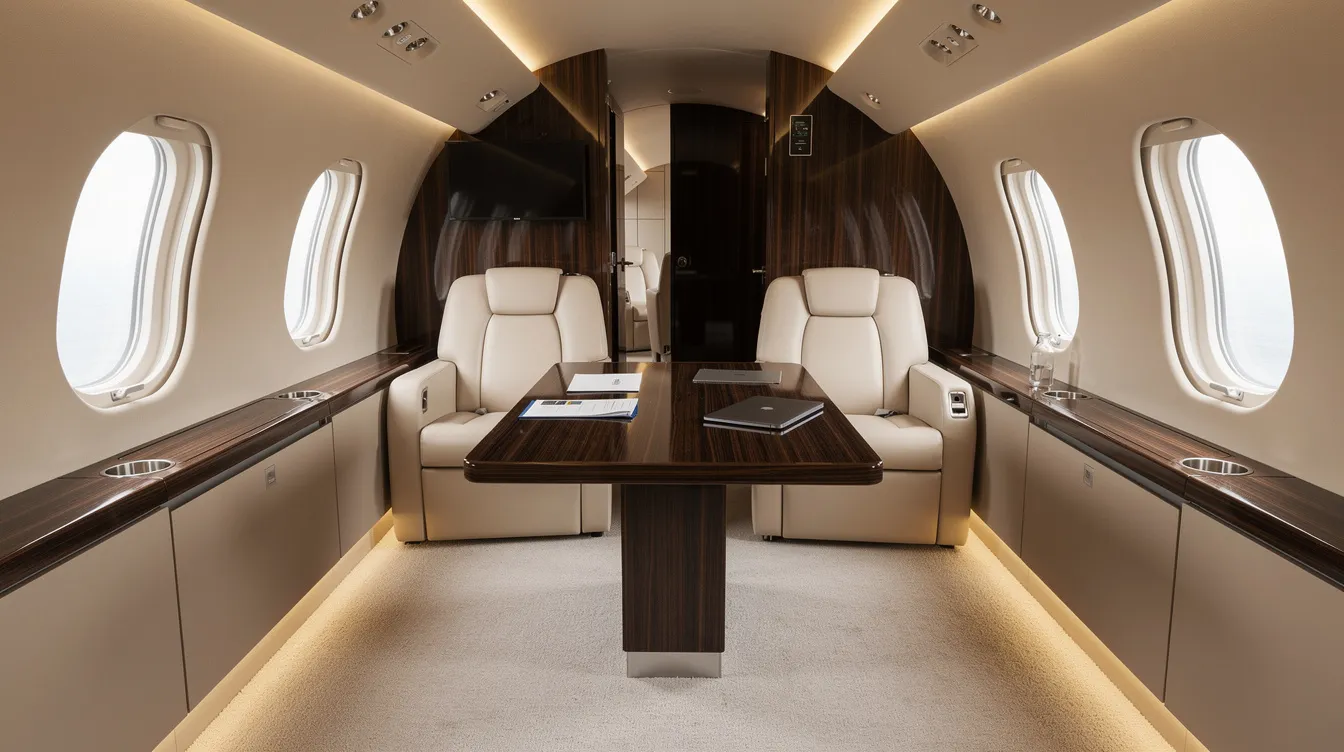
Light jets: Club seating for 4-6, enclosed lavatory, Wi-Fi capability, galley for snacks and beverages
Midsize jets: Stand-up cabin, conference-style seating options, full galley, more space for luggage
Super midsize and heavy jets: Multiple seating zones, lie-flat capability, full in-flight catering service, private restrooms
Ultra long range: Bedroom suites, showers, dedicated crew rest areas
In-flight catering ranges from light refreshments to fully customized multi-course meals
Client profiles store preferences: specific wines, vegan or kosher requirements, children’s menus, allergies
Advance requests (24-48 hours) accommodate elaborate dining; day-of requests handle standard provisions
Gogo and Viasat systems provide 50-100 Mbps speeds on equipped aircraft
Basic video conferencing works reliably above 30,000 feet
Many executives treat private flight time as productive “office in the sky” hours—reviewing documents, taking calls, or preparing for meetings
Cabin noise levels permit normal conversation without raising voices
No risk of adjacent passengers overhearing sensitive discussions
Attractive to legal, financial, and technology firms handling confidential matters
Popular destinations for confidential deal work include short hops to private meeting venues
For long-distance travel—longer flights of 8+ hours—heavy and ultra-long-range jets offer bedroom configurations, allowing executives to arrive rested rather than fatigued.
Equity share purchases used predominantly for business may qualify for depreciation
Section 179 and bonus depreciation rules apply to qualifying business assets (consult your CPA or tax attorney for current guidance)
Personal use triggers imputation—IRS rules require careful documentation of business vs. personal allocation
Properly structured programs provide documentation supporting business-use claims, often built around a carefully drafted aircraft fractional ownership sample contract reviewed with legal counsel
Alongside FAA rules and safety audits, appropriate liability and insurance coverage in fractional jet ownership protects both corporate and personal balance sheets.
FAA Part 135: Certificate required for commercial charter operations; mandates crew qualifications, maintenance standards, and operational controls
FAA Part 91: Governs owner-operated flights; fewer restrictions but also fewer third-party oversight requirements
Safety audits: ARGUS Platinum ratings (top 5% of operators) and Wyvern certifications indicate comprehensive safety management systems, and understanding essential contract terms in fractional jet ownership helps ensure those standards are captured in your agreements
BlackJet Fractional Jet Ownership partners exclusively with vetted operators and management teams, maintaining consistent safety oversight, standardized pilot training, and robust maintenance programs, reflecting the standards described in its dedicated resource on pilots and crews in fractional jet ownership. Pilots undergo simulator training every six months, with typical experience levels of 3,000-5,000 flight hours.
Overflight permissions for routes crossing multiple countries (e.g., New York-Dubai)
Customs and immigration coordination is handled behind the scenes
Routes like Teterboro → London Luton or Miami (OPF) → São Paulo (GRU) require advance documentation—fractional programs manage this complexity for clients
Cost-effective travel internationally requires understanding these handling fees and their impact on total mission cost, as well as how floating fleet options in fractional ownership can reduce repositioning and optimize aircraft utilization.
Sustainable Aviation Fuel (SAF): Blends of 5-10% reduce lifecycle CO2 emissions up to 80%; availability increased 50% in 2025
Carbon offset programs: Voluntary programs at $5-15 per ton allow clients to neutralize flight emissions
Aircraft efficiency: Newer designs reduce fuel burn per passenger-mile; matching aircraft size to mission prevents unnecessary consumption
Flight optimization: Minimizing repositioning legs reduces empty flights—fractional programs cut these 20-30% versus repeated charter
Private aviation carries a higher per-passenger footprint than commercial airline alternatives. Thoughtful program design—right-sized aircraft, combined legs, SAF where available—meaningfully reduces unnecessary emissions without eliminating them entirely.
BlackJet works with operators offering SAF at major hubs and arranges voluntary offset programs for environmentally conscious clients. The goal is pragmatic sustainability rather than greenwashing.
This section addresses questions that arise frequently from both new and experienced private flyers.
Range varies by category. Light jets typically cover 1,200-1,500 miles nonstop. Super midsize jets reach approximately 3,000 miles. Ultra long-range aircraft exceed 6,000 miles—sufficient for New York-London or Los Angeles-Tokyo direct.
Private jet passengers typically arrive 15-30 minutes before takeoff. FBOs process arrivals quickly, with direct walk-out to the aircraft. No two-hour advance arrival like commercial flights.
Yes. Dogs and cats regularly fly private. Vaccination documentation may be required, particularly for international travel. No cargo hold—pets remain in cabin with you.
Luggage capacity varies by aircraft. Light jets accommodate 300-400 lbs; heavy jets handle 1,000+ lbs. Golf bags, skis, and oversized items fit more easily than in commercial airline overhead bins.
Flexibility is a core advantage. Fractional and membership programs accommodate schedule changes—the aircraft waits. Communicate delays to your advisor, and departure adjusts accordingly.
Yes. Shares can be structured for families or corporations with multiple authorized users. Usage allocates against the shared annual entitlement.
BlackJet’s team monitors weather conditions and advises on alternatives—different routing, alternate airports, or schedule adjustment. Safety never compromises for the schedule.
Crews are trained in emergency procedures. For clients with specific medical care requirements, advance arrangements ensure appropriate equipment and protocols.
You’ve flown private charter 25+ hours in the past 12 months and expect similar or growing demand
Your travel centers on predictable routes with more flights between familiar city pairs
Budgeting certainty matters more than pure flexibility
You value consistent aircraft types, crews, and service standards over the variability of the charter market
Review your travel from the past 12-24 months: destinations, frequency, passenger counts, and specific trip requirements
Model scenarios across charter, jet card, and fractional ownership with a BlackJet advisor
Identify the breakeven point for your usage profile
Select Equity Fleet (ownership economics and tax potential) or Reserve Fleet (membership flexibility) based on your priorities
For international travel, corporate shuttles between regional offices, or complex multi-leg missions, structured access eliminates the coordination burden that accumulates with repeated charter arrangements.
Visit FractionalJetOwnership.com to learn how fractional ownership can transform your travel experience. Whether you’re considering your first private plane flight or optimizing an existing corporate flight program, BlackJet’s team provides excellent service tailored to your moment’s notice needs.
Private aviation isn’t merely a luxurious private jet experience—it’s a strategic tool to reclaim time, expand business reach, and simplify complex travel. For those flying 25-150 hours annually, the right aircraft and right structure convert travel from logistical burden into competitive advantage.
Private jet flights offer unparalleled convenience, flexibility, and efficiency for executives and high-net-worth travelers who demand more from their time in the air. Whether through fractional ownership, membership programs, or on-demand charter, structured access models provide tailored solutions that optimize cost, availability, and aircraft consistency. Fractional ownership, in particular, stands out for those flying 25–150 hours annually, delivering predictable costs, priority scheduling, and potential tax benefits that make private aviation a strategic business asset rather than just a luxury.
For travelers seeking the smartest way to access private jet flights, BlackJet Fractional Jet Ownership offers expert guidance and comprehensive programs designed to meet diverse travel needs. From the Equity Fleet’s ownership advantages to the Reserve Fleet’s flexible membership, clients benefit from a global network of aircraft, professional management, and seamless scheduling.
Ready to transform your travel experience and gain the competitive edge that private aviation affords? Visit FractionalJetOwnership.com today to explore your options and schedule a personalized consultation. Discover how fractional jet ownership can unlock new efficiencies, elevate your business travel, and provide the freedom to fly your way—anywhere, anytime.
