
May 4, 2026
The phrase “private jet for sale real” has become essential search terminology in 2026. In today's market, buyers are seeking verified aircraft with current pricing, documented maintenance, and genuine availability—not stale listings used as market comparables. A private plane offers unmatched luxury, comfort, and flexibility compared to commercial travel. This guide is for high-net-worth individuals, business owners, and corporate flight departments considering private jet acquisition or alternatives. In a market with many outdated or misleading listings, knowing how to identify a real private jet for sale is crucial for making informed decisions and avoiding costly mistakes. This guide breaks down what real listings look like in today’s market, the true cost of ownership, and why fractional jet ownership often delivers better value for most travelers.
When serious buyers search for a private jet for sale, they’re seeking current, verifiable 2025–2026 listings with concrete prices, total airframe hours, maintenance histories, and engine program enrollment status. In today's market, real listings distinguish themselves from speculative inventory through transparency and recent update timestamps, reflecting the dynamic conditions and demand in private aviation.
The 2026 private jet market reflects strong demand across all categories in today's market. Older light jets trade under $3M, while mainstream midsize and super-midsize aircraft command $5M–$15M. Large-cabin and long-range business jets range from $15M to $60M or more, depending on age, hours, and equipment.
To confirm a private jet listing is genuinely current:
Look for date stamps such as “Updated 24 Apr 2026” or similar recent markers
Verify serial numbers, total airframe hours, and engine time since overhaul
Confirm engine program enrollment (MSP Gold, ESP Gold, JSSI, or CorporateCare)
Request last inspection dates and compliance status for ADS-B OUT and other mandates
Serious buyers should verify a real private jet listing by checking for date stamps, reviewing all core documentation, and scheduling an independent pre-purchase inspection at a reputable facility before closing. A thorough pre-purchase inspection includes a detailed review of the aircraft's service history, maintenance logs, and compliance with all required programs, ensuring no hidden issues. A “real” private jet listing can be verified through up-to-date documentation and a successful pre-purchase inspection.
Many of the most desirable aircraft never reach public listing sites, transacting instead through private broker networks, so working with experienced brokers is essential.
The International Aircraft Dealers Association (IADA) accredits only the top 5% of dealers globally, so buyers should prioritize working with IADA-accredited brokers for added assurance, especially when evaluating modern program structures like floating fleet options in fractional ownership.
For travelers flying 25–150 hours annually, fractional jet ownership or membership programs like BlackJet Fractional Jet Ownership often deliver 80–90% of full-ownership benefits without the capital commitment. Before purchasing a specific aircraft, evaluating your actual flight hour needs can reveal whether whole ownership truly makes financial sense.
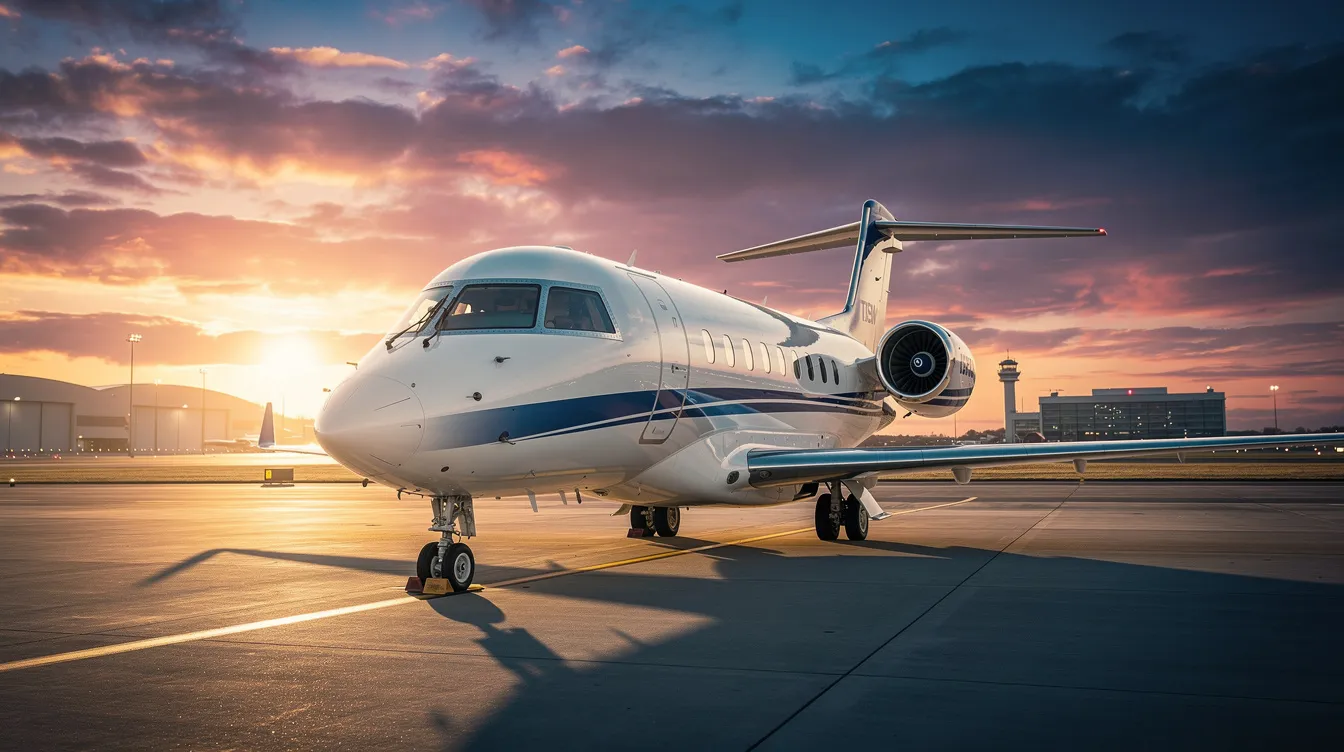
The 2026 market offers a wide spectrum of pre-owned jets, from sub-$3M Learjets to $10M–$20M Falcons and Globals. The listings below mirror the style of real broker inventory found on platforms like Guardian Jet, AvBuyer, and Atlantic Jet Partners.
2004–2007 Bombardier Learjet 45XR in North America, typically around $2.4M–$2.8M. Often features Honeywell MSP Gold-engined engines and Honeywell MSP APU-engined, with Part 135 charter-ready status and recent avionics upgrades.
2010–2012 Hawker 900XP in the United States priced $4.0M–$5.0M. Frequently includes 2024/2025 paint and interior refurbishment plus Gogo AVANCE L5 connectivity.
2018–2020 Embraer Phenom 300E in the U.S. or Canada, trading around $11.5M–$14M. Typically equipped with ESP Gold APU-engined engines and Garmin G3000 avionics with synthetic vision.
2010 Bombardier Challenger 605 in North America is typically listed around $10M–$13M. One-owner aircraft often feature recent interior refurbishments and Ka-band or Starlink connectivity.
2015–2018 Dassault Falcon 7X or Falcon 2000LX in Europe, with ESP Gold and MSP Gold plus EASy II avionics. Pricing ranges between $18M and $28M, depending on hours and damage history.
Maintenance program enrollment materially impacts value and buyer interest
Connectivity upgrades (Gogo AVANCE, Starlink, SwiftBroadband) command premium pricing
Aircraft with single corporate ownership histories sell faster
Recent refurbishments reduce price negotiation leverage but lower future capital needs
ADS B compliance and modern avionics are now baseline expectations
In today’s market, pricing reflects tight inventory and strong demand. Most business aircraft cluster between $5M and $30M, with clear stratification by category, age, and range capability. In today's market, most private jets fall within a price range of between USD $30 million and USD $5 million, with some older jets depreciating to below $2 million, and even less than $1 million after several years of depreciation. New private jets generally cost between USD $30 million and USD $80 million, while used models can be found for under USD $2 million.
Aircraft Category | Typical Price Range (USD) | Seating Capacity | Range (nautical miles) | Notes |
|---|---|---|---|---|
Very Light and Light Jets | $2.5M – $8M | 4–7 | Up to 2,000 | Regional missions; examples: Citation CJ4, Phenom 100EV |
Midsize and Super-Midsize | $6M – $18M | 7–10 | 2,500–3,800 | Transcontinental; examples: Hawker 900XP, Praetor 600 |
Large Cabin and Long-Range | $12M – $55M+ | 10–19 | 5,000–6,500+ | Transatlantic; examples: Falcon 7X, Global 6000 |
VVIP Airliners | $25M – $120M+ | 19+ | Varies | Customized airliners like BBJ, ACJ319 |
Mid-life refurbishments, adding new paint, interior, and avionics, can add $1M–$5M+ to the asking price
Pre-owned jets can be 20% to 50% cheaper than new jets and can be available immediately, but require intensive Pre-Purchase Inspections.
Pre-owned aircraft typically trade 20–50% below new aircraft pricing but may carry higher future maintenance reserve requirements.
Gulfstream aircraft and Bombardier Globals retain value well due to strong demand.
Older jets require careful evaluation of upcoming inspection events and engine overhaul timing.
New jets typically feature manufacturer warranties and the latest avionics, but have higher initial prices and longer lead times.
Original Equipment Manufacturer (OEM) backlogs for new jets currently extend into 2027
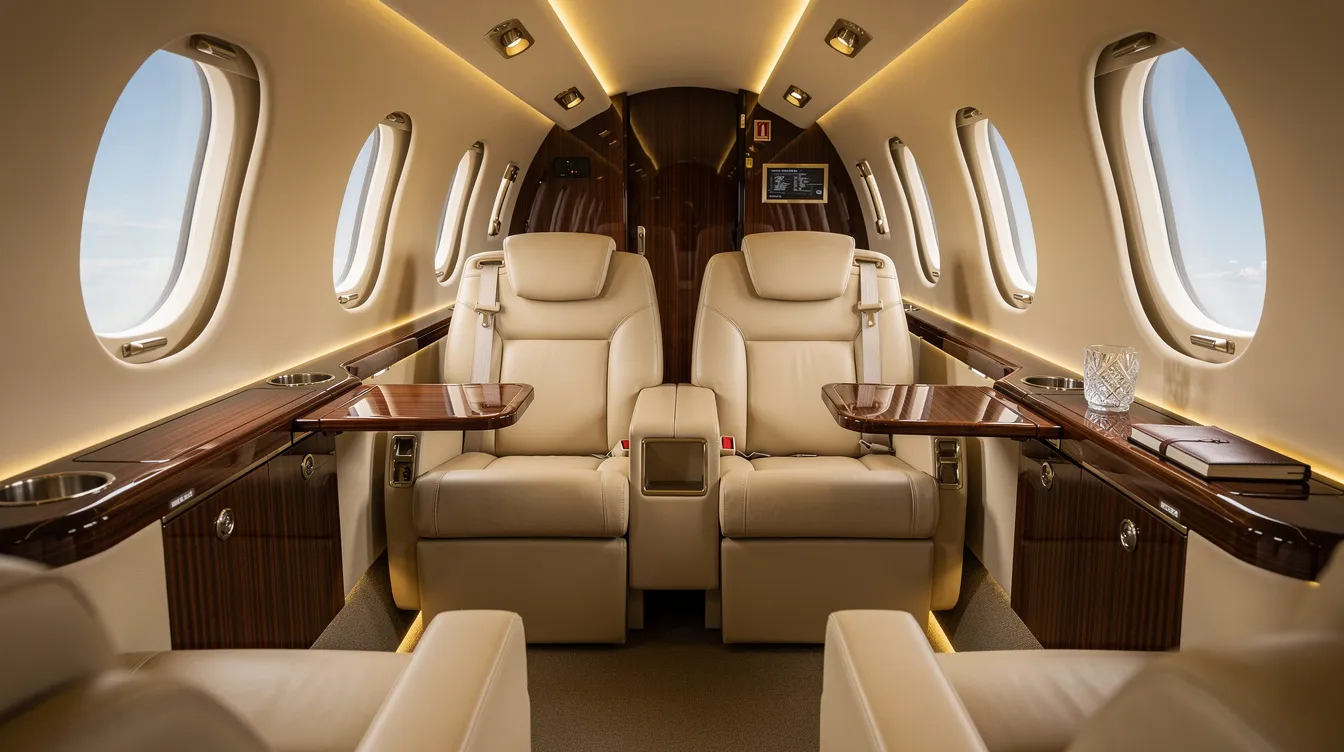
Anyone searching for a private jet for sale really must factor in the total cost of ownership—not just purchase price. Many buyers discover that fractional jet ownership costs compare favorably to full ownership, and that fractional jet ownership or membership programs deliver better economics for their actual usage patterns.
Light jets: $600K–$900K annually (crew salaries, hangar, insurance, training, subscriptions, management)
Midsize jets: $800K–$1.2M annually
Large-cabin jets: $1.5M–$2.5M+ annually
Fixed annual costs include crew salaries for pilots and flight attendants, which typically range from $85,000 to $300,000 per person annually, and hangar fees that can run between $50,000 and $200,000. Pilot and crew quality and training standards are critical considerations, and maintenance scheduling is often based on pressurization cycles rather than just flight hours, affecting long-term upkeep planning.
Light jets: $1,700–$2,200 per flight hour
Midsize jets: $2,200–$2,800 per flight hour
Large and ultra-long-range: $4,500–$9,500+ per flight hour, driven by fuel prices and engine program enrollment
Aircraft engines and Auxiliary Power Units (APUs) enrolled in maintenance programs such as Honeywell MSP Gold, JSSI, or CorporateCare significantly impact the aircraft's value and liquidity by reducing unexpected costs and ensuring smoother maintenance cycles, a concept frequently highlighted in fractional jet ownership terminology guides.
Major maintenance events like 96-month gear overhauls, C-checks, and engine overhauls can run from mid-six figures to several million dollars per event, compounding total ownership costs.
Total Cost of Ownership (TCO) includes purchase price plus all operating costs such as fuel, crew salaries, hangar fees, insurance, training, subscriptions, maintenance, and major inspections, mirroring how total fractional ownership cost is calculated.
BlackJet Fractional Jet Ownership alternatives such as the Reserve Fleet, Equity Fleet, and Lease Program:
Reserve Fleet model: Pay-as-you-go hours without capital purchase, ideal for 25–75 hours annually. No aircraft asset risk or resale concerns.
Equity Fleet model: Fractional ownership shares (1/8, 1/4, etc.) in specific aircraft types with priority access, predictable scheduling, and potential U.S. tax benefits, including bonus depreciation where applicable. Consult a tax professional for structuring guidance.
The comparison in practice: Buyers evaluating whole aircraft versus shared models should understand fractional jet ownership as an investment, with its benefits and considerations.
Full ownership typically suits those flying 300+ hours per year, where the economics justify the capital investment and operating costs. For those flying under 200–250 hours annually, charter or membership models like BlackJet’s fractional programs often provide better value and flexibility without the burdens of full ownership, especially when fractional ownership financing options are taken into account.
Due diligence on private jet listings protects buyers from wasted time, unsuitable aircraft, and hidden maintenance exposure. A disciplined buyer approaches every listing with systematic verification.
Confirm update date (e.g., “Updated 23 Apr 2026”) and ask the broker directly if the aircraft remains available. Stale listings may serve as market data comparables only.
Request full technical summary: serial number, total airframe hours, cycles, engine and APU hours, program enrollments (Honeywell MSP Gold, JSSI programs, ESP, CorporateCare), and last major inspections.
Verify enrollment status for key regulatory requirements: ADS B OUT, RVSM, FANS-1/A+, SBAS-LPV, and CPDLC certification, where relevant for your intended routes.
Insist on a pre-purchase inspection at a reputable facility such as Duncan Aviation or West Star Aviation. Budget approximately $25K–$75K and 3–5 days for a comprehensive pre-buy inspection.
Inspection findings can support price renegotiation, seller-funded repairs, or deal termination without inheriting deferred maintenance. Most unsuitable aircraft reveal issues during this phase.
For buyers not ready to navigate this complexity, structured access via BlackJet Fractional Jet Ownership removes the burden of independent verification while guaranteeing fleet quality and maintenance standards.
A well-executed private jet acquisition, from initial search to closing, typically takes 60 to 120 days, assuming the buyer approaches the process with discipline and the seller is cooperative.
Weeks 1–3: Mission analysis covering routes, frequency, passenger count, and runway constraints. Define budget parameters and decide between light, midsize, or large-cabin categories based on your mission profile.
Weeks 3–6: Engage an experienced broker and aviation attorney. Shortlist 3–6 aircraft and request detailed technical packages, including maintenance histories from platforms like Guardian Jet.
Weeks 6–8: Submit Letter of Intent (LOI) with deposit into escrow. Negotiate key terms,s including price, delivery conditions, and which discrepancies the seller must correct.
Weeks 8–10: Conduct PPI and records review at an independent maintenance facility. Evaluate discrepancies, corrosion findings, damage history, or logbook gaps that could affect your purchase decision.
Weeks 10–14: Finalize purchase agreement with title search confirmation, organize financing and insurance, perform acceptance flight, close via escrow, and complete aircraft registration.
Many future owners use charter or fractional programs during this phase. BlackJet Fractional Jet Ownership provides interim flying solutions on your own schedule while a purchase decision is being evaluated, and can support you later if you decide on selling your fractional jet ownership share, ensuring no gaps in private aviation access.
For readers searching for private jets for sale but uncertain whether buying is optimal, aligning the access model with annual flight hours provides clear guidance, whether you’re considering fractional jet ownership in Orlando or another regional hub.
Hour-based decision framework: Understanding your usage helps when comparing top fractional jet ownership programs for smart investors.
Under ~50 hours/year: On-demand charter typically proves most economical. No capital commitment, pay only when flying. Suitable for travelers with unpredictable schedules or those serving remote communities occasionally.
Roughly 50–150 hours/year: Fractional jet ownership or membership programs often provide optimal balance. BlackJet’s Reserve Fleet and Equity Fleet models deliver predictable access without full ownership burden.
200–400+ hours/year: Whole aircraft ownership may justify economics if supported by robust corporate or family usage, expert management, and potentially limited chartering to offset costs through airline service revenue, though some travelers may still prefer flexible program structures like BlackJet’s Reserve Fleet, Equity Fleet, and Lease options.
Predictable access to modern aircraft without full purchase price, including guaranteed availability windows and structured booking rules suitable for executives traveling to more than one destination.
Professional management of maintenance, crew, and scheduling removes operational burdens for individuals and corporate flight departments alike.
Potential U.S. tax advantages on equity-based shares when structured correctly, alongside the need for robust liability and insurance coverage in fractional jet ownership. Consult tax and legal advisors for personalized guidance.
BlackJet can analyze your past 12–24 months of travel data and recommend whether charter, fractional, or full ownership delivers optimal value for your situation, and help you understand key points in an aircraft fractional ownership sample contract and other essential contract terms in fractional jet ownership.
Sophisticated buyer approaches prioritize safety and long-term value alongside cabin configuration and range capability. Understanding maintenance program dynamics protects both operational reliability and resale positioning.
Common programs include Honeywell MSP APU, Rolls-Royce CorporateCare, Pratt & Whitney ESP Gold, and JSSI for engines enrolled and APU enrolled coverage.
Aircraft in comprehensive programs sell faster and closer to the asking price with more predictable maintenance budgeting for new owners.
Engines enrolled in hourly programs eliminate surprise overhaul costs and support cleaner transaction negotiations.
Modern private jets should feature ADS-B OUT, TCAS 7.1, synthetic vision, and advanced avionics suites such as Garmin G5000 or TAP Blue configurations.
Confirm participation in recognized maintenance tracking systems such as CAMP for comprehensive records management.
Buyers should verify compliance with current mandates before finalizing any purchase.
Fractional providers like BlackJet carefully curate fleets and partners to meet strict maintenance and safety standards. Individual buyers gain access to aircraft meeting institutional-grade requirements without building that verification framework independently, whether they’re based in fractional ownership markets like Pittsburgh or flying nationwide.
This FAQ addresses common questions from high-net-worth individuals and business owners exploring jets for sale versus fractional solutions.
Most private jets trade between $2M and $60M+, depending on category. Light jets typically range $2.5M–$8M, midsize aircraft $6M–$18M, and large-cabin long-range jets $15M–$55M+. Pre-owned aircraft offer 20–50% savings versus new,w but may require additional investment in avionics upgrades and scheduled airline-level cabin refurbishment. North America continues to dominate the business jet market, commanding 70% of the global fleet.
Under 50 hours annually typically favors charter. Between 50 and 150 hours, fractional jet ownership in markets like Nashville through programs like BlackJet delivers optimal value. Above 200–400 hours, whole ownership may justify economics if paired with professional management and high utilization.
U.S. buyers may leverage bonus depreciation and other provisions for qualifying business use. The return of 100% bonus depreciation in the U.S. remains a primary driver for year-end purchases. Equity-based fractional programs can be structured with tax efficiency, as outlined in this overview of tax implications for fractional jet owners, though consultation with a CPA and aviation attorney is essential. Jet cards and charter typically offer fewer tax advantages than equity ownership structures.
A well-executed private jet acquisition generally takes 60 to 120 days from search to closing, assuming cooperation from both buyer and seller and disciplined management of inspections and negotiations.
BlackJet serves as an excellent stepping stone, providing operational experience and detailed usage data. This foundation supports informed full-aircraft acquisition decisions when usage patterns justify whole ownership economics.
Private jets can access around 10 times as many airports in the US as scheduled airlines, providing greater flexibility and access to remote communities without airline service. This expanded access is a key advantage for travelers needing to reach destinations not served by scheduled airlines.
Private jets allow travelers to control their own schedules, which can lead to increased productivity compared to being restricted to commercial airline schedules. Additionally, approximately 38% of business aviation missions involve stopping at more than one destination, emphasizing the flexibility and productivity benefits of private jet travel.
The 2026 private jet for sale real landscape spans everything from sub-$3M Learjets to $20M+ Falcons and Globals. Smart private jet buyers recognize that the optimal acquisition isn’t always the largest—it’s the one aligned with actual usage patterns and ownership goals.
Real listings always show current dates, transparent hours, maintenance programs, and inspection status. Market data from reputable brokers provides accurate pricing guidance.
True ownership cost extends far beyond purchase price. Annual fixed costs and variable costs can exceed seven figures even on midsize aircraft.
Fractional jet ownership and membership programs like BlackJet’s Reserve Fleet and Equity Fleet deliver predictable, premium access for 25–150 hours annually without full ownership complexity.
Consider analyzing your last 12–24 months of travel with BlackJet’s advisory team. Receive a custom recommendation on whether charter, fractional ownership, or full aircraft purchase best fits your situation—based on data, not assumptions.
Ready to explore the smarter way to fly private? Visit FractionalJetOwnership.com to learn how BlackJet Fractional Jet Ownership can transform the way you travel.
