June 20, 2026
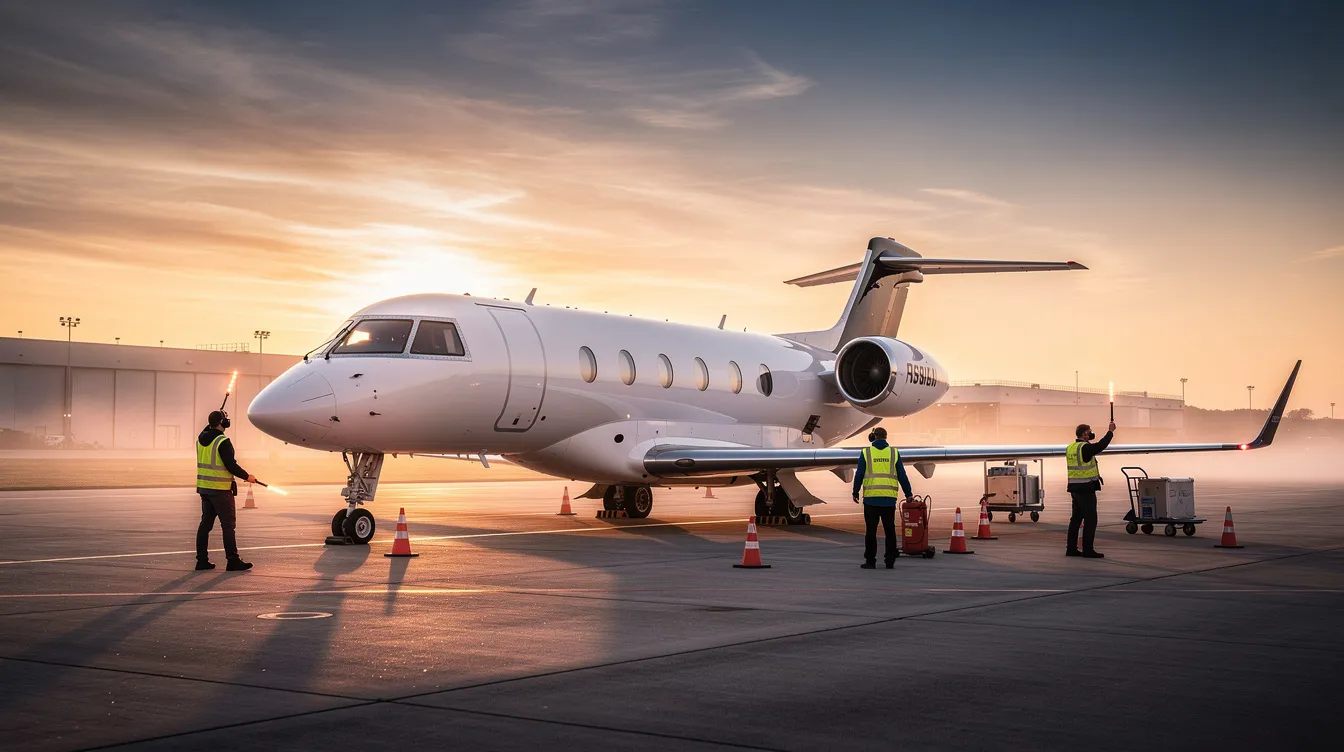
India's private aviation market has expanded rapidly since 2020, driven by growing demand from business leaders, family offices, and entrepreneurs who value time, security, and flexible schedules. The question "What is the real private jet price in India?" comes up more often than ever.
This guide is designed for business leaders, entrepreneurs, and families considering private jet travel or ownership in India.
Compared with commercial airlines, private jets allow travelers to bypass crowded airports, hold confidential meetings during the private jet journey, and access smaller regional airports unreachable by scheduled carriers. Private jets can access over 50 airports across India, including major hubs like Indira Gandhi International Airport in Delhi and Mumbai's Chhatrapati Shivaji Maharaj International Airport, as well as smaller regional airports that offer more convenient access and lower fees.
This guide covers two dimensions: the cost of chartering a private jet in India and the cost of owning or partially owning an aircraft—including fractional jet ownership—with India-relevant numbers for 2026. All figures are realistic planning ranges; final quotes depend on the specific itinerary, operator, and market conditions.
In 2026, private jet charter rates in India typically range from about ₹1.5 lakh per hour for turboprops to ₹12 lakh+ per hour for ultra-long-range jets, with the final cost shaped by flight distance, airport fees, seasonal demand, and aircraft availability.
A Delhi–Mumbai charter on a light jet usually falls in the ₹5–9 lakh range one way, while a Delhi–Dubai sector on a heavy jet can run ₹30–60 lakh+ depending on configuration and season.
Full private jet ownership in India starts at around ₹16 crore for entry-level light jets and exceeds ₹550 crore for ultra-long-range aircraft, with annual operating costs adding 10–15% of the aircraft's value.
Fractional jet ownership and jet card membership programs can provide significant savings on capital outlay while preserving most of the convenience of private jet travel for clients flying 50–200 hours per year.
Fractional Jet Ownership helps clients compare charter, jet cards, and fractional aircraft ownership to identify the most cost-efficient solution for their travel profile.
India's private aviation market has expanded rapidly since 2020, driven by growing demand from business leaders, family offices, and entrepreneurs who value time, security, and flexible schedules. The question "What is the real private jet price in India?" comes up more often than ever.
This guide is designed for business leaders, entrepreneurs, and families considering private jet travel or ownership in India.
Compared with commercial airlines, private jets allow travelers to bypass crowded airports, hold confidential meetings during the private jet journey, and access smaller regional airports unreachable by scheduled carriers. Private jets can access over 50 airports across India, including major hubs like Indira Gandhi International Airport in Delhi and Mumbai's Chhatrapati Shivaji Maharaj International Airport, as well as smaller regional airports that offer more convenient access and lower fees.
This guide covers two dimensions: the cost of chartering a private jet in India and the cost of owning or partially owning an aircraft—including fractional jet ownership—with India-relevant numbers for 2026. All figures are realistic planning ranges; final quotes depend on the specific itinerary, operator, and market conditions.
The cost of private jet services in India can range from ₹1.5 lakh to over ₹10 lakh per flight hour, influenced primarily by aircraft type and flight distance. Private jet charter rates in India start at ₹1.5 lakh per hour for turboprops and scale upward:
Turboprops (e.g., King Air B200): ₹1.5–2.25 lakh per hour
Light jets: ₹2.25–3.75 lakh per hour (Light jets accommodate 4–7 passengers for short flights, ideal for domestic routes.)
Midsize / super-midsize jets: ₹3.5–6.5 lakh per hour (Midsize jets offer more space and range than light jets.)
Heavy jets: ₹5.25–9 lakh per hour (Heavy jets are preferred for luxury travel and international routes.)
Ultra-long-range jets: ₹7.5–12 lakh+ per hour (Ultra-long-range jets can exceed ₹10 lakh per hour in charter costs.)
These hourly charter rates exclude GST and most airport fees. A flat 18% GST applies to domestic private jet charters in India, while international flights are typically zero-rated or exempt from GST. Fuel surcharges can increase private jet costs by 25–30%, a trend that has accelerated over the last two years. Operators typically enforce a minimum billing of 1.5 to 2 flight hours even on shorter sectors. Transparent pricing requires adding crew fees, ground handling, and landing fees, which the sections below break down in detail.
To help you navigate the different types of private jets available in India, here are brief definitions of the main categories:
Turboprop: A propeller-driven aircraft suitable for short regional hops. Private jets include turboprops, light jets, and heavy jets.
Light Jet: Accommodates 4–7 passengers for short flights.
Midsize Jet: Offers more space and range than light jets.
Heavy Jet: Preferred for luxury travel and international routes.
Ultra Long Range Jet: Designed for nonstop intercontinental flights; can exceed ₹10 lakh per hour in charter costs.
Chartering a private jet in India generally involves additional logistical expenses beyond the base hourly rates. The cost of private jet services in India is influenced by aircraft type and flight distance, but crew, airport charges, in-flight services, and seasonal demand all contribute to private jet charter pricing. Understanding each driver helps avoid hidden fees.
Aircraft category is usually the single biggest driver of price. Private jets include turboprops, light jets, and heavy jets—each suited to different missions:
Turboprops like the King Air handle short regional hops at ₹1.5–2.25 lakh per hour.
Light jets accommodate 4–7 passengers for short flights at ₹2.25–3.75 lakh per hour, ideal for domestic routes carrying six to eight passengers comfortably.
Midsize jets offer more space and range than light jets, running ₹3.8–6.5 lakh per hour for 2–4-hour missions.
Heavy jets are preferred for luxury travel and international routes at ₹5.25–9 lakh per hour.
Ultra-long-range jets (Global 6000, Gulfstream G650ER) serve nonstop flights like Mumbai–London at ₹7.5–12 lakh+ per hour.
Smaller jets and turboprops dominate domestic private jet charters, while fractional jet ownership programs—especially those built around floating fleet options in fractional ownership—commonly focus on midsize to super-midsize aircraft because they balance hourly rates, range, and comfort.
Most private charter invoices are calculated on block hours multiplied by the aircraft's hourly rate, plus fees. Flight time directly scales cost: Delhi–Mumbai is roughly 2 hours, Bengaluru–Goa about 1 hour, and Mumbai–Dubai is around 3 hours. Route complexity adds further expense—slot-restricted hubs, night operations surcharges, and airspace permits on international legs all factor in.
Repositioning (ferry) flights to bring the aircraft from its base to the passenger's departure airport can add 0.5–3 hours of billed time. These positioning fees are often the most overlooked component of a quote, particularly when no nearby aircraft is available.
Pilot and co-pilot crew salaries are typically embedded in hourly rates, but long layovers away from an aircraft's home base trigger crew overnight fees—hotels, meals, and daily allowances—that can add tens of thousands of rupees per night. Flight attendants provide VIP service on larger jets, and India's DGCA duty-time regulations may require additional crew on ultra-long-range missions. Concierge services often handle trip planning and logistics, ensuring a seamless travel experience.
Professional operators include liability insurance and safety management system compliance as part of their cost structure, often mirroring the essential liability coverage in fractional jet ownership. Unusually low quotes may cut corners in these areas.
Major metropolitan airports charge higher handling and landing fees compared to smaller regional hubs. Landing fees can add ₹1–1.5 lakh per stop to charter costs, and separate landing and airport slot allocation fees may apply for private jet services. Parking fees and hangar fees for overnight stays at airports like BOM or DEL push costs further.
International sectors also require permits, customs, and immigration coordination. Ground handling partners at destinations like Dubai or London each add to the total cost. Handling fees at Gandhi International Airport in Delhi, for example, are considerably higher than at smaller regional airports.
Most Indian private jet charters include basic refreshments, but private jets offer tailored gourmet catering services—bespoke meals, premium wines, and dietary menus—at an additional cost. Modern jets include Wi-Fi and entertainment systems, though satellite connectivity on heavy and ultra-long-range jets may incur per-flight charges. Premium amenities and premium services such as chauffeured ground transportation in major cities, meet-and-assist, and hotel arrangements are typically billed at cost plus a coordination fee. Corporations often pre-define a service standard to keep personalized service predictable.
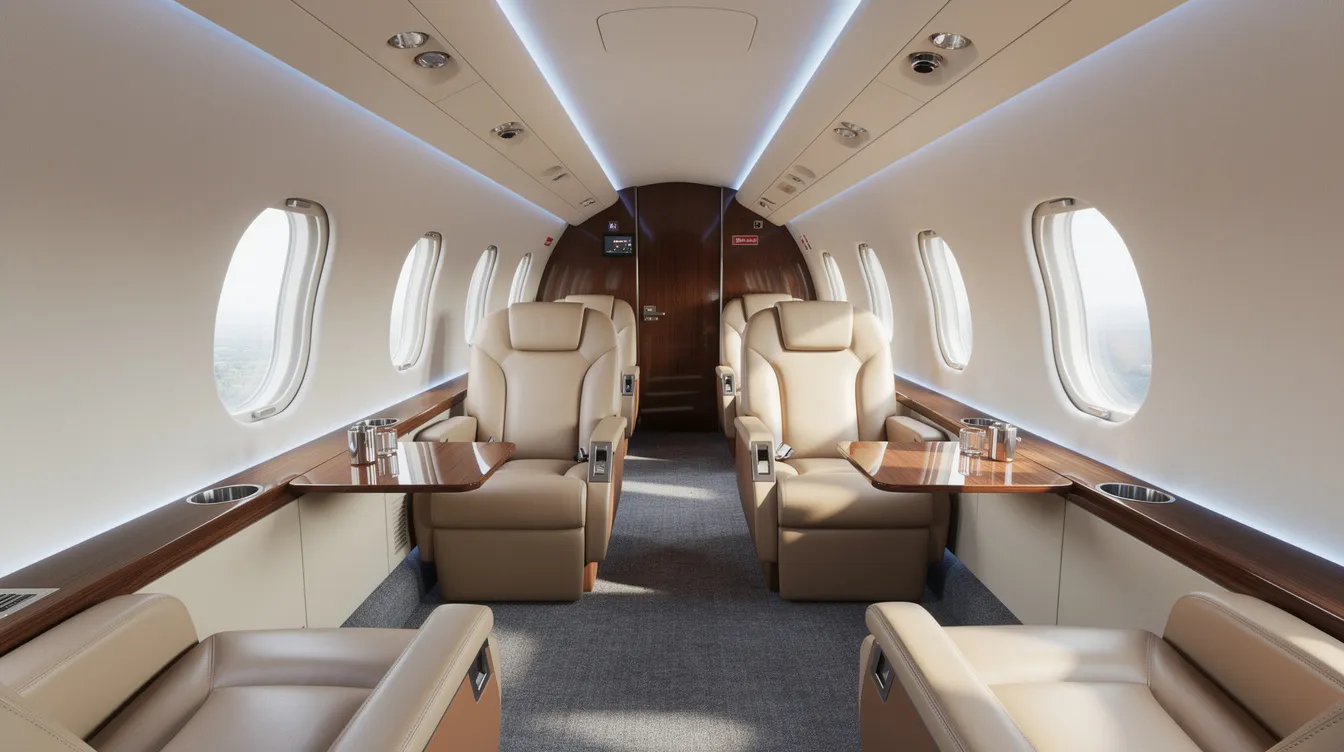
Private jet prices in India usually rise 20–30% around the winter wedding season (November–February), Diwali, and New Year holidays. Seasonal demand, limited slots, and higher aircraft repositioning during these windows push up hourly rates. Booking off-peak midweek days and planning early can help flexible travelers secure better aircraft availability and more favorable rates—particularly on heavy and ultra-long-range jets.
These are planning-range examples based on common Indian routes. Actual quotes vary by aircraft, season, and positioning flights. Each example assumes standard in-flight services with realistic airport and ground handling estimates.
Delhi–Mumbai one-way on a light jet: Delhi to Mumbai is a highly demanded private jet route. A typical 2-hour sector at ~₹2.75 lakh per hour yields ~₹5.5–6 lakh in flying time. Add ~₹1–1.5 lakh for landing, ground handling, and parking, plus 18% GST, for a realistic total around ₹7–9 lakh. Delhi-Mumbai flights often have frequent empty-leg opportunities.
Mumbai–Goa weekend trip: Mumbai to Goa is a common short-haul private jet route. A short 1-hour flight on a light jet may cost approximately ₹5–6 lakh, including fees.
Hyderabad–Jaipur business return on a midsize jet: ~1.75–2 hours each way at ₹4.5–5.5 lakh per hour, with crew duty and parking adding materially if the aircraft stays overnight.
These domestic examples show how private jet charters can compress multi-city corporate roadshows into a single day for India-based executives.
Mumbai–Dubai on a super-midsize jet: ~3 hours at ₹4.5–6.5 lakh per hour, bringing the all-in budget into the ₹18–25 lakh range. Popular international routes include Delhi to Dubai and Bangalore to Singapore.-------------------------------
Delhi–London on an ultra-long-range jet: 8.5–9 hours of flying at ₹7.5–11 lakh per hour. Longer international flights can exceed ₹1 crore in India once international fees and crew costs are factored in.
Mumbai–New York: 14–16 hours of airtime on aircraft like the Global 6000, sometimes with a technical stop. Longer transcontinental trips require more fuel and maintenance, increasing costs well above ₹1.5 crore per sector. International flights typically cost more due to additional permits.
For clients regularly flying such long-haul missions, fractional jet ownership or a global jet card program may offer more predictable pricing than ad-hoc charter services.
While on-demand private charter suits occasional flyers, some Indian families consider full private jet ownership once annual usage consistently exceeds 300–400 hours. India's import duties, GST structure, and operating environment make ownership more capital-intensive than in many other markets. Operating costs for private jets scale with aircraft size.
Indicative 2026 purchase price ranges: light jets from ~₹16–35 crore; midsize and super-midsize jets ₹40–120 crore; large jets ₹130–250 crore; ultra-long-range jets ₹250–550+ crore for flagship models like Global 7500 or Gulfstream G700. Values shift with exchange rates, aircraft age, and maintenance status.
Importing a private jet into India triggers customs duty (around 2.5–3% of value), a social welfare surcharge (approximately 10% of the customs duty), and IGST dependent on commercial vs. personal registration. A ₹100 crore aircraft could face several crores in combined duties, substantially increasing the effective acquisition cost. Structuring the ownership entity and understanding tax implications for fractional jet owners has major implications for overall economics.
A common rule of thumb: annual operating costs total 10–15% of the aircraft's value at typical utilization. Key cost categories include fuel (ATF at ~₹105–120 per litre from major Indian suppliers), scheduled maintenance, engine programs, crew salaries and training, insurance, navigation charges, and hangar rental, which mirror the buckets used when assessing the cost of fractional jet ownership. A light jet might cost ₹6–8 crore per year; a heavy jet can reach ₹12–20 crore annually. For corporates flying fewer than 200 hours, these fixed costs make full ownership economically inefficient compared with fractional aircraft ownership total cost models.
Fractional jet ownership allows multiple owners to share equity in an aircraft or fleet, each receiving a defined number of hours per year. This section compares core models for India-based clients and clarifies key fractional jet ownership terms and concepts.
Best for clients flying fewer than ~50–75 hours per year who need maximum flexibility. Pros: pay only when you fly, access to a broad mix of aircraft, and flexible booking options across India. Cons: no guaranteed availability in peak season, exposure to market-driven private jet prices, and limited ability to lock in long-term pricing. Many Fractional Jet Ownership clients start with on-demand private charter before migrating to structured solutions once they understand the full cost of fractional jet ownership. Operators like Safe Fly Aviation and others provide charter services across major hubs.
Jet card membership programs pre-sell blocks of flight hours (25, 50, or 100 hours) at fixed hourly rates with guaranteed aircraft access. Advantages include predictable pricing and streamlined booking. Jet cards serve as a stepping stone between pure charter and fractional jet ownership vs membership programs for clients in the 50–150 hours per year band.
Purchasing a share (1/16th, 1/8th, or 1/4) of a specific aircraft class entitles the owner to 50–200 occupied hours per year within a managed fleet, with a 1/8th fractional jet ownership structure typically aligning to about 100 hours annually. Cost advantages over full ownership include lower upfront capital, shared fixed costs, professional management, and consistent cabin standards, which are central to evaluating fractional jet ownership as an investment. As private aviation continues to grow in India, fractional programs are expanding—India's early entrant, Flightshares, is building dedicated programs for this market.
The right solution for organizations consistently flying 400–600+ hours per year. Owners bear full acquisition cost, depreciation risk, and fixed expenses, whereas some choose to explore fractional jet ownership financing options before committing to outright purchase. Even full owners often supplement with charter or jet cards to cover maintenance downtime or access different aircraft sizes for a private flight on an unusual route, or to access leading fractional jet ownership programs in other regions.
Sophisticated travelers focus on optimizing private jet cost without compromising safety or quality. Here are practical approaches.
Empty leg flights operate when jets reposition without passengers, and empty leg flights can save up to 75% on standard rates. Discounts for empty leg flights range from 50–70% off standard prices on corridors like Mumbai–Delhi, Delhi–Goa, and Bengaluru–Chennai. Many charter companies publish empty leg opportunities online. Booking empty leg flights requires flexibility with dates and routes—accepting Pune instead of Mumbai, for example—but leg flights can dramatically reduce cost for flexible travelers on leisure trips.
Choosing the smallest aircraft type that safely fits the passenger count and range can provide significant savings. A 4-person team using a light jet instead of a heavy jet on Delhi–Hyderabad saves lakhs while preserving privacy. Fractional Jet Ownership advisors routinely help clients map their travel history to the most efficient mix of smaller jets and midsize jets.
Avoiding Saturdays during wedding season and consolidating multi-city itineraries reduces ferry time and overall cost. Starting and ending at airports with lower ground handling charges at regional airports can shave a meaningful percentage off the bill, letting travelers bypass crowded airports entirely.
Committing to hour blocks through fractional or jet card programs protects against fuel price spikes and currency volatility. Corporate flight departments use these structures to convert unpredictable charter expenses into budgetable line items across fiscal years.
Key airports include Mumbai (BOM), Delhi (DEL)—also known as Indira Gandhi International Airport—Bengaluru (BLR), Hyderabad (HYD), Chennai (MAA), and Ahmedabad (AMD). These major hubs offer dedicated general aviation facilities, maintenance support, and better hangar options, but charge higher landing and parking fees.
Growing private jet activity in Jaipur, Kochi, Coimbatore, Indore, and Varanasi—especially for industrial and tourism missions—makes a strong case for light jets and turboprops. Near landmarks like India Gate in Delhi or factory towns across Gujarat, smaller regional airports reduce ground travel time significantly.
Domestic: Delhi–Mumbai, Mumbai–Bengaluru, Mumbai–Goa, Delhi–Udaipur. International: India to the Middle East (Dubai, Abu Dhabi), Europe (London), Southeast Asia (Singapore, Bangkok), and the United States on ultra-long-range jets for international flights. Frequent flyers on these corridors are prime candidates for fractional ownership paired with India-based private charter for last-mile connectivity.
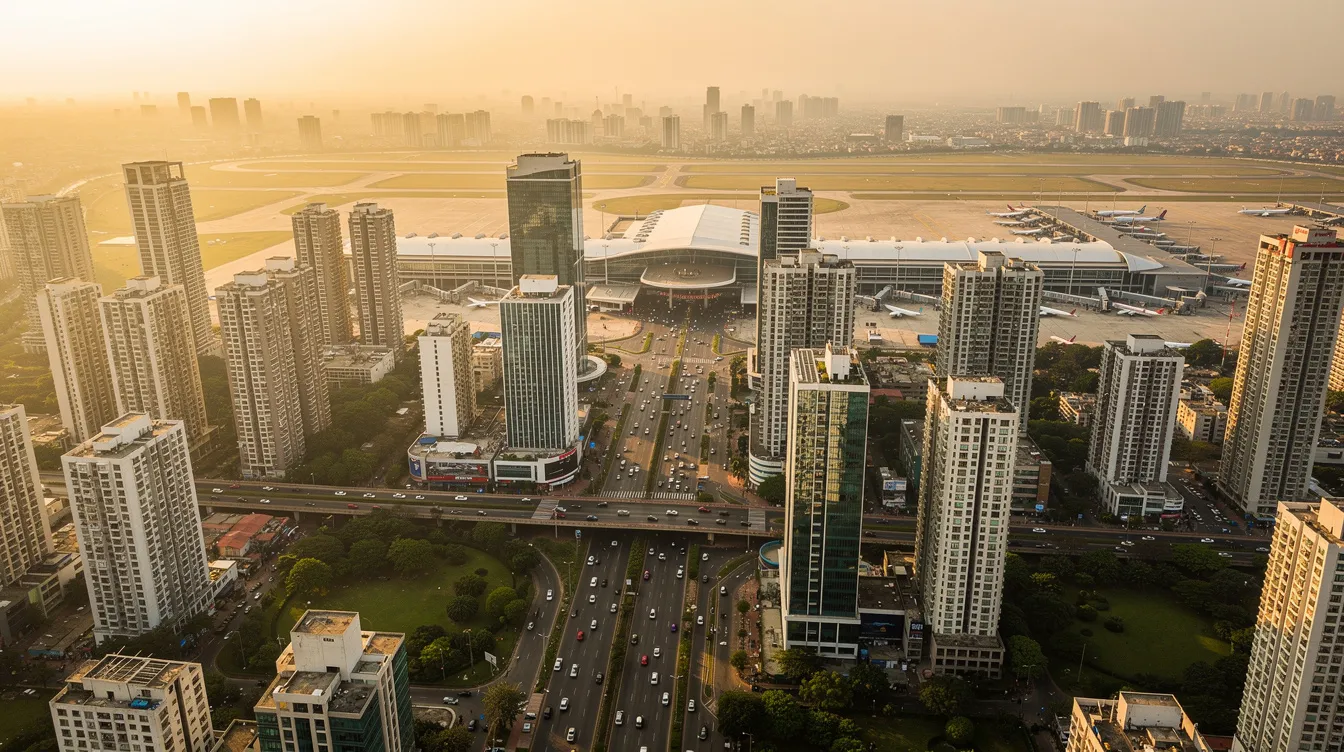
Understanding private jet prices in India—across charter, ownership, and fractional options—is the foundation of a smarter travel strategy. Under ~50 hours per year usually favors charter; 50–200 hours per year is often best served by jet cards or fractional aircraft ownership; 300+ hours may justify full ownership.
Fractional Jet Ownership serves as a neutral advisor, helping clients analyze historic and projected travel to identify the right mix of private jet charters, jet card programs, and fractional jet ownership for their needs.
Ready to explore the smarter way to fly private? Visit FractionalJetOwnership.com to request a confidential consultation or a comparative cost report tailored to your India and global travel profile.
Private jets are productivity tools, not financial investments—they depreciate over time. The economic case depends on flight duration and annual hours. Compare a 10-year ownership cost model for a midsize jet (₹60–80 crore) against equivalent charter or fractional usage at 100, 200, and 400 hours per year before committing capital.
For domestic trips in off-peak periods, 48–72 hours is usually sufficient. During peak dates or for large groups, allow 7–10 days. Complex international missions requiring permits (India–Europe, India–Africa) may need 2–3 weeks of lead time, especially around holidays.
Many Indian owners place their aircraft with operators to generate charter revenue, partially offsetting fixed costs. However, this rarely turns the jet into a profit center after accounting for downtime, wear, and operator commissions, and some owners ultimately choose to sell their fractional jet ownership share or divest from similar arrangements. Run realistic utilization scenarios before choosing between a management-plus-charter model and fractional aircraft ownership.
Look for DGCA-approved operators, third-party safety audits (IS-BAO, ARGUS, or Wyvern, where applicable), experienced type-rated pilots, and transparent maintenance records, and make sure any fractional jet ownership contract terms you sign reflect comparable standards and follow an aircraft fractional ownership sample contract reviewed by qualified counsel. Reputable providers share safety documentation upfront. Unusually low quotes may correlate with less robust safety infrastructure.
Hourly rates for similar aircraft in rupee terms are broadly comparable after currency conversion. However, India's customs duty, social welfare surcharge, airport fees, and infrastructure constraints can make certain missions relatively more expensive. Clients who frequently fly between regions often adopt a blended strategy: India charter for domestic sectors and U.S. or European fractional programs for long-haul flying abroad.
Navigating the private jet price landscape in India requires understanding the interplay of aircraft category, flight duration, airport fees, and additional services. Whether opting for on-demand charter, jet card programs, fractional ownership, or full private jet ownership, each solution offers distinct advantages tailored to different travel frequencies and budgets. With access to major hubs like Indira Gandhi International Airport and numerous regional airports, private aviation in India continues to provide unparalleled flexibility, efficiency, and privacy.
Fractional Jet Ownership empowers clients to optimize costs while enjoying the convenience and personalized service of private aviation. By leveraging expert guidance and transparent pricing, travelers can make informed decisions that align with their unique travel needs and unlock the full potential of private jet journeys.
Ready to elevate your travel experience and explore smarter private aviation options? Visit FractionalJetOwnership.com to start your journey today.
