January 23, 2026
Private jet travel has become an increasingly practical solution for high-net-worth individuals, executives, and businesses seeking flexibility, privacy, and efficiency. Beyond the perception of luxury, private aviation is fundamentally about control—over schedules, routes, and the overall travel experience.
Understanding the cost of private jet ownership is essential before committing to any form of private aviation, whether that means full ownership, fractional jet ownership, jet card programs, or on-demand charter. Costs can vary widely depending on aircraft type, flight range, operational requirements, and market conditions. Without a clear picture of these variables, it is easy to underestimate the true financial commitment.
As the private aviation industry has expanded, travelers now have access to a broad spectrum of aircraft—from compact light jets for short regional trips to ultra-long-range aircraft capable of nonstop intercontinental flights. This guide provides a comprehensive overview of private jet pricing, helping prospective flyers evaluate their options with confidence and clarity.
Private jet pricing is best understood as a combination of fixed costs and variable costs. The balance between the two depends largely on how the aircraft is accessed.
Fixed costs typically apply to ownership-based models and include aircraft acquisition, maintenance programs, insurance, crew salaries, and hangar fees. Variable costs, which apply across all access methods, include fuel, landing fees, catering, and trip-specific services.
The private jet market also responds to external factors such as fuel price fluctuations, global demand, and aircraft availability. As a result, pricing is not static, making it important to work with experienced aviation professionals who can provide transparent cost guidance.
Aircraft size is one of the most significant factors in private jet costs. Larger aircraft require more fuel, higher maintenance budgets, and larger crews, all of which increase operating expenses.
Light jets typically offer lower hourly rates but are limited in range and cabin space. Midsize and super-midsize jets provide greater comfort and range, while heavy and ultra-long-range jets command premium pricing due to their advanced capabilities.
New ultra-long-range jets can cost over $100 million, while new heavy jets range from $25 million to over $70 million. On the more affordable side, acquisition costs for new very light jets start around $2 to 3 million. Used private jets can be found for under $1 million but may require repairs or refurbishment.
Private jet pricing scales with distance and flight time. Longer flights increase fuel burn, crew duty requirements, and maintenance cycles. For example, a two-hour private jet flight can range from about $8,000 on the low end for a turboprop flight to about $37,000 on the high end for an ultra-long-range jet flight.
International flights may also incur additional fees related to customs, overflight permits, and international handling services.
Fuel represents one of the highest variable costs in private aviation. Changes in global fuel prices can directly impact charter rates and operational expenses for owners. During periods of high demand—such as peak holiday seasons or major global events—pricing may also increase due to limited aircraft availability.
While private aviation emphasizes efficiency, onboard services can influence total cost. Catering, Wi-Fi connectivity, ground transportation coordination, and special cabin configurations may all add incremental expenses depending on the level of customization requested.
Private jet charter offers travelers access to private aviation without the long-term financial commitments of ownership. Pricing is typically quoted on an hourly basis and varies by aircraft category.
The price for chartering a private jet typically ranges from $2,000 to over $20,000 per flight hour, though private jet pricing can vary widely from charter costs of approximately $1,300 to over $30,000 per flight hour depending on aircraft type, flight distance, and additional services.
Chartering a private jet typically starts at around $5,000 for immediate use. For small, short-haul jets, hourly rates typically start between $3,000 and $5,000, while long-range jets can range from $15,000 to $20,000 per hour.
A New York to Los Angeles flight on a midsize jet may cost between $30,000 and $50,000, depending on availability and seasonality.
Light jets are designed for short-haul travel and usually accommodate six to eight passengers. They are well-suited for regional trips of two to three hours.
Charter pricing for light jets generally reflects their lower operating costs, making them a cost-effective option for quick business trips or leisure travel between nearby cities.
Midsize and super-midsize jets offer increased cabin comfort, longer range, and improved baggage capacity. These aircraft are popular for coast-to-coast U.S. travel and frequently include stand-up cabins and enhanced onboard amenities.
While more expensive than light jets, they strike a balance between comfort and cost efficiency for travelers who require greater flexibility without stepping into heavy jet pricing.
Heavy jets and ultra-long-range aircraft represent the top tier of private aviation. These aircraft are capable of nonstop transcontinental and international flights, offering spacious cabins, private staterooms, and advanced connectivity.
Charter rates for these aircraft reflect their complexity, range, and premium onboard experience. They are typically selected by global travelers who prioritize nonstop capability and maximum productivity during flight.
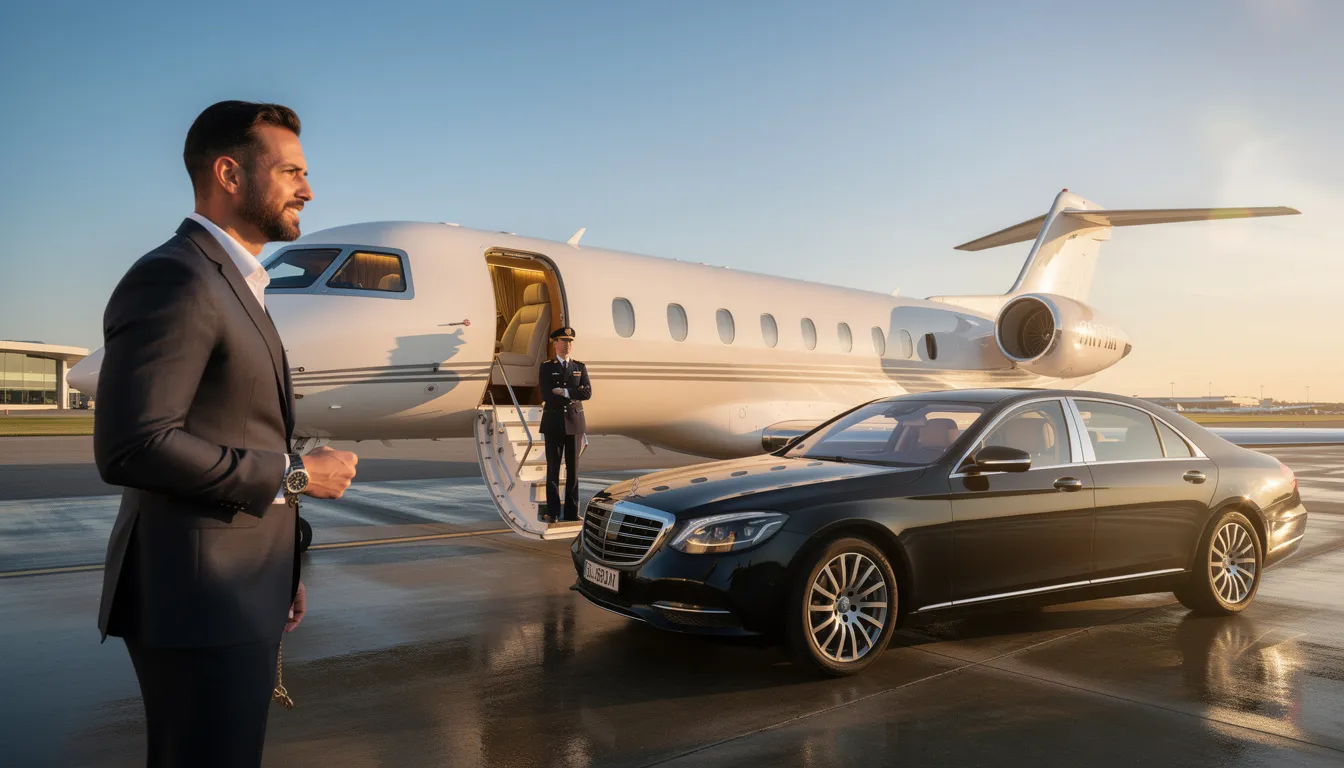
Private jet ownership offers unmatched control and availability but comes with a substantial financial commitment. The purchase price is only one component of total ownership cost.
The purchase price of a private jet varies dramatically based on age, manufacturer, and capabilities. New aircraft command premium pricing, while pre-owned aircraft may offer lower entry costs but require more intensive maintenance planning.
Owners must budget for recurring expenses, including scheduled maintenance, parts replacement, engine programming, insurance premiums, and crew compensation. These costs are incurred regardless of how frequently the aircraft flies.
Annual operating costs for private jets may range from $500,000 to over $1 million, and depending on usage, can reach $700,000 to over $4 million annually. These ongoing expenses include maintenance, insurance, fuel, and crew salaries.
Full ownership of private jets is generally considered cost-effective for those flying between 200 and 400 hours per year.
Hangar fees, landing fees, navigation charges, and regulatory compliance costs are ongoing considerations. International operations add further complexity with additional permits and handling requirements.
While ownership can be justified for frequent flyers, many individuals find that alternative access models provide similar benefits at a greater cost efficiency.
Fractional jet ownership bridges the gap between full ownership and charter by allowing individuals to purchase a share of an aircraft rather than the entire jet. This model provides many of the benefits of ownership while significantly reducing financial exposure.
Owners pay an initial acquisition cost for their share, along with monthly management fees and occupied hourly rates. In return, they gain guaranteed access to a fleet of comparable aircraft, professional management, and predictable budgeting.
Fractional jet ownership is particularly well-suited for travelers who fly frequently but do not require exclusive access to a single aircraft.
Jet card programs offer another flexible approach to private aviation. Travelers purchase flight hours in advance, locking in access to a specific aircraft category without ownership responsibilities.
These programs emphasize simplicity and consistency, with transparent hourly pricing and minimal long-term commitments. Jet cards are often favored by individuals who value convenience and predictable access over owning an asset.
When evaluating private aviation, the optimal solution depends on travel frequency, mission profile, and financial priorities.
Charter works well for occasional flyers seeking flexibility without commitment. Jet cards suit those with consistent but moderate flight needs. Fractional jet ownership offers long-term value for frequent travelers who want ownership advantages without full responsibility. Full ownership remains appropriate only for the most intensive users with highly specific operational requirements.
Understanding aircraft categories helps clarify pricing expectations and operational suitability.
Designed for efficiency and speed over short distances, light jets offer lower hourly costs and access to smaller airports.
These aircraft provide enhanced comfort and extended range, making them ideal for cross-country travel and longer missions.
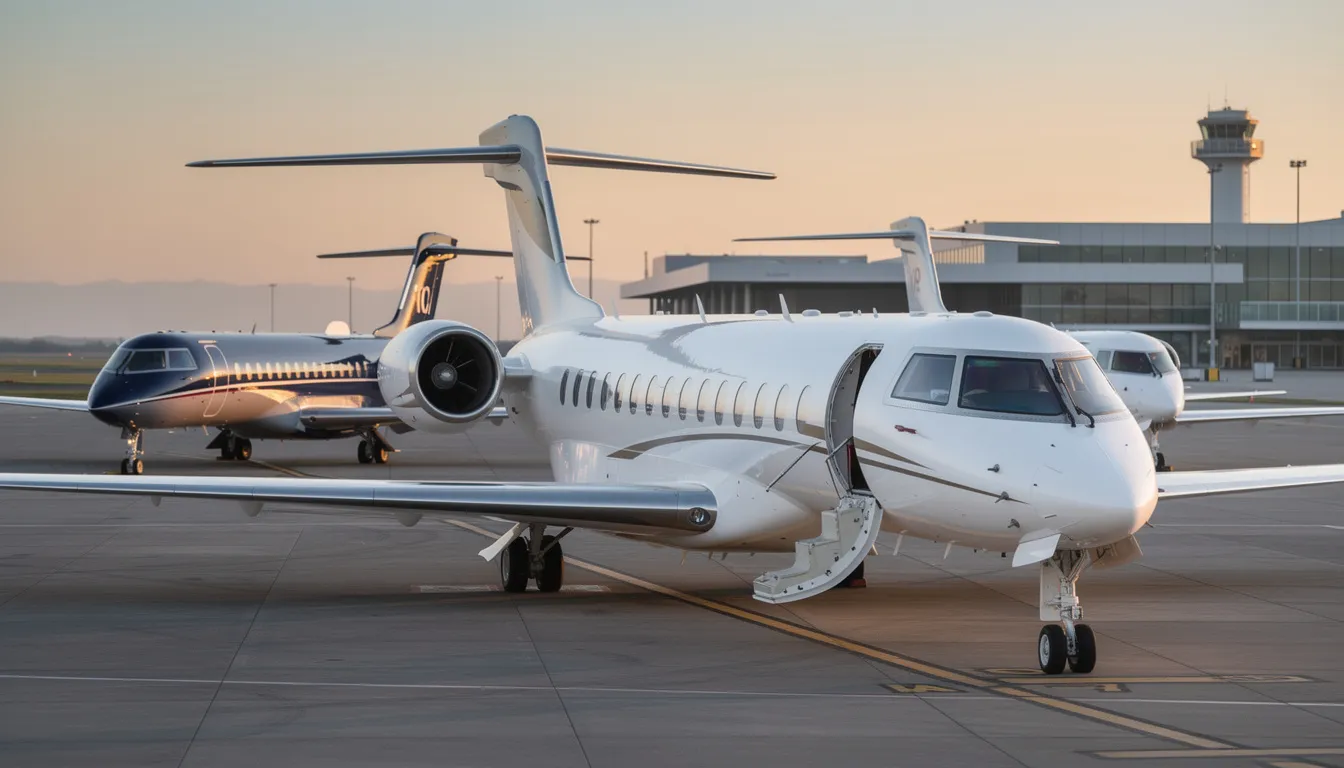
Built for global travel, these jets offer maximum range, cabin space, and onboard amenities, with pricing that reflects their advanced capabilities.
The private aviation industry continues to evolve in response to shifting travel patterns, sustainability initiatives, and global economic conditions. Demand for private aviation has grown, particularly among travelers seeking alternatives to commercial flight.
Private jets can access over 5,000 airports compared to commercial airlines' 500, making them ideal for remote destinations and time-sensitive travel. This extensive aircraft access offers significant advantages in efficiency and convenience.
At the same time, increased attention to efficiency and fleet optimization has expanded access options, allowing travelers to choose models that align closely with their actual usage rather than defaulting to full ownership.
Understanding private jet cost is not about finding the lowest price—it is about identifying the most efficient structure for individual travel needs. A well-aligned private aviation strategy can deliver significant value through time savings, operational flexibility, and enhanced productivity.
Private jet travel is often preferred for its time-saving benefits, allowing travelers to fly closer to their final destinations and avoid long security lines and crowded terminals.
Additionally, private jet travel can be more cost-effective for groups, as splitting costs can approach commercial first-class prices per person.
Booking a private jet can be done through various platforms that simplify the process and provide instant quotes, making private aviation more accessible than ever.
Evaluating travel patterns, typical routes, passenger counts, and long-term goals allows prospective flyers to choose the right combination of aircraft type and access model.
Private jet charter costs vary widely depending on aircraft type, flight distance, and additional services. Typical charter rates range from around $2,000 per billable flight hour for turboprops and very light jets up to $14,000 or more per hour for heavy and ultra-long-range jets. Additional fees may include catering, ground transfers, landing permits, and federal excise tax.
Key factors influencing private jet charter cost include the aircraft category and size, flight distance and duration, market demand, availability of the preferred aircraft, operational expenses such as fuel prices and crew fees, and any additional services like in-flight catering and ground transportation.
Empty leg flights are repositioning flights where a private jet is flying without passengers, often returning to base or moving to another location for its next booking. These flights are typically offered at discounted rates—sometimes up to 75% off typical charter prices—and can be a cost-effective way to access private jet travel if your schedule is flexible.
Private jet ownership involves a significant initial purchase price and ongoing operational expenses, including maintenance costs, crew salaries, insurance, and hangar fees. It is cost-effective for those flying more than 200 hours annually. Chartering a private jet provides access to a diverse fleet without the financial burden of ownership, making it ideal for less frequent flyers.
Jet card programs allow travelers to pre-purchase a set number of flight hours at fixed rates with guaranteed availability. They offer predictable private jet charter rates and flexibility without the responsibilities of ownership, bridging the gap between chartering and owning.
Yes, private jet charter services provide direct access to thousands of airports worldwide, including regional airports and remote destinations. International flights may require additional landing permits, customs clearance, and other regulatory considerations, which your private jet charter company will manage.
Most private jet operators allow pets to fly in-cabin alongside their owners, providing a more comfortable and less stressful experience compared to commercial flying. It is important to notify your charter service in advance to accommodate your pet’s needs.
Luggage capacity depends on the aircraft type and passenger count. Larger jets offer significantly more storage space, including for oversized items like golf clubs or skis. Your private jet charter advisor can help select an aircraft that meets your luggage requirements.
In addition to the hourly rate, fees may include landing fees, ramp and handling fees, federal excise tax, catering and ground transfers, overnight crew fees, and potential fuel surcharges. A reputable private jet charter company will provide a transparent, all-inclusive quote covering these costs.
Booking timelines vary depending on availability and destination. For peak travel periods or international flights, booking several weeks in advance is recommended. However, many private jet charter services can arrange flights on short notice, sometimes within a few hours.
Very light jets (VLJs) are smaller aircraft designed for short regional flights, typically seating 4-6 passengers and offering limited baggage capacity. Midsize jets offer more cabin space, longer range, and greater comfort, seating 6-8 passengers, making them suitable for longer domestic or coast-to-coast trips.
In the United States, a 7.5% federal excise tax applies to domestic private jet charter flights, calculated on the total cost of the flight, including fees and services. This tax is generally included in the final charter price quoted by the operator or broker.
Yes, private jet charter services typically offer a range of customizable in-flight amenities, including gourmet catering, Wi-Fi, entertainment options, and a flight attendant. These services can be tailored to your preferences and budget.
Private jet travel offers unmatched flexibility, direct access to regional and remote airports, privacy, reduced travel time by avoiding long security lines and layovers, and personalized service. It is particularly advantageous for business travelers and groups seeking convenience and efficiency.
Many private jet charter companies provide concierge services that coordinate ground transportation, including luxury car rentals, limousines, or shuttle services, ensuring seamless door-to-door travel.
Look for companies with a diverse fleet of well-maintained aircraft, transparent pricing with no hidden fees, strong safety records, experienced crew, and excellent customer service. A dedicated aviation advisor can enhance your experience by managing logistics and tailoring flights to your needs.
Private jet travel offers far more than comfort—it delivers control, efficiency, and reliability that commercial aviation cannot match. However, realizing these benefits requires a clear understanding of private jet pricing and the various ways to access aircraft.
For many travelers, fractional jet ownership represents a balanced solution, combining the advantages of ownership with predictable costs and professional management. By carefully comparing charter, jet card programs, and ownership models, travelers can make informed decisions that align with both financial and operational priorities.
Ready to explore the smarter way to fly private? Visit https://www.fractionaljetownership.com/ to learn how fractional ownership can transform your travel experience and provide a strategic approach to private aviation.
