June 15, 2026
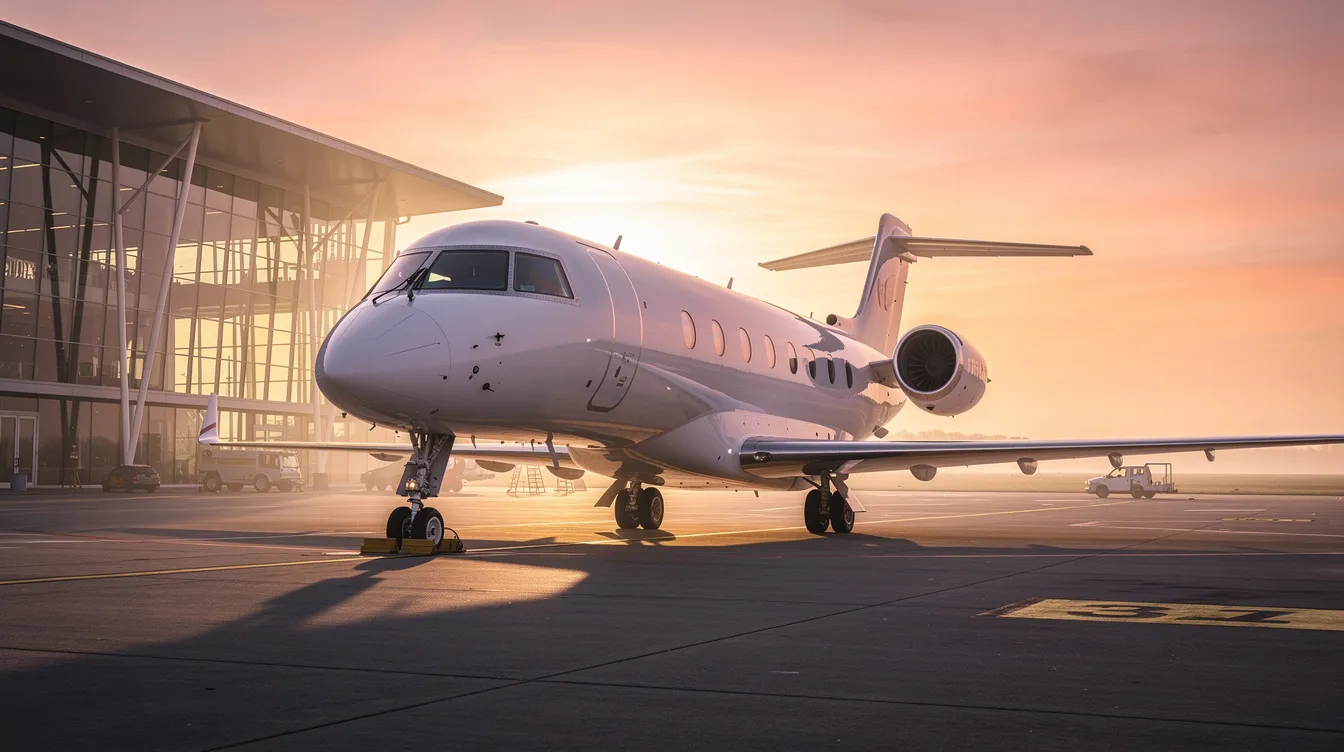
Private jet flights from London to Paris take roughly 50 minutes in the air, with door-to-door travel often under three hours, saving two to four hours compared to commercial alternatives.
Paris Le Bourget (LBG) is Europe's busiest business aviation airport and the primary arrival point for private jet travelers, while Charles de Gaulle (CDG) and Paris Orly (ORY) serve more niche operational needs.
One-way charter pricing on the London to Paris route typically starts around $4,850–$6,000 for a very light jet and $7,000–$9,000 for a light jet, with costs climbing for midsize and large cabin aircraft.
Frequent travelers flying 25–150 hours per year can reduce overall cost and gain guaranteed availability through fractional jet ownership with BlackJet Fractional Jet Ownership, rather than relying on unpredictable ad hoc charter markets.
Popular aircraft for this route include the Citation Mustang, Citation CJ3/CJ4, Phenom 300, and midsize jets like the Challenger 350-each suited to different passenger counts and mission profiles.
This article compares private jet charter versus fractional ownership and provides clear next steps for planning a Paris journey with confidence.
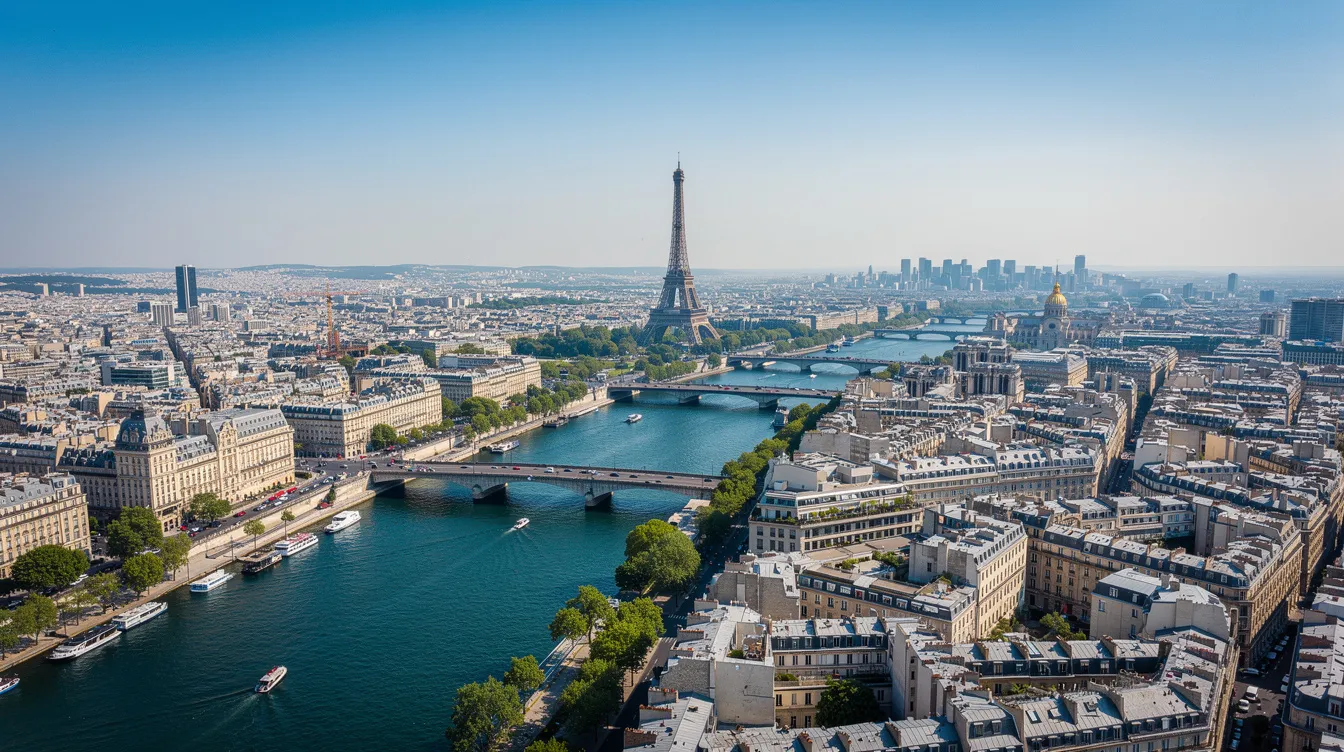
Paris sits at the crossroads of global business and culture. From the runways of Paris Fashion Week to boardrooms in La Défense, from Roland-Garros in late May to year-end celebrations near the Eiffel Tower, demand for private jets to the French capital remains strong year-round. Travel is often driven by business or leisure events, and the city draws a consistent stream of executives, investors, and families seeking efficiency and discretion.
Private jet flights to Paris save two to four hours door-to-door compared with commercial flights, particularly from busy hubs like London, New York, and Geneva. Private flights allow bypassing crowded main terminals and TSA lines entirely, making traveling between major cities like London and Paris feel shorter than the distance suggests.
This article covers the practical details: Paris private jet airports, typical flight time and cost (using London to Paris as a primary benchmark), popular aircraft types, and smarter access models like fractional jet ownership. The perspective comes from BlackJet Fractional Jet Ownership, positioned as a trusted advisor for high-frequency private flyers rather than a traditional on-demand broker.
The first step in planning any private flight to Paris is defining the purpose of the trip. A board meeting in La Défense requires different scheduling than a family weekend near the Champs-Élysées. A fashion event may call for garment racks and sample transport; an investor roadshow may demand early-morning departures and late-evening returns across multiple cities.
Key planning decisions include:
Departure city: London, New York, Dubai, Geneva, or another hub
Dates and flexibility: Weekday versus weekend, fixed or flexible return
Passenger count: Solo executive, team of four, or larger groups of six to nine
Luggage requirements: Standard bags, event equipment, golf clubs, or oversized items
Special needs: Pets, dietary-specific catering, or onboard workspace configuration
Private jet passengers dictate their own departure times based on personal schedules, which means the entire itinerary revolves around the client rather than an airline timetable.
Lead time matters. Booking seven to 21 days in advance generally secures better rates and preferred aircraft. Last-minute or same-day requests carry premiums and limit options. For fractional ownership clients, guaranteed availability windows reduce this pressure considerably.
Ground transport coordination is equally important. Chauffeur transfers from Le Bourget into central Paris-whether to Place Vendôme, Avenue Montaigne, or La Défense-take roughly 25 to 45 minutes depending on traffic. Getting this right means the time savings of a private flight aren't lost on the ground.
Peak travel occurs around weekends and key events. Seasonal demand spikes during January couture shows, Paris Fashion Week in February/March and September/October, Roland-Garros in late May through early June, and major summer art fairs. During these windows, charter pricing inflates, and slot availability at Le Bourget tightens.
London to Paris is one of Europe's busiest private jet city pairs, with hundreds of movements per month covering board meetings, same-day client visits, fashion events, and high-end leisure trips. It is a popular private jet route that reflects the deep economic ties between the two cities.
Flight time from London to Paris is about 50 minutes on most light and very light jet types. Total door-to-door travel time often lands under three hours when departing from a dedicated London airport like Farnborough and arriving at Le Bourget-a fraction of the four-plus hours a commercial journey typically requires after factoring in check-in, security, boarding, and last-mile ground transit.
Very light and light jets dominate the route when the number of passengers is low, and luggage is manageable. Midsize and super-midsize jets enter the picture for larger groups or when London–Paris is one leg of a longer multi-leg itinerary-for example, New York to London to Paris to Geneva.
Multiple daily shuttles or back-to-back meetings make this route an ideal use case for fractional ownership programs, where aircraft access is guaranteed at predetermined hourly rates rather than being subject to spot-market availability.
Scenario: A CEO based in Mayfair needs to fly from London to Paris and back in a single day for investor meetings. Departing Farnborough at 7:00 AM, landing at Le Bourget before 9:00 AM local time, attending meetings through the afternoon, and returning by early evening-all on a schedule set entirely by the traveler. For clients flying this shuttle route often, predictable access matters as much as flight time. With fractional or membership models, this kind of flexibility is built in rather than negotiated trip by trip.
Private jet cost to Paris varies by aircraft category, routing, season, and whether the traveler uses on-demand private jet charter or a fractional ownership model. Understanding the range and the broader cost of fractional jet ownership helps travelers budget accurately and choose the right access structure.
One-way charter benchmarks on the London to Paris route:
Aircraft | Passengers | Approx. Cost (GBP) | Approx. Cost (USD) |
|---|---|---|---|
Citation Mustang (very light jet) | 1–4 | £5,500 | ~$4,850 |
Phenom 300 (light jet) | 4–7 | £8,000 | ~$7,650 |
Hawker 800XP (midsize jet) | 6–8 | - | ~$11,750 |
Legacy 600 (large cabin) | Up to 13 | £16,800 | ~$21,000+ |
On longer routes-such as New York to Paris at roughly seven to eight hours on a super-midsize or large jet-costs can range from $70,000 to $120,000 or more one way, depending on aircraft size and seasonal demand.
What drives the price?
Hourly aircraft operating rates (fuel, crew, maintenance reserves)
Landing and handling fees at Paris private jet airports
Crew positioning and overnight costs if the aircraft isn't based locally
Variable items like de-icing in winter, peak-day surcharges, and premium catering
Repositioning (deadhead) legs when the jet flies empty to reach the departure point
Ad-hoc private jet charter pricing can swing 10–20% week to week based on market demand and aircraft positioning. Understanding the total cost of fractional jet ownership is key here, as [fractional ownership programs](LINK 2) offer more predictable hourly rates, which is especially valuable for clients flying 25–150 hours per year on repeated routes.
This subsection zooms in on the London–Paris pairing specifically because of its frequency and relevance for European business travelers.
Flight time by aircraft type:
Very light jet (Citation Mustang or similar): approximately 45 minutes airborne
Light jet (Phenom 300, Citation CJ3/CJ4): approximately 50 minutes airborne
Midsize jet (Challenger 350, Hawker 800XP): similar airborne time, with marginally longer boarding and handling due to larger cabins
The real-time savings come from avoiding commercial airport queues. Flights typically require only 15 minutes of pre-boarding time for private jets, compared to one to two hours at a major terminal.
Indicative one-way charter price ranges:
Very light jets: approximately $4,850–$6,000
Light jets: chartering a light jet costs approximately $7,650 one way
Midsize jets: starting from roughly $10,000–$13,000 for six to eight passengers
Aircraft repositioning can significantly inflate the cost on this short sector. If the jet needs to fly in empty from another base-say, from the south of France-that deadhead leg may nearly double the effective price. Predictable access via a fractional fleet reduces this exposure.
Per-seat economics: When four to seven passengers share a light jet at around $7,650, the per-seat cost falls to roughly $1,100–$1,900-comparable to last-minute business-class fares on commercial carriers, but with drastically better time efficiency and privacy.
Paris offers a dedicated business aviation hub alongside several major commercial airports. Choosing the right one directly affects convenience, cost, and total trip time.
Paris Le Bourget is Europe's busiest private jet airport, handling approximately 45,000–60,000 private aviation movements per year. It was purpose-built for business aviation and operates with multiple Fixed Base Operators (FBOs), priority handling, and fast customs clearance.
Key advantages:
Speed: Average turnaround of about 15 minutes from car to takeoff
Location: Roughly 25–45 minutes by car to central Paris, depending on traffic
Lower fees: Landing fees for a light jet at Le Bourget run approximately €800–€1,200, compared to €3,500–€5,000 at Charles de Gaulle
Dedicated infrastructure: No mixed commercial traffic or slot restrictions typical of airline hubs
Smaller airports like Paris Le Bourget are closer to city centers than major commercial hubs, making them the natural choice for time-sensitive travel. Private aviation operates through dedicated private terminals called Fixed Base Operators, and Le Bourget hosts some of Europe's finest.
Charles de Gaulle handles over 76 million commercial passengers annually. Private jets can operate there, but the experience is markedly different: higher landing fees, longer handling times (60–90 minutes from car to takeoff versus 15 at LBG), security rescreening, and no dedicated FBO infrastructure comparable to Le Bourget. CDG is mainly used when a tight same-terminal airline connection or specific operational requirement makes it necessary.
Paris Orly serves a similar niche-primarily commercial, with limited private jet infrastructure. Some operators use it for connections to southern France or when aircraft availability dictates, but operational constraints and mixed traffic make it a secondary choice.
Airports like Toussus-le-Noble and Pontoise occasionally serve private jet flights for cost savings (five to ten percent lower fees) or proximity to specific client locations west or north of Paris. Trade-offs include longer ground transfers, fewer amenities, and potentially limited customs capabilities.
BlackJet helps clients select the optimal paris private jet airport based on meeting location-whether La Défense, the central Right Bank, or the Versailles area-and can arrange onward ground or helicopter transfers accordingly.
London has one of Europe's richest networks of private jet airports, with 14 private jet airports available across the metropolitan area. On a route where airborne time is only 50 minutes, the choice of departure airport often matters more than the flight itself.
Farnborough (FAB): Farnborough Airport is ideal for private jets from London. It is exclusively business-aviation focused, offering high privacy, efficient handling, and minimal commercial traffic interference. It is the most common departure point for London to Paris private jet flights.
Biggin Hill (BQH): Well-suited for travelers in southeast London and Kent, with a stylish terminal and lower traffic volumes.
London City (LCY): Closest to the financial district and Canary Wharf, though limited by runway length and operational slots for certain aircraft types.
Luton (LTN) and Stansted (STN): Useful for north London departures and corporate operations, sometimes offering cost advantages.
The difference between leaving from Farnborough versus Luton can add 30–60 minutes of ground transit each way. On a flight that's under an hour in the air, that choice can effectively double total journey time. BlackJet advisors align airport selection with each client's home, office, or hotel location to protect those time savings.
Aircraft selection for a private jet to Paris depends on passenger count, luggage volume, and whether Paris is a standalone hop or part of a longer itinerary. Getting this right means paying for exactly the capacity needed-no more, no less.
The Citation Mustang seats four passengers and is cost-effective for solo travelers or small groups on short European sectors like London to Paris. These aircraft offer lower hourly rates but have limited baggage space-typically three to four small suitcases or garment bags.
The Citation CJ3/CJ4 and Embraer Phenom 300 are among the most popular aircraft for frequent Paris routes. The Phenom 300 seats seven and rivals medium jets in cabin size, speed, and runway performance at airports like Farnborough and Le Bourget. Light jets are ideal for the London to Paris route, balancing cost, comfort, and capacity.
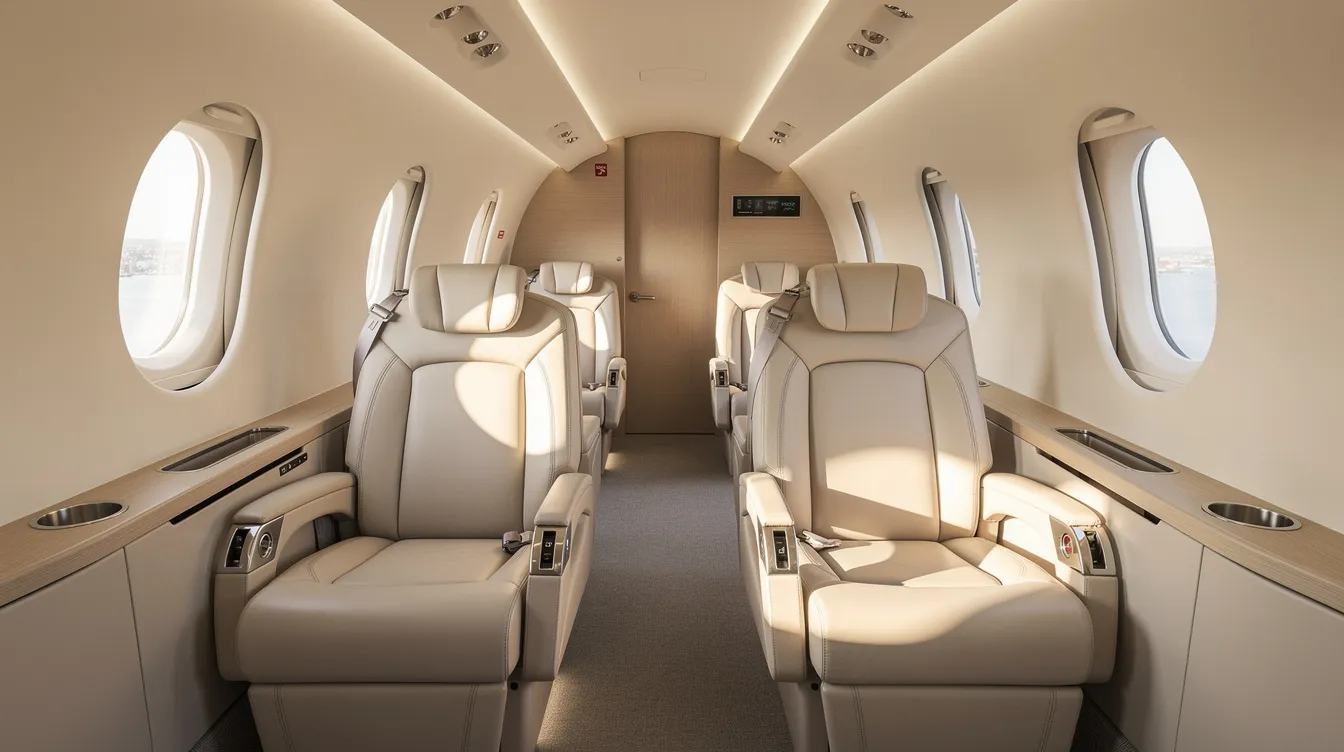
For groups of six to nine passengers, or when travelers want standing cabin height, more luggage capacity, or a more comfortable cabin for multi-day events in Paris, midsize jets like the Challenger 350 offer greater comfort. The Hawker 800XP is another common choice in this category. For travelers considering ownership, a clear grasp of fractional jet ownership terminology is essential. Private jet cabins can be customized for onboard comfort, including workspace layouts, lie-flat configurations, and entertainment systems.
The Legacy 600 is a VIP aircraft with 13 seats available, suited for executive delegations, family groups, or when transatlantic range is needed. Less common for pure London-Paris hops, but essential for routes like New York to Paris or multi-city European tours.
Higher cruising altitudes of private jets can reduce weather and turbulence, and personalized gourmet in-flight catering can be pre-ordered regardless of aircraft category. Private jets also have flexible baggage policies accommodating special gear and pets, which commercial airlines handle far less gracefully.
For a deeper comparison of jet categories and pricing, see this guide to types of private jets and prices.
Choosing the right aircraft class starts with mapping typical trip patterns:
Two to three executives doing frequent London–Paris day trips: A light jet (Phenom 300 or Citation CJ3) is usually the most efficient match-enough cabin space for work, fast turnaround, and reasonable operating cost.
A family of five with luggage flying from the United States to Paris: A super-midsize or large cabin jet provides the range, baggage capacity, and onboard comfort needed for a seven-plus-hour crossing.
Solo or paired travelers on short European hops: A very light jet keeps costs down without sacrificing the core benefits of private travel.
Clients flying mostly short European hops can optimize cost by choosing smaller, more efficient aircraft within their fractional ownership program, rather than overpaying for capacity they rarely use. BlackJet advisors review real travel data-annual hours, typical routes like London to Paris-to recommend the most efficient aircraft category for each client's profile.
For frequent Paris travelers, the question isn't whether to fly privately-it's how to structure that access. The two primary models each serve different usage patterns.
On-demand jet charters require no long-term commitment. Clients rent an aircraft for a specific trip, and costs are determined by market conditions at the time of booking. This model works well for travelers flying under 25 hours per year or with unpredictable schedules.
The downsides: variable pricing driven by demand, aircraft positioning, and seasonal spikes around major Paris events. During Fashion Week or Roland-Garros, charter rates can surge significantly, and preferred aircraft may simply be unavailable, which is why many travelers compare fractional jet ownership vs membership programs before committing to a long-term access model.
With fractional jet ownership, clients purchase a share of an aircraft or opt into a structured reserve program. This delivers guaranteed aircraft access, predictable hourly rates, and professional aircraft management-all without the burden of full ownership, making fractional jet ownership as an investment an appealing option for many frequent Paris travelers.
The ideal client profile: individuals or corporations flying roughly 25–150 hours per year to hubs like Paris, London, Geneva, and New York. These are travelers who value consistency, despise last-minute pricing volatility, and want a single team handling scheduling and logistics.
Fractional ownership programs provide tax benefits in private aviation. In many jurisdictions-especially the United States-fractional aircraft ownership may offer potential tax advantages such as bonus depreciation when the aircraft is used for qualifying business travel. Prospective owners should understand the tax implications for fractional jet owners, and this should always be reviewed with a qualified tax advisor.
Consider a European investment firm with partners flying from London to Paris to Zurich three to four times per month. At an average of $7,650 per light jet charter leg, monthly charter spend on these routes alone could exceed $30,000–$45,000. Over a year, that accumulated spend can surpass the annualized cost of a fractional share in a light jet, while also delivering better service consistency and guaranteed availability.
Decision triggers that point toward fractional ownership:
Consistent annual flying above 25 hours
Repeated city pairs such as London to Paris or Paris to Geneva
Frustration with last-minute charter availability or pricing swings
Need for guaranteed aircraft during peak times in Paris
Beyond the financial case, the non-financial benefits matter: service consistency, familiar crews, a single expert team handling all scheduling and trip logistics, and the confidence that an aircraft will be available when Fashion Week demand would otherwise lock out charter clients.
If the last 12–24 months of private jet flights to Paris reveal a pattern of regular travel, it's worth comparing that charter history against a sample BlackJet fractional scenario.
BlackJet Fractional Jet Ownership helps clients move from sporadic, unpredictable charter arrangements to structured, efficient private aviation solutions. The focus is on clarity of cost and reliable access rather than marketing gloss, similar to how leading fractional jet ownership programs structure their offerings for frequent travelers.
Two primary models: For many frequent flyers, especially those hopping regularly between cities like London and Paris, understanding how floating fleet options in fractional ownership work is central to choosing the right model.
Equity Fleet: Fractional jet ownership with an actual aircraft share. The Equity Fleet provides fractional ownership with priority access to aircraft, custom aircraft sourcing, and potential tax benefits. Suited for clients who fly consistently and want to build equity in a tangible asset.
Reserve Fleet: The Reserve Fleet offers access to jets with pay-as-you-go hours without ownership costs. Ideal for travelers who want guaranteed windows and predictable pricing without the capital commitment of a share purchase.
For Paris travelers, both models deliver predictable per-hour rates on common routes such as London to Paris, Geneva to Paris, or New York to Paris. For example, a 1/8 fractional jet ownership share can provide around 100 hours of flying per year, often enough to cover regular Paris shuttles. Private aviation services offer predictable aircraft access tailored to client needs, and BlackJet's structure is built around exactly that principle.
Service elements include a dedicated scheduling team, 24/7 support, coordinated ground handling at Le Bourget and selected London airports, and tailored in-flight services for business or family trips. Clients should also be comfortable with the essential contract terms in fractional jet ownership that define how these services are delivered. For clients evaluating options, the program comparison page lays out the differences in detail.
BlackJet positions itself as an alternative to large brand-name jet card programs and a credible rival to on-demand brokers, while staying focused on transparency of cost and reliable access for regular Paris and European flying.
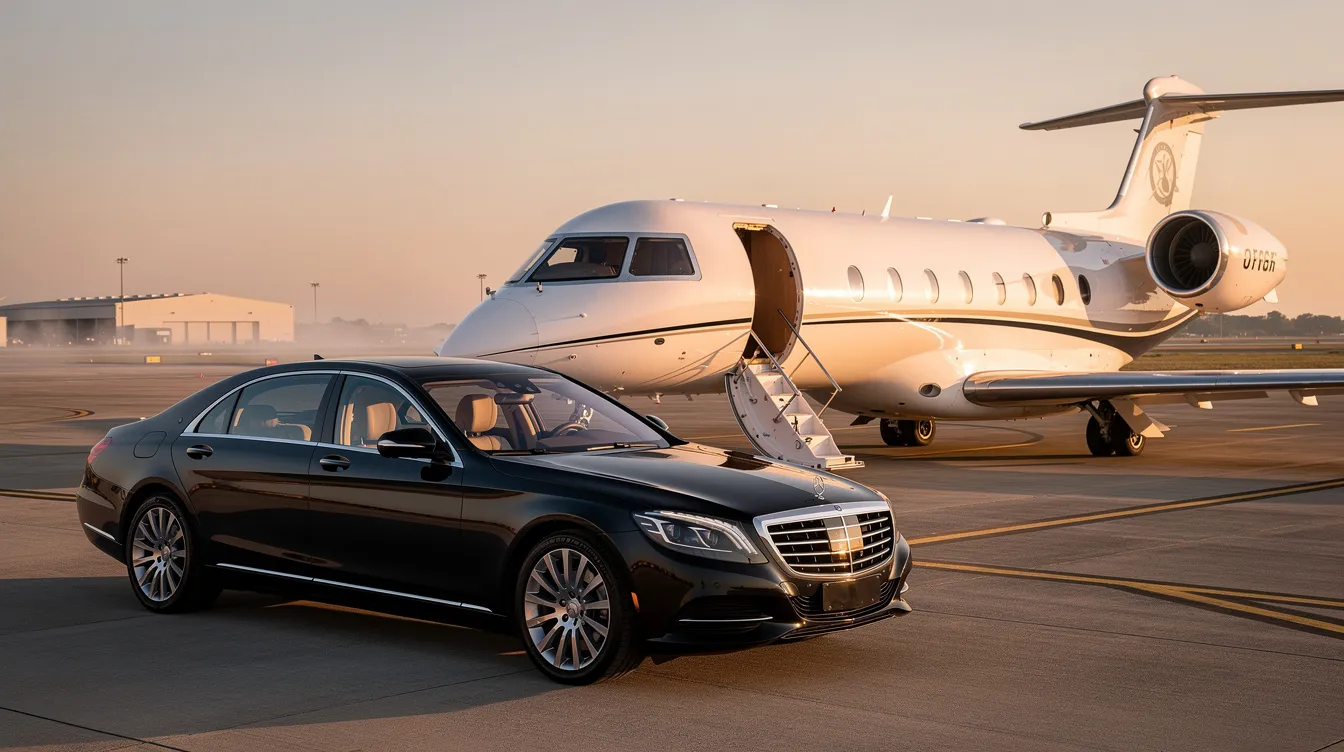
Arriving by private jet at Le Bourget is a fundamentally different experience from walking through Charles de Gaulle or Orly. The aircraft taxis to a dedicated FBO, where passport control (where applicable) takes minutes. Chauffeured vehicles wait steps from the terminal door.
Typical timeline: Often 10–20 minutes from landing to sitting in a car leaving the airport versus potentially an hour or more at major commercial terminals. That efficiency extends the time available in the city itself, whether the purpose is business, leisure, or both.
Common onward routes from Le Bourget include:
Business districts: La Défense (25–35 minutes), the 8th arrondissement (20–30 minutes)
Luxury hotels: Place Vendôme, Avenue Montaigne, and the surrounding area near the heart of Paris
Cultural landmarks: The Louvre, Musée d'Orsay, and for those with time, a drive past the Eiffel Tower
Paris draws private jet travelers throughout the year. Annual highlights include Paris Fashion Week, Biennale art fairs, major trade shows at Paris Nord Villepinte, and New Year's Eve celebrations. France has served as one of the world's premier destinations for centuries, and private aviation simply removes the friction of getting there.
For those seeking style and substance after landing, the city offers everything from Michelin-starred restaurants to private gallery viewings-experiences best enjoyed when the journey itself hasn't consumed half the day.
BlackJet's trip support team can arrange door-to-door logistics so clients step seamlessly from jet to meeting room, gallery, or hotel suite. That includes coordinating ground transport, restaurant reservations, and any other requirements that create a complete experience rather than just a flight.
These FAQs address common questions not fully covered in the sections above, focused on practical and ownership-related topics. Travelers evaluating co-ownership structures should also familiarize themselves with an aircraft fractional ownership sample contract to see how rights and responsibilities are typically allocated.
For on-demand charter, booking seven to 14 days ahead is ideal for securing preferred times and aircraft on the Paris route. During high-demand periods like fashion weeks or major trade shows, availability tightens considerably for charter clients. Fractional ownership clients with BlackJet benefit from guaranteed availability windows, which reduce the urgency of early booking while still ensuring access to the right aircraft.
Private jets can operate into CDG, but most business aviation travelers prefer Le Bourget due to its speed, privacy, and purpose-built handling infrastructure. CDG involves significantly higher landing fees, longer processing times, and mixed commercial traffic. It is mainly used when a tight same-terminal airline connection or specific operational requirements make it the only practical option.
Same-day returns are very common and represent one of the most frequent use cases on this route. A typical itinerary might involve departing London at 7:00 AM, arriving in Paris before 9:00 AM, attending a full day of meetings, and returning by early evening. Using a fractional or membership model simplifies scheduling for these frequent shuttle-style days, since both legs can be confirmed as part of a single coordinated plan.
Baggage capacity depends on aircraft type. A very light jet like the Citation Mustang may accommodate three to four medium suitcases and garment bags. Light jets such as the Phenom 300 offer substantially more luggage space for four to seven passengers. Midsize and large cabin jets handle oversized items, event equipment, and sports gear with ease. BlackJet advisors match aircraft to passenger and luggage needs in advance to avoid day-of surprises.
Fractional ownership with BlackJet supports both European city pairs like London to Paris and transatlantic routes such as New York to Paris. Different aircraft categories are used depending on range requirements, and coordinated fleet access ensures coverage regardless of the client's home base. Owners should understand both liability coverage in fractional jet ownership and how to approach selling a fractional jet ownership share if their travel patterns change in the future. For a broader look at European private aviation options, this guide on private planes to Europe covers additional considerations.
Choosing the right access model-whether charter, membership, or fractional ownership-can significantly improve the efficiency and predictability of regular trips to Paris. For travelers flying 25–150 hours per year, particularly on routes like London to Paris, the difference between ad-hoc booking and structured access compounds over time in both cost savings and reduced operational friction.
The most productive first step is reviewing the last 12 months of flight activity. How many hours were flown? Which city pairs appeared most often? What was the total spend? Those numbers, compared against a tailored BlackJet fractional ownership proposal, often reveal where the real opportunity lies.
Ready to explore a smarter way to fly private to Paris? Visit FractionalJetOwnership.com to request a consultation, discuss your typical Paris journey profile, and explore Reserve Fleet and Equity Fleet options with the BlackJet team.
The best private aviation strategy for Paris isn't built on a single flight-it's built on a model that makes every flight efficient, predictable, and aligned with how you actually travel.
Flying a private jet to Paris offers unmatched convenience, flexibility, and time savings compared to commercial travel. From the efficiency of dedicated airports like Le Bourget to the tailored comfort of aircraft suited to your itinerary, private aviation transforms how you experience one of the world’s most dynamic cities.
For frequent travelers, fractional jet ownership through BlackJet Fractional Jet Ownership presents a smarter, more predictable way to access private jets. It combines the benefits of guaranteed availability, cost efficiency, and personalized service, making regular London to Paris trips or multi-city European itineraries seamless and stress-free.
Whether you fly occasionally or frequently, understanding your travel patterns and aligning them with the right private aviation solution unlocks significant value. By choosing fractional ownership, you gain not only access to a premium fleet but also the expertise and support to make every journey exceptional.
Ready to elevate your private jet experience to Paris? Visit FractionalJetOwnership.com today to learn how fractional jet ownership can redefine your travel with confidence and ease.
