
May 3, 2026
Between 2020 and 2025, private jet flights shifted dramatically from pure on-demand charter toward more structured, predictable models. Fractional jet ownership and membership programs now attract executives who once relied on trip-by-trip bookings, driven by demands for reliability, health-conscious travel environments, and operational efficiency that ad-hoc arrangements rarely deliver.
Consider a New York–based executive flying to Dallas 15 to 20 times per year since 2023—roughly 40 to 80 flight hours annually. With on-demand charter, each trip means variable pricing based on seasonal demand, uncertain aircraft quality depending on which operator answers the call, and last-minute availability issues during peak periods like CES in Las Vegas or holiday travel weeks. While private jet flight bookings can often be arranged at a moment's notice, providing crucial flexibility for urgent travel needs, this convenience is offset by unpredictable costs and inconsistent service. Private jet charter costs typically range from $2,000 to over $16,000 per flight hour, influenced by aircraft type, size, and additional fees such as taxes and positioning charges. That unpredictability compounds across dozens of trips, transforming what should be a productivity tool into a recurring source of friction.
BlackJet Fractional Jet Ownership is a U.S.-based private aviation provider focused on fractional aircraft ownership and membership-style access for both individuals and corporations. Rather than functioning as a simple trip broker, BlackJet operates as an aviation advisor, helping travelers design multi-year plans that align with their routes, budgets, and business requirements. The most common chartering method is the On-Demand Charter, which allows you to rent an entire aircraft for a specific trip with no long-term commitment—but for frequent flyers, more structured options often deliver superior value.
This article compares private jet charter versus fractional jet ownership and jet membership, focusing specifically on travelers flying roughly 25 to 150 hours per year. That range represents the sweet spot where ad-hoc charter economics often break down and where structured programs begin to outperform on both cost and reliability.
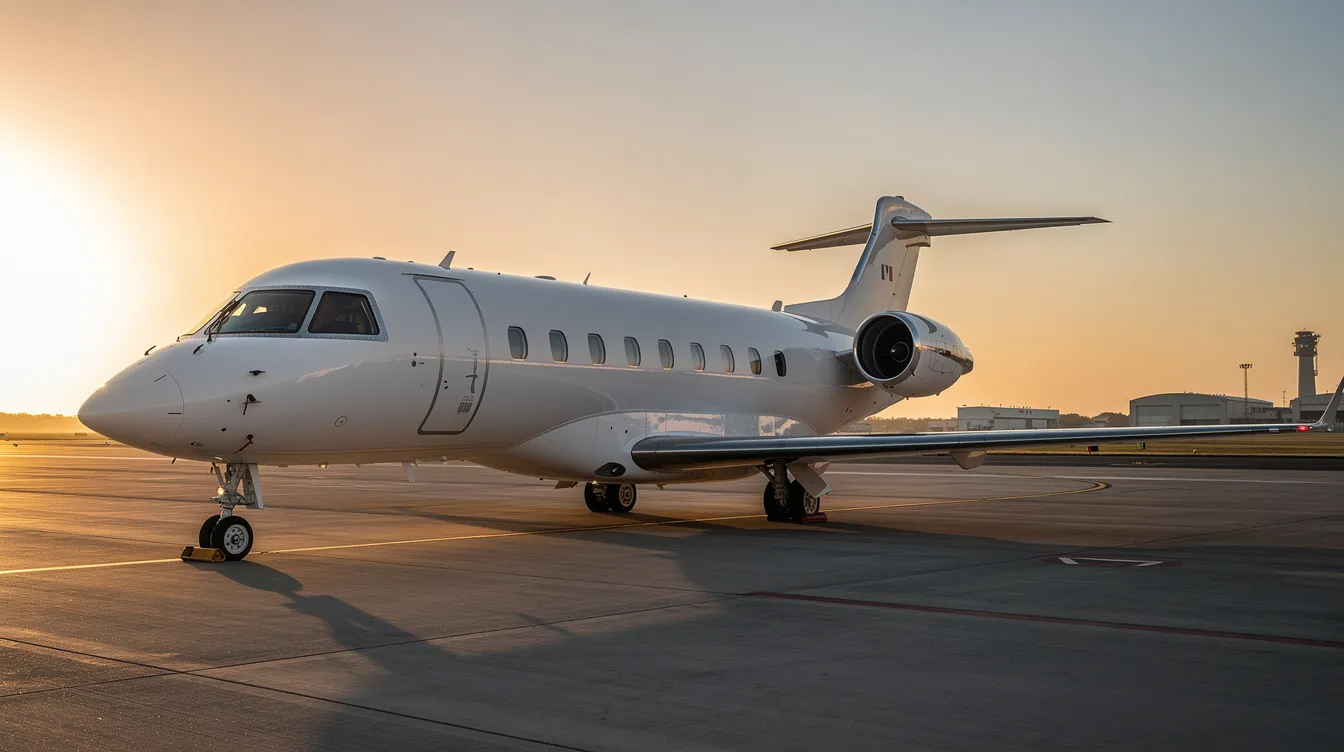
A private jetlight typically refers to an air charter—an on-demand, non-scheduled flight on a business jet or turboprop aircraft outside the commercial airline system. As a form of air charter, private jet flights offer unmatched flexibility and tailored experiences, adapting fully to your timeline. Travelers can book trips months ahead or just hours before departure, selecting departure airports, destinations, and aircraft types that match each specific mission.
Three primary access models define how travelers engage with private aviation:
On-demand charter: Single-trip booking with no long-term commitment. Also known as charter flights, these options allow you to book a personalized and exclusive travel experience through a charter broker or an online platform specifying your route, dates, and number of passengers. This works well for occasional trips but exposes travelers to pricing volatility and availability uncertainty.
Jet card or membership programs: Prepaid flight hours or funded accounts providing access to contracted aircraft at negotiated rates. Jet Cards offer pre-purchased flight hours, typically in 25-hour blocks, providing predictable hourly rates and guaranteed availability. Members receive a single point of contact and standardized service levels without equity ownership.
Fractional jet ownership: Purchasing a defined share of a specific aircraft with guaranteed annual hours and structured costs. Fractional Ownership allows you to purchase an equity share in a specific aircraft or fleet, ideal for those flying 50+ hours annually, and offers tax benefits and guaranteed access.
From BlackJet’s perspective, the Reserve Fleet model functions like membership-style access—pay-as-you-go without ownership costs—while the Equity Fleet represents fractional aircraft ownership with asset interest and potential tax advantages. The right choice depends entirely on your usage pattern.
A 25-hour annual flyer out of Teterboro might find Reserve Fleet access perfectly suited to their needs. Meanwhile, a 120-hour corporate traveler hopping between Chicago, Denver, and Houston benefits from the guaranteed availability and cost predictability that fractional ownership provides.
Private jets are ideal for leisure travel, offering unmatched convenience and comfort for vacations and recreational trips, allowing travelers to avoid commercial airport hassles and access remote destinations with ease.
Time savings versus hub-and-spoke airlines: Private jet travel can save travelers between 90 and 180 minutes on many business routes due to expedited check-in, direct access to smaller airports, and flexible routing, while commercial flights often involve longer security lines and layovers. Routes like Dallas–Wichita or Miami–Nassau that require connections on commercial carriers become direct flights on private aircraft.
Productive cabin environment: Flying on a private jet allows executives to maintain productivity during travel, as they can work on presentations or hold meetings in a comfortable and quiet cabin environment. Wi-fi connectivity, confidential meeting space, and uninterrupted work time transform flight hours into productive hours.
Same-day multi-city itineraries: Execute Los Angeles–San Jose–Phoenix–Los Angeles in a single business day—something commercial networks cannot efficiently support.
Schedule control: Private jets provide flexibility in scheduling, allowing business travelers to depart and arrive according to their own timelines, which is particularly beneficial for last-minute meetings or multi-city trips. Depart 30 to 45 minutes after arriving at the FBO rather than conforming to airline schedules.
Winter weather reliability: Access alternates not served by major airlines when icing conditions ground commercial operations in Denver or Chicago. Business travelers can save an average of 127 minutes per flight by using private terminals and smaller airports, which streamlines check-in and eliminates long security lines.
Direct access to regional airports: Reach destinations like Aspen, Napa County, Martha’s Vineyard, or Jackson Hole without hub connections. Private jets allow travelers to avoid the frustrations of commercial air travel, such as long security lines and crowded terminals, providing a more personalized and comfortable experience.
Family and pet travel: Fly with family and pets with minimal disruption. Private boarding eliminates the stress of commercial pet policies and carrier restrictions.
Enhanced privacy: Public figures, founders, and family offices benefit from confidential passenger manifests and anonymous private terminals.
Event access: Booking a private jet for events allows travelers to bypass long security lines and access airports closer to venues, enhancing convenience and efficiency. Private jet travel for major events, such as the Super Bowl, can see demand increase by 800-1,000%, highlighting the popularity of this travel option during high-profile occasions.
BlackJet focuses less on luxury marketing and more on efficiency, predictability, and tailored aircraft selection for each mission. The goal is operational advantage, not status signaling.
BlackJet manages the full journey regardless of program type: aircraft sourcing or allocation, crew, maintenance oversight, and scheduling. Whether through Equity Fleet fractional ownership or Reserve Fleet usage-based access, the operational workflow follows a consistent pattern designed to eliminate friction.
The private jet charter booking process typically involves four main steps: defining trip details, selecting an aircraft, verifying safety credentials, and booking the flight. Here’s how that translates through BlackJet:
Step 1: Trip Request Submission
Traveler or company submits a trip request (e.g., Houston to New York on June 4, 2026) via phone, email, or digital portal. After inquiring about a charter jet, travelers are usually assigned a personal charter specialist who provides quotes and assists with the booking process.
Step 2: Aircraft Category Confirmation
BlackJet team confirms the appropriate aircraft category (light, midsize, super midsize, large cabin) and recommends specific types like Citation CJ3+, Challenger 350, or Gulfstream G450 based on passenger count, route distance, and baggage requirements.
Step 3: Pricing and Terms Presentation
Pricing and terms are presented based on program type: fractional hours for Equity Fleet owners, contracted hourly rates for Reserve Fleet members, or ad-hoc charter options when applicable.
Step 4: Flight Scheduling
Flight is scheduled with a confirmed departure time, FBO (Teterboro, Van Nuys, Dallas Executive, or others), and a passenger manifest. After booking, clients receive comprehensive flight details, including directions, airport procedures, and other relevant particulars to ensure a smooth travel experience.
Step 5: Day-of Coordination
Ground transportation, in-flight catering, and any last-minute changes are handled by your dedicated team.
Step 6: Post-Flight Reporting
Hours used, positioning costs (if applicable), and updated balances for fractional owners or members are documented for expense tracking.
Equity Fleet owners receive guaranteed availability windows—365 days a year with specific peak-day rules—while Reserve Fleet members receive high-priority access with defined notice periods, typically 48 to 72 hours for non-peak days. Travelers can often check in much closer to take-off when using private terminals, sometimes arriving just 15 minutes before departure.
BlackJet leverages a managed fleet and vetted charter operator partners to ensure safety and consistency that meets or exceeds industry standards. Every aircraft meets the same rigorous safety and vetting standards regardless of whether the traveler owns a fractional share or accesses through Reserve Fleet, supported by highly trained pilots and professional crews.
Aircraft choice drives comfort, range, and flight cost. The selection of a private jet is often subject to the specific mission—whether business, leisure, or specialized travel needs—ensuring the aircraft's features align with the intended purpose. BlackJet advisors help match the right aircraft to each mission rather than pushing a single aircraft type. Understanding the capabilities of different aircraft types helps travelers make informed decisions.
Category | Examples | Seat Count | Range | Best Routes |
|---|---|---|---|---|
Turboprops | King Air 350 | 6-8 | 600-1,000 miles | Kansas City–St. Louis, Boston–Bar Harbor |
Light Jets | Citation CJ3+, Phenom 300 | 4-8 | Up to 1,500 miles | New York–Miami, Los Angeles–Sun Valley |
Midsize Jets | Citation Latitude | 6-8 | Up to 2,450 miles | Chicago–San Francisco transcon |
Super Midsize | Challenger 350, Praetor 600 | 8-10 | 3,000+ miles | Houston–Vancouver, coast-to-coast |
Large Cabin | Gulfstream G600, Global 6500 | 10-16 | 7,000+ miles | New York–London, Miami–São Paulo |
Turboprops — Turboprop aircraft are particularly cost-effective for regional travel, typically covering distances of 600 to 1,000 miles, and are known for their ability to operate from shorter runways. They cruise at 220 to 315 mph and work well for regional hops where jet speed isn’t essential.
Light jets — Light jets generally seat four to eight passengers and can travel distances of up to 1,500 miles, making them a luxurious option for shorter trips. Cruise speeds of 400 to 480 mph make them efficient for routes like New York–Miami.
Midsize jets — Midsize jets are suitable for flights up to 2,450 miles, making them ideal for transcontinental travel, such as from New York to Los Angeles. They accommodate 6-8 passengers with enhanced cabin size and baggage capacity.
Super midsize jets — These aircraft offer transcontinental U.S. capability with enhanced comfort, typically supporting coast-to-coast travel without fuel stops.
Heavy jets — Heavy jets are designed for long-distance travel, typically offering a range of around 7,000 miles and accommodating more passengers and baggage than smaller jets. Aircraft configured for international travel often include lie-flat seating and full galley capabilities.
Cruise speeds: Most jets cruise at 400-500 mph, but the speed of an aircraft can be affected by headwinds, jet streams, altitude, and weather conditions. Plan accordingly for westbound versus eastbound travel times.
Range limits and fuel stops: A midsize jet may require one stop on long-range routes like New York–Honolulu, while a large-cabin jet can often complete this direct.
Baggage capacity: Light jets typically accommodate 50-100 cubic feet; premium aircraft in the super midsize and large cabin categories handle golf clubs, skis, and specialized equipment without compromise.
BlackJet’s Equity Fleet can be tailored to the client’s primary mission profile. A law firm might choose a super midsize share optimized for 2.5 to 4-hour segments across the U.S., while a family office with frequent international travel might select a long-range large cabin aircraft. These decisions parallel the criteria used when evaluating the best fractional jet ownership programs industry-wide, such as matching aircraft, terms, and support services to actual flying patterns.
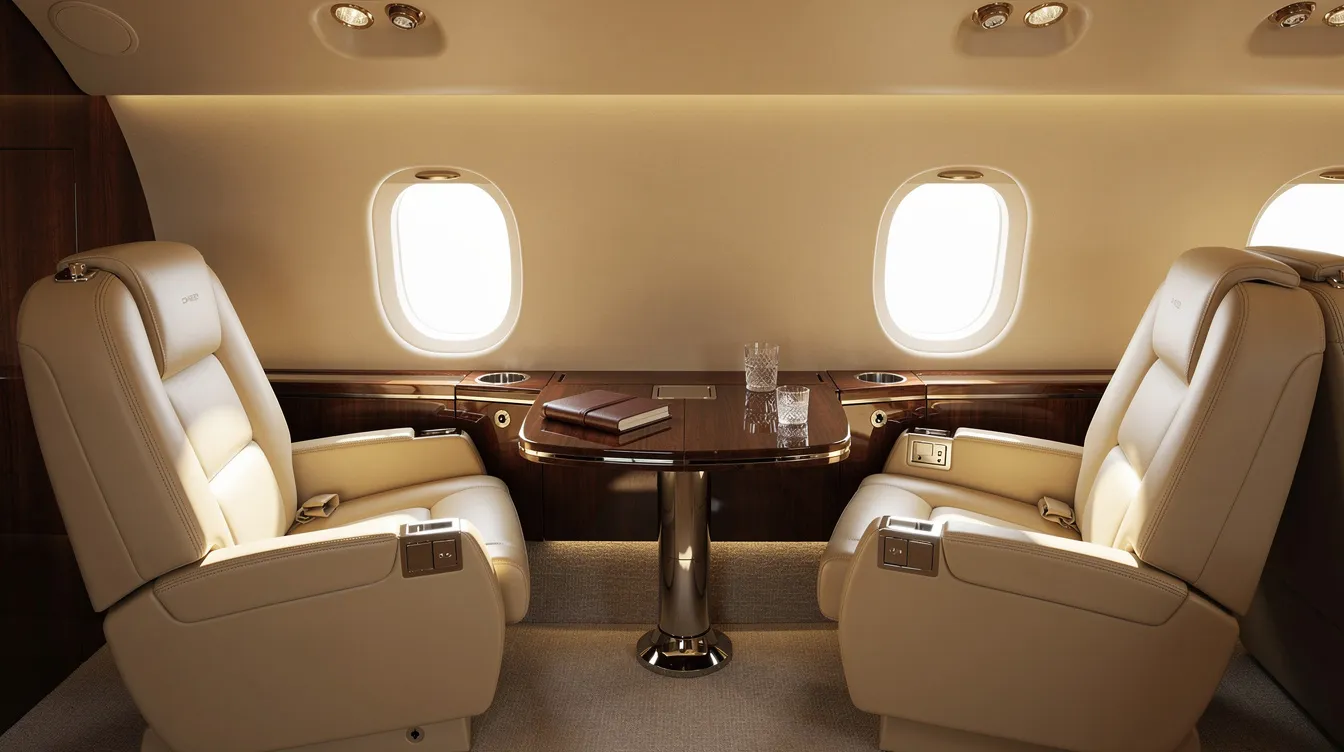
Private jet flight pricing varies widely, and the goal is predictability and fairness rather than the absolute lowest one-off price. Understanding cost drivers helps travelers evaluate charter options against structured programs. For groups or multiple travelers, shared flights—such as group charters, semi-private flights, or empty leg flights—can significantly reduce individual expenses and improve efficiency. These shared flights optimize aircraft utilization and offer flexible, cost-effective options for those seeking the convenience of private aviation without bearing the full cost alone.
Distance and flight time: A 1.5-hour New York–Toronto flight costs substantially less than a 5-hour Los Angeles–Miami trip.
Aircraft category and size: Aircraft size directly influences hourly rates.
Peak versus non-peak dates: Thanksgiving, Christmas week, and major events like CES in Las Vegas command premium pricing.
Positioning and de-icing fees: Winter operations in Denver or Chicago add direct costs. Factors influencing private jet charter pricing include aircraft type, route length, seasonal demand, and additional fees, which can add 20-40% to the base rate.
Light jet charter in the U.S.: roughly $3,000–$4,500 per flight hour
Super midsize jet: roughly $5,000–$7,000 per flight hour
Large cabin: often $8,000–$12,000+ per flight hour, depending on route
Upfront acquisition: A defined share (e.g., 1/16 share for 50 hours per year over a 5-year term) involves an initial capital commitment, which can be structured through dedicated fractional jet ownership financing options.
Fixed monthly management fee: Covers crew, hangar, insurance, and administration—predictable month to month
Hourly occupied rate: More stable than charter pricing fluctuations and a key component when calculating the total cost of fractional jet ownership
Tax benefits: Potential advantages when used primarily for business and structured with CPA guidance, including bonus depreciation rules when applicable under current IRS regulations; understanding the tax implications for fractional jet owners and the necessary liability and insurance coverage in fractional jet ownership is essential before committing
For travelers comparing different program types, BlackJet’s fractional jet ownership program comparison clarifies how Reserve Fleet membership, Equity Fleet ownership, and lease structures differ in commitment, access, and cost.
No aircraft equity, but access to a contracted rate card for specific categories
Lower upfront commitment than fractional,l but higher per-hour rates
Ideal for clients flying 10-40 hours per year or testing private aviation before buying a share
Many travelers weighing these savings are also deciding between fractional jet ownership vs. membership programs, since each handles pricing volatility and access guarantees differently.
Empty Leg Flights are highly discounted one-way flights that occur when a jet needs to fly empty to its next destination or return to its home base. Prices for Empty Leg Flights can be up to 75% lower than standard charters. Semi-Private Flights allow booking of individual seats on a private jet, significantly reducing costs compared to a full charter. Travelers can save 40-70% on private jet charter costs by sharing the total charter cost among a group, making it more accessible for groups of 4-12 travelers.
This illustration complements broader analyses of the complete cost of fractional jet ownership, which factor in acquisition, management, hourly, and exit economics alongside charter alternatives.
A 50-hour-per-year executive flying New York–Chicago and based in a hub like Atlanta with access to local fractional jet ownership options:
Model | Estimated 5-Year Cost | Key Considerations |
|---|---|---|
Ad-hoc Charter | $1.25M–$1.75M | Variable pricing, no guarantees |
Reserve Fleet Membership | $1.1M–$1.4M | Fixed rates, priority access |
Fractional Ownership | $1.2M–$1.5M | Includes equity, tax benefits, and guaranteed availability |
The fractional model becomes increasingly attractive when tax planning opportunities and residual aircraft value are factored into the analysis, especially for regionally concentrated users considering options such as fractional jet ownership in Pittsburgh.
Fractional jet ownership means buying a fraction—typically 1/16 or 1/8 fractional jet ownership—of a specific aircraft, with guaranteed annual hours and professionally managed operations. This model converts private jet flights from transactional purchases into a long-term, strategic aviation plan, and is also ideal for companies operating corporate shuttles between multiple locations, providing efficient and flexible recurring travel solutions.
For many clients, Equity Fleet fractional shares function as a strategic asset; evaluating fractional jet ownership as an investment involves weighing residual value, usage, and opportunity cost against full ownership or ongoing charter.
Guaranteed aircraft availability: Access within a contractually defined callout period, typically 10 days or less
Consistent cabin type and quality: The same aircraft configured to your preferences every trip, not random aircraft with varying interiors
Asset-based model: Potential residual value at the end of the term through planned remarketing in year 5
Tax planning opportunities: U.S. tax advantages when used predominantly for business, coordinated with the client’s tax advisor
Operational control: Scheduling priority compared with non-owners and cardholders
Predictable budgeting: Fixed monthly management fees and stable hourly rates simplify corporate travel expense planning
Prospective owners in these profiles often benefit from a clear glossary of fractional jet ownership terms so they can interpret proposals, contracts, and flight statements accurately, alongside a deeper understanding of essential contract terms in fractional jet ownership to review before signing any agreements.
CEOs and founders: Flying 50-150 hours per year between U.S. business hubs with demanding schedules requiring guaranteed access
Family offices: Recurring routes such as New York–Palm Beach, Westchester–Nantucket, or Chicago–Aspen, with predictable seasonal patterns, along with a long-term plan for selling a fractional jet ownership share if needs change
Mid-size companies: Consolidating multiple executives’ travel into a single fractional program, standardizing safety standards and simplifying expense allocation, and relying on a well-drafted aircraft fractional ownership contract that clearly outlines rights, costs, and exit mechanics
BlackJet can custom-source aircraft—including options like a fractional share of the HondaJet, a specific model year Challenger 3500, or Gulfstream G280, for example—for Equity Fleet clients who want tailored performance, interior configuration, or range specifications. Planning for private jet travel, ideally 3-6 months in advance, ensures better pricing and aircraft availability, making it a strategic choice for travelers building multi-year aviation plans.
Not every traveler needs or wants equity. Reserve Fleet is designed for those seeking highly flexible private jet flights without purchasing an aircraft share. This approach suits business travelers with variable annual hours, those exploring private aviation before committing to ownership, and clients requiring specialized missions such as medical care—including air ambulance and urgent medical transportation. It also complements geographically focused solutions like fractional jet ownership in Phoenix for travelers based in the Southwest. For comparison, some programs use floating fleet fractional ownership structures, which trade dedicated aircraft control for added flexibility and network coverage.
Pay-as-you-go or funded-account structure: Transparent hourly rates by category with no long-term capital commitment
High-priority access: Defined notice periods (48-72 hours for non-peak days) with guaranteed availability for planned travel
Scalable usage: Ability to scale up or down year-to-year without ownership penalties
Single point of contact: One team handles all trips, including international travel legs to London, Mexico, or the Caribbean, and regionally focused solutions such as fractional jet ownership in Orlando
Consistent standards: Access to the same safety and vetting standards as Equity Fleet owners
Factor | Reserve Fleet | Public Charters / Ad-Hoc |
|---|---|---|
Pricing | Contracted rate cards | Variable market rates |
Booking process | Single contact, streamlined | RFP-style shopping each trip |
Aircraft quality | Standardized fleet | Varies by operator |
Reporting | Integrated for budgets | Manual consolidation |
This personalized service model eliminates the need to repeat quote requests for every flight while maintaining the flexibility that fractional ownership doesn’t provide for lower-hour travelers.
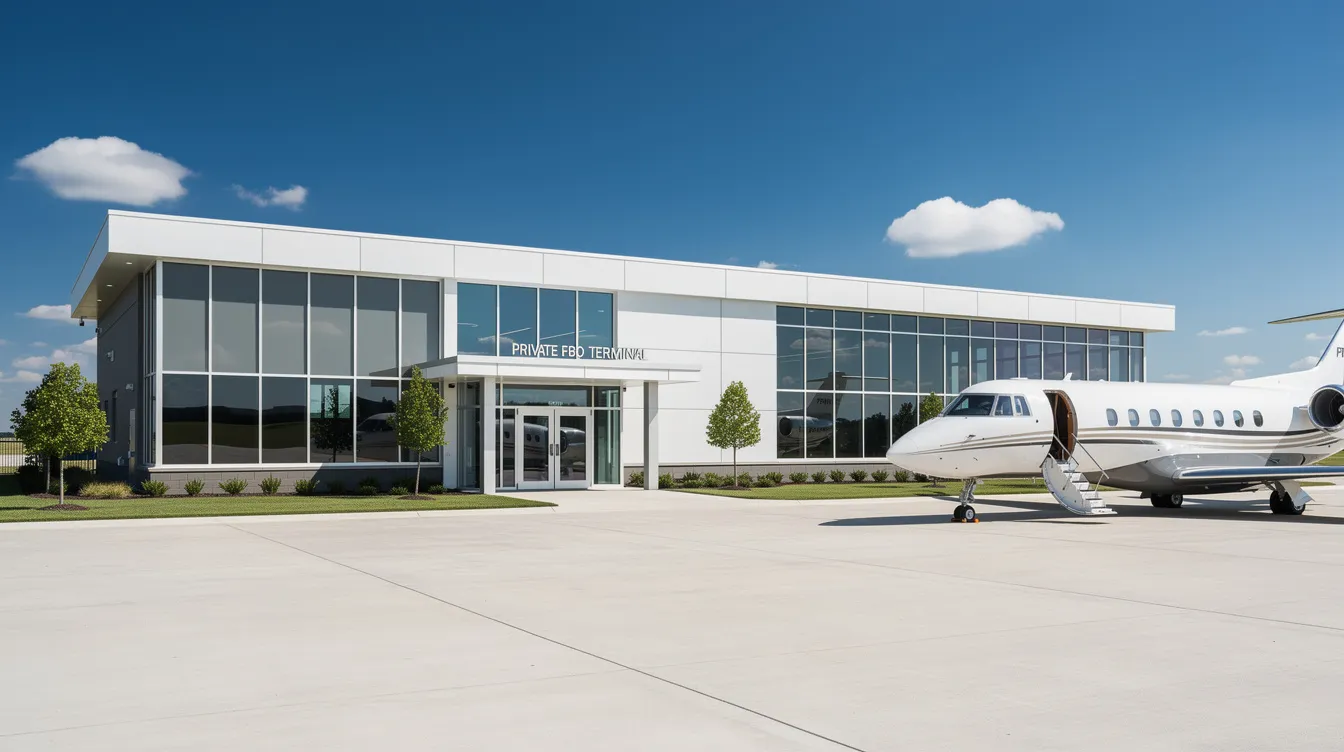
Equity Fleet owners typically receive guaranteed access with 10 days or less notice. Reserve Fleet members should plan for 48-72 hours on non-peak days. While private flights can theoretically be booked hours before departure, practical preparation time means at a minimum an hour before takeoff, depending on the aircraft's location. For complex repositioning, at least a day is realistic. Traveling by private jet can significantly reduce overall travel time, often allowing for quicker airport access and direct routes, which is particularly beneficial for business travelers with tight schedules.
Most jets cruise at 400-500 mph. A New York–Miami flight on a midsize jet (approximately 1,200 miles) takes roughly 3 hours 40 minutes block time, including climb and descent. Light jets cruise at 400-480 mph, while turboprops operate at 220-315 mph. Actual times vary based on weather conditions, headwinds, and air traffic.
Private aviation accommodates pets far more flexibly than commercial airline policies. Dogs and cats travel in-cabin with you rather than in cargo holds. International travel requires health certificates, microchipping, and rabies vaccination proof for EU entry. Domestic U.S. pet travel is logistically straightforward; international destinations require advance veterinary coordination.
Expect to arrive 20-30 minutes before departure at most FBOs, sometimes less. This compares favorably to commercial airports,s where 2-3 hours is standard. The entire aircraft is yours, eliminating boarding queues and seat assignments.
Cabin size and baggage capacity vary by aircraft type. Light jets accommodate 50-100 cubic feet; large-cabin jets handle 500+ cubic feet, including golf clubs, skis, and specialized equipment. Your BlackJet advisor will confirm capacity for specific trips.
Most modern business jets offer wi fi connectivity, and private cabins provide complete privacy for confidential meetings or sensitive work. NDAs with vendors and crew are standard. Aviation experts recommend super midsize and larger aircraft for executives requiring extended productive flight time.
BlackJet fully manages crew and maintenance via certified operators. Pilots undergo FAA-mandated training with 6-month recurrent checkrides. You never coordinate maintenance schedules, crew assignments, or regulatory compliance—the entire aircraft operation is handled professionally.
Not necessarily. Consider a round trip with 6 passengers from New York to Chicago. Commercial business class might cost $2,500-$4,000 per person ($15,000-$24,000 total). A midsize private charter for the same route might cost $18,000-$25,000 total—comparable per-seat when time value is factored in. For leisure time with family or productive meetings en route, the value proposition shifts significantly.
BlackJet provides private jet services around the world, supporting international travel with full documentation coordination. Flights to London, Mexico, and the Caribbean require 7-10 days' advance notice for permit applications and customs coordination. The global network of FBOs and ground transportation partners ensures seamless journey execution worldwide.
Carbon offset programs are available for all flights. Sustainable Aviation Fuel is offered on selected popular routes and at major airports, including Los Angeles, Houston, and Dallas, reducing lifecycle carbon emissions by 40-80% depending on feedstock.
Private jet flights deliver maximum value when access, safety, and cost structure align with actual travel patterns. For travelers flying 25-150 hours annually, fractional jet ownership and membership-style solutions consistently outperform ad-hoc charter on reliability, cost predictability, and travel experience quality. As a global leader in the private jet charter sector, BlackJet Fractional Jet Ownership combines extensive experience, industry-leading safety standards, and client-focused services to deliver unmatched value and peace of mind for discerning travelers.
On-demand charter: Occasional or one-off trips, testing private aviation, or highly variable destinations
Reserve Fleet/membership: Flexible 10-60 hours of annual flying with priority access but no ownership commitment
Equity Fleet fractional ownership: 50-150+ hours annually for those seeking strategic, asset-based aviation planning with guaranteed availability and tax advantages
BlackJet’s role extends beyond trip booking. As an aviation advisor, BlackJet helps clients design 3-5 year private aviation plans around their routes, budgets, and tax considerations. The goal is to transform private jet flights from a variable expense into a competitive advantage with all the benefits of direct access, flexible scheduling, and cost-effective travel.
BlackJet serves clients across the United States and supports global itineraries, making it suitable for both domestic and international private jet flights. The unwavering commitment to providing access through both Equity Fleet and Reserve Fleet ensures every traveler finds the right solution.
Ready to explore the smarter way to fly private? Schedule a consultation to review your last 12-24 months of travel and receive a tailored scenario comparing charter, membership, and fractional jet ownership based on your actual flight patterns. Visit FractionalJetOwnership.com to learn how fractional ownership can transform your travel experience.
