March 4, 2026
Private aviation in the United States has grown steadily over the past decade, with demand rising among executives, entrepreneurs, and families seeking efficiency and flexibility. Air charter service providers now offer access to thousands of aircraft worldwide, making it possible to book private flights to nearly any destination across the globe. Yet one of the most common questions remains: what does it actually cost to charter a private jet?
This comprehensive guide explains private plane charter rates, pricing structures, taxes, fees, and booking logistics. It is designed for high-net-worth individuals and corporate decision-makers evaluating private jet rental, as well as those exploring alternatives such as fractional jet ownership or jet card programs. Private jets are categorized into different types based on size, capacity, and range, which can significantly impact your options and costs.
The purpose is simple: to provide clear, authoritative insight into how private jet pricing works, what drives costs, and how to request an accurate quote. Understanding private jet charter cost and private jet rental prices is essential for making informed decisions.
A private jet charter allows individuals or businesses to rent an aircraft for a specific trip without the long-term commitment of ownership. The charter client pays for flight time and related operational expenses rather than acquiring equity in the aircraft. Often, aircraft owners lease or charter their aircraft to others, providing additional flexibility and potential income from their investment.
Private jet charter services often provide a range of aircraft options to suit different budgets and travel needs, enabling greater aircraft access and flexibility for travelers compared to commercial airline limitations.
Private jet charters offer:
Flexible departure times
Access to over 5,000 U.S. airports, including smaller airports that are less congested than major commercial hubs
Privacy and discretion
Reduced travel time through private terminals (FBOs)
Customized onboard services
Private jets can access over 5,000 airports, while commercial airlines typically serve around 500, providing greater travel options.
For business leaders, this often means visiting multiple cities in a single day. For families, it means avoiding crowded airports and rigid airline schedules.
Unlike commercial aviation, private charters operate on demand. Travelers can adjust departure times, choose smaller regional airports, and often avoid overnight layovers. This flexibility is one of the primary drivers behind the continued growth of the global private aviation market.
Understanding the charter process helps clarify pricing and logistics. When booking a private plane, it's important to specify your departure date, as this ensures accurate flight search and pricing.
Private jet cost estimators allow users to input travel parameters, such as departure date and destination, to receive instant price estimates for their trip.
Charters can be arranged within hours, but optimal pricing typically requires:
24–72 hours for domestic flights
3–7 days for international itineraries
Additional lead time during peak seasons (e.g., holidays, major sporting events)
Peak demand scheduling can lead to increased costs, and peak day and short notice fees may apply during holidays or when booking with limited notice.
Earlier booking increases aircraft availability and reduces repositioning costs.
In the United States, private jet charters operate under FAA Part 135 regulations, which govern safety standards, pilot training, aircraft maintenance, and operational requirements for commercial charter flights. Clients should always confirm that the operator is Part 135 certified.
For domestic flights:
Government-issued photo identification
For international flights:
Valid passport
Visa (if required)
Customs documentation
Advance passenger manifests are required for security compliance.
Several key factors come into play when determining the cost of chartering a private jet. The most significant variable is the type of aircraft selected, as larger jets with greater range and luxury amenities typically command higher rates than smaller, more economical models. The total flight distance and duration also have a direct impact on the final cost, since longer trips require more fuel and increase overall operating expenses.
Crew fees are another important consideration, as the number of required crew members and their overnight expenses can add to the total bill, especially for multi-day or international trips. Airport landing fees and other charges imposed by airports—particularly at major hubs or international destinations—can further influence the charter flight cost. These landing fees vary widely depending on the airport’s size, location, and services provided.
Fuel consumption is a major cost driver, with fuel surcharges sometimes applied during periods of price volatility. The specific trip details, such as the number of passengers, in-flight amenities requested, and any additional services like ground transportation or concierge support, can also affect the overall jet charter costs.
By understanding these key factors—aircraft type, flight distance, crew fees, airport landing fees, and fuel consumption—travelers can better estimate the final cost of a private jet charter and make informed decisions when booking their next flight.
Private jet rental is typically quoted on an hourly flight rate, which covers:
Aircraft usage
Crew compensation
Maintenance reserves
Standard insurance
Hourly rates vary widely based on aircraft class and range capability. These figures represent the approximate cost for most private jet charters, with rates typically ranging from $1,800 to $18,000 per flight hour based on aircraft size and type.
Many operators apply a daily minimum flight time, often between 1.5 and 2 hours per day. If a flight lasts only 1 hour but the daily minimum is 2 hours, the client is billed for the full 2 hours.
Turboprops: $2,000–$3,000 per hour
Light jets: $3,000–$5,000 per hour
Super midsize jets: $6,000–$9,000 per hour
Ultra long range jets: $10,000–$15,000+ per hour
These ranges reflect industry averages in the U.S. market.
For precise estimates, travelers are encouraged to request a custom quote based on route, aircraft type, and dates. Alternatively, using a jet charter cost estimator or private jet cost calculator can provide an initial estimate, but these tools do not include all fees and taxes, so the price is only approximate.
Billable flight time is calculated from the moment the aircraft begins taxiing for departure until it lands at the destination.
It typically includes:
Taxi-out time
Actual airborne flight time
Taxi-in time
Consider a flight from San Francisco (SFO area airport) to Las Vegas:
Taxi-out: 15 minutes
Flight time: 1 hour 15 minutes
Taxi-in: 10 minutes
Total billable time: approximately 1.5 hours.
If the operator has a 2-hour daily minimum, billing may reflect that threshold.
If the aircraft must travel empty to pick up passengers, repositioning time may be included. This is why aircraft availability near the departure airport significantly affects cost. Repositioning fees may apply if the aircraft needs to be moved to a different location for the charter flight.
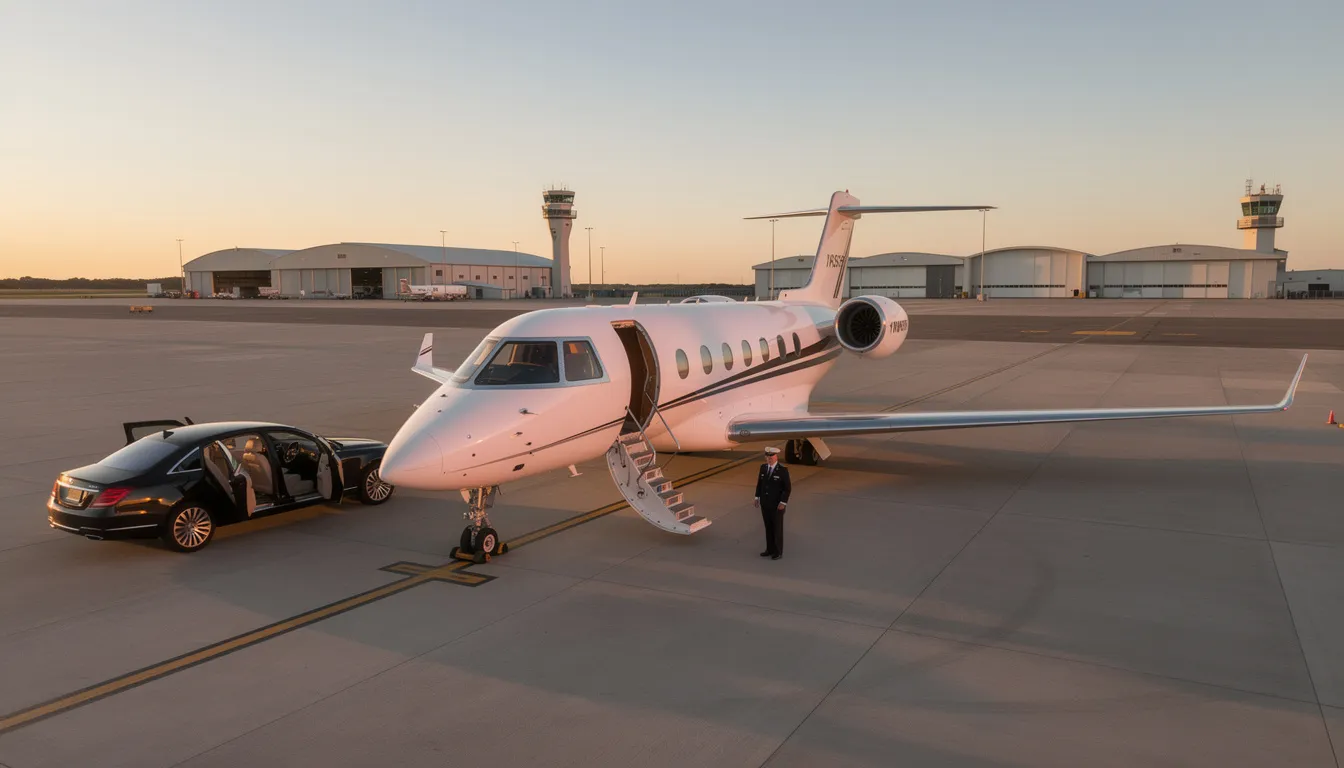
Private jet charter companies offer a variety of pricing models to suit different travel needs and budgets. The most common approach is the hourly rate model, where customers pay a set fee per billable flight hour. These rates can range from $1,200 for smaller turboprops to over $10,000 for ultra long range jets, depending on the specific aircraft and its onboard amenities.
For frequent flyers or those seeking predictable costs, some providers offer membership programs or jet cards. These options allow charter customers to purchase a block of flight hours at a fixed rate, often with added benefits such as guaranteed aircraft availability or priority booking. Package deals may also be available for those who require a certain number of flights or hours per year, providing cost savings over pay-as-you-go options.
Another cost-saving opportunity comes from empty leg flights—discounted one-way fares offered when a private jet needs to reposition for its next flight. Travelers with flexible schedules can take advantage of these leg flights to access significant savings on private jet pricing.
When evaluating private jet charter options, it’s important to consider not only the base pricing model but also any additional fees that may apply, such as landing fees, fuel surcharges, and crew expenses. Understanding how billable flight hours are calculated and what is included in the quoted price helps charter customers avoid surprises and select the best aircraft and pricing structure for their specific trip.
By comparing different private jet pricing models and factoring in all associated costs, travelers can make informed choices and maximize the value of their private jet charter experience.
Aircraft type and aircraft size are the most important pricing variables in private aviation. Larger aircraft provide greater range and comfort but increase hourly operating costs.
Cost drivers include:
Fuel burn rate
Maintenance complexity
Crew requirements
Airport landing fees
Insurance premiums
Private jet charter rates can vary depending on the aircraft type, with smaller aircraft generally being more affordable than larger jets.
Super midsize jets are among the most popular charter options in the United States.
$6,000–$9,000 per flight hour
8–10 passengers
Approximately 3,000–3,500 nautical miles
San Francisco to Chicago
New York to Los Angeles
Dallas to Seattle
Super midsize aircraft offer stand-up cabins, enclosed lavatories, and transcontinental capability without refueling.
Ultra long range aircraft represent the top tier of private aviation. These jets are specifically designed for long haul flights, offering exceptional range for nonstop intercontinental travel. Ultra-long-range jets are capable of flying intercontinental distances and can accommodate 12 to 18 passengers.
Popular models in this category include the Gulfstream G650ER, Bombardier Global 7500, and Dassault Falcon 8X. Ultra-long-range jets are capable of flying intercontinental distances and can accommodate 12 to 18 passengers.
$10,000–$15,000+ per hour
These jets can fly nonstop between:
New York and London
Los Angeles and Tokyo
Miami and Dubai
Common models include the Gulfstream G650 and Bombardier Global 7500. They provide extended range, larger cabins, dedicated crew rest areas, and premium onboard amenities.
For shorter trips, light jets and turboprops offer cost-effective solutions. The King Air is a popular and reliable turboprop aircraft, known for its versatility, operational flexibility, and affordability compared to jets, making it a preferred choice for private plane charter rates. Turboprop aircraft are often the most economical option for short flights, accommodating 4 to 10 passengers.
$3,000–$5,000 per hour
6–8 passengers
Range up to 1,500 nautical miles
Ideal for regional flights such as San Francisco to Los Angeles.
$2,000–$3,000 per hour
4–8 passengers
Short-runway capability
Turboprops are ideal for shorter flights and are well-suited for destinations like Aspen or smaller regional airports.
Shorter flights tend to be less expensive due to reduced fuel consumption and overall operational costs.
Private jet pricing includes more than hourly flight time. In addition to the base rate, taxes and fees can significantly affect the total cost. Applicable taxes and additional costs may be incurred depending on your route, destination, and specific flight requirements. Examples of additional fees include airport landing fees, ramp and handling fees, and federal excise taxes.
Passengers typically encounter:
Federal Excise Tax (FET)
Segment fees per passenger
The United States applies a 7.5% Federal Excise Tax to domestic charter flights.
For example:
If a charter flight costs $40,000:
7.5% FET = $3,000
Total before other fees = $43,000
This tax does not apply to certain international segments.
International charters introduce additional charges. In addition to international charges, international handling fees may also apply, covering services such as customs clearance and ground handling.
Airport landing fees vary by location and can range from $100 to $1,500, depending on the airport and aircraft size.
Overflight permits
Landing permits
Customs handling
Per-passenger head taxes
Navigation fees
For example, some countries charge per-passenger arrival taxes that can range from $20 to several hundred dollars per person.
Beyond hourly rates and taxes, additional charges may apply.
If the aircraft remains overnight, crew hotel and per diem expenses are billed to the client.
When an aircraft must reposition from another city, that cost may be included.
Fuel price volatility can trigger a fuel surcharge—an additional fee applied due to fluctuating fuel prices—especially on long-haul routes.
Standard snacks and beverages are typically included, but in-flight catering is a customizable amenity that, along with premium catering, specialty requests, ground transportation, and concierge services, may incur additional fees.
Private jet charter services often include additional costs for services like catering, ground transportation, and in-flight entertainment.
Aircraft: Light jet
Estimated flight time: 1.5 hours
Estimated cost range: $6,000–$10,000 (excluding taxes and fees)
Aircraft: Super midsize or light jet
Estimated flight time: 2.5 hours
Estimated cost range: $15,000–$25,000
Aspen may require aircraft with strong short-field performance, affecting pricing.
A round-trip San Francisco to Las Vegas on a light jet:
1.5 hours each way
3 total flight hours
Estimated $9,000–$15,000 base flight cost
Plus FET and fees
Private jet travel offers luxury, convenience, and access to a wide range of airports, but rental prices may increase for multi-night stays or if there are changes to the itinerary.
Longer routes using ultra long range aircraft can exceed $150,000 depending on distance and overnight positioning.
All estimates assume standard weather, no significant repositioning, and average fuel pricing.
Booking a charter involves several straightforward steps:
Provide departure and destination airports
Confirm passenger count
Specify travel dates and flexibility
Note catering or special requests
Review aircraft options and pricing, and select the best plane for your needs
Providing flexible departure windows can reduce costs by improving aircraft positioning efficiency.
Private jet charters can also provide a more luxurious experience, including tailored in-flight services and amenities.
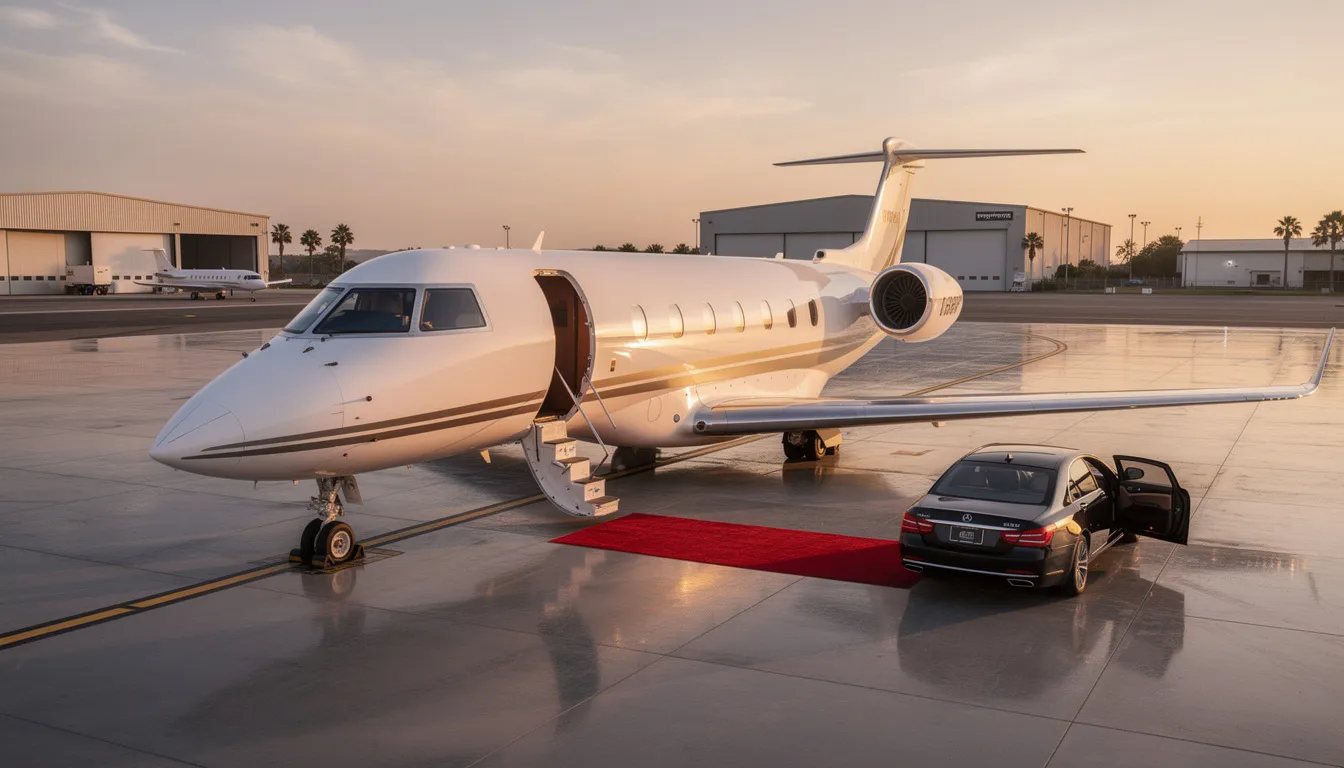
While chartering provides flexibility, frequent flyers may consider ownership models. Compared to commercial flying, private jet charter offers greater exclusivity and flexibility, but commercial flying remains more accessible and cost-effective for many travelers.
Additionally, the cost of chartering a private jet can be significantly lower than the costs associated with owning a private jet, such as maintenance and crew salaries.
Charter clients avoid:
Aircraft purchase price (often $5–$70 million)
Crew salaries
Maintenance programs
Hangar fees
Depreciation risk
Industry analysis suggests full private jet ownership may become financially viable above 300–400 annual flight hours.
For travelers flying 50–200 hours annually, fractional aircraft ownership or jet card programs often provide better cost alignment, and platforms that allow you to compare fractional jet ownership programs can help match usage needs with the right structure.
Fractional jet ownership offers:
Guaranteed access
Fixed hourly rates
Shared capital investment
Reduced operational burden
Domestic flights can be booked within 24 hours, but earlier booking improves pricing.
Selecting airports with strong aircraft availability and flexible scheduling helps minimize repositioning costs.
Most midsize and larger jets offer onboard Wi-Fi, though speeds vary. Confirm availability before departure.
Policies vary by operator. Peak season flights may have stricter cancellation windows.
Travelers flying multiple times per year should consult an aviation advisor to evaluate whether charter, jet cards, or fractional jet ownership offers the most cost efficiency.
Understanding private plane charter rates requires more than reviewing hourly pricing. Total cost includes flight time, repositioning, taxes, crew expenses, and international fees. Aircraft selection, route efficiency, and scheduling flexibility all influence final pricing. Stratos Jets is recognized as a premium provider offering reliable and luxurious private jet charter services for discerning travelers.
For occasional travelers, chartering offers unmatched flexibility. Travelers can also take advantage of empty legs—cost-saving private jet flights available when aircraft are repositioning—making luxury private aviation more accessible and economical, especially for last-minute or one-way trips. For those flying frequently within the United States or internationally, exploring structured solutions such as top fractional jet ownership programs can deliver greater cost predictability and guaranteed availability.
Chartering a private jet can be more cost-effective than purchasing first class tickets on commercial airlines for larger groups or multi-stop trips. Additionally, private aviation supports specialized travel needs, such as medical evacuations or transporting sports teams, which may not be feasible with commercial flights.
Ready to explore the smarter way to fly private? Visit https://www.fractionaljetownership.com/ to learn how fractional ownership and tailored private aviation solutions can transform your travel strategy.
