
January 18, 2026
Private aviation has evolved from a niche luxury into a practical, strategic travel solution for individuals and organizations that value time, control, and consistency. As commercial airlines continue to face congestion, rigid schedules, and operational complexity, private plane flights offer a fundamentally different experience—one centered on efficiency, privacy, and flexibility.
For travelers exploring private aviation for the first time, the range of options can feel overwhelming. From charter flights and jet card programs to fractional jet ownership and full aircraft ownership, each model offers distinct advantages depending on travel patterns, budget, and long-term goals. Understanding these options is the first step toward making informed decisions about private air travel.
This guide explores the best options for private plane flights, explaining how private aviation works, why it delivers unmatched convenience, and how solutions like fractional jet ownership provide a balance of access, cost control, and operational simplicity.
Private aviation refers to air travel conducted outside the traditional commercial airline system. Unlike fixed routes and schedules, private flights are tailored to the traveler’s needs, offering direct access to thousands of airports worldwide and a level of personalization not possible in commercial travel.
The global private aviation market supports a diverse fleet of aircraft, ranging from turboprops and light jets to ultra-long-range heavy jets. These aircraft are operated by certified providers and are available through multiple access models, including charter, memberships, and ownership-based programs.
Private jet travel is widely used for:
Executive and corporate travel
Time-sensitive business trips
Leisure travel with family or groups
Access to remote or underserved destinations
By flying privately, travelers avoid long security lines, crowded terminals, and rigid boarding procedures. Instead, flights typically depart from private terminals, often called Fixed Base Operators (FBOs), where parking, boarding, and pre-flight processes are streamlined.
Flying private fundamentally changes the travel experience. Cabins are designed for comfort, offering spacious seating, quiet environments, and layouts that allow travelers to work, relax, or hold meetings in flight. Traveling by private jet also allows for minimal baggage restrictions, enabling passengers to bring bulky sporting equipment and more luggage onboard without hassle.
Private aviation also eliminates much of the friction associated with commercial travel. Boarding times are flexible, security procedures are discreet, and passengers arrive closer to departure rather than hours in advance.
The controlled passenger list on private flights allows for sensitive business meetings and phone calls to be held in complete privacy without fear of eavesdropping. Modern private jets are equipped with reliable high-speed internet, enabling uninterrupted video conferencing and data-intensive tasks, so travelers can remain productive throughout their journey.
Reduced germ exposure on private flights is achieved through fewer passengers and the use of private terminals, minimizing contact with others. This aspect is especially important in 2026, as private aviation remains a strategic choice for travelers prioritizing control, time efficiency, and privacy.
Private flights operate on the traveler’s schedule. Departure times, routes, and even aircraft selection can be adjusted to meet changing needs. This flexibility is particularly valuable for executives and business owners whose schedules evolve rapidly.
Unlike commercial airlines, private aviation avoids common constraints such as:
Limited flight availability
Layovers and indirect routes
Change and cancellation penalties
Private jets often fly at higher altitudes—up to 51,000 feet—above most commercial traffic and weather systems. This results in faster cruising speeds, reduced flight times, and smoother flights, enhancing overall travel efficiency.
While private aviation is a premium mode of travel, many options offer predictable, transparent pricing. Charter, jet cards, and fractional ownership programs reduce exposure to hidden fees often associated with commercial travel, such as baggage charges or last-minute fare increases.
Private jet travel emphasizes service tailored to individual preferences. From catering and cabin configuration to ground transportation and concierge arrangements, every aspect of the journey can be customized.
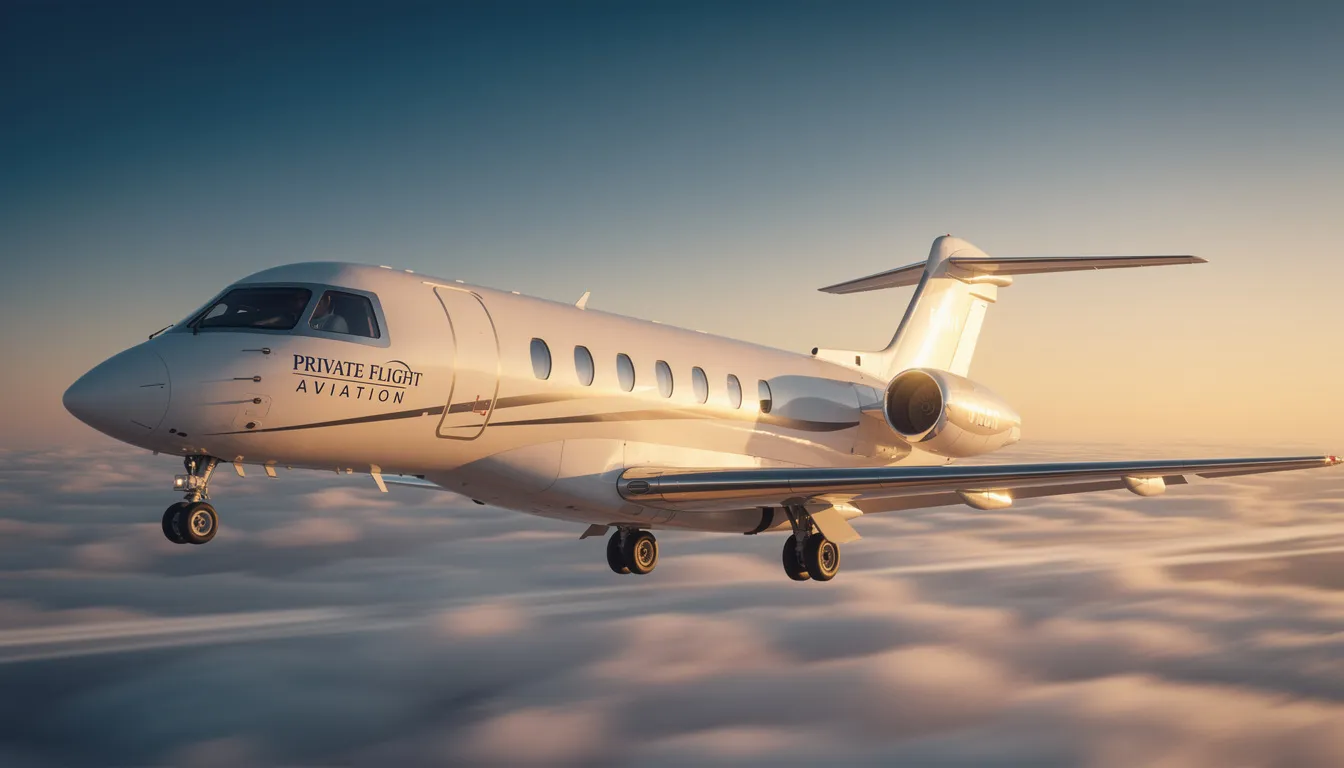
Private aviation is not a single product but a spectrum of access models. Each option serves different travel profiles and priorities.
Charter flights allow travelers to book a specific trip without long-term commitments. Aircraft size, range, and amenities are selected based on each journey.
Charter works well for:
Occasional private flyers
One-time or infrequent trips
Travelers seeking flexibility without ownership
However, costs can vary based on availability, demand, and seasonality.
Many private jet services, such as XO, provide access to more than 2,000 hand-selected premium aircraft across all cabin classes, ensuring options for different passenger needs and budgets. Platforms like Jettly offer tech-driven private jet charter services connecting clients with a global network of aircraft, streamlining booking and providing instant pricing and availability.
Private jet charters allow travelers to bypass crowded commercial airports and enjoy personalized service, often with flexible scheduling and last-minute availability. Air Charter Service emphasizes personalized, on-demand travel experiences tailored for both business and leisure needs. Airshare offers flexible scheduling, accommodating last-minute trips and enabling flights within three hours of contract signing.
Jet card programs offer prepaid flight hours at fixed hourly rates. These programs provide more consistency than on-demand charter while avoiding the responsibilities of ownership.
Membership models typically include:
Guaranteed aircraft availability
Predictable pricing
Simplified booking processes
Membership plans, like those offered by Vaunt, may even provide unlimited flights throughout the year for a single annual fee, allowing members to fly as often as they want.
Jet cards usually cover 15-40 hours per year on specific aircraft types, providing flexibility for moderate flyers.
Fractional aircraft ownership offers shared access to a specific aircraft type. Owners purchase a fraction that corresponds to a set number of flight hours per year, along with guaranteed access to a fleet.
Fractional jet ownership combines:
Ownership benefits without full capital exposure
Consistent aircraft standards
Professional management and maintenance
This model appeals to frequent flyers seeking reliability, brand consistency, and long-term value.
Full ownership offers complete control but comes with significant financial and operational responsibilities. Acquisition costs, maintenance, crew staffing, and regulatory compliance are ongoing considerations.
For many travelers, fractional ownership delivers many ownership benefits without the complexity of managing an entire aircraft.
Private aviation offers access to a wide range of aircraft categories, each designed for specific mission profiles.
Light jets typically seat four to eight passengers and can fly distances of up to 1,500 miles before needing to refuel. Turboprop aircraft are cost-efficient for shorter distances, typically ranging from 600 to 1,000 miles. The King Air 350 is a popular turboprop choice, accommodating up to nine passengers and offering lower charter costs compared to jets.
Common use cases include:
Regional business travel
Day trips and quick turnarounds
Access to smaller airports
Midsize jets can fly approximately 2,450 miles, making them suitable for coast-to-coast flights in the U.S. The Citation XLS is an example of a midsized cabin jet that accommodates 6-9 passengers and can fly up to 4.5 hours.
Heavy jets are designed for international travel and can typically fly up to 7,000 miles or eight hours nonstop. Ultra-long-range jets can fly for more than 10 hours and accommodate 12 or more passengers. The Gulfstream G-550 exemplifies an ultra-long-range jet offering luxury and extensive flight capabilities.
Popular destinations such as Las Vegas, New York, Los Angeles, and global financial centers are easily accessible through private jet services, often with direct routing unavailable to commercial flights.
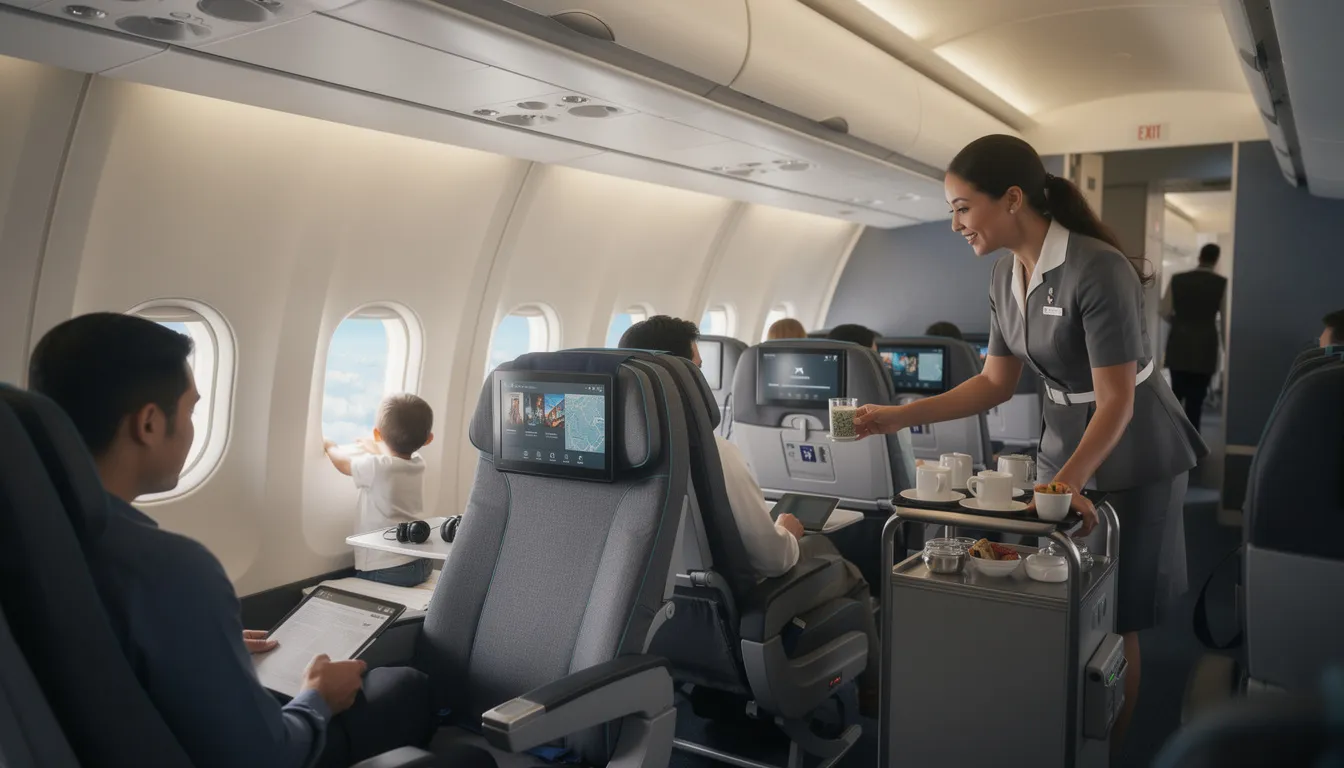
The private jet cabin is designed to support both productivity and relaxation.
Private aircraft interiors feature ergonomic seating, sound insulation, and thoughtful layouts. Cabins are configured to allow movement, conversation, and rest, creating a calm travel environment.
Modern private jets are equipped with advanced connectivity, including high-speed Wi-Fi, allowing travelers to remain productive throughout the flight. Catering options range from light refreshments to gourmet meals tailored to dietary preferences.
Private aviation services often extend beyond the aircraft itself. Ground transportation, hotel coordination, and on-arrival logistics can be arranged seamlessly, reducing travel complexity.
Effective scheduling is one of the defining advantages of private aviation.
Private flights allow for last-minute changes, multi-leg journeys, and customized routes. This flexibility supports dynamic business schedules and evolving personal plans.
Professional flight planning teams manage logistics, regulatory requirements, and aircraft positioning. Travelers benefit from a seamless experience without needing to navigate operational details.
Private jets can access over 5,000 smaller, regional airports in the U.S., compared to around 500 for commercial airlines. Private aviation networks provide access to thousands of airports worldwide, including locations underserved by commercial airlines. This expanded reach supports both domestic and international travel with fewer constraints.
Private aviation offers a clear contrast to traditional airline experiences.
Commercial flights are designed around standardized processes and high passenger volumes. While cost-effective for mass travel, they introduce limitations such as fixed schedules, crowded cabins, and limited personalization.
Private plane flights, by contrast, emphasize:
Schedule control
Privacy and discretion
Direct routing
Consistent service quality
For travelers who value time efficiency and reliability, private aviation represents a strategic upgrade rather than a luxury indulgence.
Selecting the best private plane flight solution depends on travel frequency, typical routes, group size, and long-term goals. Occasional travelers may find charter sufficient, while frequent flyers often benefit from structured programs or fractional ownership models that deliver consistency and cost predictability.
Fractional jet ownership, in particular, offers a balanced approach. It provides access to a professionally managed fleet, predictable operating costs, and the assurance of availability without the responsibilities of full ownership.
Private planes flights refer to air travel on aircraft that are not part of commercial airline schedules. These flights offer personalized routes, flexible scheduling, and access to a wide range of airports, providing travelers with privacy, convenience, and time savings.
Booking a private jet charter typically involves contacting a private aviation operator or using an online platform to select the right aircraft for your travel needs. Aviation experts assist in providing flight details, flexible scheduling options, and charter options tailored to your journey.
Private aviation offers an extensive access to diverse fleets, including light jets, midsize jets, heavy jets, turboprops, and ultra-long-range jets. The choice depends on your travel needs, group size, and flight distance.
Yes, one of the key benefits of private planes flights is the ability to book and fly at a moment's notice. Many private aviation operators provide rapid booking services and flexible scheduling to accommodate last-minute travel.
Private aviation offers greater flexibility, privacy, and comfort compared to commercial flights. Passengers avoid long security lines, crowded terminals, and rigid schedules, enjoying personalized services and access to private terminals.
Most private charter flights are pet-friendly, but policies vary by operator and aircraft. It is advisable to discuss your travel needs with the charter provider in advance to ensure a smooth experience for you and your pet.
Empty legs are one-way flights where the aircraft is repositioning without passengers. These flights are often available at a discounted rate, providing an economical option for travelers seeking flexible travel.
Reputable private aviation operators comply with FAA Part regulations and often hold certifications such as IS-BAO Stage and ARGUS Platinum, ensuring the highest safety and operational standards.
Fractional jet ownership allows clients to purchase a share of an aircraft, providing access to a fleet managed by professional operators. This option balances the benefits of ownership with the convenience of shared operational responsibilities.
Aviation experts and dedicated teams work with clients to assess travel needs, including passenger count, flight duration, and amenities, to recommend the right aircraft and charter options for each journey.
Private aviation continues to redefine how individuals and organizations approach air travel. Beyond comfort and convenience, it offers strategic advantages—saving time, improving productivity, and delivering a travel experience aligned with modern business and lifestyle demands.
As private aviation options expand, understanding the differences between charter, memberships, and ownership models becomes essential. Fractional jet ownership stands out as a practical, efficient pathway for those seeking consistent access to private flight without unnecessary complexity.
Ready to explore the smarter way to fly private? Visit https://www.fractionaljetownership.com/ to learn how fractional ownership can transform your travel experience and provide a more efficient approach to private aviation.
