
May 2, 2026
Private aviation offers unmatched flexibility and time savings for busy executives and frequent travelers. Yet understanding what a private small jet actually costs—whether buying outright, chartering, owning your own jet for greater control and privacy, or joining a fractional program—requires more than scanning a few sticker prices. This guide breaks down real 2025 numbers across every access model, helping readers make informed decisions aligned with their travel patterns and budgets.
When people search for “private small jet price,” they typically refer to very light jets and light jets—aircraft seating four to eight passengers designed for short to medium-haul regional flights. The true cost involves both acquisition and ongoing operating costs, which can vary dramatically based on ownership model.
Here are typical 2025 price ranges for small jets:
New very light jets (e.g., Cirrus Vision Jet SF50, HondaJet Elite II): $2–6M
New light jets (e.g., Citation CJ3+, Phenom 300E): $8–12M
8–12 year old small jets: $2–5M
Hourly operating costs for owners: $1,000–$2,500 per flight hour
Hourly access via charter or fractional: $3,000–$6,000 per hour, depending on model
New light jets typically cost between $3 million and $9 million, while mid-size jets can range from $5 million to $30 million.
The price range for purchasing a private jet can vary significantly, from around $2 million for very light jets to over $100 million for large, long-range, or VIP-configured aircraft. When comparing costs across different aircraft categories, such as light jets, midsize jets, and large cabin jets, midsize jet prices and operating costs generally fall between those of light and large jets.
BlackJet Fractional Jet Ownership focuses on access models—fractional ownership and membership programs—that avoid the $2–10M upfront cost while still providing guaranteed access to small jets. Clients typically fly aircraft like the Citation CJ3+, Embraer Phenom 300E, and Pilatus PC-24, all within the light jet category, offering the ideal balance of range, comfort, and efficiency.
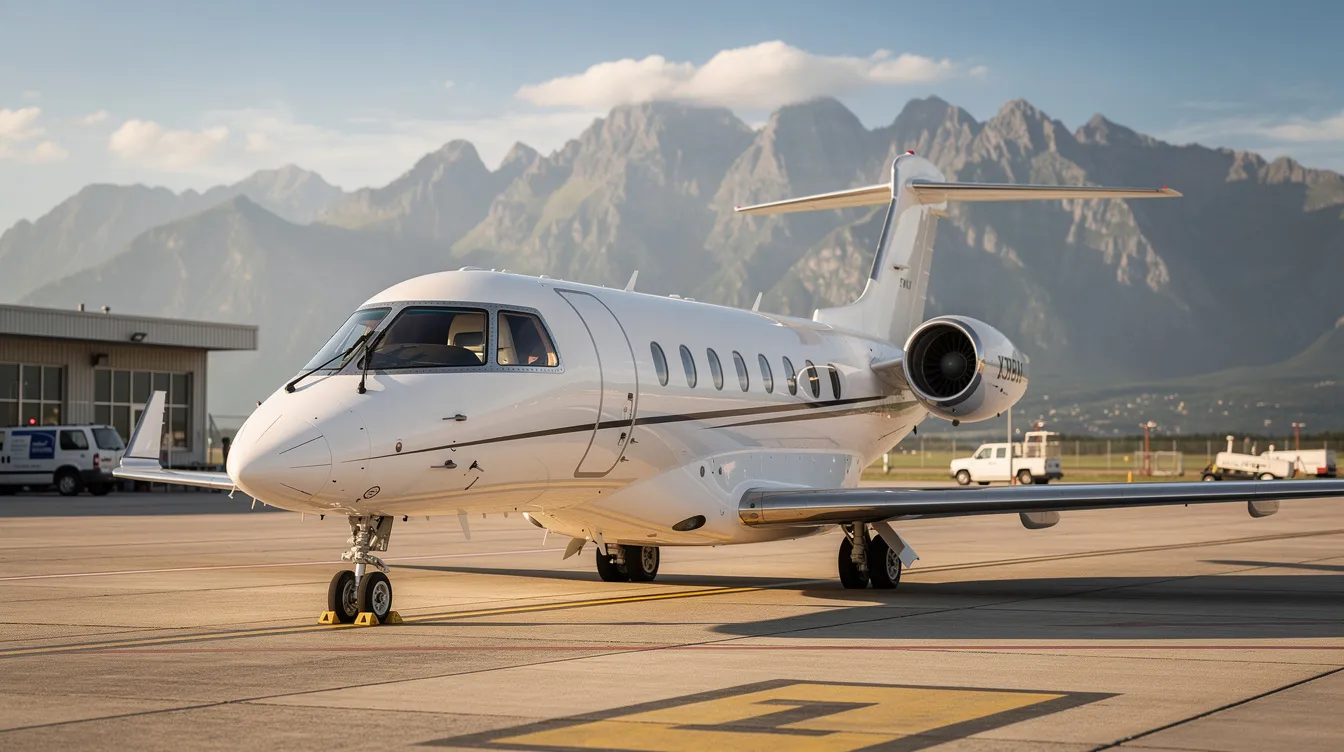
The terms “very light jet” and “light jet” describe distinct aircraft categories with different capabilities, price points, and ideal use cases. Understanding these differences helps buyers match their mission profile to the right aircraft type.
Very light jets represent the most affordable entry point into jet ownership, designed for shorter flights and offering remarkable performance and advanced technology. Key characteristics include:
4–5 passenger seats
Examples: Cirrus Vision Jet SF50, Embraer Phenom 100EV, HondaJet HA-420
Typical range: 1,000–1,200 nautical miles (covering routes like New York to Chicago or Los Angeles to Denver)
Often certified for single-pilot operation, reducing crew costs
Ideal for owner-operators and short-haul flights
The Cirrus Vision Jet stands out with its unique whole-aircraft parachute system, while the HondaJet Elite II features an innovative over-the-wing engine design that creates a spacious cabin with reduced noise.
Light jets offer expanded capabilities while remaining in the affordable aircraft category. These private aircraft typically feature:
6–8 passenger seats
Examples: Cessna Citation CJ3+, Embraer Phenom 300E, HondaJet Elite II
Typical range: 1,700–2,200 nautical miles (enabling routes like Dallas to New York or Chicago to Los Angeles)
Often used by corporate flight departments and fractional programs
Better cabin space and range for business meetings across regions
Light jets, such as the Cessna Citation Mustang and Embraer Phenom 100, provide a balance between luxury, comfort, and affordability, making them ideal for business trips or family getaways.
BlackJet’s Equity Fleet and Reserve Fleet are primarily built around these very light and light jet categories, serving clients who fly 25–150 flight hours per year.
List prices for 2024–2025 come from manufacturer guidance and recent transactions in U.S. and global markets. Brand new aircraft typically come with factory warranties and the latest avionics, but at a higher price compared to pre-owned options.
Cirrus Vision Jet G2+ (SF50) The Vision Jet lists around $2.98M equipped for new 2025 deliveries. Pre-owned models from the late 2010s trade between $1.7M and $2.1M, representing the cheapest private jet entry into modern jet ownership with a single Williams FJ33-5A engine and 1,275 nautical miles maximum range.
Embraer Phenom 100EV New Phenom 100EV aircraft run approximately $4.5M–$5M. Earlier Phenom 100 models from 2010–2015 are available in the pre-owned market for $2M–$3M, offering 5–7 seats and solid residual values.
HondaJet HA-420 (Classic and Elite) Pre-owned HondaJets range from $3M–$5M, depending on year and avionics configuration. The innovative technology of the over-wing engine placement maximizes cabin space while improving fuel efficiency, and many buyers now explore fractional ownership of the HondaJet to access these benefits with lower upfront capital.
Cessna Citation CJ3+ The list price for a new 2025 CJ3+ sits around $8.3M–$9M equipped. Models from 2014–2017 often trade at $6M–$7.5M on the pre-owned market. New light jets typically cost between $3 million and $9 million, making the CJ3+ competitive within this range.
Cessna Citation CJ4 Gen2 Approximately $10M–$10.5M new in 2025, the CJ4 offers extended range at 2,165 nautical miles and updated Collins Pro Line avionics.
Embraer Phenom 300E The 2024/2025 Phenom 300E typically lists at $10M–$11M new. Earlier Phenom 300 models from 2010–2015 trade at $6M–$8M. With a maximum cruise speed of 464 knots and a 2,010 nautical mile range, it remains the best-selling light jet ever, with over 700 delivered.
Pilatus PC-24 Approximately $12M new, the PC-24 stands out as a light jet with STOL capabilities, enabling access to smaller airports and unpaved strips that larger aircraft cannot reach.
Pre-owned private jets can be purchased for 20-50% less than their new counterparts, depending on age, maintenance status, and avionics upgrades. During the 2021–2022 pandemic boom, some late-model light jets traded close to or above historic list prices, but the market softened by 2024–2025 as inventory increased.
Age and condition significantly influence the cost of aircraft, with older models often available for under $1 million—though maintenance caveats apply.
BlackJet helps clients leverage these price bands through Equity Fleet structures, enabling ownership of 1/16 or 1/8 shares instead of the full asset purchase price.
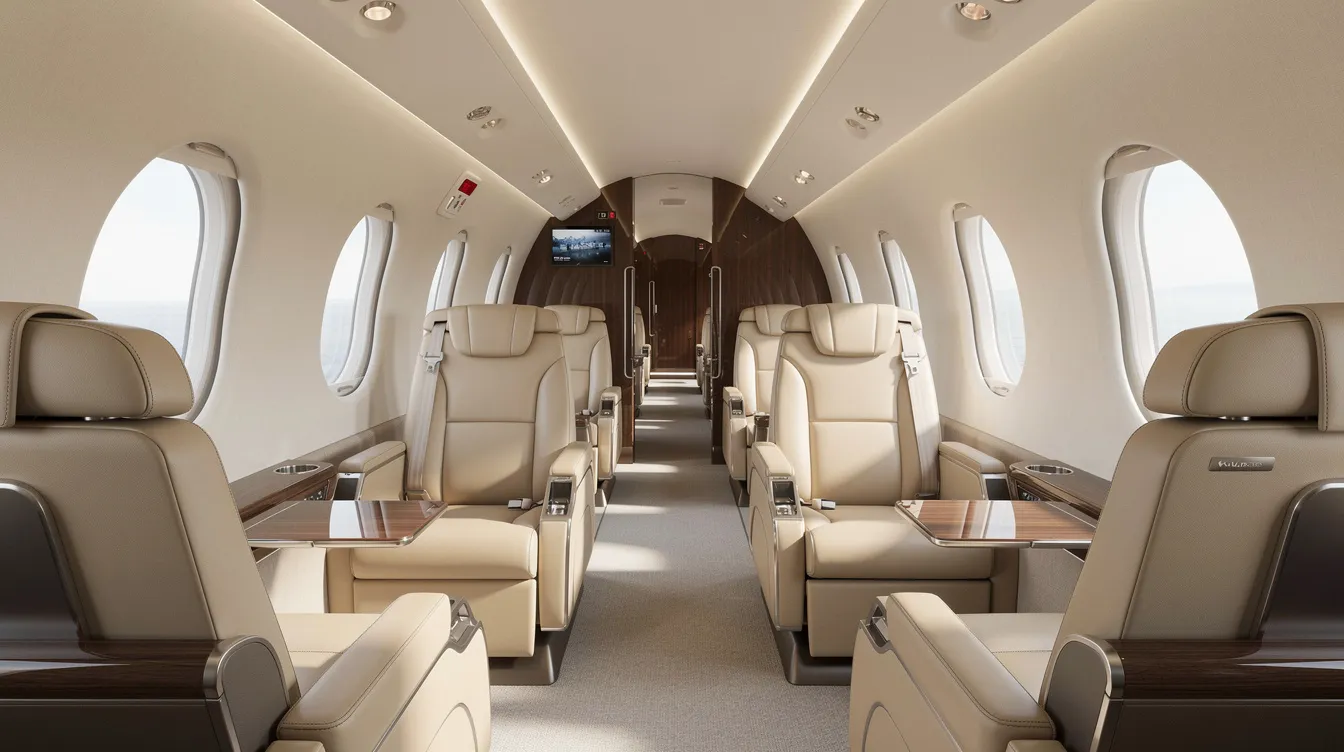
Acquisition represents only half the financial picture. Ongoing fixed costs and variable costs often surprise first-time private jet owners and can exceed the aircraft purchase price within several years of ownership, which is why prospective share buyers study the total cost of fractional jet ownership as carefully as whole-aircraft budgets.
Annual fixed costs for owning a private jet can range from $500,000 to over $2 million. For small jets specifically, owners should expect:
Hangar fees: $30,000–$80,000 per year in major U.S. metro areas (Teterboro at $40K+, Van Nuys at $35K, Miami Opa-locka similar)
Insurance: Typically $20,000–$80,000 annually for VLJs and light jets with $3M–$10M hull value. Insurance costs for private jets can vary significantly, ranging from $20,000 to $300,000 annually across all aircraft size categories, generally accounting for 1% to 3% of the aircraft’s hull value, and fractional owners must pay close attention to liability and insurance coverage in fractional jet ownership to ensure adequate protection across all co-owners.
Crew salaries: $140,000–$400,000 per year combined, including benefits for one or two crew members on a professionally crewed light jet. Single-pilot operation on VLJs can reduce this significantly, but many fractional programs rely on highly trained professional pilots and crews to standardize safety and service.
Management fees: $80,000–$200,000 per year when using third-party aircraft managers
Variable costs per flight hour for small jets include:
Fuel: ~$600–$1,200 per hour, depending on fuel prices and aircraft type. Variable costs of aircraft operation, such as fuel, can account for 25% to 35% of total operating costs, with small jets burning about 90 to 200 gallons per hour.
Maintenance reserves and parts: $300–$800 per hour. Maintenance costs include routine inspections and unexpected repairs, with simple replacements sometimes costing several thousand dollars.
Engine programs: $150–$400 per hour per engine (e.g., Williams TAP Blue, JSSI coverage)
Total variable cost: $1,000–$2,500 per flight hour for VLJs and light jets
Variable costs can range between $1,000 and $5,000 per flight hour across all private aircraft categories, covering expenses like fuel, crew, and overnight expenses.
Routine maintenance costs for a private plane can be approximately 2% of the aircraft’s original price per year. For mid-size jet and mid-size private jet categories, annual maintenance typically ranges from $1.25 million to $1.5 million—though light jets run considerably lower.
A business flying 120 flight hours per year on a Citation CJ3+ might see all-in annual ownership costs of $800,000–$1.3M once fixed and variable expenses combine. This includes hangar fees, insurance, crew salaries, fuel, landing fees, and maintenance reserves.
Fractional ownership with BlackJet converts many of these unpredictable costs into transparent monthly management fees and fixed hourly rates, eliminating the need to fund 100% of hangar, crew, and insurance independently. For newcomers, a basic glossary of fractional jet ownership terms can clarify how these fees and structures work in practice.
Many frequent flyers never purchase a whole aircraft. Instead, they pay per hour via private jet charter, jet cards, or fractional ownership programs. Each model serves different usage patterns and budgets.
Private jet charter costs can vary significantly based on factors such as flight time, distance, aircraft type, and additional services requested. Typical 2025 U.S. rates:
VLJ charter rates: $3,000–$4,000 per hour (Phenom 100, Citation Mustang)
Light jet charter rates: $4,500–$7,000 per hour (CJ3+, Phenom 300E, PC-24)
Hourly rates for chartering a private jet typically range from around $2,000 for turboprops to over $10,000 for heavy jets and large jets.
Additional fees associated with private jet charters can include airport landing fees, ramp and handling fees, and federal excise taxes, which can add several hundred to thousands of dollars to the total private jet charter cost. Repositioning fees for empty leg flights and minimum daily usage requirements (typically 1.5–2.0 hours) also apply.
Jet cards provide pre-paid blocks of flight hours—typically 25–50 hours—at fixed rates:
Light jet card pricing: $6,000–$8,000 per hour all-in on reputable U.S. programs
Benefits: Guaranteed availability, capped peak-day premiums
Drawbacks: Higher embedded margins, expiration rules
Jet cards suit travelers wanting predictability without equity commitment.
Buyers purchase a share (1/16 for ~50 hours per year, 1/8 for ~100 hours) of a specific aircraft:
Light jet fractional effective hourly rates: $5,000–$7,000 when factoring in capital cost, monthly management, and usage fees
Includes professional crew, maintenance, scheduling, and regulatory compliance
BlackJet’s Equity Fleet provides share ownership with priority access to specific aircraft like the Phenom 300E, while the Reserve Fleet offers no-equity access for clients preferring pay-as-you-go structures.
Annual Hours | Best Model | Why |
|---|---|---|
Under 50 hours | Charter or jet cards | Lower commitment, pay-as-you-go |
50–100 hours | Fractional (1/16 share) | Better rates, guaranteed access |
100–200 hours | Fractional (1/8 share) | Significant savings vs. charter |
200+ hours | Full ownership | Break-even typically achieved |
A company flying 100 hours annually on a light jet might spend $600K–$700K via charter company arrangements, versus $550K–$650K through fractional ownership with potential equity recovery at exit. For region-specific analysis, businesses based near major hubs such as Atlanta can review fractional jet ownership in Atlanta to see how localized programs structure costs and access.

Aircraft ownership becomes most efficient for very frequent flyers. Small jets follow similar break-even benchmarks to larger aircraft, but at lower absolute dollar amounts.
Above 200–250 flight hours/year: Full ownership generally starts making financial sense, though regionally focused travelers—for example, those considering fractional jet ownership in Pittsburgh—may find share-based solutions attractive even at higher utilization, depending on route density and aircraft mix
75–200 hours/year: Fractional ownership or membership programs typically deliver better value
Under 75–100 hours/year: On-demand charter or jet cards usually prove most economical, though some frequent business travelers prefer floating fleet fractional options that trade aircraft-specific control for greater scheduling flexibility and fleet availability
Mid-size jets, like the Cessna Citation XLS+, are known for their versatility, offering high performance on both short-haul flights and long-haul flights with a spacious cabin. However, the ownership economics remain similar to light jets.
Consider a company flying 120 hours annually on a light jet:
Full Ownership (CJ3+)
Upfront cost: $8.5M acquisition
Annual operating: $800K–$1.3M
Plus depreciation risk (20–30% in the first five years)
1/8 Fractional Share 1/8 fractional jet ownership typically provides around 100 hours of annual access, aligning well with many regional business use cases.
Capital: ~$1.1M for a share, with specialized fractional jet ownership financing options available to spread the upfront cost
Annual management/usage: $450K–$600K, forming part of the broader total cost structure of fractional ownership
Potential residual value recovery at exit
On-Demand Charter
No capital outlay
Annual cost: $600K–$800K at $5,500/hour
No guaranteed availability on peak days
For this mission profile, fractional ownership often delivers the optimal balance of cost and control, especially once you account for the complete cost breakdown of fractional jet ownership versus ad-hoc charter.
BlackJet advisors start every consultation by modeling the client’s last 12–24 months of travel—number of trips, average legs, peak periods—to identify where the break-even falls between full ownership, fractional, and Reserve Fleet access.
Several variables push small jet cost up or down, both at purchase and over time. Understanding these helps buyers negotiate better deals and avoid hidden costs.
Newer jets (0–5 years) command premiums. Depreciation often runs 20–30% in the first five years. A 2015 Phenom 300 may cost $2–3M less than a 2025 model, but could carry higher maintenance overhead if not enrolled in programs.
Modern suites like Garmin G3000/G5000 and Collins Pro Line Fusion drive value. Major avionics upgrades on older jets can cost $300,000–$800,000. Advanced avionics and fuel-efficient engines can increase the initial price of an aircraft while reducing variable operating costs over time.
Aircraft with engines enrolled in maintenance programs are generally more valuable—often 10–25% higher resale. Popular programs include:
Williams TAP Blue (for Vision Jet, Phenom 100)
Pratt & Whitney ESP
JSSI comprehensive coverage
The post-COVID 2021–2022 boom tightened inventory and temporarily elevated asking prices. By 2024–2025, inventory improved, but high-quality, low-time light jets still trade quickly in the U.S. and Europe, as do King Air turboprops in the light jet market adjacent category, alongside high-performance turboprops like the TBM 850 in fractional programs.
Short legs with many cycles accelerate airframe wear and inspection intervals. Jets used in coastal environments face corrosion issues, adding $10K+ annually. International flights and operations at regional airports with less infrastructure can also impact long-term maintenance status.
BlackJet’s technical team evaluates all these factors when sourcing aircraft for the Equity Fleet, ensuring fractional owners aren’t exposed to poorly maintained or high-risk assets.
Most executives and families want the benefits of a small jet—control, privacy, time savings—without tying up $3–10M in a depreciating asset plus substantial fixed overhead, which makes fractional jet ownership as an investment worth evaluating alongside pure travel expense models. Heavy jets, such as the Embraer Legacy 650E, are designed for long-range travel with luxurious amenities, but even within the light jet category, few travelers need to own the entire aircraft.
Clients purchase a defined share (1/16, 1/8, or 1/4) in a light jet such as a Citation CJ3+ or Phenom 300E. In return, they receive, when compared with membership-style private jet programs:
Guaranteed flight hours per year
Standardized cabin experience with leather seats and consistent service
Managed crew, scheduling, and concierge-level service
Equity Fleet Clients own a share in a specific aircraft, benefiting from potential tax advantages (U.S. Section 179 or bonus depreciation, where applicable—consult tax advisors) and enjoying higher priority access with bespoke aircraft sourcing, especially when you compare BlackJet’s Reserve, Equity, and Lease programs side by side.
Reserve Fleet Clients hold no equity but gain flexible, pay-as-you-go hours on a curated fleet of small jets. Ideal for variable demand or those testing private aviation before committing.
A 1/16 share in a $9M CJ3+ costs roughly $560K capital before financing. Combined with fixed and variable fees, this replaces the need to buy a full $9M aircraft while delivering 50+ flight hours annually of guaranteed access. The ability to fly private on short regional flights without writing a multi-million dollar check appeals to many business aviation users.
Professional management of maintenance, scheduling, crew training, and regulatory compliance
Predictable hourly rates with fewer surprises than ad-hoc charter, particularly once you understand the full cost components of fractional ownership
Ability to upscale aircraft within BlackJet’s program as travel evolves
Access smaller airports that commercial aviation cannot reach
No co-pilot hiring headaches or Duncan Aviation maintenance coordination, though you will want to review key fractional ownership contract terms and a sample aircraft fractional ownership contract to confirm how responsibilities are allocated
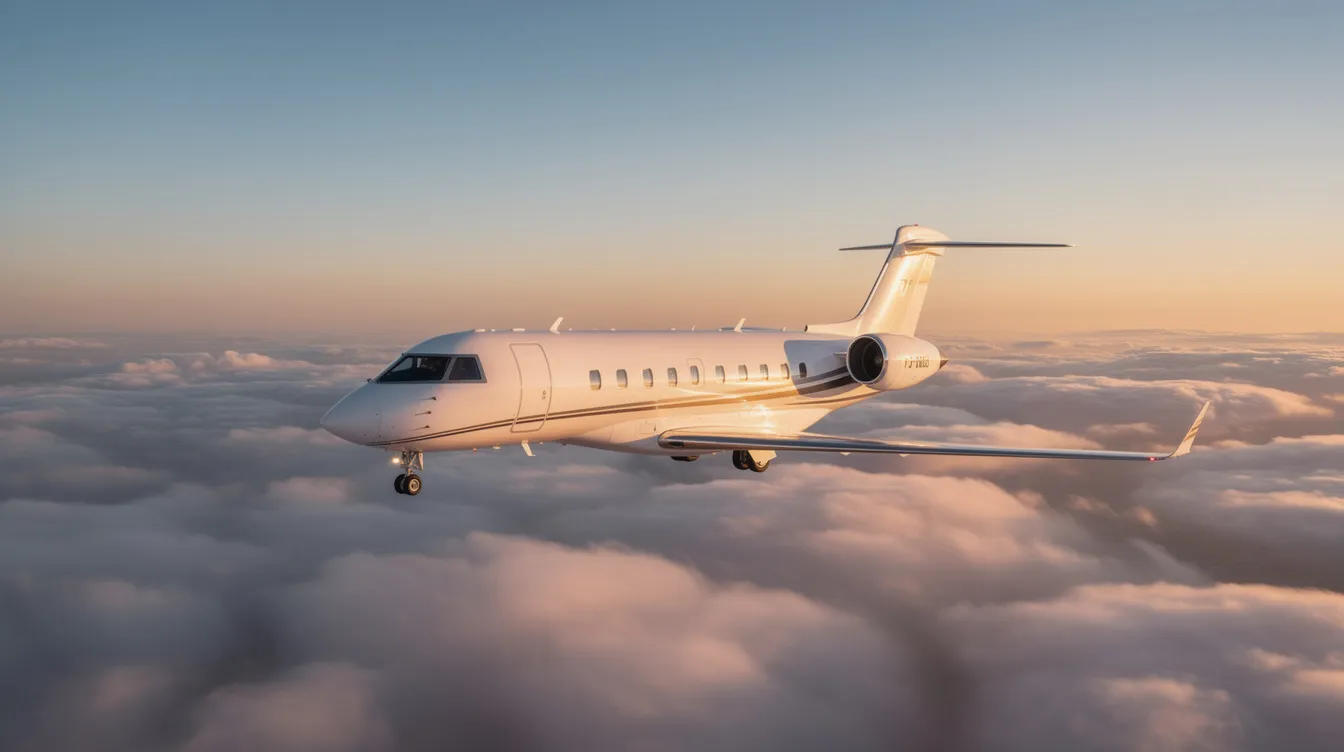
Pre-owned Eclipse 500s can be found for around $700K–$1M, representing the cheapest private jet option in the market. Early Cirrus Vision Jets trade near $1.7M, and discontinued Citation Mustangs run $2.5M–$3M. However, older jets often carry significant overhaul risks without engine program enrollment—potentially $500K+ in unexpected repairs.
Operating costs for VLJs and light jets typically run $1,000–$2,500 per flight hour, covering fuel, maintenance reserves, and engine programs. This excludes fixed costs like hangar fees and crew salaries.
Private jet charter rates for light jets run $4,500–$7,000 per hour in 2025. A New York to Miami flight might cost $8,000–$12,000 total including shorter flights positioning time. Los Angeles to Las Vegas runs $6,000–$9,000 on comparable aircraft.
Many U.S. business owners can access bonus depreciation or Section 179 deductions for business use aircraft, including fractional shares. BlackJet recommends independent tax counsel to optimize structures. For 2025, bonus depreciation sits at 40% under IRS Section 168(k) for qualifying business use, and prospective owners should review the tax implications for fractional jet owners before finalizing structures.
For travelers flying 25–150 hours annually, fractional ownership and membership programs often deliver lower all-in annual costs while removing operational burden. Full ownership typically breaks even only above 200+ flight hours per year, and many buyers compare top fractional jet ownership programs before committing to a specific provider.
How does BlackJet Fractional Jet Ownership price its small jet programs?
BlackJet provides customized quotes based on expected annual hours, preferred aircraft category, and choice between Equity Fleet and Reserve Fleet. Pricing includes transparent hourly and monthly fees with no hidden costs, and future flexibility is enhanced when you understand how to sell or transfer a fractional jet ownership share if your travel profile changes.
Private small jet prices in 2025 span from roughly $1M for older pre-owned VLJs to $11M+ for brand-new, highly equipped light jets. Yet ongoing operating costs—fuel, maintenance, crew, insurance—matter as much as the purchase price for anyone considering ownership.
For individuals and companies flying 25–150 hours per year, fractional aircraft ownership and membership programs often deliver a smarter balance of cost, control, and convenience than full ownership or purely ad-hoc charter.
Treat your travel profile like an investment decision. Analyze your flight hours, routes, and peak periods rather than chasing the lowest sticker price alone. The right access model depends on your specific mission profile—whether that’s frequent business meetings requiring shorter flights or occasional longer trips.
Ready to explore the smarter way to fly private? Visit FractionalJetOwnership.com to learn how fractional ownership and membership programs with BlackJet can transform your small jet travel experience. Schedule a confidential consultation to model your actual travel data and compare full ownership, fractional ownership, and Reserve Fleet access.
