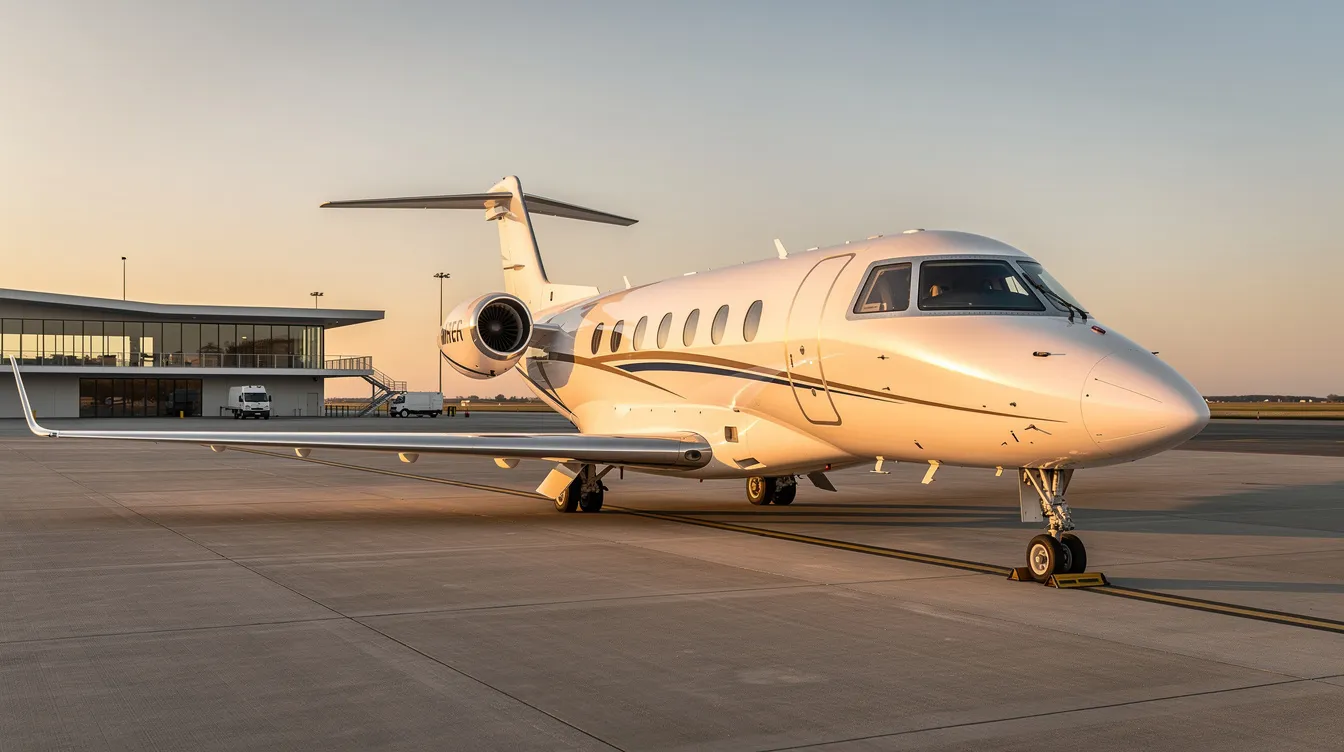
June 15, 2026
Purchasing a private jet is a significant investment that goes far beyond a headline price tag. Whether you want to fly private on your own schedule or skip crowded terminals for good, the decision to buy a private jet requires a clear-eyed look at acquisition costs, ongoing costs, and whether your financial situation actually supports sole ownership.
This guide is for business executives, entrepreneurs, and high-net-worth individuals considering private jet ownership or alternatives. Making an informed decision can save millions and ensure your travel needs are met efficiently.
This guide breaks down the real numbers, compares ownership structures, and explains why many buyers ultimately find fractional ownership more cost-effective.
New light jets cost between $3 million and $9 million, while large business jets like the Gulfstream G700 can exceed $75 million.
Pre-owned jets typically cost 20–50% less than new jets of the same category.
Annual full jet ownership costs commonly run $500,000 to over $2 million, plus $1,000–$5,000 per flight hour in variable costs.
Full ownership is rarely cost-effective for those flying under 200 hours per year; fractional ownership or structured programs are usually more efficient below that threshold.
Buyers must choose between new aircraft (with warranty and latest avionics) and pre-owned jets (lower purchase price, faster availability) based on budget and operating economics.
Fractional ownership and membership solutions can deliver most benefits of private jet ownership without tying up several million dollars in a single asset; understanding the total cost of fractional jet ownership is essential before choosing this path.
How much does it cost to buy a private jet in 2026? The short answer: the purchase price for various jets ranges from a few million dollars for a smaller jet to north of $80 million for an ultra-long-range flagship. The acquisition cost is only a fraction of the total expense.
Current price bands for private jet buying:
Category | New Price Range | Pre-Owned Range |
|---|---|---|
Light jets | $3.5M–$12M | $3M–$9M |
Midsize jets | $18M–$30M | $5M–$20M |
Large cabin / ULR | $70M–$85M+ | $25M–$60M+ |
Concrete examples: the Cessna Citation CJ4 Gen2 lists around $10–12 million new, the Bombardier Challenger 3500 averages roughly $26 million on the pre-owned market, and the Gulfstream G700 carries a list price above $78 million. Taxes, pre-purchase inspection fees, and legal registration costs can easily cost hundreds of thousands more on top of the headline number.
Private jet buying is only the starting point. Ongoing expenses include crew salaries, insurance, fuel, maintenance costs, and other post-purchase expenses beyond the sticker price. Total cost of ownership includes a budget for fuel and maintenance well beyond the sticker price.
Annual operating expenses can reach 5–10% of the aircraft's value each year for active business jets. For a $10 million light jet flown 250 hours, that translates to roughly $500,000–$1 million annually before variable costs. These costs split into two categories: fixed costs that accrue regardless of usage, and variable costs that scale with each flight hour.
Fixed costs for owning a private jet range from $500,000 to $2 million per year. These accrue whether the aircraft flies 50 or 500 hours and must be budgeted for the full ownership term.
Hangar fees: $30,000–$100,000+ per year depending on hangar space location; major U.S. hubs charge premium rates.
Insurance: $20,000–$60,000 for light jets, significantly more for larger aircraft, and fractional co-owners should pay close attention to liability coverage in fractional ownership to avoid gaps in protection.
Crew salaries and training: $200,000–$500,000+ annually for captain, first officer, and relief crew on larger jets.
Aircraft management: Most owners hire third-party management companies for aircraft maintenance and operations, adding $10,000–$250,000 per year depending on aircraft size.
Subscriptions and compliance: Navigation data, connectivity packages, and regulatory fees round out fixed obligations.
Variable costs scale directly with flight hours and mission profile. Fuel is the single largest component, and fuel costs are calculated by multiplying gallons per hour by the prevailing jet-A price. For example, 210 gallons per hour at $6.50 per gallon equals roughly $1,365 in fuel per flight hour.
Ballpark per-hour operating costs:
Light jet: $1,800–$3,500/hr
Midsize jet: $3,500–$6,000/hr
Heavy jet / large cabin: $6,000–$8,000+/hr
Maintenance expenses occur based on flight hours and calendar dates. Major inspections for midsize or large jets every 5,000–10,000 hours can run $500,000–$2 million. Landing fees and repositioning costs add further to the bill. Annual fuel expense alone can reach into the millions for owners flying transcontinental or international flights regularly.
The economic case for full private jet ownership depends heavily on how many hours you actually fly. Break-even for light and midsize jets typically falls around 200–250 flight hours per year, while large cabin jets may require 300+ hours annually. Below these thresholds, fixed costs dominate, making charter, jet cards, or fractional ownership more rational.
Review your travel patterns from the past year and the two to three years before that-rather than optimistic forecasts-when evaluating jet ownership. Corporate buyers should also weigh internal chargeback rates and the opportunity cost of capital locked into an aircraft.
New jets offer warranty coverage, zero prior flight hours, the latest avionics and connectivity, fresh engines, and improved fuel efficiency. A new aircraft is future-ready with modern safety features and safety standards built in. However, factory backlogs can mean waiting a year or more for delivery.
Pre-owned and used jets offer 20–50% lower acquisition costs, faster availability, and the flexibility to invest savings into a new interior or avionics upgrades. A new light jet priced at $9 million might have a 5–10-year-old equivalent available for around $4–6 million. Older jets require more maintenance and can be costlier to operate, so due diligence is essential: complete logbooks, damage history, maintenance status, new engines or upcoming overhauls, and a thorough pre-purchase inspection at an independent MRO.
Two similar-looking business jets can differ by several million dollars in price. The cost of a private jet depends on these primary drivers:
Model and manufacturer reputation (Gulfstream, Bombardier, Dassault)
Total time, cycles, and calendar age
Cabin size and how many passengers it accommodates
Range capability - relevant for long-haul flights across different countries
Avionics and connectivity (Garmin G5000, Ka-band SATCOM)
Engine program enrollment (JSSI, ESP, MSP)
Market demand and available delivery slots in 2025–2026 can materially influence pricing. An independent appraiser or experienced buyer's broker helps determine whether the asking price reflects true value.
Jet ownership decisions start with matching aircraft category to your typical missions. Key factors include typical passenger capacity and flight range.
Light jets: 4–8 passengers, 1,500–2,000-mile range. Examples: Cessna Citation CJ3+, Embraer Phenom 300E, HondaJet Elite. Light jets range from roughly $3–12 million.
Midsize / super-midsize: 6–10 passengers, 2,000–3,500-mile range, spacious cabin with stand-up headroom. Examples: Embraer Praetor 500/600, Bombardier Challenger 300, Citation Longitude.
Large cabin / ultra-long-range: 10–19 passengers, 6,000–7,500+ mile range for international flights. Examples: Gulfstream G700, Bombardier Global 7500, Dassault Falcon 10X. Explore heavy jets and ultra-long-range jets for detailed comparisons.
Most jets in the midsize-and-above range allow you to fly directly between city pairs that would otherwise require connections.
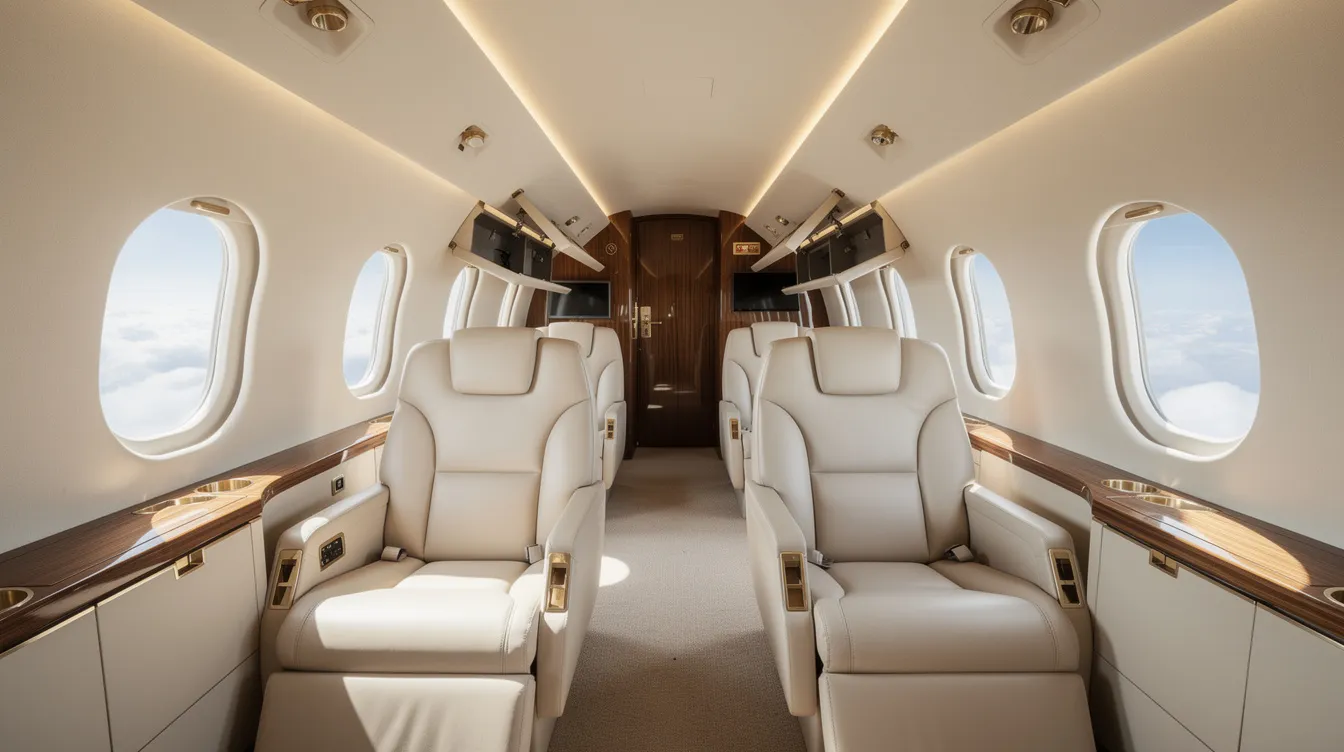
Aircraft ownership broadly divides into sole ownership, fractional ownership, and shared-use models. Full ownership gives maximum control—you set your own schedule, choose your private plane's configuration, and manage every detail. It also means 100% of capital outlay, annual cost, and management responsibility.
Fractional ownership allows shares from 1/16th to 1/2 of a jet. Fractional ownership allows buying a share of an aircraft, typically from 1/16th to 1/2, corresponding to a guaranteed block of annual flight hours. A solid grasp of fractional jet ownership terminology helps you compare programs accurately before committing capital. Costs divide among co-owners, making it more economical for travelers needing 25–150 hours per year. Programs like those detailed in Top 5 Best Fractional Jet Ownership Programs have become a mainstream alternative.
BlackJet Fractional Jet Ownership helps clients access private aircraft without the complexity of owning a whole jet. Two models serve different needs:
Reserve Fleet: A pay-as-you-go solution with predictable access to private jets-no upfront aircraft purchase or long-term commitments.
Equity Fleet: Clients buy an equity share in a specific aircraft, gaining priority access, potential tax benefits, and more control while spreading fixed costs.
Both models target individuals and corporations flying 25–150 flight hours per year. BlackJet manages scheduling, crew, maintenance, and regulatory compliance so clients can adjust their travel schedule without day-to-day aircraft management burdens. Learn more about fractional ownership as an investment.
Full ownership suits operators consistently flying 200+ hours per year with specific aircraft preferences. The main benefits of private jet ownership include unmatched flexibility in travel schedules, enhanced privacy for sensitive discussions, customizable travel experiences, access to remote locations not served by commercial flights, and direct flights from smaller airports. A private aircraft offers unmatched flexibility in travel schedules, enhanced privacy and security, and access to remote locations not served by commercial flights. Many owners place their jet on a charter certificate to offset operating costs.
Fractional ownership delivers guaranteed availability and predictable pricing for moderate users, while membership programs vs fractional ownership differ in upfront cost, flexibility, and long-term commitment. Private jet charter and jet cards provide flexible options without ownership commitments for those flying fewer than 50–100 hours annually. Chartering provides private flights without long-term commitments, and private jet membership clubs offer access to various aircraft. Leasing provides access to jets without purchasing them outright. Map your annual travel against each model-BlackJet can advise which structure minimizes total cost.
Tax implications can arise from how you structure the business use of a jet. Under current U.S. rules, qualified business jets may claim 100% bonus depreciation for aircraft placed in service after January 19, 2025, subject to active business use tests. If you opt for shared ownership, it is equally important to understand the specific tax implications for fractional jet owners. Private jets depreciate over time based on make and model, and proper documentation is critical.
Federal Excise Tax applies to certain charter or fractional flight operations. Assembling an aviation team that includes tax advisors and legal counsel is essential before committing to any structure, especially when negotiating fractional jet ownership contract terms that define costs, scheduling rights, and exit options. Your financial situation and business objectives should drive the decision.
Purchasing a private jet requires evaluating the total cost of ownership through a disciplined process:
Define your mission profile and budget, including how many passengers you typically carry and route distances.
Select target models and assemble an advisory team: broker, attorney, technical expert, and tax advisor. Assembling an aviation team helps streamline the buying process.
Conduct a pre-purchase inspection at an independent MRO to evaluate the airframe, engines, and upcoming maintenance events. A pre-purchase inspection is critical for uncovering hidden issues.
Negotiate not just price but delivery conditions, maintenance program enrollment, and any seller-paid refurbishment.
Engage a management company early to plan crew hiring, hangar arrangements, and insurance before the jet enters service.
Owning a private jet is a strategic decision. Private jet ownership provides enhanced privacy and security, a customizable travel experience, and the ability to fly directly from shorter airports-saving significant time compared to commercial flights. Private jets enable direct flights from smaller, less congested airports and can access remote locations not served by commercial airlines.
But the risk of underutilization is real. Jets depreciate regardless of use, and flying fewer hours than planned undermines the economic rationale. Many private jet owners ultimately find an optimized mix-fractional share for core routes, charter for overflow, more efficient than a single solution. BlackJet Fractional Jet Ownership can help construct this tailored mix using data from your actual travel patterns. Review what top business jet companies offer before deciding.

If you are considering buying a private jet, first explore whether fractional ownership is a better fit for your needs. BlackJet offers personalized consultations to review your current and projected travel routes, frequencies, passenger counts, and model cost scenarios across full ownership, fractional ownership, and charter. Loan terms for aircraft financing often span up to 20 years, tying up capital that could work harder elsewhere.
Corporate decision-makers and family offices should bring finance, tax, and travel teams into the discussion, particularly when evaluating fractional jet ownership financing against traditional aircraft loans and leases. Choosing the right structure now can save millions in fuel costs, hangar fees, and underutilized capital over a 5–10-year horizon.
Ready to explore the smarter way to fly private? Visit FractionalJetOwnership.com to learn how fractional ownership can transform your travel experience.
Simple pre-owned transactions can close in 30–60 days, while complex cross-border deals or new aircraft orders may take several months to over a year. Major timeline drivers include pre-purchase inspection slot availability, financing approvals, and completion center schedules for interior work. Buyers should consider interim solutions like Reserve Fleet access during the wait.
Common financing options include traditional bank loans, asset-based lending, and operating or finance leases tailored to business jets. Loan terms for aircraft financing often span up to 20 years, with loan-to-value ratios varying by aircraft age and residual value. Coordinate financing with your overall wealth strategy and consider whether fractional ownership avoids tying up balance-sheet capacity.
Many business jets are designed to remain in service for 25–30+ years with proper maintenance. Total usable life depends more on maintenance quality, flight hours, and cycles than calendar age alone. Focus on maintenance history-not just model year-when evaluating pre-owned aircraft, and budget for cabin refurbishments and avionics upgrades along the way.
Engine programs are subscription-style plans that spread overhaul costs over time, improving annual cost predictability. Enrollment can increase resale value by 10–25% and make the aircraft more attractive to future buyers. Compare program terms carefully, including hourly rates, coverage scope, and transferability upon sale.
Fractional owners typically hold a titled or beneficial interest in an aircraft, which can qualify as ownership for certain tax and accounting purposes. From a practical standpoint, fractional owners enjoy many of the same lifestyle benefits as full owners-especially when using consistent aircraft types with maintained safety standards. Consult your tax advisors to confirm how fractional shares will be treated under your specific jurisdiction and business structure.
Purchasing a private jet represents a substantial investment that offers unmatched flexibility, privacy, and convenience for frequent travelers. However, the true cost extends well beyond the initial purchase price, encompassing significant fixed and variable expenses that must be carefully considered. For those flying fewer than 200 hours annually, fractional ownership or membership programs often provide a more cost-effective and hassle-free alternative, delivering many of the benefits of full ownership without the large capital commitment.
Understanding your travel patterns, budget, and operational needs is essential to selecting the right ownership structure. Whether opting for full ownership, fractional shares, or charter solutions, partnering with experienced advisors and management companies can help optimize your private aviation experience while mitigating risks and costs.
At BlackJet Fractional Jet Ownership, we guide aircraft owners and prospective buyers through tailored options that balance luxury, efficiency, and financial prudence. Ready to explore smarter, more flexible private jet access? Visit FractionalJetOwnership.com to learn how fractional ownership can elevate your travel experience while managing costs and complexity.
