February 26, 2026
Renting a plane for a week offers a unique blend of flexibility, control, and personalized service in private travel. Whether coordinating a multi-city business tour across the United States or planning an extended leisure trip to remote destinations, a week-long aircraft rental provides uninterrupted access to the right aircraft without committing to full private jet ownership.
Weekly plane rentals appeal to executives managing tight schedules, families traveling to multiple vacation homes, production teams operating on location, and pilots seeking flexible access to modern aircraft, while very frequent users might instead consider 1/8 fractional jet ownership for around 100 hours a year. For high-net-worth individuals evaluating long-term private aviation solutions, a week-long rental also serves as a practical introduction before considering financing and purchase options for fractional jet ownership or private jet partnerships.
This guide outlines:
The differences between weekly plane rentals and private charter flights
Types of aircraft available for week-long use, including smaller aircraft and private jets
A full cost breakdown, including rental fees, insurance costs, airport fees, and maintenance costs
Booking processes, eligibility requirements, and rental agreements
Strategies to keep rentals cost-efficient, including membership programs and flying clubs
When renting makes sense versus owning for longer distances or frequent business trips
A weekly plane rental typically refers to leasing an aircraft for a continuous seven-day period. The renter may operate the private plane personally (if qualified and approved) or hire certified pilots, depending on the rental company and rental agreement.
This differs from per-flight aircraft charter bookings because the aircraft remains allocated to the renter for the full duration, even when it is not in the air, allowing travel on your own schedule.
Understanding the distinction is critical:
Plane Rental (Self-Operated or Dedicated Use)
Aircraft reserved exclusively for the week
Greater scheduling flexibility and access to private terminals
Potentially lower hourly rental fees
May require pilot qualifications and flight training endorsements, including a mandatory "checkout flight" with an instructor before renting a specific aircraft
Private Charter Flights
Pay per trip or per flight time
Aircraft and crew provided by a global network of operators
No pilot responsibility for the renter
Ideal for occasional travel or short trips
For travelers who need multiple flights over several days or cross-country trips, a weekly arrangement can offer cost and logistical advantages compared to booking separate charter segments, though fractional ownership vs membership programs should also be compared for frequent flyers.
Common scenarios include:
Multi-city corporate roadshows and business trips
Real estate portfolio inspections across states
Extended vacation travel with flexible routing to natural beauty destinations
Special events requiring standby aircraft access
Aerial survey or film production work with tailored solutions
Aircraft selection depends on range, passenger count, runway access, and comfort expectations.
For week-long trips, aircraft generally fall into these categories:
Private jets (light jets, midsize, super midsize, heavy jets)
Single-engine piston or turboprop aircraft (smaller aircraft ideal for short trips)
Multi-engine aircraft for longer distances and added safety features
Helicopters for regional mobility and access to smaller airports or restricted areas
Selecting a simpler aircraft over a jet may be advisable when:
The passenger count is a small group (1–4 people)
Trip distances are under 500 nautical miles
Access to smaller regional airports or private terminals is required
Budget efficiency and discounted rates are priorities
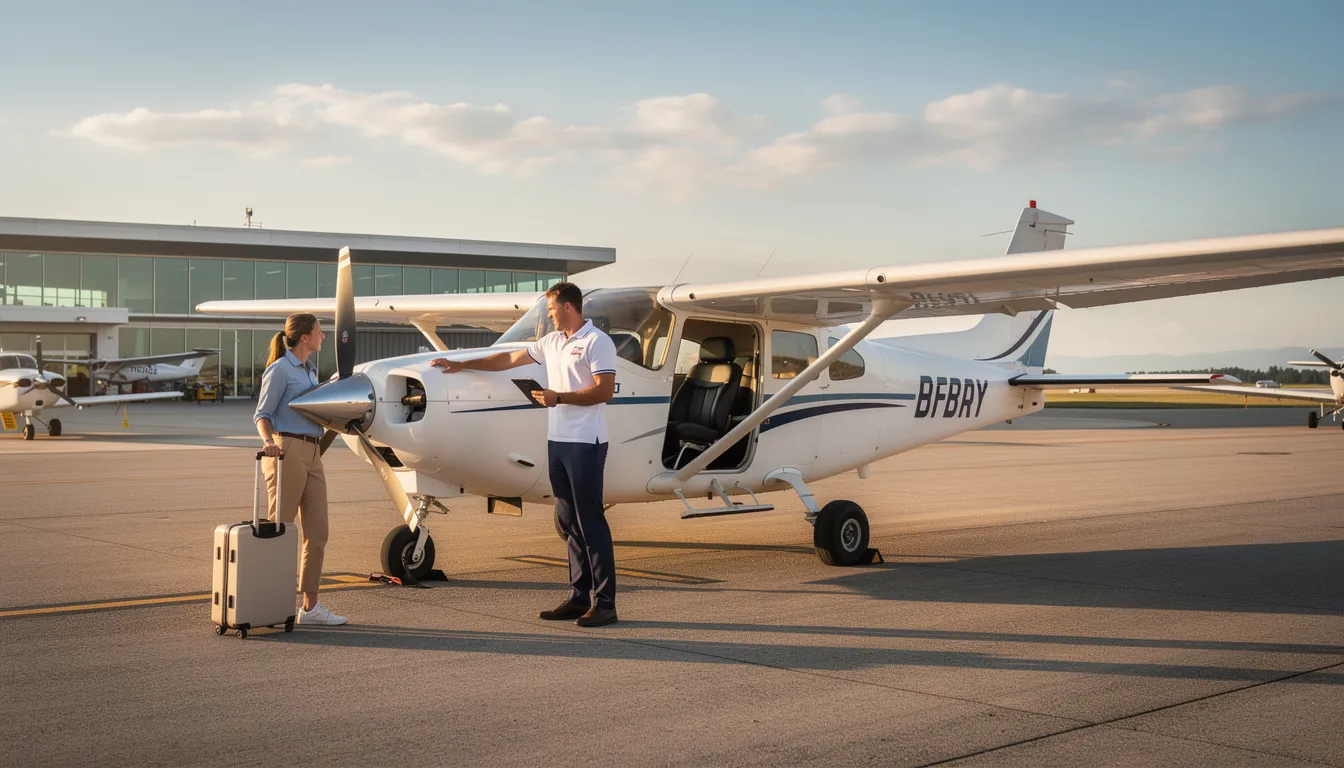
Single-engine planes typically seat up to four passengers and are easy to maneuver. They are ideal for short regional flights and smaller groups. Typical hourly rates for popular models include:
Cessna 152: $100–$130 per hour (usually wet rates including fuel)
Cessna 172: $150–$200 per hour (wet rates)
These smaller aircraft tend to be more affordable options for week-long rentals, especially through flight schools or flying clubs.
Multi-engine planes offer more power, reliability, and safety features, making them suitable for longer distances and more challenging weather conditions. They can accommodate more passengers and luggage due to their roomier cabins. Hourly rental rates for high-performance aircraft generally range from $200 to $285+ per hour. Multi-engine turboprops can exceed 1,000 nautical miles in range, offering efficiency for multi-state trips.
Helicopters provide unique vertical takeoff and landing capabilities, seating 2-6 passengers and offering excellent agility and views. While less common for week-long rentals, they are valuable for specialized regional travel, such as mountain resort access or urban mobility. Helicopter rental costs are typically higher than those of small planes but offer unmatched flexibility.
Private jets cater to those seeking ultimate luxury and convenience, with categories including:
Light Jets (4–8 passengers)
Midsize Jets (6–9 passengers)
Super Midsize Jets (8–10 passengers)
Heavy Jets (10–16 passengers)
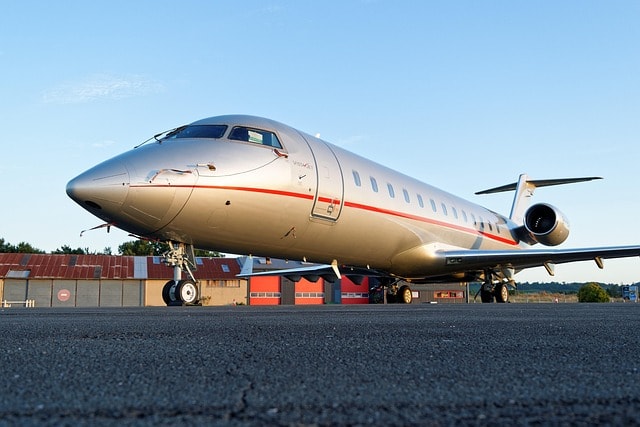
These jets cruise at 400-500 knots, enabling coast-to-coast travel in under eight hours. Rental rates vary significantly, generally ranging from $2,000 to $10,000 per hour depending on the jet class, amenities, and operator. Jets include certified pilots, cabin crew for larger aircraft, and operational oversight by Part 135 operators.
Jets provide significant time savings compared to commercial flights, access to thousands of airports far exceeding commercial airlines, and eliminate long security lines and early airport arrivals. They often feature luxurious interiors, premium amenities, and allow business travelers to conduct meetings in-flight. Private jets also accommodate more luggage than commercial flights, ideal for trips requiring extra gear.
The cost of renting a plane typically ranges as follows:
Single-engine planes: $100 to $500 per hour
Larger jets: $2,000 to $10,000 per hour
Hourly rates are generally calculated based on the number of hours the aircraft is in operation, including flight time and other operational factors such as taxiing.
Many providers require a daily minimum flight time for multi-day rentals, often around two billed hours for every 24 hours the plane is rented. Flight schools and flying clubs often enforce a "Hobbs" minimum to ensure profitability while the plane is away. Booking multi-day rentals usually requires advance reservations, especially during peak seasons.
Insurance requirements often include non-owned aircraft insurance, which typically costs between $100 and $500 per year. Renters’ insurance protects both the aircraft owner and operator and is usually mandatory. Premiums depend on aircraft type, pilot experience, and coverage levels.
Fuel costs are a major part of rental expenses and can fluctuate based on aircraft type and market prices. Rental agreements may be:
Wet rentals: Fuel costs included in the hourly rate
Dry rentals: Pilot responsible for fuel costs in addition to rental fees
Clarifying fuel cost responsibilities upfront is essential to avoid surprises.
Airport-related charges vary by location and can include landing fees, ramp or parking fees, handling fees, security fees at private terminals, and hangar storage fees. Major metropolitan airports generally impose higher fees than regional facilities. Discussing possible airport fees and taxes with your rental service can help avoid unexpected expenses.
For private jets, crew fees for certified pilots and cabin staff are usually included, but may add costs for per diem and lodging on longer trips. Maintenance reserves might be included in rental pricin,g but should be clarified in advance.
Renting a plane for a week is best accomplished through local flight schools, flying clubs, or specialized online platforms like Jettly. Flying clubs provide more flexible scheduling for longer trips without strict daily minimums and generally at lower hourly rates, but require membership.
Book your plane rental well in advance to secure availability and discounted rates.
Schedule flights during off-peak times to save on rental costs and avoid busy airport periods.
Explore package deals and membership programs to reduce overall rental expenses.
Use regional and smaller airports when feasible to reduce landing fees and avoid long security lines.
Pilots must hold a valid pilot's license and medical certificate, with additional endorsements or type ratings for specific aircraft. Flight schools and rental companies often require checkout flights and minimum hour thresholds before releasing aircraft for extended rental.
Renting a plane can be a cost-effective alternative to commercial flights, offering direct access to various aircraft types tailored to specific travel needs. However, if weekly rentals become routine or flight hours exceed 50-200 annually, fractional jet ownership or full aircraft ownership may provide better cost efficiency and tailored solutions.
Renting a plane for a week offers flexibility, dedicated aircraft access, and personalized service without the long-term capital commitment of ownership. It suits a variety of travelers from business executives to leisure seekers who value control over their schedules and comfort. Understanding the factors that influence rental costs, eligibility requirements, and the booking process ensures a smooth and cost-effective experience.
Ready to explore the smarter way to fly private? Visit https://www.fractionaljetownership.com/ to learn how fractional jet ownership can transform your travel experience and provide consistent access to private aviation solutions across the United States and globally.
