May 2, 2026
Picture this: it’s Thursday afternoon, and a New York-based executive needs to be in Miami by Friday morning for a client meeting. Commercial flights are sold out or require inconvenient connections. A last-minute first-class seat, if available, costs $1,800 and still means navigating JFK’s crowds. Instead, she opens an app, books a semi-private jet flight departing Teterboro at 7 PM, and pays $1,500 for a seat on a light jet shared with seven other business travelers. She arrives at the FBO 25 minutes before departure, skips the chaos, and lands at Opa-locka closer to her hotel.
This scenario captures why ride-share private jet services have gained significant momentum in 2026. Ride-share private jet travel allows passengers to share the aircraft and cost, making private aviation more accessible and affordable for travelers who want the benefits of private flights without the commitment of chartering an entire aircraft.
A ride-share private jet—sometimes called semi-private or per-seat charter—is fundamentally different from traditional private charter. Instead of one party paying $15,000 or more for exclusive use of a jet, multiple unrelated passengers purchase individual seats on the same aircraft. The operating costs get distributed across all riders, dramatically lowering the per-person expense while preserving core private jet travel advantages: speed, privacy, and convenience. The charter industry itself has evolved from traditional operators to digital platforms, making private aviation more accessible and streamlining the booking process for travelers.
High demand on routes like Los Angeles to Las Vegas, New York to Miami, and Dallas to Aspen has fueled a wave of app-based, membership-based, and digital platform-driven ride-share models. Private jet flight usage rose 11% globally in early 2026, signaling a robust appetite for alternatives to commercial travel.
BlackJet Fractional Jet Ownership approaches private aviation from a different angle. Rather than chasing low-cost per-seat apps, BlackJet focuses on predictable, ownership-based access through its Reserve Fleet and Equity Fleet programs—solutions designed for travelers who fly frequently enough that structured ownership delivers better long-term value than ad-hoc seat purchases.
This article explains how ride-share models actually work, what they cost, where they fly, and when fractional jet ownership becomes the smarter path forward. When evaluating ride-share, charter, and ownership options, it’s important to consider all cost considerations—including acquisition, operational, and maintenance expenses—to make the most informed decision.
Many travelers across the United States and globally want access to private aviation benefits but don’t want to purchase an aircraft outright. A new light jet costs $4 million to $12 million, while a long-range jet can exceed $70 million. In addition to the purchase price, private jet ownership involves substantial ongoing expenses such as maintenance and operational costs, which can range from $500,000 to $5 million annually, depending on the type of aircraft and how frequently it is used. There are also hidden costs such as maintenance, inspections, and variable fees that can significantly impact the total cost of ownership.
Fortunately, several access models exist that deliver core private aviation advantages without requiring full ownership, and several companies now offer these alternatives, providing travelers with a range of options:
Privacy and control: Flying private means fewer passengers onboard compared to commercial flights, providing a more exclusive and comfortable experience.
Instead of navigating crowded terminals at hubs like JFK or LAX, passengers use discrete FBO terminals with spacious cabin environments and quiet surroundings.
Time savings: Private jet travel is time-efficient, allowing passengers to arrive 20-30 minutes before departure rather than the 2-3 hours required for commercial airlines. Passengers skip delays, layovers, and long security lines at crowded terminals, landing closer to their final destination without ground transportation headaches.
Flexibility: Private jet travel offers total flexibility, allowing passengers to depart when they want and choose from hundreds of airports that commercial airlines cannot reach. This includes custom routes to remote or exclusive destinations with limited commercial service.
Cost alternatives: Semi-private, ride-share, jet cards, and fractional ownership all provide access without the massive capital expenditure of aircraft purchase. Semi-private and ride-share options are often a cost-effective choice compared to full charter, especially for those seeking luxury at a lower price. Each model offers different trade-offs between cost, flexibility, and predictability.
Ride-share private jets represent one entry point into this world. However, for travelers logging 25-150 flight hours annually, the total cost profile of fractional jet ownership often delivers superior economics, aircraft availability, and service consistency.
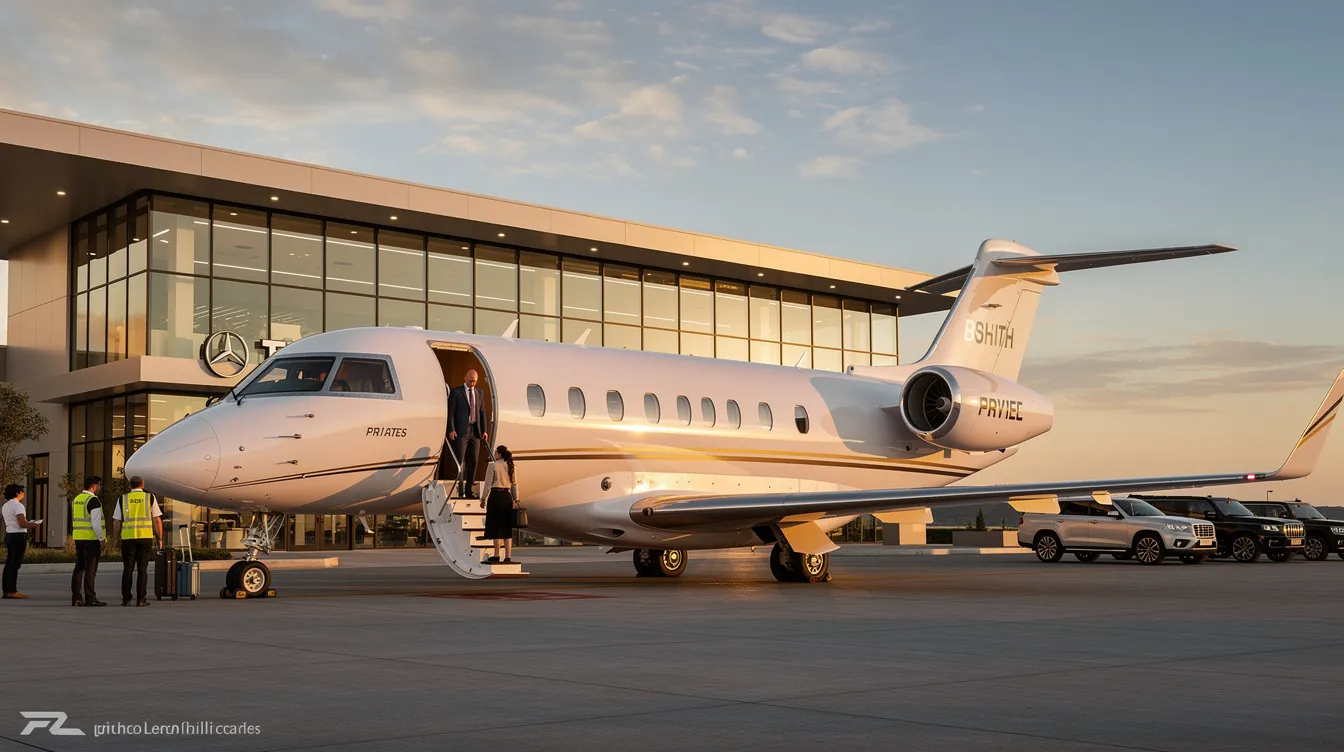
A ride-share private jet is a model where multiple unrelated passengers book seats on the same private aircraft and share the operating costs. Rather than one charter client paying for the entire plane, each passenger purchases an individual seat at a fraction of the full charter price.
Booking typically happens through mobile apps or digital platforms that act as online marketplaces or apps connecting users with private aircraft, streamlining the booking process. These digital platforms provide instant pricing, access to a large network of aircraft, and simplify the scheduling and management of private flights through user-friendly digital tools. The concept of an “uber for private jets” highlights the growing demand for on-demand aviation services, which seek to make private flying more accessible and convenient for travelers.
This model suits specific traveler profiles well:
Solo travelers or couples flying popular corridors a few times per year
Groups prioritizing price over total privacy
Occasional flyers who want to experience private aviation without major commitment
Travelers seeking more flexible scheduling than commercial airlines, with the ability to choose from a wider range of departure times and routes
The trade-offs are real. Passengers have less control over exact schedules, reduced privacy since they share the cabin with other travelers, potential baggage limits typical of light jets (50-100 pounds), and mixed passenger profiles compared to a fully private charter or fractional share.
The terminology can be confusing: “ride share private jet,” “semi private,” and “per-seat charter” are often used interchangeably, though they may involve different business models and operational structures.
There are several models of ride-share private jet access, including semi-private flights, shared charters, jet card programs, and crowdfunded charters, each offering different levels of flexibility and cost-sharing.
Model | How It Works | Flexibility | Cost Sharing | Typical Use Case |
|---|---|---|---|---|
Semi-Private Scheduled | Book individual seats on scheduled routes between private terminals | Low (fixed routes) | High | Solo/couple on popular city pairs |
Shared Charters | One group books, opens unused seats to others | Medium | Medium | Small group, offsetting cost with others |
Jet Card Programs | Prepaid hours, fixed rates, access to per-seat/empty legs/full charters | High | Variable | Frequent flyers want flexibility |
Crowdfunded Charters | Passengers initiate the flight, others join; the flight flies if enough seats are sold | Medium | High | Groups or individuals on less common routes |
All these models aim to lower per-seat costs while preserving core private aviation benefits: speed, FBO access, and avoiding major commercial airlines entirely.
Understanding the differences between access models helps travelers choose the right solution for their usage patterns. Cost considerations—including acquisition, operational, and maintenance expenses—are key factors when choosing between ride-share, charter, and fractional ownership.
Full charter means one party pays for exclusive use of the entire aircraft. This delivers maximum privacy and flexibility—passengers dictate departure times, routing, and passenger manifest. Chartering a private jet typically costs between $2,500 and $12,000 per flight hour, depending on the aircraft type, with additional fees that can add 20-40% to the base rate. Fuel efficiency is an important factor influencing both operating costs and aircraft selection, as more fuel-efficient jets can reduce expenses and extend range. Charter works best for larger groups, multi-stop itineraries, or missions requiring absolute privacy. The trade-off: high per-trip cost when traveling solo or as a couple.
Ride-sharing is cheaper than booking an entire jet, often costing hundreds instead of thousands of dollars per seat. Semi-private seats on popular U.S. routes typically range from $500 to $2,500 per seat. Fixed routes and predetermined times make this ideal for solo travelers or couples on busy corridors. The experience approaches true private travel—club seating, premium service, quiet cabins—but with fewer passengers rather than an empty aircraft. Less privacy and lower flexibility are associated with sharing flights compared to private charters, and shared flights typically follow set schedules and routes, unlike tailored departures in regular rentals.
Jet cards provide fixed hourly rates and guaranteed aircraft availability, making them suitable for frequent flyers logging 25-75 flight hours annually who want reliability without equity commitment. Members can mix access modes—using semi-private options for routine hops and full charter when privacy matters. No aircraft ownership is required, delivering purely pay-as-you-go flexibility with some advance commitment.
Fractional ownership involves purchasing an equity stake in a specific aircraft (typically 1/16 to 1/8 fractional jet ownership share), representing 50-200 annual flight hours. This model provides guaranteed availability, known aircraft and crew consistency, priority access during peak periods, and potential tax benefits when aircraft time is used for qualified business purposes. Fractional ownership works best for executives and corporations with recurring travel needs and annual flight hours of 50-150+. Unlike ride-share, fractional owners have predictable access and don’t compete for per-seat inventory.
BlackJet’s Equity Fleet and Reserve Fleet are designed to combine cost predictability with genuine private access, unlike ad-hoc per-seat apps. Reserve Fleet offers pay-per-hour access without equity, while Equity Fleet provides fractional ownership with all its associated benefits.
Ride-share models thrive on high-demand, repeatable city pairs with strong leisure or business traffic. These routes generate the passenger volume necessary to fill aircraft consistently and make per-seat economics viable.
Popular routes for semi-private jet flights include New York to Miami, Los Angeles to Las Vegas, and London to Paris, which are frequently traveled corridors that support both scheduled semi-private flights and shared charters.
New York (Teterboro/Westchester) to Miami/Opa-locka: This corridor serves finance professionals with second homes in South Florida, weekend leisure travelers, and business executives. Multiple daily frequencies during peak periods.
Los Angeles (Van Nuys/Hawthorne) to Las Vegas (Henderson/VGT): The classic weekend escape route. A semi-private seat can cost around $800 versus $8,000 or more for the entire jet on full charter.
The Dallas to Aspen route is another popular choice for travelers seeking luxury and convenience in private jet travel, often utilized for ski trips and weekend getaways. Other seasonal corridors include:
Los Angeles to Aspen (ASE) during ski season
Dallas to Vail/Eagle (EGE) for winter sports
New York to the Bahamas (NAS) during December through March
These routes experience dramatic demand spikes during peak seasons, creating sufficient passenger volume to justify frequent departures.
Semi-private providers often use smaller airports closer to resorts or city centers, saving ground transportation time. Instead of landing at Harry Reid International in Las Vegas, passengers arrive at Henderson Executive, shaving 20-30 minutes off ground transfers. New York passengers use Teterboro on the New Jersey side rather than fighting traffic from JFK or LaGuardia.
While some European routes like London to Paris or London to Geneva support per-seat models, the United States remains the most developed ride-share market as of 2026.

Private aviation allows access to hard-to-reach destinations, such as remote island resorts in the Caribbean and private ski lodges in Colorado, enhancing the travel experience beyond major city routes. Unlike commercial airlines, private and semi-private flights can reach smaller fields where commercial service is limited or requires multiple connections.
Specific examples include:
Caribbean resorts via airports like St. Barts (SBH), which has a famously short runway inaccessible to commercial jets
Remote ski lodges via airports like Rifle (RIL) in Colorado or Truckee (TRK) in California
Pacific Northwest retreats are unreachable by scheduled commercial service
However, ride-share flights to very remote destinations are less common. The economics of per-seat pricing work best on dense routes with multiple daily departures. Travelers requiring frequent access to secondary or tertiary airports typically need a full private charter or fractional access for these missions.
BlackJet Fractional Jet Ownership positions itself as a solution for executives who frequently travel to airports not served by semi-private shuttles, such as those considering fractional jet ownership options based in Atlanta. When your business trip requires landing at smaller airports off the beaten path, structured ownership provides the flexibility that ride-share inventory cannot, especially for travelers leveraging fractional jet ownership programs in Phoenix and the Southwest.
Semi-private jet flight experiences fall between commercial first class and having the entire aircraft to yourself. Passengers typically enjoy a more intimate environment than any commercial option but share the cabin with other travelers.
Typically, semi-private jet flights operate using smaller aircraft such as turboprops or light jets, designed to accommodate a limited number of passengers and provide a comfortable, exclusive travel experience. Lounge-style spacious seating for 6-30 passengers offers substantially more legroom than commercial cabins. Cabin noise levels run dramatically lower than those of commercial aircraft, and passengers can move freely, work comfortably, or rest without cramped conditions.
Ride-sharing provides faster boarding and access to private terminals, allowing passengers to arrive shortly before departure. The sequence looks like this: arrive 20-30 minutes before departure, park steps from the FBO, enjoy a private terminal lounge, skip long security lines, and board directly from the tarmac. Semi-private flights provide access to smaller airports, which are less crowded and have fewer instances of air traffic, resulting in shorter wait times for takeoff and landing, as well as quicker boarding and disembarking.
Passengers on semi-private flights benefit from amenities akin to those found on private jets, including spacious seating, Wi-Fi connectivity, refreshments, and attentive personalized service from the crew, all of which enhance the overall travel experience. Light catering, beverages, and concierge support come standard, though service levels vary between operators and aircraft type.
The trade-offs include shared cabin space with other passengers, less ability to customize catering or cabin configuration, and inconsistent amenities across different platforms. Baggage allowances typically follow light-jet standards (50-100 pounds per passenger), which may constrain travelers with extensive luggage.
Consider a concrete scenario: four friends planning a last-minute weekend in Las Vegas, departing from Van Nuys Airport in Los Angeles.
On Wednesday evening, they open an app or membership portal and discover a scheduled semi-private Friday evening shuttle with available seats. They purchase four per-seat tickets at $800 each ($3,200 total) compared to approximately $8,000 or more for the entire jet on full charter.
Friday arrives. The group drives to Van Nuys instead of battling LAX traffic. They park steps from the private terminal, walk into a comfortable FBO lounge, and relax with complimentary beverages. Twenty-five minutes before departure, they board a light jet with 12-16 other passengers—business travelers, couples, and fellow weekend escapees.
The flight takes roughly 45 minutes. Upon landing at Henderson Executive Airport, they skip baggage claim chaos and step directly into an Uber to their hotel, arriving faster than friends who flew commercial into Harry Reid International.
The $800 per seat price point sits slightly above last-minute commercial first class on LAX-LAS but delivers major time savings, comfort benefits, and the experience of flying private without the prohibitive cost of chartering.
Frequent travelers doing this type of trip monthly may find greater value and predictability in a fractional share or BlackJet Reserve Fleet solution. When you fly 25+ times annually, the economics shift toward structured access rather than competing for per-seat inventory each trip.

Private aviation is tightly regulated, and safety should never be compromised for lower per-seat pricing. Private jets are subject to rigorous safety regulations, and top operators often exceed FAA minimum standards. The charter industry as a whole adheres to strict safety standards and has evolved to integrate advanced safety protocols and technology.
Reputable ride-share platforms operate under FAA Part 135 certification for on-demand operations and comply with DOT Part 380 consumer protection regulations. When selecting a ride-share or semi-private provider, it is important to verify if pilots are ARGUS or Wyvern-rated and if the operator maintains a Part 135 certification. These certifications establish strict pilot qualifications, aircraft maintenance intervals, duty-time limitations, and insurance requirements.
Look for operators with ARGUS, Wyvern, or IS-BAO ratings—third-party audit frameworks that far exceed minimum FAA compliance. These organizations conduct rigorous audits of operator safety practices, crew qualifications, maintenance records, and incident history.
Assess average fleet age, maintenance intervals, and whether maintenance is handled in-house or by certified third parties. Newer, well-maintained fleets demonstrate superior safety culture and operational discipline. Modern fuel-efficient aircraft also tend to have more reliable systems.
Safety standards in private aviation include pre-screening of passenger identities and baggage to enhance security. Even on ride-share flights, established platforms conduct background checks on passengers and employ baggage screening similar to commercial airlines.
When evaluating any ride-share or semi-private provider, ask these questions:
Is the operator Part 135 certified?
What safety ratings does the operator hold (ARGUS, Wyvern)?
How old is the average aircraft in the fleet?
What is the passenger vetting process?
While reputable ride-share platforms partner with certified operators, the traveler often has less visibility into which specific operator or tail number they’re flying until shortly before departure. This contrasts sharply with fractional ownership or dedicated fleet programs where aircraft and crews are known, consistently managed, and often flown by the same experienced pilots—and where the total cost of fractional jet ownership is clearly defined in advance.
In a fractional program, a member might know their aircraft is a specific Citation model and that their typical pilot has thousands of hours on type. On a per-seat platform, the traveler might not learn which aircraft they’re boarding until 48 hours before departure.
“The difference between minimum regulatory compliance and best-in-class safety operations is significant,” notes industry guidance from aviation safety organizations. “Travelers should prioritize operators with third-party audits over those meeting only minimum FAA standards.”
BlackJet Fractional Jet Ownership operates as a full-service solution with robust safety management systems, comprehensive liability coverage considerations for fractional owners, and clear accountability. Members know their aircraft, their crews, and their maintenance standards—transparency that ad-hoc per-seat platforms rarely provide.
“Affordable private jet” is relative. Ride-share lowers per-seat cost but doesn’t make flying private cheaper than commercial economy class. The cost of a semi-private jet flight is shared among the passengers, making it more affordable than a fully private charter, which allows travelers to enjoy the comfort and privacy of a private jet at a lower cost. For many, semi-private ride-share is a cost-effective choice, offering luxury and convenience without the high price tag of full charter.
Semi-private seats on popular U.S. routes typically range from $500 to $2,500 per seat, depending on flight distance, aircraft type, and demand. Longer corridors like New York to Miami run $1,500-$2,500, while short hops like Los Angeles to Las Vegas fall between $500 and $1,000. Cost savings from seat sharing can reduce costs by 40-70% compared to booking a whole jet.
Per-seat pricing typically includes: the seat itself, basic catering and beverages, taxes and fees, expedited baggage handling, and FBO lounge access. What’s not included: ownership benefits, depreciation advantages, or tax deductions that fractional ownership provides. It’s also important to consider hidden costs that may arise in ownership or chartering, such as unexpected maintenance, inspections, or variable fees, which are not a factor with transparent per-seat ride-share pricing—but are central to fractional jet ownership contract terms you need to understand.
Frequent flyers logging 25-150 hours annually often see better long-term economics and predictability from fractional aircraft ownership or structured membership programs. A traveler booking semi-private seats 50 times per year at $1,500 average per seat spends $75,000 annually. At that usage level, comparing fractional jet ownership vs membership programs shows that a fractional share or Jet Card membership often delivers superior value per flight hour.
Fractional owners can potentially benefit from tax deductions and other tax implications when aircraft time is used for qualified business purposes, subject to strict IRS substantiation requirements. These tax advantages are available only to fractional owners conducting business flights—not to semi-private ride-share passengers with no ownership stake. Travelers should consult tax advisors for specific guidance and may also want to understand how fractional jet ownership financing structures cost and benefit.
The rise of the digital platform in private aviation has led to increased competition, encouraging traditional operators to adopt more flexible and user-friendly booking processes and making it easier for travelers to compare different fractional jet ownership programs and access models. These digital platforms act as online marketplaces or apps that connect users with private aircraft, streamlining the booking process for private jet charters. Many digital booking platforms offer shared flights or empty-leg deals, which can lower the cost of private jet travel compared to traditional charter services. BlackJet addresses a different need: predictable, consistent access for serious frequent flyers who may also be evaluating the best fractional jet ownership programs on the market.
Reserve Fleet: Pay-as-you-go with guaranteed access and no equity requirement. Members receive consistent aircraft category, transparent pricing, and professional service standards without the complexity of ownership, while some travelers may prefer flexible, floating fleet options in fractional programs that further optimize availability and cost. This appeals to travelers currently using ride-share apps who want more reliability and consistency.
Equity Fleet: Fractional jet ownership with equity position and priority availability. Members purchase a share in specific aircraft, receiving guaranteed access, known aircraft and crew consistency, and potential tax benefits—a structure explained in more depth by fractional jet ownership terminology and core concepts. Ideal for executives and corporations with recurring travel between business hubs like New York, Chicago, Dallas, and West Coast cities.
BlackJet delivers guaranteed aircraft availability during peak periods when ride-share inventory sells out. Members enjoy consistent cabin standards across flights rather than variable experiences depending on which operator happens to have seats available, supported by highly trained, professionally managed pilots and crews. Professional scheduling support means no competing for last-minute inventory.
Below is a table comparing ride-share, Reserve Fleet, and Equity Fleet costs and features side by side:
Feature/Cost | Ride-Share Approach | BlackJet Reserve Fleet | BlackJet Equity Fleet |
|---|---|---|---|
Annual Usage Example | 40 one-way segments at $1,500 avg | 60 hours/year (predictable hourly) | 60 hours/year (fractional share) |
Annual Cost Estimate | $60,000 | Predictable hourly rates (varies) | Fractional share cost (varies) |
Aircraft Consistency | Variable | Consistent category | Known aircraft/crew |
Guaranteed Availability | No | Yes | Yes (priority) |
Tax Benefits | No | No | Yes (for business use) |
Scheduling Support | Limited (app-based) | Professional support | Professional support |
Cabin Standards | Varies by operator | Consistent | Consistent |
Equity/Ownership | No | No | Yes |
For travelers at this usage level, structured ownership frequently delivers better value than repeated ad-hoc bookings while providing the secure travel experience and enhanced privacy that business travelers require, especially when you view fractional jet ownership as a long-term investment with specific benefits and considerations.
Environmental scrutiny on private aviation has intensified. Critics point to high per-passenger fuel consumption compared with commercial flights. However, optimizing aircraft usage through ride-share and fractional models can reduce per-passenger emissions versus traditional charter patterns.
Ride-share and semi-private flights increase load factors—the percentage of available seats actually filled. A light jet carrying eight passengers generates far lower per-passenger emissions than the same jet carrying two. By filling more seats, semi-private operations reduce the number of otherwise-empty flights while providing cost benefits to each passenger.
Newer, more fuel-efficient aircraft, such as modern light jets (Embraer Phenom, Cessna Citation CJ Series) and advanced turboprops, consume substantially less fuel per flight hour than older aircraft. Many ride-share operators prioritize younger fleets for both safety and efficiency reasons.
Emerging use of Sustainable Aviation Fuel (SAF) on U.S. and European routes represents a meaningful step toward reducing aviation’s carbon footprint. SAF can reduce lifecycle carbon emissions by 50-80% compared with conventional Jet A fuel. Some operators now offer carbon offset programs, allowing passengers to voluntarily offset their flight emissions.
BlackJet Fractional Jet Ownership commits to responsible operations through younger fleets, efficient routing, and optional or included carbon offset solutions. For environmentally conscious travelers, structured programs with transparent sustainability practices represent a more responsible path than bargain-hunting for sporadic deals.
Empty leg flights are repositioning flights flown without passengers—for instance, a jet flying from Miami to New York after dropping passengers but without anyone booked for the return. These represent operational inefficiency and wasted fuel.
Selling per-seat ride-share inventory helps reduce empty repositioning segments. When a platform fills seats on flights that would otherwise fly empty, it improves overall system efficiency. Fractional programs can optimize fleets even more effectively over broader networks and across seasons, reducing waste at a systemic level.
While sporadic empty-leg bargains offer cheap access, they don’t represent a sustainable long-term solution. The flights happen regardless of whether a bargain-hunter books them. Choosing structured, well-managed programs like fractional ownership is a longer-term path to greener private aviation—operators with predictable demand can plan routes more efficiently than those chasing one-off bookings, especially when their obligations are clearly defined in a well-drafted aircraft fractional ownership contract.
A ride-share private jet is a private aircraft where passengers pay per seat rather than chartering the entire aircraft. Multiple unrelated passengers share the cabin and the operating expenses, dramatically lowering per-person costs while preserving benefits like private terminal access, faster boarding, and the ability to avoid airport crowds.
Yes, when using reputable providers.These flights offer increased flexibility in departure times and destinations compared to commercial airlines. Safety depends on choosing platforms that partner with FAA Part 135 certified operators, preferably those with ARGUS or Wyvern safety ratings. Always verify the operator’s credentials before booking and ask about pilot qualifications and aircraft maintenance standards.
Semi-private delivers significant time savings versus commercial travel—passengers arrive 20-30 minutes before departure, use private FBO terminals, and skip TSA lines and airport crowds, which is especially attractive in leisure-focused markets like fractional jet ownership in Orlando for frequent visitors. Compared to commercial flights, the experience offers more privacy with fewer passengers, quieter cabins, and often faster door-to-door travel times. Pricing typically runs similar to or slightly above commercial first class on popular routes, but with meaningful convenience advantages.
Per-seat options for international travel remain limited as of 2026. While some European routes like London to Paris support semi-private models, the U.S. market is far more developed. For consistent international travel, travelers typically need full private charter or fractional ownership, which provides access to custom routes and international airports without depending on per-seat inventory.
Consider fractional ownership when you fly 25-150+ hours annually, need guaranteed access during peak travel periods, want consistency in aircraft and crew, or require tax and equity benefits for business travel. If you find yourself competing for ride-share seats multiple times per month, structured ownership likely delivers better economics, trip details predictability, and service quality. Corporate users with recurring travel between major business hubs particularly benefit from fractional access, including solutions like fractional jet ownership for Pittsburgh-based businesses and travelers.
Ride-share private jets represent a valuable time-saving entry point into private aviation. For travelers seeking an occasional taste of flying solo or with other travelers on a semi-private flight, per-seat models deliver real benefits at accessible prices. However, for serious travelers—executives, business owners, and frequent flyers—ride-share isn’t always the optimal long-term strategy.
Structured, Predictable Access: BlackJet provides two pathways to private aviation. The Reserve Fleet offers pay-per-hour access with guaranteed availability, no equity commitment, and consistent aircraft standards. The Equity Fleet delivers fractional jet ownership with equity benefits, tax advantages for qualified business use, and priority scheduling during peak periods.
Evaluate Your Actual Usage: High-net-worth individuals and businesses currently relying on semi-private apps should calculate how many hours they actually fly each year. The answer often reveals whether continued per-seat booking makes sense or whether structured ownership delivers better value.
Better Value at Scale: At certain usage levels—typically 25+ flight hours annually—a fractional share or membership delivers superior economics, consistent aircraft quality, streamlined booking, and higher service control than competing for ride-share inventory trip by trip, and over time, some owners may also need to plan for selling or transferring a fractional jet ownership share.
Ride-share has its place. But for travelers who value predictability, guaranteed access, and the long-term benefits of ownership, BlackJet Fractional Jet Ownership represents smarter private flying.
Ready to explore the smarter way to fly private? Visit FractionalJetOwnership.com to request a personalized consultation. Compare your current ride-share spending against a tailored BlackJet ownership or membership solution—and discover how fractional access can transform your travel experience.
Ride-share private jet travel offers an accessible entry point into private aviation, providing significant time savings, enhanced comfort, and cost-effective per-seat pricing on popular routes. However, it comes with trade-offs in flexibility, privacy, and consistency that may not suit frequent flyers or corporate travelers with complex schedules.
For those logging 25 to 150 flight hours annually, fractional jet ownership presents a smarter, more predictable alternative. With BlackJet Fractional Jet Ownership, travelers gain guaranteed access to a consistent aircraft and crew, professional scheduling support, and potential tax benefits for business use. BlackJet’s Reserve Fleet and Equity Fleet programs offer tailored solutions that balance cost, convenience, and control, elevating the private flying experience beyond ad-hoc per-seat bookings.
Ultimately, selecting the right private aviation model depends on your travel frequency, priorities, and budget. Whether you seek occasional semi-private flights or structured fractional ownership, understanding the full cost profile—including operational expenses and aircraft type considerations—is essential.
Ready to explore the smarter way to fly private? Visit FractionalJetOwnership.com to learn how fractional ownership can transform your travel experience with predictability, flexibility, and unparalleled service.
