
May 2, 2026
If you’re searching for the safest private jet in 2024, the Embraer Phenom 300E, Dassault Falcon 8X, and Cessna Citation Longitude stand out as leading contenders based on accident data and advanced safety technology. This guide is designed for high-net-worth individuals and corporate travelers seeking the safest private jet options. Understanding what makes a private jet safe is crucial for making informed travel decisions and ensuring peace of mind.
Private jet safety rests on three pillars: accident record, advanced safety systems, and operator safety culture. The overall safety profile of a private jet encompasses its advanced avionics, innovative safety features, safety record, and certifications, as well as strict maintenance routines—all prioritized by reputable operators. Top-tier jets maintain a cabin altitude of roughly 6,000 ft to reduce passenger fatigue and hypoxia risks during flight.
Many of these aircraft are available through fractional jet ownership and membership programs, including those offered by BlackJet Fractional Jet Ownership. Modern private jets are equipped with advanced avionics and redundant safety features that make them extremely safe. This guide helps high-net-worth individuals and corporate travelers make informed decisions about safety when selecting private jets for air travel.
Safety encompasses design, systems, maintenance, and pilots working together. No single aircraft model guarantees safety without proper operational support.
Accident and incident record: Zero hull loss accidents (like the Embraer Legacy 500/Praetor 600 and Cessna Citation Longitude through May 2024).
Certification standards: FAA/EASA compliance, Part 25 transport-category certification, and a valid type certificate (such as the Gulfstream GVI type certificate), which confirms the aircraft meets rigorous safety and regulatory requirements.
Technological safety features:
Fly-by-wire system (electronically controlled flight surfaces that provide automated protection against unsafe maneuvers and increase stability).
Synthetic Vision System (SVS): creates a 3D terrain model to enhance spatial awareness [28].
Enhanced Vision System (EVS): employs infrared cameras to detect obstacles in low-visibility conditions [28].
Head-Up Display (HUD): projects critical flight data onto a transparent screen in the pilot’s line of sight [23].
Runway Overrun Awareness and Alerting System (ROAAS): provides timely alerts to reduce the risk of runway overruns during landing [7, 8].
Traffic Collision Avoidance System II (TCAS II): provides resolution advisories to avoid mid-air collisions.
Terrain Awareness and Warning System (TAWS): warns of terrain conflicts to prevent controlled flight into terrain.
Operational history: Years in service, fleet size, and reliability data from OEMs like Gulfstream, Bombardier, Dassault, Embraer, and Textron Aviation.
Operator standards matter equally. Certifications like IS-BAO (International Standard for Business Aircraft Operations), ARGUS Platinum, and Wyvern audits indicate commitment to safety management system protocols. BlackJet partners only with operators meeting or exceeding these benchmarks.
This list combines safety record, cutting-edge technology, and real-world operational performance. Key safety features in these jets include redundancy in aircraft design, such as multiple redundant electrical and hydraulic systems or, in some cases, triple-engine configurations to enhance safety [10]. Each private jet model represents category-leading aviation safety in its segment, from light jets to ultra-long-range flagships. The Bombardier Challenger and Dassault Falcon 2000EX super-midsize jets stand out for their strong safety profiles, proven reliability, and luxury amenities, making them some of the safest private jets available.
The Embraer Phenom 300E has earned its reputation as the world’s best-selling business jet for over a decade, with an outstanding safety record. Its Prodigy Touch avionics suite, based on Garmin G3000, includes the industry’s first Runway Overrun Awareness and Alerting System (ROAAS), which provides timely alerts to reduce the risk of runway overruns during landing [7, 8]. ROAAS continuously assesses landing performance using real-time data on weight, speed, and runway conditions. The Phenom 300E enhances safety through strong climb rates exceeding 4,000 feet per minute and capable short-field performance. While certified for single-pilot operation, safety-focused operators routinely staff with two pilots.
The Dassault Falcon 8X is considered one of the safest private jets in the world, known for its robust design and outstanding safety record [19]. Since entering service in 2016, it has recorded only one non-fatal incident with no fatalities, and has had no fatal accidents, underscoring its exceptional safety performance.
The Falcon 8X features a Digital Flight Control System (DFCS), which optimizes flight control surfaces and enhances safety by preventing the aircraft from exceeding its operational limits [24, 29]. Its tri-jet configuration provides engine failure redundancy for overwater routes and shorter runways. The FalconEye Combined Vision System merges Enhanced Vision System (EVS) imagery with Synthetic Vision System (SVS) on the Head-Up Display (HUD), reducing low-visibility approach risks.
The Cessna Citation Longitude boasts a flawless safety record with no reported accidents or incidents, according to 2024 ASN data. Certified to Part 25 transport-category standards similar to commercial airliners, it sets higher bars for structural redundancy.
Its Garmin G5000 avionics suite features Synthetic Vision System (SVS) technology and integrated auto-throttle, reducing pilot workload during critical flight phases. The straightforward systems and predictable handling help crews manage abnormal situations effectively. With an impressive range of 3,500 nm, it suits corporations needing coast-to-coast capability with high safety ratings.
The Embraer Legacy 500 and Praetor 600 have a perfect safety record with zero hull loss accidents reported to date, showcasing Embraer’s commitment to rigorous manufacturing standards [20]. Combined, these fleets have accumulated over 300,000 flight hours.
Both feature a full fly-by-wire system providing precise handling, turbulence smoothing, and advanced technology to reduce turbulence for enhanced passenger comfort and safety, along with envelope protection that prevents pilots from exceeding aircraft limits. Advanced avionics include HUD options, SVS, and MultiScan weather radar for storm avoidance. These aircraft were designed as clean-sheet business jets, embedding safety into airframe architecture from the outset.
The Gulfstream G650 has maintained a flawless safety record since its launch, accumulating significant flight hours without a single recorded accident, making it a top choice for safety in private jet travel [21]. The G650 and G650ER are recognized as some of the safest business jets due to their Enhanced Flight Vision System (EFVS) and certification for steep approaches, which enhance handling and performance [22].
The PlaneView II flight deck and HUD enable safer approaches at complex airports like London City. Predictive landing performance tools help prevent runway overruns, while real-time aircraft health monitoring provides predictive maintenance capabilities.
The Bombardier Global 7500 is noted for its advanced cockpit technology, including the Bombardier Vision flight deck, which enhances safety through features like a Head-Up Display (HUD) and Synthetic Vision System (SVS) [23]. In service since 2018, it has only had limited non-fatal incidents recorded.
Its cutting-edge wing design reduces turbulence impact and provides comfortable flight at Mach 0.925 cruise speeds. The Global 7500 represents one of the least turbulent private jets in its class. Bombardier supports the type with rigorous testing and training programs, ensuring crews maintain proficiency across normal and emergency procedures.
The Cirrus Vision Jet SF50 features CAPS (Cirrus Airframe Parachute System), allowing the aircraft to land safely under a whole-airframe parachute in dire emergencies. This innovative safety feature has saved over 200 lives in Cirrus aircraft.
The Vision Jet’s avionics include SVS, electronic stability protection, and emergency descent capabilities designed to prevent loss-of-control accidents and reduce pilot error. While ideal for shorter regional flights with small passenger loads, it speaks volumes about safety innovation in the very light jet category.
Modern safety features blend software, sensors, and redundant systems. These technologies materially reduce accident rate and pilot workload across all paramount business jets, just as understanding fractional jet ownership terminology helps buyers evaluate how these safety capabilities fit into different access models.
Fly-by-Wire Systems: Electronically controlled flight surfaces that provide automated protection against unsafe maneuvers and increase stability [6]. Found in aircraft like the Dassault Falcon 8X, Embraer Legacy/Praetor series, and Bombardier Global 7500, these systems replace heavy mechanical linkages.
Digital Flight Control System (DFCS): Optimizes flight control surfaces, enhancing safety by preventing the aircraft from exceeding its operational limits and improving overall flight performance [29].
Synthetic Vision System (SVS): Creates a three-dimensional terrain model to improve spatial awareness [28].
Enhanced Vision System (EVS): Utilizes infrared cameras to detect obstacles in low-visibility environments [28].
Combined Vision Systems: Merge SVS and EVS technologies, providing real-time imagery with predictive terrain awareness.
Head-Up Display (HUD): Projects critical flight data onto a transparent screen in the pilot’s line of sight [23].
Runway Overrun Awareness and Alerting System (ROAAS): Provides timely alerts to reduce the risk of runway overruns during landing [7, 8].
Traffic Collision Avoidance System II (TCAS II): Provides resolution advisories to avoid mid-air collisions.
Terrain Awareness and Warning System (TAWS): Warns of terrain conflicts to prevent controlled flight into terrain.
Predictive Landing Performance System: Calculates remaining stopping distance in real-time.
Enhanced Collision Avoidance Technology: Works alongside other tools to create comprehensive awareness [27].
Real-Time Aircraft Health Monitoring: Enables predictive maintenance by streaming data for analysis between flights.
Flight Operations Quality Assurance (FOQA): Uses flight data recorders to proactively identify and mitigate risk patterns [17].
Autoland Capabilities: Can automatically land jets during severe pilot incapacitation.
Flying the safest aircraft model means little if the operator cuts corners. Private jet operators audited by IS-BAO, ARGUS, and Wyvern are committed to strict maintenance schedules, pilot training and evaluation, transparent operational procedures, and emergency readiness [26].
Operators should have top-tier safety ratings from independent organizations like ARGUS International, Wyvern, or IS-BAO [2]. ARGUS Platinum is the highest rating from ARGUS International, awarded only to the top 5% of operators with a flawless safety record and on-site audits [14]. Wyvern Wingman and Wingman PRO certifications focus on real-time safety culture, hazard reporting, and technician training [12].
Safety Management Systems (SMS) are used to proactively identify and mitigate risks in operations [1].
BlackJet Fractional Jet Ownership structures its programs specifically to preserve airline-style safety oversight with private aviation flexibility, whether you are based in major Western hubs such as Phoenix fractional jet ownership solutions or fly nationally.
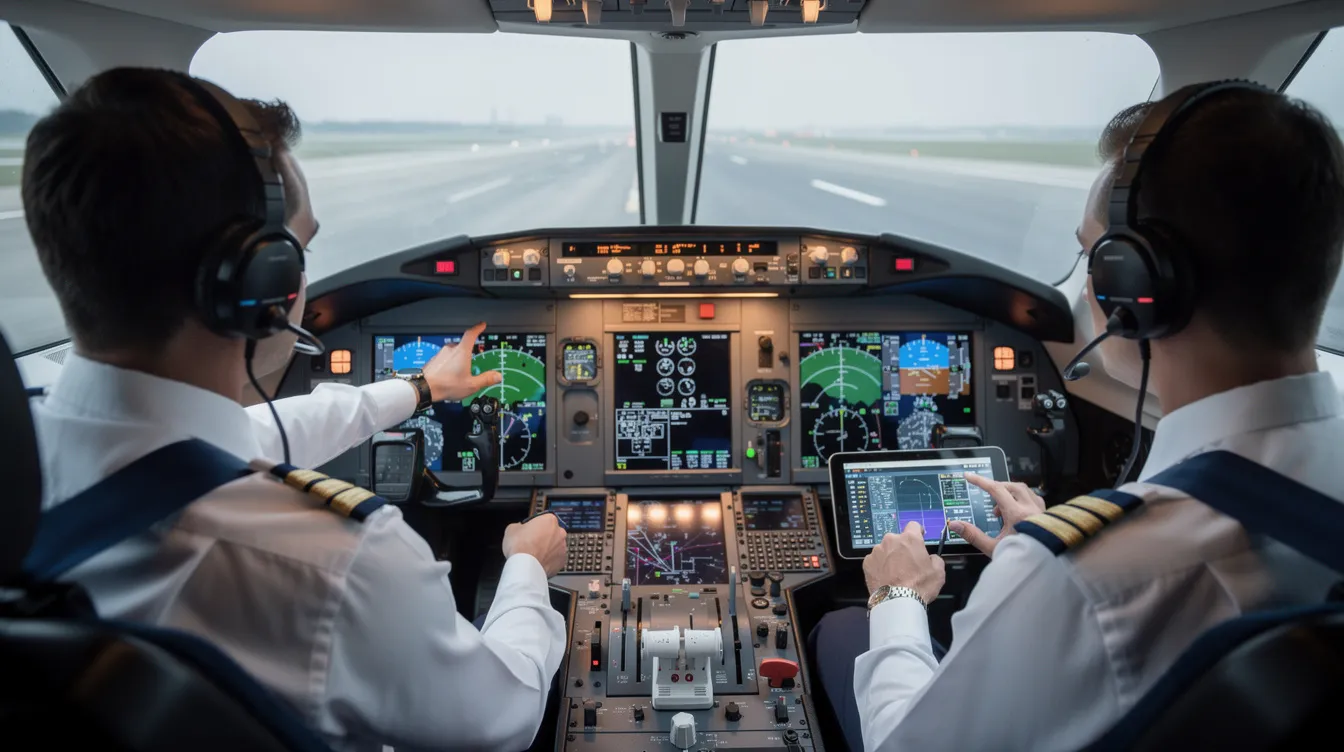
The safest private flights utilize two FAA-certified pilots regardless of the aircraft’s size [13]. This dramatically reduces human error and pilot workload during critical phases and aligns with BlackJet’s emphasis on highly qualified, rigorously trained pilots and crews.
Captains should typically have between 3,000 and 5,000 total flight hours, with significant time in the aircraft being flown [15]. Pilots should undergo full-motion simulator drills every six months to practice emergency procedures [16]. Crew resource management training teaches communication, cross-checking, and appropriate challenge protocols. BlackJet works only with operators demonstrating robust pilot training and clear duty-time policies, and fractional owners should also ensure that essential liability coverage in fractional jet ownership is structured to protect passengers and flight departments in the event of an incident.
Reputable private jet operators typically exceed FAA minimum safety standards and ensure the highest levels of operational safety through rigorous maintenance and safety management systems [9]. This includes adherence to OEM schedules and FAA Part 145 certified technicians.
Newer aircraft often have the latest safety technology, but rigorous, documented maintenance schedules and the use of OEM-certified parts are essential for older jets and high-performance turboprops such as TBM 850 fractional ownership aircraft [3].
Onboard emergency equipment must include current, serviced safety equipment such as defibrillators, fire extinguishers, and oxygen masks [5]. Onboard medical equipment should include AEDs (defibrillators), advanced first-aid kits, and satellite communication for real-time medical consultations [18], while owners work with advisors to structure tax implications of fractional jet ownership so safety investments and operating costs are properly planned.
Matching aircraft to mission enhances operational safety margins, and selecting from the best fractional jet ownership programs for smart investors helps ensure those missions are flown within conservative safety envelopes. Right-sizing prevents routinely flying near range, runway, or payload envelope edges, and basing your ownership structure at a convenient home airport—such as fractional jet ownership options at Atlantic Municipal—helps ensure consistent access to appropriately sized aircraft.
The Embraer Phenom 300E, HondaJet fractional ownership options, and Cessna Citation CJ3+ lead for 1–3 hour flights. All feature Garmin-based cockpits with SVS, integrated autopilots, and strong climb performance. Their relatively low landing speeds expand airport options safely when flown by experienced two-pilot crews.
The Cessna Citation Latitude features the Garmin G5000 avionics suite, which enhances pilot situational awareness and safety through advanced navigation technologies, including SVS [25]. The Cessna Citation Longitude and Embraer Praetor 600 provide 2,700–3,500 nm ranges, comfortably covering city pairs like New York–Los Angeles. Spacious cabin configurations accommodate 4–8 passengers while maintaining healthy performance margins.
The Gulfstream G650ER, Bombardier Global 7500, and Dassault Falcon 8X combine advanced safety systems with a range exceeding 6,450 nm. These jets handle nonstop pairs like Los Angeles–Sydney and feature luxurious interiors designed for 12–15-hour flights. Long-range operations demand particularly strong operator safety cultures and conservative fuel policies, whether your flying is centered around hubs such as fractional jet ownership in Nashville for business and touring travel or coastal gateways.
Fractional jet ownership introduces structure and predictability that directly support safer operations. Aircraft are managed under consistent maintenance regimes, flown by dedicated professional crews, and supported by 24/7 operations centers. Whether you choose a dedicated-aircraft model or more flexible floating fleet fractional ownership options, buyers can compare fractional jet ownership programs to choose the structure that best supports their safety priorities.
Compared to ad-hoc charter flight bookings, where quality varies dramatically, fractional programs provide verified safety profiles for every mission, whether you are evaluating fractional jet ownership in Atlanta for frequent Southeast travel or other major hubs.
The Reserve Fleet provides guaranteed access to vetted aircraft without ownership, ideal for clients flying 25–75 hours per year. BlackJet curates operators whose fleets feature newer, safety-advanced aircraft.
Each trip includes two pilots, audited operators, clear duty-time limits, and conservative weather decision-making. Members gain access to the same safety infrastructure normally associated with larger flight departments, while careful analysis of the total cost of fractional jet ownership ensures this level of safety is budgeted appropriately.
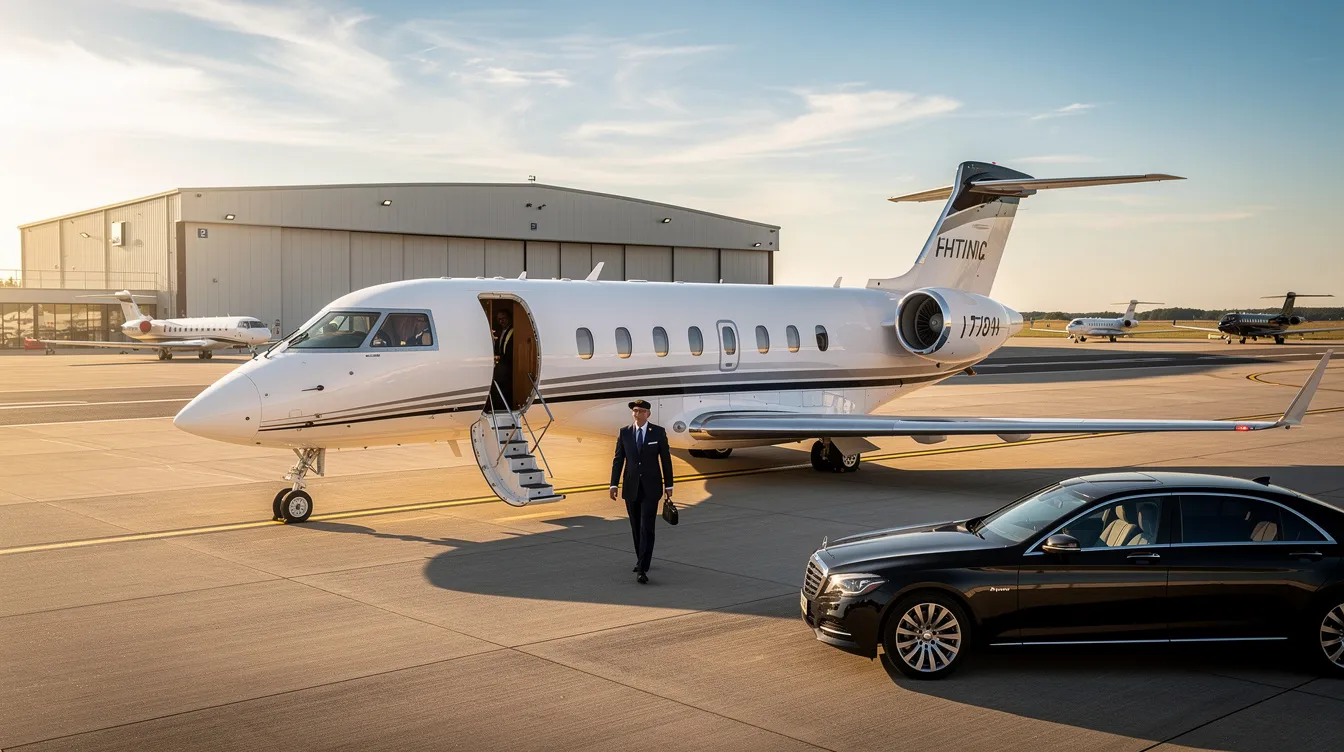
Equity Fleet fractional ownership allows clients to purchase shares in specific aircraft types for guaranteed annual hours. This enables tighter control over aircraft age, configuration, and maintenance history while BlackJet handles daily operations, and prospective owners can evaluate fractional jet ownership financing costs and benefits to structure these purchases effectively, including regional solutions such as fractional jet ownership in Austin for Texas-based flyers.
For corporations and entrepreneurs flying 75–150 hours annually, this delivers a safer, more predictable alternative matching their flying requirements without constantly shopping the charter market, aligning with the view of fractional jet ownership as an investment in both safety and flexibility for structures such as 1/8 fractional jet ownership, providing around 100 hours per year.
Use these questions when vetting providers and aircraft options, and review an aircraft fractional ownership sample contract guide so you understand how safety responsibilities, costs, and operational control are allocated among co-owners. Document answers and compare providers before committing to any program, and pair them with a clear grasp of essential fractional ownership contract terms so legal and operational safety expectations are aligned, including how you might eventually navigate selling a fractional jet ownership share.
What specific private jet models will I fly, and what is their safety and incident history?
Is the operator audited by IS-BAO, ARGUS, or Wyvern, and at what level?
Do you always operate with two pilots, even on single-pilot-certified aircraft?
What is the average fleet age and maintenance relationship with OEMs?
Which safety systems are standard—SVS, EVS, HUD, ROAAS, TAWS, TCAS II?
What is your formal policy on weather minimums and go/no-go decision authority?
A private jet’s safety depends on its design, advanced technological safety features like fly-by-wire and synthetic vision systems, rigorous maintenance, pilot training, and the operator’s safety culture. Jets with zero hull loss accidents and top-tier certifications are considered safest.
Technological advancements such as Enhanced Vision Systems (EVS), Runway Overrun Awareness Systems (ROAAS), and real-time aircraft health monitoring increase situational awareness, reduce pilot workload, and help prevent accidents, especially in challenging conditions like low visibility.
Even the safest aircraft require operators who maintain strict maintenance schedules, conduct thorough pilot training, and adhere to safety management systems. Certifications from IS-BAO, ARGUS, and Wyvern indicate operators committed to high safety standards.
Fractional ownership programs like BlackJet’s ensure consistent maintenance, professional crews, and structured operations, reducing variability and risk compared to ad-hoc charters. This model also provides access to newer, technologically advanced aircraft.
Yes, the safest private flights typically have two FAA-certified pilots regardless of aircraft size. This reduces human error and improves safety during critical flight phases.
Absolutely. Systems like the FalconEye Combined Vision System and Enhanced Flight Vision System (EFVS) provide pilots with enhanced situational awareness during low visibility conditions, improving safety during approaches and landings.
The safest private jet combines proven track record design—like the Phenom 300E, Falcon 8X, Citation Longitude, Praetor 600, Global 7500, or G650—with a disciplined, reputable operator and well-structured access model. Aircraft that prioritize safety through rigorous safety testing and the best safety features only deliver results when supported by the highest safety standards in operations.
Fractional jet ownership programs like those offered by BlackJet provide a practical way to align safety, cost efficiency, and flexibility for travelers flying 25–150 hours annually, especially when you fully understand the complete cost of fractional jet ownership and can budget for high-quality operators and newer aircraft. Think beyond aircraft brand names and prioritize systematic aviation safety: audited operators, modern fleets, two-pilot operations, and predictive maintenance.
Ready to explore the smarter way to fly private? Visit FractionalJetOwnership.com to schedule a consultation, compare Reserve Fleet vs Equity Fleet options, and design a private aviation plan built around safety first. BlackJet Fractional Jet Ownership serves as your trusted aviation advisor—helping executives and families fly smarter, safer, and more efficiently across the world.
