
March 6, 2026
Private aviation is no longer limited to full aircraft charters or outright private jet ownership. Across the United States and in the global private jet market, travelers now have the option to buy a seat on a private plane rather than chartering the entire aircraft.
Today, many companies offer private jet seats through shared jet services, allowing travelers to book seats on a shared flight with others. This makes private aviation more accessible and affordable, as you can purchase a single seat instead of paying for the entire jet.
This approach provides access to private aviation at a lower, more affordable per-passenger cost while preserving many of the time-saving and comfort benefits that distinguish private flights from commercial travel. Understanding how these seat-based options work — including charter seat sharing, semi-private services, and empty-leg deals — is essential for making an informed decision.
This guide explains how seat-on-private-plane models operate, how travelers can book seats on shared flights, what they cost, how many seats are available, and how they compare to full fractional jet ownership, terminology and structures, and whole-aircraft charters.
Private aviation opens the door to a world of travel that is defined by luxury, convenience, and ultimate flexibility. Unlike commercial flights, private jet charter allows travelers to design their journey around their own schedule and preferences, whether for business or leisure. Charter jet airlines and private jet charter companies offer access to an impressive fleet of aircraft, from nimble light jets perfect for quick regional hops to larger jets equipped for longer journeys and more passengers.
With private aviation, travelers enjoy a tailored experience—selecting the aircraft that best fits their needs, choosing departure times, and accessing private terminals that streamline the boarding process. The amenities available on private jets far surpass those found on commercial flights, with spacious cabins, personalized service, and a range of luxury features designed to enhance every aspect of the journey. Whether you’re flying solo for a business meeting or traveling with a group for a special occasion, private aviation provides a seamless, efficient, and comfortable way to reach your destination. By exploring the options available through charter companies, travelers can discover a new standard of air travel that prioritizes privacy, productivity, and relaxation.
Private aviation now offers multiple pathways for travelers who do not require exclusive aircraft use. Some services allow travelers to purchase a single seat or additional seats on a private jet, making private aviation more accessible and affordable.
Some operators allow travelers to book seats on shared private jet charters. In this model, one party charters the aircraft, and the operator or broker offers unused seats to other passengers to offset the total private jet cost.
Shared jet services offer cost savings by dividing the expense of the private jet among multiple passengers. However, shared jet services typically do not allow passengers to choose their exact departure time or route, as flights are already scheduled.
Semi-private carriers operate scheduled flights on set routes from private terminals. Airlines such as JSX and Aero are prominent examples of semi-private carriers that sell individual tickets on scheduled flights, providing a hybrid experience between private and commercial air travel. These flights use private terminals (FBOs) and smaller aircraft, offering published schedules and fixed fares.
Empty leg flights occur when an aircraft must reposition without passengers. Booking an empty leg flight can offer travelers significant cost savings, as operators often discount these flights substantially and may sell seats individually if the aircraft is large enough. JSX, for example, offers empty leg seats that can be purchased as discounted individual tickets.
Buying a seat avoids the full cost and long-term commitment associated with private jet ownership or exclusive charters, making it attractive for occasional private flyers.
Understanding the mechanics behind shared seats helps clarify both cost and flexibility. Before booking, determine if you require on-demand chartering of the entire jet for exclusive use, or if a by-the-seat, shared flight better suits your needs.
When booking a seat on a private plane, you typically purchase a single seat on a scheduled or semi-scheduled flight, sharing the aircraft with other passengers. In contrast, chartering the entire jet gives you exclusive use of the aircraft for your group. Consider your group size carefully—if you have several passengers, chartering the entire jet may be more cost-effective and comfortable than booking individual seats.
Selecting the right aircraft category is crucial. Match the aircraft to your group size, baggage requirements, and the range of your intended flight to ensure comfort and efficiency.
Private jets are categorized into several types based on their size and capacity:
Very Light Jets typically seat 4 to 5 passengers and are ideal for short trips or solo business travel.
Light Jets usually accommodate 6 to 7 passengers and are suitable for regional trips with small groups.
Midsize and Super-Midsize Jets can seat 7 to 10 passengers and are designed for longer distances, including coast-to-coast travel.
Heavy Jets can accommodate 10 to 16 or more passengers and are ideal for long-haul luxury travel with large groups.
For example, the Gulfstream G650 is a heavy jet known for its elite status, offering a spacious cabin and luxurious amenities for long flights. The Bombardier Challenger 350 is well-regarded for its comfortable cabin and ample baggage capacity, making it an excellent choice for group travel without compromising on luxury.
Consider necessary cabin features like Wi-Fi, lie-flat seats, or workspace if you plan to work during the flight. Confirm high-speed Wi-Fi availability with your operator. Also, keep in mind that private jet storage is more limited than commercial holds, so check luggage capacity before booking.
Flights are operated by a direct air carrier, which is certified by the DOT and responsible for all regulatory compliance and safety standards. The direct air carrier performs the flight, ensuring all FAA and DOT regulations are met.
Charter operators sometimes sell individual seats on already-booked flights. This approach helps recover operating costs while allowing additional travelers to experience private aviation at a reduced price. Prices for private jet seats can vary significantly depending on factors such as the type of aircraft, the flight route, and the service provider.
Shared jet services function as a hybrid between private charter and scheduled airline service. Operators publish routes, departure times, and seat inventory in advance, especially in high-demand corridors such as New York–South Florida or Los Angeles–Las Vegas. Charter Jet Airlines connects major cities across the United States, providing travelers with convenient access to private aviation services in key urban centers.
When selling seats to the public, operators must comply with:
FAA Part 135 regulations
DOT Part 380 public charter rules
Escrow and consumer-protection requirements
These regulations ensure that safety and financial protections remain in place when purchasing a seat rather than chartering the entire aircraft. Regulatory compliance also guarantees transparent pricing, so customers receive clear, upfront cost information and are protected throughout the booking process.
Safety is paramount when booking private jet seats. Prioritize operators with strong safety ratings such as ARGUS Platinum or Wyvern Wingman certifications. Verify the operator's safety record, maintenance protocols, and pilot experience. Many operators provide PASS (Pilot & Aircraft Safety Survey) reports for transparency.
Most operators allow personalization of catering menus to include specific dietary requests, enhancing the luxury experience onboard.
Some seats may require a one-time "on-demand" payment or a membership fee to access exclusive flights. Many private jet providers offer membership programs that provide discounts, priority booking, and additional perks for frequent travelers. Jet membership programs may require an annual fee for access to exclusive flights.
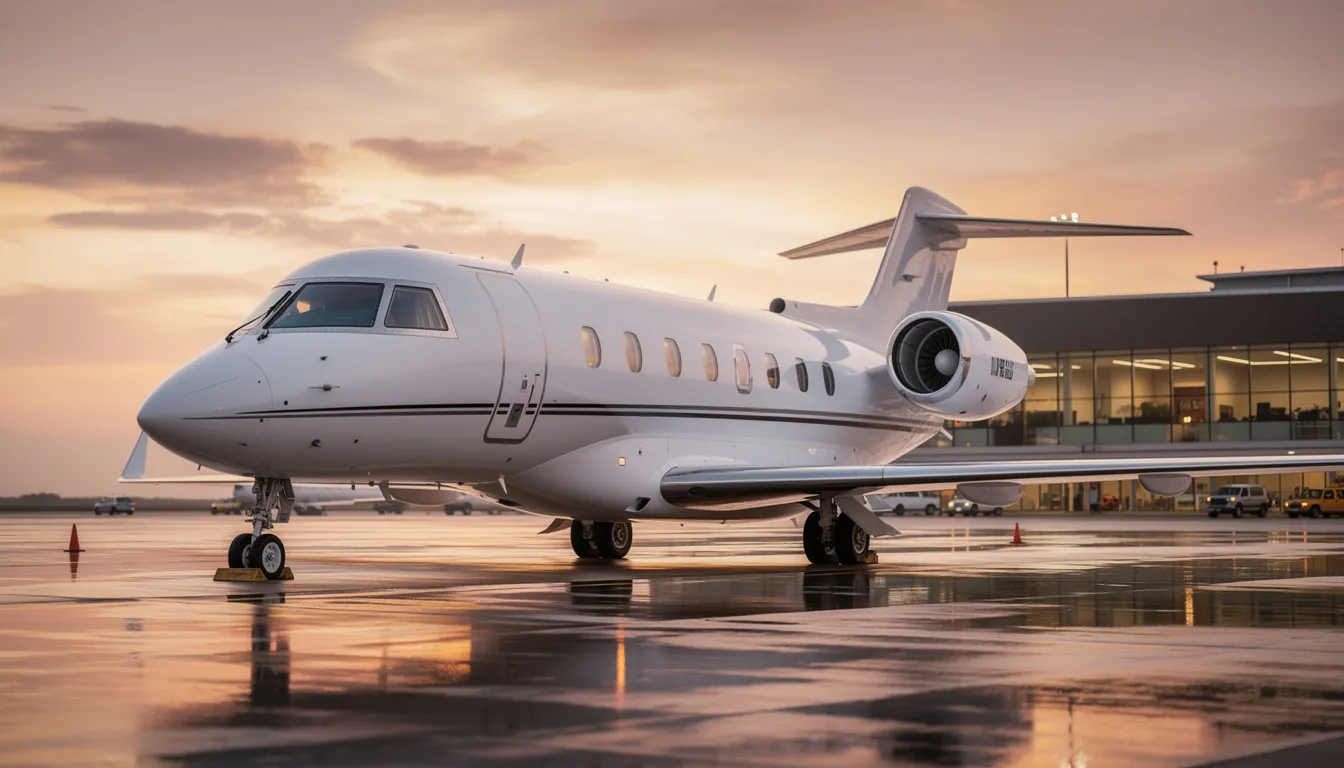
Empty leg flights represent one of the most affordable ways to experience private aviation. These flights occur when a private jet must reposition itself for its next scheduled trip or return to its home base after completing a one-way journey.
Empty leg flights are private jet trips that would otherwise operate without passengers. To offset the cost of repositioning the aircraft, operators often offer these flights at discounted rates by filling available seats.
The main advantage of booking an empty-leg charter flight is the substantial cost savings and lower price compared to a standard private jet charter.
Empty-leg flights can provide travelers with an affordable private aviation experience without having to charter an entire jet.
To find empty-leg charter deals, travelers can check with private jet charter companies and online platforms that specialize in private aviation. Booking well in advance or opting for last-minute empty-leg flights can help secure the best deals.
Empty legs arise when:
A jet completes a one-way charter
The aircraft must reposition for its next assignment
The aircraft returns to its home base
Instead of flying empty, operators offer these repositioning segments at a discount.
Empty leg pricing typically ranges 30% to 80% lower than standard charter rates, offering a reduced price for travelers. The primary benefit of booking an empty-leg charter flight lies in the substantial cost savings compared to a standard private jet charter. Depending on aircraft type and route, per-seat prices can fall within the lower end of the broader private jet cost spectrum.
Availability is unpredictable
Departure times may shift
Flexibility is required
Flights may be canceled if the primary charter changes
Empty-leg flights can provide travelers with an affordable private aviation experience without having to charter an entire jet.
Many platforms aggregate empty leg listings in real time, enabling last-minute booking opportunities across the United States and select international routes.
Choosing between a shared seat and an exclusive charter depends on travel priorities. If you value privacy, flexibility, and full control over your itinerary, booking the entire jet is the best option. This allows you to charter the whole aircraft exclusively for your group.
Alternatively, shared jet services offer the option to purchase individual seats or additional seats on an already-established charter. This means travelers can buy a single seat or a set of seats aboard a scheduled private flight, making private aviation more accessible and cost-effective while still enjoying luxury amenities.
Lower per-passenger cost
Access to private terminals
Enjoy the perks of flying private, such as faster boarding and minimal security lines
Suitable for solo travelers or couples
However, itinerary flexibility is limited because the primary charterer sets the schedule.
Exclusive cabin use
Complete itinerary control
Custom catering and cabin configuration
Greater privacy
Option to book the entire jet, providing maximum privacy and control
For groups of six or more, chartering the full aircraft may be more economical than purchasing multiple individual seats.
Operators vary in whether they allow splitting private jet flights into sellable individual seats. Consulting with a private aviation advisor ensures the most cost-effective structure.
Choosing private jet travel unlocks a host of unique benefits that set it apart from traditional commercial flights. One of the most significant advantages is the freedom to fly according to your own schedule—depart when it suits you, not when the airline dictates. Private jets also grant access to a much broader network of airports, including thousands of smaller regional airports that commercial airlines cannot reach, saving valuable time on the ground.
Travelers using private jets enjoy the convenience of private terminals, where boarding is swift, and security procedures are streamlined, eliminating the long lines and delays common in commercial aviation. Onboard, the experience is elevated with a spacious cabin, luxurious seating, and attentive service tailored to your preferences. Whether you book individual seats or charter the entire aircraft, private jet travel offers a level of comfort and exclusivity that is simply unmatched.
For business travelers, the ability to work or hold meetings in a quiet, private environment can boost productivity, while leisure travelers appreciate the personalized touches and stress-free journey. With private jet travel becoming more accessible—thanks to options like seat purchase and shared flights—more passengers can experience the luxury, flexibility, and efficiency that define flying private. Whether your priority is saving time, enjoying more cabin space, or accessing remote airports, private jet travel delivers a superior way to fly.
Seating capacity varies significantly depending on aircraft category, and it's essential to consider group size when choosing a private jet. Selecting the right aircraft category should be based on passenger count, baggage requirements, and flight range to ensure optimal comfort and efficiency.
For example, midsize jets can seat 7 to 9 passengers and are commonly used for domestic travel, including coast-to-coast flights. These jets are particularly suitable for longer distances, offering extended range capabilities that make them ideal for covering greater distances comfortably and efficiently.
Typically seats 4 to 7 passengers.
Best for short regional missions under three hours.
Accommodate 7 to 10 passengers and are suitable for longer distances.
Midsize jets can seat 7 to 9 passengers and are commonly used for domestic travel, including coast-to-coast flights.
Super midsize jets typically seat 8 to 10 passengers and are designed for transcontinental travel.
Carry 10 to 16+ passengers.
Offer multiple cabin zones, lie-flat seating, and extended range for transcontinental or international travel.
Seating capacity is influenced by:
Club seat arrangements
Divans with seatbelts
Conference tables
Aisle seats with lap belts
Baggage capacity and cabin volume are equally important. A heavy jet may technically seat 14 passengers, but luggage restrictions can reduce practical capacity on longer missions.
Per-seat pricing varies widely, and private aviation pricing is highly variable based on factors like flight distance and surcharges. Travelers should expect a range from approximately $200 to $5,000+ per seat, depending on:
Aircraft type
Route distance
Demand
Timing
Repositioning needs
Airport fees
Additional fees
When booking a seat on a private plane, always check for additional fees such as landing fees, catering, and fuel surcharges. It's important to review contracts for other potential costs, including de-icing fees, fuel surcharges, and overnight crew expenses. Comparing options with transparent pricing helps ensure you understand the full cost upfront and avoid surprises.
Peak travel periods, major sporting events, and holiday weekends can cause rapid price increases due to limited inventory.
Empty leg flights, membership programs, and floating fleet fractional ownership options remain the most common ways to reduce per-seat private aviation costs.
For frequent travelers, fractional aircraft ownership cost structures often deliver better long-term value than repeated seat purchases.
The booking process differs slightly from commercial airlines. Booking a seat on a private jet is a straightforward process that involves several key steps. Aviation experts are available to assist you throughout the process, helping to match your needs with the ideal aircraft and ensuring a personalized experience.
Departure airport
Arrival airport
Date
Approximate departure time
Private flights often operate from FBOs rather than main airline terminals, allowing travelers to depart from private terminals and experience no security lines.

Confirm the aircraft model and onboard amenities to ensure it meets comfort expectations and luggage requirements. Use mobile apps or websites to browse available seats on specific routes, leveraging the rise of mobile app booking that has made searching, comparing, and booking private jet seats easier than ever.
Before payment, review:
Cancellation terms
Refund policies
Escrow rules (for public charters)
Change fees
Regulatory compliance ensures funds are protected under DOT public charter requirements when applicable.
Safety remains the cornerstone of private aviation.
FAA Part 135 certification
ARGUS rating
Wyvern Wingman certification
IS-BAO compliance
Maintenance records
Pilot flight hours and type ratings
Insurance limits
PASS (Pilot & Aircraft Safety Survey) reports
Public-charter seat sales must comply with DOT Part 380 consumer-protection and escrow rules, preserving safety and financial transparency.
Each model serves a different type of traveler. The shared flight model, also known as shared jet services, has made private jet travel more accessible, especially during the pandemic when demand for private flying increased. The pandemic created more first-time private flyers than ever before, increasing demand for private jet travel. By booking a seat on a shared jet, multiple passengers share the same aircraft, which can significantly reduce costs and open up private aviation to a broader audience. However, travelers may find that booking a seat on a shared jet can compromise the luxury experience traditionally associated with private aviation.
Published schedules
Fixed fares
Limited routes
Lower cost than charter
Smaller passenger counts
Flexible charter-style aircraft
Moderate itinerary flexibility
Maximum privacy
Complete scheduling control
Premium cost structure
Evaluating route networks, membership fees, and flight frequency ensures the best fit for individual or corporate needs.
It depends on aircraft type and operator policies. A midsize jet may offer 4 to 8 seats for sale, even if total capacity exceeds that number.
Policies vary. Many empty leg bookings are non-refundable due to the dependence on the primary charter.
Often, seat assignments are informal and depend on aircraft configuration.
No. Safety standards remain governed by FAA and DOT regulations. However, privacy is reduced compared to a whole-plane charter.
Remain flexible with travel dates
Confirm luggage allowances
Compare membership programs
Read the operator-participant contract carefully
Monitor empty leg alerts
Frequent travelers may find that repeated seat purchases approach the cost of structured solutions such as the total cost of fractional jet ownership or jet card programs.
Travelers exploring private aviation should:
Use aggregator platforms to compare seat inventory
Request broker quotes for both seat and full charter pricing
Track empty leg opportunities
Evaluate jet card programs for predictable pricing
For individuals flying regularly across the United States or internationally, leading fractional jet ownership programs often provide superior value, priority access, and predictable budgeting compared to ad-hoc seat purchases.
Buying a seat on a private plane offers an accessible entry into private aviation. It lowers upfront cost while preserving many advantages of private travel — time savings, private terminals, and elevated comfort.
However, seat purchases involve trade-offs in flexibility and privacy. For travelers who value guaranteed access, consistent availability, and long-term cost efficiency, comparing fractional jet ownership with membership programs highlights why fractional jet ownership remains one of the most strategic solutions in private aviation.
Ready to explore the smarter way to fly private? Visit https://www.fractionaljetownership.com/ to learn how comparing fractional jet ownership programs can transform your travel experience and provide a tailored aviation strategy aligned with your travel goals.
