June 16, 2026
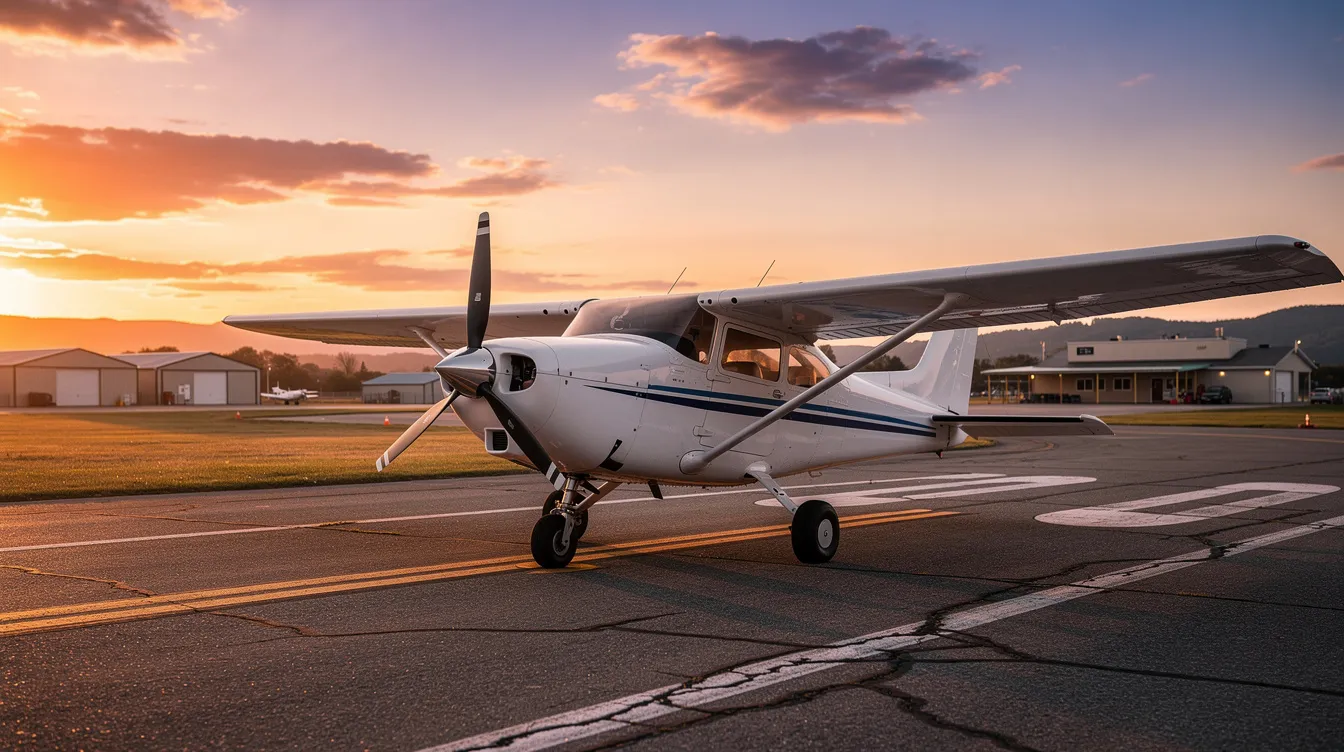
Single-engine piston aircraft remain the backbone of personal and training aviation across the United States. They deliver a unique blend of accessibility, lower operating costs compared to multi-engine aircraft, and simpler maintenance due to fewer moving parts - making them the natural entry point for pilots at every level.
A "single engine" aircraft is powered by one piston engine, typically offering a cruise speed between 120–220 knots. Contrast that with turboprops or light jets, which trade affordability for speed, range, and weather capability. Models like the Cirrus SR22T, Cessna 182 Skylane, Piper M350, Diamond DA40NG, and Bonanza G36 anchor the current market for both new production and used aircraft.
BlackJet Fractional Jet Ownership is a specialist in private aviation solutions. Private aviation services cater to high-frequency travelers who may be debating between purchasing a single-engine piston aircraft and accessing a fractional jet program for business or high-frequency travel. The sections below walk through types, pricing, listing evaluation, and when stepping up to fractional ownership makes more sense.
With over 500 single-engine piston aircraft listings available across the market today, buyers can find options from roughly $80,000 to $1.3M+, spanning trainers, cross-country cruisers, and premium models from Cirrus Aircraft, Cessna, Piper, and Beechcraft.
Owning a single-engine plane provides superior affordability compared to multi-engine aircraft, but the total cost of ownership - including hangar, insurance, and maintenance - often surprises first-time buyers.
Fractional ownership is ideal for 25–150 flight hours annually, offering jets with greater range and speed without the burden of sole aircraft ownership.
Pilots who love hand-flying can adopt a hybrid strategy: keep an affordable single engine for weekend trips while using fractional jet access for time-sensitive business travel.
This guide concludes with next steps and a path to explore fractional solutions at FractionalJetOwnership.com.
The single-engine market spans from 1960s trainers to 2025 models equipped with glass cockpits and whole-airframe parachutes. Cruise speed and fuel consumption are key performance metrics for aircraft evaluation across every category:
Basic trainers: Cessna 152, Cherokee PA-28-140
Modern glass-cockpit trainers: Cirrus SR20 G6, Diamond DA40NG
High-performance cross-country: Cirrus SR22T, Cessna 400/TTx, Mooney M20J
Utility/bush: Cessna T206H, Super Cub PA-18-150
Premium singles: Piper M350, Bonanza G36
The Diamond DA50 RG entered the U.S. market in 2024, adding another option to the growing list of capable single-engine planes for sale. Buyers typically shop across three age bands - vintage (1960s–1970s), mid-life (1980s–2000s), and modern (2010–2025) - each affecting avionics, safety systems, and maintenance expectations.
Here are real models commonly seen in current listings, along with typical roles and pricing:
Model | Seats | Typical Price Range | Key Appeal |
|---|---|---|---|
Cirrus SR22T G7 (2024–2025) | 4 | $1,134,900+ | The Cirrus SR22T is known for its speed and safety; the 2024 G7 is priced at $1,134,900 |
Cirrus SR22T G6 (2020–2023) | 4 | $650,000–$860,000 | The 2021 Cirrus SR22T G6 is listed for $806,900 with Garmin Perspective+, synthetic vision, and CAPS |
Cessna 182 Skylane | 4 | $230,000–$550,000 | Reliable high-wing with great short-field capability |
Cessna T206H Turbo Stationair | 6 | $350,000–$700,000+ | The Cessna T206 Turbo Stationair HD is called the "SUV of the skies." |
Piper M350 / Bonanza G36 | 4–6 | $1.0M–$1.3M+ | Comfort, IFR performance, high-altitude capability |
The Cessna 172 is notable for its parts availability and resale value, making it an affordable step for new pilots. Prices for high-performance single-engine planes can easily exceed $ 400,000, while niche models like the Mooney M20J or aerobatic Extra 330 serve more specialized missions. Optional equipment - air conditioning, de-ice, upgraded autopilots - significantly moves the needle on value across all models.
Two aircraft with the same year and model can differ by hundreds of thousands of dollars. Engine hours should be reviewed before purchasing an aircraft, alongside total time (TT), propeller time, and number of owners, just as understanding core fractional jet ownership terms is essential before committing to a share program.
Key evaluation checklist:
Avionics: Garmin Perspective+, G1000, ADS-B In/Out - upgrading an older panel can cost $50,000–$150,000
Logbooks: Should include FAA Form 337 for major repairs and complete records
Maintenance records: Must comply with Airworthiness Directives (ADs)
Airframe condition: Inspect the airframe for corrosion and damage during aircraft inspection
Calendar items: CAPS parachute repacks, prop overhauls, de-ice service
Pre-purchase inspections are crucial before acquiring an aircraft - this step is as critical as the pre-buy process in private jet transactions. Acquisition methods for planes include specialized brokers and manufacturer direct sales; use a type-knowledgeable shop to protect your investment and review essential fractional jet ownership contract terms just as carefully. Keep in mind that single-engine planes can become gliders if the engine fails, and mission limits can increase risk without a second engine, particularly in IMC or over hostile terrain.
Purchase price is only part of the equation. Here's what to expect annually for a mid-range aircraft like a Cessna 182:
Fuel: 12–14 gph at $5.50–$6.50/gal = $66–$91/hr
Variable costs (fuel, reserves, oil): $120–$145/hr
Fixed costs (hangar, insurance, annual): $15,000–$40,000+/year
Fully loaded cost at 100 hrs/yr: ~$200–$300/hr
For pilots flying fewer than 50–75 hours per year, ownership becomes economically inefficient. Jointly owning a plane can reduce the costs of full ownership, but coordination challenges often arise. Many BlackJet clients find themselves weighing whether to keep a piston single for the flying experience while shifting business travel to a fractional jet program that delivers better reliability and time savings, prompting a detailed look at the total cost of fractional jet ownership compared with continued aircraft ownership.
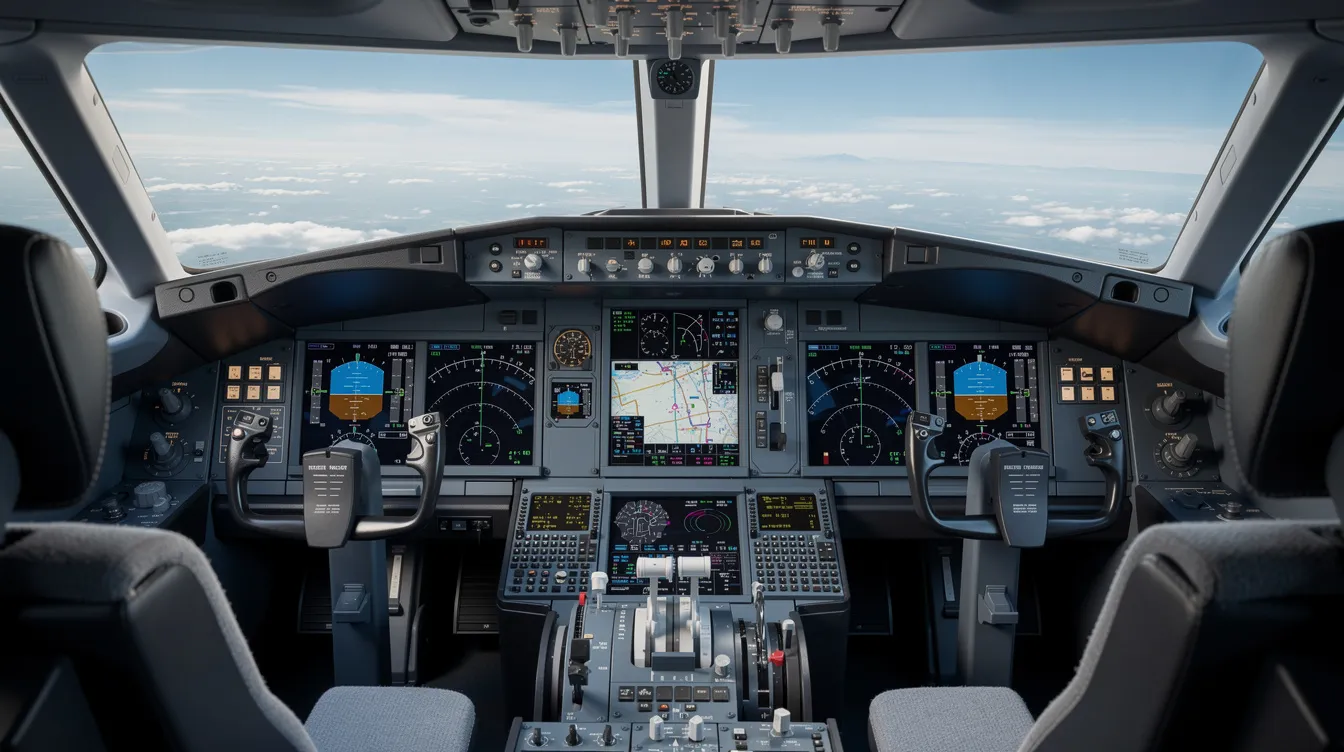
Many pilots outgrow the speed, range, or weather limitations of single-engine piston aircraft as travel needs expand. Here's a simple decision framework:
Factor | Single Engine Piston | Fractional Jet |
|---|---|---|
Typical range | 200–500 nm | 600–1,500+ nm nonstop |
Cruise speed | 120–220 knots | 400–500+ knots |
Weather capability | Limited | Superior |
Annual cost (100 hrs) | $35K–$70K variable | $300K–$450K+ |
Fractional ownership allows shared access to private jets with professionally managed fleets. Membership programs provide guaranteed aircraft availability, while private aviation provides tailored scheduling for users. Travelers often compare fractional jet ownership vs. membership programs to decide which mix of commitment, cost, and flexibility best fits their needs. Fractional ownership includes tax benefits for jet shares, and fractional jet ownership provides clients with priority access to aircraft - all while reducing hassle compared to full ownership.
A practical approach: use your single-engine aircraft for personal trips and consider a fractional jet share when executives, teams, or tight schedules over 400–500 nm are involved, especially if a structure like 1/8 fractional jet ownership for around 100 hours per year aligns with your mission profile.
BlackJet Fractional Jet Ownership serves as a trusted partner for long-term private aviation planning. Two primary models address different needs:
Reserve Fleet: Provides flexible pay-as-you-go hours without capital commitment - ideal for owners who want to request jet access alongside their existing piston aircraft.
Equity Fleet offers fractional ownership with tax benefits and depreciation advantages for fractional jet owners, a titled aircraft share, predictable hourly rates, and priority access.
Aircraft management includes scheduling and maintenance services, and aircraft management services provide guaranteed availability for clients. Maintenance programs ensure aircraft meet safety and operational standards. For some travelers, access to a floating fractional jet fleet can further increase flexibility and aircraft availability. Aircraft management can also include flexible pay-as-you-go options for clients who are ready to explore but not yet committed to an equity position.
BlackJet's advisory approach includes realistic cost modeling and mission analysis, helping clients decide whether to continue investing in other aircraft or shift capital into a fractional jet program, including guidance on fractional jet ownership financing, costs, and benefits. To find the right fit, schedule a confidential consultation.
The core decision is clear: purchase or upgrade a single-engine piston aircraft, or allocate that capital toward fractional jet ownership for greater range, speed, and productivity. To move forward:
Define your annual flight hours, typical stage lengths, and passenger counts
Build a 5-year total cost comparison using conservative utilization numbers
Consider a hybrid strategy if you value hand-flying - keep an affordable, well-equipped single for personal use and add fractional jet access for demanding itineraries
Ready to explore the smarter way to fly private? Visit FractionalJetOwnership.com to explore Reserve and Equity Fleet options, review an aircraft fractional ownership sample contract guide, request a customized flight profile analysis, and speak with an aviation advisor about your smartest path forward.
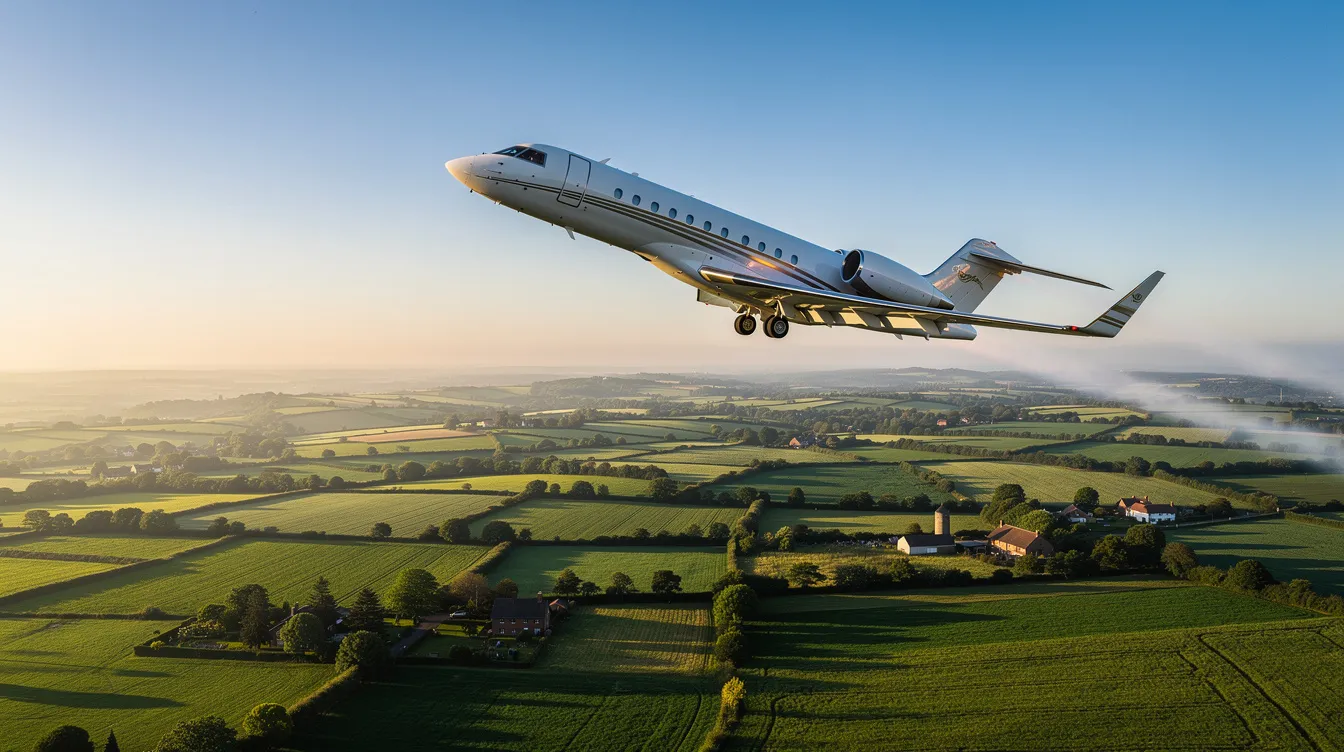
Ownership typically begins making financial sense around 75–100 hours per year, assuming the owner values schedule control and can absorb fixed costs. Below 50–75 hours annually, renting or club membership may be more cost-effective, while business travel can be acquired through fractional jet access for speed and reliability.
Cirrus aircraft like the SR22T include the CAPS whole-airframe parachute and advanced Garmin Perspective+ avionics with synthetic vision, which have contributed to improved safety outcomes over the years. However, safety depends heavily on pilot training, decision-making, and maintenance quality regardless of brand. Factor in CAPS repack costs and recurrent training when evaluating used Cirrus listings.
For short regional hops of 150–300 nm between second-tier cities, a well-equipped single-engine aircraft can be considered very effective. For longer itineraries over 400–500 nm with tight schedules, a jet through a fractional aircraft ownership program usually delivers better productivity and comfort.
Many specialty lenders offer aircraft financing with 10–15-year terms. Fractional jet ownership through an Equity Fleet structure can also provide depreciation and tax advantages for business use, while potentially functioning as a fractional jet ownership investment with shared costs and benefits. Consult qualified tax counsel familiar with aviation before committing to either path, and use conservative assumptions on utilization, including a review of liability and insurance considerations in fractional jet ownership so risk is managed alongside tax planning.
Yes. BlackJet Fractional Jet Ownership works with clients who already own aircraft - such as a Cirrus SR22T or Cessna 182 - and want to add jet capability. BlackJet's team can analyze your current usage on your website portal, identify which trips are better suited to jets, recommend leading fractional jet ownership programs, and recommend the right fractional share to complement your existing airplane. Visit FractionalJetOwnership.com for a tailored blended-fleet strategy discussion with peace of mind, whether you are keeping your share long-term or planning ahead for selling a fractional jet ownership share.
Choosing between purchasing a single-engine plane and joining a fractional jet ownership program depends on your unique travel needs, budget, and lifestyle. Single-engine aircraft offer an affordable, hands-on flying experience ideal for personal trips and shorter regional flights. However, as travel demands grow in complexity and distance, fractional ownership provides unmatched flexibility, speed, and convenience without the burdens of full ownership.
BlackJet Fractional Jet Ownership stands ready to guide you through this decision, offering tailored solutions that blend the best of both worlds. Whether you want to maintain a single engine aircraft for weekend escapes or upgrade your business travel efficiency with a fractional jet share, expert advice and comprehensive support are just a consultation away.
Ready to explore the smarter way to fly private? Visit FractionalJetOwnership.com to learn how fractional ownership can transform your travel experience and elevate your private aviation journey.
