January 10, 2026
Private aviation has become an increasingly practical and strategic travel solution for individuals and organizations seeking efficiency, flexibility, and control over their schedules. Small private jets and light jets, in particular, occupy a unique position within the broader private aviation market. They offer many of the advantages associated with larger business jets while maintaining lower operating costs and greater accessibility.
The private aviation industry provides a diverse range of aircraft options, from very light jets designed for short regional trips to light jets capable of longer nonstop flights. These aircraft are used for both business and personal travel, enabling passengers to bypass commercial airport congestion and operate on their own timelines.
Selecting the best small jet plane depends on several factors, including range requirements, passenger capacity, cabin comfort, and operating economics. With expert guidance, private aviation companies and advisory services help travelers navigate these choices and identify aircraft that align with specific travel goals.
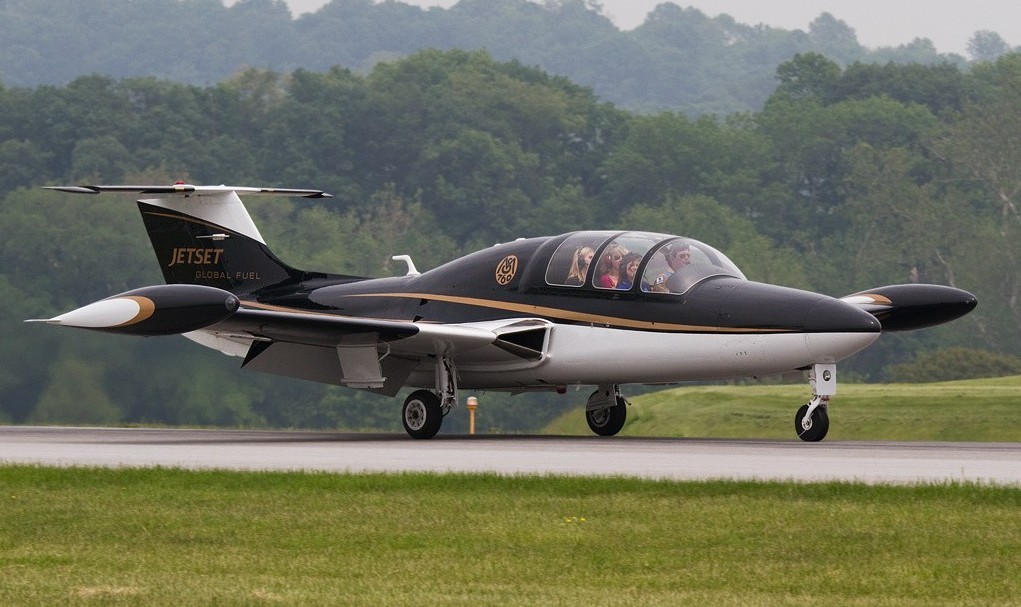
The origins of small private jets can be traced back to the 1950s, when manufacturers began adapting military jet technology for civilian and corporate use. One of the earliest examples was the Morane-Saulnier MS.760 Paris, which demonstrated that jet-powered aircraft could serve executive and personal travel needs.
Through the following decades, advances in aerodynamics, materials, and engine efficiency made smaller jets increasingly viable. By the late 20th century, light jets had become a recognized category within business aviation, offering faster speeds and higher cruising altitudes than turboprop aircraft.
The early 2000s marked a significant turning point with the emergence of very light jets (VLJs). Aircraft such as the Eclipse 500 and Embraer Phenom 100 were designed to reduce acquisition and operating costs while maintaining jet performance. These developments expanded access to private aviation and introduced new ownership and access models, including fractional aircraft ownership.
Today’s small private jets reflect decades of refinement, with improved fuel efficiency, quieter cabins, extended range capabilities, and advanced avionics that enhance both safety and operational flexibility.
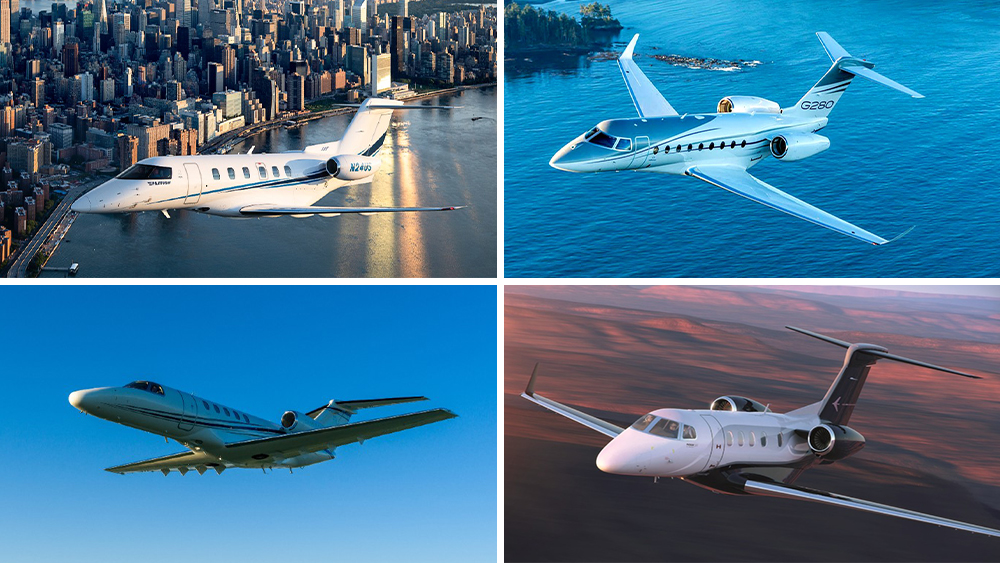
Very Light Jets (VLJs) are the lightest category of small business jets, typically seating between 4 to 7 passengers and offering ranges from approximately 1,000 to 1,500 miles. They are designed for short trips lasting 2-3 hours and can operate from runways as short as 3,000 feet (910 meters), allowing access to over 5,000 smaller airports worldwide. Many VLJs are certified for single-pilot operation, which simplifies logistics and reduces operating costs.
The Cirrus Vision Jet, introduced in December 2016, is the first single-engine production VLJ and has become the most-delivered VLJ model, with 615 total deliveries through 2024. It features advanced safety technologies such as an airframe parachute system—the first single-engine jet to include this—and an emergency autoland system called Safe Return, which allows passengers to land the aircraft at the touch of a button in emergencies. The Vision Jet also offers a pressurized cabin with panoramic windows, Gogo InFlight Wi-Fi for industry-leading connectivity, and the Perspective Touch+ avionics system with Auto Radar that provides real-time weather depiction.
VLJs like the Vision Jet and Eclipse 500 have been recognized with the prestigious Collier Trophy for aerospace engineering excellence. Many VLJs provide refined cabins with comfortable seating, entertainment systems, and Wi-Fi connectivity, making them suitable for both personal and business use.
Light Jets generally seat 6 to 8 passengers and have a maximum range of about 1,500 to 2,200 miles, making them ideal for non-stop domestic routes and longer trips than VLJs. They are the most frequently requested category of aircraft by private aviation clients due to their balance of range, passenger capacity, and operating cost.
Light jets offer refined cabins with amenities such as Wi-Fi connectivity and ergonomic seating, ensuring passenger comfort on both family and business trips. Their ability to operate from shorter runways expands airport access, providing flexibility and convenience.
Super Light Jets provide additional cabin space and amenities for up to 9 passengers, with ranges extending from 2,000 to over 4,000 miles. While not as common as VLJs and Light Jets, they offer a premium experience for travelers seeking more space and longer non-stop flight capabilities.
Small jets typically have a range between 1,000 and 2,500 miles, depending on their category. VLJs are best suited for shorter regional trips of 2-3 hours, while Light Jets can comfortably handle longer non-stop domestic flights. Fuel efficiency is a critical factor affecting operating costs, with small jets offering significant savings compared to mid-size jets due to lower fuel burn, maintenance, and hangar space requirements.
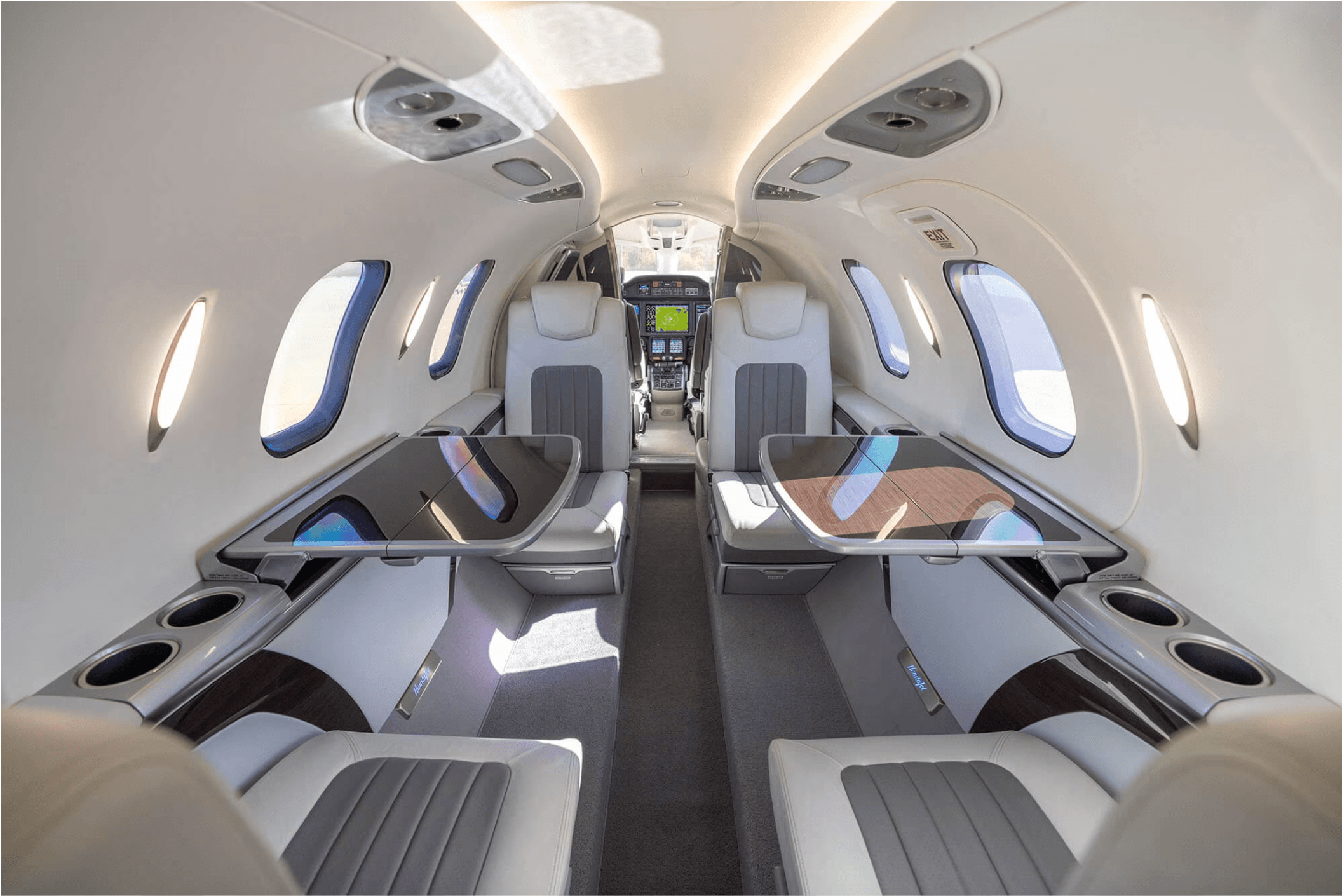
Modern small private jets provide well-designed cabins with ergonomic seating, climate control, and entertainment systems. Many models include Wi-Fi connectivity, allowing passengers to stay productive or entertained during flights. The Vision Jet, for example, offers a pressurized cabin with panoramic windows for enhanced comfort.
Performance metrics such as maximum cruise speed, climb rate, and runway requirements influence operational flexibility. Small jets can reach cruising speeds ranging from 311 to 500 knots (approximately 360 to 575 mph) and can take off and land on runways as short as 3,000 feet, increasing access to smaller airports and reducing ground travel time.
Advanced avionics and safety systems are integral to modern small jets. The Cirrus Vision Jet’s autoland system and airframe parachute are industry-leading safety features. Integrated flight decks, terrain awareness, and real-time weather radar enhance pilot situational awareness and operational reliability.
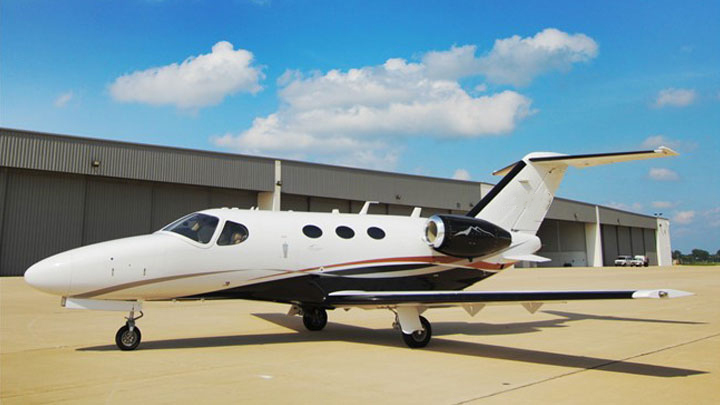
Several aircraft models consistently stand out in the small jet category due to their performance, reliability, and operating efficiency.
Cirrus Vision SF50: The first single-engine production VLJ, offering advanced safety features, single-pilot operation, and a price point around $3 million, making it the most affordable private jet option. It has won the Collier Trophy for innovation and safety.
Cessna Citation Mustang: A popular VLJ known for straightforward operation, a comfortable cabin, and a strong safety record, suitable for short to medium-range flights.
Embraer Phenom 100: Offers a refined cabin experience and impressive range, favored for business travel with a balance of speed and comfort.
Eclipse 500: Focuses on operational efficiency and cost control, making it a viable option for cost-conscious owners.
Each aircraft can be customized to meet specific travel needs, emphasizing the importance of expert consultation when evaluating ownership or access options.

Small private jets provide distinct advantages over commercial aviation for business travelers. They offer flexible departure times, access to secondary airports, and reduced travel delays, enabling organizations to optimize schedules and improve productivity.
Light jets and VLJs enable efficient point-to-point travel, allowing executives to work or prepare for meetings in privacy during flights. Operating from smaller airports reduces ground transportation time and brings travelers closer to their final destinations.
Private aviation advisory services assist with aircraft availability, crew scheduling, and regulatory compliance, ensuring a seamless and efficient travel experience.

Personal travelers benefit from the privacy, comfort, and convenience of small private jets, especially for leisure trips or frequent travel between residences. VLJs offer an accessible entry point for personal use, combining fuel efficiency with simplified operations.
Customization options allow owners to tailor cabin interiors, seating configurations, and amenities to their preferences, creating a personalized travel experience. Private aviation services support personal travelers with aircraft management, pilot training, and maintenance, reducing the administrative burden of ownership.

Private aviation services are essential for supporting owners and travelers, providing aircraft management, maintenance oversight, crew staffing, and regulatory compliance.
These professional services ensure small jets remain airworthy and safe, protect asset value, and minimize downtime. Training and operational support further enhance safety and efficiency.
For those considering ownership or fractional ownership, advisory services offer guidance on cost structures, utilization strategies, and access models, helping clients select the right aircraft for their needs with confidence.
The small private jet market in 2026 primarily consists of Very Light Jets and Light Jets, reflecting strong demand for aircraft that balance performance, cost, and accessibility. Typical purchase prices range from $2 million to $13 million, with operating costs varying based on usage and aircraft type.
Chartering small private jets can be more financially efficient for those flying fewer than 50 to 100 hours annually, while ownership entails maintenance, insurance, and regulatory responsibilities.
As technology advances, small jets continue to improve in fuel efficiency, safety, and cabin comfort, making private aviation increasingly accessible and attractive for a broad range of clients.
The best small jet plane is defined not by size alone but by how well it meets specific travel needs and objectives. Whether for business efficiency or personal convenience, small private jets offer a compelling combination of flexibility, performance, and value.
Understanding the distinctions between Very Light Jets, Light Jets, and Super Light Jets—considering factors such as range, cabin comfort, operating economics, and access to private aviation services—is key in making an informed decision.
For those seeking a structured, cost-effective path to private aviation, fractional jet ownership remains an attractive alternative to full ownership, preserving many benefits while reducing complexity.
Ready to explore the smarter way to fly private? Visit https://www.fractionaljetownership.com/ to learn how fractional ownership and expert guidance can help identify the ideal small jet solution for your travel needs.
