
May 17, 2026
In today’s fast-paced world, time is a critical asset, especially for executives, entrepreneurs, and discerning travelers. Small jet planes offer a smarter way to fly private by combining efficiency, flexibility, and access to thousands of airports unreachable by commercial aviation. Whether for business trips, family travel, or regional missions, these aircraft provide a compelling alternative to traditional commercial flights.
Small jets, including personal jets, Very Light Jets (VLJs), and light jets, are designed to deliver swift, comfortable travel for groups typically ranging from 4 to 8 passengers. Their nimble performance and advanced technology enable travelers to avoid the hassles of commercial terminals, reduce travel time significantly, and maintain control over their schedules.
This guide explores the benefits, costs, and key models of small jet planes, helping you understand how fractional jet ownership, jet card programs, and charter options can unlock private aviation’s full potential, especially once you grasp essential fractional jet ownership terminology. Jet cards offer fixed rates, guaranteed availability, and reduced management burdens, making them a strategic choice for frequent flyers seeking cost-effective and predictable private aviation access. Discover how choosing the right small private jet can transform your travel experience with world-class service, operational control, and unmatched convenience. Renting is considered the lowest-barrier entry to private aviation, ideal for those with varying travel needs and destinations. Matching aircraft to your specific mission profile is key to maximizing the benefits of private aviation.
A small jet plane can turn a New York–Miami, New York–Chicago, or LA–Dallas trip into a faster day mission by avoiding security lines, layovers, and crowded terminals.
Fuel-efficient, very light jets such as the Cirrus Vision Jet, Embraer Phenom 100EV, and Hondajet Elite II can access smaller airports and reduce door-to-door travel time.
True aircraft ownership can cost millions upfront plus substantial annual operating costs, so fractional jet ownership and membership programs are often smarter for travelers flying 25–150 flight hours per year.
Small jet planes are popular for their low operating costs, making private flying more accessible for a wider range of travelers.
Modern small jets now include advanced safety features such as synthetic vision, weather radar, autoland, and parachute system technology.
The right aircraft depends on range, passenger count, runway length, cabin space, and flying habits, not simply on the lowest purchase price.
A senior team flying from New York to Chicago on commercial airlines may spend as much time in ground transfers, security, boarding, and delays as it spends in the air. On routes like New York to Miami, private jets can save travelers 4-6 hours per round trip compared to commercial flights, reclaiming productive hours for travelers.
Private aviation allows access to over 5,000 smaller airports that commercial airlines cannot serve, enhancing travel flexibility. A private jet can often use the nearest suitable airport, reducing overnight stays and making same-day meetings more realistic in the United States and Europe.
Small jet planes, including Very Light Jets (VLJs) and light jets, seat 4 to 8 passengers and are designed for nimble, regional travel. Their fuel efficiency and lower operational costs make them a practical tool for executives, families, and frequent flyers, not just a status symbol.
The main categories are the personal jet, very light jets, and light jets used for business aviation. BlackJet Fractional Jet Ownership builds Reserve Fleet and Equity Fleet access around these aircraft classes for clients who want predictable travel without managing a single aircraft themselves, while also matching aircraft to specific business or leisure travel scenarios based on actual operational needs; travelers can compare fractional jet ownership vs membership programs to decide which structure best fits their flying profile.
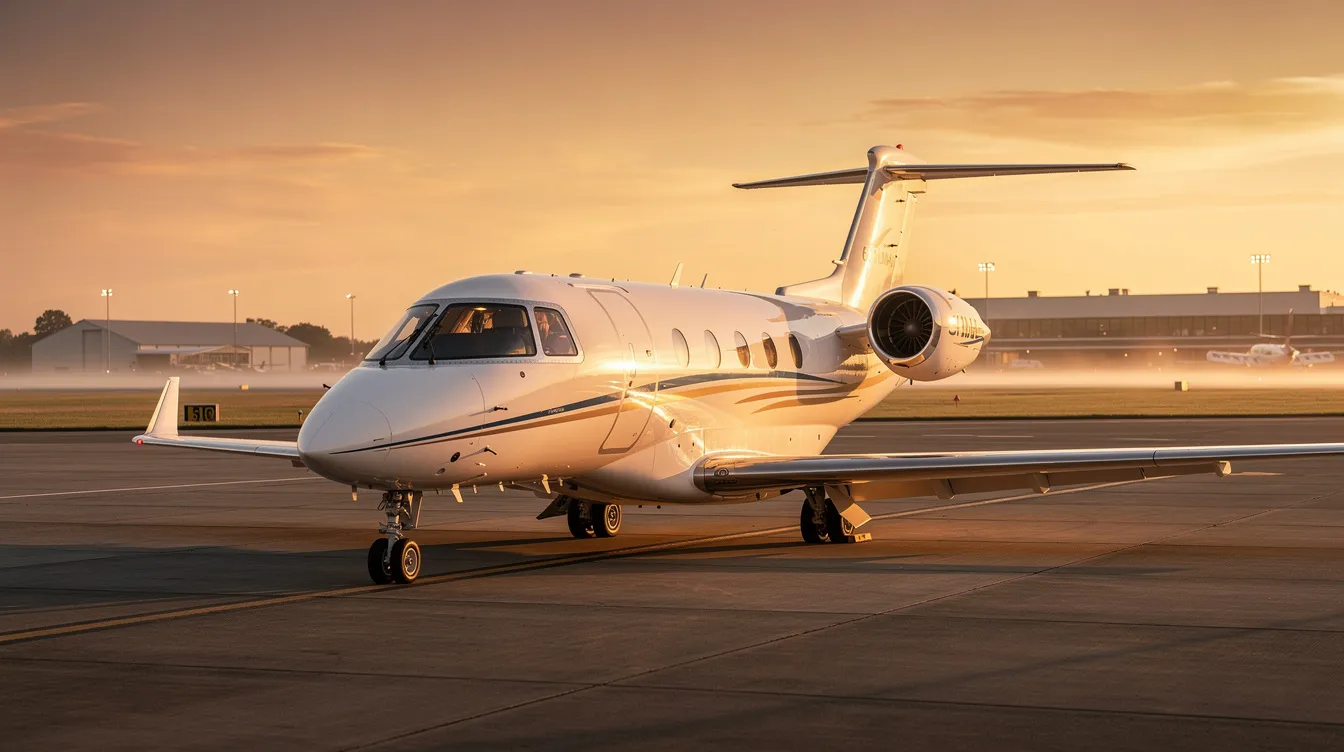
A small private jet generally fits into one of three groups: personal jet, VLJ, or light jet. These private aircraft are usually sub-10-seat aircraft built for short-haul and mid-range missions.
The Cirrus Vision Jet is the best-known personal jet. This single-engine aircraft offers 5+2 seating, a range of nearly 1,200 nautical miles, single-pilot operation, and the Cirrus Airframe Parachute System (CAPS), which is designed to safely lower the entire aircraft in emergencies, enhancing passenger safety during flights. The Cirrus Vision Jet stands as the first certified single-engine personal jet, renowned for its pioneering safety features such as the CAPS parachute system and Safe Return autoland system, making it ideal for owner-pilots seeking a secure, easy-to-operate aircraft for regional trips.
Very Light Jets (VLJs) are designed for short-haul flights and typically seat between 4 and 6 passengers, offering ranges up to 1,200 miles, making them suitable for regional trips. The range of Very Light Jets typically falls between 1,100 and 1,300 nautical miles, allowing for efficient travel between major cities without the need for refueling stops.
VLJs are often certified for single-pilot operation, which simplifies logistics for owners and reduces overall operating costs compared to larger jets that require a crew. Popular examples include the HondaJet Elite II, Embraer Phenom 100EV, and Cessna Citation Mustang.
Light jets are the next step up. Aircraft such as the Cessna Citation M2 Gen2 and CJ3+ typically carry 6–8 passengers, offer 1,500–2,000+ nautical miles of range, and provide higher cruise speed around 400+ KTAS.
Cabin differences matter:
Class | Typical comfort profile |
|---|---|
Personal jet | Compact cabin, efficient for 1–3 passengers |
VLJ | 4–6 seats, limited but useful baggage volume |
Light jet | Better cabin space, more luggage, and often a fully enclosed lavatory |
Larger light jets | More comfort for longer cross-country flights |
This shortlist highlights small jets commonly discussed by private jet owners, charter users, and fractional aircraft ownership advisors.
The Cirrus Vision Jet SF50 is recognized as one of the most accessible Very Light Jets, featuring advanced safety systems like an airframe parachute and autoland technology. The Cirrus Vision Jet is considered one of the most affordable private jets, with a new price around $3.3-3.5 million, making it accessible for owner-pilots.
The Vision Jet is also one of the few modern small jets with the airframe parachute system caps concept. The Cirrus aircraft platform appeals to owner-operators because the Cirrus airframe parachute system, Safe Return emergency autoland system, and modern avionics help reduce pilot workload, and these attributes can support resale value when selling a fractional jet ownership share.
The Embraer Phenom 100EV is an entry-level jet with twin engines, Prodigy Touch flight deck, and about 1,175–1,200 nautical miles of range. The Embraer Phenom 100EV is recognized for its robust design and sophisticated flight control systems, which contribute to its high safety ratings and reliability in various operational conditions.
The Embraer Phenom 100 is a popular choice among affordable private jets, with pre-owned models available for around $2 million, offering a balance of performance and cost. The broader Embraer Phenom family is common in corporate, training, and membership fleets, and its business usage often ties into complex tax implications for fractional jet owners.
The HondaJet Elite II, built by Honda Aircraft Company, is a premium VLJ with over-the-wing engine mounts, quiet aircraft design, Garmin G3000 avionics, and a range of about 1,547 nautical miles with four occupants, according to HondaJet published specifications. The HondaJet HA-420 is another affordable option in the private jet market, with prices ranging from $2.5 to $3.5 million, known for its efficiency and innovative design.
The Citation Mustang remains a popular used VLJ, while the Cessna Citation M2 Gen2 is a more modern light jet option. Legacy light jets may cost less to acquire, but newer aircraft specifications often deliver better safety features, dispatch reliability, and efficient performance.
Acquisition of a small jet includes fixed and variable ongoing costs such as fuel, maintenance, hangar fees, insurance, and crew salaries. Buying a small jet provides consistent availability and complete control over the aircraft’s schedule, but it also transfers every financial risk to the owner, which is why many travelers evaluate the total cost of fractional jet ownership as an alternative.
Small jets consume significantly less fuel, averaging 100 to 250 gallons per hour, compared to larger jets. Very Light Jets are increasingly popular due to their efficiency and lower operating costs, making them a preferred choice for new private jet owners and those seeking cost-effective travel solutions.
Typical 2024–2026 hourly operating costs are broad and form just one part of the total cost of fractional jet ownership:
Aircraft type | Typical hourly operating cost |
|---|---|
VLJ | $1,700–$2,200/hour |
Light jet | $2,200–$2,800/hour |
Midsize jet | Often $3,000+/hour |
Operating costs for small private jets can vary significantly, with estimates ranging from $1,000 to $1,500 per hour for models like the Embraer Phenom 100. Annual operating costs for new light jets can exceed $500,000, which includes expenses such as maintenance, insurance, and crew salaries.
The cost to acquire a Very Light Jet (VLJ) typically ranges from $1.5 million to $3.5 million, depending on factors such as age and included amenities. Very Light Jets (VLJs) are the most budget-friendly jets on the market, designed for efficiency and affordability, making them ideal for single-pilot operation and short-haul flights, and they are common platforms for fractional jet ownership financing structures.
Fuel-efficient designs, such as the HondaJet’s over-wing engines and FADEC-controlled powerplants, improve fuel efficiency compared with older models. BlackJet’s Reserve Fleet lets clients benefit from efficient aircraft and fixed hourly rates without taking on hangar space, depreciation, or full fixed costs by leveraging a flexible, floating fleet fractional ownership model.
Sustainability also matters. SAF programs and carbon offsets are becoming more common in the aviation industry, especially as the global private jet market grows; the total number of private jets in operation worldwide is approximately 24,270 as of July 2024, reflecting the growing accessibility and popularity of private aviation, which in turn increases the importance of robust liability coverage in fractional jet ownership.
Modern small jets can feel remarkably capable from the cockpit and cabin. Many modern small private jets, including Very Light Jets (VLJs), are equipped with advanced avionics and autoland systems that enhance safety by allowing the aircraft to land autonomously in case of pilot incapacitation, which strengthens the case for viewing fractional jet ownership as an investment in both productivity and safety.
Typical systems include synthetic vision, datalink weather, weather radar, terrain awareness, autothrottle or power management, and envelope protection. These systems help reduce pilot workload and make the flight plan easier to manage in busy airspace, which is why advanced avionics feature prominently in many of the top fractional jet ownership programs.
The Vision Jet, HondaJet Elite II, and Phenom 100EV all use advanced flight deck technology from Garmin or Embraer’s Prodigy family. The aviation history of small business jets has moved from basic instruments to highly integrated digital cockpits.
Safety systems are a major differentiator. The airframe parachute system on the Cirrus is designed for last-resort emergencies, while Safe Return and similar autoland systems support non-pilot passengers if the pilot becomes incapacitated.
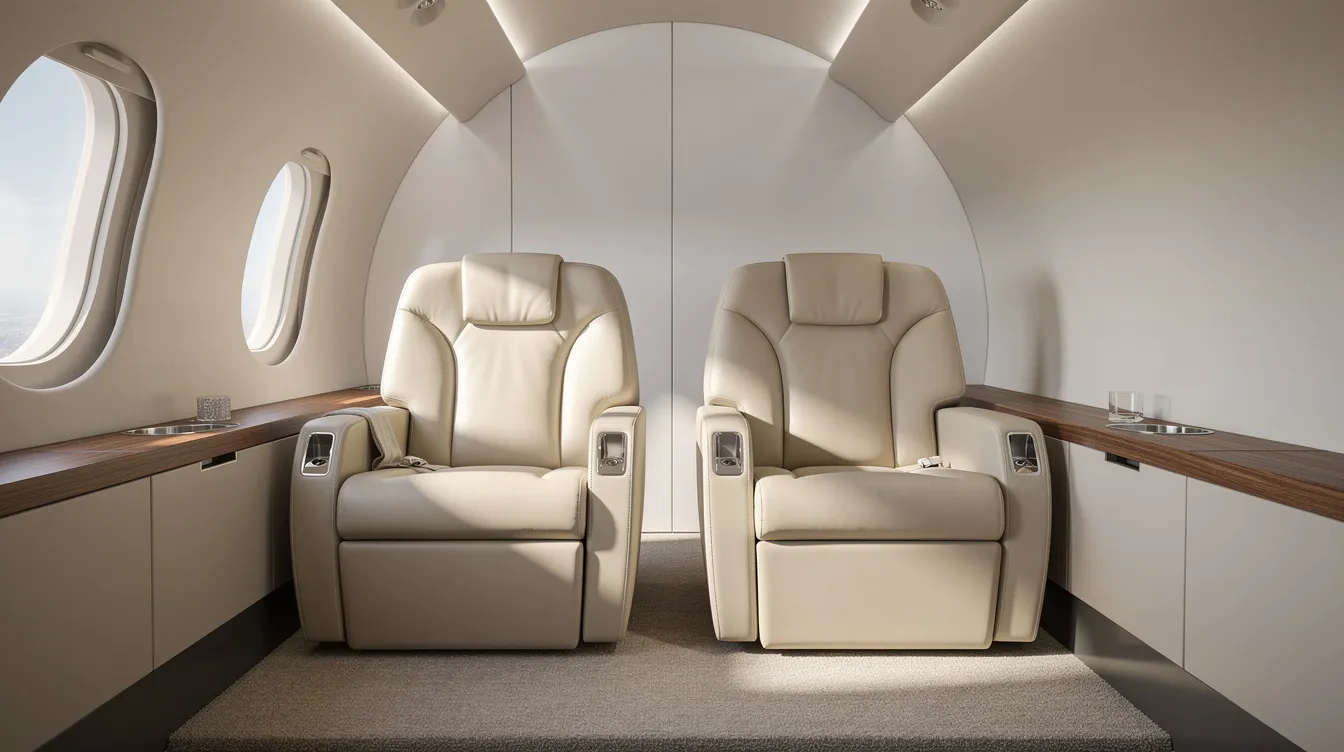
Cabins vary, but light jets often include club seating, power outlets, Wi-Fi options, a belted lavatory seat or fully enclosed lavatory, and quieter interiors for calls or focused work. For 1–3-hour missions, cabin comfort can be as important as cruise speed.
Most VLJs and light jets are not built for routine nonstop ocean crossings. Small jets have a maximum range of 1,500 to 2,000 nautical miles, making them suitable for short-haul or mid-range domestic hops.
When small private jets cross the North Atlantic, ferry crews may route through Canada, Greenland, Iceland, and Scotland. That is a specialized operation, not a normal executive travel solution.
For regular transatlantic travel, midsize or large business jets with 3,000+
The Cirrus Vision Jet is considered one of the cheapest private jets on the market, with a new price of around $3.3 to $3.5 million. It offers single-engine jet performance, advanced safety features like the airframe parachute system, and is ideal for owner-pilots seeking an accessible entry into private jet ownership.
Small jet planes can save travelers 4 to 6 hours per round trip on routes such as New York to Miami by avoiding airport security lines, layovers, and connecting flights. Additionally, they provide access to over 5,000 smaller airports that commercial airlines cannot serve, enhancing travel flexibility and efficiency.
Most Very Light Jets (VLJs) and light jets have a maximum range of approximately 1,200 to 2,000 nautical miles, which is insufficient for nonstop transatlantic flights. Ferry flights across the North Atlantic are possible with multiple stops, but regular transatlantic travel typically requires midsize or larger business jets with longer range capabilities.
Operating costs vary by aircraft type but generally range from $1,000 to $2,200 per flight hour for Very Light Jets and light jets. These costs include fuel, maintenance, insurance, hangar fees, and crew salaries. VLJs tend to have lower operating costs due to their efficiency and single-pilot certification.
Ownership becomes financially viable for travelers flying more than 200 to 300 hours annually, offering full control and customization. For those flying fewer than 100 hours per year, chartering or jet card programs typically provide more cost-effective and flexible access to private aviation without the responsibilities of ownership. The general rule of thumb in aviation is that if you or your executives fly less than 350 to 400 hours annually, chartering or leasing is usually more cost-effective, though frequent flyers should still model the overall cost of fractional jet ownership using a detailed fractional ownership cost breakdown.
Modern small jets often include advanced avionics with synthetic vision, weather radar, autoland systems, and envelope protection. The Cirrus Vision Jet uniquely features the Cirrus Airframe Parachute System (CAPS) and Safe Return autoland technology, enhancing safety for owner-pilots and passengers alike.
Small jet planes usually seat between 4 and 8 passengers, depending on the model. Personal jets like the Cirrus Vision Jet seat up to 5 adults plus children, VLJs typically accommodate 4 to 6 passengers, and light jets can carry 6 to 8 passengers comfortably with additional cabin amenities.
Fractional jet ownership allows multiple owners to share the costs and usage of a single aircraft, providing predictable access without the full financial burden of sole ownership. It offers flexibility, priority scheduling, and professional management, making private jet travel more accessible for those flying 25 to 150 hours annually, especially through structures like 1/8 fractional jet ownership with about 100 hours.
Small jet planes offer a transformative approach to private aviation, combining efficiency, flexibility, and advanced safety features that cater to the needs of modern travelers. Whether you are an executive seeking to reclaim valuable time, a business owner needing reliable regional access, or a family desiring seamless travel, these aircraft deliver unmatched convenience and control.
Fractional jet ownership stands out as a smart solution for those flying between 25 and 150 hours annually. It allows you to enjoy the benefits of private jet ownership—such as guaranteed availability, customized aircraft selection, and professional management—without the full financial and logistical burdens of sole ownership. By sharing costs with other owners and relying on a well-structured aircraft fractional ownership contract framework, fractional programs make private aviation more accessible and predictable.
For those interested in exploring how fractional ownership can enhance your travel experience, FractionalJetOwnership.com offers expert guidance and tailored solutions. Their team helps match you with the right aircraft and ownership model to fit your unique mission profile and budget, while helping you interpret essential contract terms in fractional jet ownership before you sign.
Ready to explore the smarter way to fly private? Visit FractionalJetOwnership.com to learn how fractional ownership can transform your travel experience, providing flexibility, efficiency, and peace of mind on every flight.
