
May 2, 2026
Executives, high-net-worth individuals, and corporate travel managers are increasingly seeking efficient, flexible, and cost-effective solutions for private air travel. For these decision-makers, understanding the jet business—especially the evolving landscape of fractional jet ownership—is crucial. The ability to access thousands of regional airports, maintain schedule control, and ensure enhanced privacy can directly impact operational efficiency, cost management, and the overall travel experience.
This article is designed specifically for executives, high-net-worth individuals, and corporate travel managers who are evaluating private aviation options. Understanding the structure of the jet business and the nuances of fractional ownership is essential for making informed decisions that align with your organization’s or personal travel needs.
This article covers the structure of the jet business, key access models, cost considerations, and how fractional ownership is changing private aviation. Whether you are new to private aviation or looking to optimize your current travel strategy, this guide will help you make informed decisions.
The global private aviation market continues its structural expansion, with more than 23,000 business aircraft in operation worldwide and forecasts predicting 8,500 new business jet deliveries worth $280 billion over the next decade. Demand for business jets remains structurally higher than pre-pandemic levels, driven by executives who discovered the operational advantages of bypassing commercial aviation bottlenecks.
The jet business encompasses far more than aircraft manufacturing. It includes buying, selling, chartering, and sharing corporate jets for high-net-worth individuals and corporations seeking schedule control and access to approximately 5,000 smaller regional airports—compared to about 70 major hubs served by commercial airlines. BlackJet Fractional Jet Ownership operates within this ecosystem as a specialized provider focused on fractional jet ownership and membership programs, not ad-hoc brokerage or aircraft sales.
Shifting travel patterns since 2020 have driven demand for private aviation solutions among travelers logging 25–150 flight hours per year. For newcomers, a clear glossary of fractional jet ownership terms and concepts helps decode how these programs work. Here’s how private flyers typically access jets today:
On-Demand Charter: A pay-as-you-go model where clients book specific trips through brokers or operators without long-term commitments.
Jet Cards: Users prepay for a block of flight hours or pay a recurring fee for guaranteed access to a fleet at fixed hourly rates.
Fractional Ownership: Equity-based ownership of an aircraft share with guaranteed hours and predictable costs.
Full Ownership: Individuals or corporations purchase an entire aircraft, providing total operational control but requiring significant capital for purchase, maintenance, and crew staffing.
Traditional jet brokerage operates through both digital platforms and physical showrooms. The Jet Business, recognized as the world’s first street-level aviation showroom for corporate jet aircraft, is located in London and allows clients to experience a full-size Airbus Corporate Jet ACJ319 interior cross-section mockup—enhancing the buying process beyond photographs and specifications. The showroom features an advanced library of jet model data, including schematics, images, videos, and real-time product statistics, which are shared with customers through a large video wall. Steve Varsano developed this concept to create a tangible aircraft evaluation experience.
The full transaction lifecycle for a private owner involves:
Sourcing new aircraft or pre-owned inventory and conducting due diligence.
Pre-purchase inspections, negotiation, contracts, and closing.
Ongoing management: specialized firms manage planes for owners, handling maintenance, pilot recruitment, and regulatory compliance.
Revenue generation: operators often run flights under FAR Part 135 (charter) to generate revenue when the owner is not using the jet.
Success in the aviation business often relies on offsetting fixed costs through smart charter placements when the aircraft is idle. However, most individuals and companies flying under 150–200 hours a year rarely benefit from whole-aircraft ownership. An owned jet typically needs to fly at least 800 hours annually to be profitable—a threshold most private owner operations never reach.
Fractional ownership of aircraft involves an individual or corporation that pays an upfront equity share for the cost of an aircraft, allowing them to share overhead costs such as flight crew and maintenance with other owners. Many programs use a floating fleet fractional ownership model, where owners access a pool of aircraft rather than a single tail number. In fractional ownership, if four parties are involved, a partner would pay one-fourth of the aircraft price, becoming an equity owner entitled to a certain number of hours of flight time on that aircraft or any comparable aircraft in the fleet.
BlackJet’s Equity Fleet model provides equity-based ownership with predictable access, tailored aircraft selection, and potential tax advantages under U.S. and local regulations. Unlike an ad-hoc charter, fractional ownership delivers distinct benefits when compared with private jet membership-style access programs:
Access Model | Commitment | Hourly Cost Structure | Availability Guarantee |
|---|---|---|---|
On-Demand Charter | None | Variable market rates | Subject to availability |
Jet Card | Prepaid hours | Fixed hourly rate | Fleet-dependent |
Fractional Ownership | 3-5 year term | Occupied hourly + management fee | Contractually guaranteed |
Full Ownership | Indefinite | All costs borne by the owner | Complete control |
The pay-as-you-fly model resembles the business model used by commercial airlines, where a client only pays for the flights they use, but it can be challenging for clients to secure flights due to high demand and bookings.
Fractional ownership involves several cost components, and understanding how fractional jet ownership is financed and structured, as well as the broader cost of fractional jet ownership, is essential before committing capital:
Initial share acquisition: Capital investment for 1/16, 1/8 fractional jet ownership arrangements, or 1/4 share of an aircraft.
Monthly management fee: Covers crew salaries, training, insurance, and administrative overhead.
Occupied hourly rate: Charged per flight hour, typically including standard fuel and maintenance reserves.
Variable fees: De-icing, international handling, catering, and fuel surcharges when applicable.
Scheduling operates through booking windows—typically 24–72 hours for standard periods—with same-day availability possible depending on fleet positioning. Interchange across aircraft types allows owners to fly light, midsize, or super-midsize jets based on mission requirements.
Contract terms usually run 3–5 years, with residual value and exit options structured through remarketing, selling your fractional jet ownership share, or buyback arrangements. Understanding the essential contract terms in fractional jet ownership and reviewing an aircraft fractional ownership sample contract is crucial before signing. BlackJet Fractional Jet Ownership manages these complexities on behalf of clients, converting them into predictable, contract-based commitments.

BlackJet’s Reserve Fleet offers non-equity, pay-as-you-go access for flyers seeking flexibility without ownership. Reserve Fleet programs typically charge fixed hourly rates by aircraft category with minimal usage expectations.
Program | Equity Required | Best For | Flexibility |
|---|---|---|---|
Equity Fleet | Yes | 75–150 hours/year | Priority scheduling, ownership benefits |
Reserve Fleet | No | 25–75 hours/year | Maximum flexibility, no capital commitment |
Usage scenario: A CEO flying 30 hours per year benefits from Reserve Fleet flexibility, while a regional executive team logging 120 hours annually gains predictability through Equity Fleet ownership.
Category | Seats | Range | Example Aircraft | Ideal Mission |
|---|---|---|---|---|
Very Light Jet | 4–6 | 1,200 nm | Embraer Phenom 100 | Regional hops |
Light Jet | 6–8 | 1,800 nm | Embraer Phenom 300 (2009) | Short-haul business |
Midsize | 7–9 | 2,500 nm | Cessna Citation Latitude (2015) | Transcontinental |
Super-Midsize | 8–10 | 3,500 nm | Bombardier Challenger 350 | Coast-to-coast |
Large-Cabin | 12–19 | 7,500+ nm | Gulfstream G650ER (mid-2010s) | Transatlantic, global |
High demand is anticipated for ultra-long-range jets that offer non-stop global travel without refueling. At the same time, modern turboprops like the TBM 850 in fractional ownership structures can provide efficient lift on shorter missions. The average age of parked aircraft is rising, forcing operators to keep older planes in operation for longer periods—making new aircraft acquisition increasingly competitive.
Super-midsize and large cabin jets serve as the backbone of corporate travel for routes like New York–Los Angeles, New York–London, or Dubai–London nonstop, with aircraft such as the Falcon 2000EX super midsize jet offering an attractive balance of range, comfort, and operating cost. As of 2024–2025, new aircraft pricing ranges from approximately $22–35 million for super-midsize to $45–75+ million for large-cabin and ultra-long-range models.
There is a record backlog of around 17,000 aircraft, with lead times stretching up to 24 months due to component shortages. This supply constraint makes fractional ownership particularly attractive: spreading high capital costs across multiple parties while maintaining guaranteed access to in-demand aircraft types.
The main cost drivers in private jet operations include, and for many clients evaluating fractional jet ownership as an investment, these expenses determine whether share-based access makes long-term financial sense:
Acquisition and depreciation: Capital costs and asset value decline.
Maintenance: Scheduled inspections, engine overhaul cycles, and unscheduled repairs.
Crew: Pilot and flight attendant salaries, training, and benefits—supported by highly trained pilots and cabin crews in fractional programs.
Fuel: Fluctuating fuel prices can account for over 30% of operating expenses.
Hangar and insurance: Fixed monthly costs regardless of utilization.
Rising expenses are compounded by a critical shortage of technicians and pilots, creating a competitive hiring market. Prospective clients comparing the best fractional jet ownership programs must weigh how providers handle these headwinds while maintaining reliability. Geopolitical conflicts and new environmental taxes threaten to disrupt operations and raise regional costs. Shifting political landscapes are introducing operational, regulatory, and supply chain risks across the market.
Fractional providers generate revenue through hourly fees, management fees, share sales, and occasional aircraft remarketing, all of which factor into the total cost of fractional jet ownership from a client’s perspective. AI is critical for optimizing routes, reducing empty leg flights, and predictive maintenance—helping operators maintain profitability despite cost pressures.
Fractional jet ownership may offer tax advantages under U.S. regulations, including potential eligibility for accelerated depreciation when a jet share is used for business purposes. Ownership structure—whether corporate entity or individual—affects tax treatment, record-keeping requirements, and potential deductions, making it essential to understand the tax implications for fractional jet owners and the essential liability coverage in fractional jet ownership.
BlackJet coordinates with client legal and tax teams to ensure Equity Fleet structures align with corporate and financial strategy. Clients should consult qualified tax advisors for guidance specific to their state and situation.
Modern fractional programs provide scheduling through dedicated teams and app-based platforms. Typical notice requirements range from 24–72 hours for standard periods, with peak days requiring additional advance notice.
Providing access to over 5,000 airports and the ability to modify itineraries instantly is a primary selling point in the industry, whether serving major hubs or regional markets like fractional jet ownership in Pittsburgh. Maintaining impeccable safety records and adhering to FAA or EASA standards is essential for building trust and managing insurance costs.
BlackJet leverages both its Equity Fleet and Reserve Fleet, along with partner operators, to provide consistent coverage across North America and key global routes, giving clients the ability to compare fractional jet ownership programs and access models based on their flying profile. When primary fleet types are unavailable, substitution aircraft are sourced from vetted partners meeting equivalent safety standards.
Dedicated crew briefing and personalized service
Cabin configurations optimized for work and rest
Direct routing to secondary cities not served by airlines
Time savings of 2–4 hours per trip through smaller airport access
Consistent aircraft standards across the fractional fleet
Seamless, app-based booking
High-speed Wi-Fi connectivity to ensure the cabin operates as a productive work environment
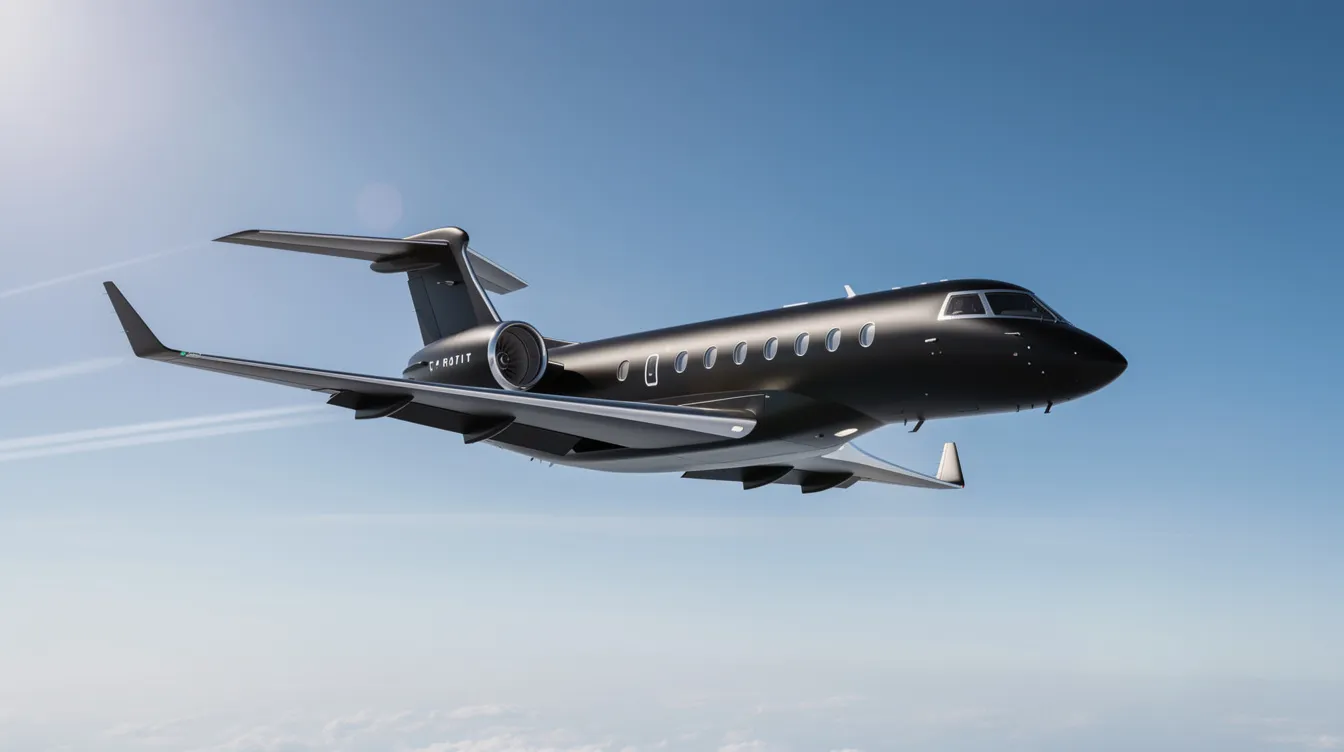
Private aviation faces legitimate environmental scrutiny. Industry responses include the adoption of Sustainable Aviation Fuel, newer aircraft with more efficient engines, and carbon offset programs. However, the adoption of SAF is challenged by cost and limited supply—Sustainable Aviation Fuel is projected to increase costs, remaining roughly $8.50 more per gallon than conventional fuel.
Key regulatory trends include the EU’s climate neutrality goal for 2050 and its 2030 greenhouse gas reduction targets. Right-sizing aircraft through fractional and membership programs—matching mission to jet type and range—can reduce wasted capacity and unnecessary emissions.
BlackJet evaluates aircraft and partners with sustainability considerations, prioritizing newer, fuel-efficient models where available.
Digital tools are transforming how clients evaluate and book private jets. Fleet apps, real-time availability dashboards, and interactive configurators support faster decision-making. While some companies maintain physical showrooms and mockups, much of the modern process relies on virtual cabin tours and transparent online pricing estimates.
BlackJet uses technology to simplify complex choices—aircraft type, share size, route planning—and provides clear analytics on clients’ historic and projected flying patterns. Over the next 5–10 years, expect continued integration of AI for demand forecasting and operational efficiency.
Demand for short-haul, regional trips is increasing, particularly in India, Australia, and the Middle East. In the U.S., localized demand centers such as fractional jet ownership in Atlanta showcase how regional hubs are adopting share-based access models. Rapid expansion in the Asia-Pacific region is contributing to industry growth, with India’s market expected to approach $1 billion by the end of 2026.
Hours Flown per Year | Recommended Access Model | Key Benefits |
|---|---|---|
Under 25 | On-demand charter | Maximum flexibility, no commitment |
25–150 | Fractional ownership or Reserve Fleet membership | Cost predictability, access to fleet, and flexibility |
Over 200 | Full ownership with professional management | Total control, potential for cost efficiency |
Review your last 12–24 months of travel data—routes, frequency, passenger counts—and model different scenarios with BlackJet’s advisory team. The Equity Fleet suits clients seeking ownership benefits and tax advantages, while the Reserve Fleet serves those prioritizing flexibility
The jet business has evolved beyond a service reserved for Fortune 100 companies. Fractional ownership now makes predictable private aviation accessible to executives, family offices, and growing enterprises across South America, the UK, and beyond.
Schedule a consultation with BlackJet Fractional Jet Ownership to review your flight profile, cost expectations, and aircraft preferences. Visit FractionalJetOwnership.com for detailed program information, sample pricing, and educational resources. Whether you’re exploring private aviation for the first time or optimizing an existing flight department, BlackJet serves as a trusted advisor—simplifying decisions and delivering results that align with how you actually fly.
Ready to explore the smarter way to fly private? Contact BlackJet today and discover how fractional ownership can transform your travel experience.
The jet business is rapidly evolving, with fractional jet ownership emerging as a practical, cost-effective solution for executives and high-net-worth individuals seeking flexible, reliable private aviation. By sharing ownership costs and accessing a diverse fleet, fractional owners enjoy schedule control, access to thousands of airports, and predictable expenses without the complexities of full ownership. BlackJet Fractional Jet Ownership stands out by offering tailored Equity and Reserve Fleet programs designed to fit varying travel needs and budgets.
As private aviation continues to grow globally, especially in dynamic markets like the United States and Asia-Pacific, understanding the nuances of fractional ownership is essential for making informed travel decisions. Whether you seek the benefits of equity ownership or the flexibility of membership-style access, fractional ownership provides a modern means to elevate your travel experience while managing costs and operational demands.
Ready to explore the smarter way to fly private? Visit FractionalJetOwnership.com to learn how fractional ownership can transform your travel experience and connect with BlackJet’s expert advisors for a personalized consultation.
