
May 2, 2026
Selecting the right private jet charter company can mean the difference between seamless business travel and frustrating delays. This guide ranks the leading US private jet operators using 2023–2025 industry data, then introduces a strategic alternative for frequent flyers who want more than one-off bookings can deliver.
This article profiles America’s top private jet charter companies based on fleet size, departure volumes, safety certifications, and market presence—then contrasts them with fractional jet ownership models like those offered by BlackJet Fractional Jet Ownership.
NetJets, Flexjet, Vista Global, Wheels Up, and Jet Linx dominate US private aviation by fleet size, departures, and overall market share.
Charter rates typically range from approximately $2,500 to $15,000+ per flight hour, depending on aircraft category and mission profile.
Many leading private jet companies now combine on-demand charter, jet card programs, and fractional aircraft ownership to provide flexible access.
Platforms like Jettly, PrivateFly, and Victor act as intermediaries, sourcing aircraft from various operators for one-off trips, providing the most flexibility for occasional flyers, as there are no long-term contracts.
Sentient Jet, Wheels Up, and Magellan Jets offer programs where you prepay for blocks of hours at fixed rates, ideal for those flying 25–50 hours per year who want predictable costs without ownership.
Membership in private jet programs is commonly required for accessing specific pricing and services, providing additional perks such as 24-hour concierge services and discounted pricing.
BlackJet Fractional Jet Ownership serves as a strategic alternative for US travelers flying 25–150 hours per year who want predictable access and ownership-style benefits instead of relying solely on charter services.
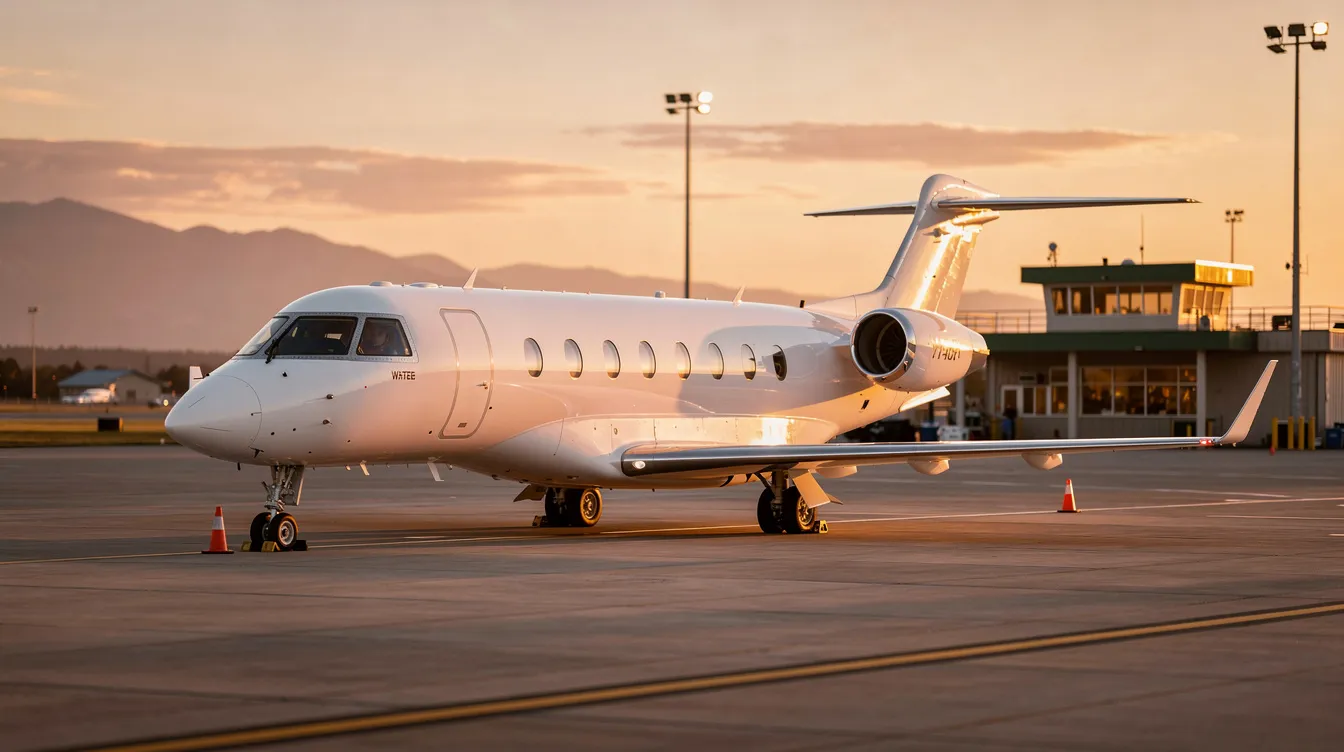
Private jet users in the United States often save two to four hours per trip compared with commercial airlines. This efficiency stems from streamlined boarding, direct routing, and access to more than 5,000 general aviation airports versus roughly 500 served by commercial carriers.
For senior executives and business owners, private aviation converts travel time into productive working time and allows them to experience private aviation as a seamless blend of luxury and convenience. Those flying several times per week can reclaim 40 or more hours monthly—time that would otherwise disappear in security lines, layovers, and indirect connections. This makes fractional jet ownership as an investment in productivity and flexibility worth evaluating.
There is an important distinction between occasional leisure travelers who charter a few times per year and high-frequency flyers who benefit more from structured solutions. The latter group often finds that jet card programs or fractional ownership deliver better value than repeated ad-hoc bookings.
Three primary access models exist in US private aviation: on-demand charter services, jet card and membership programs, and fractional jet ownership.
Platforms like Jettly, PrivateFly, and Victor exemplify the on-demand model. They offer maximum flexibility for occasional flyers by sourcing aircraft from multiple operators without long-term contracts.
Jet card and membership programs, offered by providers such as Sentient Jet, Wheels Up, and Magellan Jets, require prepaid blocks of flight hours at fixed rates. These deliver predictable costs and priority access for those flying 25–50 hours annually.
Fractional jet ownership programs for smart investors suit frequent travelers seeking guaranteed availability and ownership benefits without full aircraft responsibilities.
The following sections profile the top 10 US private jet charter companies, then compare those models to BlackJet’s fractional jet ownership programs, including its Reserve Fleet and Equity Fleet options.
The rankings below are informed by fleet size, 2023–H1 2025 departure data, safety certifications, and strength of US market presence. Industry reports confirm that NetJets controls roughly three times the market share of its nearest competitor in North American private aviation.
All listed charter companies either operate as FAA Part 135 operators themselves or rely on vetted Part 135 partners for legal for-hire operations. Part 135 charter operators are subject to more stringent regulatory oversight than Part 91 operations, including limitations on crew duty hours and mandatory crew resource management training, which together enhance safety and operational discipline.
Several brands—including NetJets, Flexjet, Vista Global, and Wheels Up—also offer jet cards, fractional ownership, or membership-based models alongside traditional charter.
This top 10 list focuses on providers with strong US coverage and brand recognition among business executives seeking private flights, many of whom use floating fleet fractional ownership options to balance flexibility with cost efficiency.
NetJets stands as the world’s largest private jet operator and remains the first private aviation company to pioneer fractional aircraft ownership when it launched in 1964. Now owned by Berkshire Hathaway, NetJets operates approximately 780 aircraft across five jet classes, serving more than 12,500 fractional owners globally.
Over 190,000 North American departures in H1 2025
More than 600,000 charter hours logged in 2023—nearly three times the volume of its closest competitor
Service to more than 40 Fortune 100 companies
NetJets offers three primary access models: fractional share purchases, lease agreements, and jet card flights with prepaid hours. All programs provide guaranteed availability within defined call-out windows, typically 10–24 hours, but prospective owners should also consider fractional jet ownership financing, costs, and benefits before committing capital.
Core strengths for US travelers include unmatched network scale, high dispatch reliability, and a strong safety culture. The trade-off involves higher capital commitments for fractional ownership compared with ad-hoc charter, often millions of dollars for entry-level shares.
Safety certifications held by NetJets and other top operators include the gold standards ARGUS Platinum, Wyvern Wingman, and IS-BAO Stage 3, in addition to mandatory FAA Part 135 certification. Pilot qualifications typically require both pilots to hold Airline Transport Pilot (ATP) certificates and have significant flight hours—often 3,000+—in the specific aircraft model chartered, while fractional owners should also understand tax implications for fractional jet owners when evaluating different access models.
Flexjet has emerged as a major US fractional aircraft ownership provider, accelerating growth since its acquisition by Directional Aviation in 2013. The company operates a substantial business jet fleet, including popular models like the Gulfstream G650, Bombardier Challenger series, and modern midsize jets.
Recent data shows approximately 78,322 North American departures in H1 2025, reflecting 17.5% year-over-year growth. This positions Flexjet among the largest private jet operators serving transcontinental and transatlantic missions.
Flexjet’s main offerings include fractional ownership, leasing programs, and jet card-style products—all positioned at the higher end of the market. The company targets Fortune 500 corporations and ultra-high-net-worth families who prioritize premium service and refined in-cabin experiences.
Dedicated owner support teams and personalized service distinguish Flexjet, though clients should expect longer-term contractual commitments similar to other fractional models.
Vista Global serves as the holding company for VistaJet and XO, maintaining a strong US presence through acquisitions such as Jet Edge, Air Hamburg, Apollo Jet, and Talon Air. These strategic acquisitions have expanded Vista Global's global fleet and international service capabilities, positioning the company as a key player in the private aviation market. The company emphasizes technology-enabled booking across its global network.
Vista’s ecosystem provides access to more than 2,000 safety-vetted aircraft worldwide, serving approximately 1,900–2,400 airports. Vista Global's global fleet enables seamless service for clients worldwide, offering a diverse range of private jets to meet international travel needs. VistaJet offers a global flight-hour program with guaranteed availability and fixed hourly rates, while XO provides on-demand charter and membership options through its mobile app.
Digital advantages include instant pricing, real-time aircraft options, and the ability to book both whole-aircraft charters and shared flights via the XO platform. The Vista Members fleet extends reach for international travel and ultra-long-range jets.
Vista Global has also implemented sustainability initiatives, including carbon-offset programs and sustainable aviation fuel (SAF) usage, appealing to ESG-focused US corporate clients seeking to balance private jet travel with environmental responsibility.
Wheels Up operates as a US-focused private aviation brand built around membership-based access to a large fleet of owned and partner aircraft. The company provides access to hundreds of aircraft plus an extensive network of 1,500+ partner jets.
Fleet coverage spans light jets, midsize jets, and large cabin jets for domestic routes and near-international trips. The core membership model requires an annual fee plus hourly rates, delivering benefits like guaranteed aircraft availability, capped dynamic pricing, and access to empty leg flights.
An integrated mobile app supports flight quoting, booking, and account management—designed to make private flight booking feel similar to consumer travel apps. This approach reduces friction for business executives accustomed to digital-first experiences.
Wheels Up attracts US-based flyers who want membership benefits and predictable access but are not ready for the capital commitments of traditional fractional jet ownership. It bridges the gap between on-demand charter services and full ownership.
The company’s prepaid block hour programs are ideal for those flying 25–50 hours annually who desire cost predictability without ownership.
Jet Linx operates a distinctive “local base” model with more than 20 private terminal locations across the United States. Each base provides a dedicated local team and private terminal experience, giving clients the feel of a personalized home base rather than a large, anonymous network.
The company offers aircraft management, jet card programs with fixed hourly rates, and co-ownership options for aircraft owners who want professional management and potential charter revenue. This appeals to those seeking executive jet management without full operational responsibility.
Fleet access includes light, midsize, and large-cabin jets through managed aircraft and partner operators. Jet Linx logged approximately 32,846 flight hours in recent industry rankings.
US clients who value local relationships and consistent service standards in specific markets like Dallas, Denver, and Omaha often choose Jet Linx over providers emphasizing global branding, while those in leisure-focused regions may look to Orlando fractional jet ownership solutions for shared-access options.
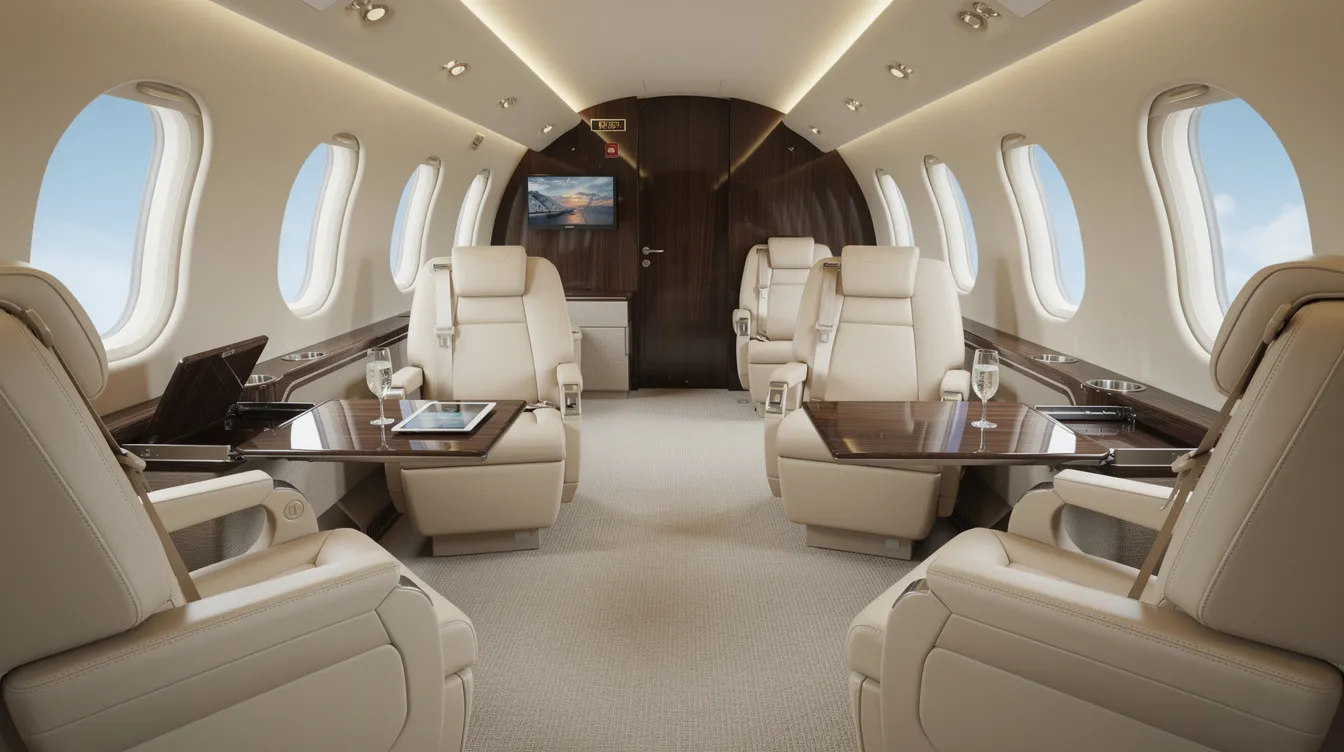
Magellan Jets operates as a Boston-based private aviation company using a network model, sourcing aircraft from an audited group of independent operators rather than owning a large fleet directly. This approach provides flexibility while maintaining quality standards.
The company emphasizes personalized service through dedicated Private Aviation Advisors who help clients tailor jet card and on-demand solutions to their specific travel patterns. This advisory approach distinguishes Magellan from transactional booking platforms.
Flagship products include the Business Jet Card and premium jet card options, which typically offer guaranteed availability within set call-out times and no blackout dates for qualifying members. The company maintains strict internal standards for aircraft and crew selection, supplemented by third-party audits through ARGUS and Wyvern.
US executives often choose Magellan Jets when seeking jet card predictability without fractional aircraft ownership responsibilities. The tailored solutions work well for those with varied travel patterns, while frequent travelers in growing markets such as Austin fractional jet ownership programs may prefer equity-based access.
Sentient Jet, founded in 1999, pioneered the 25-hour jet card concept that has become an industry benchmark. This innovation established a new access model between full fractional ownership and pure on-demand charter.
The company offers category-based jet cards covering light, midsize, super midsize, and large-cabin aircraft categories with fixed hourly rates and guaranteed availability for cardholders. As part of the Flexjet family, Sentient Jet benefits from shared operational resources, safety infrastructure, and buying power, while prospective owners comparing equity options should review essential contract terms in fractional jet ownership before signing.
This model suits US travelers flying 25–75 hours annually who want predictable pricing and access without equity or long-term ownership contracts. The program offers transparency without hidden fees, whereas shared-equity buyers need to pay close attention to the aircraft fractional ownership contract structure.
Sentient’s reputation rests on transparent terms, 24/7 client support, and operational excellence maintained through multiple aviation market cycles—making it a consistent choice among frequent flyers.
Clay Lacy Aviation stands as a Los Angeles-based pioneer with more than 50 years in business aviation. The company holds the distinction of introducing the first business jet fleet in the Western United States.
Clay Lacy manages a diverse fleet of business jets for owners and offers on-demand charter primarily across the US, with a strong presence on the West Coast and growing East Coast footprint. Notable innovations include early adoption of high-speed Wi‑Fi across its managed fleet and leadership in sustainability through carbon-neutral facilities, while emerging Pittsburgh fractional jet ownership options illustrate how regional markets are adopting similar access models.
The company appeals to aircraft owners seeking robust management and charter revenue, as well as charter clients prioritizing experience and safety in major US business markets. Ground transportation coordination and personalized service enhance the overall travel experience.
For US clients who value customized trips and high-touch service more than rigid membership structures, Clay Lacy Aviation delivers a boutique approach to luxury private aviation.
flyExclusive has emerged as a fast-growing US Part 135 operator based in North Carolina, operating a large owned fleet of light, midsize, and super midsize jets. The company’s growth trajectory has attracted attention from value-conscious travelers.
Access options include on-demand charter, jet club programs similar to jet cards, and fractional ownership shares introduced in the mid-2020s. The fleet features popular models like the Citation X, Citation Excel/XLS, and Embraer Phenom series.
In-house maintenance helps control quality and minimize aircraft downtime—a factor that affects aircraft utilization and reliability. flyExclusive emphasizes straightforward pricing, targeting travelers who want US-wide coverage at competitive hourly rates.
The brand serves corporate and leisure clients flying domestic US routes who seek a balance of dedicated fleet operations and cost efficiency without premium pricing typical of larger jet charter companies, similar to how Phoenix-based fractional jet ownership models appeal to value-conscious travelers in the Southwest.
Jettly functions as a technology-driven private jet charter marketplace, recognized for its transparent, commission-free pricing and 'click-and-book' efficiency, providing access to over 20,000 aircraft worldwide—including thousands accessible from US airports. The platform operates similarly to an “Expedia for private jets.”
Users can compare on-demand charter flights via web and app interfaces with upfront pricing. Jettly offers membership tiers, jet cards, and even access to fractional ownership and leasing options—serving a wide range of clients from business executives to specialized travelers.
Because Jettly relies on a broad operator network, it can present many aircraft choices for US-origin trips, but does not control the aircraft directly like traditional fleet operators. This provides flexibility but variable consistency.
Jettly’s strength lies in booking transparency and flexibility, whereas consistent cabin experience and standardized service depend on the underlying charter operators. It works well for travelers comfortable navigating options across multiple charter companies.
The top US private aviation brands generally use three main access models, each suited to different travel patterns and budget preferences. It's important to understand fractional jet ownership vs membership programs before you commit.
Access Model | Best For | Typical Commitment | Key Benefits |
|---|---|---|---|
On-Demand Charter / Demand Private Jet Charter | Occasional travelers (< 25 hrs/year) | None | Pay-per-flight flexibility |
Jet Card/Membership | Moderate travelers (25–75 hrs/year) | Prepaid 25–200+ hours | Fixed rates, guaranteed access, and eliminates availability uncertainty during peak periods |
Fractional Ownership | Frequent travelers (50–150+ hrs/year) | Equity share purchase (multi-year contract, additional fees) | Lower hourly costs, tax benefits, and shared costs with other owners |
On-demand charter, also known as demand private jet charter, offers pay-per-flight access ideal for occasional US trips. There is no upfront commitment, but pricing can be variable, and availability may be constrained during peak demand periods like holidays or major events.
Empty leg flights: These are discounted charter flights available when a private jet is repositioning without passengers onboard. They can provide savings of up to 75% compared to standard charter rates, although availability is limited and routes are fixed.
Jet card and membership programs typically require prepaid flight hours ranging from 25 to 200+ hours. They deliver guaranteed availability, fixed or capped hourly rates, and priority service. This model helps eliminate availability uncertainty during peak travel periods and suits business travel patterns requiring predictability.
Buyers considering equity-based solutions should first understand fractional jet ownership terminology and how those programs are structured.
Fractional jet ownership enables individuals or businesses to acquire a share of an aircraft, providing access to a fleet while sharing expenses with other owners. This typically involves multi-year contracts and additional fees for maintenance and management, along with carefully structured liability and insurance coverage in fractional jet ownership, with overall economics that depend on the comprehensive cost structure of fractional ownership.
A 1/16 share typically equates to 50 hours per year.
A 1/8 fractional jet ownership share provides approximately 100 hours.
This model offers predictable access, potential tax benefits under IRS depreciation rules, and lower effective hourly costs for those who fly frequently, while also allowing owners flexibility when selling a fractional jet ownership share if their travel needs change.
BlackJet Fractional Jet Ownership positions itself within this landscape as a focused provider of fractional and shared-use private aviation solutions—an alternative to simply buying more charter or jet card hours from competitors through its Reserve Fleet, Equity Fleet, and Lease Program.
Private jet charter pricing depends on aircraft size, route length, repositioning needs, and peak-demand surcharges. Costs vary significantly across aircraft categories:
Aircraft Category | Typical Hourly Rate | Example Route |
|---|---|---|
Light Jets | $2,500–$4,000 | NYC to Washington DC |
Midsize Jets | $4,000–$7,000 | Chicago to Miami |
Super Midsize/Large Cabin | $8,000–$15,000+ | LA to New York |
Long Range/Ultra Long Range Jets | $10,000–$15,000+ | Transcontinental/International |
Landing fees: $200–$1,000
Overnight charges: $500–$2,000
Catering: $500+
De-icing: $1,000+
These ancillary costs can add 20–50% above base hourly rates on some itineraries.
Pricing transparency is vital; consumers should ensure there are no hidden fees such as fuel surcharges, catering, or overnight charges to avoid unexpected expenses. It's also important to understand the total cost of fractional jet ownership if they are comparing it with ad-hoc charter.
Jet card and membership programs smooth out pricing volatility by locking in hourly rates for a fixed term. This predictability appeals to business executives who need reliable budgeting for international flights and domestic routes alike.
For travelers consistently flying 25–150 hours per year, fractional aircraft ownership through a provider like BlackJet can reduce effective hourly costs versus repeated ad-hoc charter, often by 20–40% when accounting for all factors, as outlined in this complete guide to the cost of fractional jet ownership.
Safety and regulatory compliance are non-negotiable when selecting a private jet charter company in the United States. All for-hire operations must meet FAA Part 135 certification requirements, which govern pilot duty times, maintenance programs, and operational control.
Leading third-party safety standards used by many operators include, alongside rigorously vetted pilots and cabin crews who meet stringent training and experience requirements:
ARGUS Platinum/Gold – Independent audits of operational practices
Wyvern Wingman – Verification of safety management systems
IS‑BAO Registration – International business aviation safety standards
Technology enhances transparency and safety oversight across the private aviation industry. Real-time flight tracking, mobile booking apps, digital flight logs, and predictive maintenance systems improve dispatch reliability and client confidence.
Pilot qualifications should include both pilots holding Airline Transport Pilot (ATP) certificates and having significant flight hours, typically 3,000+, in the specific aircraft model chartered.
BlackJet partners only with rigorously vetted operators, emphasizing predictable, well-managed aircraft access rather than one-off spot charter arrangements. This approach reduces variability in service quality and safety standards.

Leading US private jet companies increasingly address environmental impact through carbon offset programs and sustainable aviation fuel (SAF) initiatives. This shift reflects growing demand from corporate clients with ESG mandates, which increasingly influences how they evaluate flexible, floating fleet fractional ownership options against traditional dedicated-aircraft models.
Several operators—including Vista Global, Clay Lacy Aviation, and others—provide opt-in or default carbon-neutral flight options. These programs typically use verified carbon credits costing $5–$15 per ton of CO2 offset.
SAF represents a lower-lifecycle-emissions alternative to conventional jet fuel, cutting emissions by 50–80% compared with traditional Jet-A. Availability is expanding at major US business aviation hubs like Van Nuys and Teterboro, though SAF currently costs two to four times more than conventional fuel.
Aircraft modernization also contributes to sustainability. Newer airframes and engines reduce fuel burn by 20–30% per seat compared with older jets. Optimized routing through modern flight planning tools can save an additional 5–10% in fuel consumption.
BlackJet’s focus on optimized fleet utilization and right-sizing aircraft to missions helps clients align private aviation with broader sustainability goals—avoiding the waste of flying an entire aircraft half-empty when smaller options exist.
The best private jet companies in the USA include NetJets, Flexjet, Vista Global, Wheels Up, and Jet Linx. These providers lead the market in fleet size, safety, and service offerings, catering to a range of travel needs from fractional ownership to jet card programs and on-demand charters.
Typically, travelers flying 50 or more hours annually benefit most from fractional jet ownership. This model offers guaranteed aircraft availability, lower hourly costs compared to charter, and ownership benefits without the full responsibilities of sole ownership.
Look for certifications such as ARGUS Platinum, Wyvern Wingman, and IS-BAO Stage 3, in addition to the mandatory FAA Part 135 certification. These third-party audits and registrations indicate rigorous safety standards and operational excellence.
Yes, on-demand charter platforms like Jettly and Victor allow booking without membership, providing flexibility for occasional flyers. However, memberships and jet cards offer benefits like guaranteed availability and fixed pricing for frequent travelers.
Red Wing Aviation is one of the operators integrated within larger private jet networks like Vista Global, enhancing fleet diversity and global reach. They contribute to expanding access and service options for private aviation clients.
Fractional ownership involves purchasing a share of an aircraft with multi-year commitments and potential tax benefits, best for frequent flyers (50+ hours/year). Jet card programs require prepaid flight hours with no equity, offering fixed hourly rates and guaranteed availability, ideal for moderate flyers (25–75 hours/year).
Yes, leading private jet companies offer sustainable initiatives such as carbon-neutral flights, carbon offset programs, and sustainable aviation fuel (SAF) usage, helping reduce environmental impact without compromising service quality.
Top-tier private jet providers maintain infrastructure to source backup aircraft immediately, minimizing travel disruptions. Confirm recovery and contingency plans with your provider before booking.
Before committing to any private aviation program, evaluate your annual flight hours, typical routes, and need for short-notice availability. Different access models suit different traveler profiles:
Occasional Flyers (<25 hours/year): On-demand charter services like Jettly or Victor offer maximum flexibility without long-term commitments. These platforms provide access to thousands of aircraft worldwide, ideal for infrequent trips where scheduling needs vary.
Moderate Flyers (25–75 hours/year): Jet card and membership programs from providers such as Sentient Jet, Wheels Up, and Magellan Jets deliver predictable costs and guaranteed availability. These programs often include perks like 24-hour concierge service and fixed hourly rates, making them well-suited for business travelers who fly regularly but do not want ownership responsibilities.
Frequent Flyers (50–150+ hours/year): Fractional jet ownership through companies like NetJets, Flexjet, or BlackJet. Fractional Jet Ownership offers the benefits of guaranteed aircraft access, priority scheduling, and potential tax advantages. This model balances the cost and operational control of ownership without the full burden of sole aircraft management.
Consider your typical trip distances as well. For domestic short-haul flights, light or midsize jets provide efficiency and cost savings. For longer transcontinental or international missions, super midsize or ultra-long-range aircraft ensure nonstop capability and comfort.
Additionally, assess whether you value exclusive lifestyle partnerships, such as those offered by Magellan Jets, which provide access to luxury yachts, resorts, and VIP events, enhancing your overall travel experience.
Ultimately, selecting the right private jet solution depends on aligning your travel frequency, mission profiles, and service preferences with the access model that delivers optimal flexibility, cost predictability, and convenience.
Ready to explore the smarter way to fly private? Visit FractionalJetOwnership.com to learn how fractional ownership can transform your travel experience.
