February 26, 2026
Urban air mobility is moving from concept to commercial reality. Often described as “the Uber of flights,” air taxi services aim to make short-distance private aviation more accessible by combining app-based booking, smaller aircraft, and point-to-point routes. The era of affordable and accessible private air travel has arrived, bringing a new level of convenience to the industry. These services are now opening private aviation to regular people, not just the wealthy, making it possible for more travelers to experience private flights. For travelers accustomed to on-demand convenience, air taxis promise faster airport transfers, reduced congestion, and a new layer of flexibility between commercial airlines and traditional private aviation, while also pointing toward the future of urban air mobility and upcoming innovations.
As interest accelerates across the United States and the global private jet market, understanding how air taxi services work—and how they compare to established private aviation models like fractional jet ownership—has become essential. Traditionally, private flights have cost thousands of dollars, making them intimidating and exclusive for most consumers. The 'Uber of flights' model aims to democratize private air travel by bypassing traditional brokers and offering upfront pricing. This guide explains air taxi concepts, pricing, partnerships, safety, and upcoming launches, while providing context for travelers evaluating long-term private aviation solutions and the investment case for fractional jet ownership.
An air taxi service is an on-demand or scheduled short-haul flight offering that uses smaller aircraft—often electric or hybrid—to transport passengers between nearby cities or from downtown hubs to major airports. These services emphasize speed, flexibility, and digital booking, positioning themselves as an alternative to ground transportation or regional commercial flights. Air taxi services are designed to reduce daily commute times for riders traveling between suburbs and city centers, helping to alleviate urban congestion and provide efficient, on-demand travel options.
Uber aims to redefine travel by developing an aerial ridesharing service between suburbs and cities. As of early 2026, Uber allows users in select cities to book helicopter and seaplane rides directly through the Uber app, making the skies friendlier and more accessible for regular people dipping their toes into private aviation. This new offering builds on Uber's earlier Uber Air initiative, which focused on developing a fleet of electric vertical takeoff and landing (eVTOL) aircraft designed to reduce noise and emissions. Uber Air has been in development in cities like Dubai, Dallas, and Los Angeles, with commercial flights expected to be available since 2023 following successful testing phases.
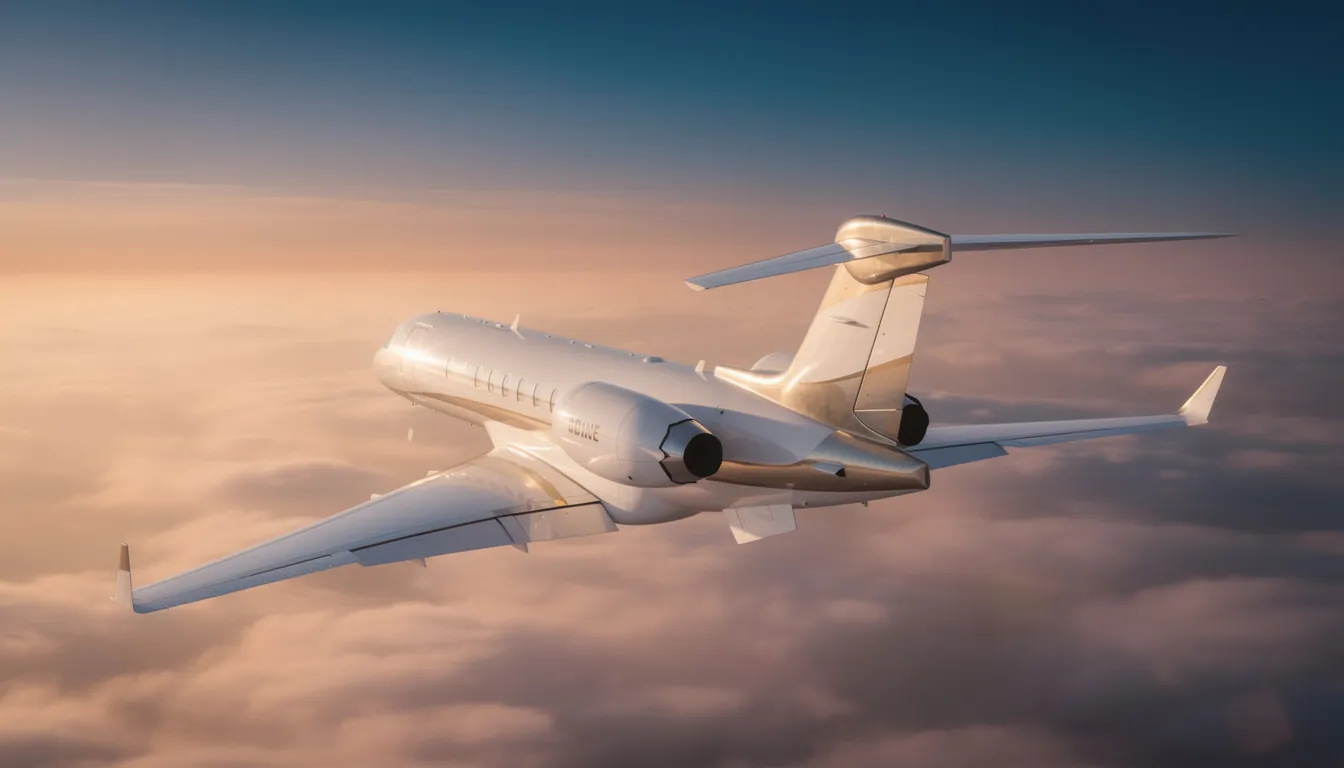
While air taxis reduce travel time on short routes, they operate within a broader private aviation ecosystem that also includes jet card programs, charter flights, and fractional aircraft ownership. Whether booking a single trip or planning a complete journey, customers benefit from the convenience and time-saving aspects of these innovative transportation options.
These apps connect users directly with certified Part 135 charter operators (FAA-certified companies authorized to provide on-demand commercial flights), reducing reliance on brokers.
Several companies are shaping the air taxi landscape through aircraft development, infrastructure partnerships, and early commercial routes:
Joby Aviation – Partnered with Uber to integrate helicopter services into the Uber app and to develop fully electric eVTOL aircraft. Joby plans to launch electric air taxi operations in 2026 in cities like Dubai and New York City. These eVTOL aircraft are designed for short urban hops, cruise at about 150 mph, and reach altitudes of 2,000 feet.
Archer Aviation – Developing eVTOL aircraft and vertiport partnerships in major U.S. cities.
Lilium – Pursuing regional electric jet services with longer-range capabilities.
Volocopter – Targeting urban air mobility routes, particularly in dense metro areas.
Blade Urban Air Mobility – Already operating helicopter-based air taxi routes between city centers and airports, now integrated with Uber's platform through Joby Aviation's partnership.
Uber Elevate, Uber's aerial ride-hailing project, was announced as part of Uber's vision for advanced air mobility, including plans for Uber Air and air taxi services. Uber is collaborating with vehicle and ecosystem partners, including NASA and the US Army Research Laboratory, to launch its aerial ridesharing service and ensure safety and efficiency. Each company approaches aircraft design, range, and commercialization differently, influencing cost, availability, and scalability.
Most air taxi services rely on a mobile-first booking experience:
Users enter origin and destination points within a defined service area and can book flights through both the Uber app and other company websites.
The app displays real-time availability, estimated flight time, and pricing, often using AI to analyze weather, group size, and historical data to recommend the best aircraft and predict price fluctuations.
Passengers select individual seats or entire aircraft, depending on service rules, and the app provides an upfront estimate of the final price, reducing uncertainty for customers.
Payment and identification verification are completed digitally before departure.
Some platforms, such as XO (formerly JetSmarter), FlyHouse, and Opes Jet, allow users to book seats or private charters instantly, with real-time bidding where aircraft owners compete for a traveler's business, often providing quotes in as little as 30 seconds. Others, like Blackbird, have operated "UberPool for planes" models that match passengers with pilots on shared routes.
This process mirrors ride-sharing platforms but incorporates aviation-specific requirements such as weight limits, weather conditions, and airspace approvals. Users can book flights directly through a smartphone app or website, making the process fast and convenient.
Electric vertical takeoff and landing aircraft are designed for short hops, low noise, and reduced emissions. They typically seat 2–6 passengers and operate from compact vertiports. The eVTOL aircraft are expected to cruise at about 150 mph and reach altitudes of 2,000 feet. Uber plans to introduce these quiet, fully electric air taxis, developed in partnership with Joby Aviation and supported by agencies like NASA.
Helicopters remain the most established air taxi platform today, especially for airport transfers. While faster to deploy, they involve higher operating costs and stricter noise regulations. Through its partnership with Joby Aviation, Uber integrates helicopter services into its app, allowing users to book these rides seamlessly.
In coastal or lake-rich regions, seaplanes offer flexible access without traditional runways, supporting niche air taxi routes in markets like Florida and the Pacific Northwest. As of early 2026, Uber also enables booking of seaplane rides directly through its app in select cities.
Air taxi pricing differs significantly from commercial airfare and traditional private jet cost structures, which require understanding the total cost of fractional jet ownership. Rates are typically calculated based on distance, time, and passenger count rather than per-seat airline pricing.
Typical pricing factors include:
Aircraft type and energy source
Route distance and demand
Time of day and weather conditions
Whether the seat or the entire aircraft is booked
Receiving an upfront estimate for the total cost before booking, so you know the final price with no hidden fees
Some platforms display prices up-front, making the cost of private travel more transparent for customers.
Most air taxi operators target pricing between premium ground transportation and charter aviation. Early projections suggest per-passenger-mile costs higher than rideshare but lower than private jet charter on short routes.
KinectAir, for example, offers private flights starting at around $111 per person without membership or transaction fees, guaranteeing that the quoted price is the price paid, with no additional charges for fuel—an important comparison point if you're evaluating fractional jet ownership financing for longer-term access. KinectAir's co-CEO aims to revolutionize the private flight market similarly to how Uber transformed taxi services.
Empty legs occur when aircraft reposition without passengers. To maximize occupancy and reduce costs, operators aim to fill empty seats on these repositioning flights, often through last-minute bookings or shared travel. Some air taxi platforms, such as KinectAir, offer discounted fares on these segments, allowing travelers to access lower prices while helping operators reduce non-revenue flights. Empty leg flights can significantly reduce the cost of private aviation, sometimes offering discounts of up to 75%.
Membership plans often include priority booking, reduced per-flight pricing, and bundled routes.
Pay-per-ride pricing offers flexibility without upfront commitments but may carry higher per-mile costs.
For frequent flyers, recurring usage often highlights the cost predictability advantages of fractional jet ownership compared to variable air taxi pricing.
Many on-demand aviation services focus on the "50-500 mile sweet spot," offering a faster alternative to driving or commercial flights for regional trips, similar in spirit to how floating fleet options in fractional ownership maximize utilization and flexibility.
Short urban hops (10–25 miles): Comparable to premium car services on a per-person basis
Regional transfers (50–150 miles): Competitive with charter flights when seats are shared; for example, a flight from New York to Boston (about 190 miles) might cost $300–$500 per seat, saving hours compared to driving
Airport transfers: Priced as a time-saving premium rather than a luxury experience
Booking a private flight typically avoids long check-in lines and TSA security checks, adding to the convenience and time savings compared to commercial airlines.
Air taxi companies increasingly partner with:
Aircraft manufacturers for fleet scalability
Infrastructure developers for vertiports and skyports
Real estate groups for rooftop and urban landing zones
These partnerships accelerate route approvals and reduce capital strain on individual operators.
Uber's partnership with Joby Aviation exemplifies this trend, integrating helicopter services into the Uber app and advancing the launch of electric air taxis. Uber is also collaborating with vehicle and ecosystem partners, including NASA and the US Army Research Laboratory, to develop and certify its aerial ridesharing fleet.
Manufacturers handle aircraft production, certification, and maintenance standards.
Operators manage pilots, scheduling, and customer experience.
Infrastructure partners provide takeoff and landing facilities compliant with local regulations.
New partnerships have unlocked pilot routes connecting:
Downtown business districts to international airports, optimizing routes based on the traveler's location and destination
Adjacent metropolitan areas within 100 miles
High-traffic tourism corridors
Several operators anticipate limited commercial launches next year, with many companies actively preparing their fleets and infrastructure for initial launches, beginning with controlled routes and small fleets before scaling service areas.
Uber Air is expected to start consumer flights in 2023 following successful testing phases. Joby Aviation plans to launch its electric air taxi operations in 2026, with a focus on cities like Dubai and New York City.
Key regulatory milestones expected next year include:
FAA and EASA aircraft type certifications
Operational approvals for urban vertiports
Pilot training and safety validation programs
Initial launches are expected in select U.S. cities, parts of Europe, and Asia-Pacific regions, with launch readiness varying by country due to regulatory and infrastructure differences, and focusing on areas with supportive regulatory frameworks.
Major metros exploring vertiport infrastructure include cities with dense business travel demand and congested ground transportation.
Short routes between neighboring cities and suburbs offer the strongest early adoption due to time savings, with airport trips being among the most popular and practical early use cases for air taxi services.
Airport transfers remain one of the most practical early use cases, especially for executives prioritizing schedule reliability.
Air taxi aircraft undergo:
Structural integrity testing
Redundant propulsion system validation
Pilot and automation safety checks
eVTOL designs focus on:
Reduced rotor noise
Electric propulsion for lower emissions
Optimized flight paths to limit urban impact
Shared routing, optimized scheduling, and empty-leg utilization aim to reduce unnecessary repositioning flights, improving operational efficiency.
Passengers may choose individual seats for cost efficiency or reserve the entire aircraft for privacy—mirroring choices found in private aviation services.
Best-in-class platforms display:
Clear fare breakdowns
Cancellation policies
Weight and baggage limits
Clear in-app guidance on baggage size, arrival timing, and security screening reduces friction for first-time flyers.
Rather than a single comparison table, air taxi services can be evaluated across key dimensions:
Price: Lower than charter on short routes but variable with demand
Convenience: Faster than ground transport; limited range compared to jets
Flexibility: App-based access but constrained by route availability
Scalability: Dependent on certification, infrastructure, and fleet growth
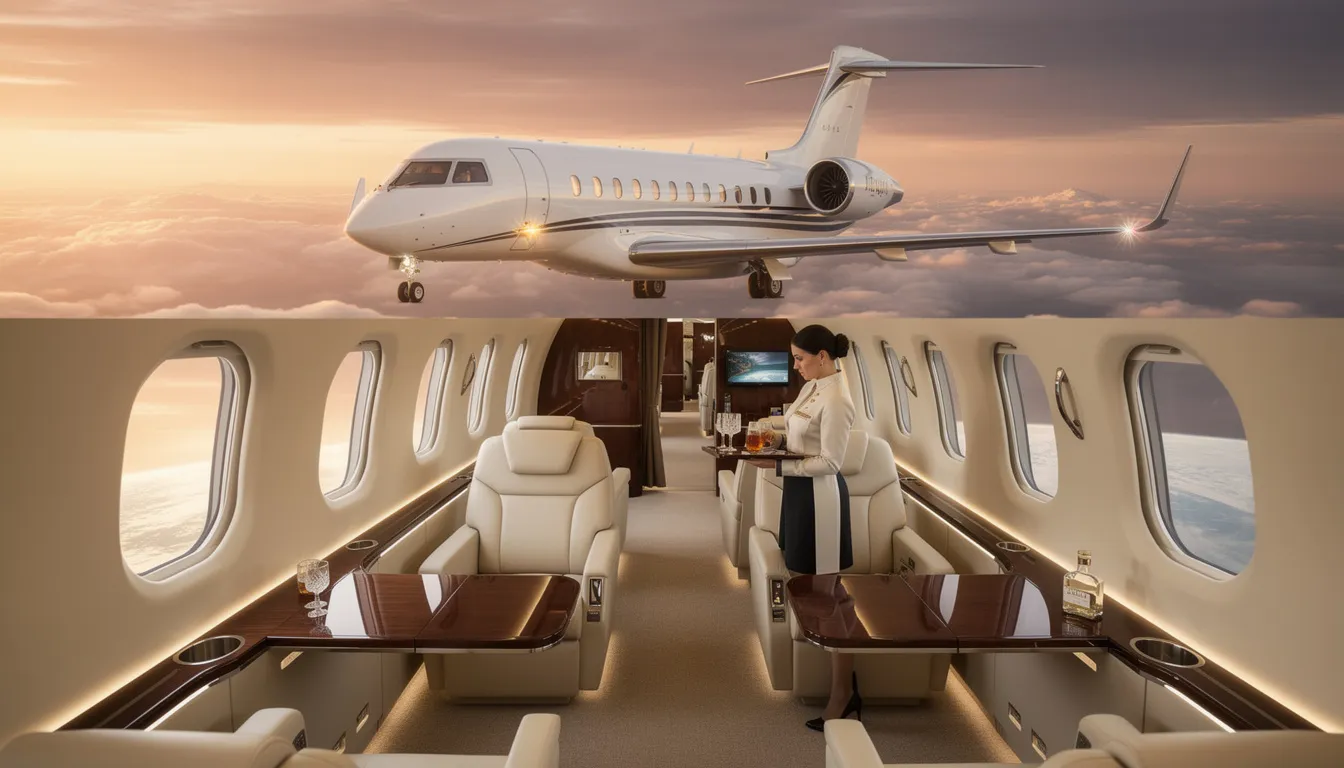
The "Uber of flights" model is making private planes more accessible, allowing regular people to dip their toes into private aviation by booking flights on demand. These services aim to make the skies friendlier and less intimidating, opening up private air travel to a wider audience. Users can now book flights directly through apps, streamlining the process and making it easier for everyone. This model also reduces friction by eliminating the need for brokers, long-term contracts, or large, upfront membership fees typical of traditional private jet companies.
For travelers flying frequently across broader geographies, fractional jet ownership—including options like 1/8th fractional jet ownership—often provides greater consistency, guaranteed availability, and long-term cost control compared to on-demand air taxi usage.
Pricing examples are introduced early to align with search intent around air taxi service cost.
FAQs addressing flight pricing and booking models support informational SEO queries.
Headings consistently reinforce the air taxi service keyword for search relevance.
Air taxi services represent an exciting evolution in short-distance air travel, blending technology, sustainability, and convenience. However, they are best viewed as a complementary option rather than a replacement for established private aviation models.
For individuals and organizations seeking predictable access, a broader range, and long-term value, fractional aircraft ownership programs continue to offer unmatched flexibility and efficiency.
Ready to explore the smarter way to fly private?
Visit https://www.fractionaljetownership.com/ or compare fractional jet ownership programs to learn how fractional ownership can transform your travel experience and provide a strategic alternative to emerging air taxi services.
