May 2, 2026
Travelers searching for United private jets are rarely looking for a specific airline product. They are looking for something more fundamental: predictable, premium private aviation that operates on their own schedule rather than a carrier’s timetable. Whether the route is New York to Chicago, Los Angeles to Aspen, or Dallas to Palm Beach, the underlying goal is the same—control over time, privacy, and the freedom to reach destinations without the friction of commercial hubs.
The phrase "united private jets" refers to the search for a premium, tailored private jet experience that goes beyond traditional first or business class, providing exclusivity and a service level crafted for comfort and efficiency. Private jet travel offers a level of service and exclusivity that far surpasses even the best commercial cabins, with every detail designed for maximum comfort and efficiency.
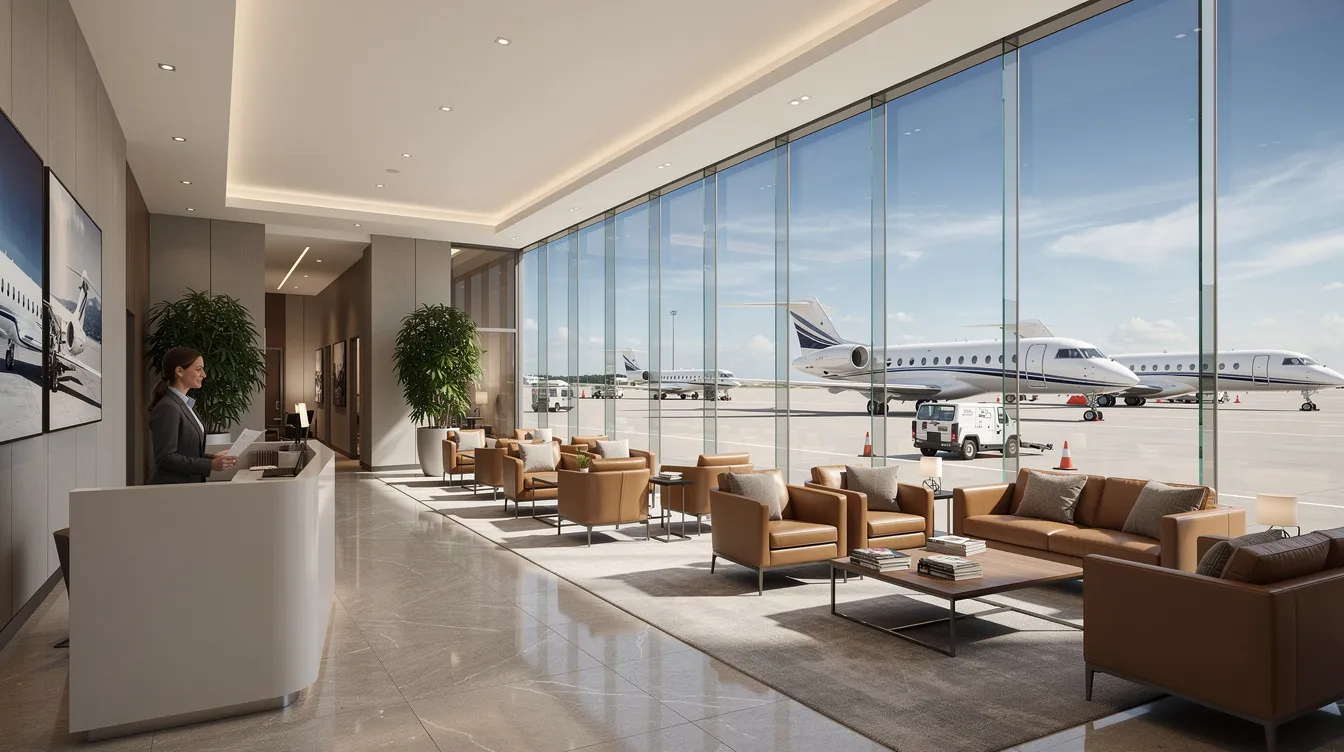
Private jet travelers often use private terminals known as FBOs (Fixed-Base Operators), which allow them to bypass standard commercial terminals and board their aircraft within minutes of arrival. This convenience, combined with the ability to create custom itineraries and schedules, is a key reason why so many executives and frequent travelers are drawn to private aviation.
This article is written from the perspective of BlackJet Fractional Jet Ownership, an independent private aviation specialist, not United Airlines. The distinction matters because while United operates an extensive domestic and international route network with premium products, it remains fundamentally a scheduled airline tied to hub-and-spoke operations and commercial infrastructure.
For executives, family offices, and corporate flight departments flying 25 to 150 hours annually, fractional jet ownership and membership programs represent the logical next step beyond even the best commercial cabins. Programs like BlackJet’s Equity Fleet (fractional ownership with priority access and potential tax benefits) and Reserve Fleet (flexible pay-as-you-go hours without capital outlay) deliver what searching “united private jets” really implies: a private jet experience that adapts to the traveler rather than the other way around.
This guide is designed for executives, family offices, and frequent travelers evaluating the best private aviation solutions, comparing United’s premium offerings, charter options, and fractional jet ownership.
United traces its origins to its early days as a subsidiary of United Aircraft and Transport Corporation, evolving from aircraft manufacturing roots into a major airline. United has made notable moves toward more “private-jet-like” experiences. United Polaris business class on the Boeing 787 offers lie-flat seats and dedicated lounges on long-haul international routes like Chicago to London or Newark to Tokyo.
The airline introduced the CRJ550 regional jet in 2019 with upgraded cabin classes, and a CRJ450 retrofit program is set to enter service from Chicago O’Hare and Denver starting fall 2026 with enhanced business configurations. These products represent the aviation industry responding to demand for elevated experiences—but they remain scheduled services with fixed routes and shared cabins.
United’s brand and operations were significantly shaped by its merger with Continental Airlines, absorbing Continental’s branding and impacting United’s brand image and operational approach. United’s main administrative and operational hub is located in Willis Tower, a significant Chicago landmark, underscoring its presence in the city.
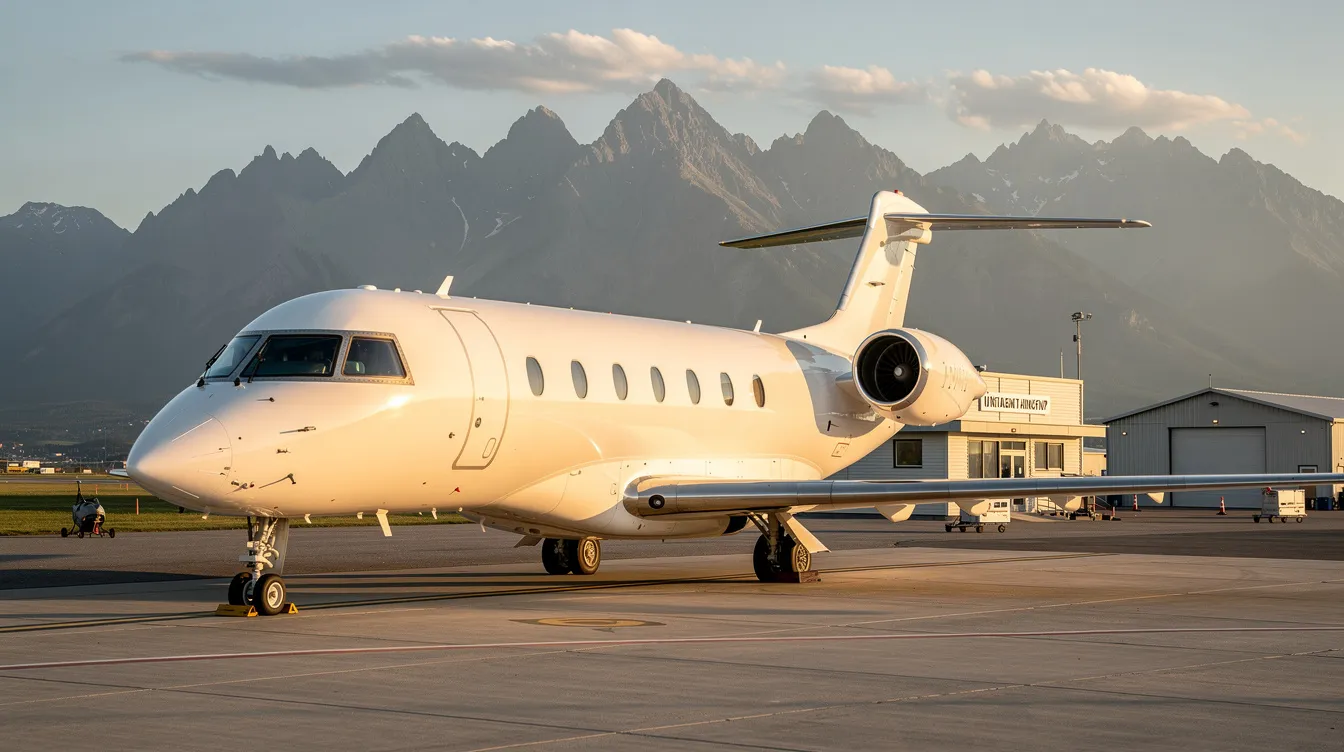
Many travelers assume there is a fully separate “United Private Jet” brand offering business jets or fractional ownership shares. In reality, United’s fleet consists of over 930 commercial aircraft, and United operates scheduled airline services across six continents. The airline does not run a dedicated private jet division comparable to NetJets or similar fractional providers.
What United does offer falls into three categories: premium commercial cabins, upgraded regional jets with private-style layouts, and charter solutions for large groups.
United markets several products that approach the private jet experience without actually being private aircraft:
United Polaris Business Class delivers lie-flat beds, priority check-in, dedicated lounges, and elevated dining on international routes. On a Chicago to London flight or Newark to Tokyo service, Polaris passengers receive direct aisle access and spacious seating. During low-load periods like 2020-2021, some travelers experienced near-private cabins when flights departed with only a handful of business class passengers—but this was an anomaly driven by demand shocks, not a reliable offering.
Regional Jet Upgrades include the CRJ550 introduced in 2019 and the planned CRJ450 program entering service from fall 2026. These premium aircraft offer upgraded in-flight amenities and refined cabin configurations on shorter routes. However, they remain scheduled services operated through the United Express regional airline network.
United Charters allows customers to reserve an entire plane for sports teams, corporate groups, government officials, or events like conferences and weddings. The program provides access to more than 1,200 planes from United’s fleet, including Boeing 737s, 757s, Airbus A320S, and even the Boeing 777-300ER with capacity for 304 passengers.
This service includes dedicated flight attendants, full cabin privacy regardless of passenger count, and personalized service for the booking party. However, United Charters requires binding charter agreements, deposits, and full payment before departure. It remains structurally tied to airline fleets and major hub airport infrastructure rather than the flexibility of true private jet services.
Next, we’ll explore how true private jet solutions fill the gaps left by airline-based offerings.
True private aviation offers capabilities that airline products cannot match.
Fractional jet ownership is a model where multiple individuals or entities share ownership of a private jet, allowing each to access the aircraft for a set number of hours per year, with the flexibility to create their own itineraries and schedules. A wide range of fractional jet ownership programs for smart investors illustrates how this structure works in practice.
Private jet providers offer a range of aircraft sizes and types to accommodate different group sizes and trip lengths.
Passengers can often bypass standard commercial terminals by using private terminals (FBOs), boarding and departing within minutes of arrival at the airport.
Access to private security screening, where available, further reduces airport time.
Passengers avoid long security lines, terminal congestion, and rigid schedules, often arriving just 15 minutes before departure.
Flying private can reduce total travel time by 30-50% due to direct routes and higher speeds, allowing for more efficient travel schedules.
Access to 5,000+ smaller airports across the United States via FBOs (fixed-base operators).

Customized scheduling not constrained by airline timetables.
Dedicated business jets sized appropriately for party size and route.
Privacy suitable for confidential board meetings or sensitive negotiations.
Many executives searching for “united private jets” actually need a more flexible, ownership-based solution. BlackJet’s Reserve Fleet and Equity Fleet models bridge this gap—delivering predictable private access without the constraints of connecting traffic through congested hubs or dependence on airline schedules, similar in spirit to floating fleet options in fractional ownership that prioritize flexibility and optimized utilization.
As we move forward, let’s compare the key differences between premium airline cabins, charter options, and true private jet solutions.
Product Type | Airport Access | Scheduling Flexibility | Privacy | Onboard Experience |
|---|---|---|---|---|
United Premium Cabins | Major commercial terminals | Fixed airline schedules | Shared with other passengers | Lie-flat seats, premium service, lounges |
United Charters | Major commercial terminals | Pre-arranged, some flexibility | Private for group | Standard airline cabin, dedicated crew |
Private Jet/Fractional | Private FBOs, 5,000+ airports | Fully customizable | Fully private | Custom cabin, tailored service, full privacy |
Flying in United Polaris or aboard a CRJ550 can feel “almost private,” particularly on lightly loaded flights or premium routes. However, structurally, these remain commercial air travel with shared cabin classes, fixed departure times, and dependence on airline hub operations.
Understanding the operational differences helps clarify why fractional ownership represents a fundamentally different product:
Commercial Premium Cabins (United Polaris, Premium Plus, first class) provide enhanced comfort on scheduled routes. Passengers still navigate TSA security, share the plane with other customers, and operate within the airline’s timetable. Free checked bags and lounge access improve the experience without changing its fundamental nature.
Airline-Operated Regional Jets (CRJ450, CRJ550, Embraer regional jets from carriers like Envoy Air) offer upgraded layouts on shorter routes. These are operated aircraft within the regional airline network—passengers still book scheduled departures and connect through hub airports.
True Private Jets via fractional ownership or membership provide a different operational model entirely. Travelers access dedicated business jets, depart on their own schedule, and use smaller airports closer to final destinations.
Airport Access: Private jets use FBOs at airports like Teterboro (TEB) instead of Newark (EWR), or Van Nuys (VNY) instead of LAX. This means arriving at smaller cities directly rather than connecting through congested hubs. A fractional program typically provides access to 5,000+ airports versus the few hundred commercial fields served by scheduled carriers.
Time Savings: Door-to-door travel is often reduced by 30-50% compared to commercial alternatives. Direct routing, no TSA lines, minimal ground handling, and departure flexibility combine to create an unforgettable experience measured in recovered hours rather than cabin amenities.
Customization: Private flights offer full control over departure times, aircraft size (light jets for short hops, super-midsize for transcontinental routes), and in-flight catering. Travelers select configurations based on the specific trip rather than accepting whatever cabin was available when booking.
Privacy and Confidentiality: No unknown passengers share the cabin. This creates space for board meetings mid-flight, sensitive negotiations, or simply family time without interruption—something even an empty Polaris cabin cannot guarantee on the next departure.
During the pandemic, some passengers experienced private jet-like conditions aboard nearly empty United 787-8 flights. A Chicago to London departure with just two business class passengers feels private—but only by accident. This exception highlights what travelers actually want: guaranteed private cabin access every time, not occasionally when demand happens to be low.
BlackJet structures its services to deliver predictability. Clients flying with the Equity Fleet or Reserve Fleet receive a fully private cabin as the standard product, not as a lucky scheduling coincidence—and for owners planning a long-term strategy, knowing how to sell a fractional jet ownership share effectively is part of that overall predictability.
Next, we’ll examine how fractional jet ownership compares to airline-linked private services and what features set these models apart.
Fractional jet ownership represents a structured middle ground between ad-hoc charter and full aircraft ownership. For clients flying 25-150 hours per year across the United States and internationally, modern fractional jet ownership programs often deliver the best combination of access, cost predictability, and operational flexibility.
Airline-linked options like United Charters and corporate programs reserve blocks of seats or entire aircraft on regional jets and mainline Boeing or Airbus planes. These programs work well for specific use cases:
Sports teams traveling to championships
Corporate groups moving from San Francisco to New York for conferences
Government officials requiring group transportation
However, these solutions tie clients to specific aircraft types (CRJ200, CRJ450, Embraer E175) and route networks built around airline hubs like Chicago, Denver, and Houston. Booking requires advance contracts rather than instant access, reinforced by complex fractional and charter contract terms that can limit flexibility. Costs can spike for last-minute needs because the airline operates on commercial maintenance schedules and crew availability, not dedicated Part 135 private operations.
Fractional ownership works differently, and understanding key aviation and ownership terminology is essential—a role filled by comprehensive fractional jet ownership glossary resources and analyses of fractional jet ownership as an investment:
Equity Purchase: Clients buy a share (typically 1/16th to 1/2, with models like 1/8 fractional jet ownership providing around 100 hours annually) in a specific aircraft type, and it is important to understand the overall cost of fractional jet ownership in detail. A midsize jet suits routes like New York to Miami or Dallas to Aspen. A light jet handles shorter hops like Los Angeles to Vegas, often using efficient platforms similar to fractional HondaJet ownership solutions. Large cabin jets like the Gulfstream G450 serve international routes.
Contract Terms: Agreements typically run 3-5 years with a guaranteed number of flight hours annually, structured through detailed aircraft fractional ownership contracts that define rights, responsibilities, and cost sharing, and it is essential to understand the total cost of fractional jet ownership embedded in those terms.
Full Management: The fractional provider handles crew, maintenance, hangar, and compliance with the Federal Aviation Administration requirements—all the complexities of aviation operations become someone else’s responsibility, supported by highly trained private jet pilots and crews, alongside carefully structured liability coverage in fractional jet ownership.
Private jet providers offer a range of aircraft sizes and types to accommodate different group sizes and trip lengths. This flexibility ensures that whether you’re traveling solo, with family, or as part of a business team, there’s an aircraft suited to your needs.
Equity Fleet provides fractional ownership with potential tax benefits, priority access to specific aircraft categories, and predictable fixed hourly rates. This model suits corporate flight departments, family offices, and executives who fly 75-150 hours annually and want the ultimate flying experience of ownership benefits, and can be compared directly with BlackJet’s other options through its private aviation program comparison and a deeper review of tax implications for fractional jet owners.
Reserve Fleet offers a non-equity, pay-as-you-go program with guaranteed access and no capital outlay. It is ideal for families or growing businesses testing private aviation at 25-50 hours per year, or companies preferring operational expense treatment over capital purchases, and it illustrates many of the tradeoffs explored when comparing fractional jet ownership vs membership programs and evaluating fractional jet ownership financing costs and benefits.
Feature | United Premium Cabins | United Charters | Fractional Jet Ownership/Private Jet |
|---|---|---|---|
Airport Access | Commercial terminals | Commercial terminals | Private FBOs, 5,000+ airports |
Scheduling Flexibility | Fixed schedules | Pre-arranged | Fully customizable |
Privacy | Shared cabin | Private for group | Fully private |
Onboard Experience | Premium airline seat | Standard airline cabin | Custom cabin, tailored service |
Aircraft Variety | Limited | Limited | Wide range of jet sizes/types |
As you consider these options, the next section will help you determine when each solution makes the most sense for your travel needs.
Not every traveler needs fractional ownership. Understanding when airline solutions make sense—and when they fall short—helps clarify the decision.
United’s offerings may still be the right fit for:
Infrequent Private-Flying Needs: Under 10-15 hours per year, the economics often favor buying premium cabin tickets and accepting airline schedules.
Long-Haul International Routes: When business class schedules and lounge access meet most needs—particularly on established routes like Newark to London, where United Polaris provides competitive service.
Loyalty Priorities: Travelers who value accumulating points within airline alliances like Star Alliance and prefer leveraging those relationships over standalone private access.
For these use cases, products like Polaris, Premium Plus, or Wi-Fi-equipped first class cabins deliver solid value within the airline industry framework.
Fractional ownership and membership programs become clearly superior for:
Executives Commuting Between Secondary Cities: Routes like White Plains to Columbus or Houston to Midland—or regionally focused solutions such as fractional jet ownership in Atlanta—have limited direct commercial options. Flying private eliminates layovers and arriving hours early for connections.
Multi-Stop Business Days: Board members visiting New York, Pittsburgh via fractional ownership access, and Cleveland in a single day need flexible departure times and direct routing. A fractional jet transforms a three-day trip into one productive day.
Family Travel to Seasonal Destinations: Reaching Aspen, Vail, Jackson Hole, or Palm Beach via smaller airports on flexible dates matters for families with children. For travelers based in key markets, localized solutions such as fractional jet ownership in Orlando or fractional jet ownership in Phoenix can make these seasonal trips far more convenient.
As you weigh your options, the following summary will help you quickly compare the main features and benefits of each approach.
Fractional jet ownership allows multiple individuals or businesses to purchase a share of a private jet, granting access to the aircraft for a set number of hours annually. This model offers flexibility, cost-sharing, and priority access compared to full ownership or charter services.
While both provide access to private jets, fractional ownership involves equity in an aircraft and potential tax benefits, whereas jet card programs offer prepaid flight hours without ownership stakes. Fractional ownership typically includes guaranteed availability and customized service.
Yes, many fractional jet programs offer aircraft capable of international flights, with flexible scheduling and access to a wide range of airports worldwide, enabling seamless global travel.
Fractional owners can use over 5,000 airports across the United States and many more worldwide, including smaller regional airports not served by commercial airlines, enhancing convenience and reducing travel time.
Owners coordinate flights through their provider, who manages crew and maintenance. Scheduling is highly flexible, allowing departures and arrivals tailored to the owner's itinerary, unlike fixed airline schedules.
For travelers seeking more than just premium commercial cabins or occasional charters, fractional jet ownership offers a transformative private aviation experience. It delivers unmatched flexibility, privacy, and convenience by placing control of the journey firmly in your hands. Whether flying between major cities or accessing remote regional airports, fractional ownership programs like BlackJet’s Equity Fleet and Reserve Fleet provide tailored solutions designed to fit your unique travel needs and schedule.
Unlike airline-operated options tied to fixed routes and schedules, fractional ownership unlocks access to thousands of private airports and customizable itineraries, saving valuable time and enhancing productivity. With comprehensive management of aircraft, crew, and maintenance by aviation experts, owners enjoy the benefits of private jet travel without the operational complexities.
Ready to explore the smarter way to fly private? Visit FractionalJetOwnership.com to learn how fractional jet ownership can transform your travel experience and deliver the freedom, efficiency, and privacy you deserve.
