May 31, 2026
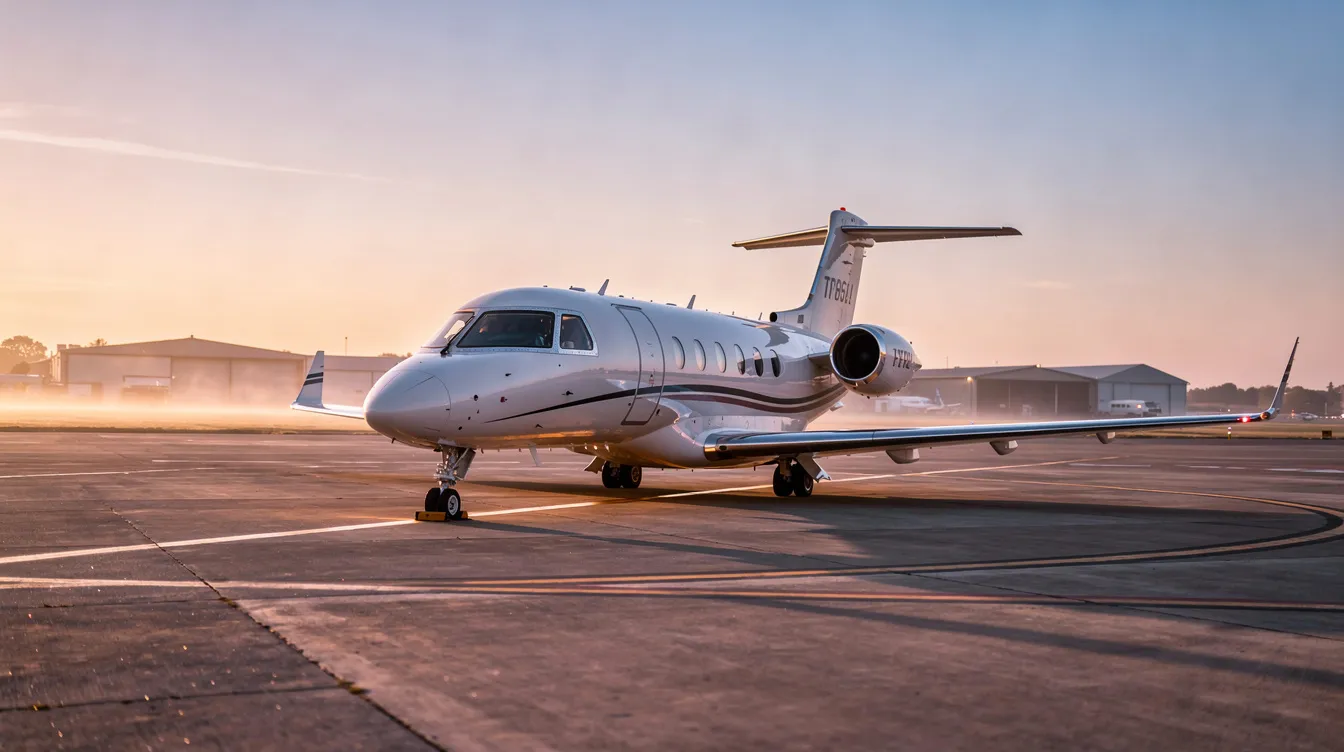
Since the Vision Jet entered the market in 2016, very light jets have reshaped the “cheapest private jet” discussion in the United States and the global private aviation market. By May 2026, demand remains strong because executives, families, and private aviation enthusiasts want affordable private jets for short regional flights without relying on commercial airlines.
Very Light Jets are the most budget-friendly jets available, offering an accessible entry point into private aviation without compromising on essential jet performance and convenience.
A very light jet sits between high-end turboprops, such as a King Air, and the traditional light jet category. These light aircraft usually offer jet speed, pressurization, regional airports access, and lower operating costs than a midsize jet, mid size jet, or heavy jet.
BlackJet Fractional Jet Ownership helps clients compare full private jet ownership with fractional jet ownership, Reserve Fleet membership, and Equity Fleet structures. The goal is simple: make very light jet cost decisions clearer before a client chooses to own jet assets, charter, or fly privately through a managed program.
Very light jets such as the Cirrus Vision Jet, Cessna Citation Mustang, and Embraer Phenom 100 often cost about $1.5M–$4.5M used, while purchasing a Very Light Jet typically costs between $1 million and $6 million.
Hourly operating costs for a Very Light Jet range between $950 and $2,100, although operating costs for Very Light Jets are estimated at $500 to $1,000 per hour in lean owner-operator scenarios.
VLJs are typically the cheapest private jet option to buy or charter, but hangar fees, insurance, maintenance, landing fees, fuel surcharges, and federal excise tax can exceed the initial purchase price over time.
For frequent flyers using 25–150 flight hours annually, fractional ownership, jet cards, empty leg flights, or BlackJet Fractional Jet Ownership membership models can be more efficient than buying an entire aircraft.
This guide compares private jet ownership, private jet charter, and fractional aircraft ownership so readers can choose the smartest way to fly private.
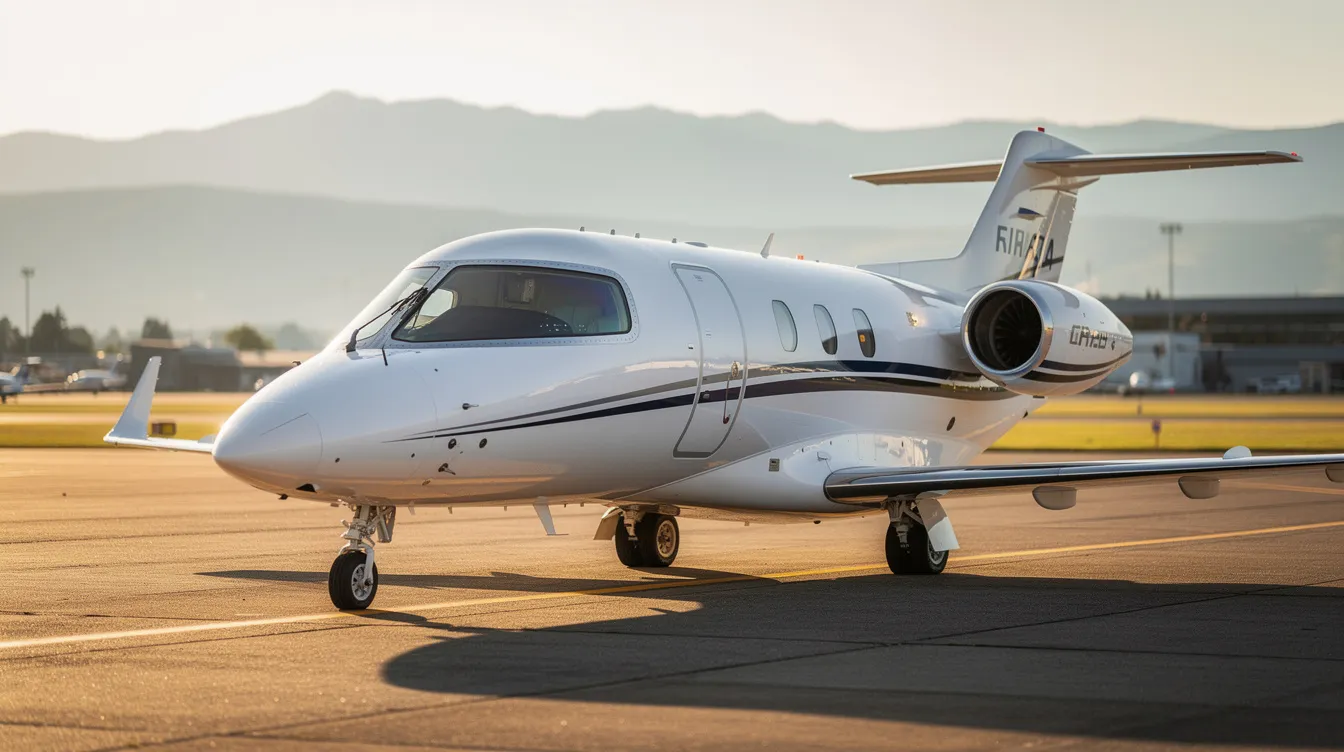
Very light jets usually seat 2–5 passengers, weigh under roughly 10,000 pounds maximum takeoff weight, and fly about 1,000–1,300 nautical miles. Many are certified for single-pilot operation, which makes them attractive to first-time jet owners and owner-pilots.
Common missions include New York–Chicago, Los Angeles–Denver, London–Geneva, and similar 2–3 hour routes from smaller regional airports. VLJs are designed for short-haul flights with 2–4 passengers, not long-haul flights with a stand-up cabin and large baggage loads.
Compared with turboprops, VLJs offer true jet performance. Compared with popular light jets, they often have less cabin space but lower light jet costs. That is why the very light jet category is widely considered the most affordable entry point among private aircraft classes.
New Very Light Jets can cost between $3 million and $6 million, and a new Very Light Jet costs between $3.5 million and $5.5 million, depending on configuration. Pre-owned entry-level Very Light Jets can cost between $1 million and $3 million, and pre-owned models can depreciate to below $2 million.
Model pricing in 2026 is best treated as a range, not a fixed price list:
Aircraft | 2026 purchase price range | Notes |
|---|---|---|
Cirrus Vision Jet SF50 | $1.85M–$3.6M | The Cirrus Vision Jet is priced between $1.85 million and $3.6 million. The Cirrus Vision Jet costs around $2 million new, and the Cirrus Vision Jet is priced around $2 million new in some entry-level market references. |
Cessna Citation Mustang | $1.5M–$2.7M used | Pre-owned Cessna Citation Mustang prices range from $1.5 million to $2.7 million. Pre-owned Cessna Citation Mustang prices range from $1.5 million to $2.7 million, depending on avionics and airframe time. |
Embraer Phenom 100/100E | $2M–$3.5M used | Strong cabin comfort and support network. |
HondaJet HA-420 | $3.7M–$5.9M | The HondaJet HA-420 is priced between $3.7 million and $5.9 million. |
Aircraft age, engine programs, avionics upgrades such as Garmin G1000 NXi or Perspective Touch+, maintenance logs, and damage history materially affect residual value. Market depreciation on private jets ranges from 7% to 15% yearly for the first five years.
Instead of buying the entire aircraft, BlackJet’s Equity Fleet can help clients purchase a fractional share, such as 1/8 or 1/4 ownership, while avoiding much of the complexity of sourcing, crewing, and scheduling a personal jet.
A typical owner’s total annual operating budget can range between $500,000 and $1,000,000. For many VLJs flying 200 hours per year, annual operating costs often run $300,000–$500,000 before financing and depreciation, with operational costs such as fuel, maintenance, insurance, and storage driving much of that spend.
Variable costs accumulate when the aircraft is in operation. Fixed costs must be paid annually regardless of usage hours, which is why low-use owners often see a high cost per hour.
Typical cost categories include:
Fuel consumption for Very Light Jets ranges between 60 and 120 gallons per hour.
Fuel costs for private jets range from $300 to $700 per flight hour.
Annual maintenance costs for private jets can range from $50,000 to $200,000.
Annual maintenance costs for Very Light Jets can range from $50,000 to $200,000.
Insurance for private jets typically costs between $15,000 and $30,000 annually.
Insurance costs for a Very Light Jet range from $15,000 to $50,000 annually, depending on the pilot’s experience.
Professional pilot salaries add $150,000 or more annually if utilizing full-time professionals.
Hangar fees for private jets can range from $1,000 to $3,000 per month.
Hangar storage costs between $1,500 and $4,000 monthly, depending on airport location.
Even economical private jets may have low operating costs relative to larger jets, but they still require serious storage, training, navigation database, and inspection budgets. At 50 or 100 annual flight hours, fractional ownership cost structures or Reserve Fleet-style pay-as-you-go hours may be more rational than full ownership.
The following models appear often when buyers research the most affordable private jets and the most budget-friendly jets.
The Vision Jet is a single-engine VLJ with a 2026 market range of around $1.85M–$3.6M. It is often described as one of the most affordable private jets available new, especially for owner-pilots focused on excellent fuel efficiency and low fuel burn.
Cirrus Vision Jet has a range of approximately 1,200 nautical miles, with seating for 4–5 adults plus flexible child seating. Its lower fuel and maintenance profile can support operating costs for Very Light Jets estimated at $500 to $1,000 per hour in owner-managed cases.
Its CAPS parachute system appeals to safety-conscious buyers. Corporate users, however, may prefer twin-engine VLJs or a light jet for redundancy and more cabin space compared with the Vision Jet.
The Cessna Citation Mustang was produced from 2006 to 2017, and the Cessna Citation Mustang sold 479 units from 2006 to 2017. It usually seats four passengers plus crew and remains a common answer to “What is the cheapest private jet?”
Its typical range is about 1,000–1,150 nautical miles. Avionics upgrades, especially Garmin improvements, can lift value and reduce operational uncertainty.
Mustang operating costs often sit near $1,000–$1,300 per hour with fuel and reserves, depending on utilization. For shared-use structures, Mustang-sized aircraft can deliver affordable aircraft economics without forcing one owner to absorb all fixed costs.
The Embraer Phenom 100 edges toward the light jet category with more cabin comfort, good baggage capacity, and a robust support network. The Embraer Phenom 100 has a maximum range of 1,178 nautical miles.
Typically, pricing runs around $2M–$3.5M, with hourly operating costs often around $1,200–$1,500 per hour. Its spacious cabin is not a stand-up cabin, but it provides more cabin space than many entry VLJs.
For business aviation users flying 50–150 hours per year, a Phenom-class fractional aircraft ownership share can create better predictability than managing the entire aircraft personally, while owners should also understand how to sell or transfer a fractional jet share if their travel profile changes.
The HondaJet HA-420 uses over-the-wing engine mounts and generally sits at the premium end of the very light jet category. It can cost $3.7M–$5.9M depending on age, equipment, and condition.
With a range of 1,200–1,400 nautical miles and 4–5 passenger seats, it suits frequent US and European trips. Operating costs commonly run around $1,300–$1,700 per hour.
It is not the absolute cheapest private jet, but it can deliver strong value per mile for travelers who prioritize speed, technology, and cabin refinement.
There are three practical ways to access VLJs: full ownership, private jet charter, and fractional ownership or membership. Full ownership can make sense above roughly 200+ hours per year, while charter and fractional models often work better between 25 and 200 hours.
VLJ hourly charter rates in the United States commonly range from $1,800–$3,000 per hour, plus taxes, fuel surcharges, landing fees, positioning, and fees airports charge at the departure airport. Charter costs are attractive for occasional leg flights, but availability and pricing can vary during peak periods.
BlackJet Fractional Jet Ownership offers two structured alternatives. Reserve Fleet provides flexible access without equity. Equity Fleet provides fractional aircraft ownership, priority access, customized sourcing, and potential tax benefits for qualifying business use.
The purchase price is only the beginning. First-time buyers often underestimate recurrent training, navigation subscriptions, weather services, interior refreshes, engine reserves, and away-from-base hangar or handling costs.
In the United States, the IRS explains that the federal excise tax generally applies to certain taxable air transportation, including many charter flights. Charter operators often pass through FET, segment fees, and fuel adjustments to the customer.
Fractional aircraft ownership and well-structured membership programs can smooth these ongoing costs into monthly and hourly charges. That predictability is often more valuable than chasing the lowest possible hourly quote.
VLJs are the most budget-friendly jets available for regional private jet travel. By comparison, light jets often charter around $2,600–$3,500 per hour, a midsize jet may run $3,500–$5,500, and a heavy jet can reach $8,000–$14,000 per hour.
A heavy jet provides long-range comfort, international handling capability, and larger cabin space, but its crew, maintenance, hangar, and operating costs are multiples of VLJ expenses. Many clients now use a fleet mix: VLJs or light jets for short trips, larger aircraft for transcontinental or global missions.
BlackJet helps clients right-size the private aircraft to the mission instead of paying heavy-jet rates when a VLJ or light jet would do the job, similar to how leading fractional jet ownership programs match aircraft types to traveler profiles.
Travelers focused on lower private jet costs can combine VLJs with flexible booking strategies. Empty leg flights are discounted repositioning segments, often 25%–75% below standard charter rates.
The trade-off is flexibility. Empty leg flights may have fixed departure times, limited routing, and cancellation risk if the primary trip changes.
Jet cards and memberships focused on VLJ or light jet access can reduce exposure to peak pricing. Floating fleet-style options like BlackJet’s Reserve Fleet model give clients a way to fly private with predictable access while avoiding crew management, maintenance oversight, and hangar decisions.
A VLJ is usually best for 2–4 passengers, trips under about 1,200 nautical miles, and travel between smaller airports where airline schedules are inconvenient. It can be ideal for executives visiting regional facilities, families taking weekend trips, or entrepreneurs needing a private flight on short notice.
If trips regularly include more than five passengers, bulky luggage, golf clubs, skis, or coast-to-coast sectors, stepping up to a light jet or midsize aircraft may be better. The smartest analysis compares full ownership, a fractional share, and its financing, and a 25–50 hour membership.
BlackJet can review past routes, passenger counts, flight duration, and tax considerations for fractional jet owners to determine whether VLJ access, a larger aircraft, or a blended plan is most efficient.
BlackJet Fractional Jet Ownership helps clients evaluate very light jet cost, aircraft selection, share sizing, charter alternatives, and jet cards. The firm’s Equity Fleet model is designed for clients who want fractional aircraft ownership, potential tax benefits, and priority access.
Reserve Fleet is better for flexible users who want on-demand hours without equity. Clients who currently charter VLJs or light jets more than 25–50 hours per year should test whether fractional ownership, with clearly defined contract terms in fractional jet agreements, can reduce effective cost per flight hour.
Ready to explore a smarter way to fly privately? Review an aircraft fractional ownership sample contract and visit FractionalJetOwnership.com to request a consultation and compare ownership, membership, and empty leg strategies for your routes.
A realistic budget starts with $1.5M–$3.5M for many used VLJs, but ownership requires far more than acquisition capital. Buyers should also plan for at least $250,000–$400,000 in annual operating costs when flying 150–200 hours per year.
At 50 hours per year, fixed expenses do not fall proportionally. Financing is available through aviation lenders, but down payments of 15%–25% and strong financials are typical in the US and Europe, and owners should also evaluate liability and insurance coverage in fractional structures.
In the United States, a 7.5% federal excise tax generally applies to charter flights and certain managed-use structures, plus a small per-segment fee. Pure private-use flights on owner-operated aircraft are often treated differently.
Complex structures, such as leasing an aircraft to an operator, can change the analysis. BlackJet recommends coordinating with an aviation tax advisor before choosing charter, fractional ownership, or corporate ownership.
Most VLJs handle 2–4 adults with weekend bags, but bulky items can be challenging. The Phenom 100 generally offers stronger baggage capability, while the Vision Jet relies on a mix of interior and exterior storage.
Families carrying strollers, skis, golf clubs, or multiple large suitcases should test several aircraft before committing. A Reserve Fleet trial can be an efficient way to compare comfort and baggage fit.
An experienced owner-pilot can reduce crew costs, especially in aircraft approved for single-pilot operation. However, training, recurrent checks, currency, and insurance requirements can offset part of the savings.
Insurers may require 1,000–1,500 total flight hours or more before approving jet single-pilot coverage. Many high-net-worth individuals still prefer a professional crew for safety, productivity, and convenience
Very Light Jets represent a practical and affordable entry point into private aviation, offering the speed, convenience, and flexibility that modern travelers demand. Whether considering full ownership, fractional shares, or membership programs, understanding the true costs—including acquisition, operating expenses, and hidden fees—is essential for making informed decisions. For executives, families, and entrepreneurs flying 25 to 150 hours annually, fractional jet ownership through trusted providers like BlackJet Fractional Jet Ownership delivers predictable access, reduced hassle, and potential tax advantages compared to traditional ownership or ad-hoc charter.
By leveraging fractional ownership or Reserve Fleet memberships, clients can enjoy the benefits of private jet travel without the complexities of managing an entire aircraft. This approach optimizes cost-efficiency while maintaining priority scheduling and personalized service. BlackJet’s expertise in very light jet cost analysis and tailored solutions ensures clients find the best fit for their unique travel profiles.
Ready to explore how fractional ownership can transform your private jet experience? Visit FractionalJetOwnership.com to request a consultation and discover smarter, more flexible ways to fly private.
