May 18, 2026
For high-net-worth individuals and businesses seeking efficient and flexible private air travel, NetJets stands as a pioneering leader in fractional jet ownership and private aviation services. Founded in 1964 and backed by Berkshire Hathaway, NetJets revolutionized how private jets are accessed by offering shared ownership and membership programs that provide guaranteed availability, consistent service, and a diverse fleet of aircraft. This practical guide explores what NetJets is, how its business model operates, the costs involved, and how it compares to other private aviation options. Whether you are a seasoned flyer or new to private aviation, understanding NetJets can help you make an informed decision about the best way to access private jet travel tailored to your lifestyle and business needs.
NetJets is one of the world’s largest private jet operators and the pioneer of fractional ownership, founded in 1964 as Executive Jet Airways and now owned by Berkshire Hathaway.
The NetJets program gives clients access to a standardized private jet fleet through fractional ownership, leases, jet cards, and NetJets membership options rather than requiring them to own a plane outright.
NetJets Europe extends the model into the European market with dedicated aircraft, regional regulations, and coordinated global access.
NetJets is known for scale, safety, and consistency, but it is not the only choice; companies like BlackJet Fractional Jet Ownership help clients compare more tailored equity and reserve fleet options.
For many discerning travelers, the question is not whether private aviation is useful, but which model makes the most financial and operational sense. NetJets is often the first name they encounter because it helped define fractional aircraft ownership for the modern market. This guide explains what NetJets is, how the business model works, what NetJets costs may include, and how it compares with charter, aircraft ownership, and alternatives such as BlackJet Fractional Jet Ownership, while also pointing readers to essential fractional jet ownership terminology that can clarify key concepts and cost components.
NetJets is a leader in private aviation that provides access to private jets through fractional ownership, leasing, and jet card programs. The company began in 1964 as Executive Jet Airways, later known as Executive Jet Aviation, and is headquartered in Columbus, Ohio. Since 1998, NetJets has been owned by Warren Buffett’s Berkshire Hathaway, making NetJets Inc. a Berkshire Hathaway company with deep financial backing.
NetJets is widely viewed as the original leader in private fractional flying. It serves business and leisure travelers around the world, including more than 40% of Fortune 100 companies, which indicates a strong reputation among high-profile clients in the private aviation sector.
The NetJets offer is not usually about buying an entire plane. Instead, NetJets owners buy access, a NetJets share, or prepaid flight time in a managed fleet of luxury private jets. That differs from private jet charter, where a customer books a specific trip, and from outright ownership, where the owner carries the full burden of the private aircraft.
The NetJets business model is built around shared ownership and managed access. In NetJets fractional ownership, clients typically purchase a share of a specific aircraft type, such as 1/16 or 1/8, and receive a defined number of flight hours per year. A 1/16 share commonly aligns with about 50 hours of annual flight time, while larger shares may support 100, 200, or more hours.
Although the share may be tied to a specific aircraft model, NetJets owners usually fly across the broader NetJets fleet. This gives them guaranteed access without needing to manage pilots, maintenance, hangars, insurance, or scheduling. NetJets operates under strict safety regulations and standards, similar to those of commercial airlines, which enhances its reputation for safety.
NetJets also provides leases and jet cards. A lease can provide aircraft access without ownership equity, while a NetJets card or similar NetJets membership can offer prepaid hours with predictable pricing. NetJets operates on a model where members are allocated a specific number of flight hours per year, which can vary based on membership level and aircraft type.
NetJets handles executive jet management through its own management company structure, including crew training, aircraft maintenance, dispatch, and service coordination. The related phrase executive jet management is also associated with the broader industry and with NetJets’ sister company, Executive Jet Management, while Qs Partners is known in the market for aircraft brokerage and related services.
BlackJet Fractional Jet Ownership uses a similar advisory lens but focuses on helping clients determine whether equity fleet access or reserve fleet access fits their flying profile better than a large, long-term fractional commitment, and whether fractional jet ownership vs membership programs align more closely with their usage and budget.
NetJets offers multiple ways to access private jets depending on annual usage, budget, and flexibility needs. The main options include netjets fractional ownership, aircraft leases, and jet card programs.
A typical fractional ownership structure includes key line items that mirror the total cost of fractional jet ownership, helping prospective buyers understand where their money goes:
Cost component | What it covers |
|---|---|
Up-front acquisition | Purchase of a fractional share in an aircraft |
monthly management fee | fixed costs such as pilots, maintenance, insurance, and scheduling |
occupied hourly rate | Variable cost for actual flying time |
additional cost items | Taxes, fuel adjustments, international fees, or peak-day terms |
A management fee or monthly management fee applies whether the owner flies or not, because fixed costs continue. The hourly cost then applies when the client uses the aircraft. In some programs, NetJets eliminates repositioning fees under its Ferry Waiver Program, reducing concern over dead heads or ferry flights.
NetJets membership and jet cards are lower-commitment options. NetJets offers fractional jet ownership and on-demand charter flights, with costs starting at approximately $100,000 per year for a 50-hour card membership. The hourly rates for NetJets’ jet card program can start from around $8,600 per hour, depending on the aircraft type and other factors, which is broadly consistent with what a complete guide to the cost of fractional jet ownership would outline for comparable programs.
Fractional owners generally receive stronger priority than cardholders, especially during peak demand. Cardholders may still receive a warm welcome, concierge support, and seamless travel, but contract terms can include longer notice windows or surcharges.
Compared with other providers:
NetJets emphasizes scale, brand consistency, and a large standardized fleet.
BlackJet Fractional Jet Ownership helps potential customers compare equity and non-equity structures.
Reserve programs may fit travelers who need 25–150 hours per year but want less capital lockup.
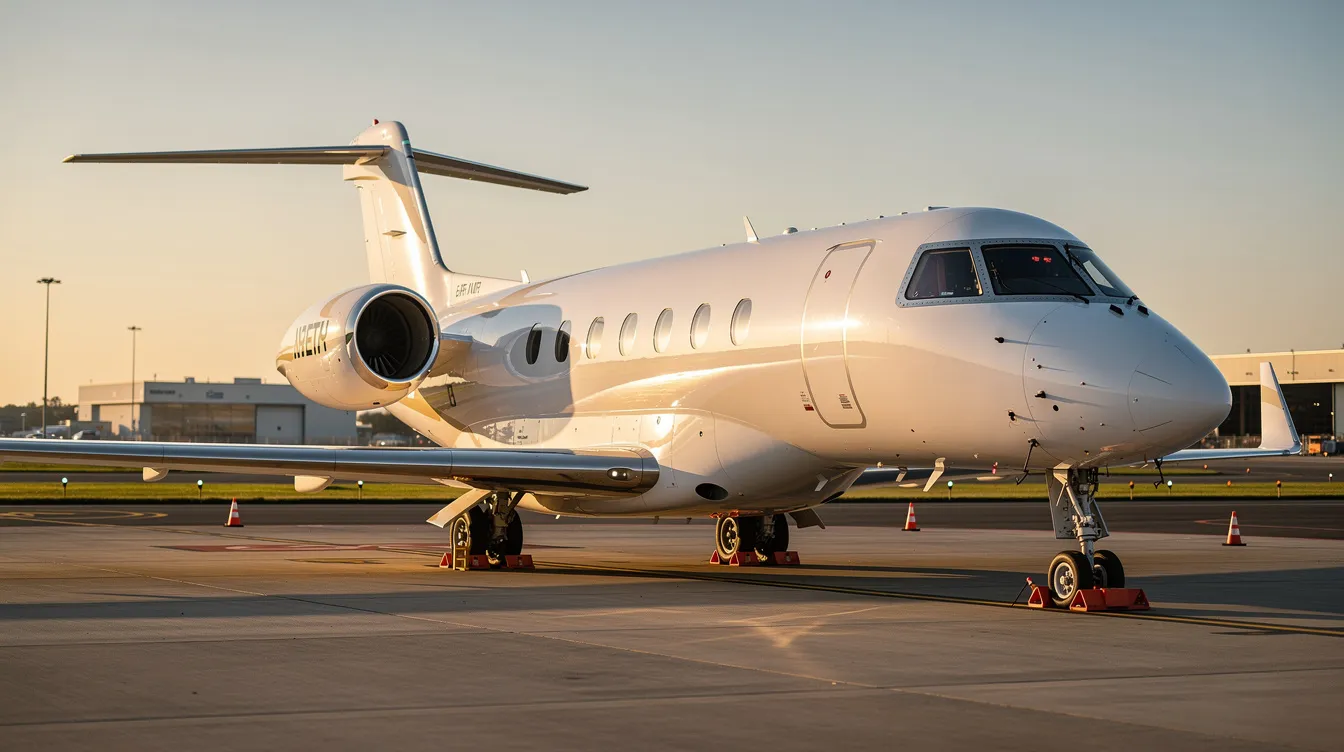
Fleet depth is central to the NetJets value proposition. The NetJets fleet includes hundreds of NetJets planes across light, midsize, super-midsize, and larger aircraft categories. Public fleet references have placed NetJets at nearly 800 aircraft globally in recent years, with substantial operations in the United States and Europe, supported by floating fleet options in fractional ownership that help optimize aircraft utilization and availability.
Representative aircraft in the private jet fleet include the Embraer Phenom 300, Citation XLS, Citation Sovereign, Citation Latitude, Citation Longitude, Bombardier Challenger 350, Challenger 650, and long-range aircraft for international missions. NetJets offers access to more than 120 different aircraft types, providing a wide range of options for customers. The types of aircraft available through NetJets include ultra-long range jets like the Gulfstream G650, mid-size jets like the Citation XLS, and light-cabin super midsize jets like the Challenger 350.
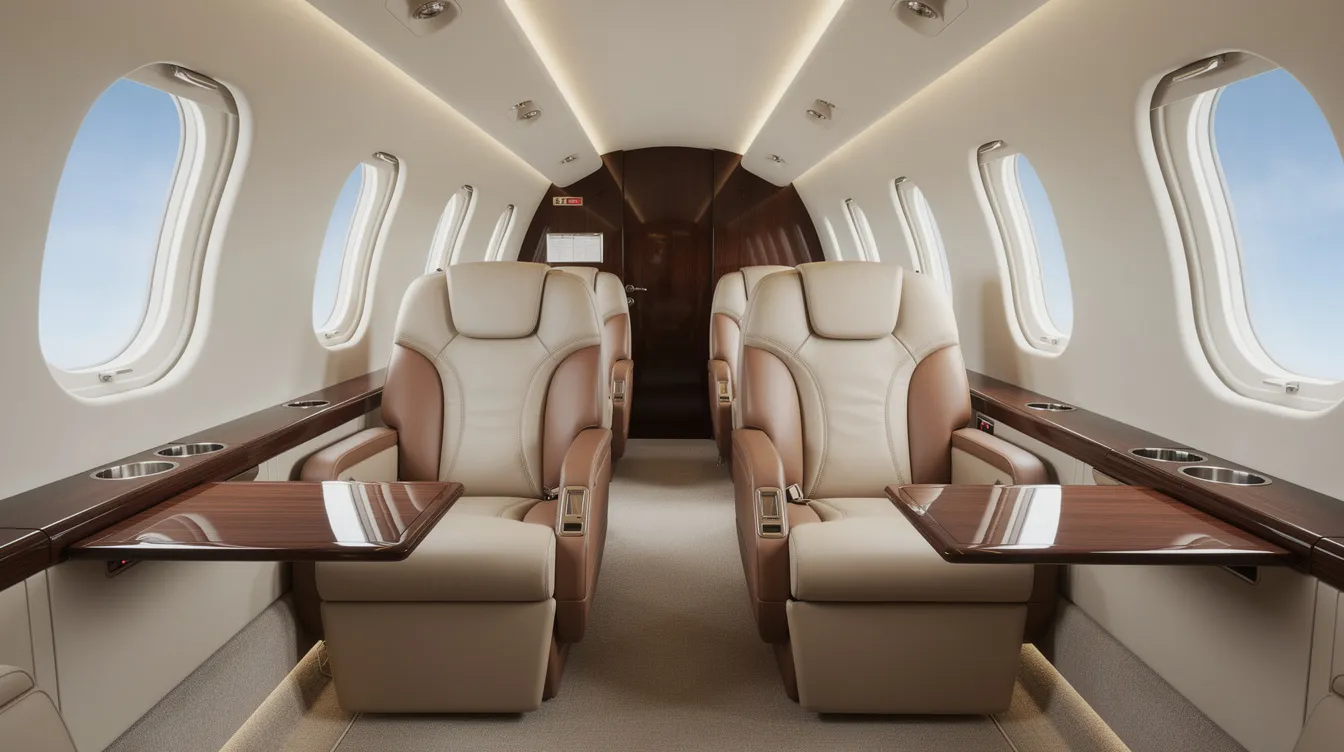
The diverse fleet allows customers to select aircraft based on specific needs such as size, passenger capacity, flight range, cabin layout, and altitude performance. A short regional flight may not require the same aircraft as a transcontinental business trip or a family journey to a remote destination.
The Citation X is a notable newer Cessna model associated with modern midsize executive jet travel. Aircraft like Citation Ascend reflect how NetJets and competitors continually refresh fleets to improve cabin comfort, avionics, efficiency, and operating performance. The aircraft selected directly affects NetJets ' cost, because larger aircraft usually carry higher acquisition, fuel, maintenance, and crew expenses.
NetJets Europe extends the same core concept of fractional ownership and membership to European and transcontinental travelers. NetJets Europe operates a dedicated fleet under European regulations and serves major business centers such as London, Paris, Geneva, Frankfurt, and beyond.
The European operation supports intra-Europe flying, remote resort access, multi-city corporate roadshows, and last-minute executive jet missions. Coordination between U.S. NetJets and NetJets Europe helps create consistent safety, service, and brand standards for international clients.
NetJets offers guaranteed access to over 5,000 airports worldwide. That global access is one reason many corporate users view the company as a serious business tool rather than a luxury travel accessory. NetJets also offers private boarding lounges at busy airports, allowing for streamlined customs and expedited boarding.
International service can involve customs, overflight fees, de-icing, handling, and crew-rest rules. Private aviation services provide customers with the flexibility to choose their aircraft and flight routes, along with various amenities such as fine dining and concierge services. NetJets provides an all-inclusive concierge service that coordinates travel details, including in-flight dining and ground transportation.
Understanding NetJets ' cost is essential before signing any aircraft program and offer agreement. Up-front fractional shares can reach six or seven figures depending on aircraft size, and ongoing expenses include the management fee, occupied hourly rate, fuel variables, taxes, and other additional cost items, all of which factor into fractional jet ownership financing, costs, and benefits.
At a high level, the economics often look like this if you are viewing fractional jet ownership as an investment in both access and flexibility rather than a purely depreciating asset:
Flyer profile | Common fit |
|---|---|
Under 25 hours per year | on-demand charter, private jet charter, or jet charter |
25–150 hours per year | Jet membership, reserve fleet, or smaller fractional share |
50–300 hours per year | fractional aircraft ownership or NetJets share |
300+ hours per year | Possible full aircraft ownership or own plane analysis |
NetJets is typically best for high-net-worth individuals, family offices, and corporations that value guaranteed availability, predictable pricing, personal attention, and consistent safety. NetJets has not had a fatal accident in over 54 years, which is notable in the private aviation industry, yet owners should still understand essential liability coverage in fractional jet ownership to ensure risks are appropriately managed.
Passengers traveling with NetJets enjoy complete anonymity, with data kept strictly confidential. NetJets also offers carbon offset programs for customers as part of its sustainability initiatives. Private aviation services often include dedicated customer support, ensuring that clients have assistance available 24/7 for their travel needs.
Before joining, prospective clients should compare NetJets with full ownership, jet cards, on-demand charter, and alternative fractional solutions like BlackJet Fractional Jet Ownership, as well as review the top fractional jet ownership programs for smart investors across the market. To sign up for NetJets, individuals must fill out a registration form on the company'sthe company's website with personal information. To become a NetJets member, applicants must be at least 18 years old and provide a valid passport along with proof of income.All members of NetJets must sign an aircraft program and offer agreement that outlines the procedures they must follow during travel, making it vital to understand essential contract terms in fractional jet ownership and how an aircraft fractional ownership sample contract typically structures rights and responsibilities.
NetJets is one of several ways to access luxury travel by air. Each option has trade-offs in cost, control, flexibility, and operational responsibility.
Full aircraft ownership gives the owner complete control over a personal jet, including schedule, cabin configuration, and crew decisions. It also means taking on depreciation, fixed costs, maintenance, staffing, regulatory compliance, and downtime risk. Outright ownership can make sense at very high utilization, but it is rarely the most efficient starting point for new private flyers.
NetJets fractional ownership reduces the burden of aircraft ownership while preserving access and consistency. The owner does not need to hire pilots, manage maintenance, or oversee compliance. A fractional client also gains the ability to use different cabin categories when mission needs change, whether they hold a smaller share or something like a 1/8th fractional jet ownership interest that supports heavier annual usage.
Charter is more flexible for occasional trips. A private jet charter may be cheaper for one-off routes, but aircraft quality, availability, and pricing can vary. Jet charter and app-based booking may also include repositioning, peak pricing, or limited availability when demand is high.
BlackJet Fractional Jet Ownership helps compare these choices against real travel patterns. For some clients, NetJets is the right fit. For others, a reserve fleet, equity fleet, or hybrid structure may deliver better cost control and flexibility.

BlackJet Fractional Jet Ownership helps clients evaluate NetJets, competitors, and alternative private aviation structures against actual business and lifestyle needs. The goal is not to promote one company as the default answer, but to identify the most efficient access model.
BlackJet reviews flight frequency, passenger count, route patterns, aircraft category, tax planning goals, and seasonal demand. A client flying 40 hours per year in the United States may need a very different structure than a company flying 150 hours per year across multiple regions.
BlackJet can model private jet cost scenarios across NetJets, other fractional operators, and BlackJet’s own Reserve Fleet and Equity Fleet structures. This includes comparing ownership shares, membership hours, fixed costs, hourly costs, exit terms, and flexibility.
Ready to explore the smarter way to fly private? Visit FractionalJetOwnership.com to request a personalized comparison that includes NetJets alongside alternative solutions.
NetJets fractional ownership often makes sense for travelers flying roughly 50–300 hours per year who want guaranteed access, consistent aircraft, and predictable pricing. Occasional private flyers under about 25 hours per year often find an ad-hoc charter or a jet membership program more economical than buying a fractional share. An advisor, such as BlackJet Fractional Jet Ownership, can model real routes before any long-term commitment.
NetJets typically requires a minimum notice period, often around 4–24 hours depending on the program, region, aircraft, and travel date. Peak travel days, holidays, and major events may require more notice, especially for jet card members rather than fractional owners. Current contract language should always be reviewed before relying on a booking window.
Yes. NetJets and NetJets Europe support international itineraries, including transatlantic and intra-Europe routes, subject to aircraft range and regulatory requirements. International flying can involve handling, overflight fees, de-icing, customs, crew-rest expenses, and other pass-through charges. Prospective owners should request sample trip pricing for routes such as New York–London or Paris–Dubai.
At the end of a fractional ownership term, clients can typically renew, move to a different aircraft type, reduce share size, or exit through the agreed resale mechanism. Residual value depends on the aircraft market, program terms, and the specific aircraft category. Exit provisions should be compared with alternatives such as BlackJet Fractional Jet Ownership’s equity and reserve fleet options, and with best practices for selling your fractional jet ownership share.
In the United States, some businesses may be able to depreciate a fractional aircraft share or deduct certain expenses when the aircraft is used for qualified business travel. Tax treatment depends on ownership structure, business use, documentation, and current law, but a concise overview of tax implications for fractional jet owners can help frame the right questions. A tax advisor with aviation experience should review any fractional ownership plan before purchase.
NetJets remains a dominant force in private aviation, offering a well-established fractional ownership and membership model that appeals to high-net-worth individuals and corporations seeking reliable, flexible, and efficient private jet access. Its extensive fleet, global reach, and rigorous safety standards provide peace of mind and convenience for frequent travelers. However, evaluating NetJets alongside alternatives like BlackJet Fractional Jet Ownership can help discerning clients find the best fit for their unique travel patterns, budget, and operational needs.
For those considering private aviation, understanding the nuances of fractional ownership, jet cards, and charter options is essential to making an informed decision. Fractional ownership, as exemplified by NetJets and other providers, balances the benefits of guaranteed availability and operational simplicity with predictable costs and access to a diverse aircraft fleet.
Ready to explore the smarter way to fly private? Visit FractionalJetOwnership.com to learn how fractional ownership can transform your travel experience and to receive a personalized consultation tailored to your specific needs. Discover how the right private aviation solution can elevate your travel with efficiency, privacy, and unmatched convenience.
