January 25, 2026
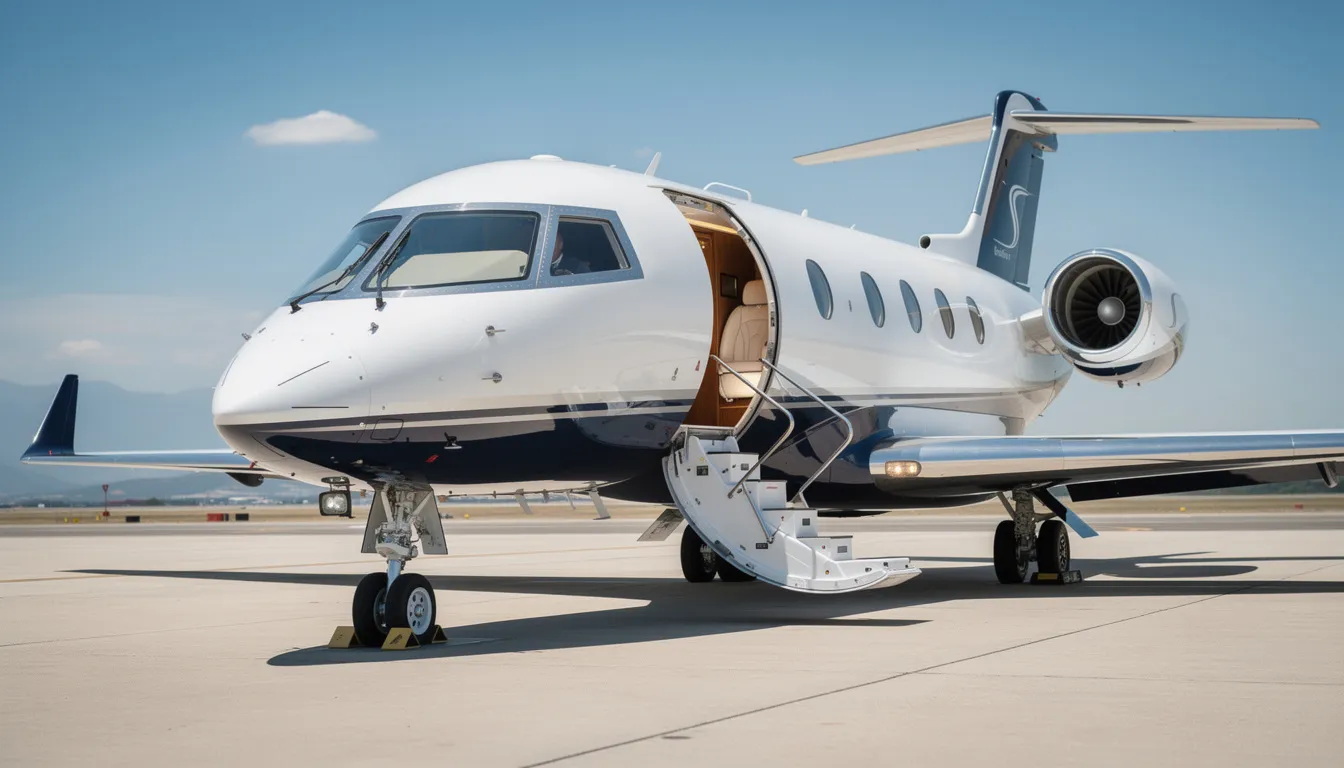
Private aviation has increasingly become a strategic travel choice for high-net-worth individuals, executives, and business owners who prioritize time, flexibility, and control. Unlike commercial travel, private flying allows passengers to operate on their own schedules, access smaller regional airports, and significantly reduce total travel time.
The costs of private jet ownership and flights can vary widely. Factors such as aircraft type, annual flight hours, operating region, and onboard configuration all influence overall expenses. From very light jets designed for short regional hops to ultra-long-range aircraft capable of global travel, private aviation spans a broad financial spectrum.
Private jet ownership also provides access to thousands of airports across the United States and internationally, many of which are not served by commercial airlines. This expanded access reduces ground travel time, enables point-to-point routing, and increases productivity for travelers who cannot afford delays.
As private aviation continues to grow globally, more travelers are evaluating whether full ownership, fractional jet ownership, jet card programs, or chartering best align with their travel patterns and financial goals.
Very light jets represent the most accessible entry point into private jet ownership. These aircraft are designed for short-haul flights and typically seat four to six passengers. New VLJs often start around $2 million to $5 million, with used models available at lower price points. The Cirrus Vision Jet is highlighted as the cheapest private jet in the world, making VLJs the most budget-friendly option on the market.
VLJs are commonly used for regional business travel and personal trips under two hours. Their lower acquisition and operating costs make them attractive for owners who fly limited annual hours or prefer a simplified ownership experience.
Light jets offer greater cabin space, higher cruising speeds, and longer range than VLJs. These aircraft are well-suited for regional travel and can typically seat six to eight passengers comfortably. Purchase prices for light jets generally range from $1 million to $8 million, depending on age, avionics, and interior configuration. The purchase price for a new Eclipse 500 was around $2.15 million, highlighting its affordability in the very light jet category.
Light jets strike a balance between affordability and capability, making them popular among corporate flight departments and fractional aircraft ownership programs.
Midsize jets provide enhanced comfort, stand-up cabins, and transcontinental range. These aircraft are ideal for longer domestic flights and often accommodate 8 to 10 passengers. Prices typically range from $4.2 million to $30 million. Operating costs are higher than light jets, but the increased range and cabin comfort justify the investment for travelers who fly frequently across the United States.
Heavy business jets and ultra-long-range aircraft represent the top tier of private aviation. These jets are capable of nonstop international flights, feature full galley kitchens, private staterooms, and advanced connectivity systems. Purchase prices often extend into the tens or hundreds of millions of dollars, with ultra-long-range models exceeding $100 million.
These aircraft are designed for global operations and are commonly used by multinational corporations and ultra-high-net-worth individuals. Larger jets cost millions more than very light jets, and fuel costs for such aircraft can be thousands of dollars per hour.
The initial purchase price of a private jet is only one component of total ownership cost. While acquisition costs can range from $2 million to well over $100 million, ongoing expenses often exceed expectations for first-time buyers.
Annual ownership costs typically include fuel, maintenance, insurance, crew salaries, training, data subscriptions, and regulatory compliance. Depending on aircraft type and usage, these costs may range from $500,000 to over $4 million per year for larger aircraft with high utilization.
Fuel remains the largest variable expense for private jets, often accounting for 25% to 35% of total operating costs. Maintenance costs can include routine upkeep, engine overhauls, and major inspections, each ranging in the hundreds of thousands to millions, quickly increasing annual expenses to $500,000 to $1,000,000 or more.
Insurance premiums vary widely, ranging from $10,000 to over $500,000 annually depending on coverage, jet value, and other factors. Pilot and flight crew salaries can range from $60,000 to over $400,000 annually depending on experience and aircraft size, with most jets requiring at least two pilots. Crew salaries for pilots typically range from $85,000 to over $300,000 annually per pilot.
Additional expenses such as hangar rental, landing fees, navigation charges, and new levies like the UK's Air Passenger Duty (increasing significantly from April 1, 2026) must also be factored into long-term budgeting. One-way trips can incur repositioning fees, adding to operational costs.
Private jets typically depreciate 10% to 15% of their value in the first year and 5% to 10% annually thereafter. High-end brands and custom interiors increase the price of private jets and can affect resale value.
Ownership of a private jet entails significant annual expenses often amounting to around 10% of the purchase price.
Operating costs scale directly with aircraft size and annual flight hours. Light jets may incur annual operating costs between $200,000 and $500,000, while heavy jets often exceed $1 million to $2 million annually.
Fuel, maintenance, crew salaries, insurance, and hangar fees are the primary ongoing expenses. Owners must plan for avionics upgrades and interior refurbishments over time.
Some owners offset costs by chartering their aircraft when not in use or by taking advantage of empty-leg opportunities. Empty leg flights offer discounted one-way travel when an aircraft is repositioning without passengers, providing significant savings but requiring flexible scheduling.

Private jet flight costs depend on aircraft category, flight duration, and service level. Hourly rates typically include aircraft operation but may exclude variable fees such as landing fees, fuel surcharges, de-icing, and international handling charges.
Typical charter rates in 2026 are $2,000 to $4,000 per hour for turboprops and very light jets, $4,000 to $8,000 for midsize jets, and $8,000 to $20,000 for large or ultra-long-range jets. The cost of renting a light jet typically ranges from $2,500 to $4,500 per hour, while midsize jets generally have rental costs between $4,500 and $7,500 per hour. Ultra-long-range jets are the most expensive to rent, with rates from $16,000 to $24,000+ per hour.
Many private jet charter services offer personalized in-flight catering and luxury amenities, ensuring a premium experience for passengers.
Jet card programs and many charter providers offer all-inclusive pricing, simplifying budgeting and cost transparency. These programs appeal to travelers seeking predictable expenses without ownership responsibilities.
Understanding what is included in quoted rates is essential to accurately comparing private aviation options.
Several variables influence private jet pricing and ownership expenses. Aircraft size and performance capabilities are primary cost drivers, affecting both acquisition and operating budgets.
Flight duration, route complexity, and seasonal demand also play a significant role. Peak travel periods and high-demand destinations often command premium pricing. Seasonal demand can lead to fluctuations in private jet rental costs, especially during holidays, driving prices up due to market demand for private jet travel.
Fuel prices, maintenance requirements, insurance premiums, crew requirements, and onboard amenities fluctuate over time and impact long-term cost projections. Regulatory compliance and safety standards further contribute to operational expenses.
Careful evaluation of these factors helps travelers align private aviation solutions with their financial and travel objectives.
Aircraft performance directly affects operating efficiency and travel experience. Light jets excel on short-haul routes, offering speed and convenience at lower costs.
Midsize and super midsize jets provide extended range and cabin comfort, making them suitable for cross-country travel. Very light jets remain popular for regional business use due to their lower operating footprint.
Selecting the right aircraft type ensures optimal cost efficiency and satisfaction. Matching performance capabilities to typical mission profiles is essential in private aviation planning.
Private jet ownership offers unmatched flexibility and control. Owners dictate departure times, routes, and onboard experience without relying on airline schedules.
Security procedures are streamlined, reducing time spent at terminals and increasing overall travel efficiency. Private cabins provide quiet, productive environments for business meetings or personal relaxation.
Ownership also delivers prestige and brand alignment for organizations that prioritize discretion and professionalism. For frequent travelers, the operational advantages often outweigh the financial commitment.
Purchasing a private aircraft requires careful analysis of budget, mission requirements, and financing strategy. Buyers may choose between cash purchases, traditional loans, or leasing arrangements.
Financing structures vary widely and should align with long-term travel plans. Professional guidance helps navigate tax considerations, depreciation schedules, and regulatory compliance.
Pre-purchase inspections and aircraft evaluations are critical to mitigating risk. A thorough assessment ensures the aircraft meets operational and safety standards before acquisition.
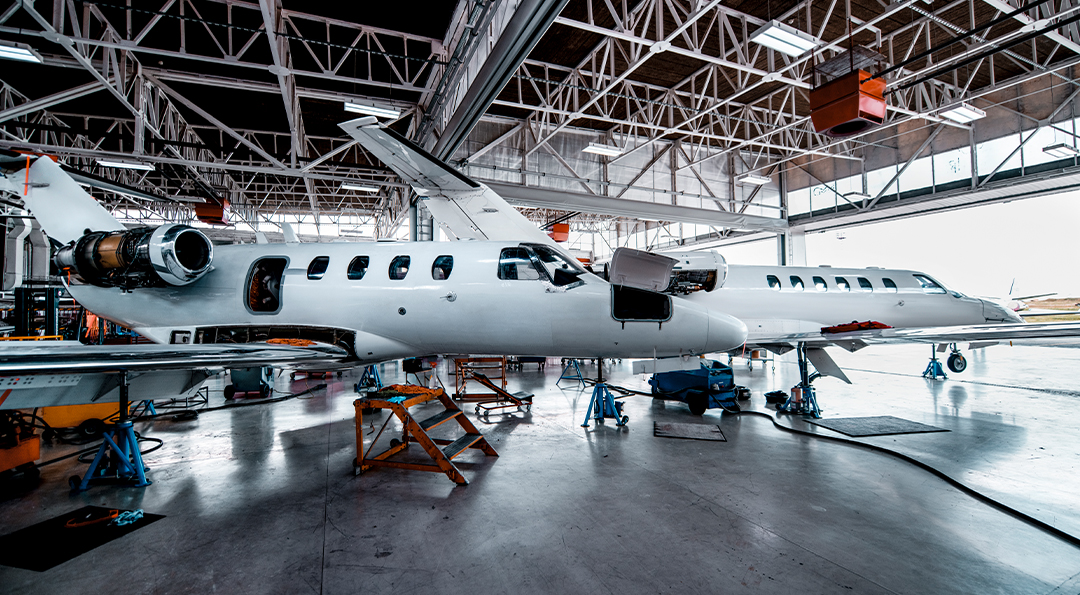
Ongoing expenses extend beyond predictable operating costs. Regular maintenance is mandatory to ensure safety, reliability, and compliance with aviation authorities such as the Federal Aviation Administration.
Unexpected repairs, component overhauls, and technology upgrades can arise throughout ownership. Budgeting for contingency expenses is essential.
Well-maintained aircraft tend to retain higher resale value and experience fewer operational disruptions. Proactive maintenance planning improves cost efficiency and long-term satisfaction.
Chartering remains a popular alternative to ownership for travelers seeking flexibility. Charter providers offer access to a wide range of aircraft without the need for capital investment.
Passengers benefit from the advantages of private aviation while avoiding long-term obligations. Chartering also allows travelers to select different aircraft types for varying trip profiles.
For occasional flyers or those evaluating private aviation for the first time, chartering provides a low-risk entry point.
Chartering a private jet involves hourly rates that cover operational costs but may include repositioning fees.
The cost of a private jet varies widely depending on the aircraft type, age, size, and whether it is new or pre-owned. New private jets can range from around $2 million for very light jets to over $100 million for large, ultra-long-range jets. Additionally, ongoing operating costs such as fuel, maintenance, crew salaries, insurance, and hangar fees contribute significantly to the total cost of ownership.
Private jet rental costs depend on the jet type, flight duration, and services requested. Hourly rates typically range from $2,000 to $4,000 for turboprops and very light jets, $4,000 to $8,000 for midsize jets, and $12,000 to $24,000 or more for heavy and ultra-long-range jets. Additional fees, such as landing fees, fuel surcharges, catering, and repositioning fees, may apply.
Very light jets (VLJs) such as the Cirrus Vision Jet and pre-owned Eclipse 500 models are among the cheapest private jets on the market, with purchase prices starting around $2 million or less. These jets are ideal for short regional flights and offer an economical option for private aviation enthusiasts.
Many factors impact private jet costs, including aircraft type and size, flight distance and duration, market demand, airport fees, fuel prices, crew requirements, and onboard amenities. Seasonal demand and destination airports can also affect prices significantly.
Owning a private jet involves significant upfront and ongoing expenses such as maintenance, insurance, crew salaries, and hangar fees, often totaling hundreds of thousands to millions annually. For those who fly less frequently, chartering or fractional ownership may be a more economical option, offering flexibility without the financial commitment of full ownership.
Empty leg flights are discounted one-way flights when a private jet is repositioning without passengers. These flights offer significant savings but require flexible travel schedules. They are a popular way for frequent flyers to enjoy a private flight at a reduced cost.
Jet card programs offer prepaid blocks of flight hours for specific jet types at fixed rates, guaranteeing availability and predictable pricing. They are ideal for frequent flyers who want the benefits of private aviation without full ownership.
Hangar fees are the costs associated with storing a private jet in a hangar to protect it from weather and ensure security. These fees vary by location but typically range from $1,500 to $3,000 or more per month, depending on the size of the hangar and airport.
Smaller jets, like very light jets and light jets, are generally designed for shorter flights and regional travel. For longer distances, midsize, super midsize, and heavy jets offer more range and cabin space, enabling passengers to fly longer distances comfortably.
Besides cost and range, consider the number of passengers, cabin space, airport accessibility, onboard amenities, and the purpose of your flights. Concierge-level service, safety standards, and the reputation of the operator also play a significant role in ensuring a satisfactory private flight experience.
Private jet ownership and private jet flight deliver exceptional flexibility, efficiency, and convenience, but they involve significant financial and operational considerations. Understanding the full cost landscape—from acquisition to annual operating expenses—is essential for informed decision-making.
Aircraft type, flight frequency, and service model all influence overall cost. Fractional jet ownership, jet card programs, and charter options offer alternatives that balance access and affordability.
With careful planning and expert guidance, private aviation can be both rewarding and strategically valuable.
For individuals and organizations exploring private aviation solutions, clarity is critical. Evaluating costs alongside travel needs ensures the right balance between access, efficiency, and financial responsibility.
Discover a smarter approach to flying private by visiting https://www.fractionaljetownership.com/. Learn how fractional ownership and tailored private aviation solutions can help you achieve your travel objectives with confidence and accuracy.
