August 9, 2026
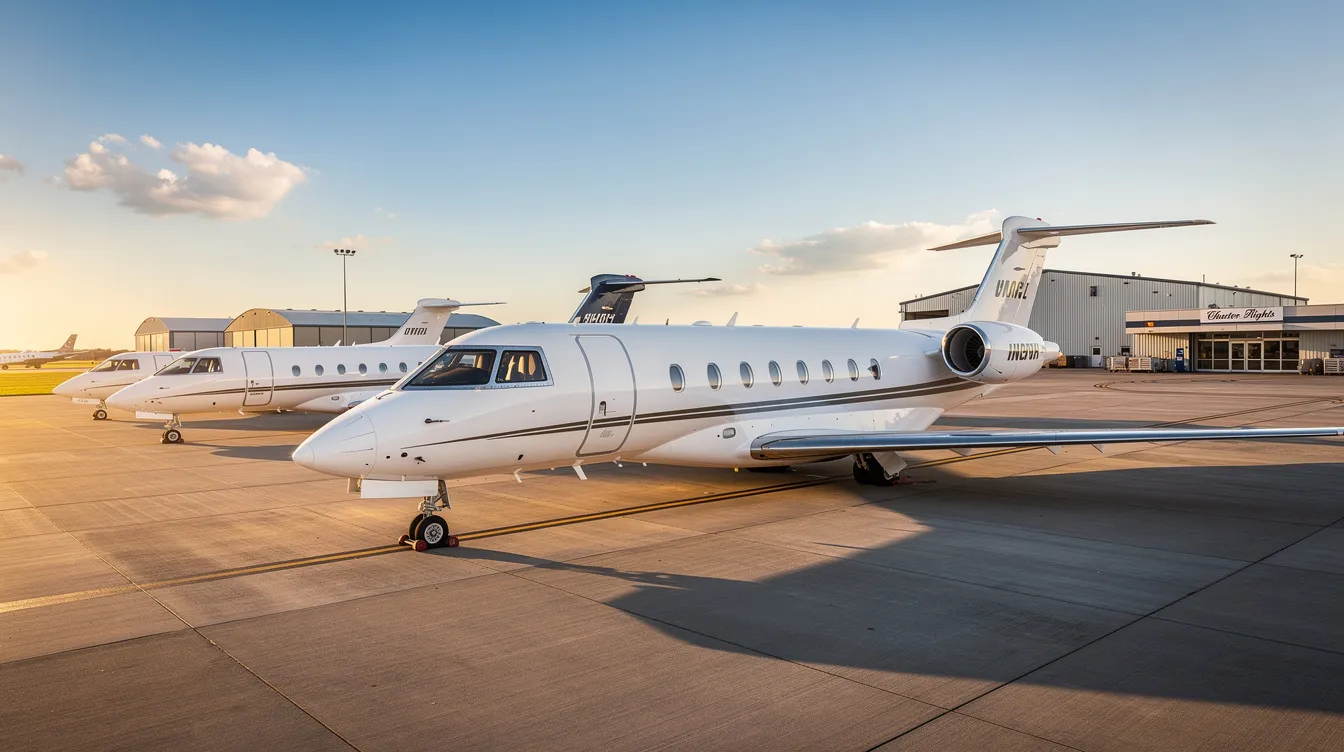
Charter flight prices typically range from $1,200 to over $20,000 per billable flight hour, depending on the aircraft type and operational factors. Hourly rates are charged for actual flight time and often include a daily minimum, meaning even short flights may be billed for two or more hours. Charter jet costs generally range from $1,200 to $10,000 per hour, with private jet rental prices spanning from $1,800 to $18,000 per hour across various aircraft categories. For corporations and high-frequency travelers flying roughly 25 to 150 hours a year, understanding these numbers is essential to managing private aviation expenses and selecting the right access model. This guide breaks down 2026 charter pricing by aircraft category, explains how routing and additional fees affect the final cost, compares charter with fractional jet ownership, discusses tax considerations including the 7.5% Federal Excise Tax (FET) on domestic flights, and offers strategies to reduce charter costs without sacrificing safety.
Charter flight pricing depends heavily on aircraft size and operational logistics. Light jets typically cost between $1,800 and $3,300 per hour, midsize jets between $3,200 and $4,400, and heavy jets range from $5,400 to $11,000 per hour. Chartering a turboprop for short flights usually costs around $5,000 to $7,000.
Additional expenses such as fixed base operator (FBO) fees, de-icing, and repositioning flights can inflate base quotes by 20% to 40%. Positioning fees apply when the aircraft must fly empty to your departure airport, adding to the total charter cost.
Flexibility with travel dates can lead to lower charter costs, while peak travel periods and high demand often increase rates.
Over 50,000 private aircraft are available for charter worldwide, and air charter platforms offer on-demand booking while providing access to customized routes, schedules, and a broad range of aircraft.
Shared or semi-private flights allow individual seat purchases on scheduled routes, providing an economical option for solo travelers who want more flexibility than standard commercial options.
Chartering a private jet offers greater flexibility over commercial flights, giving travelers control over departure times and the convenience of flying private with tailored itineraries instead of fixed airline timetables.
Charter services provide access to various aircraft for each trip without long-term commitments, often making them more cost-effective than full private jet ownership, which requires significant upfront investment and ongoing costs like maintenance and staffing.
Charter plane prices are influenced primarily by aircraft type, flight hours, and operational logistics. Factors include:
Aircraft category: options range from light aircraft such as piston planes and turboprops to light jets, midsize jets, super midsize, heavy jets, and larger aircraft such as airliners for higher-capacity missions. Depending on route length, passenger count, and mission profile, some categories are the more viable option.
Flight distance and time: actual airborne hours including climb, descent, wind corrections, and repositioning. Distance to the destination is a major cost factor for charters, with short haul flights typically served by smaller aircraft categories while long-haul flights often require more capable jets. Maximum range is also a key factor in route planning, since it helps determine which aircraft are suitable for a given trip.
Airport fees: landing fees vary by airport size and location; flights using smaller airports can be more convenient and sometimes less expensive, while major hubs often come with higher fees and more congestion; FBO handling charges apply.
Seasonality and peak demand: holidays, major events, and popular travel seasons increase prices.
One-way versus round-trip: one-way flights often incur repositioning fees when the aircraft flies empty back to base.
Definition of Repositioning Fees: Positioning fees apply when the aircraft must fly empty to your departure airport, adding to the total charter cost.
Charter pricing is hourly for the entire aircraft, not per passenger. This means a full cabin of six to eight passengers on a midsize jet can bring the cost per person below last-minute first-class commercial ticket prices on busy routes, but travelers considering long-term commitments should also understand fractional jet ownership terminology and concepts before comparing models.
The following hourly cost ranges reflect 2026 U.S. benchmarks before taxes and surcharges:
Aircraft Type | Hourly Cost Range | Notes |
|---|---|---|
Piston aircraft | $500 to $1,500 | |
Turboprops | $1,800 to $3,000 | Short flights cost approx. $5,000 to $7,000 |
Light jets | $1,800 to $3,300 | |
Midsize jets | $3,200 to $4,400 | e.g., Cessna Citation XLS+ |
Super midsize jets | $4,500 to $8,000 | |
Heavy jets | $5,400 to $11,000 | |
VIP airliners/group charters | $12,000 to $18,000+ |
Aircraft age and operator reputation also affect operational costs and rental premiums. Domestic U.S. rates tend to be lower compared to Europe or the Middle East, and anyone comparing private flying options should factor these benchmarks into an overview of fractional jet ownership costs versus on-demand charter.
Billing includes:
Actual flight time (wheels up to wheels down)
Repositioning flights when the aircraft must fly empty to your departure airport (positioning fees)
Daily minimum flight hours, commonly two hours per day. Hourly rates are charged for actual flight time and often have a daily minimum, meaning even short flights may be billed for two or more hours.
Taxi time, if applicable
Short flights may have higher per-mile costs due to minimums and repositioning charges spread over fewer miles. Similar dynamics appear when calculating the total cost of fractional jet ownership, where fixed fees and minimums can materially change your effective hourly rate.
Landing and handling fees: $150 to $800+ depending on airport and aircraft size
Crew overnight expenses: $1,000 to $3,000 per night for multi-day trips
De-icing: $1,500 to $5,000 or more in cold weather regions
International fees: customs, overflight permits, and after-hours charges, which become especially important on international flights and when evaluating tax implications for fractional jet owners
Federal Excise Tax (FET): 7.5% plus segment fees on domestic flights
Catering and ground transportation: costs vary widely by service level
Right-size the aircraft: Select the smallest aircraft that fits your passengers and luggage to save thousands per hour, since smaller categories can also improve fuel efficiency on the right mission.
Fly from secondary airports: Reduces repositioning and landing fees and can improve access to remote destinations.
Be flexible with travel dates: Shifting trips outside peak periods can lower costs by 15% to 30%.
Take advantage of discounted empty leg flights: Savings of 30% to 70% possible for travelers with flexible schedules.
Consolidate itineraries: Multi-stop flights reduce repositioning and minimum daily charges, a principle mirrored in floating fleet fractional ownership options that optimize aircraft utilization across many owners.
Consider shared or semi-private flights: Individual seat purchases on scheduled routes offer a cost-effective option, just as jet membership programs can complement or compete with fractional jet ownership versus membership models for lower-commitment access.
Chartering a jet is often more cost-effective than full ownership for travelers flying less than 200 hours annually, and for many flyers it can be the more economical option by avoiding ownership-related hidden costs. Ownership involves significant upfront investment and ongoing expenses such as maintenance and staffing. Charter services offer flexibility without long-term commitments and access to a variety of aircraft for each trip, while fractional jet ownership as an investment can appeal to flyers seeking predictable access with shared capital outlay.
Fractional ownership, such as BlackJet’s Equity Fleet, provides predictable hourly rates, guaranteed access, and potential tax benefits, making it attractive for those flying 25 to 150 hours per year. Travelers exploring these models should understand fractional jet ownership financing, costs, and benefits before committing capital. BlackJet’s Reserve Fleet offers a hybrid solution with preferred charter rates and flexible access, while charter remains a strong choice for travelers who want flexibility without the commitments common across the private aviation industry.
Understanding charter plane prices by aircraft type, route, and usage helps travelers select the best private aviation option, whether they are comparing private charters, on-demand flights, or ownership-based access. This gives travelers the clarity to make an informed decision based on usage, route patterns, and budget. Alongside charter, many flyers evaluate the best fractional jet ownership programs from leading providers to see which structure aligns with their hours and service expectations. BlackJet Fractional Jet Ownership assists clients in the U.S. and globally to analyze usage, forecast costs, and tailor access through Reserve and Equity Fleets for maximum value.
Ready to compare your charter spending to fractional ownership? Visit FractionalJetOwnership.com for a personalized analysis and to explore efficient private aviation solutions.
For most individuals and companies flying under 200 hours per year, chartering or fractional ownership is usually more cost-effective than buying a whole aircraft, and the private jet rental cost is typically easier to justify than the substantial upfront investment and ongoing costs of full ownership, including maintenance and staffing. Prospective fractional buyers should pay close attention to essential contract terms in fractional ownership that govern scheduling, costs, and exit options.
Booking 7 to 21 days in advance usually yields better pricing and availability. Last-minute bookings can cost 10% to 30% more due to limited inventory and repositioning, and similar planning discipline is required to ensure adequate liability coverage in fractional jet ownership and avoid gaps when schedules change.
No. Charter pricing is based on the aircraft and flight hours, not passenger count, making charter and fractional ownership attractive for groups. Group users considering shared ownership structures should review an aircraft fractional ownership sample contract to understand how rights and costs are allocated among multiple parties.
Estimate private jet flights by dividing distance by average cruise speed (400–450 knots for light jets) and multiplying by the hourly rate. For precise quotes, consult providers like BlackJet who consider repositioning and fees, and if you later move into ownership, be sure you understand the process of selling a fractional jet ownership share should your travel needs change. The best quote depends on aircraft size and route, especially for high-performance jets.
Fractional ownership involves upfront share purchase, monthly management fees, and fixed occupied hourly rates, offering predictable costs and tax benefits. Many programs offer tiers such as 1/8 fractional jet ownership structures designed around roughly 100 flight hours per year. Charter prices vary per trip with no long-term commitment.
Private jet travel offers unmatched flexibility, convenience, and privacy. Price is a key factor but should be balanced with predictability, access, and operational control. Fractional ownership bridges cost efficiency and flexibility for travelers who have outgrown ad-hoc charter but do not require full ownership. In conclusion, understanding the full scope of charter plane prices, additional fees, and operational considerations empowers travelers to make informed decisions tailored to their unique travel needs. Whether choosing private jet charter services or air charter for occasional trips, or fractional jet ownership for regular business travel, selecting the right aircraft options and leveraging transparent pricing ensures a hassle-free and efficient alternative to commercial airlines. For your next trip, consider all pricing factors and aircraft categories to optimize your private aviation experience. Ready to explore smarter private travel solutions? Visit FractionalJetOwnership.com to learn how fractional ownership can transform your journey with guaranteed access, cost transparency, and personalized service.
