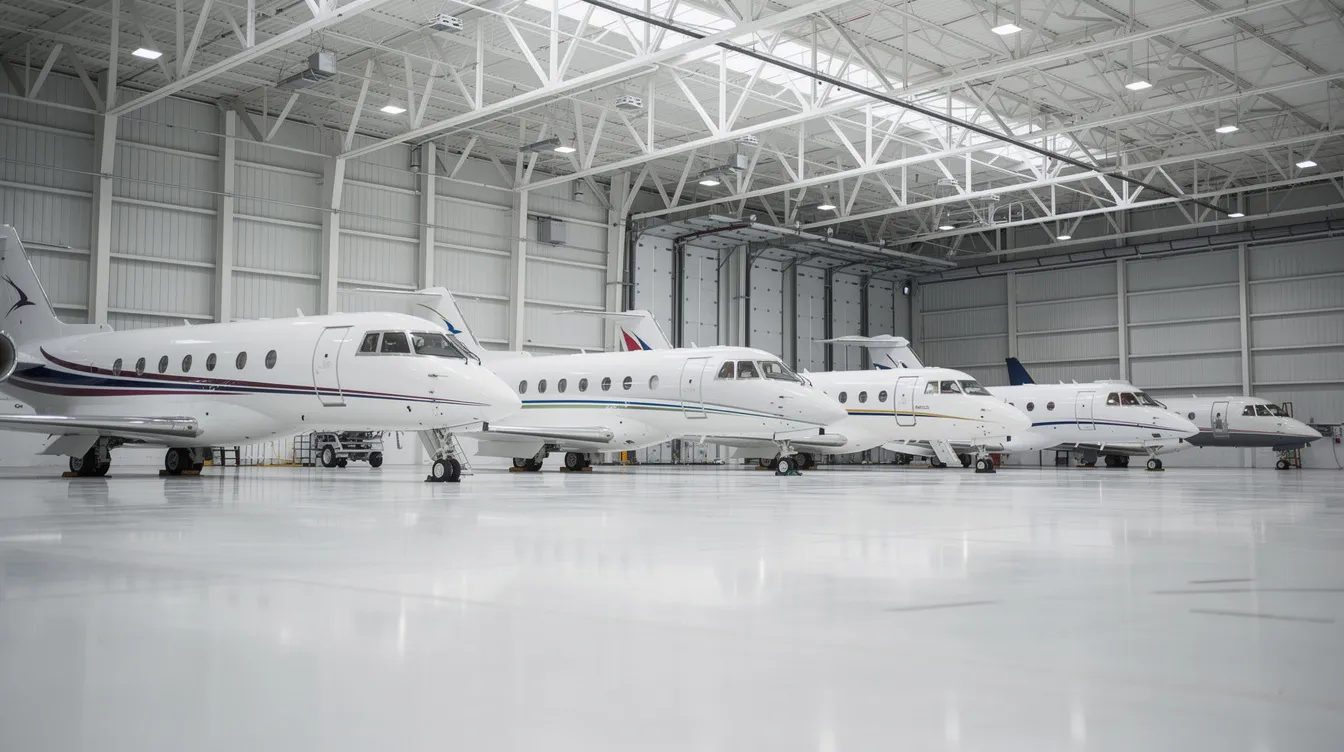
July 21, 2026
How much does it cost to own and operate a private jet in 2026? Private jet ownership ranges from about $2 million to $100 million to buy, with annual operating costs for a midsize jet often running $500,000 to $1,000,000 at roughly 200 flight hours, while fractional ownership can reduce upfront capital and typically costs $400,000 to $600,000 for 50 to 150 hours of flying. The answer depends on aircraft type, utilization, and which ownership model fits your travel profile.
Built for high-frequency travelers, business owners, and corporations flying roughly 50 to 400 hours a year, this guide breaks down every major expense - from purchase price, depreciation, fixed and variable operating costs, and tax and regulatory factors to operating cost comparisons by jet size, fractional ownership economics, and practical ways to optimize spend. The goal is to help prospective buyers avoid hidden costs, match flight activity to the right aircraft or share structure, and choose the most financially efficient private aviation solution.
Private jet purchase prices vary widely, typically ranging from $2 million to $100 million depending on the aircraft's size, age, and specifications. A pre-owned 2015 Cessna Citation XLS+ trades around $8.4 million, while a new 2026 Gulfstream G700 lists near $91 million. Very light jets start closer to $3–$4 million for older models.
Annual operating costs for a midsize jet at 200 flight hours typically run $500,000 to $1,000,000, combining crew, fuel, maintenance, hangar, and insurance. Larger jets and ultra-long-range jets push well past $1.5 million per year. On a per-hour basis, expect roughly $2,000–$3,500 for light and midsize jets, scaling to $7,000+ for large-cabin aircraft.
By contrast, fractional jet ownership significantly reduces capital exposure. A 1/8 share of a midsize jet flying 100 hours per year typically totals $400,000–$600,000 annually - with an upfront share cost of roughly $1.25 million rather than $10+ million for the whole aircraft. Private aviation offers fractional ownership and membership programs specifically designed for travelers flying 50–150 hours per year. BlackJet Fractional Jet Ownership provides both Equity Fleet and Reserve Fleet options for this range, eliminating the full burden of aircraft ownership while maintaining guaranteed access and scheduling flexibility.
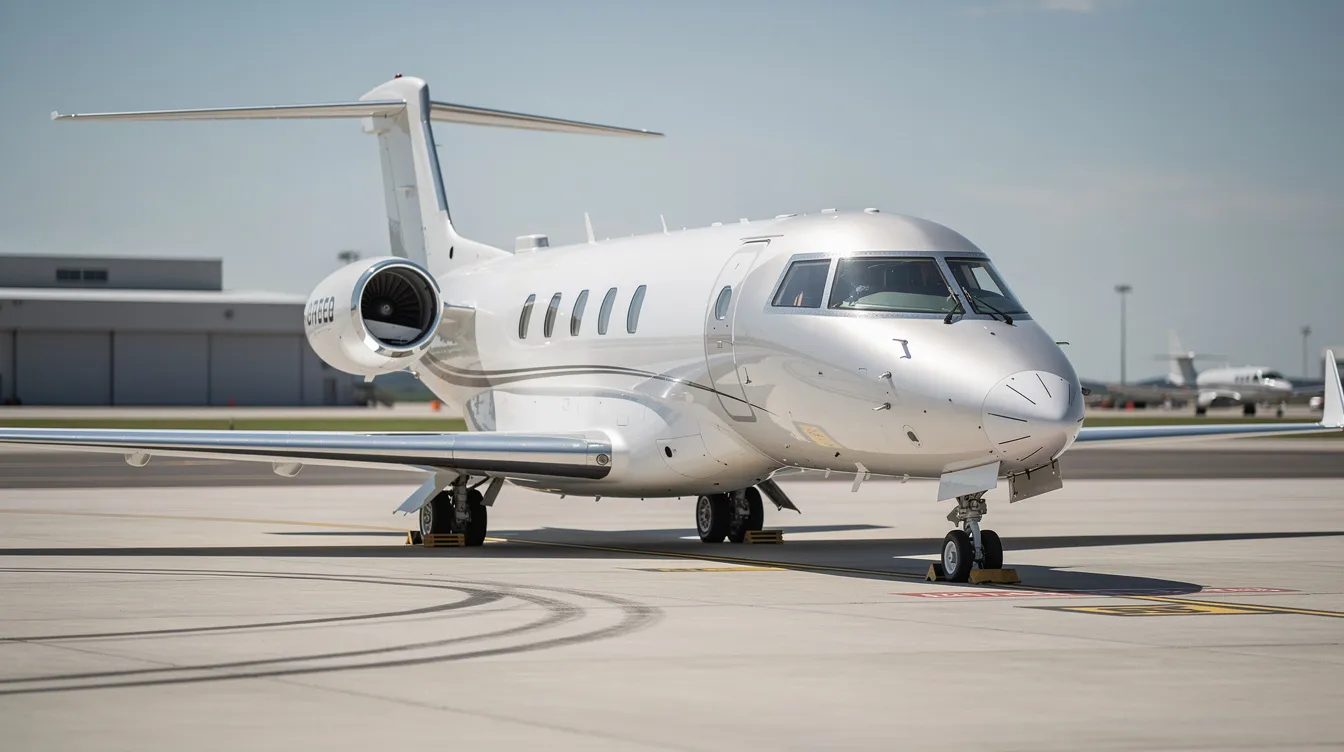
The economics of operating a private jet hinge on separating fixed costs - paid whether you fly or not - from variable costs that accumulate with each flight hour.
Fixed costs include:
Hangar fees: $30,000–$100,000 per year at regional airports; fees can exceed $240,000 annually in major cities like New York or Los Angeles, and strategic basing decisions significantly impact hangar costs
Crew costs: two pilots with salaries, benefits, and recurrent training totaling $250,000–$450,000 annually for a midsize jet.
Liability insurance and hull coverage: $30,000–$100,000+
Management fees and regulatory compliance
Annual fixed costs for private jet ownership can range from $300,000 to over $1,500,000, and for many operators fixed costs alone can reach $800,000 annually.
Variable costs include:
Fuel costs
Maintenance reserves
Landing fees
Handling charges
Aircraft cleaning
Catering
Fees for international operations
At 50–100 flight hours per year, fixed costs dominate the per-hour calculation, making whole aircraft ownership far less cost-effective than fractional ownership or jet cards. Doubling utilization to 300–400 hours spreads those fixed expenses, but total annual costs rise sharply. BlackJet's Equity Fleet and Reserve Fleet models help owners optimize both fixed and variable cost control by matching capital commitment to actual usage, mirroring the same principles used to calculate the total cost of fractional jet ownership.
The aircraft purchase is only the entry point of private jet ownership, but it drives depreciation, financing costs, and tax implications for years afterward.
Typical 2026 price bands:
Very light jets (e.g., 2017 Phenom 100EV): ~$3–$4 million pre-owned
Midsize jet (e.g., 2018 Citation Latitude): $13–$17 million new, $9–$12 million pre-owned
Large-cabin / ultra-long-range (e.g., Gulfstream G700): $90–$100 million new
Common financing structures require 20–30% down, with 10–15-year terms at 6–8% interest. On a $15 million midsize jet, interest alone can add $3–$5 million over the loan's life. The initial cost of owning a private jet varies widely based on these financing decisions.
Depreciation is often one of the largest ownership costs for private jets. Expect 10–15% value loss in year one, then 5–10% annually. A $15 million aircraft may lose $5–$7 million over 7–10 years. Fractional jet ownership materially reduces this exposure: buyers acquire a share rather than full title, and the management company typically absorbs more of the resale and remarketing risk. Initial investment for fractional ownership can range from $100,000 to over $1 million, depending on aircraft class and share size, and many buyers now evaluate specialized fractional jet ownership financing options alongside traditional aircraft loans.
Smart buyers engage aviation tax and legal advisors early to evaluate bonus depreciation, Section 179, and business-use requirements, and fractional participants should also understand the distinct tax implications for fractional jet owners before choosing a structure.
Annual costs scale with aircraft type and performance. Using 200 flight hours per year as a benchmark:
Aircraft Category | Annual Fixed Costs | Variable Cost Per Hour | Total Annual Cost (200 hrs) |
|---|---|---|---|
Very light jets | $200,000–$350,000 | $2,000–$3,500 | $800,000–$1,100,000 |
Light jet | $350,000–$600,000 | $2,800–$4,200 | $1,200,000–$2,000,000 |
Midsize jet | $550,000–$850,000 | $3,800–$5,500 | $1,300,000–$1,900,000 |
Large / Ultra-long-range | $1,200,000–$2,500,000 | $5,500–$11,000 | $2,500,000–$4,000,000+ |
Annual variable operating costs can range from $661 to over $7,600 per flight hour depending on aircraft size and age, making it essential for many travelers to compare these figures with the complete cost of fractional jet ownership before committing to whole ownership. Annual operating costs for midsize jets exceed $500,000 even at modest utilization. Annual recurring costs for jet operations typically range from $500,000 to $1,000,000 across most categories, which is why many buyers evaluate fractional jet ownership as a cost-effective alternative investment to whole-aircraft ownership.
A concrete example: a Citation XLS+ at 200 hours carries roughly $700,000 in fixed costs plus $3,000 per hour in variable expenses, totaling about $1.3 million. Doubling to 400 hours pushes the total past $2 million but drops per-hour cost significantly.
Private jet ownership becomes cost-effective at 200–400 flight hours annually. Many business owners and families fly only 50–150 hours per year, where fractional jet ownership or structured membership programs deliver better value. Prospective buyers should benchmark expected annual flight hours honestly before committing.
The highest ongoing costs in jet ownership are fuel, maintenance, crew, and management - each capable of shifting significantly over time, and each able to significantly impact budgets if not carefully monitored.
Fuel: A typical midsize jet burns 200–230 gallons per hour. With 2026 fuel prices averaging $7.50–$8.50 per gallon at U.S. FBOs, fuel costs alone reach $250,000–$400,000 at 200 hours. Fuel costs account for 25–35% of total operating expenses and represent one of the largest variable expenses for private jet ownership. Fuel consumption varies substantially between aircraft classes - larger jets burn over 500 gallons per hour.
Maintenance: Routine maintenance includes scheduled inspections (12-, 24-, and 96-month intervals), engine programs, and unscheduled maintenance for component failures. Maintenance costs typically range from 5% to 10% of aircraft value annually over the long run. Proactive maintenance scheduling minimizes operational disruptions and reduces aircraft downtime.
Crew: Most private jets require at least two pilots for operation. Pilot salaries range from $85,000 to $300,000 annually per pilot, and understanding these and other fractional jet ownership terms and cost concepts helps buyers interpret program pricing correctly. Crew salaries for private jets can range from $250,000 to $600,000 annually when including flight attendants, benefits, and recurrent simulator training - high ongoing costs that persist regardless of utilization and that often tilt the math toward fractional ownership vs. membership programs for lower-hour flyers.
Management: Professional management companies handle scheduling, regulatory compliance, safety oversight, and cost management, with fees typically running 10–15% of operating expenses, and fractional contracts spell these out through detailed aircraft fractional ownership agreements that define rights, obligations, and exit options. Fractional ownership programs bundle these cost drivers into transparent monthly management fees and predictable hourly rates, simplifying budgeting and cost control for owners, especially when programs use floating fleet structures in fractional ownership to maximize aircraft availability and efficiency.
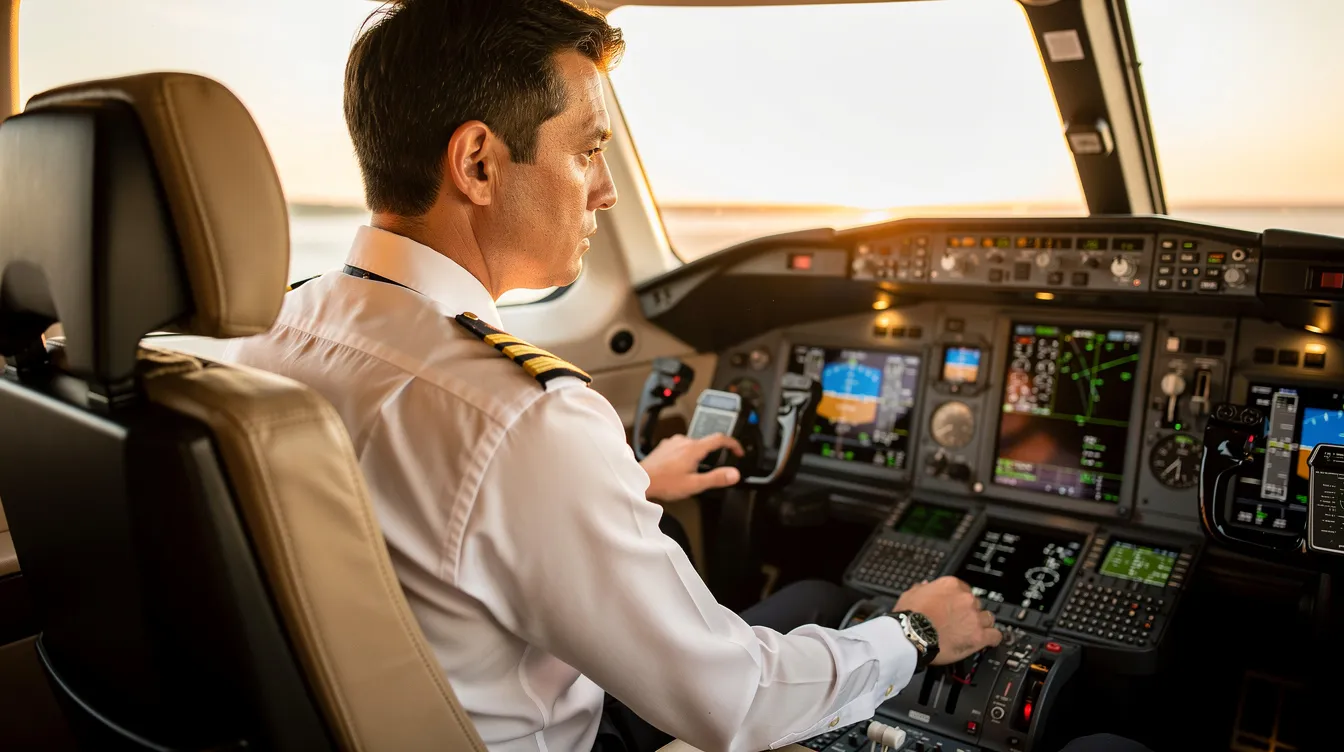
Annual flight hours are the single biggest factor in determining whether full ownership, fractional ownership, or on-demand charter is most cost-effective for a given traveler.
Rule-of-thumb ranges:
Under 50 hours/year → chartering is often more economical for flying fewer than 150 hours yearly
50–150 hours/year → fractional ownership is cost-effective for 50 to 200 flight hours annually
200–400+ hours/year → whole jet ownership may deliver the best per-hour economics
Beyond raw hours, usage patterns matter. Frequent one-way trips, repositioning flights, and extended crew layovers can sharply increase fuel costs, crew expenses, and landing fees even when total hours appear modest. Operating a private jet involves ongoing expenses that compound with complex routing.
Consider a business flying 120 hours per year on mixed domestic routes. Total operating costs for whole ownership of a midsize jet would exceed $900,000 annually. A 1/8 fractional share or structured program delivering similar access might cost roughly half that amount - around $500,000.
Using the wrong-size aircraft compounds costs further. Flying a large-cabin jet on short 90-minute legs wastes hundreds of thousands per year versus right-sizing with a light jet. Prospective owners should map a full 12-month travel pattern - city pairs, passenger loads, lead times - before selecting an ownership model or aircraft class.
Fractional jet ownership allows sharing a jet among multiple owners, each holding a defined share of a specific aircraft while accessing a professionally managed fleet. It delivers lower capital outlay and more predictable ongoing operating costs than whole aircraft ownership.
Share sizes and corresponding hours:
1/16 share → ~50 flight hours/year
1/8 share → ~100 flight hours/year
1/4 share → ~200 flight hours/year
Every fractional ownership program structures costs around three components: a one-time acquisition fee based on aircraft share, monthly management fees covering fixed costs (hangar, insurance, crew), and an hourly occupied rate covering fuel and variable costs. Owners pay monthly management fees and hourly usage rates that are transparent and predictable.
Concrete example: A $10 million midsize jet where a 1/8 share costs ~$1.25 million upfront, with management fees around $12,000–$18,000 per month and an hourly rate near $3,500. At 100 hours per year, fractional jet ownership costs total roughly $500,000–$600,000 all-in annually.
Fractional ownership typically offers guaranteed access to aircraft, standardized cabin quality, and professional crew and maintenance services - with far less day-to-day oversight required. BlackJet Fractional Jet Ownership's Equity Fleet and Reserve Fleet models allow participants to fine-tune capital commitment, tax treatment, and cost control based on whether they want an ownership stake or flexible pay-as-you-go access.
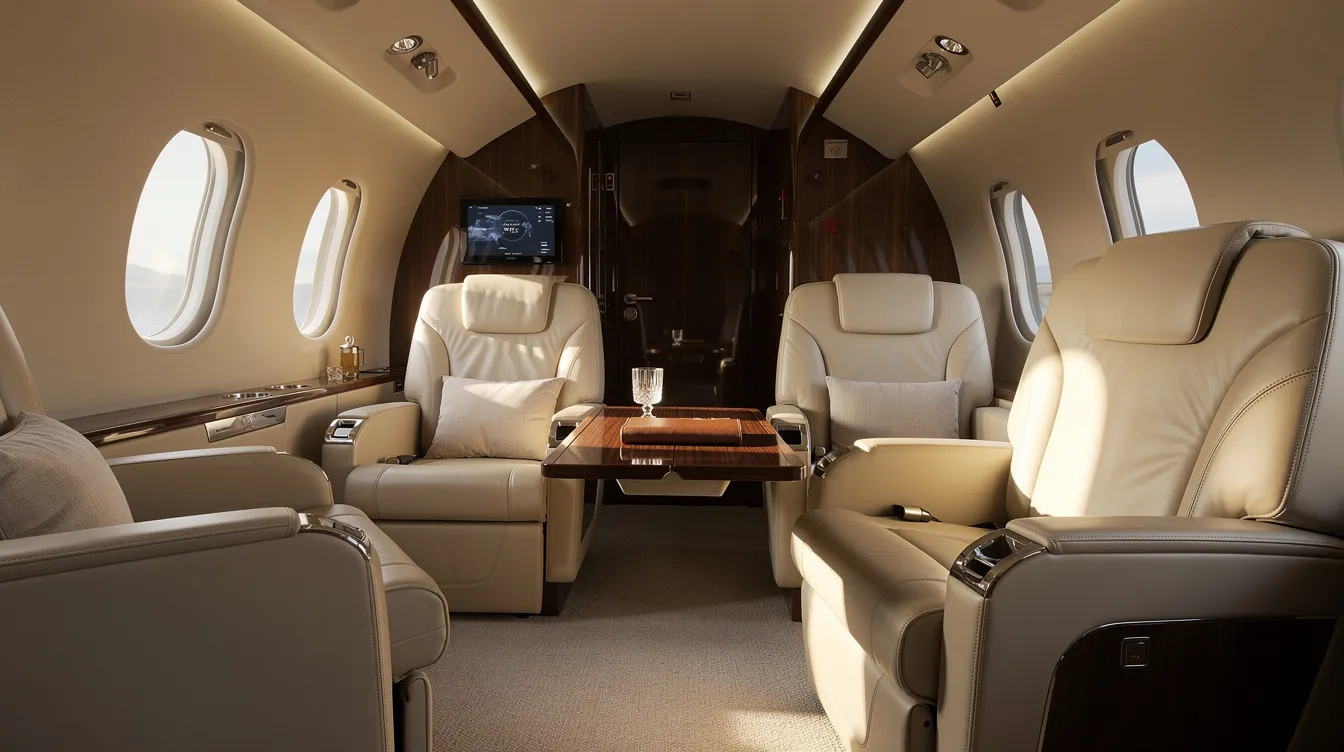
Most private flyers weigh four options. Here is how they compare:
Model | Capital Required | Best For | Per-Hour Cost | Fixed Cost Exposure |
|---|---|---|---|---|
Whole aircraft ownership | Full purchase price | 250–400+ hrs/year | Lowest at high utilization | Highest |
Fractional ownership | Share price ($100K–$1M+) | 50–200 hrs/year | Moderate | Shared |
Jet cards/memberships | Prepaid hours block | 25–50 hrs/year | Higher | Minimal |
On-demand charter | None | Under 50 hrs/year | Highest / variable | None |
Whole jet ownership offers full control over aircraft configuration and scheduling - ideal for organizations needing branding or strict operational standards at high volume. Fractional ownership vs. charter comes down to consistency: fractional delivers predictable annual operating costs and guaranteed availability, while charter pricing fluctuates with market demand, peak-day surcharges, and repositioning legs. Jet card programs split the difference with fixed hourly rates but higher cost per hour than fractional shares.
Prospective buyers should compare not just headline rates but also hidden costs: depreciation risk, repositioning charges, crew overnight expenses, and time spent managing bookings or aircraft logistics, and many start by reviewing the best fractional jet ownership programs to benchmark services and pricing.
Many high-net-worth individuals focus on visible ongoing costs like fuel and crew, but tax treatment, regulatory structure, and liability exposure can shift the true private jet cost dramatically.
U.S. tax benefits can be substantial. Qualifying aircraft used primarily for business may be eligible for bonus depreciation or accelerated depreciation schedules, offsetting significant income in early ownership years. However, using the aircraft for both business and personal travel triggers complex IRS rules requiring careful documentation of flight purpose, passenger lists, and imputed income.
Aircraft are typically owned through special-purpose entities (LLCs or trusts) and may operate under FAA Part 91 (private) or Part 135 (charter), each with different regulatory compliance burdens and cost implications. Part 135 certification opens the door to charter revenue generation but adds crew qualification requirements and maintenance oversight complexity.
Insurance costs for private jets typically range from 1% to 3% of the aircraft's insured value annually, and shared ownership models require careful attention to liability coverage in fractional jet ownership so that multiple owners are adequately protected. Hull and liability insurance limits, combined with potential exposure during incidents, make reputable management and fractional providers valuable partners in maintaining safety and regulatory compliance. Emerging cost pressures from sustainable aviation fuel mandates and environmental regulations in the private aviation industry may further increase operating expenses in the coming years.
Working with aviation-specialist tax advisors and attorneys - or leveraging providers like BlackJet that integrate this expertise - helps avoid costly structural mistakes, from drafting an aircraft fractional ownership sample contract that clearly allocates rights and duties to planning ahead for selling a fractional jet ownership share when your travel profile changes.
Whether pursuing full ownership or fractional participation, several strategies can make private jet travel more cost-effective without compromising safety.
Route and schedule optimization: Consolidating trips and minimizing repositioning flights cuts fuel and crew expenses. Fuel management can save 10–15% on costs through efficient routing, strategic fuel stops, and avoiding high-priced FBOs. These decisions directly improve operational efficiency.
Proactive maintenance planning: Maintenance scheduling during downtime reduces labor charges by aligning heavy inspections with slower travel periods. Enrolling in engine and parts programs helps control unscheduled maintenance risk and minimizes operational disruptions that lead to expensive aircraft downtime.
Leverage purchasing power: Professional management companies secure volume discounts on fuel, hangar space, and maintenance services. Joining a fractional program or working with a management company that can provide volume purchasing discounts translates into meaningful cost savings on the largest line items. Strategic basing decisions also impact hangar and fuel costs directly.
Revenue strategies for whole owners: Many private jet owners offset costs by participating in charter management programs, selectively chartering the aircraft under Part 135 when not in personal use. Charter revenue can offset ownership costs through third-party use, though this increases flight hours, wear, and oversight requirements.
Right-size your model: For owners flying 50–150 hours annually, shifting from full ownership to fractional ownership or a well-structured membership like BlackJet's Reserve Fleet can immediately eliminate high fixed costs, simplify budgeting, and deliver more flight hours per dollar spent through better cost management.
Fractional jet ownership costs typically include an upfront share purchase, monthly management fees, and hourly usage rates. This structure significantly reduces capital outlay and fixed expenses compared to full ownership, making it cost-effective for those flying 50 to 200 hours annually.
Fixed costs such as hangar fees, crew salaries, insurance, and management fees remain constant regardless of usage. Variable costs like fuel, maintenance, and landing fees increase with flight hours. Understanding this distinction helps owners optimize their budget based on utilization.
Private jet ownership generally becomes cost-effective at 200 to 400 flight hours annually. Below this threshold, fractional ownership or jet cards often provide better value by reducing fixed cost exposure.
Selling fractional ownership shares can be more complex than selling a whole aircraft. Many programs allow owners to sell shares back to the provider after a minimum holding period, but resale value may fluctuate based on market demand and operating costs.
Fractional ownership may offer tax advantages such as bonus depreciation and Section 179 deductions when used primarily for business. It's important to consult with aviation tax specialists to understand eligibility and compliance requirements.
The true cost of private jet ownership extends far beyond the initial purchase price. It encompasses significant fixed and variable operating costs, depreciation exposure, tax and regulatory complexity, and ongoing management demands that many first-time buyers underestimate.
Ownership is usually most cost-effective for frequent flyers logging 200–400+ more flight hours per year. For those in the 50–200 hour range, fractional ownership, jet cards, and charter consistently deliver better value and greater flexibility. The key is to quantify expected annual flight hours, typical routes, and business versus personal use before selecting a model - rather than starting with an aircraft in mind.
BlackJet Fractional Jet Ownership can model whole ownership, fractional ownership, and membership scenarios side by side to reveal true comparative costs for any travel profile.
Ready to find the ownership model that fits your flying life? Visit FractionalJetOwnership.com to request a customized cost analysis and explore whether the Equity Fleet, Reserve Fleet, or another structure best matches your travel needs and financial objectives.
