July 7, 2026
Whether you are building flight hours in a Cessna 172, comparing private jet options for regular business or leisure travel, or managing corporate flying needs of roughly 25 to 150 hours a year, the first question is usually the same: how much does renting a plane cost? In 2026, hourly rates typically run from about $130 to $220 for a single-engine piston aircraft such as a Cessna 172 to $9,000 to $14,000 or more for a large-cabin private jet, with the final price driven by aircraft type, cabin size, rental structure, and added fees.
This guide breaks down rental cost ranges by aircraft category, wet vs. dry rates, hourly vs. block pricing, location and seasonality, and the extra charges that often change the real total. It also compares flight-training rentals with business travel use, looks at lower-cost paths such as flying clubs, and examines longer-term alternatives like BlackJet Fractional Jet Ownership programs, so you can budget accurately, avoid surprise costs, and choose the most practical way to fly.
Rental prices vary by aircraft type and size, but here are the core 2026 price bands:
Single-engine piston aircraft (Cessna 172, Piper Warrior): $130–$220 per hour wet
Multi-engine piston aircraft (Piper Seneca, Beechcraft Baron): $280–$550 per hour wet
Turboprops (Pilatus PC-12, King Air 250): $1,000–$2,500 per hour with crew
Light jets: $3,000–$6,000 per hour
Midsize jets: $5,000–$8,500 per hour
Large-cabin / ultra-long-range jets: $9,000–$14,000+ per hour
Hourly rates for small aircraft range from $100 to $200, while multi-engine planes and private jets can cost between $250 and over $10,000 per hour. These airplane rental costs are quoted per aircraft, not per passenger, so filling more seats lowers the cost per traveler. A Cessna 172 carrying up to four passengers on a weekend trip splits the hourly rate four ways.
It is important to distinguish between two rental worlds. Private pilots who rent a plane from a local flying club or flight school pay a straightforward hourly rental and handle the flying themselves. Business and leisure travelers who "rent" a private jet are hiring an aircraft plus a professional crew through charter, jet cards, or fractional programs. For frequent flyers logging 25–150 flight hours per year, BlackJet Fractional Jet Ownership offers a way to lock in predictable hourly rental rates through its Equity Fleet and Reserve Fleet models, often more cost-effective than booking ad-hoc charters.
Before comparing quotes, it helps to know the main variables that cause aircraft rental rates to vary widely depending on circumstances. Location influences rental costs due to demand and availability at each airport. Rental duration affects pricing, with short-term rentals typically costing more per hour than committed block purchases.
The primary cost drivers include:
Aircraft type and size: speed, range, cabin comfort, and fuel burn
Rental structure: wet rental vs dry rental, hourly vs block time
Location and demand: metro vs rural airports, seasonality
Membership or club access: flying club dues, jet cards, fractional programs
Crew and regulatory requirements: for private jets, crew costs, safety audits, and repositioning legs
Understanding these factors lets readers compare local flight school rentals, on-demand charters, and fractional programs on an apples-to-apples basis.
The specific aircraft you choose has the single largest impact on what you pay. A two-seat trainer burns roughly 8 gallons of avgas per hour, while a large-cabin jet may consume 250+ gallons of jet fuel per hour. Larger cabins, longer range, and faster cruise speeds all correlate with higher rental rates per hour, though they can reduce total travel time and therefore total cost on longer missions. Single-engine planes are ideal for training and budget-conscious flyers, while turboprops and private jets serve business and luxury travel needs.
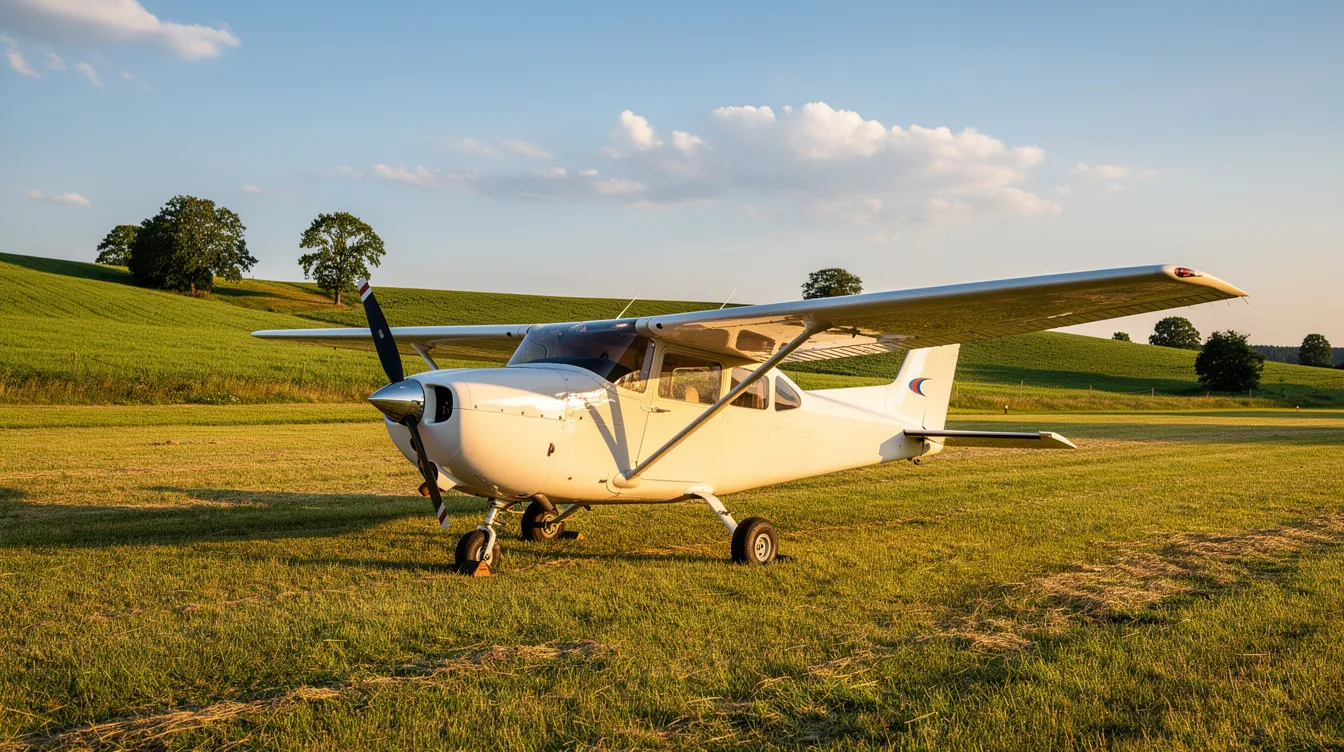
Basic trainers like the Cessna 152 and Piper Warrior typically rent for $120–$175 per hour wet in 2026, making them the entry point for student pilots and recreational pilots who fly for enjoyment. Four-seat singles like the Cessna 172 and Piper Archer commonly rent for $150–$220 per hour wet. Cessna 172 rental rates range from $130 to $220 per hour, with the national median near $165–$176 based on over 1,500 tracked aircraft.
Key variables within this category:
Analog vs. glass cockpit: Aircraft with modern avionics like the Garmin G1000 typically command a $10–$30 per hour premium over older "steam gauge" panels.
IFR-equipped models sit at the higher end, around $190–$220 per hour wet.
Flying club vs. flight school: Club rates for a Cessna 172 can drop to $130–$180 per hour wet, while some retail flight schools charge $200+.
Rental fees for small aircraft can range from $100 to $200 per hour depending on these factors.
Stepping up to aircraft like the Piper Seneca III, Beechcraft Baron, or Cessna 310 brings more power, redundancy, and speed. Multi-engine aircraft like Beechcraft Baron rent for $280–$550 per hour. For example, St. Charles Flying Service lists a Cessna 310R at $550 per hour wet. Complex or high-performance singles such as the Cessna 182T often fall in the $220–$300 per hour wet range due to higher fuel burn and aircraft maintenance requirements.
Higher rental prices in this category also reflect stricter pilot requirements. Renters typically need a multi-engine rating, complex endorsement, and significantly more flight hours. Some operators require additional insurance or minimum flight experience for rentals of these aircraft, and elevated insurance costs are built into the hourly rate.
Turboprops like Pilatus PC-12 cost $1,000–$2,500 per hour with crew, while turboprops like the King Air rent for $1,000 to $2,500 per hour depending on mission length and positioning. These figures include crew and standard operating costs.
For private jets, 2026 pricing breaks down as follows:
Private Jet Rental Cost Comparison Table
Category | Hourly Range | Example Aircraft |
|---|---|---|
Light jet | $3,000–$6,000 | Citation CJ3+, Phenom 300 |
Midsize jet | $5,000–$8,500 | Citation Latitude, Hawker 800 |
Large cabin | $9,000–$14,000+ | Gulfstream G450, Global 6000 |
Light jets such as the Citation CJ3 range from $3,000–$6,000 per hour. Extras like catering, de-icing, and certain airport fees are billed on top. BlackJet's fractional and Reserve Fleet options can bring these hourly rates down for frequent flyers by committing to 25+ hours per year.
How an aircraft is priced matters almost as much as what aircraft you choose. The three main structures are wet vs dry rentals, straight hourly rates vs block time, and club or card programs. In the private jet world, jet card and fractional ownership programs like BlackJet's Equity Fleet play a similar role to flying clubs for pistons.
A wet rental includes fuel and sometimes insurance costs in a single hourly rate. Wet rentals simplify budgeting by including fuel costs, making them the default at most flight schools and flying clubs. Wet rental rates are typically higher than dry rental rates because the operator absorbs fuel price risk.
Dry rentals require renters to pay for fuel separately. This can save money if the renter has access to discounted fuel at self-serve pumps, but total trip cost becomes more variable and sensitive to swings in fuel prices. In 2026, avgas typically runs $5–$8 per gallon at U.S. airports. Dry rentals allow flexibility to find discounted fuel options, while wet rentals simplify budgeting for renters by including fuel costs in a single predictable number.
Most renters pay strictly per hour, but purchasing block time can lower hourly rental rates. Block time rentals offer discounts of 5–15% off standard rates when purchasing 10–25+ hours in advance. This is common in both flying clubs and jet membership programs.
Pilots averaging 5–10 hours per month and executives planning monthly trips are strong candidates for block or fractional solutions. BlackJet's Reserve Fleet model operates like premium block time for private jets, without full aircraft ownership obligations.
Joining a flying club can reduce rental costs significantly. Members pay a joining fee and monthly dues (typically $50–$150 per month), then access shared aircraft at lower hourly rental rates than fixed base operators. Flying clubs may offer lower rental rates but often require membership dues.
Realistic 2026 examples: a local flying club might charge $130–$180 per hour wet for a Cessna 172, versus $150–$220 at some retail local flight schools. In private aviation, jet cards and fractional programs are analogous: members secure guaranteed availability at a known hourly rate. Clubs also foster a strong safety culture through standardized checkouts and recurrent training.
Geography and timing can change aircraft rental costs by 20–40% for the same model. Rental rates vary by airport and region based on operating costs and demand. Rental rates often increase in urban or high-demand areas where hangar fees, insurance costs, and local wages are higher.
A Cessna 172 in the Midwest rents for roughly $140–$170 per hour wet, while the same model in Southern California or the Northeast may cost $190–$220 per hour wet. Large-cabin jet charters between major hubs reflect similar premiums. Using nearby secondary airports can reduce airport fees and occasionally unlock better aircraft availability, helping travelers save money without sacrificing convenience.
Renting during off-peak times can lead to significant savings. During holidays like Thanksgiving, Christmas, and school breaks, or during marquee events such as the Super Bowl or Art Basel Miami, operators compress availability and may enforce higher hourly minimums and premium surcharges. Early booking or fractional and jet card solutions provide guaranteed access at contracted rates, shielding clients from extreme peak-season pricing volatility.
Minimum daily usage is commonly enforced for rentals, particularly for overnight and weekend bookings. Minimum flight time requirements are often enforced for weekends, typically 2–4 billable hours per day. Overnight rentals may require a minimum number of billable flight hours per day to prevent aircraft from sitting idle.
Costs are billed based on engine run-time, not just time in the air. Most operators track Hobbs time (engine running) rather than tach time, so taxi time counts. Costs are based on hours flown and typically billed by Hobbs time. For private jets, minimum flight charges per day, repositioning legs, and overnight crew fees drive multi-day trip totals higher. Always ask how flight time is recorded before signing a rental agreement.
Newer aircraft typically command higher rental rates. Aircraft age directly affects what you pay: glass cockpit aircraft with modern avionics like Garmin G1000 systems typically command a $10–$30 per hour premium over older analog panel versions. For private jets, value-added features such as Wi-Fi, fully flat beds, and modern cabin management systems correlate with top-tier hourly rates. Reputable rental and fractional providers prioritize well maintained aircraft over simply offering the cheapest option.
Published hourly rates often exclude important extras, especially in charter and jet rental. Additional services like catering can increase overall rental costs. For regional private jet trips in 2026, extras may add 10–25% above the quoted hourly rate depending on itinerary and season. It is crucial to read the rental agreement as it outlines associated expenses.
For dry rentals, fuel costs are paid separately. For wet rentals, fuel surcharges may be built into the hourly rate or adjusted periodically. Landing fees may apply at certain airports during plane rentals, ranging from $0–$30 at small GA fields to $50–$250+ at busy airports and FBOs.
Typical additional costs for a regional jet trip:
Landing fees: $100–$500 depending on the airport
Ramp and handling: $200–$600
De-icing (winter, northern U.S.): $500–$3,000+
Catering: $200–$1,500+
Ground transportation arrangements
Federal Excise Tax: 7.5% on U.S. charter flights
Many flight schools and flying clubs require renters to carry renters insurance coverage, which often runs $100–$500 per year depending on limits. Some providers bundle basic liability coverage into wet rental rates, while others explicitly require separate policies.
For private jets, hull and liability insurance coverage are part of the operator's cost base and embedded in higher hourly charter or membership rates. Both private pilots and corporate flight users should review insurance terms carefully, and prospective fractional owners must pay close attention to essential contract terms in fractional jet ownership, especially when comparing bare-bones charter with curated programs like BlackJet's vetted operator network.
Well-maintained aircraft cost more to operate but are non-negotiable for safety-conscious renters. Aircraft require annual and 100-hour inspections for piston engines, and strict manufacturer programs for turbine aircraft. Rental companies generally handle maintenance of aircraft, passing those ongoing expenses through in the hourly rate.
Operators with higher safety standards (ARGUS/Wyvern ratings, experienced crews) will rarely be the cheapest but offer better risk management. BlackJet partners only with vetted, safety-first operators and manages aircraft maintenance and compliance for its Equity Fleet on behalf of owners.
Renting an aircraft for flight training and renting for business travel are economically distinct. For training, typical 2026 costs combine the aircraft hourly rate ($150–$200 for a Cessna 172) plus $60–$120 per hour for a certified flight instructor. A student pilot pursuing a private pilot certificate at 50–70 flight hours faces total rental expenses of $12,000–$20,000 or more, including instructor fees.
For business travel, a 2–3-leg private jet roadshow can quickly reach mid-five-figure totals once crew, repositioning, and fees are included. High-frequency travelers often find that jet cards or fractional ownership outperform treating each trip as a one-off rental, and comparing fractional jet ownership vs membership programs can clarify which model best matches your flying pattern.
2026 Aircraft Rental Cost Comparison Table
Aircraft Category | 2026 Range (per hour) | Typical Use Case |
|---|---|---|
Cessna 172 (single piston) | $150–$200 wet | Training, local flights, hour building |
Piper Seneca (multi-engine piston) | $300–$450 wet | Multi-engine training, short trips |
King Air 250 (turboprop) | ~$1,800 with crew | Regional business, up to 8 passengers |
Citation CJ3+ (light jet) | ~$4,000 with crew | City-pair business, 6–7 passengers |
Citation Latitude (midsize jet) | ~$6,500 with crew | Coast-to-coast, comfort priority |
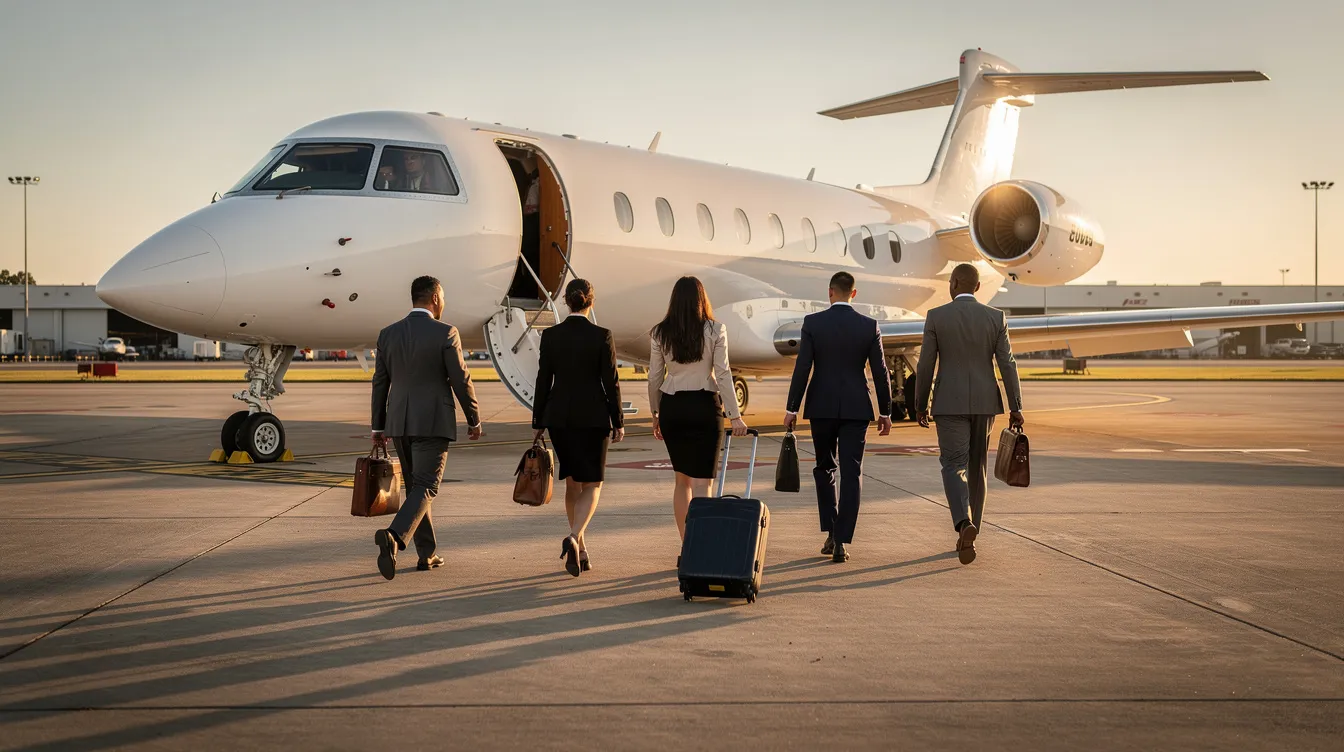
Gulfstream G450 (large cabin) | $11,000+ with crew | Transatlantic, large groups |
Scenario 1: Weekend flight training - A student pilot rents a Cessna 172 at $170 per hour wet plus a certified flight instructor at $80 per hour for 8 flight hours over two days. Total cost: approximately $2,000.
Scenario 2: Regional turboprop business trip - A King Air 250 at $1,800 per hour for 5.5 hours round-trip plus landing fees, handling, and crew overnight. Total: roughly $11,500–$13,000.
Scenario 3: Three-city light jet roadshow - A Citation CJ3+ at approximately $4,000 per hour for 7 hours, plus repositioning, airport fees, catering, and the 7.5% FET. All-in total: $30,000–$35,000+.
Scenario 4: Transatlantic large-cabin jet - A Gulfstream G450 from New York to London and back at $11,000+ per hour for roughly 15 flight hours, plus crew overnights, handling, and customs. Total: $160,000–$200,000 depending on routing and flight distance.
For a solo traveler, commercial business class is almost always cheaper than chartering a private plane. A round-trip business class ticket from New York to London might cost $4,000–$8,000, versus $160,000+ for a large-cabin jet charter.
However, for groups of 3–6 executives on dense routes, private aviation can become competitive after factoring in time savings, productivity, schedule flexibility, and the ability to visit multiple cities in a single day. Some travelers blend options: commercial long-haul plus short private jet segments booked through fractional programs or on-demand charters.
Aircraft ownership adds hangar fees, insurance, capital costs, maintenance reserves, and crew salaries for jets. For pilots flying over 100 hours a year, renting can be more expensive than ownership. Occasional flyers under 50–100 hours per year usually save money by renting or chartering.
The sweet spot for fractional jet ownership falls in the 25–150 hours per year range, where programs like BlackJet's Reserve Fleet and Equity Fleet deliver predictable costs and guaranteed availability without the complexity of full ownership. Readers should estimate their annual hours and mission profiles before deciding between renting, full ownership, and fractional solutions.
There are practical ways to manage total rental expenses without sacrificing safety or convenience:
Join a flight club or aero club for lower hourly rates on piston aircraft
Buy block time or consider jet cards for 5–15% savings on private jet rental prices
Fly off-peak and use secondary airports to reduce positioning and landing fees
Plan itineraries to minimize repositioning and overnight crew costs
Many clubs eliminate or relax daily minimums for multi-day trips, making them attractive for long weekends compared with some flight schools. A typical membership structure involves a modest joining fee plus $50–$150 per month in dues, in exchange for 20–30% cheaper hourly rates. Evaluate fleet quality, availability, and scheduling systems in addition to headline transparent rental rates. A local flying club often provides community and standardized safety checkouts alongside cost savings.
BlackJet Fractional Jet Ownership offers two core models: Equity Fleet (fractional aircraft ownership with priority access and potential tax benefits) and Reserve Fleet (pay-as-you-go membership without ownership). Prospective buyers should also understand fractional jet ownership financing and how it affects overall affordability. Fractional owners pre-buy a share of an aircraft and receive a contracted hourly rate, shielding them from spikes in charter pricing and fuel surcharges.
For corporations or individuals flying 25–150 hours annually, predictable hourly rates, guaranteed availability, and lower total cost compared to repeat charters make fractional ownership the most efficient path. Readers considering regular private jet usage should model their annual hours and compare ad-hoc rental quotes to structured BlackJet programs or explore whether 1/8 fractional jet ownership aligns with their needs.
Cessna 172 rentals typically cost $130–$220 per hour wet in the U.S., with most airports clustering around $170–$200. Differences arise from avionics (glass vs. analog), airport location, and whether the aircraft belongs to a flying club or a commercial flight school fleet. Some clubs offer discounted block rates under $160 per hour for committed members. Most rental companies will also specify whether the rate is Hobbs or tach time, which directly affects your bill.
In 2026, private jet rental prices run approximately $3,000–$6,000 per hour for a light jet, $5,000–$8,500 for midsize jets, and $9,000–$14,000+ for large-cabin aircraft. These rental rates are per aircraft hour, not per seat, and normally include crew, maintenance, and standard operating costs. Jet card and fractional programs often sit near the lower end of these ranges on an all-in basis. BlackJet can provide tailored, route-specific cost modeling based on a client's typical trips.
To rent and fly a piston aircraft solo, renters generally need at least a valid pilot certificate (Private Pilot Certificate or Sport Pilot), a current medical, and a current flight review. Student pilots working toward a private pilot license can rent only when flying with a certified flight instructor. No pilot license is needed to charter a private jet; travelers are hiring aircraft and a professional crew together. Recreational pilots fly for personal enjoyment with their own credentials, while business travelers simply book through charter, jet card, or fractional programs.
Common additional costs include fuel (for dry rentals), airport landing and ramp fees, overnight charges, de-icing, catering, ground transportation, and taxes such as the 7.5% U.S. Federal Excise Tax on charter flights. For regional private jet trips, extras may add 10–25% above the quoted hourly rate. Always request breakdowns in writing and ask what is included in a "wet rate" or "all-in" quote. BlackJet emphasizes transparent, upfront pricing so owners and members know their effective hourly rate before committing. Weekly or monthly rentals of piston aircraft may also carry different fee structures than single-day bookings.
Airplane rental costs are driven by aircraft type, rental structure, location, and usage patterns. Clarity on these variables is the key to making informed decisions, whether you are renting a Cessna for hour building or chartering a Gulfstream for a transatlantic meeting.
Occasional pilots and leisure travelers should explore a local flying club or reputable flight schools for piston rentals with strong safety records. For individuals and companies flying private 25–150 hours per year, BlackJet Fractional Jet Ownership delivers predictable costs, guaranteed availability, and high service without full ownership complexity.
Ready to explore the smarter way to fly private? Visit FractionalJetOwnership.com to compare charter, jet cards, and fractional ownership, and to request a tailored cost analysis based on your 2026 travel plans.
