July 9, 2026
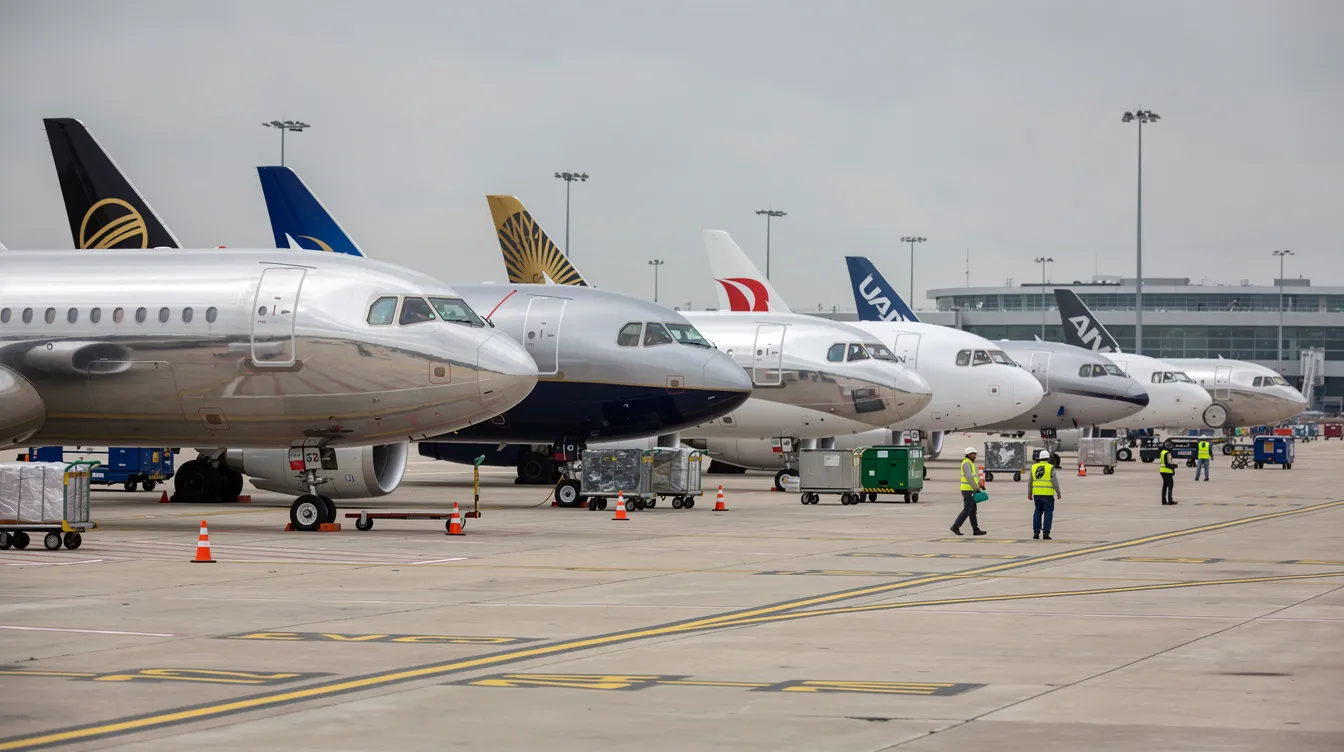
The latest news on Jet Airways is definitive: the airline is gone for good. On November 7, 2024, the Supreme Court of India ordered the liquidation of Jet Airways, ending more than five years of revival hopes and legal proceedings. All Jet Airways flights have been grounded for over four years, and there are no announced plans to restart Jet Airways as a commercial airline.
Jet Airways was once India's largest private full-service airline, commanding nearly 25% of domestic market share and connecting Mumbai, New Delhi, London, and dozens of other cities across the globe. Founded in 1992 and operational from 1993, the airline grew aggressively through acquisitions, fleet expansion, and a reputation for premium service that frequent business travelers, corporate clients, and high-net-worth flyers came to rely on. But mounting debt, fierce competition from low-cost carriers, and a series of financial missteps left it unable to fly.
Jet Airways suspended all flight operations on 17 April 2019, carrying debts amounting to $1.2 billion at bankruptcy. The Jalan Kalrock consortium stepped in with plans to revive the airline starting in 2020, but repeated delays in funding and regulatory clearance meant the relaunch never materialized. By late 2024, the Supreme Court found the revival plan unfeasible and ordered liquidation.
For readers tracking what Jet Airways' collapse means for their travel options and for anyone evaluating more dependable alternatives, this article covers the airline's history, the practical consequences of liquidation, the status of its frequent flyer program, and the impact on indian and global aviation markets. It also examines why the shutdown of a major scheduled carrier has made private aviation and fractional jet ownership more relevant for travelers who value predictable access, reliability, and control.
India's Supreme Court invoked Article 142 of the Constitution-its power to deliver "complete justice"-when it ordered Jet Airways' liquidation on November 7, 2024. The order set aside the earlier NCLAT approval of the Jalan-Kalrock resolution plan, citing unmet financial commitments.
After years of insolvency proceedings, Jet Airways' management faces liquidation. The key findings of the Court include:
The Jalan-Kalrock Consortium could not implement the approved resolution plan for Jet Airways, having failed to infuse the required ₹350 crore first tranche by the deadline.
More than five years had passed since the NCLT approved the plan in June 2021, with insufficient progress.
The consortium's attempt to adjust payment obligations against the ₹150 crore performance bank guarantee was disallowed.
The Supreme Court found that Jet Airways' revival plan was unfeasible and directed that the airline proceed to liquidation.
The National Company Law Tribunal ruled that Jet Airways' leasehold rights belong to the liquidation estate. The NCLT set the Liquidation Commencement Date as November 26, 2024, and appointed a liquidator. Trading of Jet Airways equity shares on the NSE was suspended effective November 8, 2024.
For creditors, the airline's assets are being sold off to settle its debts during the liquidation process, following IBC priority rules. Employees, lenders, and secured creditors hold positions ahead of equity holders, who will likely recover nothing. Jet Airways has no active flight operations as it is in liquidation, and the airline's official website now focuses on liquidation, not operational restart. The page at www.jetairways.com directs visitors to liquidation proceedings and stakeholder notices rather than booking flights.
Jet Airways' trajectory from startup to market leader to grounded carrier spans three decades, and major planning cycles often came into focus in January. Here are the key milestones:
1992–2000 (Launch and Growth): Founded by Murari Lal Jalan-era investors and initially led by Naresh Goyal, Jet commenced operations in 1993 during India's liberalization wave and rapidly expanded domestic and international routes.
2005–2007 (Fleet Expansion): Jet Airways ordered 30 aircraft at the Paris Air Show in 2005, with the order announced in June and discussed into July as part of its fleet expansion plans. In 2006, the airline placed an order for 10 Boeing 787 Dreamliners, signaling long-haul ambitions. In 2007, Jet acquired Air Sahara, rebranding it as JetLite.
2009–2013 (Peak Market Share): By 2009, Jet Airways and JetLite carried approximately 11.12 million domestic passengers, capturing around 25.4% market share. The airline launched Jet Konnect as a low-cost arm. In 2013, Jet Airways ordered 75 Boeing 737 MAX aircraft to modernize its narrowbody fleet.
2015–2018 (Financial Decline): Rising fuel costs, currency fluctuations, and aggressive pricing by IndiGo and SpiceJet eroded margins. Debt accumulated rapidly. Partial grounding of aircraft began in late 2018 as lessors repossessed planes over unpaid dues.
2019 (Shutdown): On April 17, 2019, Jet Airways ceased all flight operations after lenders refused to provide emergency funding
. Boeing cancelled all of Jet Airways' remaining 737 MAX orders in 2019. The airline lost its IATA code 9W in August 2023. State Bank of India initiated insolvency proceedings, and the airline's fleet-once including Airbus and Boeing wide-bodies serving the UK, Delhi, and beyond-sat idle.
The airline had delivered premium experiences across domestic trunk routes and international routes to destinations like London Heathrow, Amsterdam, and Toronto. Its collapse left a gap in India's aviation market that remains partly unfilled.
In 2020, the Jalan Kalrock consortium-led by Murari Lal Jalan and UK-based Kalrock Capital-emerged as the new owners, granted creditor approval to revive Jet Airways as "Jet 2.0." The deal promised a fresh start, with talks of rehiring employees, negotiating aircraft leases, and resuming operations from Mumbai and Delhi.
Concrete steps were taken in the months that followed. Jet Airways received its air operator's certificate (AOC) on May 20, 2022, from the Directorate General of Civil Aviation. Jet Airways' new owners plan to order at least 100 narrowbody aircraft, with reported discussions with both Airbus and Boeing at various points. Bloomberg and other outlets reported the consortium's ambition to rebuild the carrier into a competitive group within Indian aviation.
Yet the Jalan-Kalrock Consortium aims to restart operations by 2024 never translated into reality. Key turning points included:
Repeated delays in the first tranche capital infusion of ₹350 crore, with only ₹200 crore delivered partially.
Disputes with lenders over whether the performance bank guarantee could offset payment obligations.
As of late 2023, Jet Airways remains uncertain, with relaunch plans facing delays and regulatory skepticism mounting.
The Jalan-Kalrock ownership is retained,d but the company is battling substantial debt, leaving it unable to secure fleet, crew, or route permits.
Jet Airways plans to order at least 100 new aircraft remained on hold as no financing has materialized.
By the time the Supreme Court ruled in November 2024, the consortium had lost credibility. The quarter-decade of insolvency had consumed whatever operational viability remained.
The permanent loss of Jet Airways reshaped India's aviation landscape. The airline once served over 60 destinations, and its exit removed a major full-service airline from both domestic and international competition. More than 15 airlines have exited the Indian market over the past two decades-including Kingfisher (2012), Go First, and now Jet-stating clearly that scheduled carrier risk in India is not theoretical.
Specific impacts include:
Slot redistribution: Jet's slots at Mumbai and Delhi were reallocated to carriers like IndiGo, Air India, and Tata-group airlines. Some regional connections lost frequency or disappeared entirely.
Route gaps: Jet's Delhi–Toronto and Mumbai–London routes were partially absorbed by Air India and foreign carriers, but with fewer options and reduced competition. Business travelers who once valued Jet's premium cabins, lounges, and frequency on these city pairs have been left with fewer choices.
Passenger behavior shifts: Recurring airline failures have eroded trust among corporate travelers and high-net-worth individuals. Many have recently reported diversifying loyalty exposure and, increasingly, considering private aviation for mission-critical travel rather than taking schedule risk on carriers with uncertain financial life.
The consolidation benefits remaining carriers but leaves passengers-particularly premium-cabin flyers-with less leverage and fewer alternatives.
Jet Airways' frequent flyer program, Jet Privilege, was structurally separated into Jet Privilege Private Limited in 2012 and rebranded to InterMiles in 2019. This separation means the loyalty platform continues to operate independently, even after liquidation.
Here is what former Jet Airways loyalists need to know:
Can I redeem miles on Jet flights? No. With liquidation, there are no Jet Airways flights to redeem against. InterMiles functions through its partner network-hotels, lifestyle brands, and select partner airlines-but the core airline redemption is permanently lost.
What about unused Jet Airways tickets or vouchers? These are irrecoverable for flights. Claims may be submitted as unsecured creditor items under the liquidation process, but practical recovery is highly uncertain given the priority hierarchy favoring employees and secured lenders.
How have co-branded credit cards changed? Credit card partnerships that once earned Jet miles have shifted to non-airline rewards within the InterMiles ecosystem.
For travelers who built their travel life around Jet's network and livery, the message is clear: diversification matters. Many former Jet loyalists now spread their series of bookings across multiple alliances and, for their most time-sensitive travel, explore private jet membership programs or fractional ownership for guaranteed access.
The Jet Airways story is not an isolated event-it is part of a pattern. Repeated disruptions in commercial civil aviation, from airline failures to congested hubs and schedule volatility, have pushed executives, entrepreneurs, and family offices to reconsider how they fly.
For travelers who once relied on Jet's premium cabins for domestic and international connectivity, the question is no longer whether scheduled airlines carry risk. The question is how to mitigate that risk while maintaining the flexibility and convenience they need.
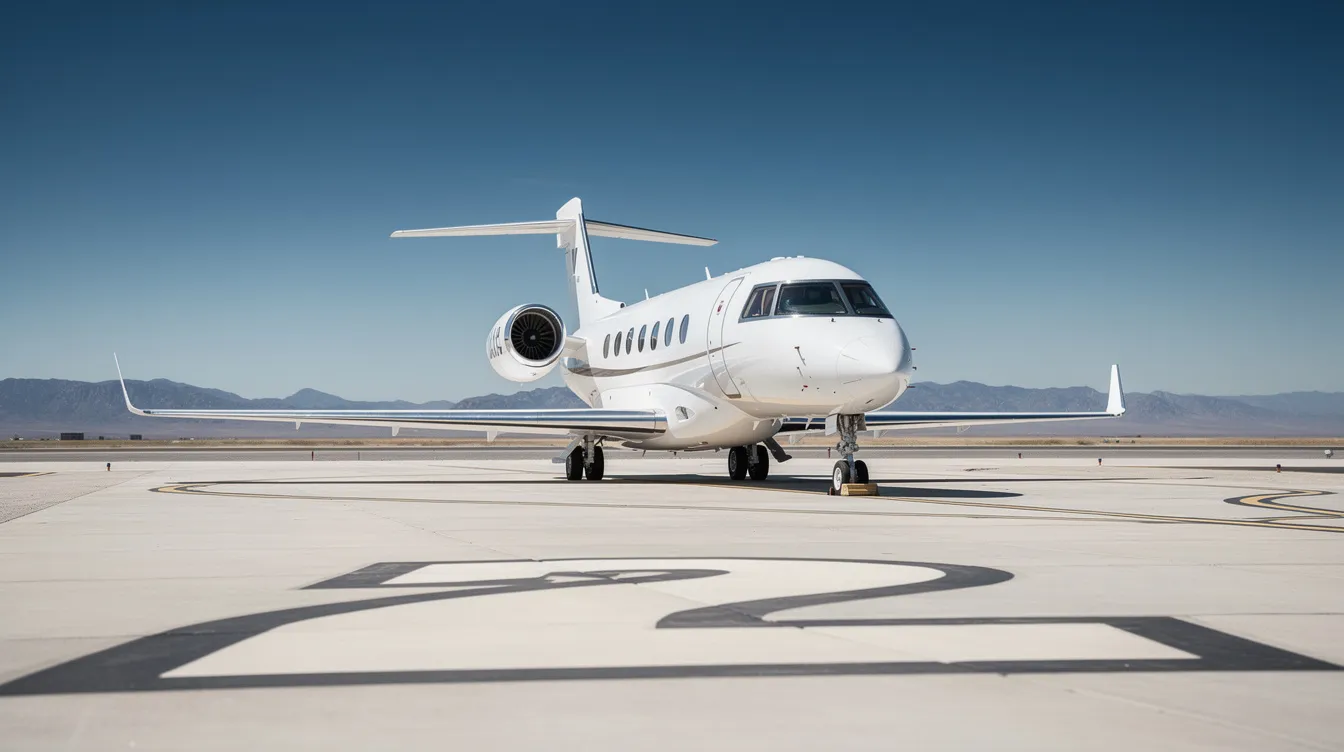
Fractional jet ownership and jet card programs offer structured alternatives. These models provide predictable access to private aircraft without the full capital outlay and complexity of owning an entire jet. Key advantages include:
Guaranteed availability within agreed notice windows, regardless of airline bankruptcies or route cancellations.
Schedule control for time-sensitive meetings, multi-city itineraries, or routes poorly served after Jet's exit.
Cost predictability through fixed hourly rates and shared fixed costs, compared to ad-hoc charter pricing.
Tax and depreciation benefits in certain jurisdictions, particularly for equity fleet participants in the United States.
BlackJet Fractional Jet Ownership helps clients secure equity or reserved access to jets through two models: the Equity Fleet for fractional ownership with priority access and custom aircraft sourcing, and the Reserve Fleet for flexible pay-as-you-go hours. Both are designed for travelers flying 25–150 hours per year who want to buy certainty rather than hope their next airline doesn't collapse.
Understanding the differences between scheduled airlines, on-demand charter, and fractional ownership helps travelers make informed decisions:
Feature | Scheduled Airline | On-Demand Charter | Fractional Ownership |
|---|---|---|---|
Cost structure | Per-seat ticket | Per-flight quote | Per-hour, predictable |
Schedule control | Fixed timetable | Flexible, but availability varies | Guaranteed within the notice period |
Airline insolvency risk | High (Jet, Go First, etc.) | Moderate (operator dependent) | Low (asset-backed ownership) |
Route flexibility | Limited to the carrier network | Any airport pair | Any airport pair |
Capital requirement | None | None | Moderate (share purchase) |
For many former premium-cabin Jet Airways customers-especially those who flew 25–150 hours per year-fractional programs can replicate the convenience and consistency they once valued, but with far more control. A blended travel strategy that uses commercial airlines for leisure or non-urgent trips and private aviation for critical travel offers the best of both worlds. To understand the economics of when ownership makes sense versus leasing or chartering, the math often favors fractional programs for this flight-hour range.
The liquidation of Jet Airways marks the end of an era in Indian commercial aviation but also underscores the growing importance of alternative travel solutions for discerning travelers. For high-net-worth individuals, executives, and business owners seeking reliable, flexible, and efficient air travel, fractional jet ownership offers a compelling path forward. Unlike the uncertainties of scheduled airlines, fractional ownership guarantees access to private aircraft with predictable costs, personalized service, and control over schedules—qualities that are increasingly valued in today’s dynamic travel landscape.
As the aviation industry continues to evolve, those who love seamless, mission-critical travel are ready to explore smarter options. Fractional jet ownership bridges the gap between full ownership and chartering, delivering the benefits of private aviation without the complexities and risks of airline insolvency. For travelers who once relied on Jet Airways’ premium experience, this model provides a new way to maintain freedom, privacy, and efficiency in the skies.
Ready to explore the smarter way to fly private? Visit FractionalJetOwnership.com to learn how fractional ownership can transform your travel experience.
