June 15, 2026
Buyers can choose between a full private jet purchase, fractional jet ownership, or flexible access programs depending on annual flight hours - ownership makes financial sense if one flies 300 hours or more per year, while 25–150 hours suit fractional or membership models.
In today's market, a pre-owned very light jet like a 2016 Cirrus Vision SF50 can start under $1.8M, while large business jets such as a 2008 Dassault Falcon 7X routinely exceed $20M before operating costs.
Private jet owners must budget for acquisition plus ongoing hangar fees, crew salaries, maintenance programs, fuel, insurance, and engine overhauls - total ownership costs include fixed and variable expenses that can reach hundreds of thousands annually.
BlackJet Fractional Jet Ownership offers Reserve Fleet (pay-as-you-go) and Equity Fleet (fractional aircraft ownership) solutions as alternatives to buying an entire aircraft.
A smart purchase process includes performing security verification of the seller, verifying maintenance and program enrollment, and working with an expert advisor to protect capital.
Demand for private jets surged after 2020 across the United States and the world, with over 24,270 business jets in operation worldwide by mid-2024 and pre-owned inventories tightening sharply. According to Safe Fly Aviation, only about 4% of the global fleet is currently available for sale - roughly half the balanced-market norm.
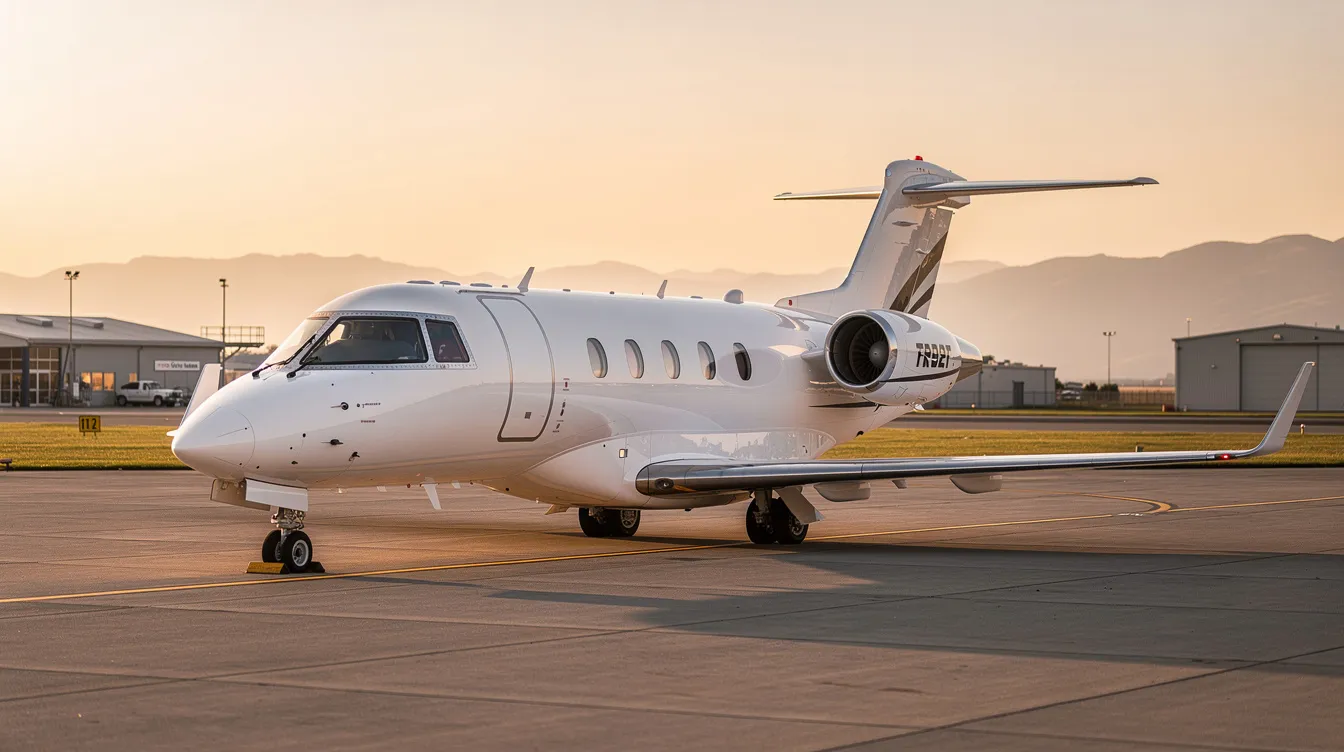
A "private jet for purchase" can mean buying a whole aircraft, acquiring a fractional share, or joining a structured access program like those offered by BlackJet Fractional Jet Ownership. This guide uses concrete 2024–2026 examples to show real pricing and options for high-net-worth individuals, family offices, and corporations flying roughly 25–150+ hours per year. Private jets access around 10 times more airports than scheduled airlines, and two-thirds of passengers report being more productive on business jets than on commercial flights. Flying private eliminates waiting in lines at commercial terminals, giving travelers direct access to thousands of smaller airports and destinations across the country. Chartering private jets typically ranges from $4,000 to $6,000 per hour and eliminates congestion and delays of commercial flights, adding to the appeal for those seeking convenience without ownership.
The first decision any prospective buyer faces is whether to purchase 100% of a private plane, acquire a fractional share, or buy hours through a membership or Reserve Fleet model. Here is how to match your flying profile to the right structure.
Annual Flight Hours: Full ownership makes sense when you fly 250–400+ hours annually and need a bespoke cabin designed around your personal preferences.
Control Over Crew: Want complete control over crew, maintenance schedules, and aircraft availability.
Absorbing Fixed Costs: Can absorb fixed costs even during months of low utilization.
Financial Justification: See the 400-hour rule as your baseline for financial justification.
Fractional ownership allows shared access to private jets, letting owners purchase a share of a jet for lower costs while still enjoying the key advantages of private aviation. Fractional ownership can reduce overall aircraft management costs. Fractional ownership provides guaranteed aircraft availability. Tax benefits are available through fractional ownership programs.
Annual Flight Hours: Fits when you fly 50–150 hours per year - high-frequency travelers who need guaranteed availability and flexibility.
Tax Benefits: Want partial ownership with potential tax benefits, including depreciation where applicable.
Professional Management: Prefer professional aircraft management over hands-on operation.
Predictable Costs: Value predictable monthly fees with no crew hiring or hangar logistics - explore the top fractional programs available.
Annual Flight Hours: Works when you fly under 75 hours annually and want zero capital outlay.
Prepaid Hours: Members can purchase prepaid blocks of flight hours with guaranteed availability of aircraft, similar to jet card programs.
Reduced Hassle: Jet membership programs reduce the hassle of full ownership while still providing private travel on your schedule, so it is worth comparing fractional jet ownership vs membership programs when deciding on structure.
Flexible Access: Membership programs offer flexible access to private jets without residual value risk.
Fractional ownership allows shared access to private jets, letting owners purchase a share of a jet for lower costs while still enjoying the key advantages of private aviation; understanding fractional jet ownership terminology and concepts helps clarify how these programs are structured.
Private jets range from very light jets suited for 2–4 passengers on short hops to ultra-long-range aircraft that cross oceans nonstop. Unlike turboprops, modern jets offer pressurized cabins, higher cruise speeds, and access to a broader range of airports. Performance metrics such as maximum range and fuel burn rates should be analyzed across different jet models before committing.
The very light jet category includes aircraft like the Cirrus Vision Jet - a popular very light jet - and the Embraer Phenom 100, which costs around $4.5 million new. Pre-owned VLJs trade between $1.7M–$3.5M with 2–6 seats and a 1,000–1,200 nm range. Very light jets are the most affordable private jets on the market.
Models like the Cessna Citation CJ3, Learjet 45XR, and Citation XLS Gen2 offer greater range and cabin space than VLJs. Pre-owned prices typically fall between $2M–$15M depending on age and avionics. These jets handle regional and coast-to-coast U.S. routes with efficient fuel burn.
Dassault Falcon 7X/8X, Bombardier Global 6500, and Gulfstream G450/G650 models serve heavy jet missions with 10–14 passenger configurations. Large jets can fly longer distances without stops, making them ideal for U.S.–Europe routes. Sample values range from $8M for mid-life examples to $40M+ for recent production aircraft.
Older jets can depreciate to below $2 million, making them accessible entry points, though buyers should weigh higher maintenance costs. Different jet models can be evaluated based on range per passenger, fuel efficiency, and maintenance requirements.
Real listings help anchor expectations for anyone searching for a private jet for purchase in 2026. Here are examples with prices displayed across the market today:
2016 Cirrus Vision SF50: Listed around $1.79M with approximately 1,600 TT (total time) airframe hours. A strong entry-level deal in the VLJ space.
2008 Dassault Falcon 7X: Large-cabin, long-range aircraft listed near $20.5M through brokers like Guardian Jet. Low-time, one-owner examples command premium pricing.
2005 Gulfstream G450: Mid-life super-large cabin jet priced around $8.5M - strong value for buyers wanting intercontinental range at a lower price point.
2022 Bombardier Global 6500: Pre-owned examples frequently above $38M. These aircraft feature innovation in avionics, connectivity, and cabin interiors with new paint and recent interior refurbishment.
Midsize options: A 2024 Cessna Citation XLS Gen2 near $14.8M highlights the premium for recent-production midsize jets with low hours and full warranty coverage.
Each listing's value depends on TT, engine cycles, damage history, maintenance program enrollment, and whether the aircraft has been operated under a single management structure for several years.
The acquisition price is only the starting point of the financial story. Ongoing costs often equal 10–15% of the aircraft's value annually. Budgeting for ongoing operational costs is critical in the total cost of ownership for jets.
VLJs: $1.7M–$4M (e.g., Cirrus Vision G2+)
Midsize business jets: $5M–$15M (e.g., Citation XLS Gen2)
Large cabin jets: $15M–$50M+ (e.g., Dassault Falcon 2000LXS, Global 6500)
Expense | Annual Range |
|---|---|
Hangar fees | $12,000–$36,000 ($1,000–$3,000/month) |
Pilot salaries | $60,000–$200,000 per pilot |
Insurance | $15,000–$30,000 |
Maintenance | $50,000–$200,000 |
Management & training | Varies by provider |
Fuel Costs: Fuel costs for jets range from $300 to $700 per hour, depending on aircraft size.
Engine Program Contributions: Engine program contributions (MSP Gold, CorporateCare, ESP Gold): $300–$800+/hour for midsize jets.
Landing, Handling, and Navigation Fees: Landing, handling, and navigation fees add up on multi-stop missions - 38% of business aviation missions involve multiple stops.
Operating costs for a mid-size jet can total hundreds of thousands annually. Analyzing Net Present Value (NPV) helps in comparing future cash inflows and outflows, and conducting a Net Present Value calculation helps to compare short- and long-term costs across ownership models. Pilot salaries can range from $60,000 to $200,000 per year depending on aircraft type and experience level.
By comparison, fractional jet ownership and BlackJet's Reserve Fleet programs offer lower upfront capital and more predictable monthly and hourly costs - fractional jet ownership financing and investment considerations are worth exploring as an investment.
Beyond price, buyers must rigorously verify the aircraft, seller, and operator to protect capital and ensure safety. Buying a private jet involves identifying travel missions and securing financing, but the verification process is equally critical.
Performing security verification of counterparties, escrow accounts, and wire instructions reduces fraud risk. When browsing online marketplaces, many website platforms use a security service that verifies visitors are human before granting access - screening for malicious bots and confirming each session is legitimate. You may see a "verification successful" message or a response ray ID confirming the bot check passed. However, serious buyers should perform their own security verification beyond what any platform provides and carefully evaluate liability and insurance coverage in fractional jet ownership.
Technical due diligence includes reviewing maintenance history and logbooks, which are essential for pre-owned jets. Confirm compliance with all airworthiness directives, check for undisclosed repairs, and verify engine cycle counts.
Pre-purchase inspections are essential for evaluating the condition of pre-owned aircraft. Independent aviation consultants and brokers should be utilized for accurate pre-buy inspections covering engine borescope, corrosion, avionics (ADS-B Out, FANS 1/A), paint condition, and cabin space assessment.
Aviation lawyers are recommended for handling complex purchase agreements in private jet transactions, especially deals involving international sellers or unusual financing structures, as well as reviewing essential contract terms in fractional jet ownership and working through an aircraft fractional ownership sample contract.
Fractional aircraft ownership means buying a legally defined share - for example, 1/8 fractional jet ownership or 1/4 - of a specific aircraft or fleet, entitling the owner to a set number of flight hours per year. Fractional ownership provides tax benefits for jet owners and removes the burden of day-to-day operation.
BlackJet Equity Fleet: Priority access to aircraft, predictable monthly fees, professional aircraft management, and potential U.S. tax benefits, including depreciation. The fleet is operated and managed by BlackJet's team, and owners enjoy guaranteed scheduling, which makes it important to understand the tax implications for fractional jet owners. Programs from competitors like QS Partners and others exist, but BlackJet's model is designed for flexibility across top business jet companies and aircraft types.
BlackJet Reserve Fleet: A flexible, pay-as-you-go program where members purchase flight hours rather than equity. No capital at risk, no residual value exposure - ideal for personal and business travel under 75 hours annually.
How it compares: Full ownership gives maximum control but demands the most resources. Charter offers freedom but no scheduling certainty. BlackJet's programs sit in the efficient middle - delivering most benefits of ownership with far less financial and operational burden.
The "best" private jet for purchase depends on your mission profile: typical passenger count, routes (NY to Miami versus NY to London), runway lengths, and cabin requirements. Defining a mission profile is crucial before contacting a broker for jet acquisition. Choosing the right jet category depends on the mission profile and cost considerations.
Trip Mapping: Map your top 10–20 annual trips by origin, destinations, and passengers to align with the right jet category.
Passenger and Range Needs: Very light jets handle 2–4 passengers on 300–800 nm hops; midsize jets cover coast-to-coast U.S. flights; large cabin jets excel at nonstop U.S.–Europe missions.
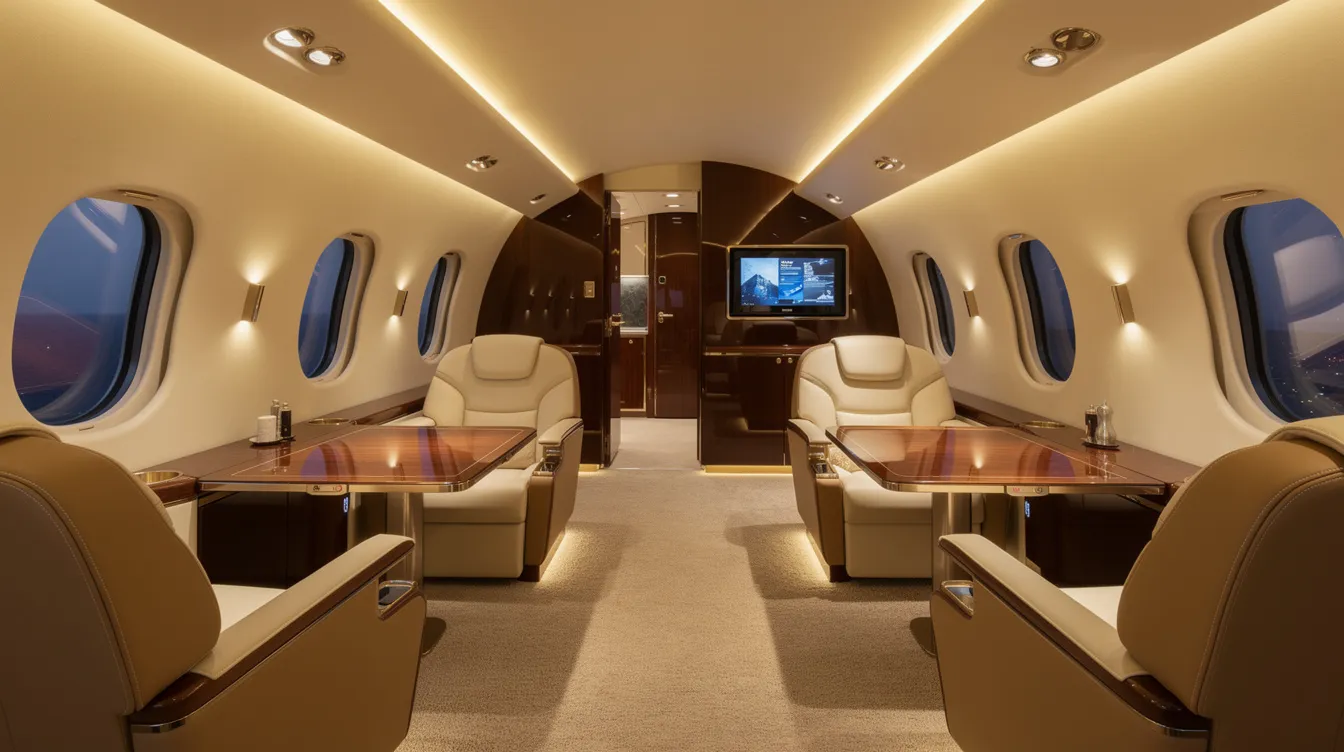
Airport Access: Consider airport access (short runways, high-altitude fields), baggage volume, in-flight connectivity, and cabin layout - club seats, divans, and belted lavatory all affect the luxury and efficiency of the travel experience.
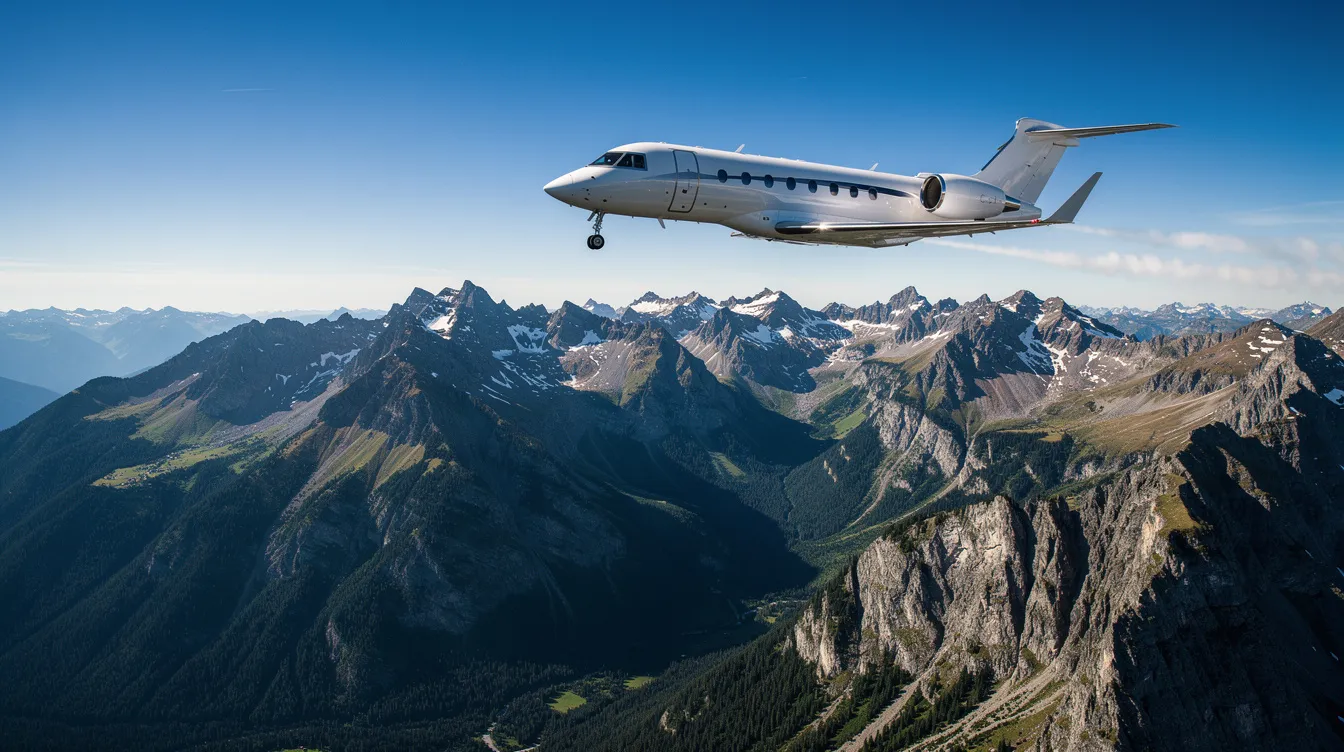
Expanded Reach: Private aviation offers direct access to thousands of smaller airports worldwide, expanding your operation to destinations that scheduled airlines simply do not serve.
Test Before Committing: Test aircraft categories first through charter or a BlackJet Reserve Fleet membership before committing to a specific model for purchase or fractional ownership.
Becoming a private jet owner means managing an ongoing operation, not just holding a luxury asset. The message every buyer should internalize: an aircraft is a business to run.
Regulatory: Registration, adherence to FAA Part 91 or Part 135 rules, environmental and noise compliance - especially for operation worldwide in Europe or other regulated regions.
Operational: Hiring or contracting crew, selecting a management company, scheduling maintenance, keeping avionics current, coordinating hangar arrangements across airports.
Financial Stewardship: Tracking operating budgets, approving major maintenance events, monitoring residual value trends, and planning refurbishment cycles - new paint and interiors every 6–10 years highlights the recurring capital needs.
Fractional jet owners using BlackJet's Equity Fleet or Reserve Fleet shift most of these responsibilities to the program operator, freeing them to focus on flying to destinations rather than managing the aircraft, and later have options when selling a fractional jet ownership share. This partner relationship is one of the key advantages of structured programs over solo ownership.
Whether choosing full purchase or a BlackJet fractional solution, the process follows a clear path from initial consultation to first flight.
Needs Analysis: An advisor reviews your travel patterns, budget, tax situation, and preferences to recommend aircraft categories or program types - this is where you discuss what matters most.
Sourcing: Searching on- and off-market private jets for sale, shortlisting candidates, and requesting detailed technical data. In the market today, with only 4% of the fleet available, ready access to off-market deal flow matters.
Offer and Closing: Negotiating price, performing security verification of all parties, conducting pre-purchase inspection, arranging escrow, and finalizing registration and insurance - typically 45–90 days for a straightforward transaction.
Contact BlackJet: Readers can reach BlackJet Fractional Jet Ownership for a confidential consultation and be guided through both full aircraft purchase and structured fractional or membership alternatives.
In most analyses, full private jet ownership becomes financially reasonable around 250–400 flight hours per year, depending on aircraft size and crew costs. For 50–150 hours annually, fractional jet ownership or a Reserve Fleet membership with BlackJet typically provides better value. For under 50 hours, on-demand charter can still make sense.
Through fractional aircraft ownership programs, buyers can acquire a share in a specific aircraft type or curated fleet, including large cabin jets such as Dassault Falcon and Global models. BlackJet's Equity Fleet can be tailored to favor certain categories of business jets, so owners align their share with mission needs.
A straightforward pre-owned private jet transaction often takes 45–90 days from accepted offer to closing, assuming no major issues during inspection. Fractional ownership enrollment can sometimes be completed in a matter of weeks.
In the United States, qualifying business use of a private jet may allow accelerated or bonus depreciation under current tax law, but rules change and depend on each owner's situation. BlackJet works alongside clients' advisors to structure fractional ownership in a tax-efficient way where possible.
Gather basic information on your annual travel hours, typical routes, and budget, then schedule a consultation. Visit FractionalJetOwnership.com to learn more about BlackJet Fractional Jet Ownership programs and request a tailored analysis comparing full private jet purchase with fractional and Reserve Fleet options.
Purchasing a private jet is a significant investment that offers unparalleled flexibility, privacy, and efficiency for high-frequency travelers. Whether opting for full ownership, fractional shares, or membership programs like those offered by BlackJet Fractional Jet Ownership, understanding your travel needs and financial considerations is key to making the right decision. Fractional ownership and Reserve Fleet models provide cost-effective alternatives to full purchase, reducing the operational burden while maintaining guaranteed access to private aviation. With only a small percentage of the global fleet available on the market, partnering with experienced advisors ensures access to the best aircraft and deals.
Ready to explore the smarter way to fly private? Visit FractionalJetOwnership.com to learn how fractional ownership can transform your travel experience and help you take the next step toward owning or accessing your ideal private jet.
