August 9, 2026
The idea that private jet travel is reserved for billionaires is outdated. In 2026, a growing range of access models, efficient aircraft, and competitive pricing mean that business and leisure travelers can fly privately for far less than most people assume. This guide breaks down the real numbers, the smartest access strategies, and the aircraft that make economical private jets a genuine option.
In 2026, flying private can start from under $1,000 per hour per person via empty leg flights, shared charter, and fractional ownership, eliminating the need to purchase an entire aircraft. For travelers flying 25 to 150 flight hours per year, fractional aircraft ownership and membership programs such as BlackJet Fractional Jet Ownership's Equity Fleet and Reserve Fleet are typically more economical than buying a jet outright.
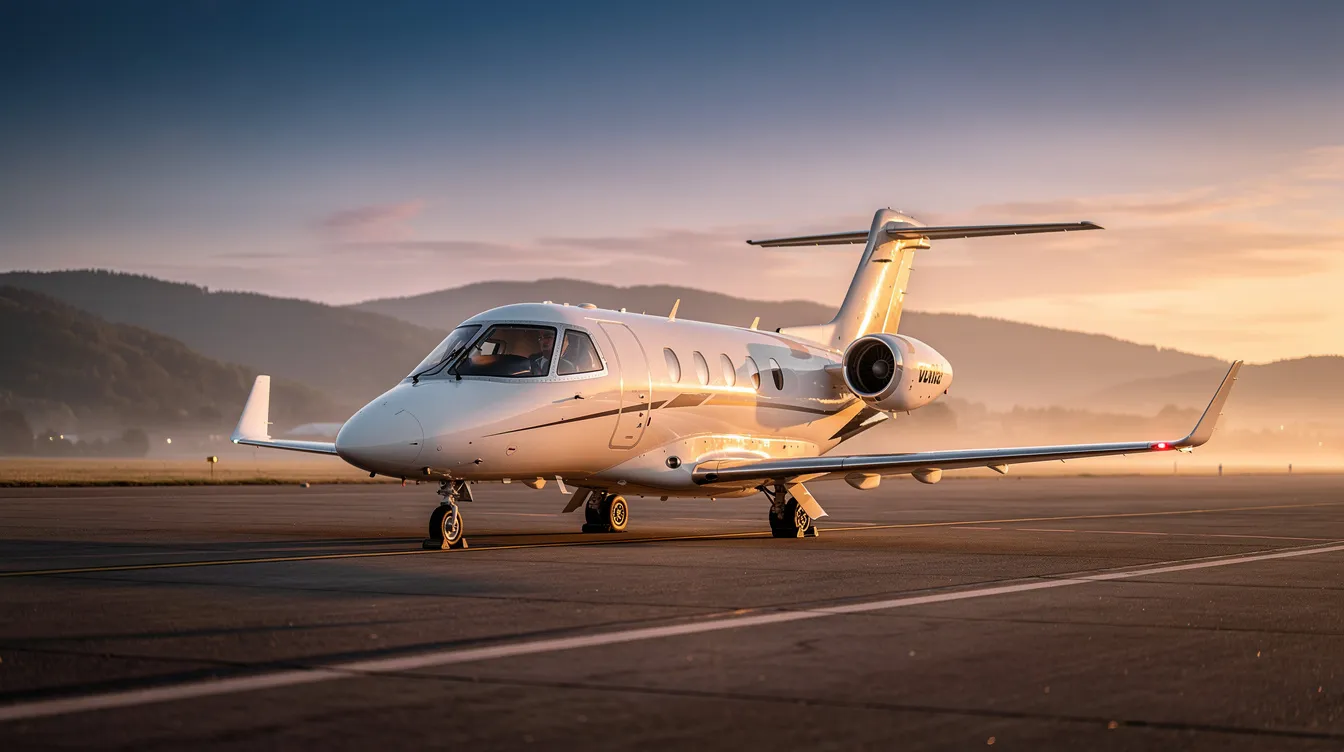
Economical private jets today include very light jets that typically accommodate 4 to 6 passengers, turboprop aircraft that seat 5 to 9 passengers and are fuel-efficient, and models like the Cirrus Vision Jet, Pilatus PC-12, and Embraer Phenom 100. These aircraft cut fuel costs and operating expenses significantly compared to larger cabins.
The term "affordable private jet" is best understood as total cost of use, including hourly operating costs, hidden costs, ongoing costs, and available tax benefits, rather than simply the purchase price of an aircraft.
This article walks through specific 2026 price ranges, real examples, and a direct comparison of charter flights, jet cards, and fractional ownership so readers can determine the smartest way to start flying privately.
For most individuals and small companies, a 5-year cost comparison reveals that fractional ownership or a jet card often delivers a lower total cost than whole-aircraft ownership once fixed costs, pilot and crew salaries, and maintenance are included.
The post-2020 surge in demand for private jet charter reshaped the entire private aviation industry. Hybrid work patterns, a desire to avoid crowded airports, and a wave of new entrants drove fierce competition among operators. That competition pulled entry pricing down across the board, especially in the United States and key global markets.
On demand charter, membership programs, and fractional ownership have replaced the old "only billionaires" model. Today, some empty leg flights start around $1,000 to $2,000 for an entire light jet leg. Fractional shares are structured for as few as 25 flight hours per year. Jet cards begin at roughly 25 to 50 hours. The result is a menu of options where almost any frequent traveler can find a fit.
Chartering a private jet avoids long-term commitments and ownership costs, making it a cost-effective choice especially for infrequent flyers. It provides access to various aircraft types without the responsibilities of maintenance or crew management. Conversely, owning a private jet entails significant ongoing expenses, including operational costs that can exceed $800,000 annually, with hourly operating costs ranging from $400 to $700 depending on aircraft size and utilization.
"Affordable" in this context means a better cost per hour and less capital locked up, not a compromise on safety or quality. BlackJet Fractional Jet Ownership focuses on this smart-access segment, helping clients access private air travel without the burden of purchasing and managing a standalone aircraft.
Affordability is relative. A CFO flying 100 hours a year for corporate travel defines "affordable" differently from a family taking two leisure trips. Rather than fixating on a sticker price, experienced private travel advisors evaluate four cost dimensions, and a solid grasp of fractional jet ownership terminology helps prospective owners understand how each of these categories shows up in real-world contracts:
Acquisition cost (if owning or buying a fractional share)
Hourly operating cost (fuel, crew, maintenance per flight hour)
Fixed annual costs (hangar fees, insurance, training, crew salaries)
Tax impacts (depreciation, federal excise tax, state taxes)
For 2026, chartering a private jet costs between $2,000 and $14,000 per hour depending on the aircraft type. Turboprops run roughly $2,000 to $3,500 per hour, light jets about $3,500 to $6,000, and midsize jets $5,000 to $8,500 in the U.S. market. Programs like fractional ownership and Reserve-style fleets let travelers access these aircraft without a multi-million dollar purchase.
Consider a business owner flying 40 hours per year between New York and Florida. At a charter rate of $4,500 per hour on a light jet, annual flying costs roughly $180,000. A jet card might bring that to $160,000 with locked-in rates. A fractional share, once amortized over five years, could reduce the effective annual cost further while also providing ownership benefits and guaranteed availability. The right model depends entirely on frequency and flexibility needs.
Aircraft selection is one of the biggest levers in making private jet travel economical. Smaller, newer, and more fuel-efficient aircraft tend to deliver the lowest hourly cost for short to medium range flights.
Very light jets and turboprops reduce fuel and maintenance expenses compared to midsize or large jets. For cost-conscious private flight, these categories dominate:
Very light jets (VLJs): Cirrus Vision Jet, Phenom 100, Citation Mustang, Eclipse 500. Best for 4 to 6 passengers on trips under approximately 1,200 nautical miles. Lower fuel consumption and simpler maintenance profiles.
Turboprops: Pilatus PC-12, King Air 250/350, Daher TBM 940. Seat 5 to 9 passengers with exceptional fuel efficiency. Capable of landing at regional airports and remote destinations that jets cannot access.
Economical light jets: Phenom 300E, Citation CJ3. Light jets can carry 6 to 8 passengers for medium-length flights, bridging the gap between VLJs and midsize cabins.
BlackJet clients commonly use aircraft from these categories for cost-conscious regional trips and medium range flights. Efficient aircraft also burn less fuel, lowering both cost and carbon footprint, a meaningful consideration for aviation enthusiasts and environmentally aware organizations.
The very light jet category represents the most accessible tier of private jet ownership and access. VLJs typically seat 4 to 6 passengers, are certified for single-pilot operation, and are optimized for trips under approximately 1,200 nautical miles.
As of 2026, acquisition costs for popular VLJs look like this:
Eclipse 500: The cheapest private jet to own, costing $1 million to $1.5 million pre-owned.
Cessna Citation Mustang: A popular affordable private jet. The purchase price ranges from $1.5 million to $2.5 million depending on year and condition.
Embraer Phenom 100: Offers a big-cabin feel at an affordable price, typically $1.75 million to $2.5 million pre-owned.
Operating costs for these aircraft run approximately $800 to $1,600 per hour depending on utilization and maintenance programs, with the Cessna Citation Mustang operating around $1,000 to $1,200 per hour.
While buying a VLJ looks like the cheapest path into private jet ownership, many travelers are better served by fractional ownership or jet card access to these same aircraft. Missions VLJs handle well include New York to Chicago, Los Angeles to Aspen, and Dallas to Nashville with small groups and light bags. BlackJet's Reserve Fleet and Equity Fleet can be structured around VLJs for cost-efficient private flying in this range.
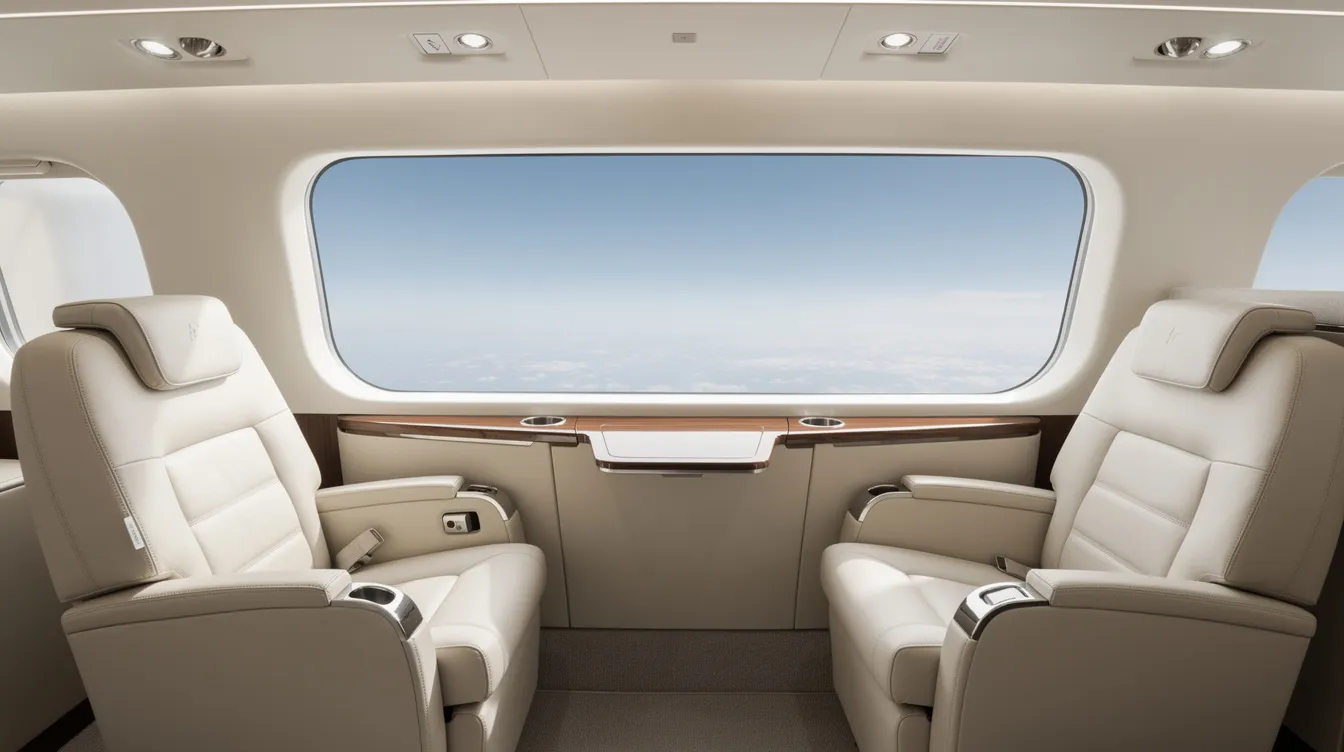
The Cirrus Vision Jet SF50 is often cited as the most affordable brand-new, capable private jet in 2026. Its combination of modern avionics, safety features, and low operating costs has made it a benchmark for economical private jets.
2026 pricing and performance:
New vision jet models: approximately $2 million to $3.7 million
Pre-owned: typically $2.1 million to $2.9 million depending on flight hours and spec
Range: approximately 1,200 nautical miles
Cruise speed: roughly 300 knots
Seating: 5 adults plus 2 children
Variable operating cost: approximately $800 to $1,400 per hour
The vision jet features a whole-aircraft parachute system (CAPS) and advanced avionics, making it attractive for families and first-time owners who prioritize safety alongside affordability. Its lower fuel consumption compared to twin-engine light jets further reduces operational expenses.
For those flying under 150 hours per year, fractional ownership or membership access to a Vision Jet is often more sensible than owning one outright, especially when you understand fractional jet ownership financing costs and options that can spread the acquisition out over time. The fixed costs of hangar, insurance, and pilot compensation still apply even when the aircraft sits idle, making full ownership cost-effective only at higher utilization levels.
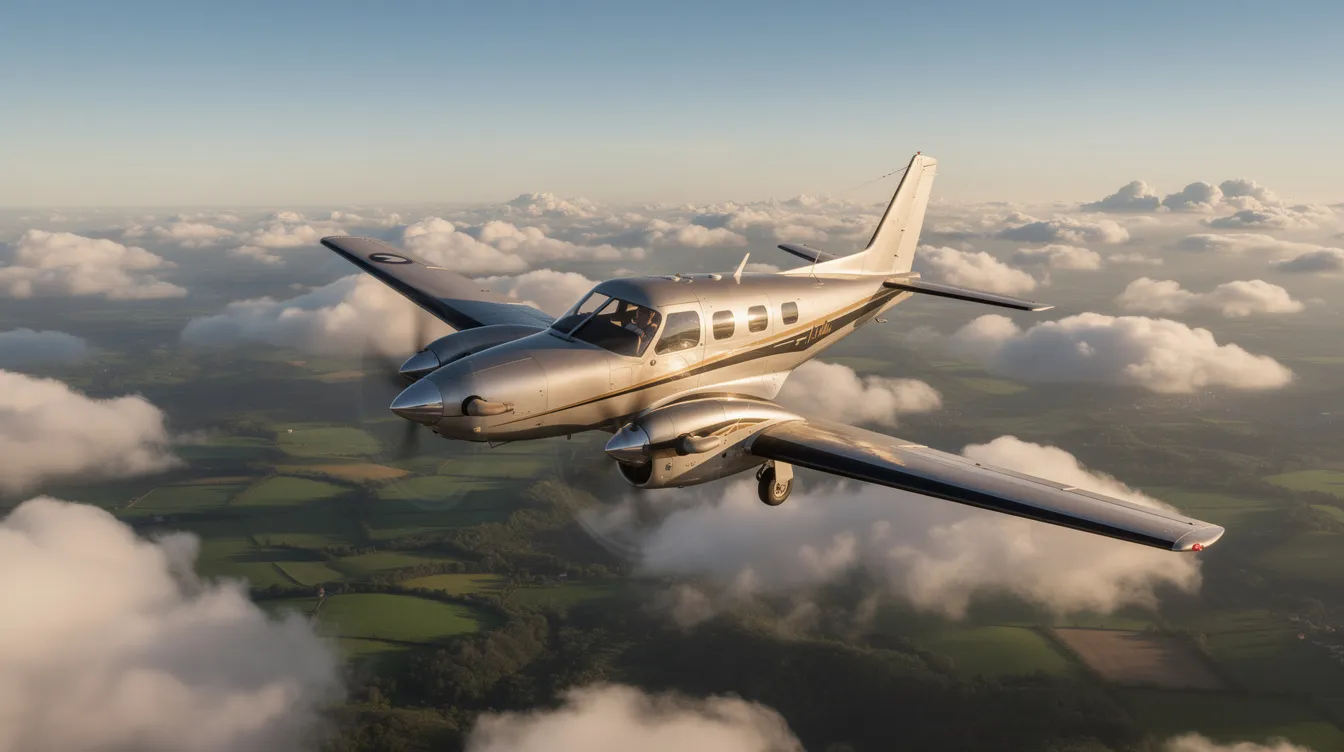
Turboprops consistently deliver lower hourly costs than jets while offering cabin comfort, decent speed, and the ability to operate into shorter runways at secondary airports. For short trips and regional missions, they often represent the most affordable private jet option available.
Pilatus PC-12 NG:
New price: approximately $4 million to $6 million
Range: 1,800 to 2,000 nautical miles
Seating: 6 to 9 passengers
Direct operating cost around $1,100 per hour
Empty leg listings have appeared as low as $1,540 for a one-hour itinerary
King Air B100 (pre-owned):
Acquisition: approximately $400,000 to $650,000
Versatile for regional trips with moderate passenger loads
Lower fuel costs than comparable light jets
Turboprops are ideal for missions under two hours where jets may be less efficient or unable to land at smaller regional airports. For many BlackJet members, a PC-12 or similar turboprop is the most cost-effective solution for routes under 500 miles, particularly within floating fleet-style fractional ownership structures that optimize aircraft positioning and utilization. These aircraft also serve leisure travelers heading to remote destinations where runway length limits jet operations.
Focusing only on the sticker price of a private plane, say a $1 million Eclipse or a $2.5 million Mustang, hides the much larger lifetime operating cost that follows. Operational costs for private jets can exceed $200,000 per year even for modest VLJs.
Main ongoing costs with 2026 U.S. ranges:
Hangar fees: $1,000 to $3,000 per month
Insurance: $15,000 to $30,000 per year for light jets
Pilot and crew salaries: $80,000 to $200,000+ per pilot annually
Annual maintenance costs for private jets can range from $50,000 to $200,000 for light jets, plus unscheduled events
Training and recurrent certification: $10,000 to $25,000 per year
Fuel costs per hour: roughly $300 to $700 for smaller jets, higher for midsize and heavy jets
Federal excise tax: currently 7.5% on air transportation in the U.S., plus segment fees and landing/handling charges
Over 5 to 10 years, these ownership costs often exceed the initial purchase price, which is why understanding the total cost of fractional jet ownership is essential before committing capital. The phrase "cheapest private jet to buy" becomes a misleading metric without accounting for these significant costs. For individuals and companies flying under 200 hours per year, fractional ownership, charter, or jet card programs typically provide a more affordable approach to private flight. BlackJet's solutions are designed precisely for this segment, and understanding the full cost of fractional jet ownership helps determine when those solutions outperform ad-hoc charter or full ownership.
On demand charter is pay-per-trip access to private aircraft with no long-term commitment. Chartering a jet eliminates ownership costs entirely, including maintenance, storage, crew management, and insurance. For occasional travelers, it remains the most flexible entry point to flying private.
How charter pricing works in 2026:
Hourly rate varies by aircraft type (light jet $3,500 to $6,000, midsize $5,000 to $8,500, large jets and ultra long range aircraft $8,000 to $14,000+)
Additional charges: overnight crew fees, repositioning, de-icing, catering, ground transportation coordination
Chartering eliminates ownership costs like maintenance and staffing
Charter is the most economical option for travelers logging fewer than 25 to 30 flight hours per year, or for irregular routes and last-minute private travel where flexibility is essential, whereas fractional jet ownership versus membership programs becomes a more relevant comparison once annual hours increase. Charter operators and charter services should be vetted for safety certifications (ARGUS, Wyvern, IS-BAO) and transparent pricing that discloses all fees upfront.
Sharing a charter with others can reduce costs to competitive levels with first-class tickets. Private aviation can be cheaper than commercial flights for small groups with shared costs. Booking platforms like JetASAP connect travelers directly to verified operators, simplifying access to private charter.
Example: A Los Angeles to Las Vegas day trip on a light jet in 2026 typically costs $4,000 to $7,000 for the round trip. Sharing a charter with others can reduce costs to competitive levels with first-class tickets when the cabin is full, making it accessible for both business trips and leisure.
Empty leg flights are repositioning flights that would otherwise fly with no passengers. Operators sell these leg flights at steep discounts, often 25 to 75% off standard charter rates, because the aircraft must complete the route regardless.
2026 examples:
Light jet empty leg New York to Miami: approximately $3,000 to $5,000 total, compared to $10,000+ for a standard charter on the same route
Turboprop short hops (under 2 hours): often $2,500 to $7,500 per leg
Per-person cost if shared: a $4,000 empty leg on a 4-seat light jet works out to $1,000 per person if four travelers split the fare
Key limitations to understand:
Fixed route and departure time with little flexibility
Last-minute schedule changes or cancellations possible
Difficult to plan round-trip itineraries
Limited baggage flexibility on some aircraft
Empty leg flights are best treated as opportunistic deals for leisure travelers or flexible business travel, not a reliable solution for mission-critical private jet flights. BlackJet and similar membership platforms can curate and push empty leg offers to members, making it easier to capture these savings when schedules align.
A jet card is a program where clients prepay for a block of flight hours on a specific cabin category or fleet at a fixed or capped hourly rate. Jet cards provide access to a fleet of aircraft without any ownership stake, offering predictability without long-term capital commitment.
Typical 2026 structure:
25 to 100 flight hour commitments
Guaranteed availability with 24 to 72 hours notice
Fixed or capped hourly rates
Some programs eliminate repositioning fees entirely
Jet cards typically lock in rates 10 to 20% below spot charter pricing, making them more affordable than ad-hoc charter for travelers flying around 25 to 100 hours per year. They smooth out peak-day pricing spikes and reduce the uncertainty of hidden costs that plague one-off bookings.
Some jet card programs are tied to fractional ownership fleets, while others draw from a curated network of partner operators. BlackJet's Reserve Fleet program operates similarly, providing pay-as-you-go access with pre-negotiated rates and vetted aircraft.
Contract details to watch: fuel surcharges, peak-day restrictions, blackout dates, service area limitations, and cancellation penalties. Ask every provider for their "all-in" hourly rate so comparisons are apples-to-apples.
Fractional ownership means buying a share, such as a 1/16, 1/8, or 1/4 interest, in a specific aircraft, and many travelers view fractional jet ownership as an investment that balances access benefits with shared costs and potential drawbacks. That share entitles the owner to a set number of flight hours per year, typically 25 to 150 hours. About 4,000 individuals own shares in aircraft in the United States, and the model continues to grow as more travelers recognize its advantages.
Owners pay an upfront acquisition fee for fractional shares, and the fractional provider handles all management, crew, maintenance, and scheduling. Fractional contracts typically last two to five years, and fractional ownership reduces upfront costs compared to full ownership while preserving ownership benefits like equity appreciation and tax deductions. Early exit from a fractional contract incurs a remarketing fee, typically 7 to 12 percent.
Sample 2026 scenario: A 1/8 share of a light jet might deliver 100 hours per year with an upfront share purchase of $175,000 to $695,000 (depending on aircraft), a monthly management fee, and an occupied hourly charge. For high-frequency travelers usually requiring 25 to 150 flight hours per year, this structure is often cheaper than charter for the same volume.
BlackJet's two models:
Equity Fleet: True fractional ownership with potential tax benefits, priority access, custom aircraft sourcing, and personalized service tailored to the owner's mission profile
Reserve Fleet: Pay-as-you-go hours without an ownership stake, drawing from a curated network of economical private jets
Fractional ownership includes guaranteed availability and flexibility, and it allows owners to trade up or down in aircraft size when mission needs change, a critical advantage over whole-jet ownership—but only if fractional ownership contract terms around scheduling, resale, and exit options are clearly understood.
Choosing the right access model depends primarily on how many hours per year a traveler flies and how predictable those trips are. Here is how each model stacks up by usage level:
Under 25 hours per year: Charter or empty leg flights are typically the lowest-cost option. There is zero fixed commitment, though per-hour rates are highest and availability is unpredictable. This suits occasional private travel or international flights with irregular patterns.
25 to 75 hours per year: A jet card or Reserve-type membership hits the sweet spot. Locked-in hourly rates, priority scheduling, and reduced repositioning fees make it more predictable than ad-hoc charter. Membership programs can reduce costs for frequent travelers in this band. Membership programs often use a pay-as-you-go model without ownership costs, and some offer unlimited flights on high-demand routes.
75 to 200 hours per year: Fractional ownership delivers the best per-hour economics. Capital is deployed, but fixed costs spread across many hours, tax deductions become meaningful, and operational efficiency improves. Private aviation includes fractional ownership and membership programs, and private aviation includes shared-use programs for more flexible access.
Over 200 hours per year: Whole aircraft ownership may pencil out, though it brings full operational responsibility. Many corporate users at this level still prefer fractional ownership to avoid asset risk.
Example: A business owner flying 10 round trips per year between Dallas and Miami (roughly 80 flight hours total) would spend approximately $400,000 to $480,000 on ad-hoc charter. A jet card might bring that to $340,000 to $380,000. A fractional share, once the acquisition cost is amortized over five years, could reduce annual flying costs to $280,000 to $320,000, including all fixed fees and occupied hourly charges. Private aviation can be cheaper than commercial flights for small groups with shared costs when calculated on a per-seat basis. BlackJet advisors can model this comparison for prospective clients based on their actual 12-month flight history.
Hidden costs, not headline hourly rates, are what often make private jet travel feel less affordable than advertised. Both charter and ownership models carry expenses that can catch first-time flyers off guard.
Common hidden costs in charter and jet card contracts:
Fuel surcharges added on top of quoted hourly rates
Repositioning or ferry-flight fees when the aircraft must travel empty to reach the departure point
De-icing charges during winter operations
Catering markups and ground transportation coordination fees
Peak-day premiums during holidays, ski season, or major events
Overnight crew fees for multi-day trips
Change and cancellation penalties
Hidden costs in ownership and fractional ownership:
Engine program buy-ins and reserve contributions
Interior refresh and avionics upgrades over the life of the share
Unexpected maintenance events beyond normal reserves
Maintenance history affects resale value and can generate unplanned costs
A simple checklist to demand from any provider: the "all-in hourly rate," fuel policy, peak-day rules, aircraft substitution policies if the scheduled plane goes tech, and compensation for downtime. BlackJet Fractional Jet Ownership emphasizes transparent quoting that bundles or clearly discloses these items so clients can compare true total cost of flying privately.
In the United States, companies and some individuals can deduct portions of private jet expenses when the aircraft is used for qualified business travel. Following the passage of the "One Big Beautiful Bill" (effective January 19, 2025), 100% additional first-year depreciation is available for qualified property, including business aircraft and fractional ownership shares.
Fractional ownership and Equity Fleet structures can sometimes allow accelerated depreciation on the owner's share, and prospective buyers should review the tax implications for fractional jet owners before deciding how to structure their participation. The key requirements:
The aircraft must be used more than 50% for qualified business purposes
Detailed trip logs and documentation must be maintained
Proper structuring with aviation-experienced tax counsel is essential
Fuel used in fractional ownership programs is subject to a surtax of $0.141 per gallon, and flights may incur federal excise tax of 7.5%
High-level example: A small firm purchasing a fractional share for $500,000 and using it exclusively for business trips could potentially write off the full acquisition cost in year one under bonus depreciation, then deduct ongoing operating expenses annually. This effectively lowers the net cost per flight hour over the holding period, sometimes substantially.
Readers should consult aviation-savvy tax and legal advisors before structuring any purchase, and they should ensure that fractional jet ownership liability and insurance coverage are robust enough to protect all parties. BlackJet can coordinate with a client's advisory team to ensure ownership structures align with current tax law and maximize legitimate deductions, often using an aircraft fractional ownership sample contract as a framework for allocating rights and responsibilities.
Affordable private jet options still operate under strict FAA regulations. Safety standards do not diminish with price. Whether a traveler boards a VLJ, a turboprop, or a midsize charter, the same certification and training requirements apply.
Key safety markers to verify:
FAA Part 135 certification for commercial operations
ARGUS or Wyvern safety ratings on the operator
IS-BAO registration for international safety standards
Mandatory pilot recurrent training and maintenance records current with manufacturer recommendations
On sustainability: Sustainable Aviation Fuel (SAF) is increasingly available at major U.S. airports in 2026, and carbon offset programs are offered by most reputable operators. Efficient aircraft like the Cirrus Vision Jet, PC-12, and modern turboprops produce lower emissions per flight hour than large jets, meaning that choosing smaller, fuel-efficient aircraft for appropriate missions reduces both operational expenses and environmental impact.
Reputable providers, including BlackJet, maintain safety and sustainability standards across all aircraft classes, from the smallest economical private jets to long-range cabins used for international flights.
BlackJet structures its Reserve Fleet and Equity Fleet programs specifically for travelers flying 25 to 150 hours per year who want the benefits of private air travel without the complexity and risk of full ownership.
Reserve Fleet: A flexible, pay-as-you-go program with access to a curated network of economical private jets and turboprops. No ownership costs, no long-term contracts. Ideal for travelers who want predictable per-hour pricing without capital outlay. Booking platforms like JetASAP connect travelers directly to verified operators, and BlackJet's network leverages similar technology with an added layer of vetting and personalized service.
Equity Fleet: True fractional ownership where clients acquire an equity share in an aircraft. Benefits include priority scheduling, potential tax benefits through accelerated depreciation, and tailored aircraft selection matching the client's mission profile and operational history. Fractional ownership allows shared access to private jets with the structure of real property ownership.
Both models eliminate the need to manage crew, maintenance, or scheduling, which removes administrative burden and unexpected expenses. Whether a client's typical mission is short trips between regional hubs or longer coast-to-coast routes, BlackJet matches the aircraft type and access model to minimize cost while maintaining guaranteed availability across its operation worldwide.
For readers new to private aviation, here is a straightforward checklist to keep costs under control:
Analyze your travel history. Review the last 12 to 24 months of travel: routes, frequencies, passenger counts, and how much time was lost at crowded airports or on commercial airlines with connections.
Define your budget. Determine an acceptable annual spend and target hourly cost. Factor in what you currently spend on commercial flights, ground transportation, and airport hotels.
Choose your access model. Based on projected annual hours, select between charter (under 25 hours), jet card (25 to 75 hours), or fractional ownership (75+ hours).
Shortlist providers. Ask each provider identical questions about total costs, hidden fees, aircraft age and maintenance history, safety ratings, cancellation policies, and fleet availability.
Trial before committing. Start with a small jet card block or a few charter flights to experience private flight firsthand. Graduate to fractional ownership if usage and satisfaction justify it.
Consult advisors. Engage aviation-savvy tax, legal, and financial advisors before signing any ownership agreement.
Rather than relying on generic "cheapest private jet" lists, schedule a consultation with BlackJet advisors for a tailored recommendation based on actual travel patterns and goals, review leading fractional jet ownership programs in the market, and understand how you might eventually sell a fractional jet ownership share if your needs change.
In the U.S. market, charter rates typically range from about $2,000 to $3,500 per flight hour for efficient turboprops like the Pilatus PC-12, $3,500 to $6,000 for very light and light jets, and $5,000 to $8,500 or more for midsize jets. Large-cabin and ultra long range aircraft push costs above $10,000 per hour. Fractional owners and jet card members often see effectively lower and more predictable hourly rates because they avoid repositioning fees and peak-day surcharges. Dividing the total trip cost by the number of passengers is the most realistic way to compare against commercial first-class pricing.
Although a pre-owned VLJ like an Eclipse 500 (the cheapest private jet to own, priced at $1 million) or a Citation Mustang may cost $1 million to $2.5 million, whole ownership usually only makes financial sense for flyers logging 200 or more hours per year who are prepared to manage all fixed overhead. For most individuals and small companies flying 25 to 150 hours annually, fractional ownership or membership programs often deliver a lower total cost of use once fixed costs, maintenance, and crew salaries are included. A 5-year cost comparison, which BlackJet can prepare, is the clearest way to evaluate before purchasing any aircraft outright in the name of "affordability."
Such low per-person figures are possible only in specific situations: highly discounted empty leg flights, shared charter on popular routes, or filling every seat on a small jet at a competitive charter rate. For example, a $4,000 empty leg on a 4-seat light jet between Los Angeles and Las Vegas works out to $1,000 per person if four travelers share the cost. On certain turboprop routes, per-seat pricing can dip lower. However, these deals are opportunistic and irregular. Travelers needing fixed schedules should budget for higher, more typical private aviation pricing.
For sub-500-mile trips with 4 to 6 passengers, modern turboprops such as the Pilatus PC-12 and King Air often provide the lowest all-in cost while still offering a premium private travel experience. For 500 to 1,200-mile trips, very light jets and economical light jets like the Cirrus Vision Jet, Phenom 100, and Citation Mustang deliver the best balance of speed and cost. For longer coast-to-coast or international flights, midsize jets become necessary but carry higher operational expenses. Speaking with a fractional or charter advisor who can match typical routes, passenger counts, and baggage needs to the most economical private jet class is always the most efficient starting point.
Ideal candidates typically fly between 25 and 150 hours per year, want predictable access and pricing, and prefer not to manage aircraft operations themselves. BlackJet will usually start with a review of the past year's travel, including routes, frequencies, and cabin preferences, and then model projected costs under charter, jet card, and fractional scenarios. If you are unsure about your fit, schedule a no-obligation consultation via FractionalJetOwnership.com to receive a customized affordability analysis tailored to your actual travel patterns.
Private jets can be affordable in 2026 when travelers choose the right aircraft, access model, and provider, focusing on total cost rather than headline prices. For many executives and business owners, fractional ownership and membership programs deliver the best balance of cost, control, and convenience compared with full ownership or sporadic charter.
Travelers who fly 25 to 150 hours per year should explore how a customized BlackJet Equity Fleet or Reserve Fleet solution could reduce their effective hourly cost while upgrading reliability and comfort. The difference between overspending and flying smart often comes down to matching your actual travel patterns to the right program.
Ready to explore the smarter way to fly private? Visit FractionalJetOwnership.com to request a consultation or learn how fractional ownership can transform your travel experience. Your next private flight could cost less than you think and deliver far more than you expect.
