July 9, 2026
Consider a U.S.-based founder flying 80 to 120 hours per year between New York, Miami, and Dallas. On commercial airlines, that travel pattern means indirect routing, rigid schedules, crowded terminals, and hours lost to connections. Private plane ownership in 2026 is not just buying an aircraft outright: it can mean whole ownership of a jet, fractional ownership in a managed fleet, co-ownership, or using charter and jet card programs when you want private access without taking title. For high-frequency individual and corporate travelers in the United States—especially business users flying roughly 25 to 150 hours a year—the right model depends on how much control, capital commitment, scheduling predictability, and operational support you need.
This article compares whole aircraft ownership, fractional aircraft ownership, co-ownership structures, charter, and jet cards, with a focus on business aviation users flying in the United States. It also breaks down the costs of private plane ownership, aircraft management, tax and regulatory considerations, business use cases, environmental tradeoffs, and the decision framework for choosing the right setup. BlackJet Fractional Jet Ownership works with clients across this spectrum, helping them choose between equity-based fractional programs and non-equity reserve models based on real travel needs, budgets, and flight-hour demand.
At a glance, the three main paths are:
Whole ownership: Full equity, full control, high fixed costs. Best above 250 hours per year.
Fractional ownership: Shared equity, predictable usage, moderate capital. Best for roughly 25–150 hours per year.
Charter and jet cards: Zero capital outlay, pay-per-use, maximum flexibility. Best below 25–30 hours per year.
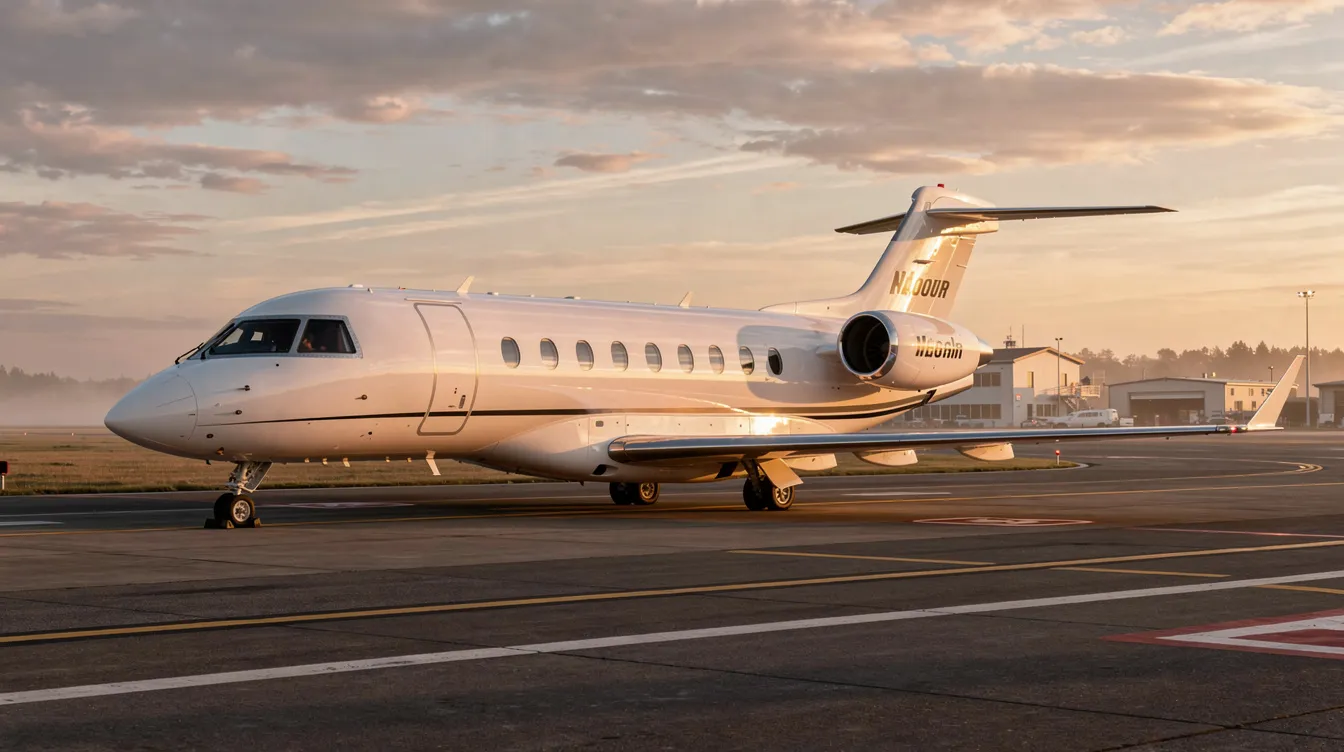
Owning a private aircraft in the United States means holding title to the airplane, registering it with the Federal Aviation Administration, and accepting responsibility for its operation, maintenance, and regulatory compliance. Whether an owner flies under FAA Part 91 (private use) or Part 135 (charter operations), maintenance and operational responsibilities fall entirely on the aircraft owner.
Light jets such as the Citation CJ4 or Embraer Phenom 300 typically cost $3–10 million to purchase.
Midsize jets like the Challenger 350 range from $15–30 million.
Large-cabin jets, including the Gulfstream G650 and Bombardier Global 7500, can cost $50–70+ million.
For a deeper look at types of private jets and prices, BlackJet maintains a comprehensive guide.
Crew employment
Pilot training
Scheduled inspections
Insurance
Hangar space
Navigation subscriptions
Dispatch coordination
High-volume flyers typically fly more than 200–300 hours annually. The U.S. holds approximately 70% of the world's business jet fleet, and private jets have access to over 5,000 airports nationwide, far more than any commercial airline network.
Whole ownership means holding full title to a single aircraft. It traditionally makes sense for companies or individuals flying more than 250–300 hours per year with complex, multi-destination itineraries. Full ownership is ideal for flying 100+ days per year, and whole ownership typically requires that volume to justify the economics.
Advantages: Total schedule control. Ability to own an aircraft configured with a custom interior and crew for a personal aircraft that provides a unique flying experience. Owning a private plane offers convenience and customization for frequent flyers. Potential tax benefits like 100% bonus depreciation under current U.S. law for qualifying business aircraft.
Downsides: Private jet ownership involves high initial investment and substantial ongoing costs. Owning a private jet incurs annual costs over $1 million, and annual operating costs for large-cabin jets exceed $1–3 million. There is significant residual value risk, and unplanned repairs can ground a private aircraft unexpectedly, posing availability issues.
Concrete example: A company flying a Challenger 350 roughly 350 hours per year faces an acquisition cost near $30 million and annual operating costs of $2–3 million. Paying retail charter for those same 350 hours at midsize rates ($5,000–$9,500 per hour) could run $5–8 million annually, making outright ownership the more cost-effective path at that volume.
Fractional aircraft ownership means purchasing a share, typically starting at a 1/16 share, of a specific aircraft type managed by a fractional program provider. That share entitles the owner to a defined number of annual flight hours. Fractional ownership often starts at a 1/16 share, which may grant 50 to 70 flight hours annually.
Usage fit: Fractional ownership suits travelers flying roughly 25–150 hours per year. Low-frequency flyers usually fly fewer than 100–200 hours annually, and fractional ownership offers a more economical option for those flying 200–300 hours a year compared to full charter. Below 25 hours, charter or jet cards may be cheaper. Above 250–300 hours, whole ownership starts making sense.
Benefits: Guaranteed access to premium aircraft. Predictable aircraft scheduling and availability are key benefits of fractional ownership. Fractional ownership spreads costs among multiple owners. Fractional ownership allows access to a fleet of aircraft, and owners can interchange aircraft based on trip needs. Consistent crew and aircraft experience are key benefits of ownership.
Numerical example: A 1/8 share in a midsize jet for approximately 100 hours per year might require a buy-in of $5–6 million, annual fixed costs of $400,000–$600,000, and an hourly charge of $4,000–$6,000. Over a five-year term, total cost per hour often runs 50–70% of the equivalent charter. See essential rules for airplane fractional ownership for program details.
Co-ownership, also called joint ownership, involves two or more parties sharing legal title to a single business aircraft. Multiple owners divide costs, usage rights, and responsibilities through a formal agreement, often structured via an LLC.
How it works: Owners typically split fixed costs (hangar space, insurance, monthly management fee) pro rata. Variable costs are borne by whoever flies. A management company usually handles scheduling, crew, and maintenance to avoid friction. Usage agreements define block hours, priority windows, and an hourly rate for overages.
Pros: Halved capital cost. Shared fixed expenses. Access comparable to sole ownership when travel patterns align. Owners hold an undivided interest in the aircraft.
Cons: Mismatched travel needs create scheduling conflicts. Governance documents must define exit provisions and buy-out formulas clearly. Liquidity of shares can be limited.
Scenario: Two law firms in Houston co-own a Citation CJ4 in a 50/50 split. Each firm gets 100 hours per year. If one firm exceeds its allocation, an additional hourly charge applies. Both must agree on upgrades. A right of first refusal protects each party if one wants to exit. For contract structuring guidance, see this sample contract overview.
Aircraft charter and jet cards represent the lowest-commitment path to private aviation. Charter services provide access to over 20,000 aircraft globally, and chartering eliminates upfront capital investment and fixed ongoing costs.
How pricing works: Charter rates are based on an hourly rate for the aircraft category, plus positioning fees, fuel surcharges, landing fees, and crew overnights. Charter rates may include deadhead costs for one-way trips. Jet cards lock in fixed rates per hour, usually tied to aircraft categories.
Advantages: Chartering a private plane provides flexibility and lower costs for occasional travelers. Chartering offers a variety of aircraft options tailored to specific trip needs. No long-term contract required for on-demand chartered flights.
Limitations: Variable charter costs can change significantly based on fuel prices and market demand. Availability of private planes for charter can decrease during peak travel seasons. Less control over specific aircraft or crew.
Complementary use: Charter services work well as overflow for fractional owners, covering unusual routes, family vacations, or infrequent international trips, and can be evaluated alongside fractional jet ownership vs membership programs. For a comparison of top charter companies in the U.S., BlackJet offers a detailed breakdown.
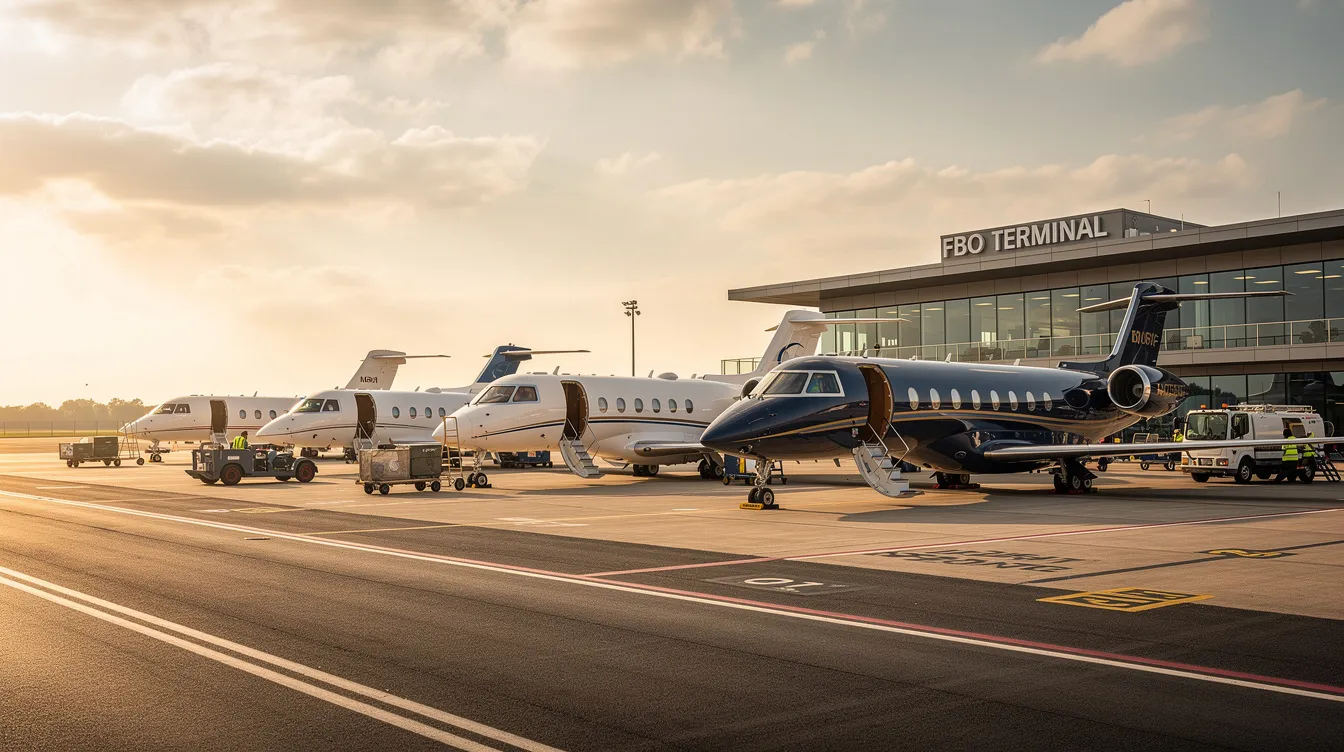
Understanding the true cost of jet ownership requires separating acquisition from operating costs and recognizing when fractional jet ownership as an investment may be more efficient than buying an entire aircraft.
Purchase price (or fractional share buy-in)
Transaction costs
Delivery and refurbishment
Crew salaries and benefits
Pilot training
Hangar space
Insurance
Monthly management fees
Navigation and avionics subscriptions
For midsize jets, fixed annual costs typically run $700,000–$1,500,000.
Fuel (midsize jets burn roughly 240 gallons per hour at $6–7 per gallon)
Maintenance reserves
Landing and handling fees
Catering
Deicing
Repositioning
Whole ownership carries high fixed costs but lower per-hour variable costs at high volume.
Fractional owners pay an initial buy-in, a monthly management fee, and an hourly rate for actual use.
Charter folds all costs into a single per-trip rate.
Private jet ownership is ideal for high-frequency travelers who can amortize fixed costs across many hours.
For a full breakdown, see Understanding the Cost of Fractional Jet Ownership.
Federal aviation regulations shape how every private aircraft operates. Flights under FAA Part 91 offer broad flexibility for private business use. Part 135 governs charter operations with stricter safety standards, crew requirements, and inspection protocols.
Many aircraft owners use a management company to handle regulatory compliance, crew credentialing, maintenance tracking, safety management systems, and dispatch. Aircraft chartering management handles maintenance and scheduling for owners who place planes on charter certificates to generate charter revenue.
Owners commonly form an LLC to hold title, providing liability protection and N-number privacy. Flight crew must maintain current certifications and recurrent training.
Fractional programs centralize all these duties, allowing fractional owners to enjoy business aviation benefits without building an internal flight department. This is a significant advantage for mid-market companies and individuals.
Private plane ownership proves its value in scenarios where commercial airlines simply cannot compete.
Multi-stop days: A manufacturing executive visiting three plants in one day across the Midwest (Chicago to Louisville to Indianapolis and back) saves an entire week of airline connections. Private jets enable same-day meetings across multiple cities.
Secondary airports: Private jets provide a quieter, more personalized flying experience and reach regional airports minutes from final destinations, cutting ground travel time dramatically.
Mid-market example: A private equity firm flying 120 hours per year between Texas, Florida, and California evaluates fractional ownership over full ownership, comparing several of the best fractional jet ownership programs. At that volume, a fractional program in a midsize jet delivers predictable access at roughly half the cost of equivalent charter, without the $30 million capital commitment of owning.
Common sectors: Private equity, real estate development, energy, technology, professional services, and pharmaceuticals all commonly leverage business travel via private aircraft to maximize executive productivity.
Tax advantages apply to both whole and fractional aircraft ownership, and understanding tax implications for fractional jet owners makes financial planning an essential part of the decision.
Bonus depreciation: Private jet ownership allows for accelerated depreciation deductions. The One Big Beautiful Bill Act permanently restored 100% bonus depreciation for qualifying business aircraft placed in service after January 19, 2025, applicable to both new and used planes.
Interest deductions: Fractional ownership may provide interest deductions on financing, depending on structure and use.
Business use threshold: To capture full benefits, more than 50% of usage must be for qualified business purposes. Meticulous flight logs documenting purpose, passengers, and routes are essential.
Fractional structure: BlackJet's Equity Fleet is structured so fractional owners can capture depreciation benefits within a more modest capital footprint while ensuring essential liability coverage in fractional ownership is properly addressed. See fractional jet ownership financing for details.
Important caveat: Consulting a tax advisor is recommended for aviation tax benefits, especially if you plan to sell your fractional jet ownership share or transition into another structure. This section addresses general concepts only, not individualized advice.
For busy executives evaluating aircraft ownership, here is a quick decision framework:
Charter or jet cards (fewer than 25–30 hours per year): Lowest cost, no capital commitment, unparalleled flexibility. Best for occasional travelers who value variety over consistency.
Fractional jet ownership (roughly 25–150 hours per year): Balanced capital investment, guaranteed access, shared operational costs, and benefits of private aviation without the burden of managing a full flight department. Multiple aircraft types available through fleet interchange.
Whole ownership (more than 250–300 hours per year): Maximum control, dedicated aircraft and crew, full customization, but requires significant capital and operational infrastructure. Best for organizations with an in-house company flight department.
Key decision factors: Capital commitment, control over your own schedule, predictable access, fleet flexibility, and appetite for operational responsibility. The right answer depends entirely on how many hours you fly and how much complexity you are willing to manage.
BlackJet Fractional Jet Ownership specializes in serving travelers seeking structured private aviation access for roughly 25–150 hours of annual flying.
Equity Fleet: A fractional co-ownership model where clients purchase a share in a specific business aircraft category, gaining priority access, potential tax benefits, and equity in a premium aircraft. Ownership is structured to support 100% bonus depreciation eligibility.
Reserve Fleet: A non-equity, pay-as-you-go membership with predictable pricing and guaranteed availability. No capital outlay, no long-term ownership commitment, but consistent access to multiple aircraft across the fleet.
Differentiation: Unlike generic aircraft charter brokers, BlackJet provides dedicated aircraft management, long-term program structures, and scheduling guarantees, bridging the gap between ad hoc charter and the complexity of owning your own aircraft.
Aircraft management services transform the ownership experience by handling the operational details that consume time and attention.
Core services: Flight crew hiring and training, maintenance coordination, regulatory compliance, scheduling, dispatch, insurance management, and financial accounting.
Impact on ownership: Whether under whole ownership or co ownership, a management company makes the experience a co-ownership fractional program. The owner flies; the management company handles everything else, maintaining the highest standards of safety and compliance under federal aviation rules.
Charter revenue offset: Some owners place their aircraft on a Part 135 charter certificate to generate charter revenue during idle periods, offsetting fixed costs. The management company coordinates these operations, ensuring full compliance with Federal Aviation Administration requirements.
Growing public scrutiny of private aviation emissions means that aircraft owners and fractional owners must consider sustainability as part of their strategy.
Mitigation strategies: Selecting newer, fuel-efficient aircraft types; using sustainable aviation fuel where available; participating in carbon-offset programs.
Operational practices: Combining trips, reducing empty repositioning legs, and optimizing routing across a floating fractional fleet all reduce both cost and environmental impact.
Brand perception: For public companies and high-profile individuals, demonstrating responsible use of private aviation, rather than ignoring the conversation, strengthens stakeholder trust. Many fractional providers now market SAF uptake and carbon-neutral flight options as standard.
Before committing to any model, follow this practical framework:
Quantify your travel needs: Estimate annual flight hours and map your most common destinations. Gather 12–24 months of past travel data, including routes, passenger counts, peak periods, and schedule flexibility.
Define your budget: Determine how much capital you can allocate versus your preference for predictable operating costs. Factor in both the monthly management costs and variable per-hour charges.
Choose your involvement level: Decide whether you want full operational control (whole ownership), shared responsibility (fractional or co-ownership), or zero involvement (charter).
Run side-by-side scenarios: Model total costs across charter, jet cards, fractional ownership, and whole ownership, including tax benefits, for your specific hour volume. Other advantages of one model over another often become clear only through direct comparison.
Private plane ownership delivers powerful business aviation benefits, but the smartest path depends on hours flown, capital available, and how much operational complexity fits your situation. For most executives and companies flying 25–150 hours per year, fractional ownership and structured programs like BlackJet's Equity and Reserve Fleets provide the optimal balance of cost, access, and simplicity.
Ready to explore the smarter way to fly private? Visit FractionalJetOwnership.com to learn how fractional ownership can transform your travel experience, or schedule a consultation to receive a custom analysis of your travel profile.
