August 21, 2026
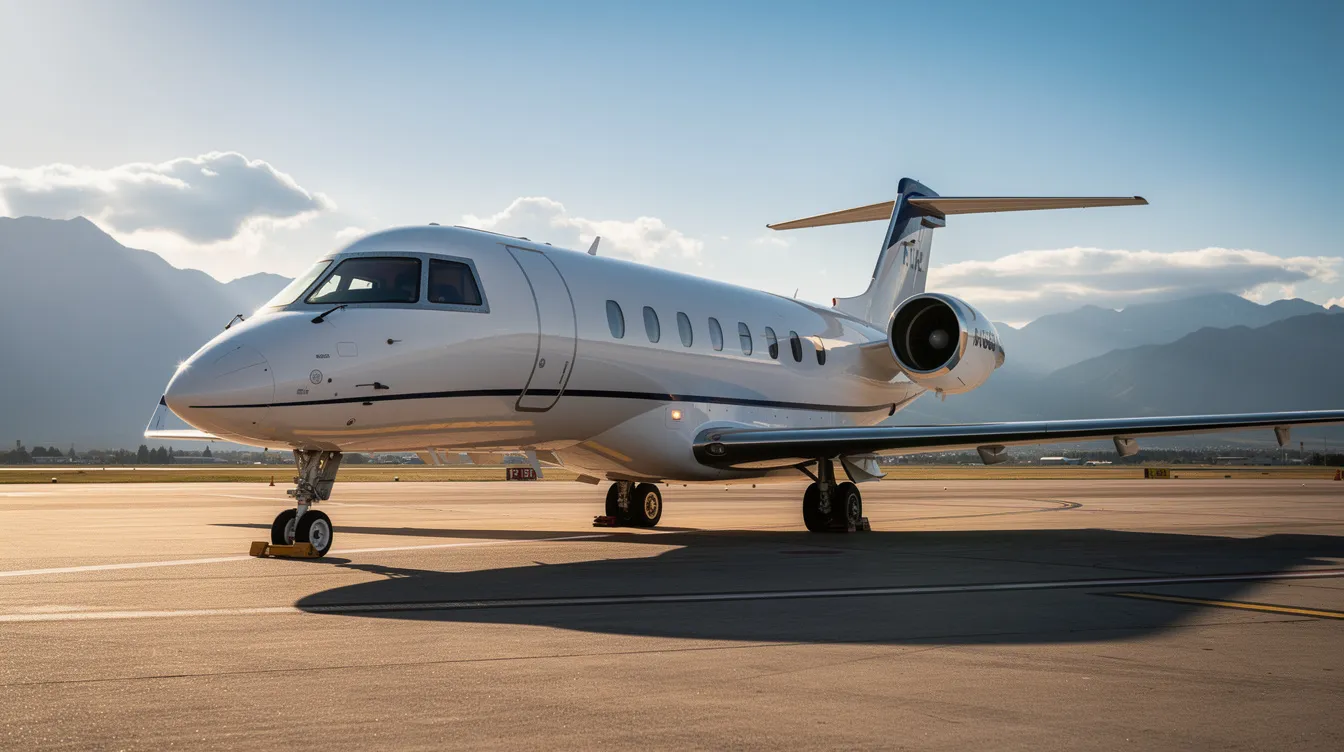
The top 10 private jet companies are NetJets, Flexjet, VistaJet & Vista Global, Wheels Up, XO, PlaneSense, AirSprint, GlobeAir, Delta Private Jets (now part of Wheels Up), and BlackJet Fractional Jet Ownership, ranked by fleet size, flight hours, product range, and market relevance. For executives, entrepreneurs, family offices, and corporations flying roughly 25–150 hours per year, the private aviation sector includes fractional ownership and jet card services that have reshaped how travelers access private aircraft with more predictability than ad hoc charter and less complexity than full ownership. Unlike commercial airlines, private jet companies give travelers direct access to over 4,000 airports, the ability to board and take off immediately, and a flexible departure schedule that adapts to their needs rather than the other way around. Private aviation reduces commercial check-in and security delays, and private jet travel saves 5–10 hours per trip compared to commercial alternatives. Private jets can board and take off immediately, turning what used to be a full travel day into a few productive hours.
Business aviation continues to grow. NetJets alone logged approximately 180,000 flight hours in Q1 2025, and Vista Global recently reported over 134,000 fleet hours flown across its operations. These figures reflect a steady upward trend across the United States and globally.
This article highlights the top 10 private jet companies first, then breaks down access models-fractional ownership, jet card programs, memberships, and on-demand charter-along with aircraft categories, cost structures, and the key differences between providers so readers can match the right company to their actual flight needs. BlackJet Fractional Jet Ownership is included both as a featured provider and as an expert advisor in private aircraft access, offering its Reserve Fleet (pay-as-you-go) and Equity Fleet (fractional shares) solutions.
The following list ranks the largest private jet operators and most relevant fractional operators based on fleet size, hours flown, product range, and relevance for both private individuals and corporate clients. Each company serves a different segment of the private jet market.
NetJets – U.S. and Europe | Fractional ownership, jet cards, leases | 50–300+ hours/year
Flexjet – U.S. and Europe | Fractional ownership, leases, jet card programs | 50–200 hours/year
VistaJet & Vista Global – Global | Membership, subscription, charter services | 50–400+ hours/year
Wheels Up – U.S. (North America) | Membership, on-demand charter | 10–75 hours/year
XO – Global (part of Vista Global) | Digital charter marketplace, jet cards | 25–100 hours/year
PlaneSense – U.S. | Fractional ownership in turboprops and light jets | 25–150 hours/year
AirSprint – Canada and U.S. | Fractional ownership | 25–200 hours/year
GlobeAir – Europe | VLJ on-demand charter | 10–50 hours/year
Delta Private Jets – U.S. (now part of Wheels Up) | Membership, jet charter | 10–75 hours/year
BlackJet Fractional Jet Ownership – U.S. | Equity Fleet (fractional) and Reserve Fleet (membership) | 25–150 hours/year
NetJets operates a fleet of around 700 jets worldwide, making it the world's largest private jet company by fleet size and flight hours. With approximately 792 aircraft split between the U.S. and Europe, NetJets has over 6,500 fractional owners worldwide and serves over 4,000 airports.
Core offerings include fractional ownership shares, lease programs, and jet cards such as 25-hour options across multiple aircraft categories-from light jets to large cabin jets. NetJets' Share and Lease programs require a minimum of roughly 25 flight hours per year, with guaranteed availability and predictable hourly rates plus monthly management fees.
Aircraft management benefits for aircraft owners include maintenance, crew hiring, scheduling, and regulatory compliance under Part 91K fractional regulations. NetJets targets corporations and individuals flying roughly 50–300 hours annually who value scale, an extensive network, and structured access.
Flexjet has consistently ranked second among private jet operators since 2021 and continues to expand rapidly. Flexjet offers fractional ownership with flexible jet card options, and its fractional shares start at a 1/16th share, corresponding to 50 flight hours per year.
The fleet spans super midsize jets, large jets, and ultra-long-range business jets with strong long-range capabilities for transcontinental and transatlantic travel, with recent firm orders placed with Embraer for Praetor-series aircraft. Flexjet has also begun rolling out Starlink connectivity across its Gulfstream and super-midsize fleet, reflecting a commitment to cutting-edge technology in the cabin.
Through affiliated brands like Sentient Jet, Flexjet provides jet card and membership-style solutions for travelers not yet ready for full fractional aircraft ownership. The ideal Flexjet client is a frequent business traveler needing transcontinental and transatlantic reach with 50–200 flight hours per year and interest in equity-style programs.
Vista Global combines VistaJet, XO, and allied operators into a private aviation group with over 113 owned aircraft and access to more than 2,100 alliance partner jets. VistaJet operates a fleet serving 187 countries worldwide, making it one of the largest operators for intercontinental missions.
VistaJet's model is "asset-light" for the client: no ownership required, but subscription-style access with guaranteed availability on a floating fleet of luxury private jets. VistaJet's programs start at 50 hours per year, costing $12,000–$18,000 per hour depending on aircraft type. The Bombardier Global 7500, with a range of 7,700 nautical miles, is a cornerstone of VistaJet's long-haul fleet.
XO operates as a digital marketplace connecting clients to both Vista's fleet and vetted third-party charter companies. Vista Global is attractive for clients who want consistent cabin standards and global reach without fractional ownership commitments.
Wheels Up is a major U.S. membership and charter brand focused on domestic routes and short-haul business aviation. As of mid-2025, the Wheels Up fleet included 127 aircraft-92 owned and 35 leased.
Key products include membership tiers, capped hourly rates, and pay-as-you-go charter flights. Wheels Up offers jet cards starting at $100,000 for 20 hours, providing an accessible entry point into private travel. The integration with Delta Private Jets (acquired by Wheels Up) benefits travelers who combine commercial airliners with private aviation for complex itineraries.
Core fleet types include King Air turboprop aircraft and Cessna Citation light jets, suited for regional business trips and frequent flights under 2–3 hours. These aircraft are well matched to short regional missions, where fuel efficiency helps keep operating costs practical. Wheels Up targets members flying 10–75 hours per year who prioritize flexibility and app-based booking over equity ownership.
XO, part of Vista Global, operates as a technology-driven private jet charter platform rather than a traditional aircraft owner. XOJET operates a fleet of 116 aircraft, focusing on two models, and supplements this with access to thousands of vetted charter companies.
XO's app-based approach delivers instant price estimates, access to shared and full charter flights, and the ability to book seats on existing routes to reduce cost. XO Membership and deposit-based accounts offer fixed hourly rates on select aircraft categories, functioning similarly to a jet card.
This model suits cost-conscious frequent flyers who value digital convenience and transparent pricing across light jets, midsize jets, and heavy jets-without needing the guaranteed availability of fractional ownership.
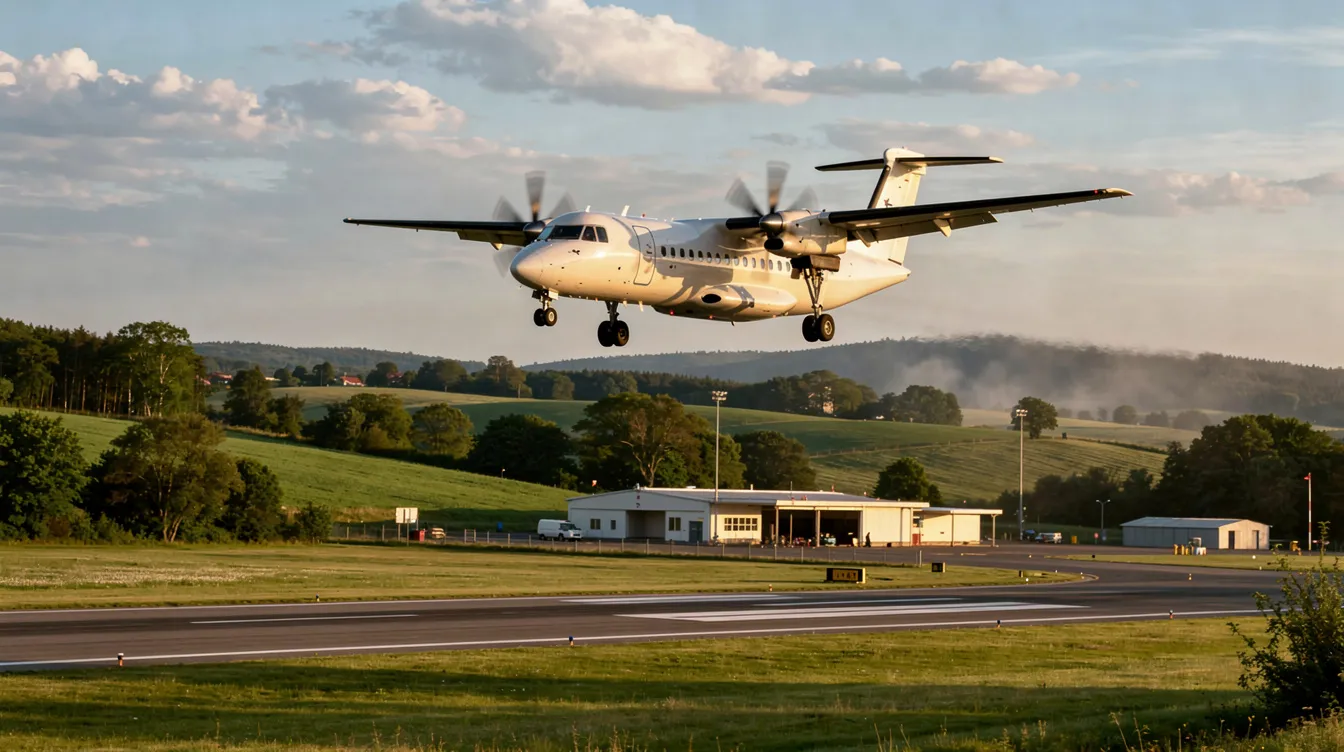
PlaneSense is a U.S.-based fractional operator specializing in Pilatus PC-12 and PC-24 aircraft. With over 60 certified aircraft and roughly 44,000 flights per year, PlaneSense offers fractional ownership designed for efficient regional travel.
Clients purchase a share corresponding to a set number of annual flight hours, with lower acquisition and hourly costs than large-cabin business jets. The PC-12 turboprop delivers short runway performance and access to smaller airports that jets cannot reach-ideal for remote destinations and secondary airports across the Northeast, Southeast, and Midwest.
PlaneSense manages all aircraft, maintenance, pilots, and operations in-house rather than subcontracting, giving owners tighter operational control. It is best suited for aircraft owners flying 25–150 hours per year on regional missions where turboprop aircraft outperform larger jets in both cost and airport access.
AirSprint is Canada's leading fractional aircraft ownership provider, operating primarily in Canada with extended reach into the United States and select Caribbean destinations. The fleet includes Embraer Phenom 300s and Cessna Citation aircraft for light and midsize missions.
Fractional shares start at just 25 annual hours, representing a 3.125% share in an 800-hour aircraft. AirSprint offers both capital purchase and five-year lease options, with fixed annual overhead fees and occupied hourly rates. Owners flying 50 or more hours receive scaled overhead discounts.
Cross-border strengths include simplified customs handling and access to key U.S. business centers. AirSprint delivers predictable costs, professional aircraft management, and personalized service comparable to top U.S. fractional operators-with no repositioning fees.
GlobeAir is a Europe-focused private jet company specializing in very light jets, notably the Cessna Citation Mustang. Its air-taxi model provides point-to-point pricing across Europe, optimized for 1–4 passengers on short-haul domestic routes between secondary airports.
GlobeAir operates as both an operator and charter provider, offering on-demand booking and empty-leg deals through its own fleet rather than traditional jet card programs. European business travelers benefit from significant time savings versus commercial airlines, especially when connecting smaller cities that lack direct commercial service.
GlobeAir is best for short flights-typically under two hours-and is not designed for long-haul flights or intercontinental missions.
Jet Linx operates from multiple local bases across the United States with over 110 managed aircraft spanning 38 unique models-from light jets to heavy jets. This "base model" approach combines aircraft management for owners with fixed hourly rates and jet card access for members. Similar regional-access and membership-driven charter services are also offered by Magellan Jets.
Advantages include localized exceptional service through dedicated private terminals, consistent crews, and strong relationships with regional business communities. Jet Linx bridges the gap between national brands like NetJets and purely on-demand charter companies, offering mid-range commitments and a more personalized service experience.
This model suits executives who fly regularly between a handful of key cities and want predictable service from a local provider with the operational efficiency of a national operator.
BlackJet Fractional Jet Ownership is a specialized provider of fractional jet ownership and membership programs tailored for clients flying 25–150 flight hours annually.
The Equity Fleet model lets clients purchase fractional shares in specific business jets, gaining priority access, potential tax benefits under U.S. depreciation rules, and professionally managed aircraft management services. Private aviation services can tailor access to different flight-hour needs, and BlackJet's equity model reflects this principle.
The Reserve Fleet model provides pay-as-you-go or membership-based access to a curated fleet without ownership-combining the predictability of jet cards with the flexibility of on-demand charter. Clients can access guaranteed availability through both models.
Key differentiators include transparent pricing, access planning based on actual hours flown, and advisory support helping clients compare fractional ownership vs. jet cards vs. charter to match their usage profile. Ideal client segments include entrepreneurs, family offices, and corporations seeking predictable private aviation access without the complexity of whole-aircraft ownership.
The best private aviation provider depends on flight routes and service needs rather than brand recognition alone. Here is how the four main models compare:
Model | Upfront Cost | Best For | Key Benefit |
|---|---|---|---|
Fractional Ownership | High (share purchase) | 50–500 hours/year | Equity, tax benefits, priority access |
Jet Card | Moderate (prepaid deposit) | 25–75 hours/year | Fixed rates, no ownership burden |
Membership/Subscription | Low to moderate | 25–100 hours/year | Flexibility and predictability |
On-Demand Charter | None | Under 25 hours/year | Pay-per-trip, no commitment |
On-demand charter is best for occasional flyers without capital commitment. Chartering offers flexibility without ownership responsibilities and is ideal for flying less than 200 hours annually. Many elite individuals use a hybrid approach of ownership and chartering to optimize cost across different trip types, layering charter and jet cards on top of the cost structure of fractional jet ownership.
When evaluating quotes, they should clearly separate flight costs from additional fees such as fuel surcharges, repositioning, and taxes. Consider not just pricing but also guaranteed availability, peak-day restrictions, and access to multiple aircraft categories.
Fractional ownership allows clients to purchase a share of an aircraft—typically a fraction like 1/16th or 1/8th fractional jet ownership—in exchange for a contracted number of annual flight hours. To navigate the jargon, many prospective buyers start with a fractional jet ownership glossary of key terms. Contracts generally run 3–5 years, with scheduling and executive jet management handled entirely by the provider.
The financial structure includes an acquisition cost, monthly management fees, occupied hourly rates, and residual value returned at contract end. Buyers should understand fractional jet ownership financing, costs, and benefits, as well as how to calculate the total cost of fractional jet ownership before committing capital. Fractional ownership typically requires a substantial upfront cost, and private jet ownership incurs high upfront and maintenance costs, so it helps to review a complete guide to the overall cost of fractional jet ownership. However, ownership typically makes sense for those flying over 400 hours yearly, and fractional ownership is ideal for those flying 400–500 hours annually when pursuing large fractional shares. Smaller shares from providers like NetJets, Flexjet, PlaneSense, AirSprint, and BlackJet serve clients in the 25–200-hour range effectively.
Advantages over sole ownership include lower capital commitment, diversified risk, professional aircraft management, and access to multiple aircraft types via interchange. For many high-net-worth travelers, fractional jet ownership as an investment can be attractive when compared with outright ownership or charter-only strategies, especially when using one of the top fractional jet ownership programs for smart investors. BlackJet's Equity Fleet may be especially efficient for 25–150 hours per year.
Jet card programs and memberships allow travelers to pre-purchase flight hours or deposit funds in return for fixed or capped hourly rates on specific aircraft categories. Jet card programs typically start around $100,000 for 20 hours, though jet card pricing structures can vary significantly by provider, and many buyers weigh fractional jet ownership vs. membership programs to decide which commitment level fits their flying profile.
Membership programs offer flexibility and predictability in private aviation access. Many membership programs often guarantee aircraft availability within 6 hours of a request, particularly when backed by floating fleet options in fractional ownership that improve utilization and scheduling. Key variables to evaluate include peak-day surcharges, daily minimums, repositioning fees, and cancellation windows.
Peak-day rules guarantee aircraft recovery during high-demand periods like holidays, though surcharges may apply. Companies like NetJets, Flexjet (via Sentient Jet), and Vista/XO each package their jet cards differently. BlackJet's Reserve Fleet offers jet card-style predictability with more flexible commitment levels and customizable aircraft categories-without sacrificing comfort or service consistency.
Choosing the perfect aircraft and provider starts with understanding annual hours flown and typical mission profile. Here is a breakdown of aircraft categories:
Turboprop aircraft (e.g., Pilatus PC-12, King Air): Regional missions, short runways, lowest hourly cost
Light jets (e.g., Cessna Citation CJ series): Light jets typically seat 4–8 passengers, ideal for 1–3-hour flights
Midsize / super midsize jets (e.g., Embraer Praetor, Cessna Citation Longitude): Midsize jets allow for coast-to-coast flights comfortably
Large cabin jets / heavy jets (e.g., Challenger 650): Large jets are designed for transcontinental travel
Ultra-long-range jets (e.g., Bombardier Global 7500, Gulfstream G700): Ultra-long-range jets are defined by long-range capabilities for nonstop international missions and can connect distant cities nonstop. The Gulfstream G700 has a top speed of Mach 0.935
Top private jet manufacturers and makers like Gulfstream Aerospace, Dassault Aviation, Textron Aviation, Bombardier, and Embraer, along with Boeing business jets as a large-cabin corporate-aircraft example, supply the fleets across these categories. Paramount business jets from these manufacturers form the backbone of every major fractional and charter fleet.
Example scenarios:
30 hours/year, regional flights → Turboprop or light jet charter or jet card
120 hours/year, U.S. coast-to-coast → Fractional ownership or structured jet card in super midsize jets
200+ hours worldwide → Fractional or fleet programs in ultra-long-range business jets
Understanding realistic hours flown, cabin needs, and preferred departure airports matters more than chasing the largest private jet brand name. Consult a provider like BlackJet for a personalized analysis before choosing.
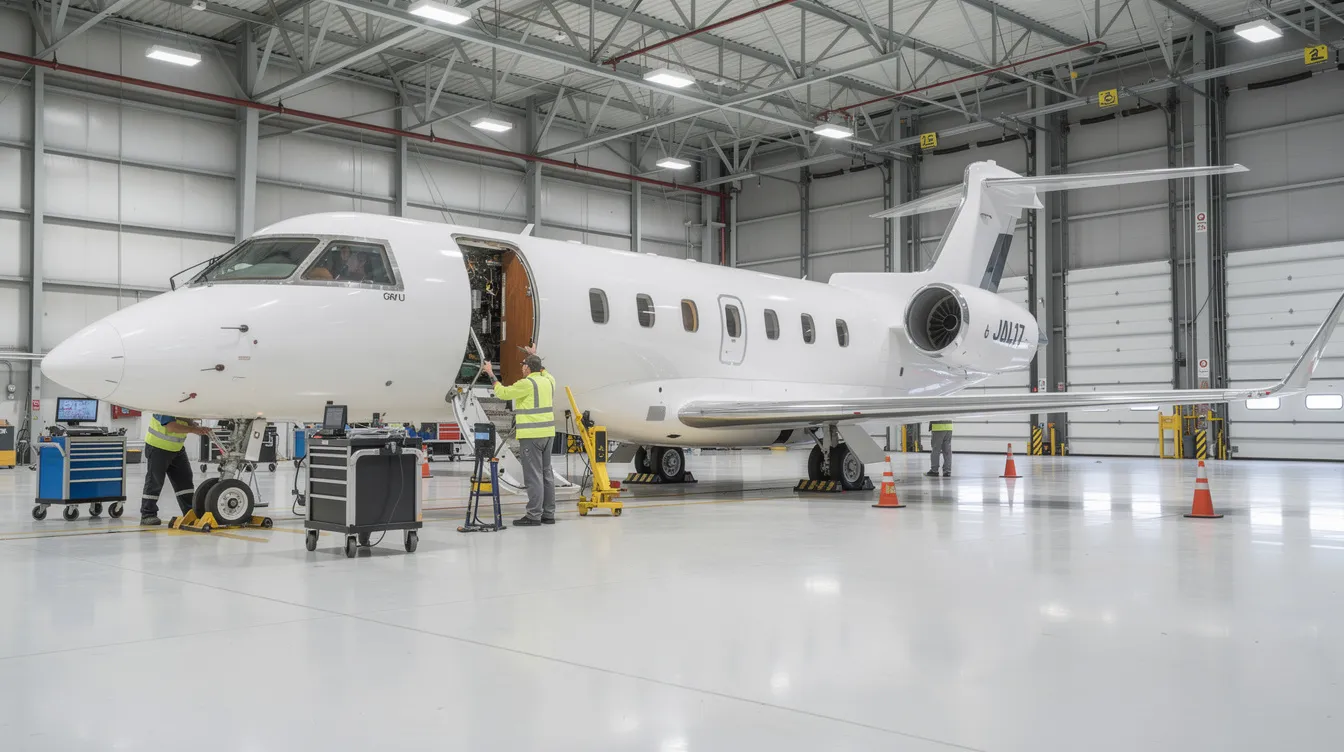
The best private jet companies differentiate themselves through safety culture, aircraft management quality, and service consistency. Top private jet operators hold elite third-party safety ratings from auditors, and safety accreditations include ARGUS Platinum and IS-BAO Stage 3.
Direct operators often provide tighter quality control than brokers. Operational control should remain with certified operators under FAA Part 135, ensuring proper crew training, maintenance oversight, and regulatory compliance.
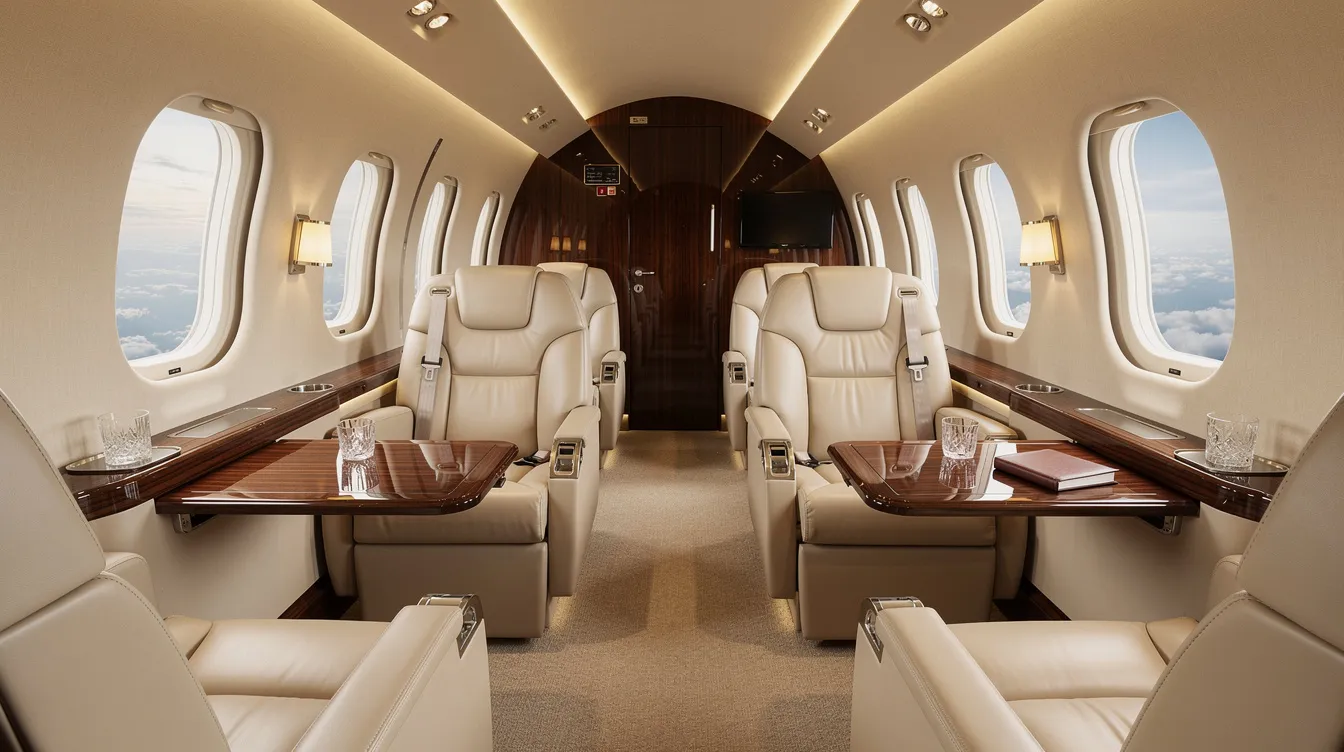
Leading operators ensure consistent service standards across aircraft categories, including cabin configuration, Wi-Fi connectivity, catering, and ground transportation. They provide unparalleled luxury through attention to detail rather than superficial branding. Before committing to any jet card, fractional ownership, or charter arrangement, ask prospective providers detailed questions about safety audits, pilot experience requirements, and maintenance programs. It is equally important to understand essential contract terms in fractional jet ownership, review a sample aircraft fractional ownership agreement, and evaluate liability and insurance coverage in fractional ownership alongside tax implications for fractional jet owners. Owners should also plan ahead for selling a fractional jet ownership share, so exit options are clear from day one. This due diligence is what separates luxury travel from truly safe, reliable private aircraft access.
The top 10 private jet companies differ in scale, geography, and access models. The right choice depends on hours flown, route patterns, and how much commitment makes financial sense for your specific situation. There is no single "best" company in the world of private jets-only the best fit.
Fractional ownership, jet card programs, and flexible membership models all have a place in modern business aviation. Many travelers find that combining solutions through a hybrid strategy provides optimal value across different trip types and seasons.
BlackJet Fractional Jet Ownership serves as both a provider and a trusted advisor, helping clients compare leading fractional operators and charter companies, clarify the real cost of private jet ownership versus charter, and design a tailored strategy using Equity Fleet and Reserve Fleet options. Private aviation provides a flexible departure schedule and the ability to reclaim hours that commercial alternatives simply cannot match.
Ready to explore the smarter way to fly private? Visit FractionalJetOwnership.com to request a consultation, share your historical flight hours, and receive a customized access plan built around the way you actually fly.
