June 16, 2026
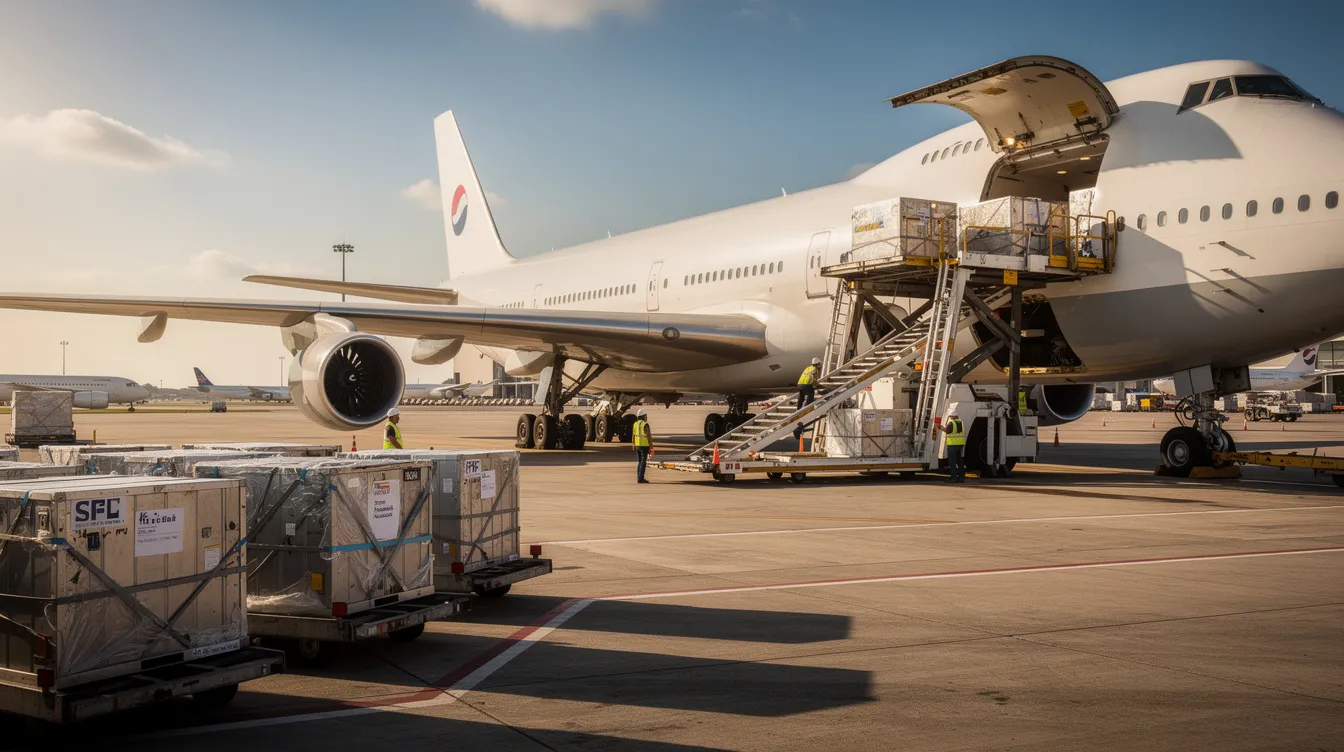
In today’s fast-paced global economy, efficient and reliable air transport is essential for businesses and organizations that require swift cargo movement and executive travel. The market for transport planes is evolving rapidly, offering a diverse range of aircraft tailored to various operational needs—from heavy cargo freighters to versatile business jets capable of carrying both passengers and equipment. Whether you are a logistics provider, a corporate flight department, or a high-net-worth individual exploring private aviation options, understanding the current landscape of transport planes for sale is crucial for making informed decisions.
This comprehensive buyer’s guide covers the key types of transport aircraft available between 2024 and 2026, including classic Western freighters, rugged Eastern workhorses, and high-capacity business jets. It also addresses important considerations such as regulatory compliance, maintenance, financing, and alternative access models like fractional jet ownership. With expert insights and market data, this guide equips you to navigate the complexities of acquiring transport planes and optimizing your aviation strategy.
The 2024–2026 window presents a strong buyer's market for used cargo aircraft and high-capacity business jets, driven by retiring passenger fleets and rising P2F conversion activity.
Buyers can select from classic Boeing and McDonnell Douglas freighters, Eastern workhorses like the IL-76TD and Antonov An-32, and large-cabin business jets suited for corporate and light cargo missions.
Compliance with international aviation safety standards (FAA, EASA, ICAO) and thorough due diligence on landing gears, airframe time, and avionics matters far more than headline pricing.
Many operators avoid full acquisition by using fractional jet ownership or membership solutions like BlackJet's Equity Fleet and Reserve Fleet for 25–150 flight hours per year.
This article covers market pricing, technical checks (including "landing gears good" status), financing options, and how BlackJet helps match aircraft capacity to real-world mission profiles.
Consideration | Details/Platforms |
|---|---|
Available Platforms | |
Primary Considerations | Payload capacity, range |
Regulatory Compliance | FAA, EASA, ICAO standards; Airworthiness Directives |
Capital Investment | High upfront costs; financing and leasing options available |
Plane Availability | New builds, passenger-to-freighter conversions |
Secure Transaction Vetting | Thorough vetting of listings, pre-purchase inspections, validation of documentation |
Airworthiness Compliance | Verification of maintenance records, compliance with directives, landing gear and engine cycles |
Insurance & Crew Training | Commercial insurance (often higher for Eastern types), crew training requirements |
Post-2020 growth in e-commerce, just-in-time logistics, and corporate shuttling has pushed demand for cargo aircraft and multi-role transport planes across every continent. Purchasing a transport plane requires significant capital investment and planning, yet availability of transport planes ranges from new builds to passenger-to-freighter conversions, giving buyers more options than ever and the ability to match an aircraft to different transport roles.
This guide is intended for business owners, aviation professionals, and corporate flight departments considering the purchase or lease of a transport plane.
Transport planes are divided into narrow-body, wide-body, and specialized oversized transporters. Narrow-body freighters are typically used for shorter runways and moderate payloads; wide-body freighters offer higher payload and range; and specialized oversized transporters are designed for extremely large or unique cargo.
When people search for "transport planes for sale," they find dedicated cargo aircraft, combi conversions, and large-cabin business jets used for teams plus equipment. These aircraft are actively traded across the United States, Europe, Africa, Asia, South America, and the Middle East.
BlackJet Fractional Jet Ownership is a private aviation specialist that advises clients on when to buy, lease, or use fractional access instead of full aircraft ownership.
Platforms for buying aircraft include Trade-A-Plane and AircraftExchange, listing thousands of transport planes for sale. Transport planes feature reinforced main decks and large cargo doors across three broad categories:
Definitions:
Narrow-body freighters have shorter runway capabilities and typically carry 20 to 30 tons.
Wide-body freighters feature industry-standard cargo loading systems and typically have a capacity of 65 to 110+ tons.
Specialized transport planes often have modified fuselages and unique loading mechanisms, tailored for extremely large cargo.
Category | Examples | Typical Price Range |
|---|---|---|
Classic Western freighters | B727-200F, B737-300F/400F, B757-200F, B767-300ER-SF, DC-8-63, DC-10-30F | $2M–$16M+ |
Eastern/Eurasian workhorses | IL-76TD, An-26, An-32, An-74, L-410 | $500K–$10M |
High-capacity business/VIP jets | Global 6000, Challenger 605, Falcon 900EX | $10M–$25M |
Many listings specify build date, total time, cycles, and the number available for a given model, which are critical signals buyers compare when estimating remaining useful life and current inventory depth. Supply of mid-life 737-400 freighters is particularly active as passenger fleet retirement feeds P2F conversions—feedstock aircraft like the 757-200 trade between $7.8M and $15.86M before conversion.
Classic Western freighters remain attractive thanks to known support networks, extensive parts pools, and predictable performance. Key models currently on the market include:
Table: Classic Western Freighter Models and Capacities
Model | Typical Year | Engine Type | Max Payload/Volume | Notable Features/Notes |
|---|---|---|---|---|
B727-200F | ~1981 | JT8D-17 | ~20 tons | Stage III hush kits |
B737-300F | Early 1990s | CFM56-3 | 20–23 tons | Converted from passenger jets |
B737-400F | Early 1990s | CFM56-3 | 20–23 tons | Converted from passenger jets |
B747-269F (747-200F) | 1979 | Pratt & Whitney JT9D | 409,000 lbs MTOW, 16,000 ft³ | Large volume, long range |
B757-200F | 1980s–1990s | RB211/PW2037 | ~32 tons | Popular for P2F conversions |
B767-300ER-SF | Late 1980s–1990s | CF6-80C2 | ~52 tonnes | |
DC-8-63F | 1970s–1980s | JT3D | ~40 tons | Upgraded glass cockpits |
DC-10-30F | 1970s–1980s | CF6-50C2 | ~40 tons | Upgraded glass cockpits, ads b out |
Aircraft buyers should verify compliance with Airworthiness Directives. Buyers must also confirm Stage 3/Stage 4 noise compliance, ADS-B, TCAS II, EGPWS/TAWS, and RVSM certification. Landing gear status often appears in inventory as "landing gears good until 2021/2019"; remaining cycles directly affect acquisition price and near-term maintenance budget.
IL-76TD, Antonov An-26/An-32/An-74, and similar types serve operators in Africa, Asia, South America, and remote regions of Eastern Europe where unpaved runways and minimal infrastructure are common.
The Ilyushin Il-76 has a maximum payload of 50 tons with a range of nearly 2,000 nm, designed for humanitarian, military charter, and outsized cargo operations
Antonov An-26 has a payload capacity of 5–7 tons; the An-32 offers improved hot-and-high performance—both typically priced under $2M
These platforms require special attention to certification when operating in Western airspace, including alignment with ICAO Annexes and FAA Part 25
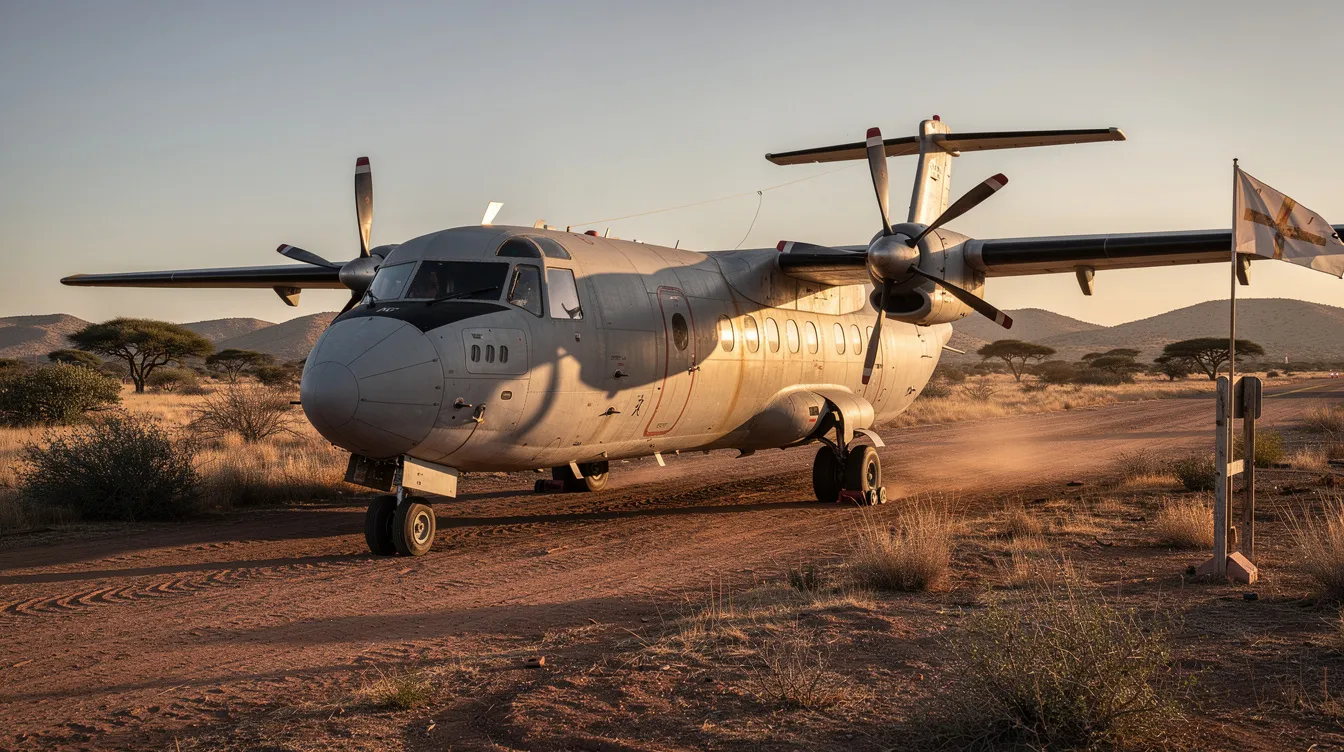
Commercial insurance and crew training must be accounted for; insurance costs for Eastern-built cargo aircraft run 20–50% higher than comparable Western types due to parts scarcity and geopolitical factors. Buyers should connect with brokers experienced in this class of aircraft.
Large-cabin business jets—Bombardier Global 6000, Dassault Falcon 2000/900EX, Gulfstream G550, Challenger 605—offer ranges from 3,000 nm to 6,000+ nm, seating for 9–14, and baggage holds accommodating tools, instruments, and high-value goods.
Acquisition prices: roughly $10M–$25M depending on age, cycles, and avionics
Hourly operating costs: approximately $4,500–$6,000 for fuel, crew, and maintenance, which should be factored into any analysis of the total cost of fractional jet ownership
Ownership costs can exceed $1 million annually in fixed expenses
While they cannot match a 747-200F's volume, these jets excel at time-critical corporate missions where speed, privacy, and predictable scheduling outweigh pure payload density. Private aviation services include membership programs for flexible access; high-frequency travelers typically need 25–150 flight hours per year. BlackJet's Reserve Fleet and Equity Fleet models give clients access without buying a whole jet.
Thorough due diligence is essential for secure transactions and long-term value. Use the following checklist to guide your evaluation:
Verify total airframe hours and cycles versus design limits
Confirm status of major structural inspections: C check and D-check
Review the manufacturer's service bulletins
Ensure avionics are compliant for 2025+: ADS-B Out, TCAS II Change 7, EGPWS/TAWS, RNP-1/FANS 1/A+
Missing upgrades can add $500K–$2M to acquisition costs
Review landing gear overhaul intervals (every 10–12 years or 20,000–25,000 cycles for narrow-bodies; costs range from $500K–$2.5M per gear set)
Confirm participation in maintenance programs (CAMP, JSSI, MSP) to stabilize hourly costs and protect resale value
Ensure appropriate liability and insurance coverage in fractional jet ownership
Any transport aircraft must comply with international aviation safety standards to perform cross-border operations. The role of ICAO, FAA, EASA, and national authorities in certifying airframes means buyers must confirm documentation aligns with intended regions—whether FAA Part 135/121 cargo or foreign equivalents.
Core safety systems expected on current-market aircraft include TCAS II, EGPWS/TAWS, digital flight data recorders, and modern weather radar. BlackJet only partners with operators meeting or exceeding these benchmarks, including third-party safety audits (IS-BAO, Wyvern, ARG/US). Private jet scheduling ensures guaranteed availability for clients while maintaining compliance that lowers incident rates and insurance terms.
Most businesses finance or lease transport planes rather than pay cash. Options include secured term loans, operating leases, and finance leases.
Secured term loans (5–10-year amortization)
Operating leases for fleet flexibility
Finance leases that behave like ownership
Aircraft owners can deduct depreciation expenses annually
Certain aircraft purchases qualify for Section 179 tax deductions
Tax benefits can significantly reduce overall aircraft operating costs when you understand the total cost structure of fractional ownership
Tax incentives vary by state and aircraft type
Business aircraft can qualify for sales tax exemptions in some jurisdictions, and structures such as 1/8 fractional jet ownership can help match tax treatment to actual usage
In emerging markets across Africa, Asia, and South America, export credit agencies fund cargo aircraft with stricter requirements on maintenance records
This parallels the need to understand essential contract terms in fractional jet ownership
For executive and light-cargo missions, fractional ownership through BlackJet's Equity Fleet serves clients averaging 50–150 hours per year, and many evaluate fractional jet ownership as an investment alongside charter or full ownership
The right aircraft access model depends on annual flight hours, route patterns, and whether the primary mission is heavy cargo, executive transport, or both.
Model | Best For | Key Advantage |
|---|---|---|
Full ownership | 300+ hours/year, consistent routes, specialized equipment | Total control; full ownership requires 300+ flight hours per year to justify |
Irregular missions, seasonal peaks | No long-term obligations | |
Jet cards | Moderate, flexible travel | Jet cards offer prepaid hourly blocks for flexible access; jet card access can save approximately 50% versus ownership |
Fractional ownership | 25–150 hours/year | Fractional ownership allows shared access to private jets with guaranteed availability and relies on well-structured aircraft fractional ownership contracts |
Equity Fleet offers fractional ownership with priority access and custom aircraft sourcing, helping clients compare fractional ownership vs membership programs. Reserve Fleet provides pay-as-you-go hours without ownership costs and functions similarly to floating fleet options in fractional ownership. Scheduling services can handle aircraft management for users, and clients can access flexible pay-as-you-go hours for scheduling, similar to the best fractional jet ownership programs for smart investors. Scheduling flexibility is tailored to different levels of usage. Membership programs can save approximately 50% compared to ownership costs, while private aviation services provide guaranteed availability tailored to usage levels.
Example scenario: A U.S. manufacturing firm charters dedicated freighters for quarterly 40-ton shipments while its leadership team uses BlackJet fractional access in Challenger-class jets for frequent site visits, later deciding whether to sell a fractional jet ownership share as needs change. Jet card programs offer prepaid hourly blocks for private flights for ad hoc trips.
By 2026, initial aircraft sourcing happens primarily online. Buyers should filter by year of manufacture, total time, cycles, payload, range, cargo aircraft configuration, ads b out compliance, and landing gear status.
Look for listing details like: "1993 B737-300F, 17,000 cycles, tcas ii, GPWS, side cargo door" or "1994 B737-400 freighter, ads b out, 15 pallet positions." Work with IADA-accredited brokers and technical consultants who can validate logbooks, run pre-purchase inspections, and request price adjustments. BlackJet helps private aviation clients review options and decide whether aircraft purchase or fractional access best fits their 12–24 month flight profile—click through to explore current programs.
Many 737-400 airframes entering freighter service were built in the early-to-mid-1990s and converted after 20–25 years of passenger operations. A carefully maintained aircraft with roughly 55,000–60,000 total hours and 25,000–27,000 cycles can often deliver another 15,000–20,000 hours. Buyers should confirm remaining life through detailed structural review and OEM guidance before committing.
Each takeoff and landing counts as a cycle. Both engines and landing gears have cycle-based overhaul thresholds. When listings note "landing gears good until 2021" or show low remaining cycles, costly overhauls are imminent—which should reduce the purchase price. Have an independent expert calculate upcoming engine shop visits and gear overhauls to build a complete cost of ownership model.
Large-cabin jets like the Falcon 2000 or Global 6000 cannot match the payload of a 747-200F or IL-76TD but are excellent for transporting small, high-value, or time-critical cargo with specialist teams. Baggage holds of 150–200+ cubic feet accommodate tools and samples for most corporate missions. Many organizations use a hybrid approach: charter freighters for bulk shipments and fractional access with BlackJet for people and sensitive equipment.
Look for FAA Part 135 or 121 (or EASA equivalents), a current airworthiness certificate, compliance with ICAO standards, and third-party audits like IS-BAO, Wyvern, or ARG/US. Aircraft should be equipped with TCAS II, EGPWS/TAWS, ADS-B Out, and properly maintained landing gear, engines, and structures. BlackJet only partners with vetted operators meeting these benchmarks.
If the primary need is moving executives and small loads 25–150 hours per year, fractional ownership or membership offers lower total cost and less complexity. Dedicated logistics operators flying 300+ hours annually with heavier payloads may find owning or long-term leasing more economical. If you are unsure, request a side-by-side cost analysis from BlackJet for the next 3–5 years of projected flying.
The 2024–2026 market offers a wide spectrum of transport planes for sale—from classic DC-8 and 727 freighters to modern 767-300ER-SFs and long-range business jets—each designed for different missions and budgets. Buyers must balance acquisition price with compliance with international aviation safety standards, maintenance status, including landing gear and engine cycles, and long-term operating costs. Fractional ownership reduces hassle compared to full ownership for many corporate and executive travel profiles.
BlackJet helps high-net-worth individuals and businesses decide when to buy, when to charter, and when to rely on fractional jet ownership for predictable, efficient access to the right aircraft. Ready to explore the smarter way to fly private? Visit FractionalJetOwnership.com to explore Equity Fleet and Reserve Fleet options or contact BlackJet for a confidential consultation about your transport and private aviation needs.
