August 30, 2026
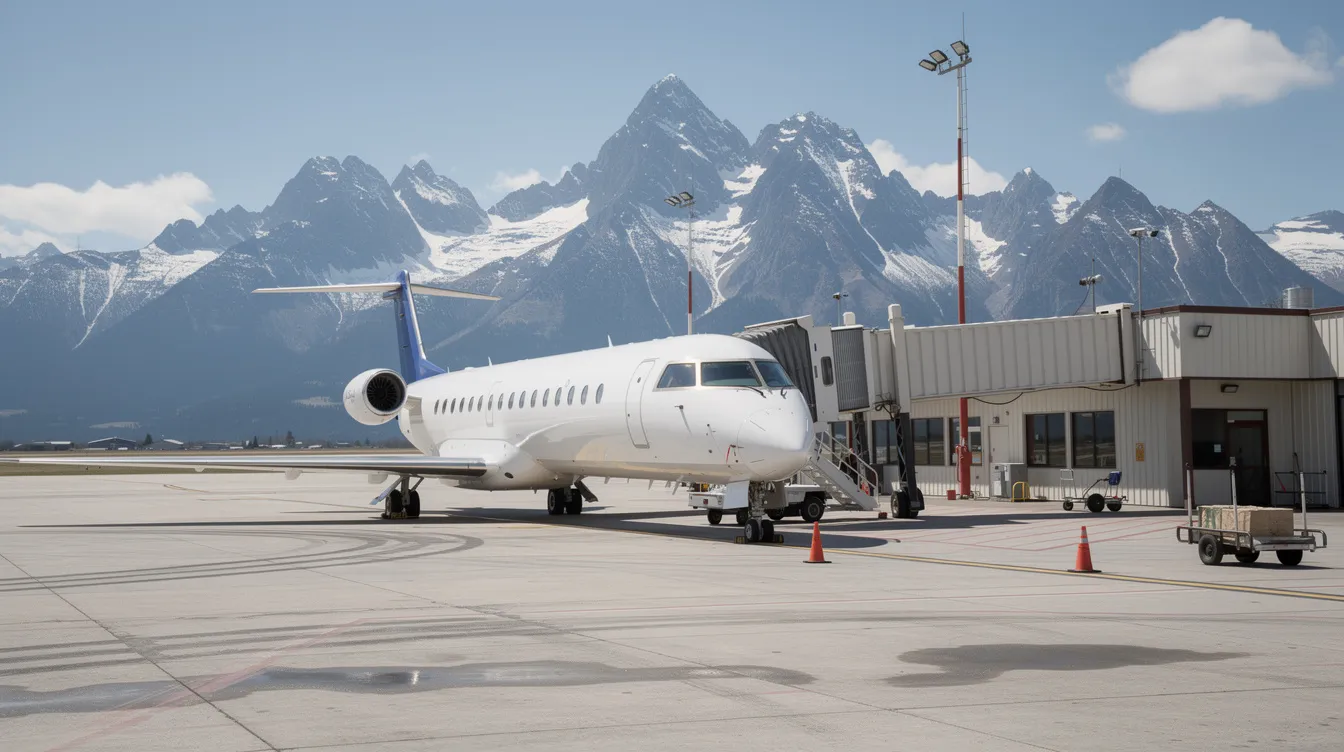
When most people search for united charter flights, they picture a small private jet whisking executives to a meeting. In reality, the term almost always refers to chartering an entire plane from United Airlines or its United Express regional partners—aircraft seating anywhere from 50 to 300+ passengers. The U.S. Department of Transportation defines a charter as a flight outside the published schedule of an airline. This guide is for corporate travel planners, sports teams, and executives evaluating group air travel solutions. Understanding the differences between United charter flights, private jets, and fractional ownership is crucial for making informed decisions about cost, flexibility, and the best fit for your travel needs.
Consider the contrast: a 150-person sports team chartering a United Airlines Boeing 737 to reach an NCAA tournament versus a 6-person executive team using a midsize private aircraft for same-day, three-city private jet travel. One model is built for scale, the other for speed and control. This article, written from the perspective of BlackJet Fractional Jet Ownership, breaks down when an airline charter, a private charter, or fractional jet ownership makes the most strategic sense.
United Airlines operates over 930 aircraft across its mainline fleet, including Boeing 737, 757, 767, 777, and 787 models alongside Airbus A319, A320, and A321 narrowbodies. A united charter involves renting one of these aircraft in its entirety—chartering the full plane rather than purchasing tickets for individual seats. The U.S. Department of Transportation defines a charter as a flight outside the published schedule of an airline. Airline charters serve large groups of 100+ passengers traveling together.
Typical use cases include NCAA sports teams transporting athletes, coaches, and sports equipment to tournaments; touring artists moving 200+ crew across Latin America or the United States; corporate roadshows with 100–250 attendees; and incentive trips to destinations like Cancun or Honolulu. United charters depart from major Part 139 airports—Chicago O'Hare, Newark, Denver, Houston, and San Francisco among them. A dedicated crew is assigned for charter flights to ensure personalized service, and all-inclusive pricing covers the entire plane's usage and checked baggage, including oversized items like sports equipment.
Airline charters typically require binding agreements and deposits, often secured via wire transfer. Custom contracts are utilized for full aircraft charters tailored to specific requirements, with detailed specifications covering departure times and passenger numbers, much like the essential contract terms in fractional jet ownership that govern access and costs. Flexible group charter scheduling allows significant time-saving compared to fixed schedules, and the ability to coordinate all passengers on one flight simplifies logistics considerably.
As of late 2025, the carrier's total fleet stood at roughly 1,066 mainline and 424 regional aircraft.
Feature | Scheduled United Flight | United Charter Flight |
|---|---|---|
Booking | Months ahead, fixed route schedule | Custom timing; requires lead time |
Flexibility | Fixed routes and departure times | Adjustable within airport/slot limits |
Seating | Individual fares, assigned seats | Entire aircraft allocated internally |
Per-seat cost | Lower when filling commercial loads | Higher per seat for small groups; economies of scale |
Airport access | Scheduled-service airports only | Same commercial airports; less flexible than private jets |
For groups that don't require a full-size airliner, United Express and regional partners offer additional charter options.
United Express is a regional airline network of carriers—SkyWest, Mesa, GoJet, CommuteAir, and Republic—operating smaller jets like Embraer 170/175 and CRJ aircraft under United's brand. Some of these partners are certified to provide charter services beyond scheduled routes. For example, CommuteAir introduced a 76-seat Embraer 170 specifically to bridge the gap between small regionals and mainline charters.
Charter flights can land at smaller regional airports inaccessible to large jets, giving United Express charters distinct advantages:
Mid-sized groups of 50–76 passengers get a right-sized aircraft without paying for a 160-seat narrowbody.
Regional jets access smaller cities and airports closer to final destinations, cutting ground transfer time.
Short-haul routes (1–2 hours) between points like Denver–Jackson Hole or Chicago–Knoxville become practical for corporate groups and sports teams.
These regional options set the stage for comparing airline charters to true private jet charters and fractional ownership models.
United charter flights differ materially from chartering a private jet or using a fractional aircraft ownership program. United charters operate under Part 121 commercial airline regulations with airline-style procedures, while private charter services and fractional fleets operate under Part 135 or 91K, offering access to thousands of FBOs and exclusive airports. Private charter operators must comply with DOT safety standards under these frameworks.
Group size: Airline charters carry 50–300+ passengers; private jets serve 2–18 passengers per flight.
Airport access: Private jets access over 5,000 smaller airports in the U.S.—including Teterboro, Van Nuys, and Aspen—while United charters are constrained to large commercial airports.
Booking speed: Private jet charters can be booked within 24–72 hours; airline charters need weeks or months of lead time, whereas fractional programs using floating fleet options sit in between, offering faster access without the rigidity of fixed schedules.
Privacy: Private charter flights ensure group privacy without outside passengers, while airline charters share terminal infrastructure with the public.
Terminals: Private charter flights use private terminals to avoid main terminal congestion, significantly enhancing travel security.
Routing: Private charter flights allow direct routing to smaller regional airports that commercial carriers don't serve.
Charter flights provide enhanced privacy and security for groups compared to commercial flights, but when the group drops below 50, private aviation almost always delivers better value per dollar spent on flexibility and time.
Next, let's explore when each model makes the most sense for different travel scenarios.
The choice between a United Airlines charter and a private jet comes down to scale, time sensitivity, and destination. Here are scenarios where each excels:
United charter is ideal when:
Moving 150+ athletes, coaches, and staff for an NCAA tournament (e.g., Houston to Orlando). A Boeing 737 charter might cost $100,000–$150,000 total, or roughly $1,000–$1,250 per person.
Transporting 200 crew members for a music tour between U.S. cities on consecutive nights.
Hosting a 250-attendee company meeting in Las Vegas or Honolulu, where commercial group travel typically offers lower prices compared to chartering an aircraft but lacks schedule control.
Organizing a large annual incentive trip where the fixed cost is justified across many passengers.
Private charter or fractional ownership wins when:
A 6-person leadership team needs to visit three cities in one day—impossible on commercial or airline charter schedules.
An urgent site visit targets a secondary airport with no United service.
Confidential M&A meetings require complete privacy and a serene cabin environment.
A board of directors flies the same route 5–6 times monthly, where fractional ownership provides predictable cost and aircraft availability, and eventually a clear path for selling a fractional jet ownership share if travel needs change.
Private jet charters typically cost more than commercial flights on a per-seat basis, but for small groups needing speed, the math favors private aircraft decisively.
Understanding these scenarios helps clarify which model best fits your travel needs. Next, let's break down the different private aviation access models.
Private aviation has grown 20–30% yearly since 2020, creating a range of access models beyond united charter flights. Understanding the differences and key fractional jet ownership terminology is essential for clients seeking exclusive travel solutions:
Rent a specific plane for a single trip. Private jet charters allow customized itineraries and departure times. Best for travelers flying under 25 hours per year.
Prepurchase a block of hours (25–50) at fixed rates with guaranteed aircraft availability. Suits users flying 25–100 hours annually who want rate stability.
Buy a share of an aircraft, gaining priority access, potential tax benefits, and residual value. Optimal for 50–150+ hours per year, provided you understand the tax implications for fractional jet owners.
BlackJet Fractional Jet Ownership offers two core models: the Reserve Fleet for pay-as-you-go hours without ownership costs, and the Equity Fleet for true fractional jet ownership with capital investment, structured fractional jet ownership financing, and priority scheduling. Clients can select specific aircraft types for their flights, and travelers can create their own itineraries with private jets—a level of custom scheduling unavailable through airline charters. All public charter flights require a charter prospectus submission to regulators, whereas private flights under Part 135 keep the process straightforward with fewer bureaucratic hurdles, especially when supported by a well-drafted aircraft fractional ownership contract that clarifies rights and responsibilities.
With these models in mind, let's compare the costs associated with each option.
Airline charters, private jet charters, and fractional ownership use fundamentally different pricing logics. Understanding each helps the discerning client avoid overpaying.
A 160-seat Boeing 737 from Chicago to Phoenix and back for a 3-day corporate event might cost $150,000–$200,000 total. Spread across 150 passengers, that's $1,000–$1,300 per person—competitive with last-minute business class fares, though not always cheaper than purchasing tickets in advance.
A 6-person executive trip from New York to Chicago to Cleveland and back in one business day—about 5 flight hours on a midsize jet at $4,000–$8,000 per hour—runs $25,000–$40,000 total. Prices for private jet charters vary by aircraft size and distance, and empty-leg flights offer reduced rates for flexible travelers.
Share buy-in costs range from approximately $354,000 to $705,000, with monthly management fees of $6,450–$9,534 and occupied hourly rates of $1,189–$2,405. For users flying 50–150 hours annually, fractional ownership often delivers lower effective per-hour costs and predictable budgeting compared to repeated on-demand charters, especially when comparing the best fractional jet ownership programs available.
Understanding the cost structure is just one part of the equation. Next, let's look at the strategic value of time, privacy, and productivity in private jet travel.
Private jet access saves 30–50% of total travel time compared to commercial flights—a figure that compounds across dozens of annual trips. A 6-person leadership team completing a same-day San Francisco–Dallas–Phoenix roundtrip on a private jet finishes in 12 hours. The same itinerary on commercial or chartered airline flights would require two days and hotel nights.
Privacy advantages are equally tangible. Sensitive negotiations happen mid-flight without risk. Laptops display confidential data without seatmates glancing over. Passengers bypass long security lines entirely, arriving at private FBOs just 20–30 minutes before departure instead of navigating crowded terminals.
BlackJet's fractional programs amplify these benefits: consistent access to a known aircraft type means executives develop familiar routines around a personal sanctuary in the sky, multiplying productivity gains across every trip in a year.
With comfort and productivity in mind, let's compare the luxury experience of United Polaris and private jet cabins.
United Polaris represents United Airlines' highest commercial standard. Polaris passengers enjoy fully lie-flat beds, direct aisle access, premium dining, lounge access, free checked bags, and amenity kits that include noise-reducing headphones and facial spray. As a founding member of the Star Alliance network, United extends its international route network across six continents and offers a traditional business class product on long haul international routes that satisfies many travelers.
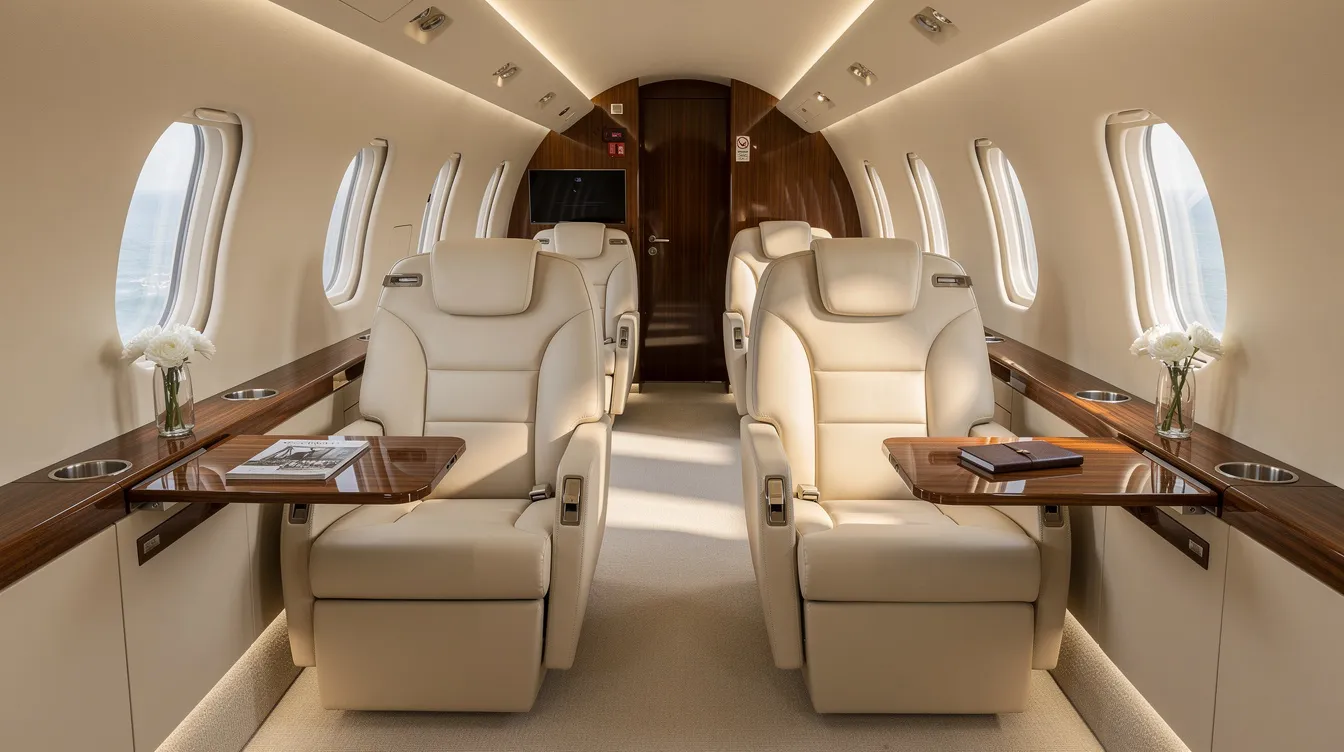
A super-midsize jet in the BlackJet Equity Fleet offers something different: a fully private cabin with custom seating, personalized catering, and attentive service from dedicated flight attendants who ensure every detail matches the client's preferences. In flight amenities include high-speed Wi-Fi and gourmet meals tailored to dietary needs. Private jets offer personalized in-flight dining options, pet-friendly accommodations, and bespoke ground transport—going well beyond what even business class delivers. Charter flights allow for personalized catering and in-flight services that transform the cabin into a working lounge or relaxation space, depending on the mission.
Next, let's examine where each model excels geographically.
United charter flights work best on high-density routes where United Airlines already has extensive domestic and international infrastructure. United's history—including its merger with Continental Airlines—built a hub network spanning Newark, Houston, Denver, Chicago, San Francisco, and Los Angeles, with United's fleet supporting charter missions across major domestic and international routes; United Aviation Group supports the broader aviation organization behind these operations.
United Charter Flights Excel When:
Serving high-density routes between major hubs and international destinations.
Supporting large-scale events, conferences, or sports tournaments requiring mass transport.
Operating on routes where United already has significant infrastructure and ground support.
Private Jets and Fractional Ownership Excel When:
Accessing airports with limited or no commercial service (e.g., New York–Aspen, Los Angeles–Bozeman, Dallas–Napa).
Providing direct access to remote or exclusive destinations without connections.
Offering flexible, on-demand travel for executives or small groups.
Supplementing airline charters for regular executive shuttles between headquarters and smaller cities.
With route patterns in mind, it's important to consider safety, regulation, and environmental impact.
United Airlines and United Express charters adhere to the same FAA Part 121 standards as scheduled flights, including thorough screening, strict crew rest requirements, and meticulously maintained fleets. The DOT's special authorities division oversees compliance for public charter operations. Reputable private jet and fractional operators coordinate with FAA Part 135 certified operators for safety compliance, with third-party audits, experienced crews, robust liability coverage in fractional jet ownership, and safety management systems.
Environmental impact deserves candid discussion. Private aviation has a carbon footprint 5–14 times higher per passenger than commercial flights. Emerging solutions include sustainable aviation fuel (SAF), carbon offset programs, and fleet optimization through newer, more fuel-efficient aircraft. United is investing heavily in fleet modernization, adding 250+ new planes over the next two years. Aviation experts recommend asking any provider—airline or private—about sustainability commitments before booking.
With these considerations in mind, let's summarize the key differences and use cases for each model.
United charter flights involve renting an entire United Airlines or United Express aircraft for large groups (typically 50–300+ passengers), operating outside the published schedule. They are ideal for sports teams, corporate events, and large incentive trips between major airports.
Private jet charters offer on-demand, fully private travel for small groups (2–18 passengers), with access to thousands of airports, flexible scheduling, and enhanced privacy—best for executives and urgent, multi-city trips.
Fractional ownership allows frequent flyers (25–150+ hours/year) to buy a share of an aircraft, providing guaranteed access, predictable costs, and the ability to customize itineraries, blending the benefits of ownership and charter.
Main differences include group size, airport access, booking flexibility, privacy, and cost structure. United charters excel at scale, private jets at speed and exclusivity, and fractional ownership at recurring, predictable travel needs.
With this summary, you can better match your travel requirements to the right aviation solution.
The right flight options depend on group size, trip frequency, destination airports, and how much strategic value you place on time and privacy. The aviation industry offers no single answer, but a clear framework helps:
Choose a united charter when moving 100+ people for a one-time event between major airports—a 200-person sales conference in Las Vegas, for example.
Choose on-demand private charter for occasional high-priority missions—a CEO's urgent visit to three plants in one day, where private charter flights provide complete schedule control and the ability to design their own itineraries.
Choose fractional ownership when flying 25–150 hours per year on recurring routes. A company shuttling executives between New York and Miami 5–6 times monthly benefits from predictable costs, guaranteed aircraft availability, and the ability to fly on their own schedule, especially when weighing fractional ownership vs membership programs.
For luxury travel that balances efficiency with exclusive travel, consulting with aviation experts is the fastest way to model costs against your actual travel patterns.
A United charter flight involves renting an entire United Airlines or United Express aircraft for a group, typically seating 50 to 300+ passengers. These flights operate outside the airline's published schedule and are ideal for large groups needing exclusive use of a commercial aircraft.
United charter flights use large commercial aircraft and serve big groups, while private jet charters use smaller jets (2–18 passengers) offering more flexibility, access to smaller airports, and faster booking within 24–72 hours.
Fractional ownership suits frequent flyers logging 25–150+ hours annually who want guaranteed aircraft access, predictable costs, and the ability to customize itineraries without the full responsibilities of outright ownership.
No, United charter flights usually require booking weeks or months in advance with binding agreements and deposits. In contrast, private jet charters can often be arranged within 24–72 hours.
United charters operate from major Part 139 certified commercial airports, while private jets have access to over 5,000 smaller airports across the U.S., including many closer to final destinations.
Yes, United charters offer all-inclusive pricing covering the entire aircraft and checked baggage for every traveler, including special items like sports equipment.
United charters operate under FAA Part 121 commercial airline regulations, while private charter operators comply with Part 135 or 91K standards, both maintaining rigorous safety protocols.
Private aviation generally has a higher carbon footprint per passenger (5–14 times) than commercial flights. Both sectors are investing in sustainable aviation fuel and fleet modernization to reduce emissions.
Consider group size, travel frequency, destination airports, and priorities like privacy and schedule control. Large groups benefit from United charters, small urgent trips favor private jets, and frequent travelers might find fractional ownership most cost-effective.
Consulting aviation experts like BlackJet Fractional Jet Ownership can provide personalized assessments to match your travel profile with the optimal solution for cost, convenience, and flexibility.
Many travelers who start by searching for a United private jet or United charter flights discover that fractional ownership or Reserve Fleet access is a better long-term fit—especially when they review the previous 12–24 months of routes, group sizes, and frequency. BlackJet helps match each client's travel profile to the model that delivers the best combination of cost, time, and control, with aircraft options spanning light to heavy cabin classes and flexible share sizes such as 1/8 fractional jet ownership.
Ready to explore the smarter way to fly private? Visit FractionalJetOwnership.com to learn how fractional ownership can transform your travel experience, or contact BlackJet for a no-obligation assessment comparing airline charters, ad-hoc private charter, and fractional jet ownership for your specific needs.
