August 5, 2026
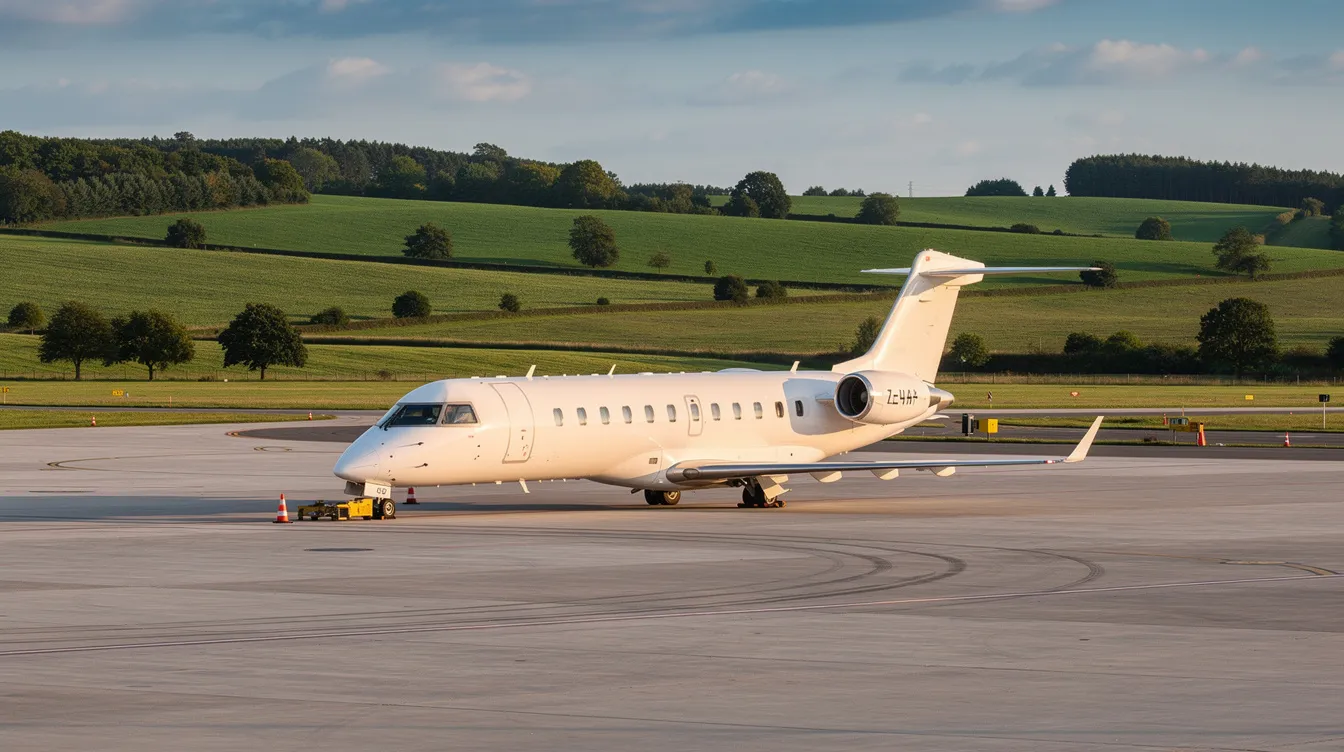
A 30-passenger plane typically refers to regional jets (Embraer ERJ-135, Bombardier CRJ-200) or turboprops (Saab 340B, Embraer EMB 120) configured for 25 to 34 seats. These aircraft bridge the gap between light jets and commercial airliners.
When 24 to 32 seats are filled, chartering a 30-passenger jet can save 40-60% per person compared to booking multiple smaller jets or commercial business class, making it an economical choice for private and corporate travel.
Key advantages include schedule control, private terminal access, unified group logistics, and the ability to fly into smaller airports that cut ground transportation time.
For recurring needs, combining a fractional jet ownership share for routine executive travel with periodic 30-seat charters often delivers the lowest total cost of private aviation.
BlackJet Fractional Jet Ownership helps clients decide when an on-demand 30-seat charter, multiple light jets, or a fractional aircraft solution is the most efficient approach.
A 30-passenger plane in private aviation is a high-capacity regional jet or turboprop configured for roughly 25 to 34 passengers. It sits between small private jets, which carry 4 to 19 travelers, and full-size commercial airliners. A 30-passenger aircraft typically serves as a regional commuter option, but its flexibility makes it equally useful for corporate shuttles, sports charters, and event travel.
Common models include the Embraer ERJ-135 and ATR 42-600, along with the Bombardier CRJ-200, Embraer EMB 120 Brasilia, and Saab 340B. These private aircraft are usually arranged in 1-2 or 2-2 seating layouts with no middle seats, creating a business-class feel. The passenger capacity of most configurations falls between 30 and 36 seats, with cabin configurations offering baggage volumes of 200 to 300+ cubic feet, enough for one checked bag plus a carry-on per traveler; understanding how these aircraft are used within fractional jet ownership programs helps organizations align group charters with their broader private aviation strategy.
Performance varies by category. Regional jets cruise at roughly 430 to 530 knots (about 500 to 610 mph), with ranges of 1,500 to 3,700 nautical miles. Turboprops cruise around 270 to 310 knots (310 to 360 mph) with ranges of 700 to 1,200 nautical miles, well suited to shorter hops. The typical cruising speed for 30-passenger aircraft ranges between 339 mph and 530 mph. Cabin height across most models runs around 5 ft 10 in to 6 ft, providing stand-up comfort for most travelers.
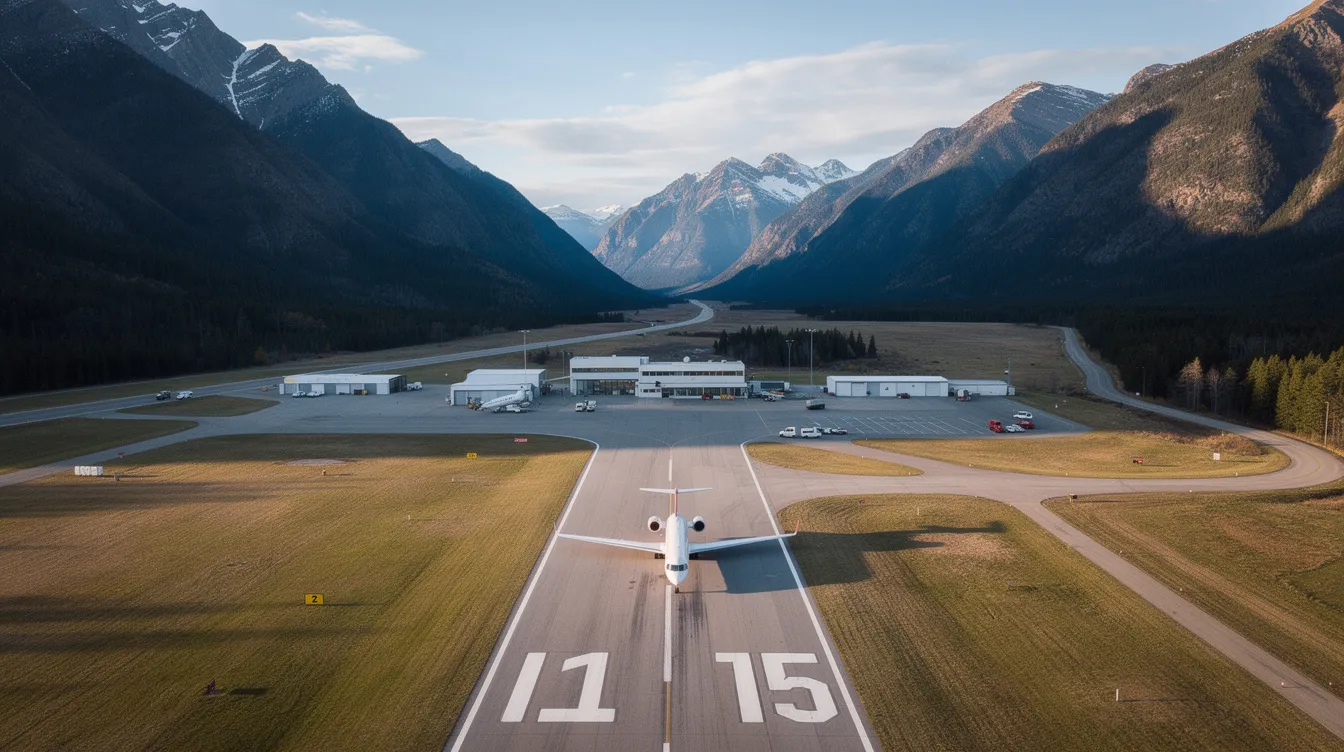
These aircraft can operate on runways as short as 3,600 to 5,000 feet, making short-field performance essential for accessing smaller regional airports. Turboprop 30-passenger aircraft are generally more fuel efficient than larger jets and usually the most economical for short-haul flights.
One regulatory detail worth noting: once an aircraft is configured with more than 19 passenger seats, additional commercial operations rules apply in the United States. That means stricter crew training, enhanced maintenance programs, and added operational requirements, all of which affect the cost structure and aircraft availability of these planes.
The core logic is simple: one plane, one schedule, one arrival. When a leadership team, production crew, or extended family needs to reach the same destination at the same time, a 30-passenger plane eliminates split itineraries, missed connections, and the coordination headaches of multiple flights.
Private jet travel for large groups becomes cost-competitive at this scale. When 24 to 32 seats are occupied, the per-passenger cost frequently undercuts commercial business class and runs well below the combined expense of booking multiple smaller jets. For a group of 30 using four light jets at $6,000 per hour each, total hourly cost reaches $24,000. A single 30-seat regional jet at $7,000 per hour cuts that figure by more than two-thirds.
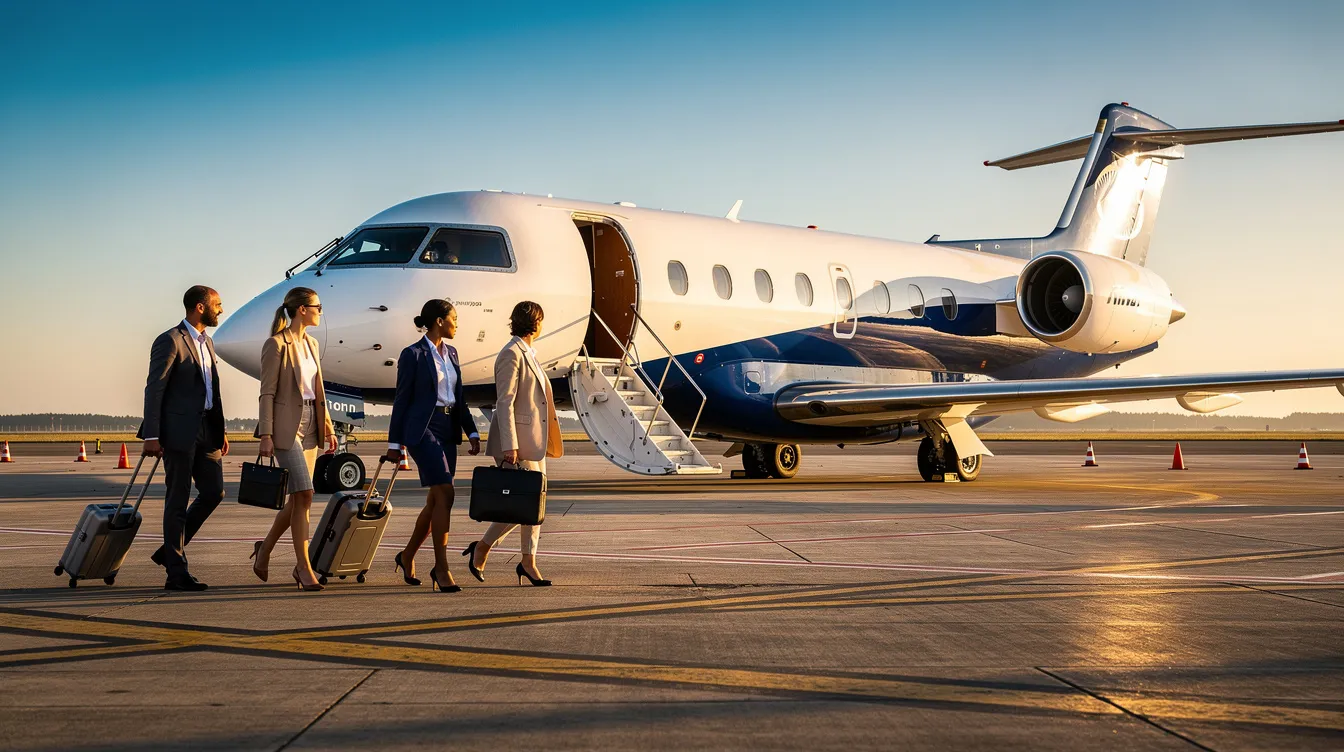
Operationally, 30-passenger planes offer unified logistics for group travel. Everyone boards at a fixed-base operator (FBO) or private terminal, bypasses general security lines, and arrives together. That means one coach or a small fleet of sprinter vans at the destination instead of juggling arrivals from different terminals and different airlines.
Chartering a plane also allows confidential discussions during flights, which matters for board retreats, deal teams, and investor roadshows. The privacy and schedule flexibility exceed anything commercial alternatives can deliver for corporate groups of this size.
Private jets operate on client schedules, not airline timetables. For organizations running tight agendas, that distinction saves hours.
Departure and return times align with meeting schedules, game times, or production calls. A corporate group flying from Chicago to a resort near Eagle, Colorado, for a two-day retreat can depart at 7:00 a.m. and land at a smaller regional airport by 9:30 a.m. local time. Commercial flights on the same route would involve connections, layovers, or an early-morning departure the day before, plus an hour or more of ground transport from a major hub like Denver. Unified logistics reduce travel time by 2 to 4 hours compared to commercial flights on routes like this.
Check-in at an FBO typically requires arrival just 30 to 60 minutes before departure. There are no general security lines and no gate changes. Boarding happens directly from the lounge to the aircraft. Departure times can be adjusted for weather delays without rebooking fees, and direct routing to smaller airports saves hours of ground transport.
Charter flights allow for seamless ground transport coordination for large groups. A single arrival time means one motorcoach or coordinated van service instead of staggered pickups across terminals. That streamlined logistics approach delivers significant time savings that compound across every leg of the trip.
Groups traveling together also reduce coordination complexity at destinations. Meeting organizers can count on a fixed headcount at a fixed time rather than tracking multiple flights and hoping everyone arrives before the first session begins.
Hourly rates for 30-passenger jets range from $5,000 to $8,000 per flight hour for regional jets, with high-capacity turboprops running $4,000 to $6,500 per hour. Turboprops are usually the most economical for short-haul flights under 600 nautical miles.
Additional fees include cleaning fees ranging from $250 to $500 or more, fuel surcharges adding $600 to $900 per hour, and crew overnight fees of $200 to $400 per crew member. Landing fees vary by airport authority and aircraft size, affecting total trip costs.
The cost efficiency advantage over multiple aircraft is clear. Booking multiple smaller jets to move 30 people means duplicating crew costs, landing fees, and positioning fees for each aircraft. Three midsize jets at $7,500 per hour each total $22,500 per flight hour; a single 30-seat regional jet at $7,000 saves $15,500 per hour of flight time.
Here is a per-seat comparison on two routes:
Route | Charter Cost (30-Seat Jet) | Per Passenger (30 Seats) | Commercial Business Class |
|---|---|---|---|
Miami to Chicago (~1,000 nm, ~3 hrs) | ~$22,000 all-in | ~$733 | $900 to $1,500 |
Dallas to Denver (~650 nm, ~2 hrs) | ~$15,000 all-in | ~$500 | $800 to $1,200 |
Total costs for a 4-hour flight can reach approximately $26,000 when positioning, fuel surcharges, and fees are included. Even with those additions, the per-seat cost for a full 30-seat charter consistently beats commercial business class and is a fraction of what private jet charter using multiple aircraft would cost.
For infrequent trips, on-demand large group charter makes sense. For recurring shuttle needs, organizations should evaluate whether a fractional jet share for routine executive travel (under 12 passengers) combined with periodic 30-seat charters delivers better long-term cost savings than ad-hoc booking every time, especially when taking advantage of flexible floating fleet fractional ownership options that optimize aircraft availability and utilization.
Two categories dominate the 30-seat niche: regional jets and turboprop aircraft. Each serves different mission profiles within private aviation.
Regional jets appeal when cruise speed, altitude capability, and a cabin experience closer to commercial business class matter. They fly higher (up to 37,000 ft), faster (430 to 530 knots), and farther (1,500 to 3,700 nm) than turboprops. Many of these aircraft started life as regional airliners in commercial service and have since been reconfigured for flexible charter or corporate shuttle roles.
Turboprops shine on shorter routes, at smaller airports, and on tighter budgets. They burn less fuel per hour, need shorter runways, and cost less to charter. Turboprop 30-passenger aircraft are generally more fuel efficient than larger jets and usually the most economical for short-haul flights.
Both categories are smaller and more operationally flexible than large jets and widebody VIP airliners. They can access hundreds of airports that business aircraft in the heavy jet class and commercial airlines cannot, while still carrying enough passengers to serve mid-sized groups efficiently. These 30-passenger aircraft are used for regional feeder routes and corporate shuttles across the United States, Canada, and Europe.
Three aircraft model families dominate the 30-seat regional jet charter market.
Embraer ERJ-135. The Embraer ERJ-135 seats exactly 30 passengers in a standard charter configuration. It made its maiden flight in July 1998 and entered service the following year. The long-range (LR) variant offers a range of roughly 1,750 nautical miles, a cruise speed near Mach 0.78 (approximately 518 mph), and a service ceiling of 37,000 ft. Cabin height is close to 6 ft, allowing most passengers to stand. These business jets are well suited for U.S. coast-to-coast routes and corporate shuttles connecting regional offices.
Embraer ERJ-145. The ERJ-145 can be configured for 30 to 50 passengers, depending on seat pitch and mission. Its extended range variant reaches approximately 3,700 nautical miles, with cruise speeds above 520 mph. That range enables longer missions such as New York to the West Coast nonstop or certain Caribbean routes. The wider configuration flexibility makes this aircraft popular for charter flights that need to balance capacity with comfort.
Bombardier CRJ-200. The Bombardier CRJ-200 also accommodates 30 passengers when reconfigured from its standard 50-seat airline layout. VIP and semi-private conversions trade seat count for enhanced comfort. Its cruise speed sits around Mach 0.74 to 0.81 (about 526 mph), with range near 3,200 nautical miles in the LR version. Sports teams and tour groups frequently use this aircraft model.
All three operate with two type-rated pilots and at least one flight attendant under commercial-level safety oversight. These aircraft often feature business-class seating configurations, delivering a private experience above what scheduled commercial airlines provide. The range for these 30-passenger aircraft typically spans 3,200 to 3,700 nautical miles.
Turboprops fill the 30-seat niche on shorter routes where fuel economy and runway flexibility matter more than speed.
Saab 340B. Configured for 30 to 36 seats, the Saab 340B cruises at approximately 280 to 290 knots (about 324 to 333 mph) with a range of roughly 700 to 1,000 nautical miles. It saw widespread use in regional commercial aviation and remains a staple for corporate shuttles and remote site access.
Embraer EMB 120 Brasilia. This aircraft carries around 30 passengers at a cruise speed near 300 knots (about 345 mph) with a range of about 800 to 1,200 nautical miles. Its strong short-field performance makes it a workhorse for oil-and-gas operations, mining sites, and industrial project shuttles that need access to austere airfields.
ATR 42 variants. Newer ATR 42-600 models configured for 30 to 40 passengers offer improved cabin comfort and lower fuel burn from updated PW127M engines. These are common on short to medium regional hops across North America and Europe.
These aircraft can operate on runways as short as 3,600 to 5,000 feet. Short-field performance is essential for 30-passenger aircraft operating into smaller airports with limited infrastructure. The trade-off is cabin noise, which tends to be more noticeable than in jets, and slower travel times. But for routes under 600 nm, the per-hour turboprop charter rates often run 30 to 40% below regional jet costs.
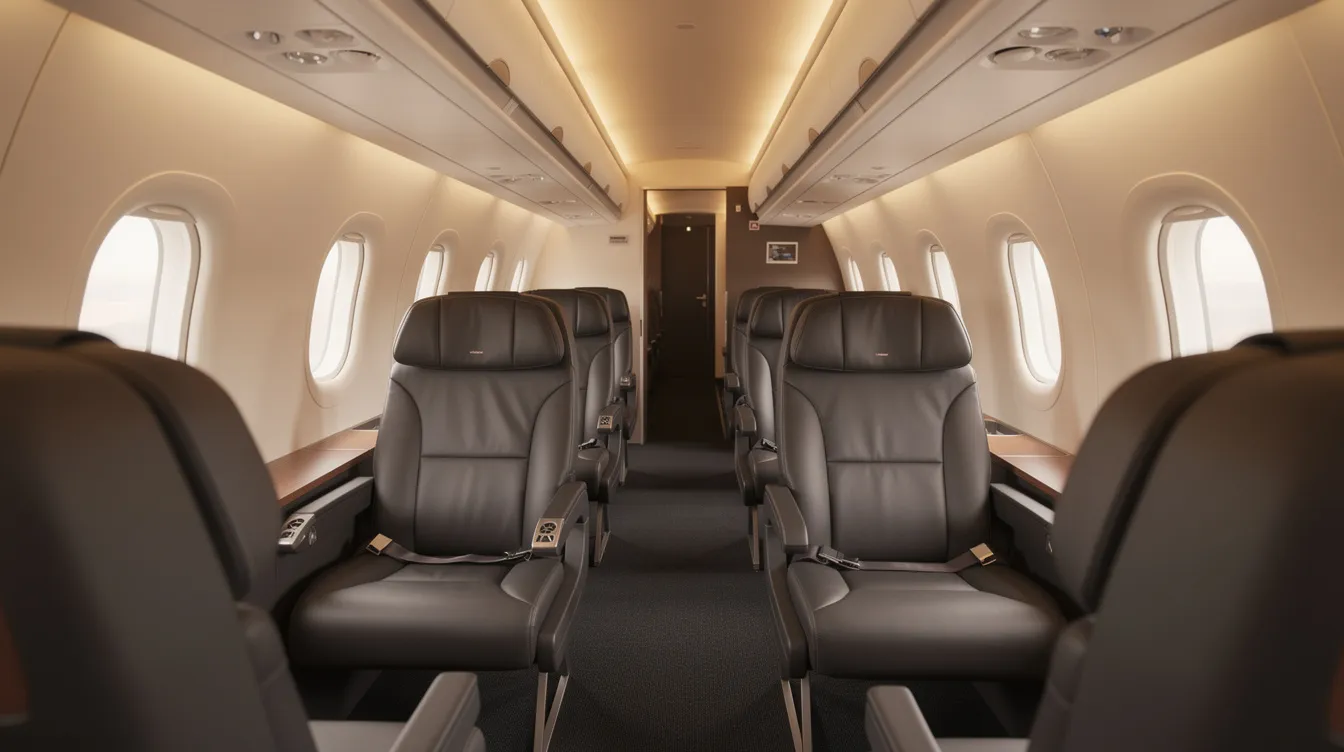
Inside a 30-passenger plane, the cabin configuration typically follows a 1-2 or 2-2 layout. Seat pitch ranges from 31 to 38 inches depending on whether the operator prioritizes capacity or comfort; most charter configurations lean toward the 34 to 36-inch range for a business-class feel. Cabin space is functional rather than luxurious, with cabin height near 6 ft and aisle widths comparable to regional commercial jets.
Baggage capacity on these aircraft is designed for regional airline service. Large underfloor cargo holds can support at least one checked bag (typically up to 50 lbs) plus a personal item or carry-on per passenger. Bulky items like band equipment, camera rigs, or sports gear need advance planning so the charter team can verify weight-and-balance limits and confirm that hold dimensions will work. Typically, 30-passenger jets allow 2-3 bags per person.
Amenities on most aircraft include:
One or two lavatories
A basic galley for hot and cold catering
Overhead bins comparable to regional commercial jets
Many aircraft upgraded with in-flight Wi-Fi, power outlets, and modern LED lighting
While these cabins do not match the spacious cabin feel of ultra-long-range jets or heavy business jets, they provide a professional environment well suited to productive travel for leadership teams and corporate groups. For groups that need a higher-end experience, VIP configurations are available.
Some regional jets and turboprops are reconfigured into VIP layouts that trade seat count for enhanced cabin space and amenities. These conversions bring the experience closer to what travelers expect from super midsize jets or large-cabin business jets, while retaining the cost advantages of a single larger aircraft.
Typical VIP features include:
Club-style seating areas with divans
Increased seat pitch (40+ inches)
Larger galleys capable of full meal service
Additional lavatories with upgraded finishes
Custom branding: headrest covers, boarding signage, event-specific livery decals
These configurations suit executive leadership offsites, investor roadshows, and high-profile entertainment tours where brand image, privacy, and a spacious cabin matter as much as passenger capacity. Organizations planning an all-inclusive experience tailored to a specific event can commission custom menus, branded interiors, and coordinated VIP airliners service that reinforces corporate identity.
BlackJet Fractional Jet Ownership helps clients compare the economics and aircraft availability of VIP-configured 30-seat aircraft versus a mix of super midsize jets and larger aircraft, ensuring the right fit for each mission profile and frequency.
Aircraft with 30 seats generally operate under commercial aviation regulations. In the United States, that means FAA Part 121 or enhanced Part 135 standards, depending on the type of operation. These rules impose more rigorous maintenance programs, crew training requirements, and operational procedures than those governing smaller private aircraft.
Typical crew composition includes two type-rated pilots with airline-style recurrent training and at least one to two flight attendants. The number of crew members depends on seat count and regulatory obligations. All crew members undergo training in emergency operations, crew resource management, and aircraft-specific procedures.
Standard safety systems on most aircraft in this class include, alongside robust liability and insurance coverage for fractional jet owners when flights are conducted under shared ownership structures:
TCAS (Traffic Collision Avoidance System)
TAWS/GPWS (Terrain Awareness and Warning System)
Weather radar
Flight data and cockpit voice recorders
Advanced autopilot and glass cockpit avionics
Charter operations in the 30-seat class also benefit from security advantages. Vetted passenger manifests enhance security on charter flights. Controlled access to aircraft reduces exposure to security threats. Private jets eliminate public terminal exposure for high-profile individuals, and charter flights provide a secure environment for corporate executives.
Clients should work with providers that use independent third-party safety auditing, such as ARGUS or equivalent programs, and ensure they fully understand the essential contract terms in fractional jet ownership when shuttles are supported by shared aircraft structures. BlackJet's advisory team helps clients vet operators and aircraft for large group charter or regular shuttle operations, ensuring compliance exceeds minimum regulatory requirements.
Understanding where 30-seat aircraft sit relative to other types of private jets helps decision-makers match capacity to mission.
Category | Passengers | Hourly Rate Range | Best For |
|---|---|---|---|
Very light jets | 4-6 | $3,000-$5,000 | Short hops, 2-4 travelers |
Light jets | 6-8 | $4,000-$7,000 | Day trips, small teams |
Midsize jet | 8-10 | $6,500-$9,500 | Mid-sized groups, 2-3 hr flights |
Super midsize jets | 10-12 | $8,000-$12,000 | Coast-to-coast, 8-12 travelers |
Large jets / Heavy | 12-19 | $11,000-$16,000+ | Long-range, ultra-long-range missions |
30-passenger regional | 25-34 | $5,000-$9,000 | Large groups, corporate shuttles |
Small private jets and smaller aircraft in the light to midsize range access more runways and offer more bespoke interiors, including lie-flat seating on some models. But they become inefficient for groups above 10 to 12 travelers because of duplicated costs across multiple aircraft.
For under 10 travelers, a midsize jet or light jet usually makes sense. Between 10 and 18, a heavy jet or ultra-long-range jet may be optimal. Once headcount reaches 18 to 35, a 30-seat aircraft consistently delivers better economics and simpler logistics. Above 40 passengers, larger aircraft or a multi-aircraft charter solution becomes necessary.
Certain scenarios consistently favor a 30-seat aircraft over commercial alternatives or multiple smaller private jets.
Corporate executive and leadership travel. Board offsites, regional office summits, and investor roadshows that bring 20 to 30 stakeholders together benefit from unified arrival, in-flight productivity, and schedule control. Corporate events on compressed timelines cannot absorb the risk of scattered arrivals from commercial airlines.
Sports team travel. Sports teams commonly charter 30-passenger aircraft for travel between venues. Professional, collegiate, and elite amateur teams, plus coaching staff and equipment, need reliable direct routing around tight game-day schedules. These teams often travel with gear that fills the underfloor cargo holds.
Entertainment and production. Film crews, touring artists, and technical staff move between cities on compressed timetables. Dedicated cargo space and 30-passenger jets allow for flexible scheduling based on client needs, carrying both personnel and equipment on a single private plane.
Lifestyle and family events. Destination weddings, multi-generational reunions, or milestone celebrations in resort locations turn travel into part of the shared experience. Chartering a 30-seat aircraft for a wedding party traveling to the Caribbean, for example, keeps the group together from departure to arrival, simplifying what would otherwise be a logistical challenge on a business trip scale.
Passengers prefer 30-passenger aircraft for bypassing crowded major commercial hubs. Whether the purpose is a company retreat or a tournament road trip, the advantages hold: direct routing, privacy, and the ability to operate from smaller airports closer to the final destination.
Organizing a charter for around 30 passengers requires more lead time and coordination than booking a light jet for four executives. The booking process should start 45 to 90 days ahead for optimal aircraft selection and pricing, and longer for complex international itineraries or peak travel seasons.
Airport selection: Identify departure and arrival airports, including secondary options closer to the final destination.
Flight time and time zones: Estimate block times, arrival windows, and any impact on meeting or event start times.
Ground transportation: Coordinate coach, van, or car service for 30 travelers at both ends.
Backup plans: Account for weather, slot constraints, and alternative airport options.
Documentation: Prepare accurate passenger manifests, passport and visa requirements for international sectors, and special handling instructions for minors, VIPs, or security personnel.
Charter operators typically require final manifests 48 to 72 hours before departure. For international legs, overflight and landing permits add complexity that can require 60 to 90 days of advance coordination.
BlackJet Fractional Jet Ownership serves as a strategic advisor in this booking process, helping travel managers and executive assistants model different aircraft types, departure options, and schedule patterns, and, where applicable, interpret an aircraft fractional ownership sample contract that governs access to the jets used alongside 30-passenger charters. The goal is to balance cost efficiency with traveler comfort and productivity across the charter service.
The choice of airports and ground transportation can account for more time savings than the flight itself.
Using secondary airports cuts ground transport time for large groups. Flying into Teterboro (TEB) or White Plains (HPN) instead of JFK for New York-bound travelers can save one to two hours each way in surface traffic and terminal processing. Van Nuys (VNY) instead of LAX accomplishes the same thing in Los Angeles. Chartering a 30-passenger aircraft allows direct access to smaller airports that commercial airlines do not serve.
Single large coach: most efficient for corporate groups heading to one venue
Multiple sprinter vans: more flexible for groups splitting to different hotels
VIP car and shuttle mix: appropriate when senior executives require separate transport
Synchronized departure and arrival windows prevent costly delays. If the private plane lands at 10:00 a.m. and the ground fleet is staged and ready, all 30 travelers can be at the venue by 10:45. If ground transport runs on a separate timeline, even 15 minutes of misalignment creates cascading delays for the entire group.
The best practice is to integrate flight and ground planning under a single point of contact, so that aircraft slots, FBO availability, and ground operations align for a cohesive experience. Catering and ground transportation planning should begin at the same time as aircraft selection.
A 30-seat regional jet burns more fuel in absolute terms than a single light jet. But per-passenger emissions tell a different story. When loaded near capacity, a 30-seat jet's per-passenger fuel burn runs lower than dividing the same group across multiple partially filled smaller aircraft. Fuel efficiency improves with occupancy.
Aircraft technology continues to close the gap. Newer turboprops like the ATR 42-600 series use updated PW127M engines that reduce fuel burn per seat-mile compared to older models. Retrofitting older regional jets with winglets and modern avionics can also improve cruise efficiency by 3 to 5%.
Sustainable aviation fuel (SAF) is available at many major U.S. and European hubs, typically at a premium over standard Jet A. Even modest blends of 5 to 10% SAF reduce lifecycle emissions. For organizations tracking carbon footprints, requesting SAF fueling or purchasing offsets on charter flights adds a measurable sustainability component.
Operational efficiency also depends on route planning:
Direct routing at efficient cruise altitudes reduces fuel burn and delays
Smart airport selection avoids holding patterns common at congested hubs
Maximizing passenger and cargo load reduces empty weight inefficiency
BlackJet advisors help clients balance sustainability goals with operational requirements, identifying routes and aircraft types where environmental impact per passenger is minimized while also clarifying the overall cost of fractional jet ownership relative to charter for those looking to formalize a long-term aviation strategy.
Fractional jet ownership typically focuses on smaller aircraft: light, midsize, and large business jets carrying 4 to 19 passengers. But for organizations with diverse travel patterns, fractional ownership and 30-seat charters complement each other.
Fractional ownership allows shared costs among multiple owners. In a typical structure, owners pay an upfront equity share for aircraft access, often supported by fractional jet ownership financing that spreads acquisition costs over time. Fractional ownership can involve four parties sharing one aircraft, with monthly management fees covering maintenance and crew costs. Fractional ownership provides guaranteed flight hours based on equity share, making it predictable and budget-friendly for routine executive travel.
A practical scenario: a corporation holds an Equity Fleet fractional share through BlackJet for weekly executive travel (4 to 10 passengers) between headquarters and regional offices, structured similarly to 1/8 fractional jet ownership that provides around 100 hours of annual flight time. Three times a year, the same company charters a 30-seat regional jet for an annual board retreat, a client summit, and a leadership offsite. The fractional share handles 80 or more flight hours of routine travel; the 30-seat charters handle three specific large-group missions.
BlackJet's Reserve Fleet and membership programs offer ad-hoc access to large-group charter with predictable service standards, vetted operators, and an advisory team familiar with the client's broader private aviation profile, which is especially valuable for owners planning ahead to sell a fractional jet ownership share or transition between access models. Organizations that combine fractional aircraft ownership for routine trips with on-demand charter for 30-passenger missions create a balanced strategy that keeps cost per flight hour low across the entire travel portfolio.
Potential tax and budgeting advantages also favor this blended approach; fractional ownership costs can be depreciated and structured differently than charter expenses in many jurisdictions, and viewing fractional jet ownership as an investment helps stakeholders weigh depreciation, residual value, and long-term flexibility against pure charter solutions.
Beyond the base hourly rate, several cost components affect the total price of a 30-passenger charter.
Cost Component | Typical Range |
|---|---|
Base hourly charter rate | $5,000-$8,000/hr (jets); $4,000-$6,500/hr (turboprops) |
Positioning fees | Varies; can equal one leg of flight time |
Landing and handling charges | Varies by airport authority and aircraft size |
Crew overnight fees | $200-$400 per crew member per night |
Fuel surcharges | $600-$900 per hour |
International overflight and landing permits | $500-$3,000+ per mission |
Catering | $15-$75 per passenger |
Cleaning fees | $250-$500 or more |
Example Trip | Miami to Chicago (approx. 1,000 nm, 3 hrs, regional jet at $7,500/hr) | Dallas to Denver (approx. 650 nm, 2 hrs, $6,500/hr) |
|---|---|---|
Base flight cost | $22,500 | $13,000 |
Add positioning, landing fees, crew per diems | $3,000 to $4,500 | $2,000 to $3,000 |
All-in estimate | $25,500 to $27,000 | $15,000 to $16,000 |
Per passenger (30) | $850 to $900 | $500 to $533 |
Commercial business class (30 tickets) | $36,000 (at $1,200 each) | $24,000 to $30,000 |
Travel managers can compare these totals with the combined cost of booking multiple smaller jets and commercial business class, factoring in saved hotel nights and reduced travel time. BlackJet advisors help organizations forecast annual private aviation budgets that incorporate both fractional jet ownership hours and occasional 30-seat charters, smoothing cash flow and aligning aviation spend with company retreats and corporate events by modeling the total cost of fractional jet ownership alongside on-demand charter rates.
BlackJet Fractional Jet Ownership supports clients who occasionally or regularly need to move around 30 passengers by air. The role is advisory first: assessing each mission's requirements, including group size, distance, timing, baggage, and privacy, then recommending the right combination of aircraft types and access models.
For recurring travel under 12 passengers (monthly executive shuttles, for example), an Equity Fleet fractional share is often the best fit, while some clients instead compare fractional jet ownership vs membership programs to calibrate commitment level and flexibility. For one-off or annual events with 25 to 35 travelers, on-demand 30-seat charters through vetted charter operators are usually more efficient.
BlackJet's process covers:
Needs assessment and route analysis
Aircraft shortlisting based on passenger count, range, and runway requirements
Safety and operator vetting
Integrated ground coordination and catering planning
Post-trip review to refine future missions
Organizations benefit from engaging BlackJet early in their planning cycle. When aircraft availability, cost efficiency, and internal budget approvals are aligned 60 to 90 days ahead of a major corporate event or high-stakes group movement, the result is a smoother booking process and better private airplane charter prices.
There is no hard minimum; some clients charter 30-seat aircraft for the extra cabin space alone. But cost efficiency becomes compelling around 18 to 20 passengers and peaks when 24 to 32 seats are filled. For groups under about 15, light, midsize, or super midsize business jets accessed through BlackJet's fractional or Reserve Fleet programs are usually more economical and deliver a more traditional private jet cabin feel. A private jet for 15 passengers or fewer fits well into the heavy business jet category.
Many regional jets, including the Embraer ERJ-135 and ERJ-145, have ranges above 3,000 nautical miles. That covers transcontinental U.S. routes and routes from the eastern U.S. to the Caribbean. Some North Atlantic crossings are possible under favorable wind conditions with appropriate fuel planning. International flights add complexity: overflight and landing permits, customs processing, ground handling agreements, and potential fuel stops. Planning 60 to 90 days ahead with an advisor like BlackJet is the standard recommendation.
Most aircraft in this class accommodate one standard checked bag (up to 50 lbs) plus a carry-on per traveler. Special cargo, such as band gear, camera rigs, or sports equipment, must be declared early so weight-and-balance calculations and cargo hold dimensions can be verified. Sending a detailed equipment list with dimensions and weights to the charter planning team allows them to confirm whether a specific 30-seat aircraft model is suitable or whether a different aircraft or dedicated cargo solution is needed.
Many regional jets and turboprops can accommodate passengers with reduced mobility, but boarding often requires air stairs at smaller airports. Cabin aisle widths on most aircraft in this class are narrower than in large commercial airliners. Discussing mobility needs, medical devices, and escort requirements early in the planning process allows the operator to arrange appropriate seating, assistance, and, where possible, jet bridge access or specialized ground equipment at the departure and arrival airports.
Organizations already using fractional jet ownership for smaller groups should begin planning 30-passenger movements 60 to 90 days in advance, especially during peak travel seasons and around major corporate events. This lead time allows BlackJet to align fractional usage (for overflow or feeder flights) with the 30-seat charter schedule, optimizing both cost efficiency and overall fleet utilization. Shorter windows of 30 to 45 days are sometimes possible on less popular routes, but pricing and aircraft selection improve with earlier planning.
A 30-passenger plane occupies a productive niche between traditional business jets and large commercial aircraft. It delivers unified group travel, competitive cost per seat, and access to hundreds of airports that commercial airlines do not serve. For corporate groups, sports teams, production crews, and family events involving 20 to 35 travelers, it is often the most practical option.
The right solution depends on group size, route, frequency, and organizational priorities. Sometimes a single 30-seat charter is ideal. Other times, a combination of light jets, a fractional share for routine trips, and periodic large group charter handles the full range of an organization's travel needs more efficiently.
Private aviation works best when treated as a portfolio of options: fractional jet ownership for recurring needs, Reserve Fleet access for flexibility, and 30-passenger charters reserved for specific large-group missions.
Ready to explore the smarter way to fly private? Visit FractionalJetOwnership.com to learn how BlackJet Fractional Jet Ownership can design a tailored private aviation strategy that integrates fractional access, Reserve Fleet hours, and large-group charter solutions.
