June 24, 2026
Searching for an 8-seater plane for sale is one of the most common entry points into private aviation for business travelers, families, and corporate buyers. Whether your goal is regional business trips, family travel, or connecting offices across the country, an 8-seat aircraft offers the perfect blend of capacity and versatility. This guide covers the key considerations for buying, chartering, or choosing fractional ownership of 8-seater planes, helping you understand which option best fits your needs. Choosing the right 8-seater aircraft solution can save high costs and ensure your travel needs are met efficiently.
An "8 seater plane for sale" typically refers to an aircraft seating 7–9 passengers plus crew. 8-seater aircraft include jets, turboprops, and piston aircraft, each suited to different missions and budgets.
Purchase price ranges vary widely: roughly $500K–$1M for older piston twins, $4M–$9M for turboprops like the Beechcraft King Air family, and $8M–$18M+ for light jets and midsize jets such as the Cessna Citation XLS+.
Annual ownership expenses total 10–15% of aircraft value, meaning a $10M midsize private jet may cost $1M–$1.5M per year to operate, including fuel, crew, maintenance, and hangar fees.
Most private aircraft owners fly under 150 hours annually, well below the 200–300 annual flight hours where outright ownership becomes economically efficient, so it is important to understand the total cost of fractional jet ownership before committing capital.
For travelers flying 25–150 hours per year, fractional jet ownership with BlackJet Fractional Jet Ownership typically delivers better economics and less risk than purchasing an 8-seat airplane outright.
An 8-seat aircraft typically carries 7–9 passengers in the cabin alongside one or two pilots in the cockpit. This passenger count hits a sweet spot for executive teams, large families, and group travel scenarios where commercial airline schedules and security lines create friction.
When buyers search listings, they encounter several distinct categories, including:
High-performance piston aircraft
Single-engine turboprops
Twin turboprops
Light jets
Midsize jets
Each model category delivers different speed, range, comfort, and cost profiles. Concrete examples include:
Cessna 421C (piston)
Pilatus PC-12 NGX (single turboprop)
Beechcraft King Air 250 and 350 (twin turboprops)
Cessna Citation CJ3+ (light jet)
Cessna Citation XLS+ and Embraer Praetor 500 (midsize jets)
These aircraft handle real-world missions like New York–Miami (~1,000 nm), Dallas–Chicago, Los Angeles–Aspen, and London–Geneva routes spanning 400 to 2,000+ nautical miles. Many buyers begin browsing private planes for sale, but pivot once they understand true operating costs. The journey from listing search to acquisition decision often leads to a comparison of full ownership, charter, jet cards, and fractional jet ownership.
Below is a breakdown of the main aircraft types that fit the 8-seat mission, with high-level performance and pricing to help narrow the field. Turboprops are generally cheaper to buy and operate than jets, but each category fills a specific role.
Piston Aircraft
Examples: Cessna 421C, Piper PA-31
Seats: 6–8 passengers
Cabin: Unpressurized or lightly pressurized
Cruise Speed: 200–230 knots
Range: 800–1,200 nm
Used Price: $300K–$800K
Operating Costs: Lower than turboprops, but maintenance can be unpredictable on older engines
Single-Engine Turboprops
Examples: Pilatus PC-12 NGX, Daher TBM 960
Seats: 8–9 passengers
Cabin: Pressurized
Range: Up to 1,803 nm (PC-12 NGX)
Cruise Speed: ~290 knots
New Price: $5.5M–$6M (PC-12 NGX)
Variable Operating Costs: $900–$1,300 per hour
Ideal for: Regional missions and shorter runways
Twin Turboprops
Examples: Beechcraft King Air 250, King Air 350
Seats: 8–9 passengers
Cruise Speed: 280–310 knots
Range: 1,720–1,806 nm
New Price: King Air 350 near $7.78M
Used Price: $4M–$9M
Key Feature: Short-field performance for challenging airports
Light Jets
Examples: Cessna Citation CJ3+, Embraer Phenom 300E
Seats: 7–8 passengers
Cruise Speed: 420–450 knots
Range: 1,800–2,100 nm
New Price: $9M–$13M
Key Feature: Faster journeys than turboprops, higher fuel burn
Midsize Jets
Examples: Cessna Citation XLS+, Embraer Praetor 500
Seats: 8–9 passengers (up to 10 in some configurations)
Cruise Speed: 441 knots (XLS+)
Range: Up to 3,340 nm (Praetor 500)
New Price: $14M–$20M+
Key Features: Stand-up headroom, Wi-Fi, large baggage holds, ideal for business trips

The sticker purchase price is only the beginning. Serious buyers must budget both acquisition and ongoing ownership costs over a 5–10-year horizon to avoid selecting an unsuitable aircraft that drains capital.
Acquisition price bands (2024–2025 market):
Category | Used Price Range | New Price Range |
|---|---|---|
Piston twins | $300K–$1M | N/A (out of production) |
Turboprops (PC-12, King Air) | $2.8M–$7M | $4.4M–$9M |
Light jets | $7M–$12M | $9M–$13M |
Midsize jets (XLS+, Praetor 500) | $6.2M–$8.5M | $14M–$20M+ |
Overall, 8-seater planes' pre-owned prices typically range from $3 million to $7 million, while new 8-seater models can cost between $3 million and $12 million for turboprops and light jets. AircraftExchange provides listings vetted by the International Aircraft Dealers Association, offering a starting point for budget definition.
Fixed costs for ownership range from $800,000 to $1.8 million annually for midsize jets. This includes:
Hangar fees: $30K–$120K
Insurance: $50K–$300K (based on hull value)
Crew salaries and training for two pilots
Management subscriptions
Regulatory compliance
Even when the plane sits idle in the hangar, these costs continue.
Variable operating costs usually add $2,200 to $4,500 per flight hour for light and midsize jets, covering:
Fuel (often 150–250 gallons per hour)
Maintenance reserves
Engine reserves
Landing fees
Handling
Turboprops run lower, around $1,000–$1,800 per hour.
Annual ownership costs average 10–15% of aircraft value, so a $10M jet may require $1M–$1.5M per year for active use.
Faster and heavier aircraft cost proportionally more to run. A well-equipped aircraft like the Citation XLS+ burns more fuel per hour than a King Air 250, but it covers distance faster—so cost per mile may be competitive on longer sectors. Banks typically request a thorough financial plan before financing, and depreciation plus opportunity cost of capital should factor into every buyer's model. For a deeper breakdown, see Understanding Private Jet Costs: A Comprehensive Guide.
A disciplined acquisition process protects buyers from unexpected maintenance bills, regulatory gaps, and legal problems. Skipping due diligence is one of the most expensive mistakes in private aviation.
A professional pre-buy inspection covers:
Total airframe time
Engine time remaining before overhaul
Logbook consistency
Damage history
Corrosion analysis
Avionics status
Pre-purchase inspections are essential to uncover structural or engine discrepancies that could cost hundreds of thousands in repairs. On engines like the Pratt & Whitney PT6—common on the Beechcraft King Air and Pilatus PC-12—an upcoming overhaul can exceed $300,000 per engine, and that cost must be factored into the total acquisition price. Modern avionics significantly affect aircraft value, so verifying ADS-B compliance, WAAS, and LPV capability is equally important.
Legal verification matters just as much. Confirm the aircraft's compliance with FAA or EASA directives, check for outstanding liens, and ensure the title is clean before closing. Performing security verification should also extend to the transaction itself: verifying seller identity, using escrow arrangements through reputable aviation escrow firms, and conducting thorough title searches.
When browsing aircraft listing websites, buyers will encounter a security service designed to protect listings from malicious bots. These systems may require a brief check before granting access. Once verification is successful, the site may log a response ray ID for the session. This is standard—the website verifies that each request comes from a legitimate buyer rather than an automated bot, helping protect both buyer and seller.
Buyers should engage independent experts: an aviation attorney, a technical representative for the pre-buy inspection, and a tax advisor who understands private jet ownership structures and the tax implications for fractional jet owners.
An 8-seater plane for sale may not be the right solution for every traveler. Usage patterns—specifically annual flight hours—and mission types should drive the access model, not the appeal of seeing your name on a fuselage.
Full ownership offers maximum control and availability. However, ownership is financially efficient only if flying over 200 hours per year. Economic breakeven favors ownership above 200–300 flight hours annually. The owner handles pilots, maintenance scheduling, support infrastructure, insurance, and waiting through downtime when the plane is in maintenance. It's a commitment best suited to high-frequency operations with predictable routes.
On-demand charter and jet cards require no purchase price or long-term commitment. Charter costs for King Air-class turboprops range from $2,500 to $3,500 per hour, while charter costs for midsize jets range from $4,000 to $6,000 per hour. This model works well under 50–75 hours annually but offers limited control over aircraft type, cabin configuration, and scheduling priority. Unlike a scheduled airline, availability can vary during peak periods.
Fractional jet ownership sits in between. Buyers acquire a share (1/16, 1/8 fractional jet ownership, or 1/4) of a specific aircraft type, gaining guaranteed access to a fleet without full ownership risk. Per-hour rates for fractional ownership range from $4,000 to $9,000, depending on aircraft category, and many buyers use fractional jet ownership financing to spread the upfront cost of their share. Fractional programs offer guaranteed availability and predictable costs, while fractional ownership eliminates residual value risk for owners. For travelers logging 25–150 hours, this is often the smartest path. Learn more about how the economics compare in Why Fractional Jet Ownership Makes Sense.

BlackJet Fractional Jet Ownership serves both individuals and companies who are considering an 8-seater plane but want a structure that balances access, efficiency, and predictable costs without the burden of full aircraft management.
Reserve Fleet is a flexible, pay-as-you-go membership that gives clients access to a curated fleet of light jets, midsize jets, and select turboprops suitable for 6–10 passengers. There is no upfront purchase price or ownership commitment—just flight access when needed. This model suits travelers who want to fly private without waiting through long acquisition timelines.
Equity Fleet provides true fractional aircraft ownership. Clients acquire an equity share in a specific private jet, gaining priority scheduling, predictable hourly rates, and potential tax advantages for business use. For details on how contracts work, see Understanding Aircraft Fractional Ownership: Essential Guide to Sample Contract Overview and this guide to essential contract terms in fractional jet ownership.
BlackJet matches mission profiles to the right aircraft category. For short regional hops and operations into smaller airports with shorter runways, a King Air turboprop delivers short-field performance and greater route flexibility. For coast-to-coast or cross-border flights, midsize jets like the Cessna Citation XLS+ or Embraer Praetor 500 provide access to transcontinental distances with stand-up cabins. Midsize jets access more airports than wide-body jets due to shorter runway requirements.
Example scenario: A U.S.-based executive team flying 80–120 hours per year between New York, Chicago, Dallas, and Miami. Full ownership of a midsize jet would cost roughly $1.2M–$1.5M annually. Through BlackJet's Equity Fleet, the same team gains access to equivalent aircraft with predictable costs, professional crew, and zero responsibility for hangar, maintenance, or operations oversight—often at 40–60% of outright ownership cost.
Aircraft choice should start with a clear mission analysis rather than a specific model name. Key considerations in purchasing include mission profile and total ownership costs, and mission profiles determine aircraft needs like range and speed capabilities.
Begin by profiling typical missions:
Average passenger count per trip
Distance (400–1,500 nm versus 2,000+ nm)
Monthly frequency
A mix of business versus leisure travel
8-seater aircraft must match intended usage for efficient performance—choosing too much airplane wastes capital, and choosing too little creates operational limitations.
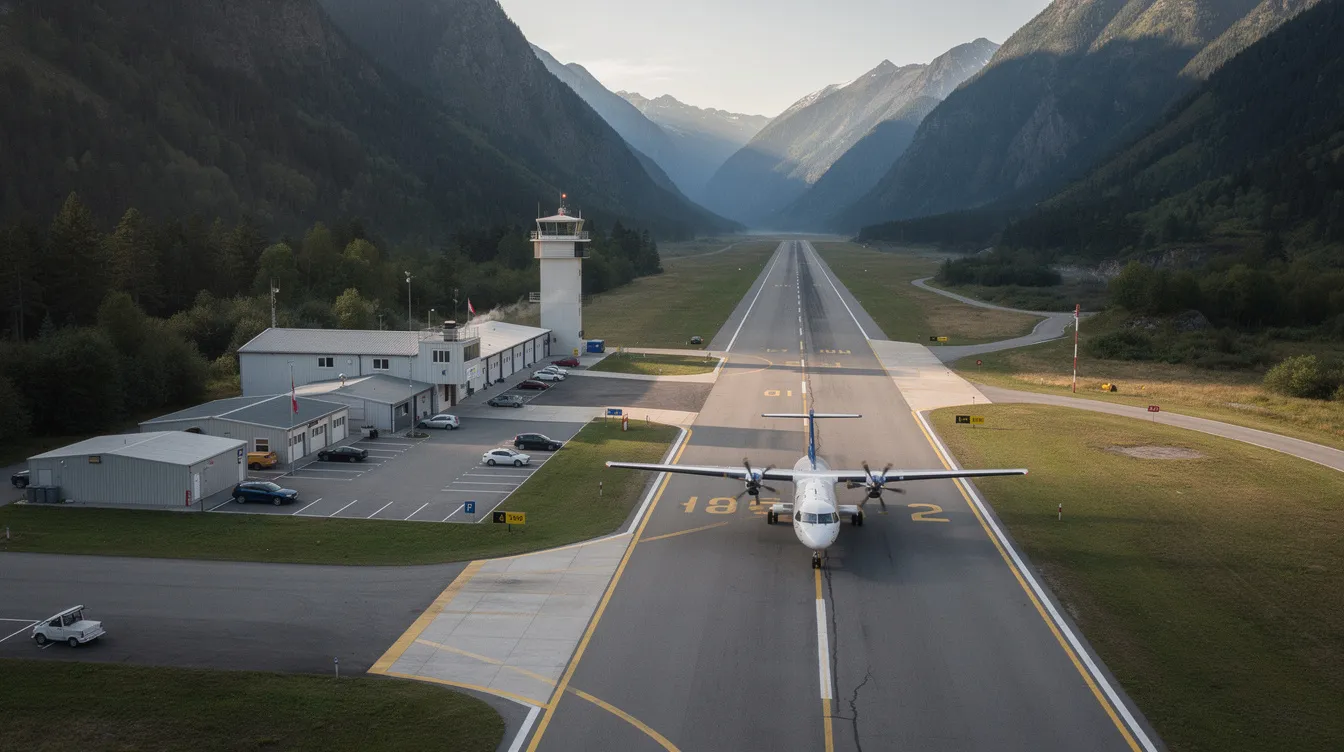
Home airport constraints matter. Runway length, elevation, climate, and hangar availability can favor turboprops like the Beechcraft King Air or Pilatus PC-12 over heavier midsize jets. A turboprop's capability on shorter runways and high-altitude strips opens airports that jets simply cannot reach.
Budget guidance:
$1M–$3M capital with moderate flying → fractional ownership of light jets or turboprops
$5M–$10M capital with 150–200 hours → fractional share of a midsize jet
$10M+ with 300+ annual hours → consider outright purchase of a midsize private jet
Comfort and productivity factors also influence the decision, as do structural choices like whether you participate in a floating fleet option within a fractional program. Some midsize jets offer stand-up cabin height, in-flight Wi-Fi for work during business trips, generous baggage capacity for ski trips, and quiet cabins for overnight segments. Cockpit technology in new models enhances situational awareness, which benefits both crew and passengers.
Many BlackJet clients begin by exploring 8-seater planes for sale and then pivot to fractional solutions once they see the balance of control, cost, and flexibility that a well-structured program can provide access to, often benchmarking against the best fractional jet ownership programs for smart investors.
If combined business and personal flying regularly exceeds 250–300 hours per year, full ownership of an 8-seat turboprop or midsize jet may be justified. But most mixed-use travelers fall below that threshold. Fractional ownership through BlackJet accommodates both corporate and leisure travel, with usage rules structured so business hours may qualify for favorable tax treatment while still allowing family trips under the same share. Many owners begin with fractional ownership to test actual flight patterns before committing capital to a full aircraft acquisition, while also reviewing essential liability coverage in fractional ownership to ensure their risk exposure is properly managed. Model your scenarios with realistic trip data and consult an aviation-savvy tax professional. Fractional ownership typically requires the full aircraft to fly 200–300 flight hours annually across all share owners, ensuring the plane stays active and costs remain efficient.
A straightforward acquisition usually takes 60–120 days from initial search to final delivery. The main steps include budget definition, identifying candidate aircraft through platforms like Controller or broker networks, performing a pre-buy inspection, arranging financing if needed, completing title search and security verification, and closing through escrow. International transactions, complex upgrades, or major findings during inspection can extend the timeline. By contrast, joining a fractional or membership program can often be completed in weeks once legal documents are signed, and funds are in place—no waiting months for delivery.
Light jets like the Cessna Citation CJ3+ seat 7–8 passengers but may compromise on baggage capacity and cabin volume when fully loaded. Their range typically caps around 1,800–2,100 nm. Midsize jets such as the Cessna Citation XLS+ or Embraer Praetor 500 deliver more cabin volume, better stand-up room, larger baggage holds, and ranges often exceeding 2,000–3,400 nm. Midsize jets consume more fuel and have higher hourly costs, but they deliver superior comfort for full 8-passenger loads on longer sectors. BlackJet often recommends midsize jets for teams traveling with luggage and equipped for productivity, while light jets serve well for shorter trips with fewer passengers.
Some piston aircraft and certain turboprops are certified for single-pilot operations, but insurance requirements and safety best practices typically favor hiring at least one professional pilot. Midsize jets and many 8-seat private jets require two pilots under standard operator rules and may not suit an owner-pilot without extensive training and type-specific experience. Even qualified owner-pilots often use professional crews for demanding trips, challenging weather, and international operations to reduce workload. In fractional programs like BlackJet's, fully vetted and recurrently trained crews are provided, eliminating the need for the owner to manage pilot hiring, training, or scheduling.
BlackJet relies on operators meeting stringent regulatory standards, such as FAA Part 135 in the United States, along with independent safety audits. Performing security verification is embedded in the process: background checks on crew, operational oversight, maintenance tracking, and strict adherence to approved maintenance programs for aircraft like the Beechcraft King Air or Cessna Citation fleets. The organization verifies aircraft, pilots, and procedures continuously, giving owners safety standards comparable to or better than what many could manage on a single privately owned 8-seater aircraft. For more on essential ownership rules and standards, contact BlackJet directly.
While buying an 8-seater plane for sale can make sense for very high-usage flyers, many individuals and companies achieve better economics and flexibility through fractional jet ownership and membership access. BlackJet Fractional Jet Ownership can help evaluate whether a King Air, light jet, or midsize jet solution best matches your mission—without forcing you into full private jet ownership prematurely.
Ready to explore the smarter way to fly private? Visit FractionalJetOwnership.com to explore Reserve Fleet and Equity Fleet options or to request a tailored consultation.
