October 19, 2026
Private aviation comes down to three paths: whole aircraft ownership, fractional jet ownership, or non-ownership solutions like jet cards, memberships, and on-demand charter. Jet cards are prepaid programs offering a set number of flight hours on specific aircraft categories, while on-demand charter allows travelers to book individual flights as needed without long-term commitment. Each model carries a distinct cost structure, level of commitment, and operational experience. Choosing the wrong one can mean hundreds of thousands of dollars in unnecessary spending every year.
This guide is written for U.S.-based individuals and companies flying roughly 25 to 200 hours per year who want to fly private with predictable access-without shouldering the full burden of aircraft ownership. Private jets allow you to eliminate long security lines and crowded terminals while providing enhanced productivity through customized cabins and onboard connectivity. Jet ownership models include on-demand charter, jet cards, and fractional ownership, among others, and the right fit depends entirely on how often you fly, where you go, and how much complexity you're willing to manage.
Consider a business owner based in New York who flies to Miami monthly and takes a handful of additional trips each year-roughly 80 annual flight hours. Buying an entire aircraft at that usage level means absorbing steep fixed expenses on a jet that sits idle most of the month. Fractional ownership or a structured membership program typically delivers the same access at a fraction of the capital cost, with far less operational burden.
BlackJet Fractional Jet Ownership specializes in helping flyers in exactly this range. Through its Equity Fleet (fractional program with a deeded share) and Reserve Fleet (flexible pay-as-you-go hours), BlackJet provides tailored private aviation solutions without requiring clients to own aircraft outright. This article covers cost structure-including acquisition cost, hourly rate, and management fees-along with aircraft categories, tax benefits, and a framework for deciding which model fits your profile.
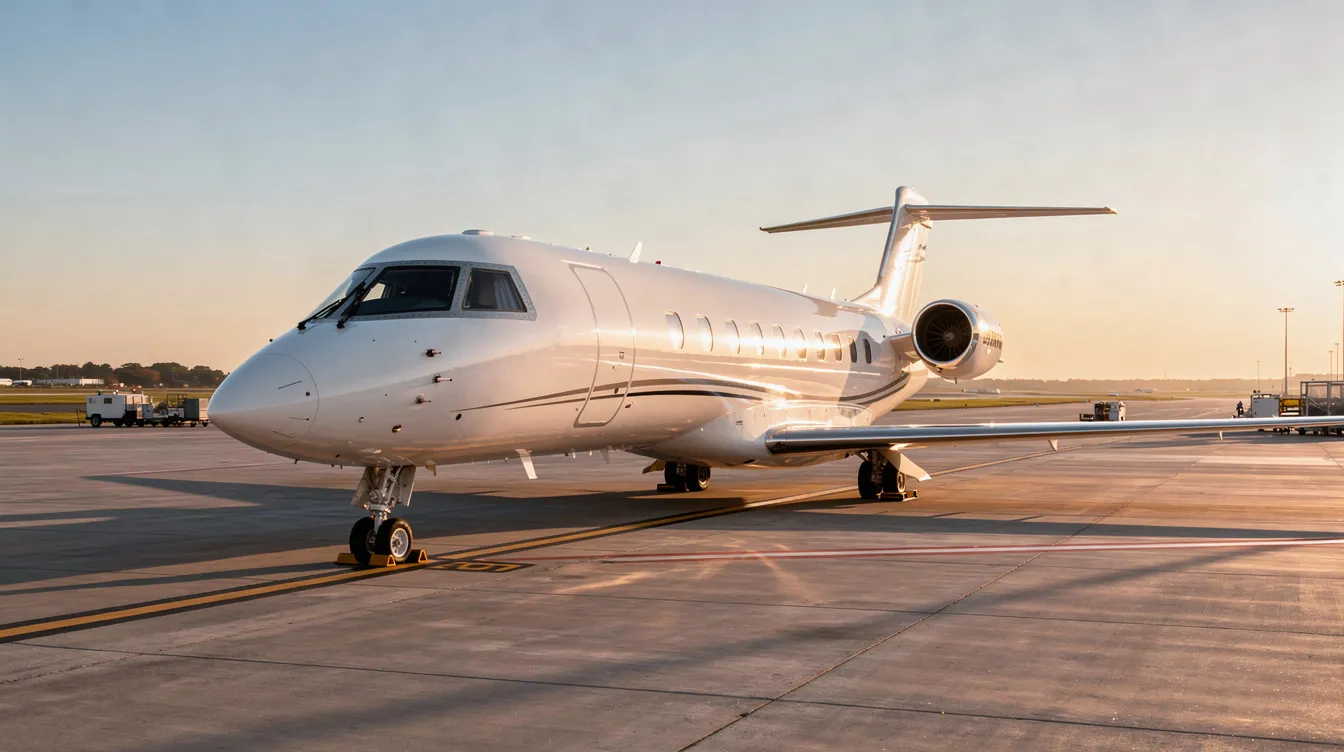
Whole aircraft ownership, also called full ownership, means purchasing a specific aircraft-say, a 2020 Embraer Phenom 300 or a Gulfstream G500-and taking on complete responsibility for its operation. Complete ownership of a private jet provides total control over scheduling and maintenance while also placing all operating responsibilities on the owner, and owning a private jet provides unmatched flexibility and privacy that no shared program can fully replicate.
That said, whole ownership generally becomes cost-effective only when utilization reaches approximately 300 or more flight hours per year. Ownership is recommended primarily for those who fly upwards of 150 to 200 hours annually at minimum, with the strongest economics kicking in well above that threshold. Below 300 hours, fixed costs become disproportionately high on a per-hour basis.
The main cost categories for whole aircraft owners include:
Acquisition cost: The initial purchase price of a light pre-owned jet starts at a few million dollars, while new midsize jets run $20–$22 million and large-cabin models exceed $50 million.
Crew salaries and benefits: Full-time pilot salaries, pilot training, and crew staffing typically add $250,000–$500,000 or more annually.
Hangar space, insurance, and maintenance: Hangar fees, hull and liability insurance, and enrollment in maintenance programs (JSSI, MSP) represent significant fixed expenses.
Variable costs: Private jets incur variable operating costs based on usage, including fuel costs, handling fees, landing fees, and repositioning costs.
Private jets also incur fixed operating costs such as crew salaries and maintenance in addition to usage-based costs. Substantial financial outlay is required for private jet ownership, beyond the acquisition cost. Private jet operating costs vary by aircraft size and usage, affecting the financial viability of ownership. Private jet maintenance and regulatory compliance are the owner's responsibility, which is why most whole aircraft owners hire a management company to handle pilots, maintenance, and scheduling.
Non-financial advantages include the ability to own aircraft with a custom interior, base it at a preferred airport, and maintain complete control over every operational detail. The key drawbacks: high capital commitment, full exposure to depreciation, and the ongoing need for professional aircraft management-even during months when the jet barely moves.
Fractional jet ownership involves purchasing a deeded equity share-commonly 1/16, 1/8, or 1/4-in a specific aircraft within a managed fleet, with 1/8 fractional jet ownership typically providing around 100 hours of annual access. Each share corresponds to guaranteed annual flight hours: a 1/16 share provides approximately 50 hours per year, a 1/8 share roughly 100 hours, and a 1/4 share about 200 hours. Fractional ownership shares usually guarantee 50 to 100 flight hours annually, making private jet fractional ownership a practical middle ground for consistent mid-frequency flyers.
Under a fractional program, a professional operator handles all aircraft management-crew hiring, pilot training, maintenance, insurance, scheduling, and FAA Part 91K regulatory compliance. Part 91K regulations impose strict maintenance and crew duty-time limits, providing a level of safety oversight that goes beyond what typical charter services operating under Part 135 regulations offer. Fractional ownership typically requires a multi-year commitment, usually three to five years.
Fractional owners request flights with typically 8 to 48 hours' notice and receive guaranteed availability inside the program's primary service area-generally the continental U.S. and parts of Canada and Mexico. Many modern programs rely on floating fleet options in fractional ownership to increase scheduling flexibility and aircraft availability. Fractional ownership guarantees access to aircraft 355 days a year. Owners can customize flight schedules for greater flexibility, and fractional ownership allows access to smaller regional airports-private jets can access over 5,000 regional and smaller airfields that commercial carriers cannot serve.
A significant advantage of fractional aircraft ownership is fleet access. Owners can interchange hours across different aircraft types within the same operator's fleet, meaning a share in one aircraft category can sometimes be exchanged for a larger or smaller jet when the mission changes.
BlackJet's Equity Fleet is an example of a fractional program built around predictable access, safety, and transparent cost structure for clients flying 25 to 150 hours per year.
Fractional jet ownership cost is typically broken into three buckets: the initial investment (capital), fixed monthly management fees, and variable occupied hourly rates. Understanding the total cost of fractional jet ownership and these layers is essential before comparing programs.
Acquisition cost varies by aircraft category and share size. In 2026, a 1/16 share in a light jet like a Citation CJ3+ runs approximately $300,000 to $700,000. A 1/8 fractional share typically costs $700,000 to $1.2 million for midsize aircraft like a Citation XLS+. Larger cabin shares-super-midsize or heavy jets-can reach $1.5 million to $3 million or more. Overall, acquisition costs for fractional shares range from $300,000 to $3 million.
Monthly management fees cover crew, maintenance oversight, scheduling, insurance, program administration, and regulatory compliance. These fees are due whether or not you fly. Monthly management fees typically range from $4,000 to over $28,000 depending on the aircraft category, with light jets at the lower end and large-cabin jets at the top. Expect fees to escalate 3–6% annually for inflation.
Occupied hourly rates include fuel, standard catering, and routine wear-and-tear. Light jets typically fall between $4,000 and $7,500 per flight hour; midsize jet rates run $6,500 to $10,000; and super-midsize or large-cabin aircraft reach $8,500 to $14,000 or more. Fuel surcharges can add $200 to $800 per flight hour, and peak day surcharges or international handling fees may apply on top.
At the end of the contract term, most programs apply a residual value mechanism-either a guaranteed buyback percentage or a fair-market appraisal. Fractional shares often lose 35 to 60 percent of their value over five years, so factoring in this capital cost is critical, and understanding fractional jet ownership financing, costs, and benefits becomes essential. As a rough illustration: a 1/8 share in a midsize jet purchased at $900,000, with monthly management of $14,000 and an occupied hourly rate of $6,000 across 100 hours per year, totals roughly $2.0–$2.5 million over five years before residual recovery. You can explore more detail in BlackJet's breakdown of fractional jet ownership cost.
Most clients compare fractional jet ownership vs membership programs and ad-hoc charter before committing. Each model serves a different usage profile.
Fractional ownership is equity-based with a multi-year term, a meaningful capital commitment up front, and lower headline hourly rates. Fractional owners build asset ownership in a share of a single aircraft, benefit from potential tax advantages for qualified business use, and receive guaranteed access to the fleet. When you evaluate fractional jet ownership as an investment, the tradeoff becomes clear: locked-in capital, residual value risk, and hidden fees that may surface in surcharges or escalation clauses.
Jet card programs operate on a prepaid block of hours for specific aircraft categories-commonly 25 or 50 hours. Jet cards offer flexibility without capital investment and deliver predictable costs per hour. There is no equity, no depreciation benefit, and pricing per hour tends to run higher than fractional rates at equivalent volume.
On-demand charter is pure pay-as-you-go. You choose the right aircraft for each trip with no long-term commitment. It works well for those who fly fewer than 25 to 40 hours per year but comes with variable pricing, less predictable scheduling, and inconsistent service quality across operators.
The break-even ranges typically look like this: under 50 to 75 hours per year, jet cards or charter are usually more cost-effective. Between 75 and 150 hours, fractional programs need careful modeling against alternatives. Above 150 to 200 hours, fractional or whole ownership begins making financial sense.
Consider a business executive flying New York to Dallas monthly-roughly 7 hours round trip, totaling about 84 hours annually. On-demand charter for that route might cost $45,000–$55,000 per round trip with variable availability. A fractional program with a 1/8 share provides exclusive access, a lower effective hourly rate, and guaranteed availability without the scramble of sourcing a new operator each month. Environmental impact from private jets is typically higher per passenger than commercial flights, so consolidating trips efficiently through a structured program also helps manage that footprint.
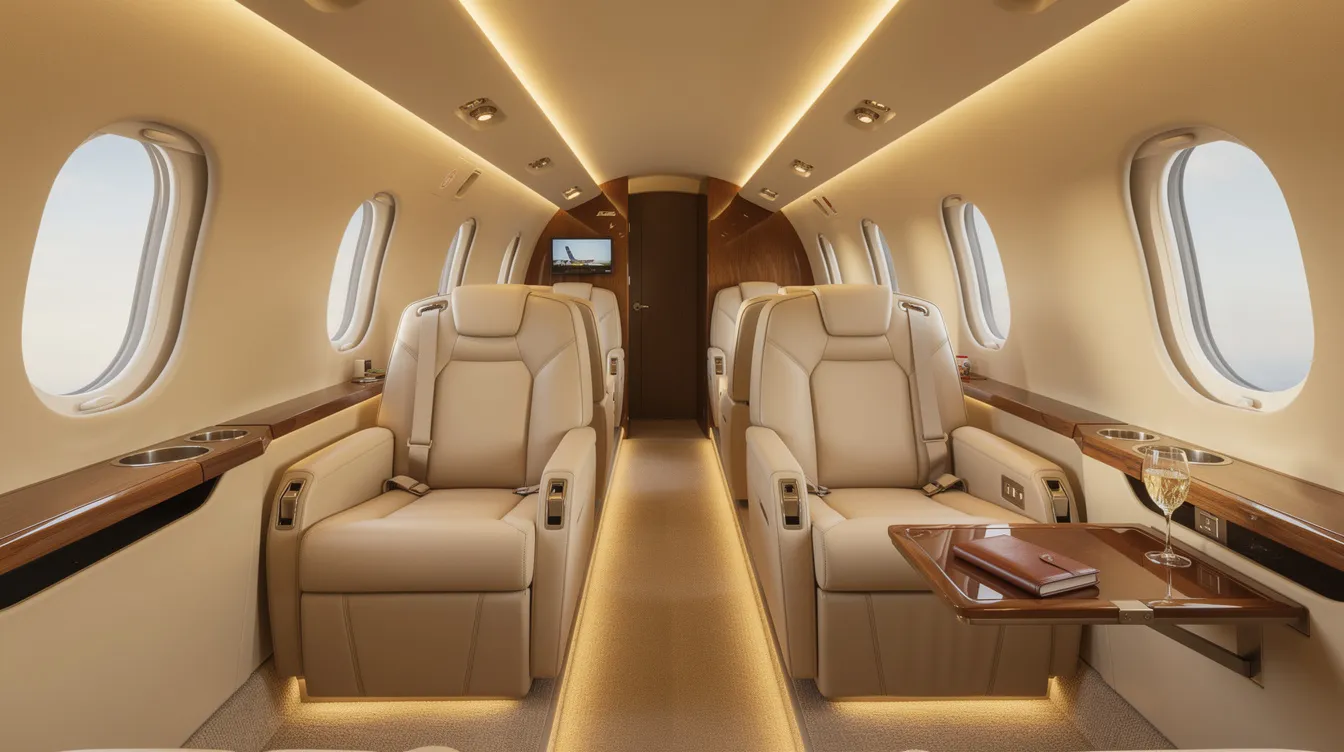
Aircraft category drives both hourly rates and acquisition cost, so selecting the right one is essential to managing your operating expenses. Here is a summary of common categories and their ideal missions:
Turboprop (e.g., Pilatus PC-12): Range up to ~1,500 nm, 4–6 passengers. Best for short regional hops under 1,000 miles or access to smaller airfields. Lowest cost per hour.
Light jet (e.g., Embraer Phenom 300): Range ~1,500–2,000 nm, 6–7 passengers. Ideal for frequent 2- to 3-hour trips between regional city pairs.
Midsize jet (e.g., Citation XLS+): Range ~2,200–2,500 nm, 6–8 passengers. Balanced range and cost for cross-country U.S. routes.
Super-midsize (e.g., Challenger 3500): Range ~3,000–3,500 nm, 8–10 passengers. Coast-to-coast or multi-city legs with a more spacious cabin.
Large cabin (e.g., Gulfstream G600): Range 5,000–7,500 nm, 12–16 passengers. International or ultra-long-range nonstop flights.
Fractional ownership programs like BlackJet's allow owners to reserve a primary aircraft category but access a diverse fleet via hourly exchange or fleet interchange. A midsize shareholder flying a short 90-minute hop can request a light jet instead of paying the same aircraft's higher operating costs for a trip that doesn't require the range or cabin size.
Aircraft category selection also influences tax planning, depreciation schedules, and long-term capital commitment-choosing a category that aligns with your actual mission profile prevents overspending on capabilities you rarely need. For a deeper look at fractional aircraft types, BlackJet provides detailed comparisons.
Tax benefits are often cited as a significant advantage of fractional aircraft ownership for business use, and understanding the tax implications for fractional jet owners is a critical part of the analysis. However, consultation with a tax specialist is advisable before committing to aircraft ownership due to potential tax implications. BlackJet does not provide tax advice; specific outcomes require guidance from an aviation-savvy CPA or tax attorney.
At a high level, fractional jet ownership can qualify as aircraft ownership for purposes of depreciation under U.S. tax law. Depreciation of private jets is similar to that of luxury automobiles, often steep in initial years, which can create significant tax advantages for owners. The OBBB Act restored 100% first-year bonus depreciation permanently, meaning fractional ownership may qualify for 100% bonus depreciation in the year of acquisition. Section 179 allows expensing up to $2.5 million for fractional shares, providing another avenue for accelerated write-offs. Additionally, owners can deduct operating expenses if the aircraft is used for business purposes.
Fractional ownership includes depreciation benefits for owners and may provide significant tax advantages, but these depend on usage patterns, entity structure, and compliance with IRS rules on business versus personal use.
On the capital commitment side, fractional contracts typically lock in equity for three to five years. During that period, the share is relatively illiquid. Key risks include aircraft depreciation over the term, variation in residual value at exit, and potential early-termination fees, all of which matter when selling your fractional jet ownership share or transitioning to a new solution. Some modern fractional programs mitigate these risks with pre-agreed buyback percentages or access to secondary markets.
As an illustration: a business acquiring a 1/8 share in a midsize jet in 2026 at $900,000 might claim accelerated depreciation in year one, significantly reducing the after-tax capital cost. The specifics, however, depend entirely on individual circumstances-always work with a qualified advisor.

In a modern fractional program, the owner's experience is straightforward: call or use an app to request a flight, and the provider handles crew staffing, maintenance, safety, and logistics. The complexity of aircraft management-pilot training, FAA compliance, maintenance planning, tracking time between overhauls-happens behind the scenes.
Standard scheduling rules typically require 8 to 48 hours' notice for domestic flights. Peak days like Thanksgiving, Christmas, or major sporting events may require longer lead times or carry peak day surcharges. Cancellation policies and additional hours provisions vary by provider and should be reviewed carefully before signing.
The consistency of flying with the same fractional provider-often returning to the same aircraft experience trip after trip, with standardized interiors, trained crews, and familiar service standards-contrasts sharply with charter or jet cards, where the aircraft may vary from one flight to the next and scheduling conflicts, variable cabin quality, and unpredictable service are common friction points. BlackJet positions itself around predictable access, tailored scheduling for business-critical travel, and transparent communication whenever operational constraints arise.
The ideal fractional jet ownership candidate is an executive or family flying 50 to 200 hours per year on relatively predictable routes-New York to Palm Beach, Los Angeles to Aspen, Chicago to Houston-who values guaranteed access and consistent service without wanting to own an entire aircraft.
Flyers with variable annual hours or seasonal spikes may be better suited to reserve-style or membership models, such as BlackJet's Reserve Fleet, which provides fleet access and competitive hourly rates without equity or long-term capital commitment.
Whole aircraft ownership typically becomes rational for multi-location businesses flying 300 to 500 or more hours per year, or those needing a highly customized, always-on aircraft presence. Some corporations blend solutions: one wholly owned aircraft for core routes and fractional shares or memberships for overflow and international trips.
Composite example one: A 70-hour-per-year entrepreneur making frequent East Coast trips chooses a 1/16 fractional share in a midsize jet. The predictable costs, tax advantages, and guaranteed access outweigh the capital commitment, especially compared with paying charter premiums on short notice.
Composite example two: A 30-hour-per-year family taking seasonal ski trips and occasional coastal getaways finds a jet card or BlackJet's Reserve Fleet membership more appropriate-no equity at stake, no monthly management fee during quiet months, and full flexibility to scale up if travel increases.
Beyond total cost, consider intangible factors: tolerance for complexity, desire for equity and tax treatment, need for privacy and schedule control, and succession or exit planning.
Before signing a fractional contract, thorough due diligence separates a sound decision from an expensive mistake. On program structure, understand the contract term length, options to resize or terminate early, and exactly how residual value or buyback is calculated at the end. Ask whether you can transfer or sell your share independently, and what fees apply if you exit before the term concludes.
On cost clarity, confirm precisely what the occupied hourly rate includes and what it does not. Determine how fuel surcharges, peak-day premiums, and international handling fees are calculated. Verify how often monthly management fees can escalate and whether there is a cap on annual increases. Watch for hidden fees buried in supplemental agreements.
On operations, ask about guaranteed response times, minimum notice for domestic and international trips, backup aircraft policies, and how service disruptions or maintenance events are handled without leaving you stranded. On safety and compliance, review the operator's certifications, crew training standards, maintenance oversight protocols, and insurance limits, along with essential contract terms in fractional jet ownership and the structure of an aircraft fractional ownership sample contract.
Comparing at least two or three programs side by side-including the best fractional jet ownership programs for smart investors and BlackJet's approach to transparent cost structure and flexible access-reveals meaningful differences that raw hourly rates alone will never show.
Full aircraft ownership makes sense for very high utilization. Fractional ownership delivers the strongest value for consistent mid- to high-frequency flyers who want predictable costs, tax benefits, and guaranteed access. Non-ownership options-jet cards, memberships, charters- serve occasional travelers who prioritize flexibility over equity.
BlackJet Fractional Jet Ownership helps clients model whole aircraft ownership, fractional shares, and membership-style Reserve Fleet access based on real travel data, not assumptions. Whether you need to evaluate your first fractional share or rethink how your company manages its flight hours, BlackJet's team can walk you through the numbers.
Ready to explore the smarter way to fly private? Visit FractionalJetOwnership.com to schedule a consultation, review your flight history, and discover which aircraft category and access model fits your life. The right approach to private jet access is not about spending the most-it is about matching your travel pattern to the model that delivers access, efficiency, and peace of mind.
